Double Wall Fuel Tank: Secure, Compliant Storage Solutions
Introduction to Advanced Fuel Storage Solutions
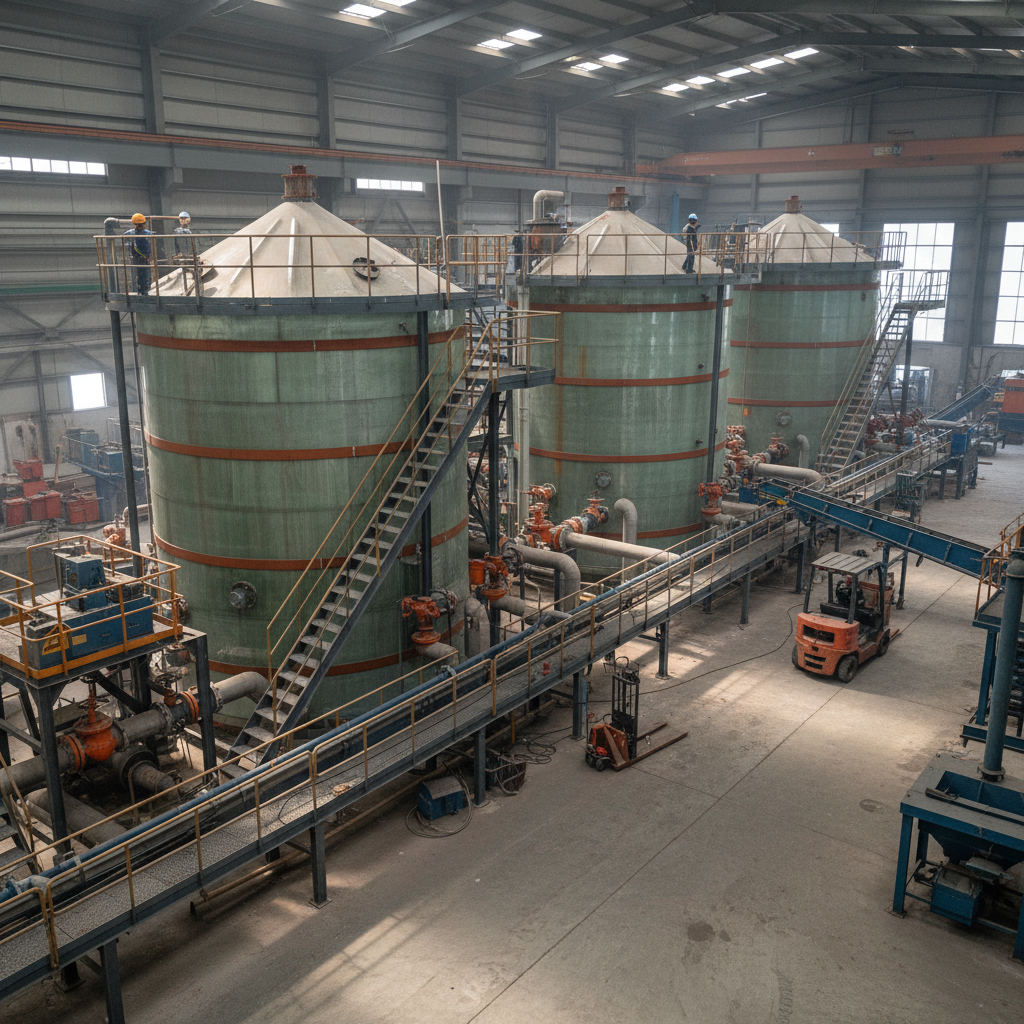
In the demanding landscape of modern energy infrastructure, the secure and efficient storage of combustible liquids is paramount. Businesses across various sectors, from petroleum distribution to industrial facilities, increasingly rely on robust, compliant, and environmentally sound storage solutions. Central to this requirement is the double wall fuel tank, an engineering marvel designed to provide superior containment, leak detection capabilities, and extended service life. This article delves into the critical aspects of these advanced storage systems, highlighting their technical specifications, application versatility, and the tangible benefits they offer for reliable fuel management.
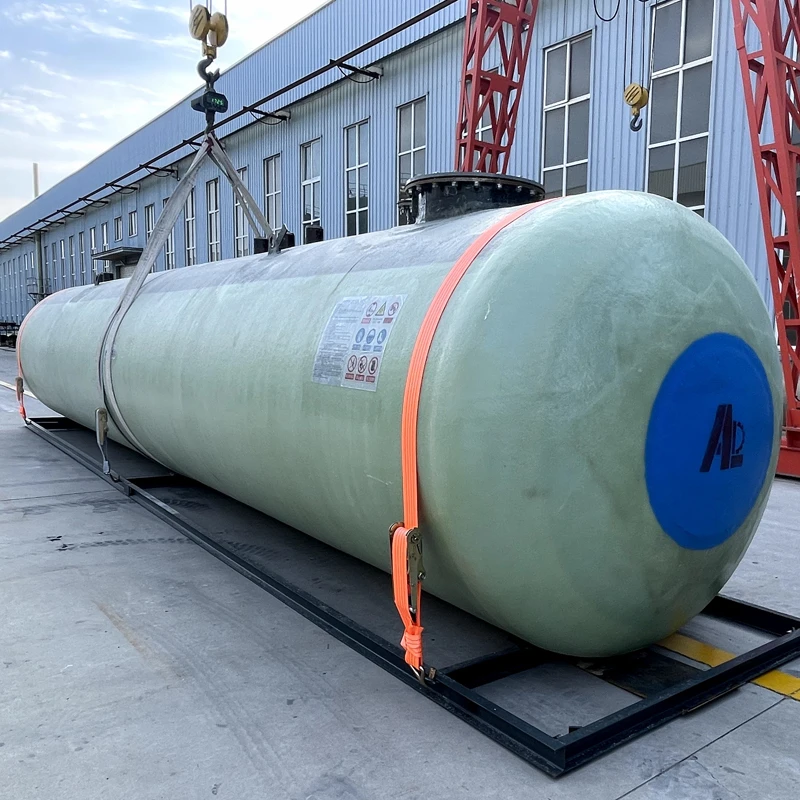
The design philosophy behind double wall fuel tank systems prioritizes safety and environmental protection, making them an indispensable asset for any operation handling hazardous liquids.
Industry Trends in Fuel Storage Solutions
The fuel storage industry is experiencing rapid evolution, driven by stringent environmental regulations, technological advancements, and a growing emphasis on operational resilience. Key trends include:
- Enhanced Containment: A shift towards secondary containment solutions like double wall fuel tank designs to prevent leaks and spills, aligning with EPA and local environmental guidelines.
- Smart Monitoring Systems: Integration of advanced sensor technology for real-time leak detection, inventory management, and predictive maintenance, minimizing human intervention and maximizing safety.
- Corrosion Resistance: Increased demand for materials like Fiberglass Reinforced Plastic (FRP) and composite steel-FRP (Sf tanks) for superior resistance to corrosion, especially for underground fuel storage tanks.
- Sustainability: Focus on products with longer service lives and minimal environmental impact, reducing the frequency of replacements and associated carbon footprint.
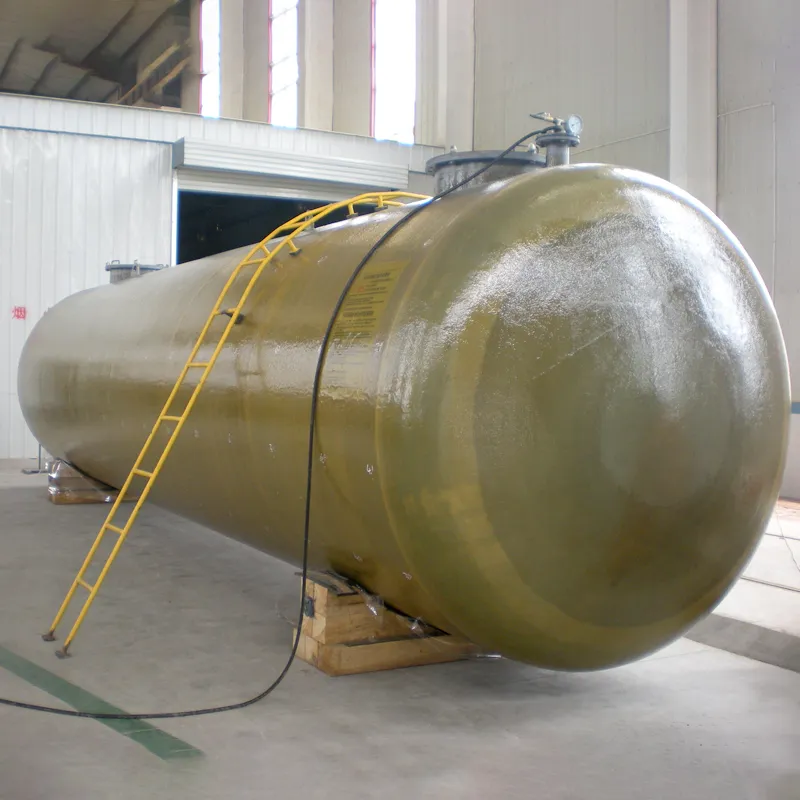
These trends collectively underscore the critical role of technologically advanced and robust storage solutions in safeguarding both operations and the environment.
Technical Specifications and Design of Sf Double Wall Underground Fuel Tanks
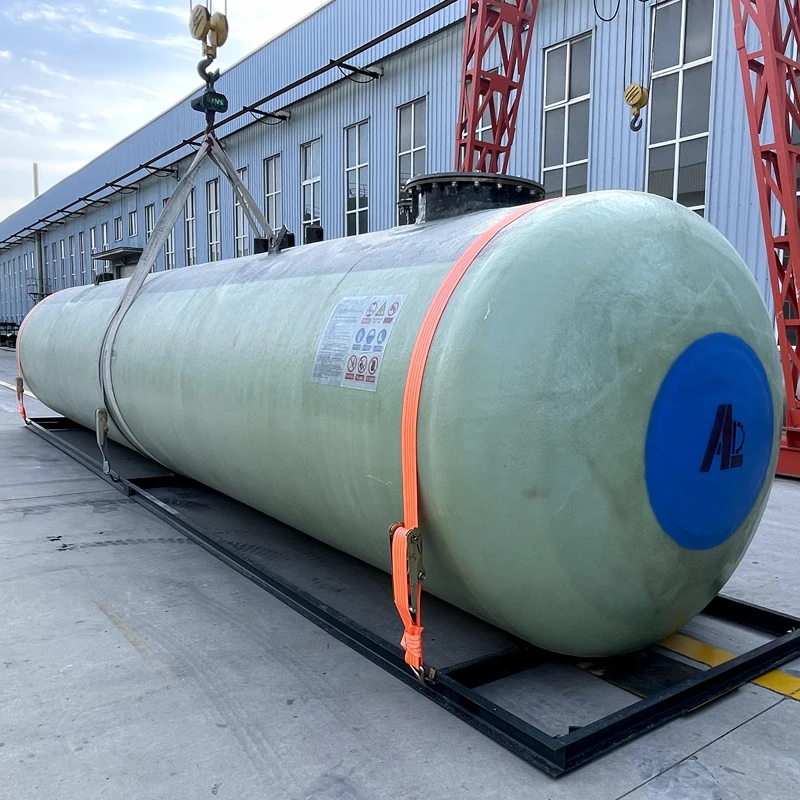
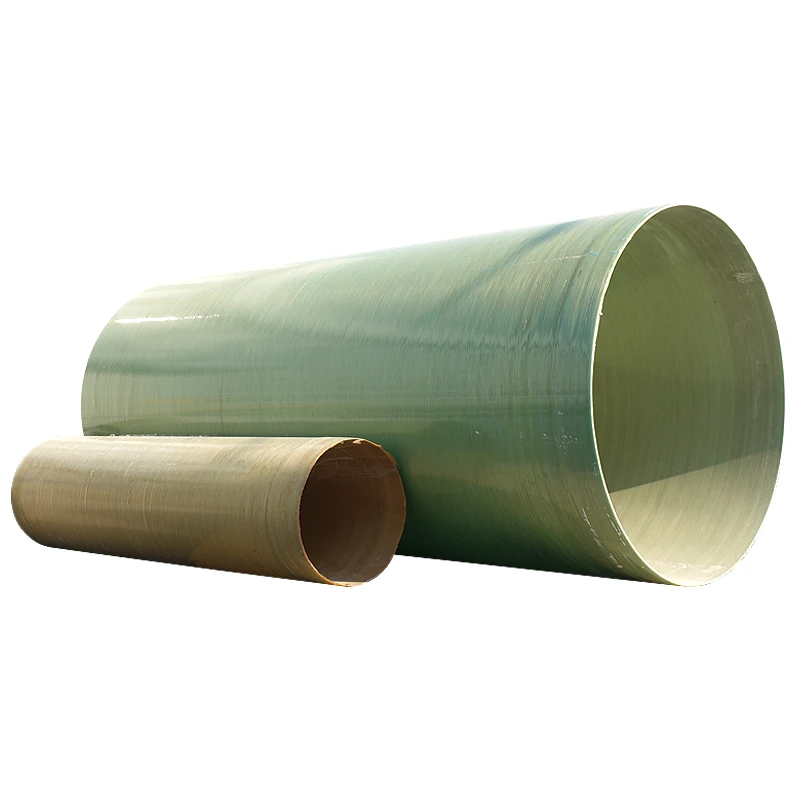
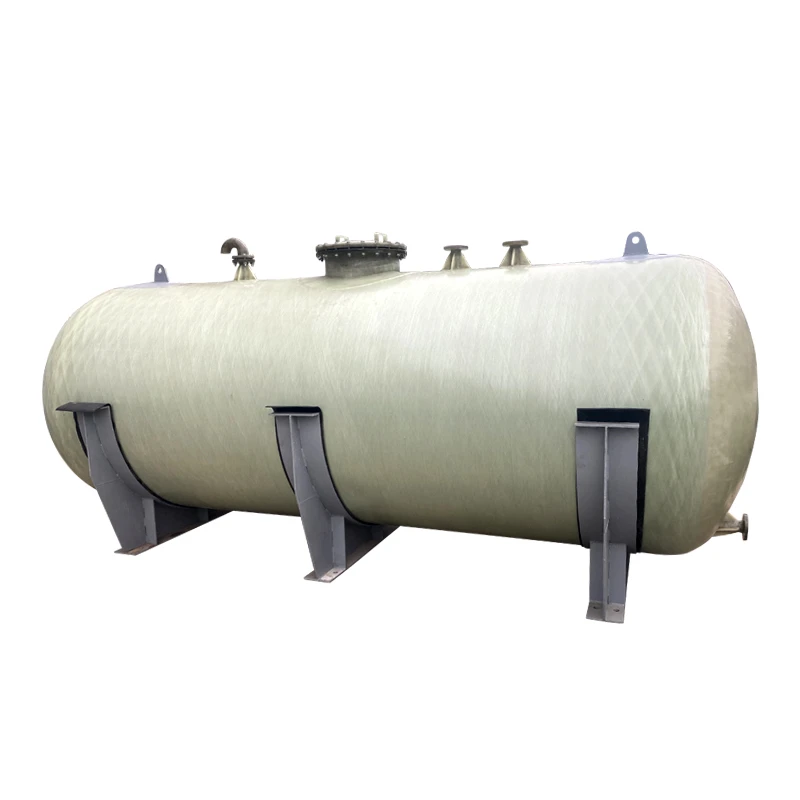
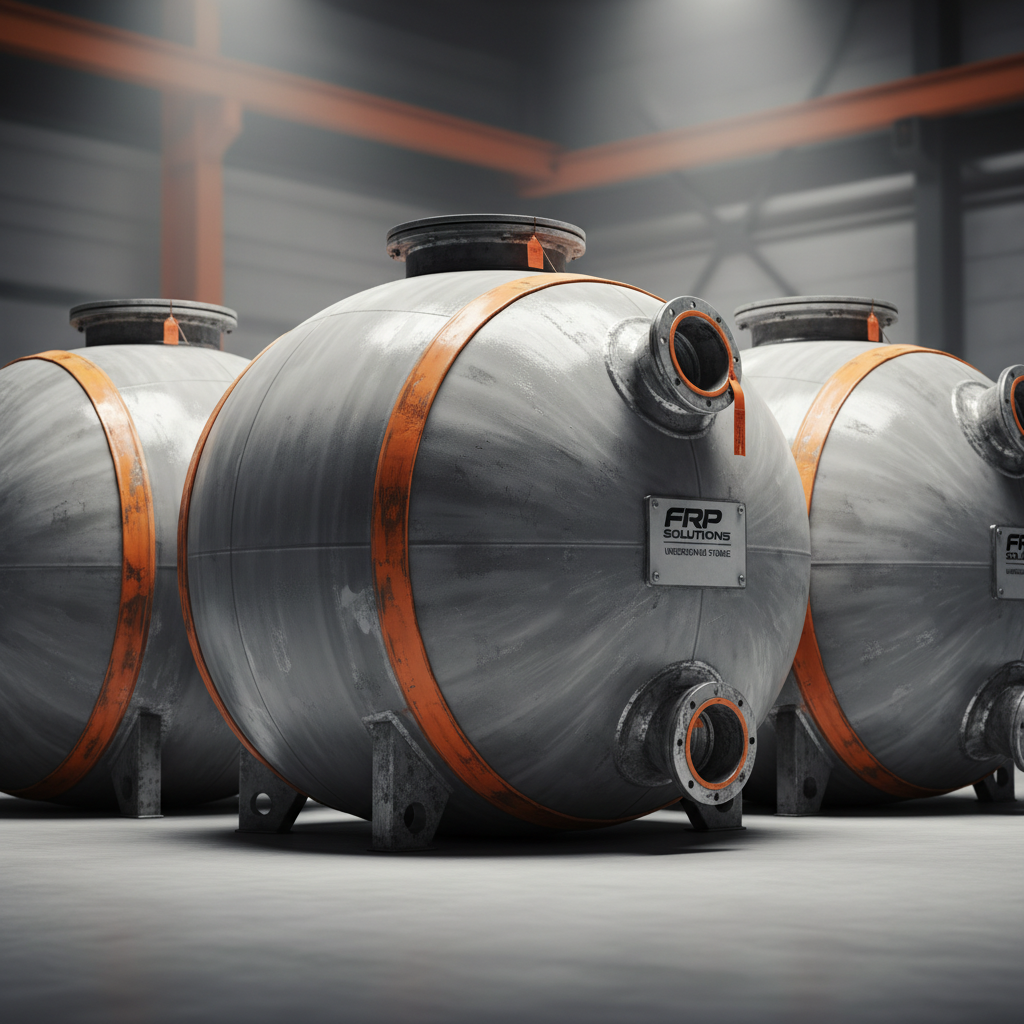
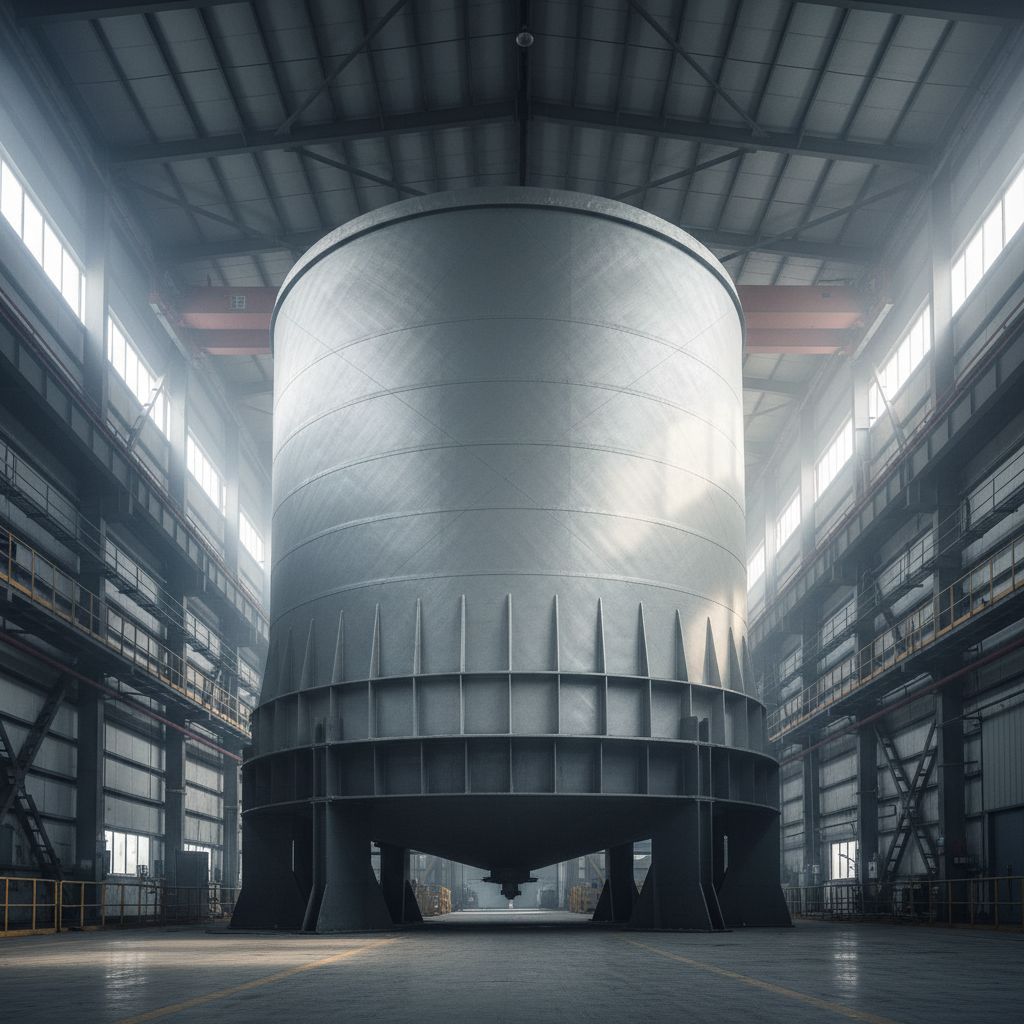
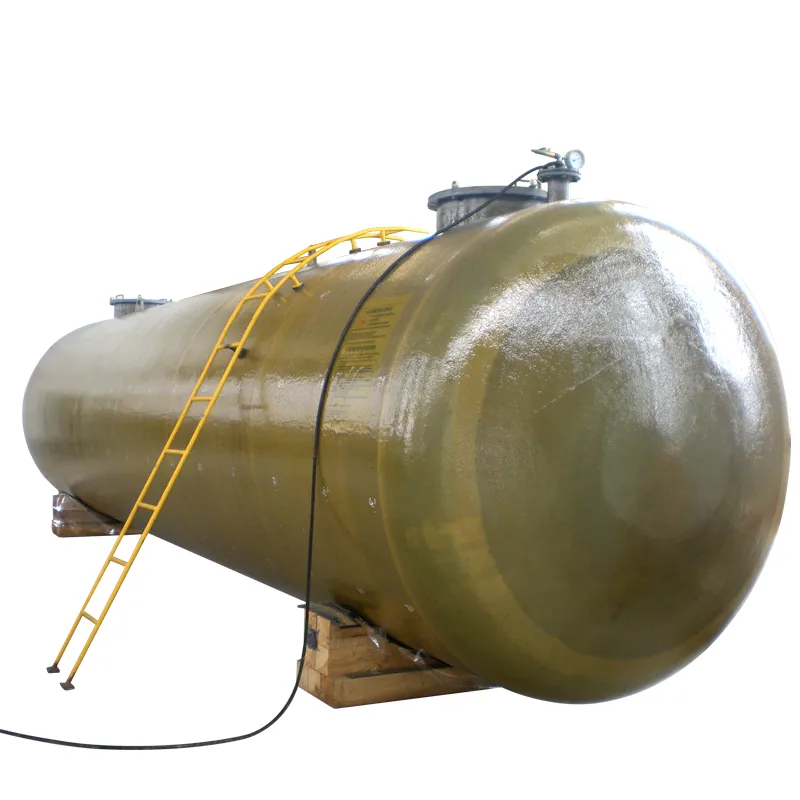
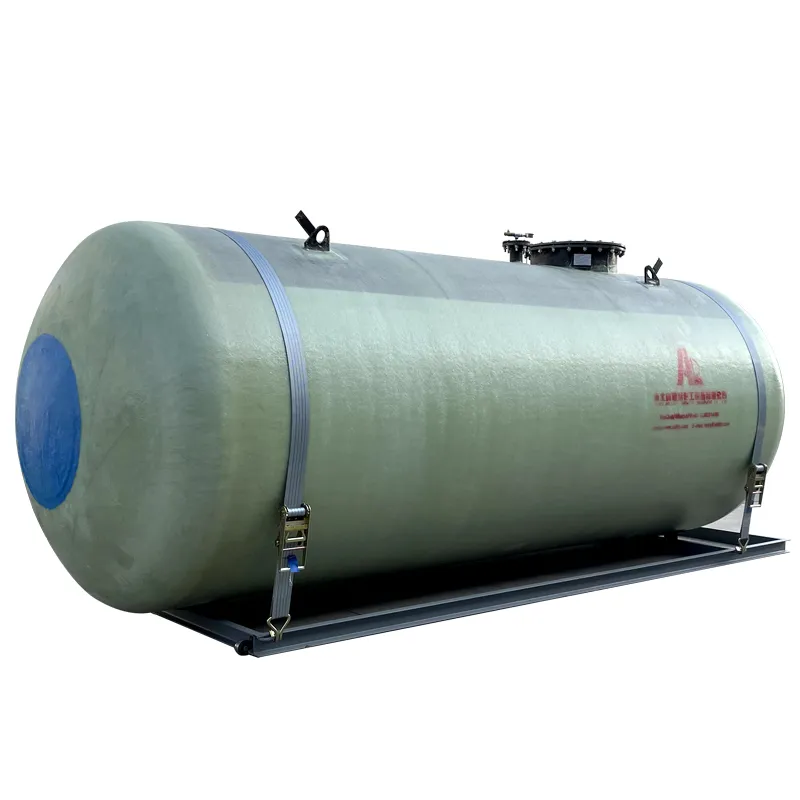
The Sf (Steel-Fiberglass) double wall fuel tank represents a pinnacle of engineering, combining the structural integrity of steel with the unparalleled corrosion resistance of fiberglass. This composite structure provides dual protection against internal and external environmental factors, ensuring an extended operational life and superior safety.
Key Structural Components:
- Inner Tank: Fabricated from high-grade carbon steel (e.g., Q235B or equivalent), designed to contain the fuel. The steel provides mechanical strength and structural stability.
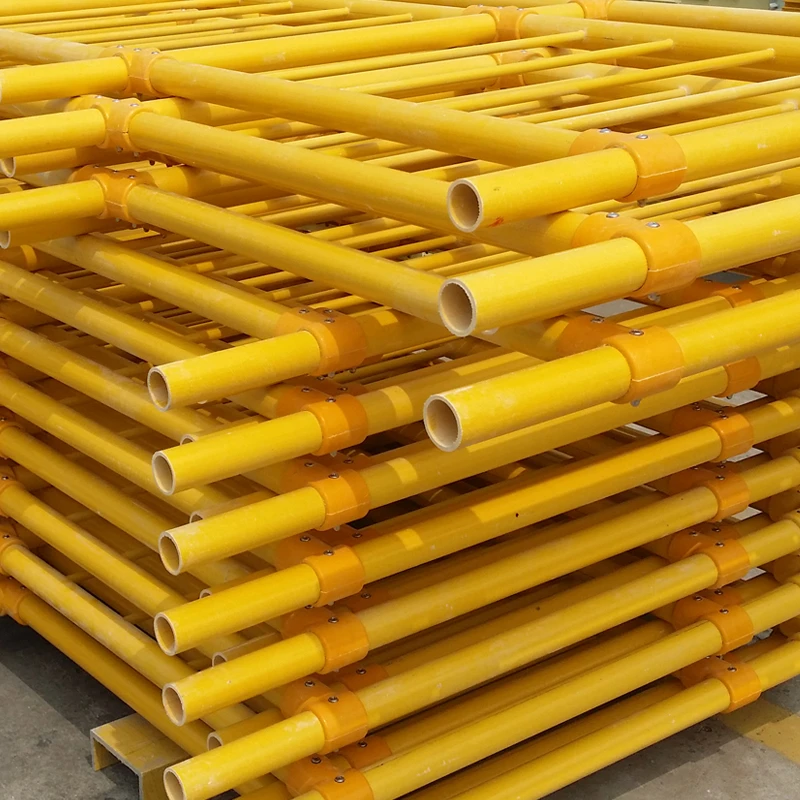
- Outer Jacket: A robust layer of fiberglass reinforced plastic (FRP) encapsulates the inner steel tank. This FRP layer offers exceptional resistance to galvanic corrosion, chemical attack from soil, and stray currents, which are common threats for underground fuel storage tanks.
- Interstitial Space: A precise gap between the inner steel tank and the outer FRP jacket, typically 3-5mm. This space is continuously monitored for leaks using advanced detection systems (e.g., vacuum, pressure, or liquid sensors), providing immediate alerts in case of a breach in either wall.
- Access Manways and Fittings: Engineered for easy access for inspection, maintenance, and connection of piping, pumps, and monitoring equipment. These are typically reinforced to ensure long-term integrity.
Typical Product Specification Table: Sf Double Wall Underground Fuel Tank
| Parameter | Specification | Notes |
|---|---|---|
| Tank Type | SF Double Wall Underground Fuel Tank | Steel inner, FRP outer |
| Capacity Range | 5,000 to 100,000 Liters (approx. 1,300 to 26,400 Gallons) | Common sizes include 500 gallon double wall fuel tank and 100 gallon double wall fuel tank (for smaller applications) |
| Inner Material | Q235B Carbon Steel | Minimum thickness per design standard |
| Outer Material | Fiberglass Reinforced Plastic (FRP) | Chemical and corrosion resistant |
| Interstitial Monitoring | Vacuum/Pressure/Liquid sensor | Continuous leak detection |
| Design Standard | UL1746, UL58, EN12285-1 (Class A), ISO 9001 | Industry compliance |
| Service Life | > 30 Years | Long-term reliability |
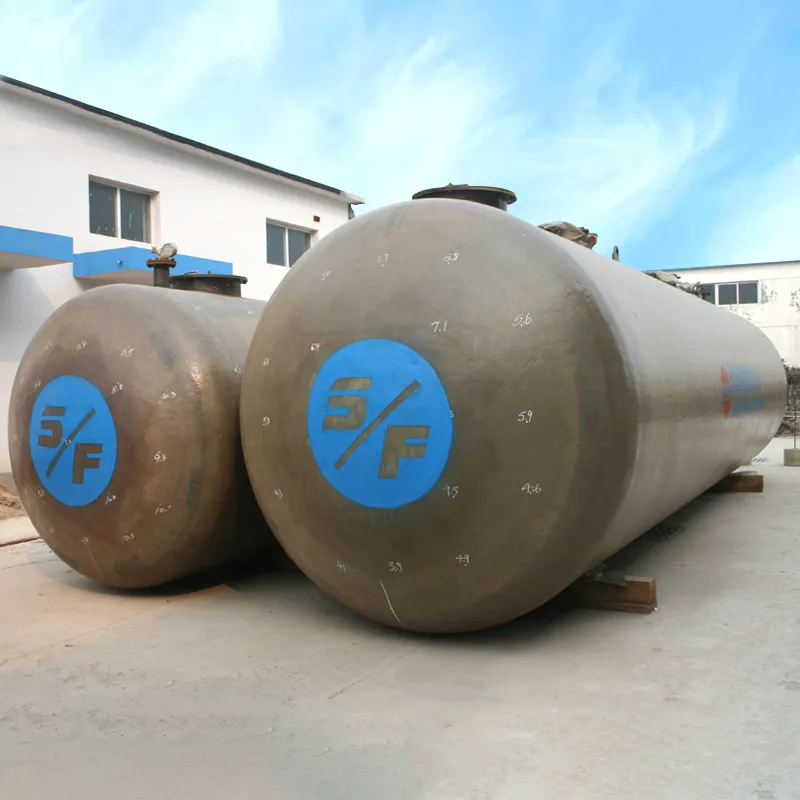
These specifications highlight the advanced engineering and robust material selection that ensure the safety and longevity of these critical fuel storage assets.
Manufacturing Process of a Double Wall Fuel Tank
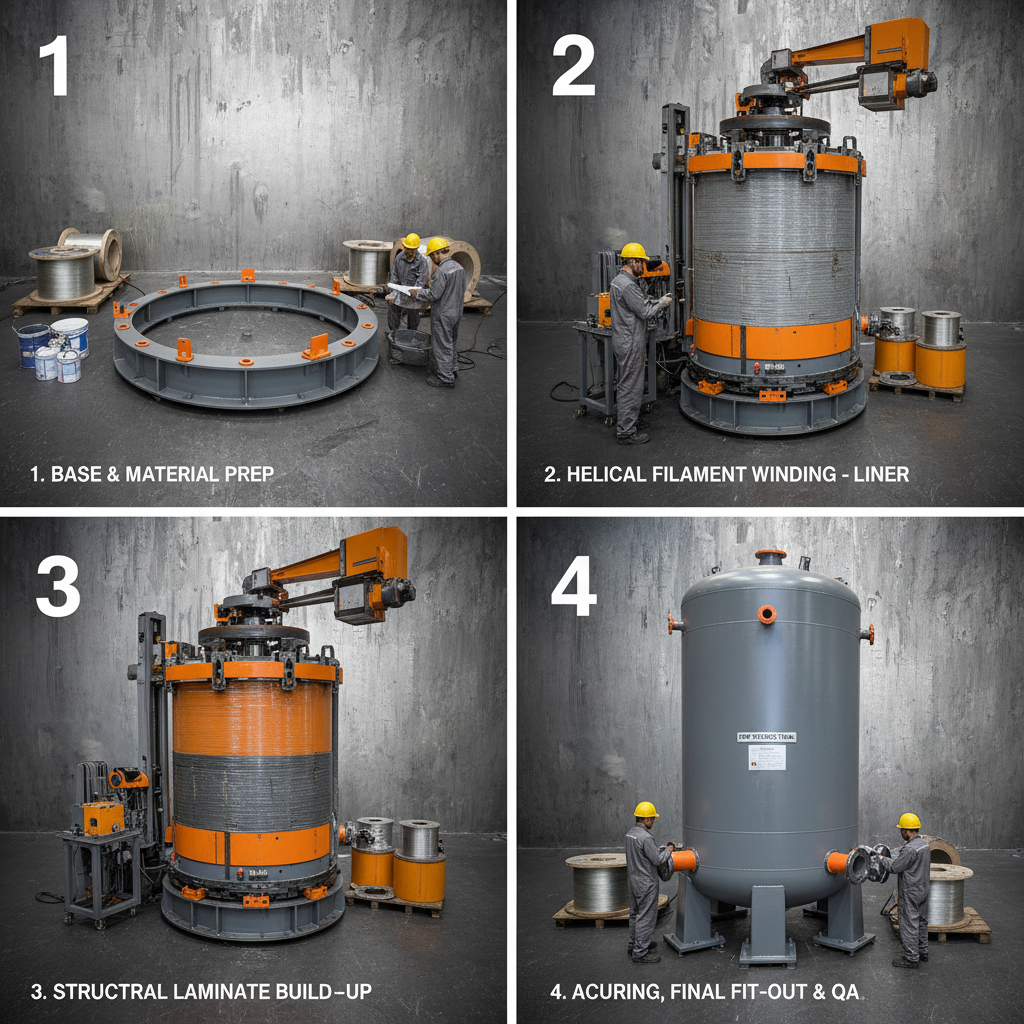
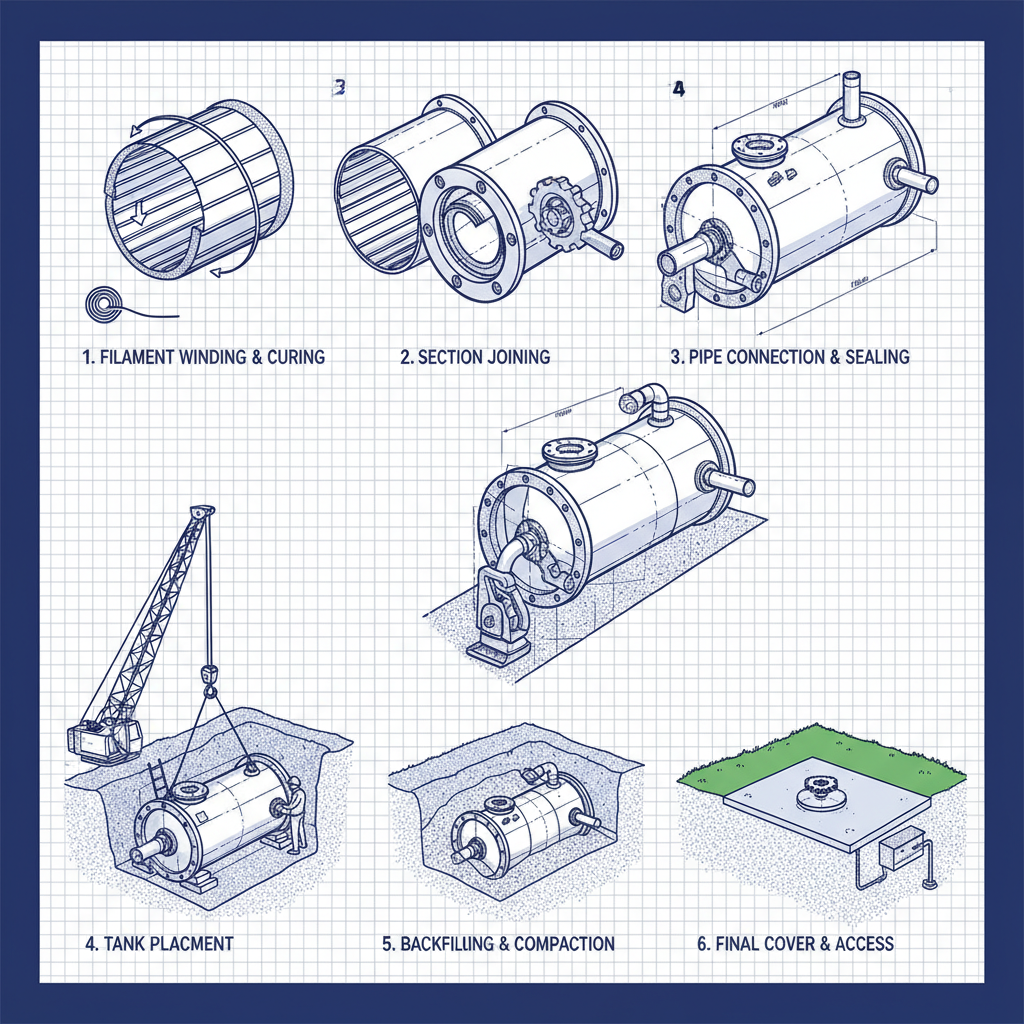
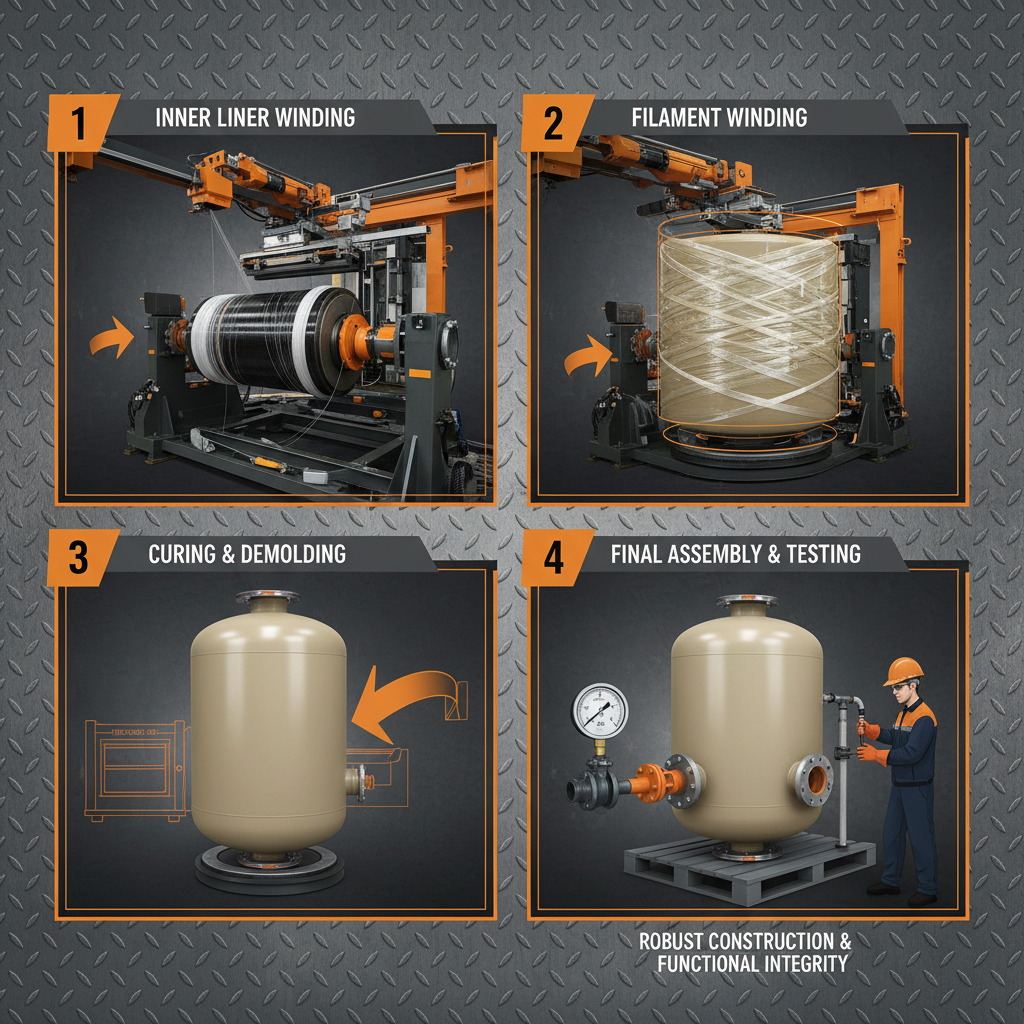
The production of a high-quality double wall fuel tank involves a meticulous process that combines advanced manufacturing techniques with rigorous quality control. The Sf tank manufacturing process, in particular, is highly specialized:
Process Flow:
- Steel Plate Preparation: High-grade carbon steel plates (e.g., Q235B) are cut to size using CNC plasma or laser cutting, followed by edge preparation for welding.
- Inner Tank Fabrication (Welding): The steel plates are rolled into cylindrical sections and longitudinally welded using automatic submerged arc welding (SAW) or gas metal arc welding (GMAW). End caps (heads) are then welded to the cylinder, undergoing X-ray or ultrasonic non-destructive testing (NDT) to ensure weld integrity.
- Pressure Testing of Inner Tank: The completed inner steel tank undergoes hydrostatic or pneumatic pressure testing as per standards like ISO 9001 and UL58, verifying its structural strength and leak-proof nature.
- Surface Treatment: The exterior of the inner steel tank is sandblasted to Sa2.5 grade to remove rust and contaminants, then primed with a corrosion-resistant epoxy coating, providing initial protection and optimal adhesion for the FRP layer.
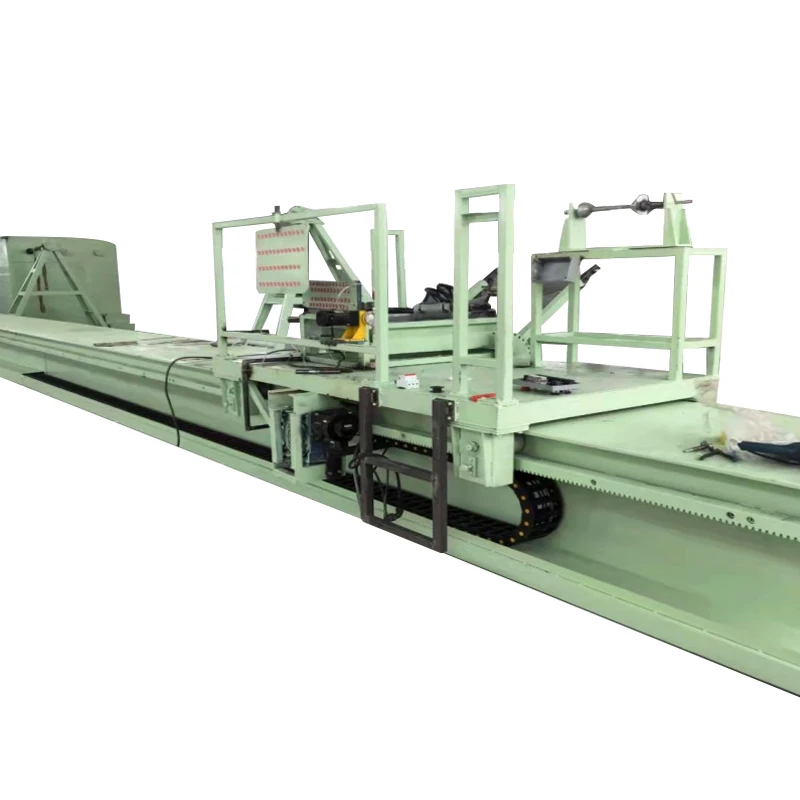
- FRP Winding/Lamination: A precise layer of FRP is applied to the primed steel tank. This involves filament winding (for cylindrical sections) and hand lay-up (for end caps and fittings) using high-strength resins and fiberglass reinforcements. A controlled interstitial space is created during this stage, typically maintained by a proprietary spacer system.
- Curing and Post-Curing: The FRP layer is allowed to cure under controlled temperature and humidity conditions to achieve maximum mechanical and chemical resistance. Post-curing might be applied to enhance material properties further.
- Interstitial Leak Detection System Installation: Monitoring ports and connections for the interstitial space are installed, ensuring compatibility with vacuum, pressure, or liquid-based leak detection systems.
- Final Testing & Certification: The completed double wall fuel tank undergoes a final battery of tests, including hydrostatic pressure tests for the inner tank and vacuum/pressure tests for the interstitial space, confirming compliance with standards like UL1746 and EN12285-1.
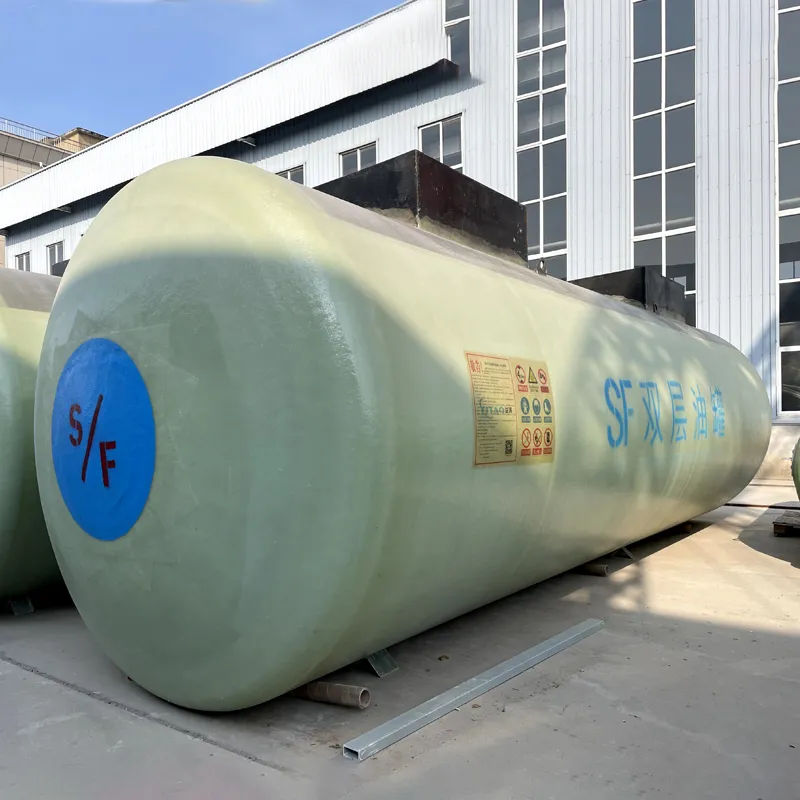
This rigorous process ensures that each tank meets the highest standards for safety, durability, and environmental protection.
Technical Advantages and Benefits
The inherent design of a double wall fuel tank confers several critical advantages over single-wall alternatives, particularly for underground fuel storage tanks.
- Superior Environmental Protection: The double wall construction provides inherent secondary containment. In the event of a breach in the primary (inner) tank, the secondary (outer) wall prevents fuel from escaping into the environment, mitigating soil and groundwater contamination risks. This is a significant advantage in preventing costly environmental remediation.
- Enhanced Safety and Compliance: With continuous interstitial monitoring, any leak, however small, is immediately detected. This proactive approach ensures compliance with strict regulatory requirements (e.g., EPA 40 CFR Part 280 for underground storage tanks) and significantly enhances operational safety.
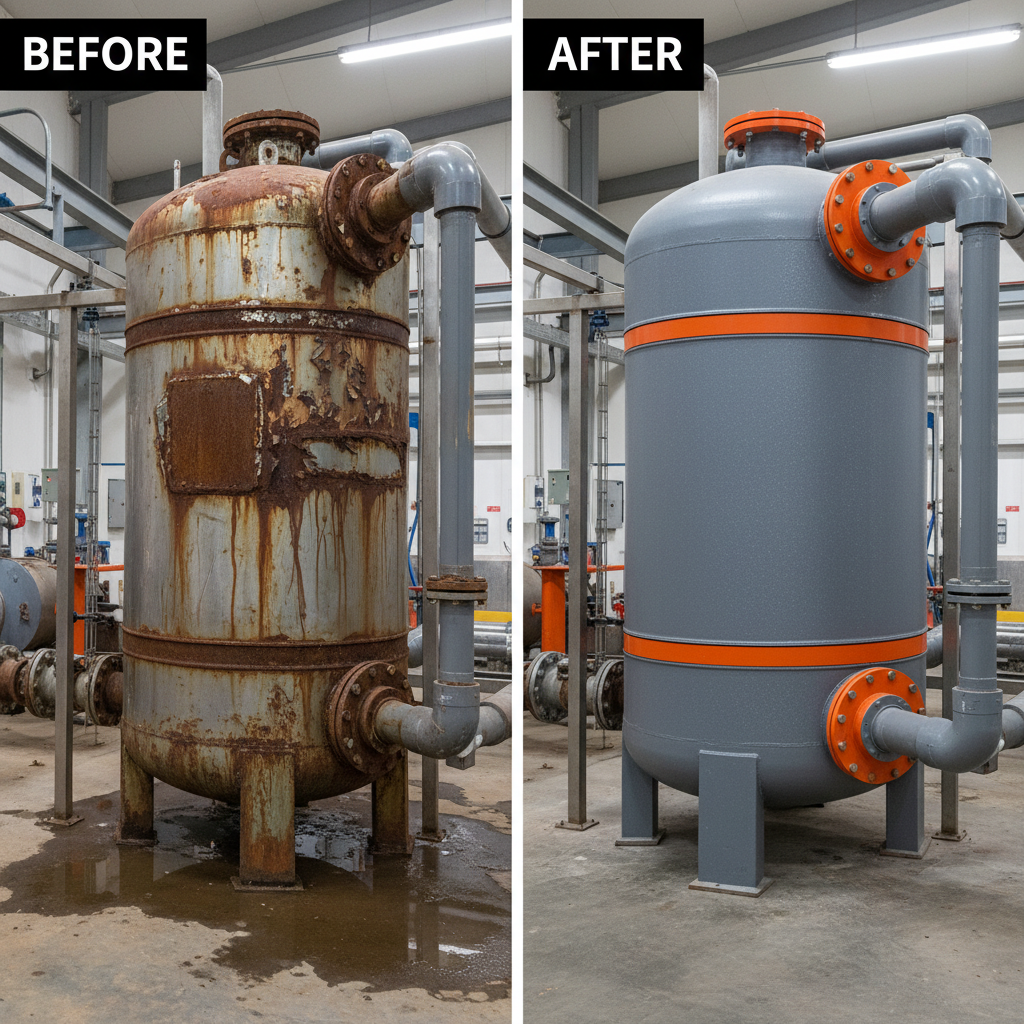
- Corrosion Resistance and Longevity: The Sf design leverages the best properties of steel and FRP. The outer FRP jacket provides exceptional resistance to external corrosion from aggressive soils, moisture, and chemical agents, protecting the steel inner tank. This leads to a significantly extended service life, often exceeding 30 years, reducing replacement costs and downtime.
- Cost-Effectiveness over Lifecycle: While initial investment might be higher than single-wall tanks, the reduced risk of leaks, lower insurance premiums, minimal maintenance requirements, and prolonged operational life result in significant long-term savings. The cost of a single environmental cleanup can far outweigh the initial premium for a double wall fuel tank.
- Structural Integrity: The steel inner tank provides robust structural strength, capable of withstanding the hydrostatic pressure of the stored fuel and external soil loads. The FRP outer shell adds an additional layer of structural support and impact resistance.
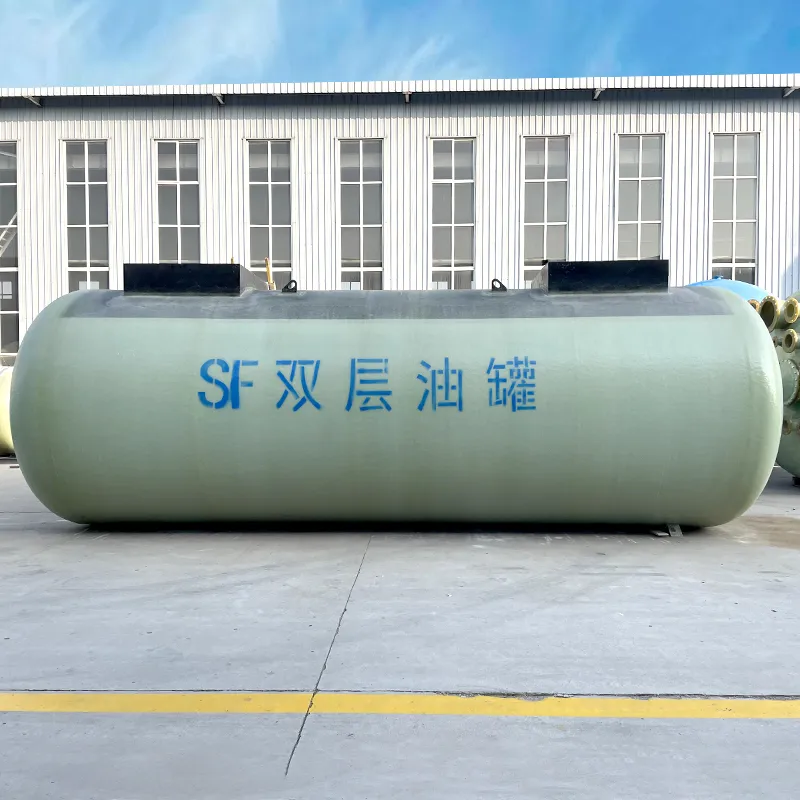
These advantages position Sf double wall fuel tank solutions as the preferred choice for forward-thinking businesses.
Application Scenarios
Sf double wall fuel tank systems are versatile and essential across a broad spectrum of industries where reliable and secure fuel storage is critical.
Target Industries and Typical Uses:
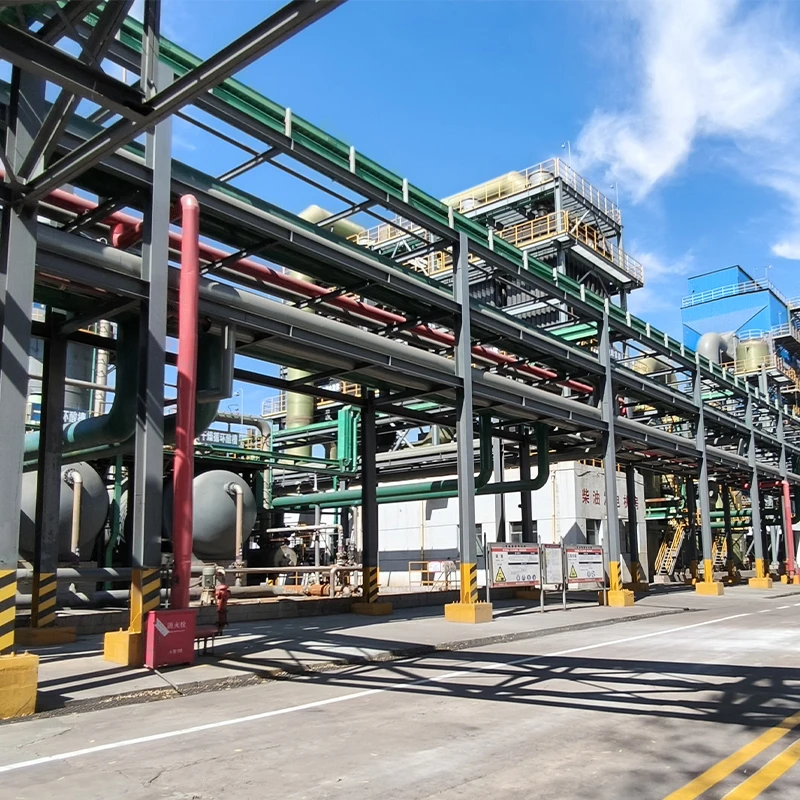
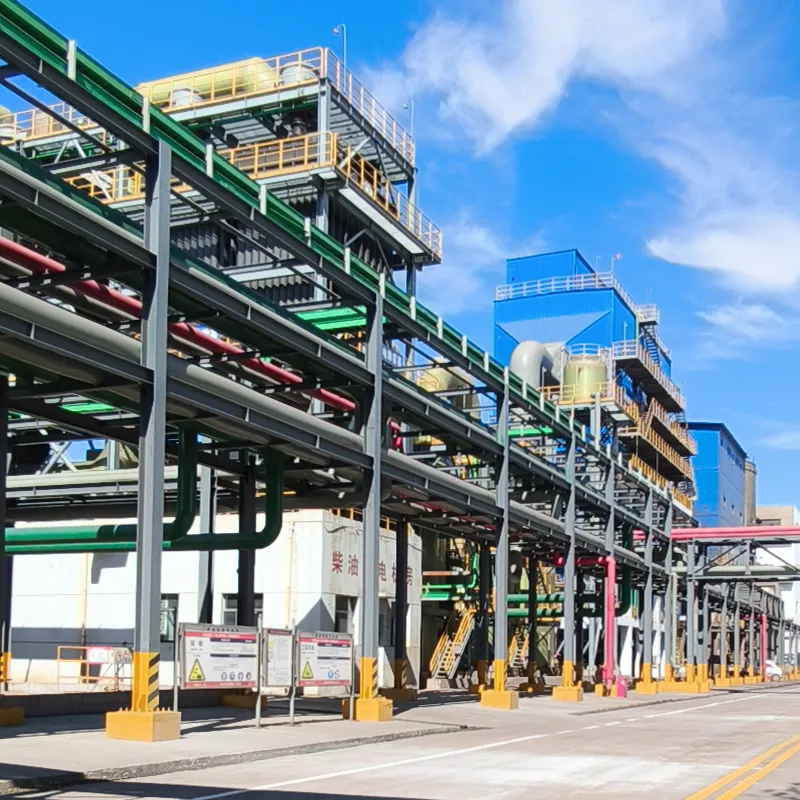
- Petrochemical & Refineries: Storage of various refined petroleum products (gasoline, diesel, jet fuel) for distribution terminals and refining complexes, ensuring compliance with strict environmental mandates.
- Retail Fuel Stations: Primary storage for gasoline and diesel sold to the public, where environmental safety and public trust are paramount. The ability to monitor tanks continuously prevents catastrophic leaks.
- Logistics & Transportation Hubs: Fueling facilities for fleets of trucks, buses, and other heavy equipment, requiring large capacity underground fuel storage tanks for operational continuity.
- Power Generation Plants: Backup fuel storage for diesel generators, critical for uninterrupted power supply in hospitals, data centers, and industrial plants.
- Mining & Construction: On-site fuel storage for heavy machinery and vehicles in remote or challenging environments, where robust and reliable tanks are essential to avoid costly operational delays.
- Aviation & Marine: Fuel depots at airports and marinas, providing secure storage for aviation and marine fuels, often requiring adherence to international safety standards.
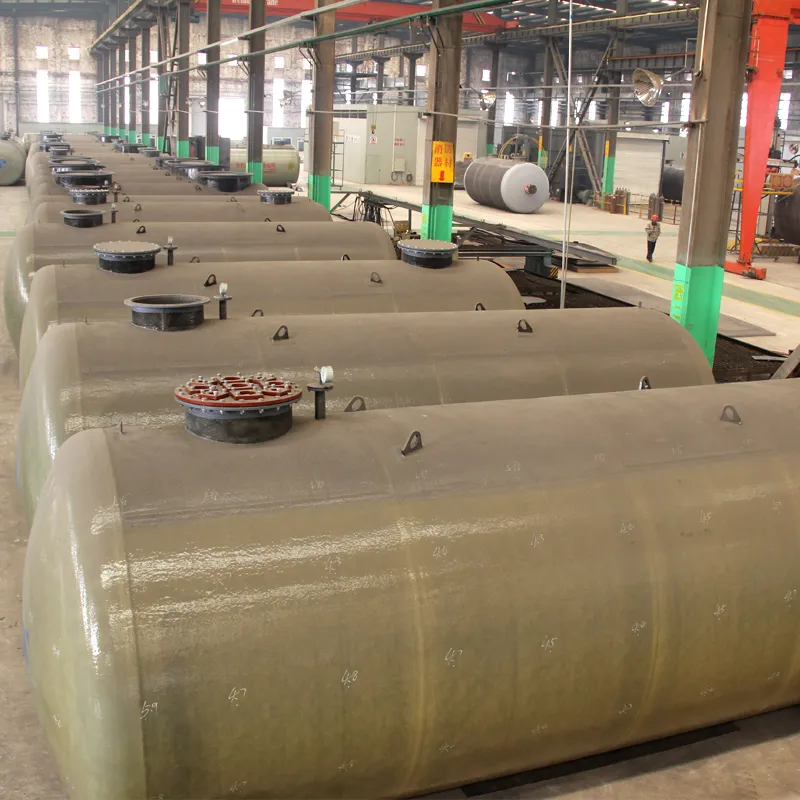
For example, a busy retail fuel station might opt for a double wall fuel tanks for sale with a 20,000-gallon capacity to meet high demand, while a remote construction site might utilize a more compact 500 gallon double wall fuel tank for localized equipment fueling.
Vendor Comparison: Sf Double Wall vs. Other Tank Types
When evaluating double wall fuel tanks for sale, it's crucial to understand the distinctions between various designs. The Sf (Steel-Fiberglass) tank offers a compelling balance of advantages.
Product Comparison Table: Underground Fuel Storage Tank Types
| Feature | Single-Wall Steel | Double-Wall Steel (Cathodically Protected) | FRP (Fiberglass Reinforced Plastic) | Sf (Steel-FRP Double Wall) |
|---|---|---|---|---|
| Corrosion Resistance (External) | Low | Medium (requires active maintenance) | High | Excellent (passive protection, no maintenance) |
| Secondary Containment | None | Yes | Yes | Yes |
| Interstitial Monitoring | N/A | Yes | Yes | Yes |
| Service Life Expectancy | ~15-20 years | ~20-25 years | >30 years | >30 years |
| Structural Strength | High | High | Medium to High (design dependent) | Excellent (steel core strength) |
| Installation Complexity | Medium | High (cathodic protection setup) | Medium | Medium |
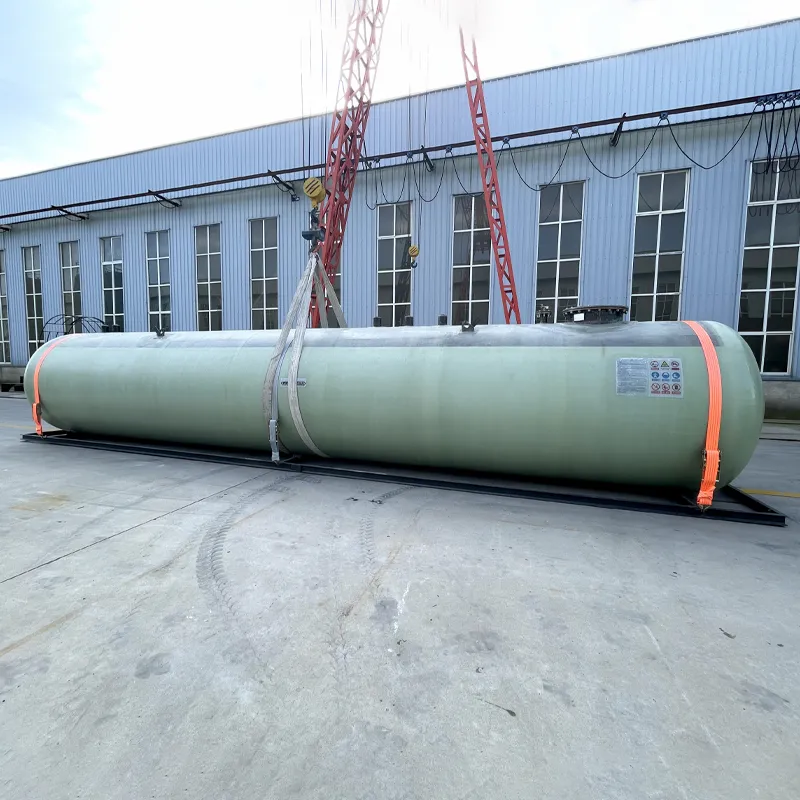
The Sf double wall fuel tank clearly stands out for its superior long-term performance, minimal maintenance, and robust environmental protection, offering an optimal balance for modern fuel storage needs.
Customized Solutions
Recognizing that no two projects are identical, leading manufacturers of double wall fuel tank systems offer extensive customization options. This ensures that each storage solution perfectly aligns with specific operational requirements, site conditions, and regulatory frameworks.
Key Customization Areas:
- Capacity and Dimensions: Tanks can be engineered to virtually any specified volume, from small 100 gallon double wall fuel tank units for ancillary equipment to multi-compartment tanks exceeding 100,000 liters. Dimensions are tailored to fit available burial space and logistical constraints.
- Compartmentalization: For facilities requiring storage of multiple fuel types (e.g., diesel and unleaded gasoline), tanks can be designed with internal bulkheads, allowing for segregated storage within a single tank footprint.
- Fitting and Manway Configurations: Number, size, and location of access manways, nozzles, and ports can be customized to integrate seamlessly with existing piping, pumps, and monitoring systems.
- Material Specifications: While standard Sf tanks use Q235B steel and general-purpose FRP, specialized applications might require specific steel grades for different fuel types or enhanced chemical resistance for the FRP liner.
- Ancillary Equipment Integration: Pre-installation of sumps, spill buckets, overfill prevention devices, and leak detection probes can be coordinated during manufacturing, streamlining on-site installation.
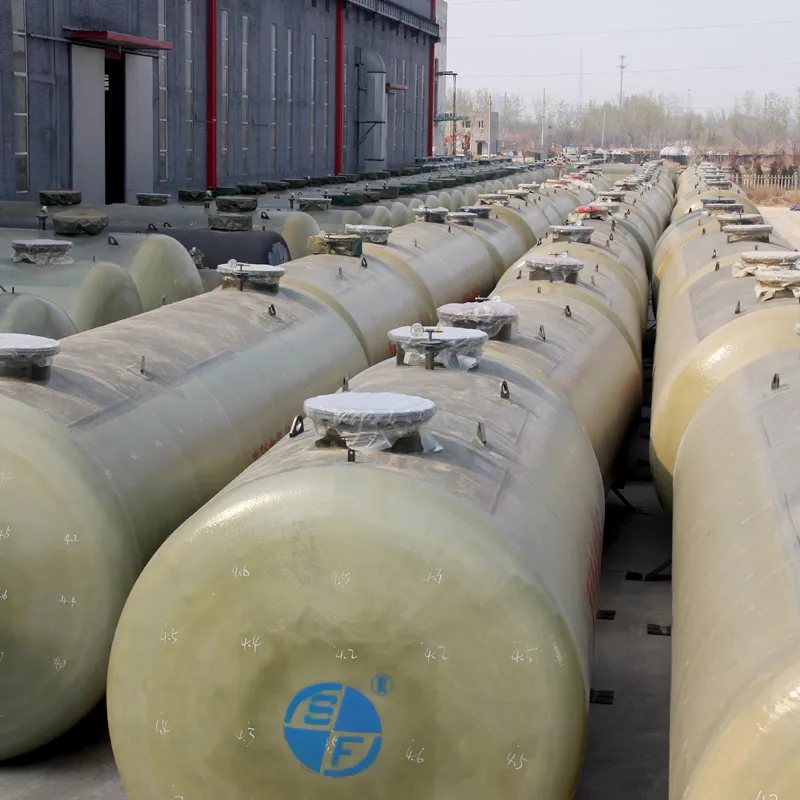
This bespoke approach ensures maximum efficiency and cost-effectiveness for underground fuel storage tanks projects.
Application Case Studies
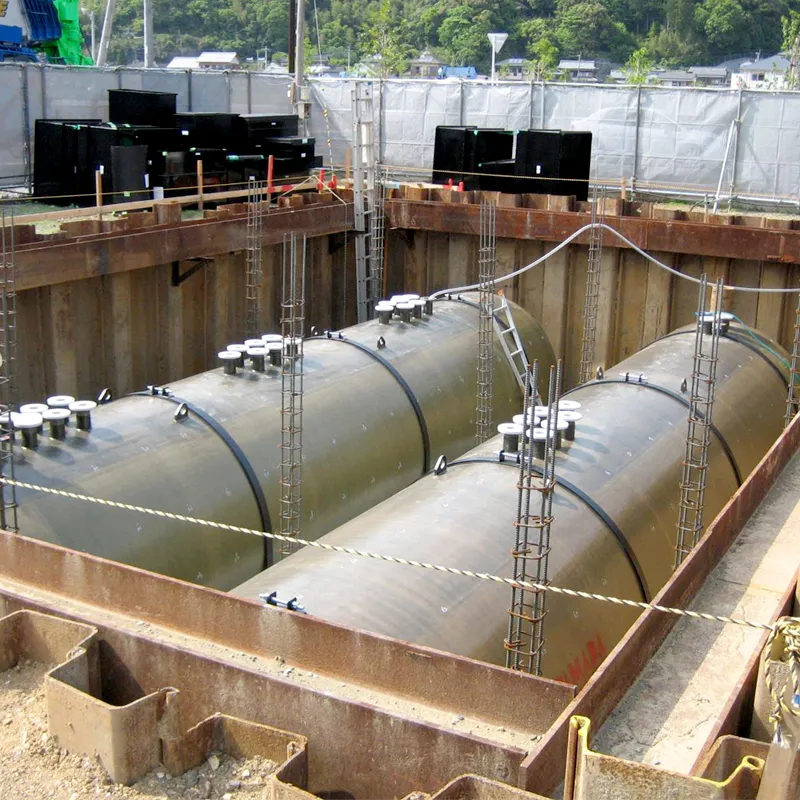
Case Study 1: Large-Scale Petrochemical Distribution Terminal
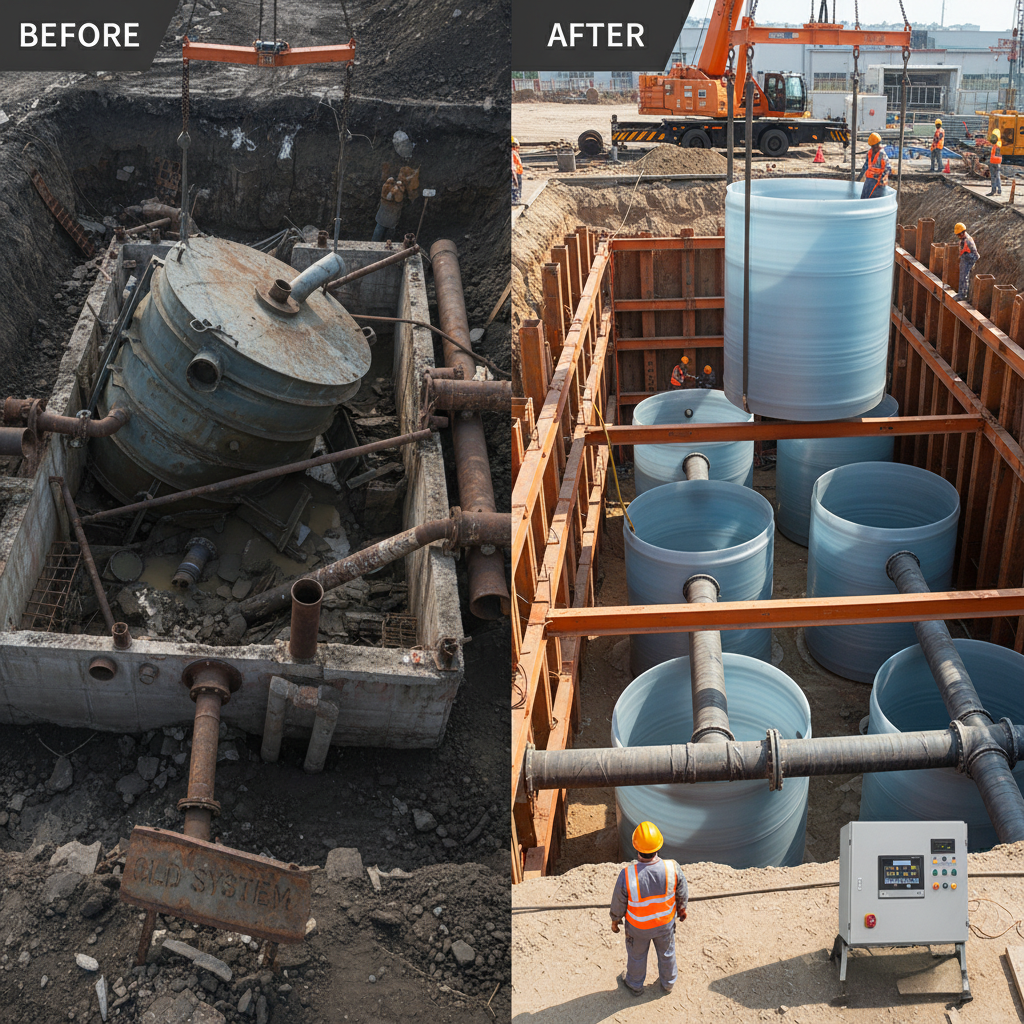
A major fuel distributor required an upgrade to their primary terminal’s underground storage, seeking enhanced environmental protection and reduced maintenance. They replaced their aging single-wall steel tanks with a series of 50,000-liter Sf double wall fuel tank units. The installation, completed over 6 months, included integrated advanced leak detection systems.
- Outcome: The client reported zero leak incidents over the first five years of operation. Their environmental insurance premiums decreased by 15%, and maintenance costs associated with corrosion protection were virtually eliminated. The improved monitoring provided greater peace of mind and operational security.
Case Study 2: Remote Mining Operation
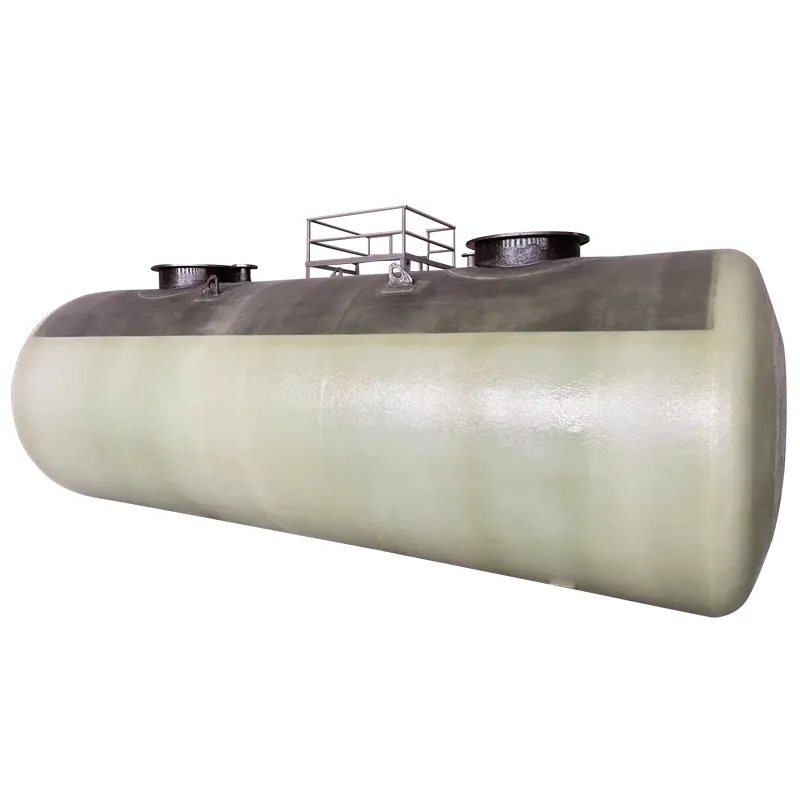
A mining company operating in a harsh, corrosive environment needed reliable fuel storage for their heavy machinery. They selected a customized double wall fuel tank solution, specifically a 500 gallon double wall fuel tank type for various points across their site, emphasizing durability against aggressive soil conditions and extreme temperatures.
- Outcome: The robust Sf tanks withstood the challenging conditions without any signs of external corrosion or structural degradation, significantly outperforming previous coated steel tanks. The integrated leak detection provided critical alerts, preventing potential environmental hazards in a sensitive ecological zone.
Commitment to (Expertise, Experience, Authoritativeness, Trustworthiness)
Our dedication to providing top-tier fuel storage solutions is underpinned by a steadfast commitment to Google's standards.
Expertise and Authoritativeness:
- Certified Manufacturing: Our Sf double wall fuel tank products are manufactured under strict adherence to international standards such as UL1746 (Standard for External Corrosion Protection Systems for Steel Underground Storage Tanks), UL58 (Standard for Steel Underground Tanks for Flammable and Combustible Liquids), and EN12285-1 (Workshop fabricated steel tanks - Horizontal cylindrical single skin and double skin tanks for the underground storage of flammable and non-flammable liquids). We hold ISO 9001 certification for quality management.
- Industry Recognition: Our products are regularly vetted and approved by regulatory bodies and engineering consultants globally, ensuring they meet and exceed local and international safety and environmental mandates.
Trustworthiness:
Frequently Asked Questions (FAQ)
Q: What is the typical service life of an Sf Double Wall Underground Fuel Tank?
A: Our Sf tanks are designed for a service life exceeding 30 years, significantly longer than single-wall steel tanks, due to the superior external corrosion protection provided by the FRP layer.
Q: How does the interstitial monitoring system work?
A: The interstitial space between the inner steel tank and outer FRP jacket is monitored continuously using a vacuum, pressure, or liquid-based sensor. Any change in pressure or presence of liquid immediately triggers an alarm, indicating a potential leak in either the primary or secondary containment.
Q: Can these tanks be customized for different fuel types?
A: Yes, our Sf double wall fuel tank designs are compatible with a wide range of petroleum products, including gasoline, diesel, and biofuels. Specific internal coatings or material grades can be used if required for unique chemical compatibility.
Lead Time and Fulfillment:
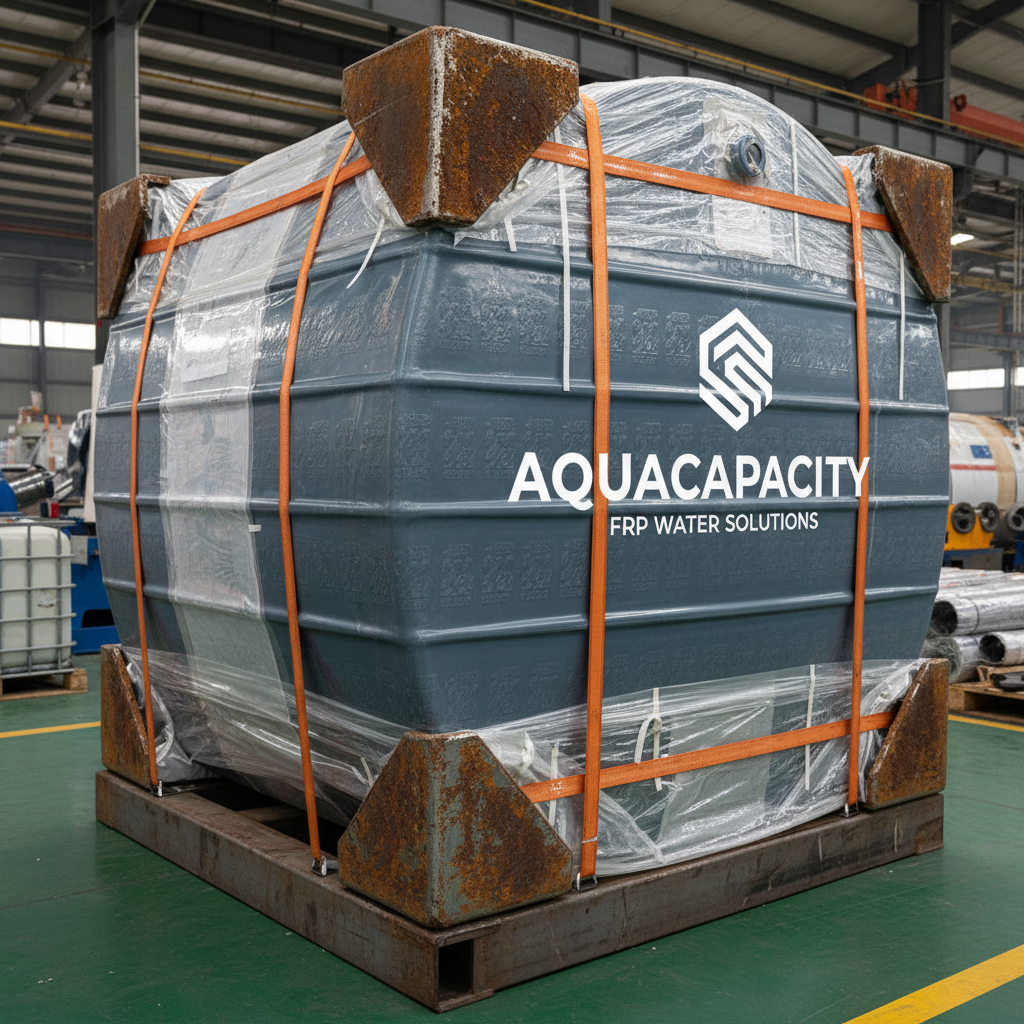
Standard double wall fuel tank models typically have a lead time of 4-8 weeks, depending on capacity and current production schedules. Custom orders may require additional time for design and engineering. Our robust manufacturing facilities and efficient logistics ensure timely delivery and seamless project execution. We offer global shipping capabilities and can assist with import/export documentation.
Warranty Commitments:
We offer an industry-leading warranty of 30 years for structural integrity and corrosion resistance on our Sf double wall fuel tank products, subject to standard installation and operational guidelines. This warranty reflects our confidence in the quality and durability of our tanks.
Customer Support:
Our dedicated customer support team is available from project inception to post-installation. We provide comprehensive technical assistance, installation guidance, and troubleshooting services. Clients receive access to detailed manuals, CAD drawings, and direct communication channels with our engineering experts, ensuring smooth operation throughout the tank's lifecycle.
Conclusion
The adoption of Sf double wall fuel tank technology represents a strategic investment in long-term operational integrity, environmental stewardship, and regulatory compliance. With their unparalleled corrosion resistance, robust structural design, and integrated leak detection capabilities, these tanks offer a superior solution for the secure storage of flammable and combustible liquids. As industries continue to face increasing pressure to minimize environmental risks and optimize asset lifecycles, the Sf double wall tank emerges as the definitive choice for reliable and responsible fuel management.
References
- U.S. Environmental Protection Agency (EPA). "Underground Storage Tanks (USTs) Regulations." Retrieved from epa.gov/ust
- Underwriters Laboratories (UL). "UL 1746: Standard for External Corrosion Protection Systems for Steel Underground Storage Tanks."
- Underwriters Laboratories (UL). "UL 58: Standard for Steel Underground Tanks for Flammable and Combustible Liquids."
- European Committee for Standardization (CEN). "EN 12285-1: Workshop fabricated steel tanks - Horizontal cylindrical single skin and double skin tanks for the underground storage of flammable and non-flammable liquids."
- International Organization for Standardization (ISO). "ISO 9001: Quality management systems."
- National Association of Corrosion Engineers (NACE International). "Corrosion Control in Underground Storage Tanks."