Jul 08,2025

Durable Fiberglass Rainwater Tanks for Efficient Water Storage Flexible Sizes Available

  • Introduction to fiberglass rainwater tanks
    : importance and overview
  • Exploring technical advantages: fiberglass versus alternative materials
  • Market statistics and demand momentum for fiberglass tanks
  • Comparative analysis of top manufacturers
  • Custom fiberglass solutions for diverse applications
  • Real-world cases and performance insights
  • Conclusion: selecting optimal fiberglass rainwater tanks for varied needs
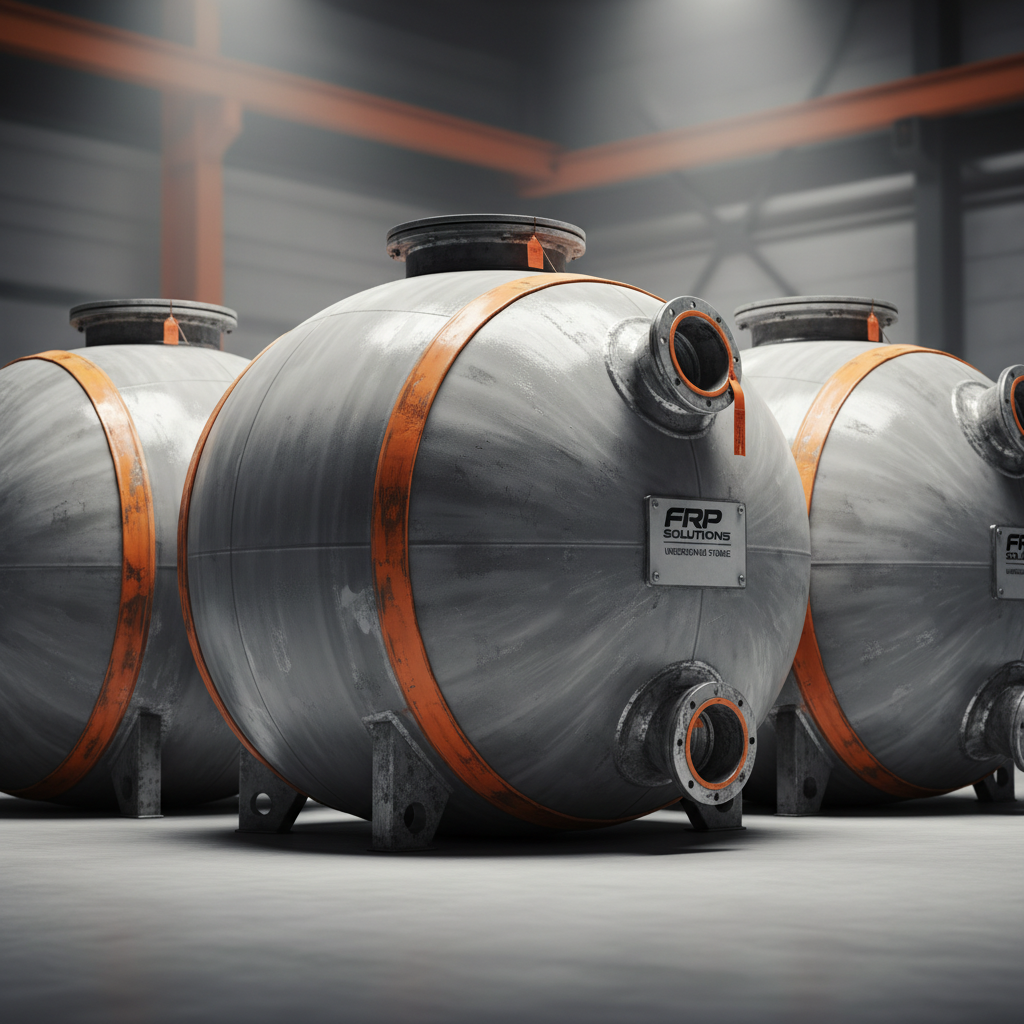
fiberglass rainwater tanks

(fiberglass rainwater tanks)


Understanding the Value Proposition of Fiberglass Rainwater Tanks

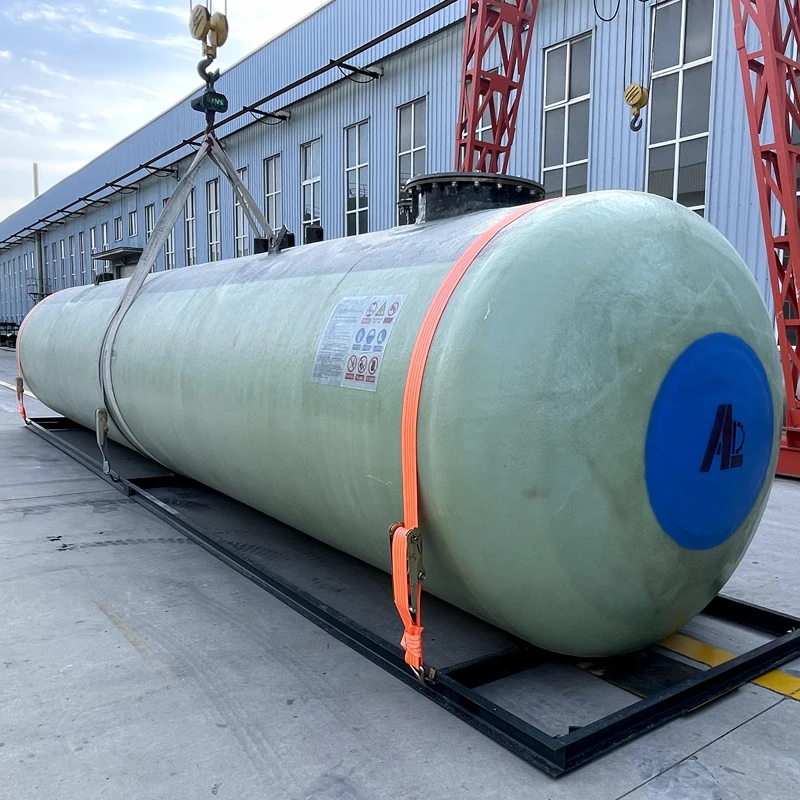
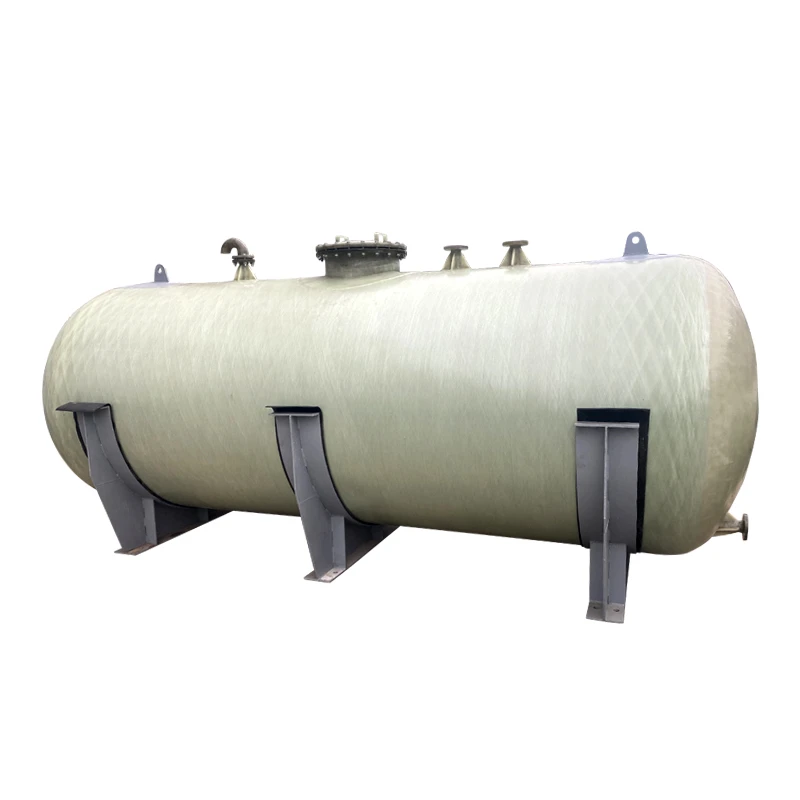
Fiberglass rainwater tanks are increasingly recognized as a prime solution for efficient water storage across residential, agricultural, and industrial domains. As extreme weather events and unpredictable precipitation patterns place greater emphasis on water conservation, the adoption of rainwater harvesting systems becomes crucial. Fiberglass, also known as fibreglass in British English, offers a unique blend of durability, chemical resistance, and lightweight construction, positioning it as a premier material for modern storage requirements. By examining the underlying science and characteristics of these tanks, users can better appreciate their long-term value and practical benefits. Particularly when compared to conventional alternatives like plastic, steel, or concrete, fiberglass rainwater tanks stand out with exceptional resilience against corrosion and UV degradation, significantly reducing maintenance efforts and costs over time.

Technical Advantages of Fiberglass Rainwater Tanks Versus Traditional Materials

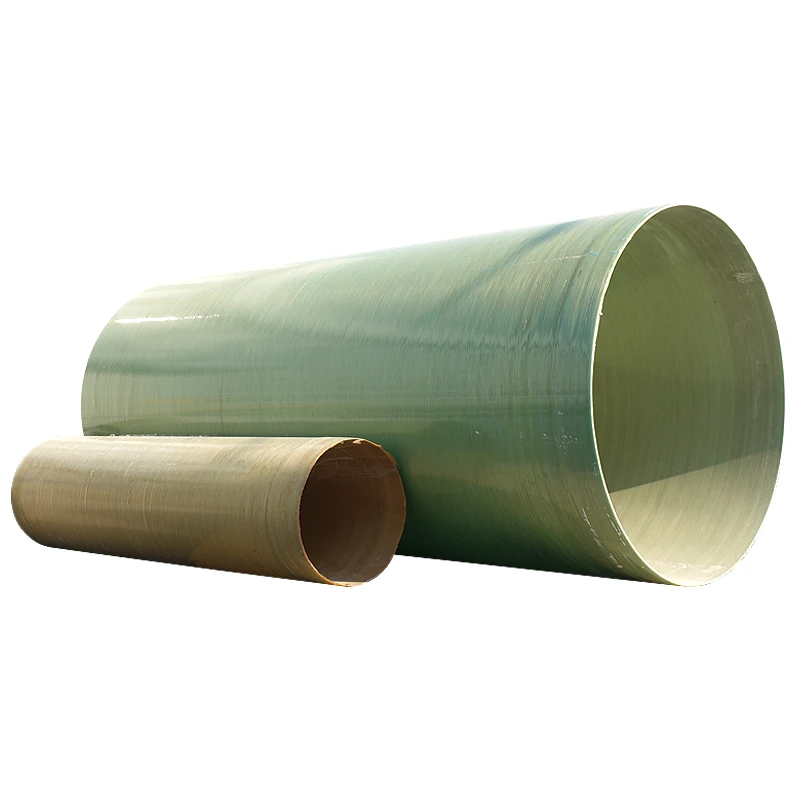
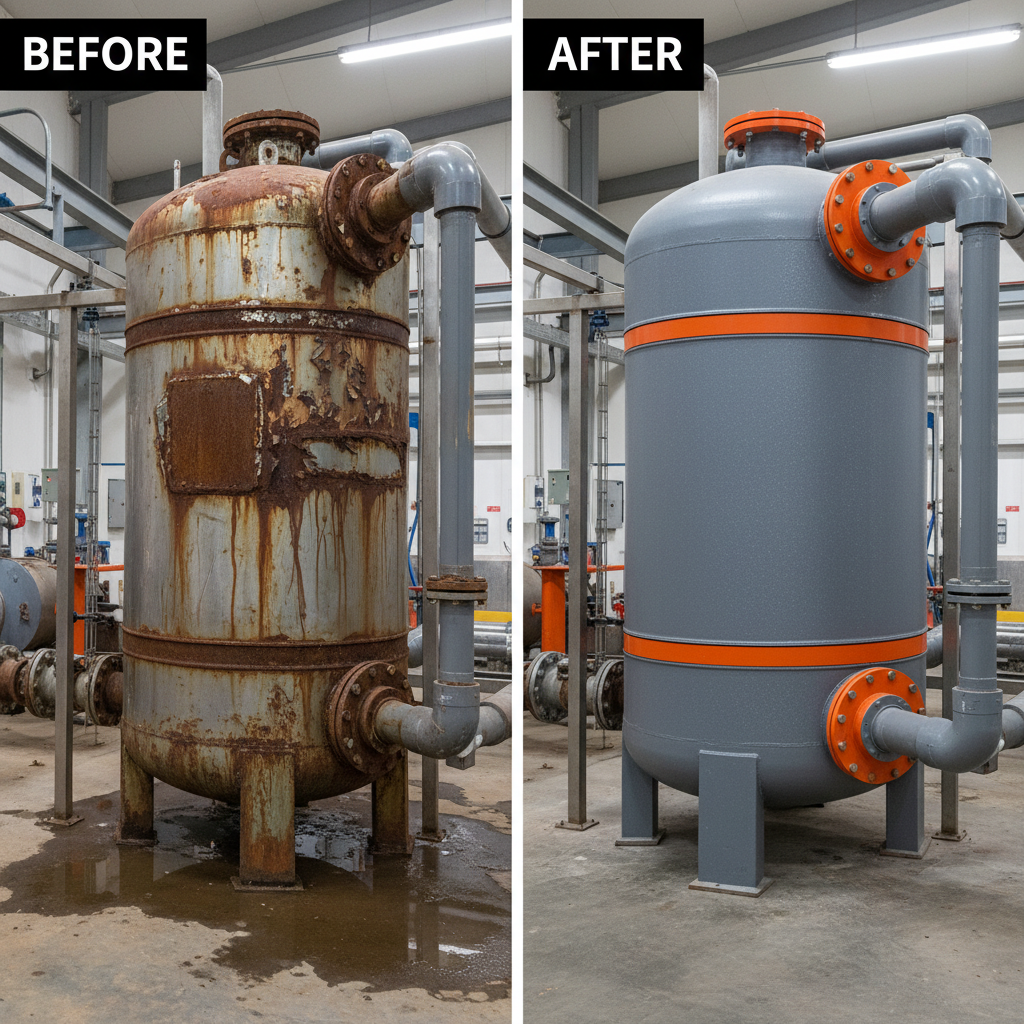
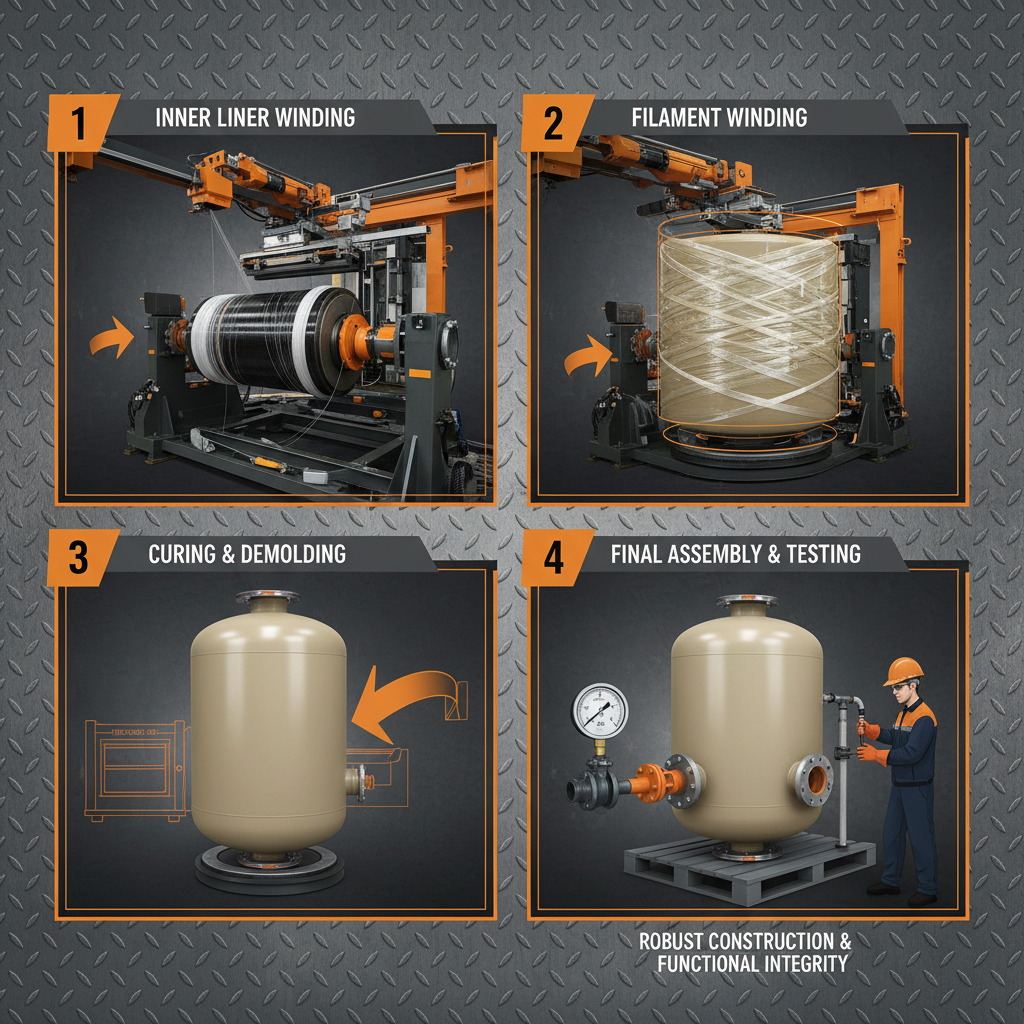
Fiberglass tanks are constructed using reinforced glass fibers set within a robust resin matrix, resulting in a highly stable and inert product. Unlike galvanized steel, which is susceptible to rust, or polyethylene that may degrade under harsh sunlight, fiberglass maintains its structural integrity for decades. These tanks are non-porous, ensuring stored water remains uncontaminated by external elements such as soil bacteria or chemical leaching, which is a critical factor for potable and livestock water applications.

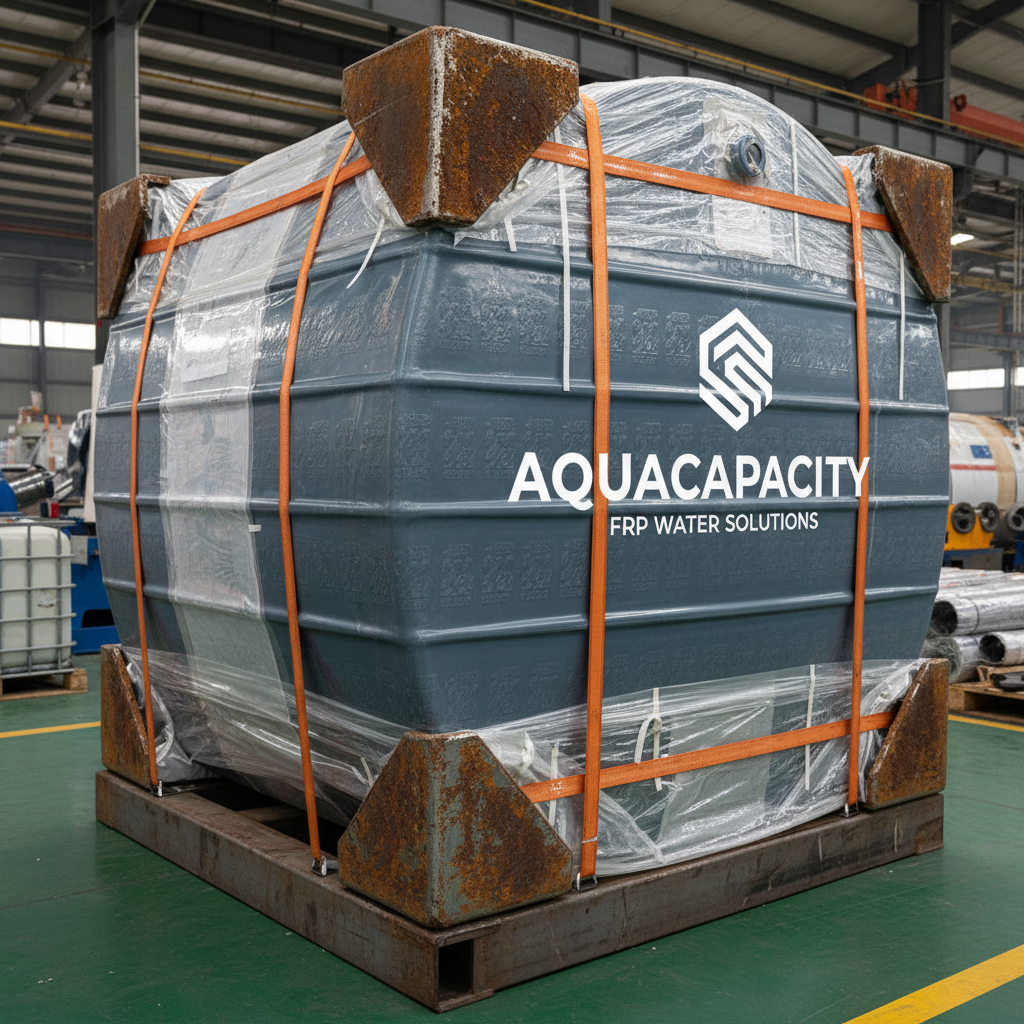
From an engineering perspective, the lightweight nature of fiberglass enables easier and faster installation even for large-capacity tanks. According to industry data, a standard 10,000-gallon fiberglass tank typically weighs between 1,100 and 1,500 pounds, while a similarly sized concrete tank may exceed 20,000 pounds. The inherent flexibility of fiberglass reduces risk of cracks caused by ground movement. Furthermore, they are often manufactured as seamless, one-piece units, eliminating joints that could leak under pressure or over time.

Fiberglass cattle water tanks have gained particular favor within agricultural circles, due to their chemical inertness, resistance to algae growth, and ability to withstand impacts from livestock and equipment. These technical benefits combine to deliver a solution that is not only reliable but highly cost-effective across the product’s lifespan.

Market Demand, Industry Trends, and Quantitative Impacts

Recent global market analyses underscore exponential growth in demand for fiberglass rainwater tanks and associated solutions. According to a 2023 Water Resilience Report, the rainwater harvesting equipment market is projected to achieve a compound annual growth rate (CAGR) of 7.8% through 2028, with fiberglass tanks contributing a significant share due to their superior lifecycle economics.

Rising material costs and environmental regulations have also accelerated the shift away from steel and plastic tanks in several regions. In particular, Australia, New Zealand, and parts of the United States have recorded year-on-year volume increases exceeding 15% in fiberglass tank installations, including for cattle and broadacre farming purposes.

Below is a comparative table indicating typical lifespan, maintenance interval, and average total cost of ownership (TCO) for leading tank types based on industry research:

Tank Type Average Lifespan (years) Maintenance Interval (years) Average TCO (20 years, USD) Susceptibility to Contamination
Fiberglass 35+ 8 $5,200 Low
Polyethylene 15-20 4 $8,600 Medium
Concrete 40 5 $9,900 Medium
Galvanized Steel 20-25 3.5 $11,300 High (rust)

Figures above are indicative, based on published case studies and industry surveys from 2020-2023.

Comparative Analysis of Leading Fiberglass Tank Manufacturers

The global fiberglass rainwater tanks market comprises a mix of specialty manufacturers targeting diverse sectors. Leading providers include Enduramaxx (UK), Bushman Tanks (Australia), CST Industries (USA), and Balmoral Tanks (Europe), each offering unique strengths.

Enduramaxx, for example, is renowned for modularity and rapid custom manufacturing, delivering over 60 different standard tank models with tailored fittings. Bushman Tanks, prevalent in the Asia-Pacific region, emphasize high UV resistance, and build to stringent potable water standards. CST Industries boasts massive global capacity for supplying tanks exceeding 100,000 gallons, while Balmoral Tanks emphasize engineering certifications relevant to municipal and large-scale agricultural use.

The following comparative table highlights select attributes for each major manufacturer:

Manufacturer Core Products Max Standard Capacity (gallons) Customization Options Certifications Primary Markets
Enduramaxx Rainwater, cattle, chemical tanks 30,000 High ISO 9001, WRAS UK, EU
Bushman Tanks Rainwater, potable water, bushfire tanks 25,000 Medium AS/NZS 4020 Australia, SEA
CST Industries Large volume agricultural, municipal 100,000+ Very High NSF/ANSI 61, AWWA USA, Global
Balmoral Tanks Fire fighting, potable, process water 50,000 High EN 13280, ISO 9001 EU, Middle East

While these manufacturers each emphasize unique advantages, all deliver options that adhere to the highest standards of safety and performance in the industry.

Custom Fiberglass Rainwater Tanks: Design, Sizing, and Features

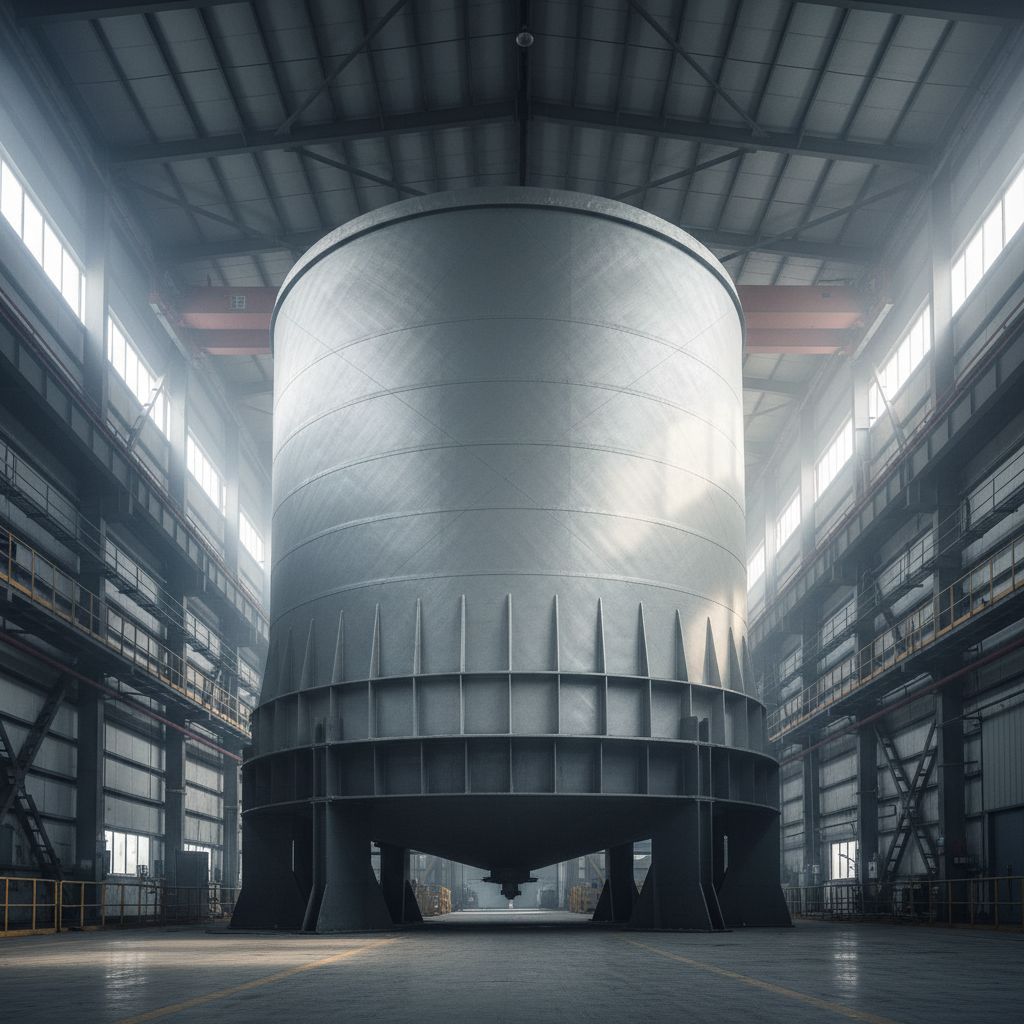
The adaptability of fiberglass rainwater tanks is a defining strength for architects, engineers, and end-users alike. Manufacturers offer extensive customization, catering to precise site requirements, regulatory standards, and end-use profiles. Standard offerings include capacities from 500 to 100,000 gallons, a range of diameters and heights to fit spatial constraints, and reinforced models for below-ground installations or high-impact exposure.

Customization extends to integrated filtration systems, multi-port access for rainwater catchment or livestock watering, insulation for thermal stability in extreme climates, and specialized coatings for chemical compatibility or anti-microbial performance. For livestock requirements, fiberglass cattle water tanks are routinely specified with extra-thick walls and smooth, mold-resistant interiors for easy cleaning.

In environments with fluctuating water chemistry or challenging installations, customers may opt for built-in sensors for level monitoring or remote telemetry. UV stabilization is standard in regions with intense sun exposure, with pigment selection and resin blends tailored to maximize lifespan. Installation support further increases flexibility, with shipping in one-piece assemblies or modular kits for remote locations.

Application Scenarios and Performance: Real-World Deployments

Practical deployments of fiberglass rainwater tanks illustrate the technology’s potential across diverse sectors. In New South Wales, Australia, a 12,000-gallon solution helped a dairy operation reduce groundwater extraction by 42%, driven by the tank’s ability to keep water potable and maintenance-free for over seven years. Similarly, in the American Midwest, installation of 8,000-gallon fiberglass cattle water tanks enabled winter feeding operations with zero freezing incidents, attributable to thermal insulation and seamless construction.

Urban green infrastructure projects in the UK have leveraged 5,000- to 10,000-gallon units for rainwater reuse, decreasing mains water consumption by up to 38% in participating buildings. In industrial settings, fiberglass tanks have demonstrated compatibility with process water applications storing mildly acidic or alkaline solutions. Their resistance to chemical attack and environmental stresses outperformed steel and lined concrete options under repeated cycle testing, confirming their reliability for demanding operational environments.

Feedback from operators emphasizes substantial reductions in total lifecycle costs and system downtime. Additionally, the non-corrosive nature of fiberglass allows installation in coastal or high-rainfall zones, with no observed loss of performance or required interventions over 15+ years of operation.

Choosing the Right Fiberglass Rainwater Tanks for Modern Needs

The cumulative advantages of fiberglass rainwater tanks reflect in their widespread adoption and enduring performance across climate zones and industries. When considering an investment in water storage, it’s vital to assess not just initial purchase cost, but the full spectrum of durability, hygiene, maintenance requirements, and functional flexibility. Data indicates fiberglass routinely offers up to 40% lower total cost of ownership compared to steel or concrete over a twenty-year horizon, with minimal risk of contamination or environmental hazard.

Both residential and commercial users continue to benefit from ongoing technological advancements in fiberglass fabrication. Enhanced design options, new resin systems, and digital monitoring solutions are continually raising the benchmark for what is possible with modern rainwater collection.

For those prioritizing performance, longevity, and sustainability, fiberglass rainwater tanks and their specialized variants—such as fibreglass rainwater tanks and fiberglass cattle water tanks—provide a highly compelling and future-ready choice. Evaluating offerings from leading manufacturers and custom design services ensures that every application can harness maximum value from this versatile technology.

fiberglass rainwater tanks

(fiberglass rainwater tanks)

FAQS on fiberglass rainwater tanks

Q: What are fiberglass rainwater tanks?

A: Fiberglass rainwater tanks are storage containers made from durable fiberglass material to safely collect and store rainwater. They’re corrosion resistant and commonly used in both residential and agricultural settings.

Q: Are fibreglass rainwater tanks better than plastic tanks?

A: Fibreglass rainwater tanks are stronger and more resistant to temperature changes compared to plastic tanks. They also have a longer lifespan and are less likely to warp or crack.

Q: How long do fiberglass cattle water tanks typically last?

A: Fiberglass cattle water tanks can last over 20 years with proper maintenance. Their high resistance to rust and UV damage makes them a durable choice for livestock watering.

Q: Can fiberglass rainwater tanks be used for drinking water?

A: Yes, fiberglass rainwater tanks are suitable for storing potable water if installed correctly and maintained. Always ensure the tank interior is food-grade and regularly cleaned.

Q: What maintenance is required for fibreglass rainwater tanks?

A: Routine maintenance involves inspecting for cracks, cleaning the tank annually, and checking the fittings. Proper maintenance extends the tank’s lifespan and ensures water purity.
Upsell Products
Upsell News
Durable FRP Vessel for Water Treatment and Industrial Filtration
Apr 16,2026
Durable FRP Vessel for Water Treatment and Industrial Filtration
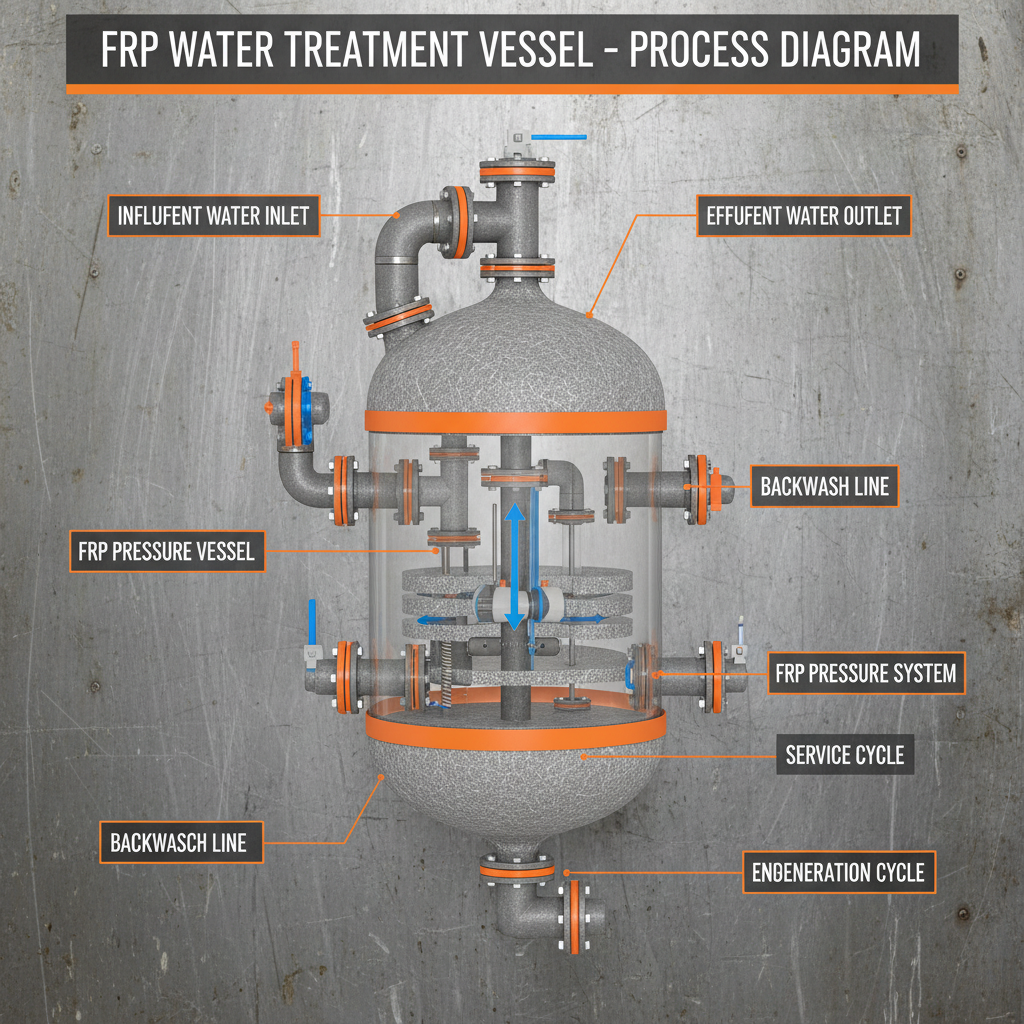
In the modern era of industrial and residential water purification, the choice of containment materials is critical for efficiency and longevity. An frp vessel for water treatment has emerged as the gold standard, replacing traditional steel tanks due to its superior corrosion resistance and lightweight properties. Whether you are dealing with desalination, softening, or filtration, using Fiber Reinforced Plastic (FRP) ensures that your system remains leak-proof and durable against aggressive chemicals. In this comprehensive guide, we will explore why FRP is the preferred choice for water treatment professionals worldwide and how to select the right vessel for your specific application.
Industrial Guide for Choosing the Right FRP Vertical Tank
Apr 09,2026
Industrial Guide for Choosing the Right FRP Vertical Tank
In today's industrial landscape, the storage of corrosive chemicals and aggressive liquids requires materials that can withstand extreme conditions without degrading. The frp vertical tank has emerged as a premier solution, offering an exceptional balance of strength, lightweight properties, and unmatched chemical resistance. Whether you are managing a water treatment plant or a chemical processing facility, understanding the nuances of Fiber Reinforced Plastic (FRP) is essential for ensuring operational safety and longevity. In this comprehensive guide, we will explore why vertical configurations are preferred and how these tanks outperform traditional metal alternatives.
Comprehensive Guide to FRP Underground Water Tank Solutions and Applications
Apr 07,2026
Comprehensive Guide to FRP Underground Water Tank Solutions and Applications
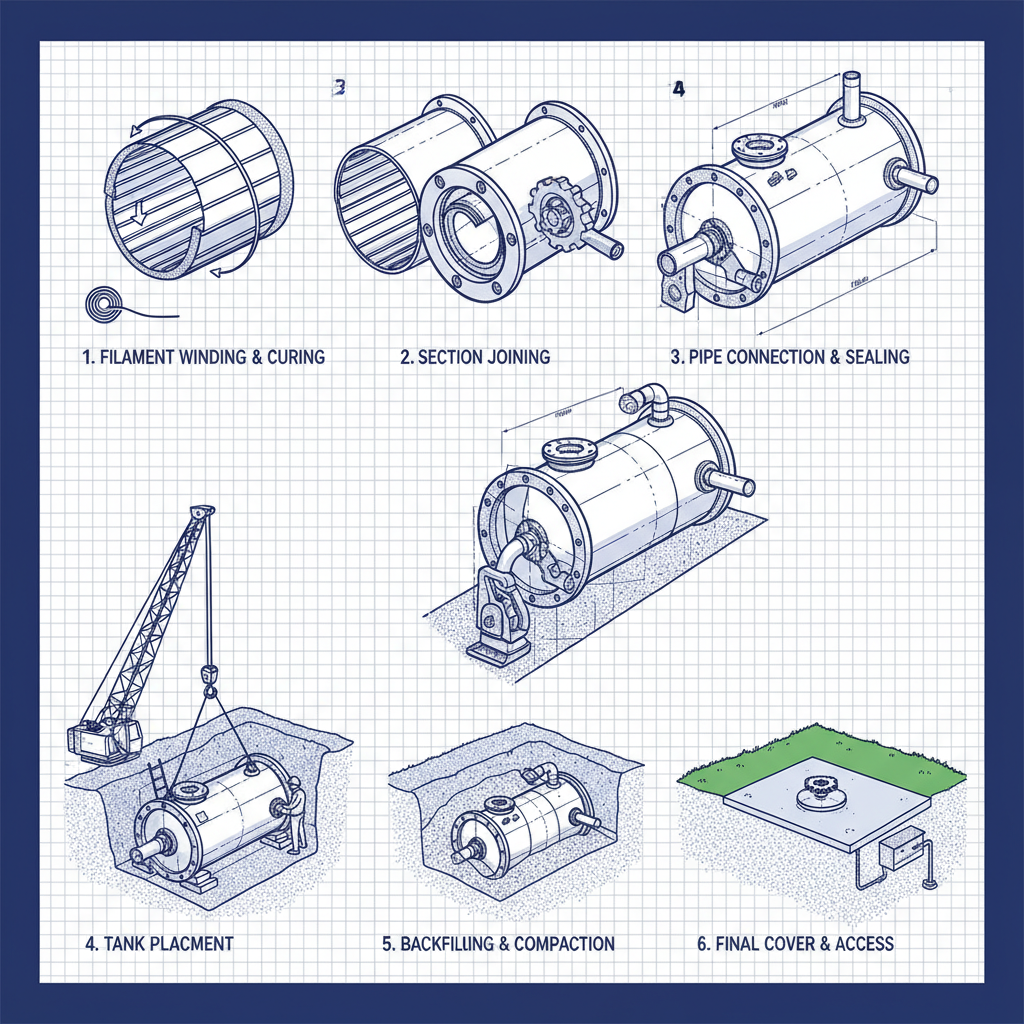
Fiberglass Reinforced Polymer (FRP) underground water tanks are becoming increasingly popular for a wide range of applications, from potable water storage to industrial wastewater containment. Their superior corrosion resistance, lightweight nature, and design flexibility make them an excellent alternative to traditional materials like concrete or steel. This article will delve into the benefits, applications, construction, and considerations for implementing FRP underground water tanks, providing a comprehensive overview for engineers, contractors, and project managers.
Comprehensive Guide to Frp Underground Water Storage Tanks and Their Applications
Apr 04,2026
Comprehensive Guide to Frp Underground Water Storage Tanks and Their Applications
When considering water storage solutions, particularly for industrial, agricultural, or municipal applications, frp underground water storage tanks stand out as a durable, cost-effective, and environmentally friendly option. These tanks are increasingly favored over traditional materials like concrete or steel due to their superior corrosion resistance, lighter weight, and ease of installation. This article delves into the benefits, applications, construction, and considerations when choosing an FRP tank, providing a detailed overview for potential buyers and project planners.
Sulfuric Acid Production Line - Hebei Aoliande|Efficient H2SO4 Plant Technology
Apr 01,2026
Sulfuric Acid Production Line - Hebei Aoliande|Efficient H2SO4 Plant Technology
Discover efficient H2SO4 plant technology and advanced sulfuric acid production solutions. Hebei Aoliande combines energy-saving furnace design and eco-friendly HCl recovery systems for sustainable industrial applications. Explore now: https://www.frpgrpmachine.com/sulfuric-acid-production-line-for-h2so4-plant.html
Sulfuric Acid Production Line - Hebei Aoliande|Efficient H2SO4 Plant Technology
Apr 01,2026
Sulfuric Acid Production Line - Hebei Aoliande|Efficient H2SO4 Plant Technology
Discover efficient H2SO4 plant technology and advanced sulfuric acid production solutions. Hebei Aoliande combines energy-saving furnace design and eco-friendly HCl recovery systems for sustainable industrial applications. Explore now: https://www.frpgrpmachine.com/sulfuric-acid-production-line-for-h2so4-plant.html
Sulfuric Acid Production Line - Hebei Aoliande|Efficient H2SO4 Plant Technology
Apr 01,2026
Sulfuric Acid Production Line - Hebei Aoliande|Efficient H2SO4 Plant Technology
Discover efficient H2SO4 plant technology and advanced sulfuric acid production solutions. Hebei Aoliande combines energy-saving furnace design and eco-friendly HCl recovery systems for sustainable industrial applications. Explore now: https://www.frpgrpmachine.com/sulfuric-acid-production-line-for-h2so4-plant.html
Sulfuric Acid Production Line - Hebei Aoliande|Efficient H2SO4 Plant Technology
Apr 01,2026
Sulfuric Acid Production Line - Hebei Aoliande|Efficient H2SO4 Plant Technology
Discover efficient H2SO4 plant technology and advanced sulfuric acid production solutions. Hebei Aoliande combines energy-saving furnace design and eco-friendly HCl recovery systems for sustainable industrial applications. Explore now: https://www.frpgrpmachine.com/sulfuric-acid-production-line-for-h2so4-plant.html
Sulfuric Acid Production Line - Hebei Aoliande|Efficient H2SO4 Plant Technology
Apr 01,2026
Sulfuric Acid Production Line - Hebei Aoliande|Efficient H2SO4 Plant Technology
Discover efficient H2SO4 plant technology and advanced sulfuric acid production solutions. Hebei Aoliande combines energy-saving furnace design and eco-friendly HCl recovery systems for sustainable industrial applications. Explore now: https://www.frpgrpmachine.com/sulfuric-acid-production-line-for-h2so4-plant.html
Sulfuric Acid Production Line - Hebei Aoliande|Efficient H2SO4 Plant Technology
Apr 01,2026
Sulfuric Acid Production Line - Hebei Aoliande|Efficient H2SO4 Plant Technology
Discover efficient H2SO4 plant technology and advanced sulfuric acid production solutions. Hebei Aoliande combines energy-saving furnace design and eco-friendly HCl recovery systems for sustainable industrial applications. Explore now: https://www.frpgrpmachine.com/sulfuric-acid-production-line-for-h2so4-plant.html
Comprehensive Guide to Frp Underground Storage Tanks for Reliable Storage Solutions
Mar 31,2026
Comprehensive Guide to Frp Underground Storage Tanks for Reliable Storage Solutions
Fiberglass Reinforced Polymer (FRP) underground storage tanks are becoming increasingly popular for a wide range of applications, from fuel storage to wastewater management. Their corrosion resistance, lightweight nature, and durability offer significant advantages over traditional materials like steel. This article will provide an in-depth look at FRP underground storage tanks, covering their benefits, applications, installation, and maintenance. Understanding these aspects is crucial for making informed decisions about long-term storage solutions.
Comprehensive Guide to Selecting the Ideal FRP Tank for Water Storage Solutions
Mar 28,2026
Comprehensive Guide to Selecting the Ideal FRP Tank for Water Storage Solutions
When it comes to reliable and durable water storage, FRP tanks for water are increasingly becoming the preferred solution for a wide range of applications. These tanks, constructed from Fiber Reinforced Polymer (FRP) materials, offer significant advantages over traditional storage options like steel or concrete. This article delves into the benefits, applications, and considerations when selecting an FRP tank for your water storage needs, providing a detailed overview for businesses and individuals alike.
Comprehensive Guide to Frp Tank and Vessel Applications and Manufacturing
Mar 26,2026
Comprehensive Guide to Frp Tank and Vessel Applications and Manufacturing
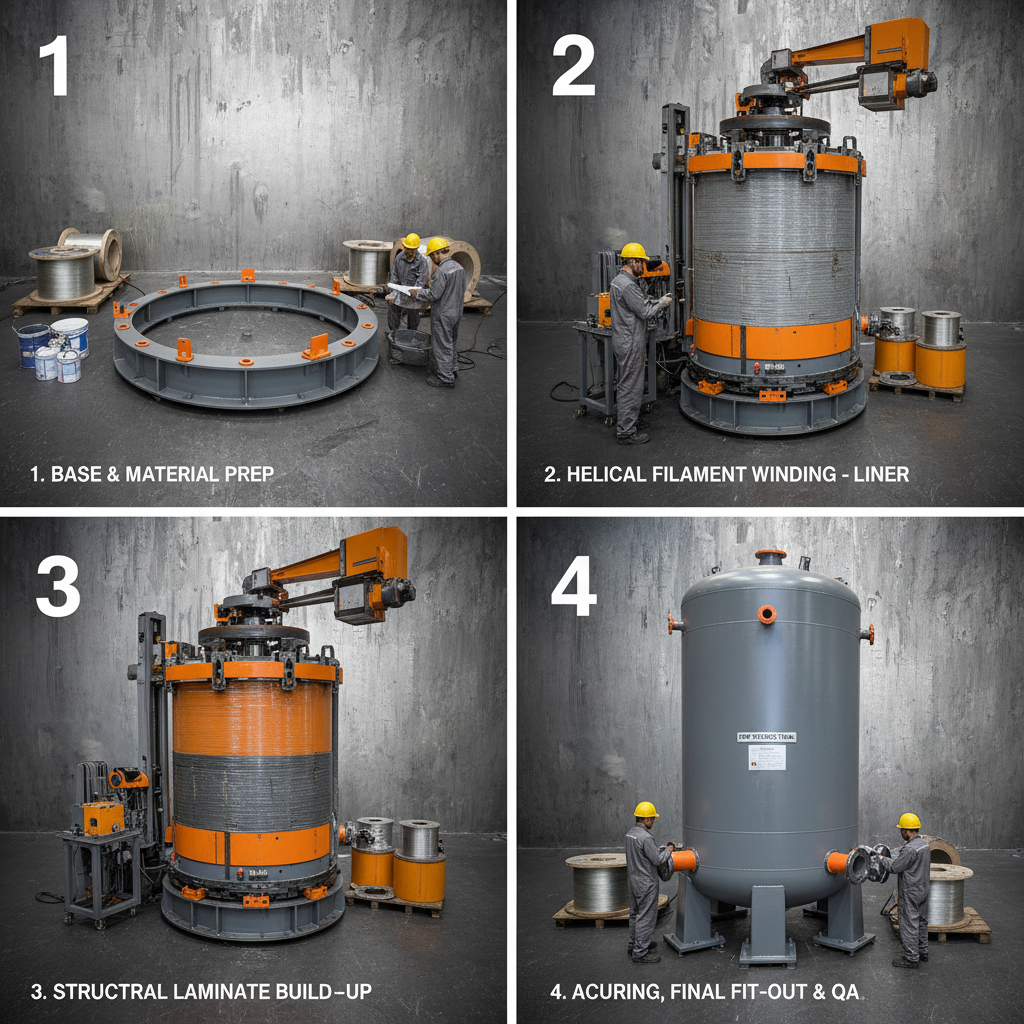
Fiber Reinforced Polymer (FRP) tanks and vessels are increasingly becoming the preferred choice for storage and processing across a multitude of industries. Their lightweight nature, corrosion resistance, and design flexibility offer significant advantages over traditional materials like steel. This article will delve into the intricacies of FRP tanks and vessels, exploring their applications, manufacturing processes, benefits, and considerations for selecting the right solution for your specific needs. We’ll also highlight why FRP tanks are a cost-effective and reliable long-term investment. FRP tanks and vessels are constructed from a combination of reinforcing fibers (such as fiberglass, carbon fiber, or aramid fiber) embedded in a polymer matrix (typically polyester, vinyl ester, or epoxy resin). This combination creates a composite material that boasts high strength-to-weight ratio, exceptional corrosion resistance, and the ability to be molded into complex shapes. They’re designed to safely contain a wide variety of liquids and gases, ranging from corrosive chemicals and water to food products and pharmaceuticals.
Optimizing Water Filtration with Durable FRP Sand Filter Vessels
Mar 24,2026
Optimizing Water Filtration with Durable FRP Sand Filter Vessels
In water treatment and filtration systems, the choice of filter vessel material is paramount. Fiber Reinforced Plastic (FRP), also known as Glass Reinforced Polymer (GRP), sand filter vessels are increasingly popular due to their superior corrosion resistance, lightweight nature, and cost-effectiveness. This article delves into the benefits, applications, design considerations, and factors to consider when selecting an FRP sand filter vessel. Whether you are involved in municipal water treatment, industrial wastewater management, or recreational water filtration, understanding FRP technology is essential for optimizing your filtration process. An FRP sand filter vessel is a containment unit designed to house filtration media, typically sand, gravel, and anthracite. These vessels are integral components in sand filtration systems used for removing suspended solids, turbidity, and other particulate matter from water. FRP construction involves layering glass fibers within a resin matrix (typically polyester or vinyl ester) to create a strong, durable, and chemically resistant shell. The strength and rigidity of the vessel are crucial for withstanding the pressure from the filtration media and the water flow.
Comprehensive Guide to FRP Round Tanks Applications and Benefits
Mar 21,2026
Comprehensive Guide to FRP Round Tanks Applications and Benefits
Fiber Reinforced Polymer (FRP) round tanks are increasingly becoming the preferred choice for storage solutions across a variety of industries. Their lightweight nature, corrosion resistance, and design flexibility offer significant advantages over traditional materials like steel. This article provides an in-depth look at FRP round tanks, exploring their applications, benefits, manufacturing processes, and key considerations when choosing the right tank for your needs. Whether you're in chemical processing, water treatment, or agriculture, understanding FRP round tanks is crucial for optimizing your storage infrastructure. FRP round tanks are constructed from a combination of reinforcing fibers (typically fiberglass, carbon fiber, or a blend) embedded in a polymer matrix (often polyester, vinyl ester, or epoxy resin). The round shape inherently provides excellent structural strength, distributing pressure evenly across the tank’s surface.
Comprehensive Guide to FRP Pressure Tanks Benefits and Applications
Mar 19,2026
Comprehensive Guide to FRP Pressure Tanks Benefits and Applications
Fiber Reinforced Polymer (FRP) pressure tanks are becoming increasingly popular in a wide range of industrial applications, offering a compelling alternative to traditional steel tanks. Known for their lightweight nature, corrosion resistance, and high strength-to-weight ratio, FRP tanks provide efficient and durable solutions for storing liquids and gases under pressure. This article will delve into the benefits, applications, construction, and key considerations when selecting an FRP pressure tank, helping you make an informed decision for your specific needs. Understanding the advantages of FRP technology can lead to significant cost savings and improved operational efficiency. Compared to steel, FRP pressure tanks offer several key advantages. The most significant is their superior corrosion resistance. Unlike steel, which is susceptible to rust and corrosion when exposed to various chemicals, FRP materials are inherently resistant to a wide range of corrosive substances. This translates to a longer lifespan, reduced maintenance costs, and increased safety. Furthermore, FRP is significantly lighter than steel, making installation easier and reducing transportation costs.
For More Details Pls Contact Us
Thank you for your interest in our gloves! We offer high-quality, durable, and comfortable gloves with fast delivery and competitive prices. For any questions or customization, feel free to contact us. We look forward to working with you!

If you are interested in our products, you can choose to leave your information here, and we will be in touch with you shortly.