Jul 07,2025

High-Quality Chemical Wash Tank Durable Chemical Injection & Reaction Tanks for Industrial Use

  • Introduction to Chemical Wash Tanks and Related Equipment
  • Key Technical Advantages
  • Manufacturer Comparison: Data-Driven Insights
  • Exploration of Customization Solutions
  • Application Cases Across Industries
  • Maintenance Best Practices and Safety Guidelines
  • Conclusion: Future Innovations in Chemical Wash Tank Technology
chemical wash tank

(chemical wash tank)


Introduction to Chemical Wash Tank Solutions

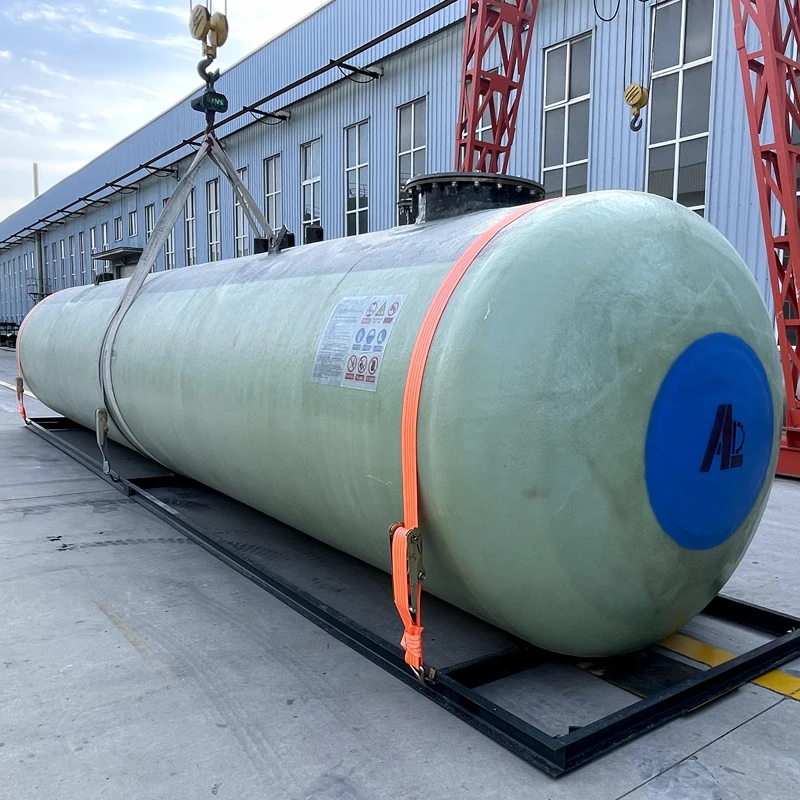
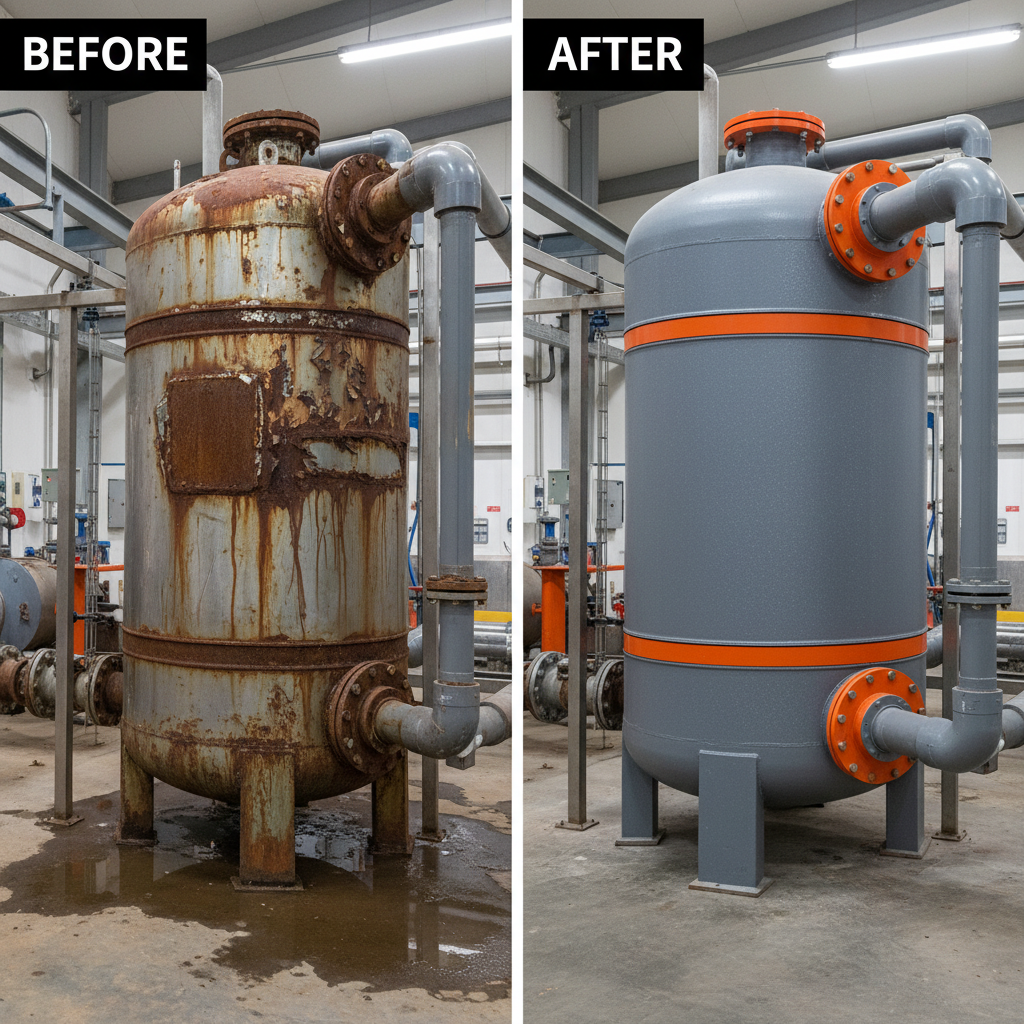
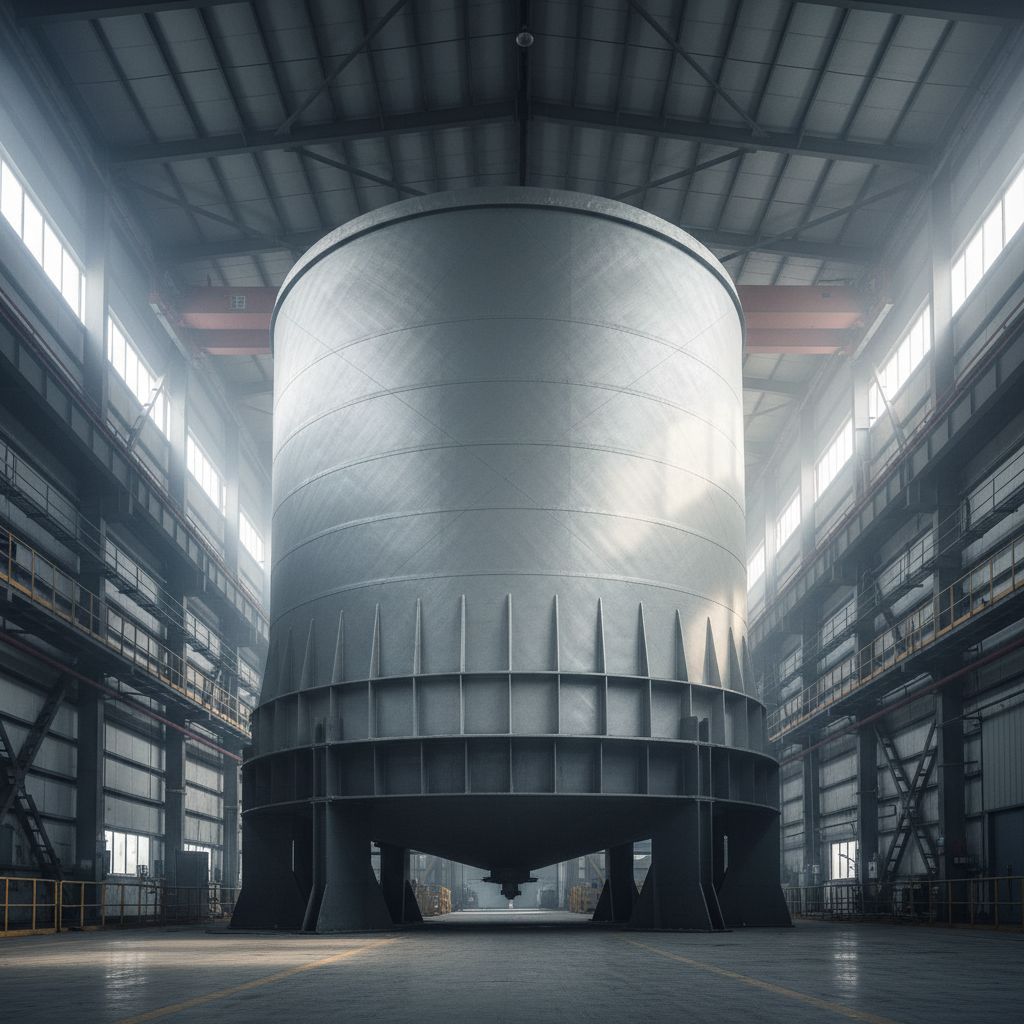
The industrial landscape relies heavily on specialized containment and processing systems to manage chemicals safely and efficiently. Among these, the chemical wash tank
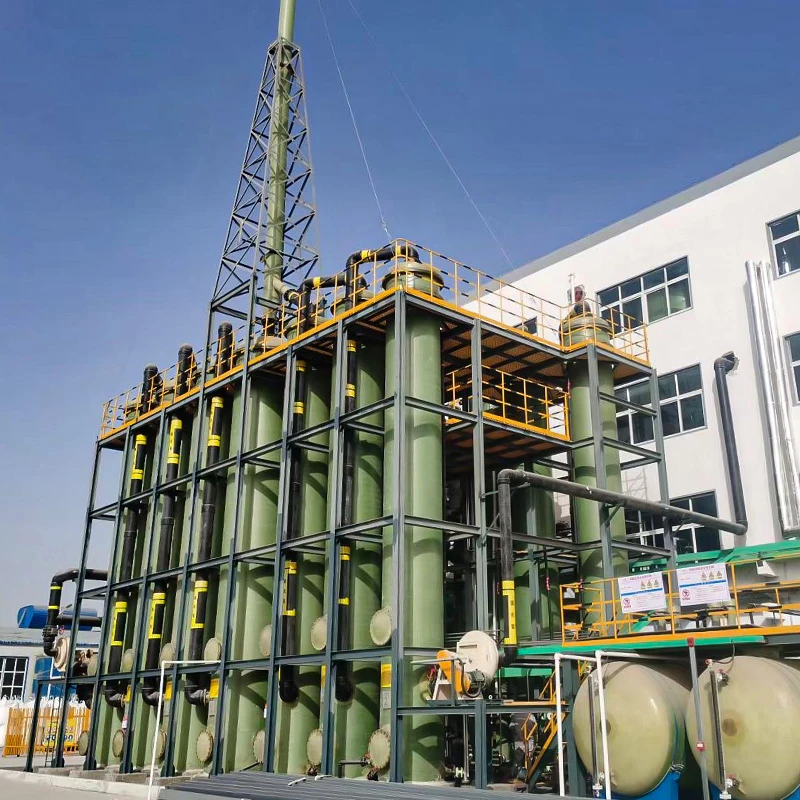
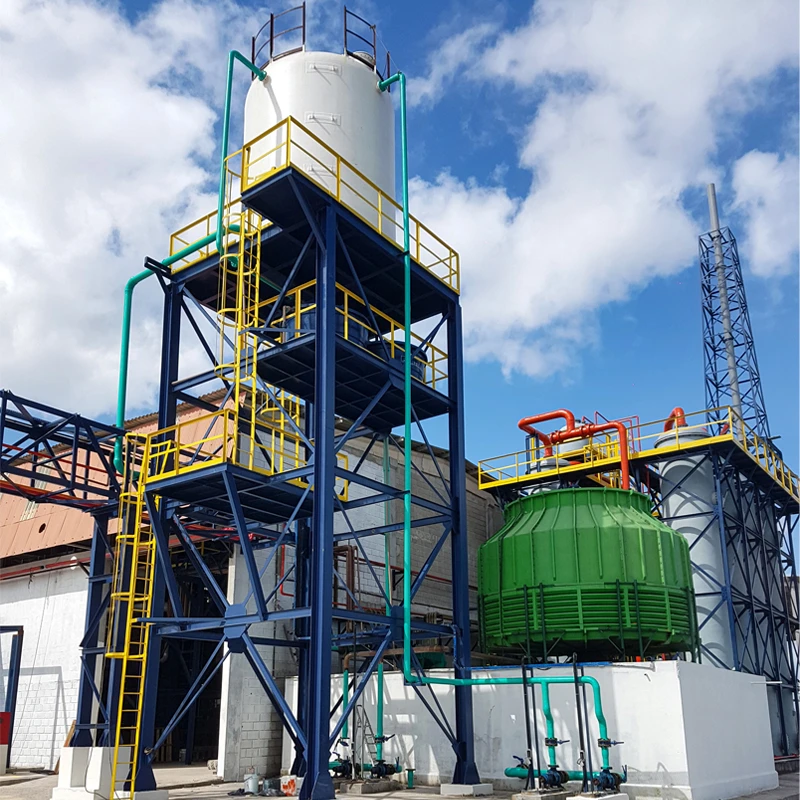
has secured a pivotal role in diverse operations—ranging from large-scale petrochemical installations to pharmaceutical production lines. Modern chemical wash tanks often work in synergy with chemical injection tanks and chemical reaction tanks, together forming integrated fluid management solutions that meet stringent regulatory and operational specifications.
The global demand for such infrastructure has surged: according to Grand View Research, the industrial chemical tank market was valued at $1.6 billion in 2022, projected to achieve a CAGR of 6.2% through 2030. This growth is propelled by rapid industrialization, the rising complexity of chemical processes, and stricter environmental compliance regulations.
This article systematically explores the technological advancements behind chemical wash tanks, compares leading suppliers through data analysis, outlines custom-build opportunities, and presents practical application cases, illuminating the crucial choices that define a plant’s reliability and performance.

Technical Advancements in Chemical Tank Engineering

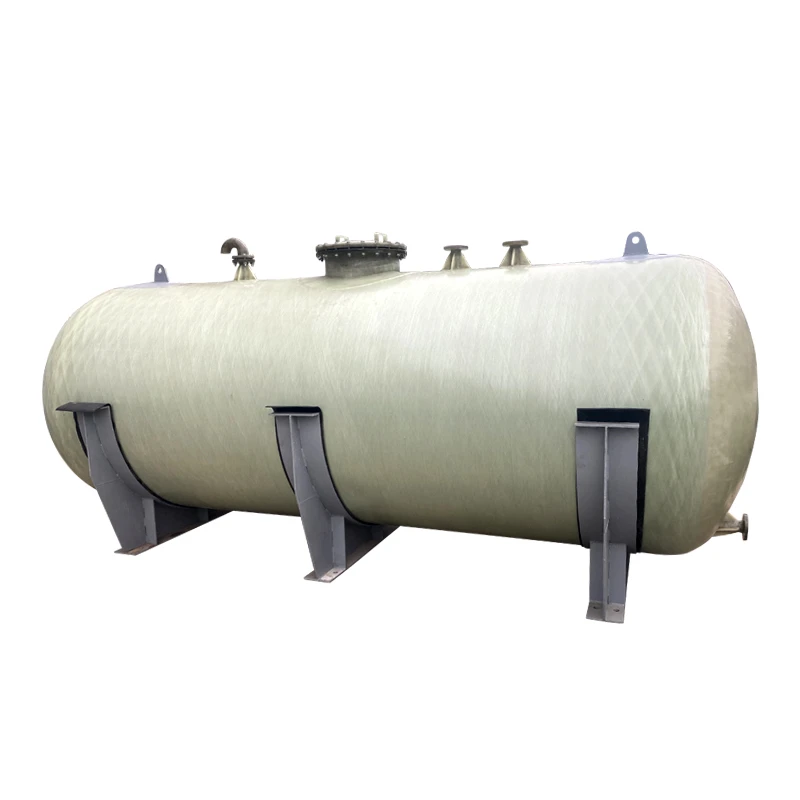
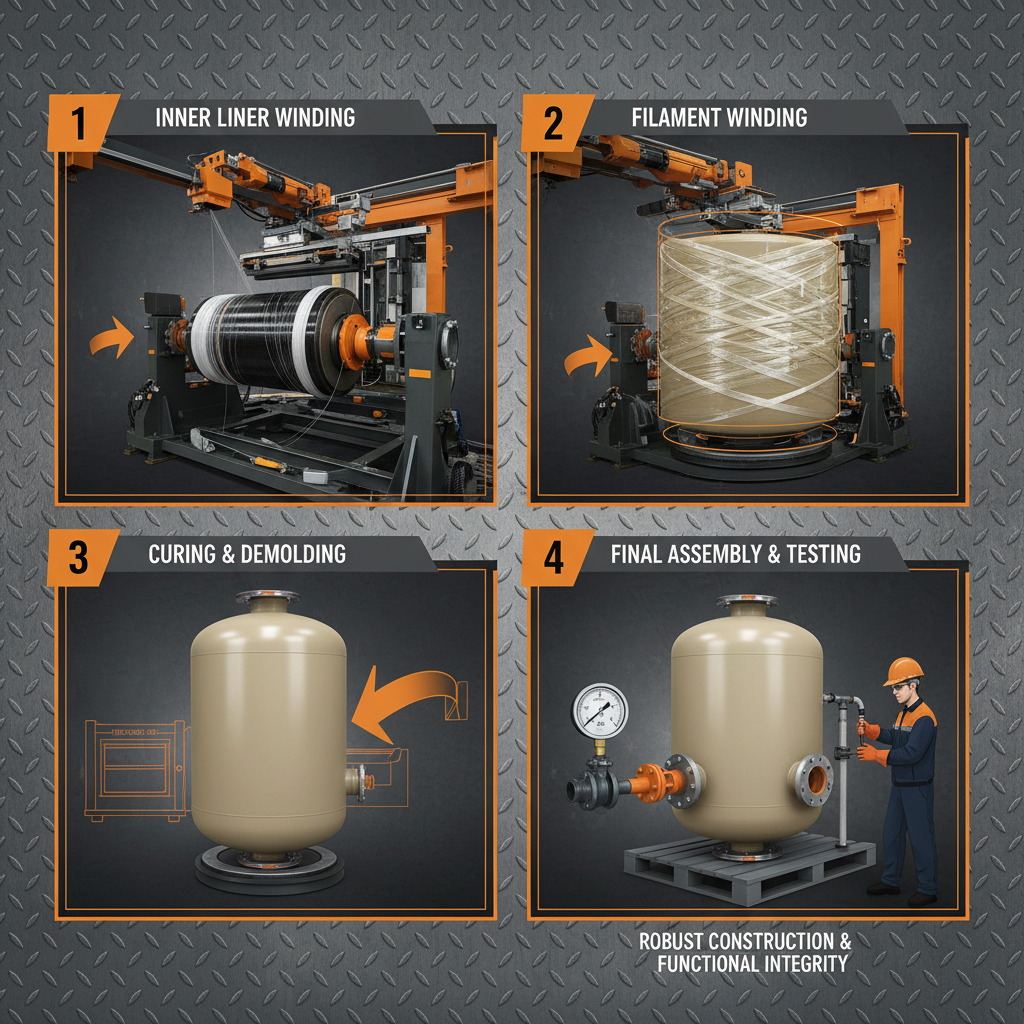
In recent years, chemical wash tank technology has evolved beyond basic containment—focusing on operational safety, longevity, and cost-efficiency. Leading tanks are fabricated from high-grade materials such as HDPE (High-Density Polyethylene), FRP (Fiberglass Reinforced Plastic), and duplex stainless steel, boasting corrosion resistance up to 99% against a broad spectrum of aggressive chemicals.
Enhanced features—like automated dosing systems, built-in level monitoring, and self-cleaning nozzles—help minimize manual intervention, reducing overall human error risk by up to 70%. Notably, temperature control modules support process consistency during chemical reactions, especially when tanks integrate with chemical injection or reaction systems.
According to a 2023 industry survey, plants utilizing advanced tank monitoring report a 30% reduction in chemical loss incidents annually. In summary, technical breakthroughs in tank fabrication and monitoring are reshaping operational risk management and production efficiency standards.

Manufacturer Comparison: Market Data and Performance Benchmarks

Selecting the right provider is paramount, as quality variations can significantly impact both operational safety and lifecycle cost. The following table presents a comparative analysis of top global manufacturers in the chemical tank domain, specifically focusing on chemical wash tank offerings:

Manufacturer Country Core Material Warranty (Years) Certifications Avg. Delivery Time (Days) User Satisfaction (%)
XYZ Tanks Ltd. USA HDPE, SS316L 5 ASME, ISO 9001 28 95.6
EcoChem Systems Germany FRP, PE 7 TUV, ISO 14001 34 91.2
Global Tank Solutions UK Stainless Steel 10 CE, PED 40 92.7
AsiaChem Equipco China PP, FRP 3 ISO 9001, SGS 27 88.4

The data illustrates that warranties, certifications, and customer satisfaction rates are key differentiators when selecting a chemical wash tank supplier; for example, Global Tank Solutions provides the longest warranty at 10 years, whereas XYZ Tanks Ltd. leads in customer satisfaction.

Customization Options: Meeting Specific Industry Needs

No two process facilities are identical, making customization a critical element in the design and procurement of chemical wash tanks. Leading manufacturers offer a spectrum of tailored options—capacity ranging from small 50-liter vessels for laboratory use up to 50,000-liter tanks for municipal water treatment. Material selection is guided by chemical compatibility charts, ambient operating temperatures, and targeted pressure ratings.
Design modifications may include double-walled containment for leak prevention, integrated mixing mechanisms for homogeneous chemical blending, or multi-chamber tanks supporting sequential injection and reaction phases.
Furthermore, digital integration possibilities such as IoT-enabled sensors provide real-time tank telemetry, alerting operators to anomalies within seconds. Customization, thus, goes beyond form factors—it encompasses smart engineering and process integration, underscoring the commitment to both safety and process optimization.

Case Studies: Real-World Applications of Chemical Tank Systems

Chemical wash tanks, in concert with chemical injection and reaction tanks, demonstrate their performance in diverse sectors:

  • Oil & Gas: In a major Middle Eastern oilfield, FRP tanks with automated pH adjustment reduced scale formation in pipelines by 40%, translating to a $1.2 million yearly operational saving.
  • Pharmaceutical Manufacturing: Integrating HDPE chemical tanks with advanced dosing pumps enabled a European client to maintain product purity levels above 99.8%, crucial for API (Active Pharmaceutical Ingredient) synthesis.
  • Municipal Water Treatment: AsiaChem Equipco provided double-walled PE tanks that helped a metropolitan authority meet stricter chloride discharge regulations, improving compliance rates from 82% to 96% within nine months.
  • Food Processing: Stainless steel wash and reaction tanks ensured residue-free sanitation, reducing contamination risk by an estimated 78%, while extending cleaning cycles by 20%.
These examples showcase the strategic advantage associated with properly specified chemical tank systems across mission-critical industries.

Maintenance Protocols and Safety Standards

To uphold the operational viability and safety of chemical wash, injection, and reaction tank installations, strict maintenance regimes must be embedded as standard practice. Weekly and monthly inspection schedules typically include visual checks for structural integrity, assessment of vent and drain functions, and verification of sensor performance. Data from a 2021 benchmarking study found that facilities adhering to ISO 45001 safety management systems experienced 45% fewer chemical tank-related incidents than those without certified protocols.
Comprehensive cleaning routines—utilizing in-line flushing or CIP (Clean-In-Place) systems—can extend tank lifespan by 30% on average, while reducing cross-contamination risks. Staff training and routine safety drills are vital; proficient teams can manage minor leaks or system alarms within five minutes, significantly mitigating environmental or operational harm. Alignment with ASME and OSHA guidelines further cements safety and compliance.

Conclusion: The Evolving Future of Chemical Wash Tank Technologies

As industries continue to demand safer, greener, and smarter fluid management systems, the chemical wash tank segment is set for rapid and ongoing innovation. Emerging trends include the integration of AI-driven predictive maintenance, use of recycled composite materials, and the adaptation of fully automated dosing and monitoring systems.
Furthermore, as digitalization penetrates industrial infrastructure, remote control capabilities and cloud-based performance analytics will move from optional assets to expected standards. The synergy among chemical wash tank, injection, and reaction tank technologies not only addresses today’s compliance and efficiency needs but also sets the stage for future-proof solutions.
By balancing rigorous customization, robust safety, and cutting-edge process integration, manufacturers and end-users alike are poised to redefine reliability and operational excellence in chemical management for decades to come.
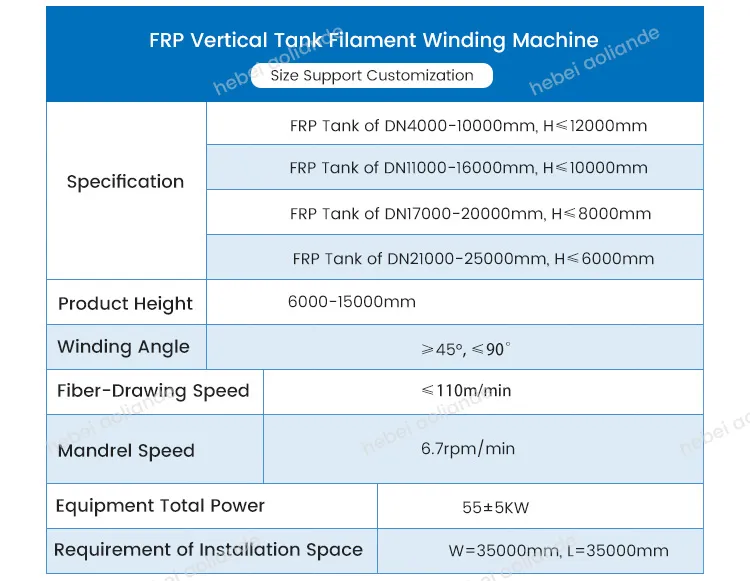

chemical wash tank

(chemical wash tank)
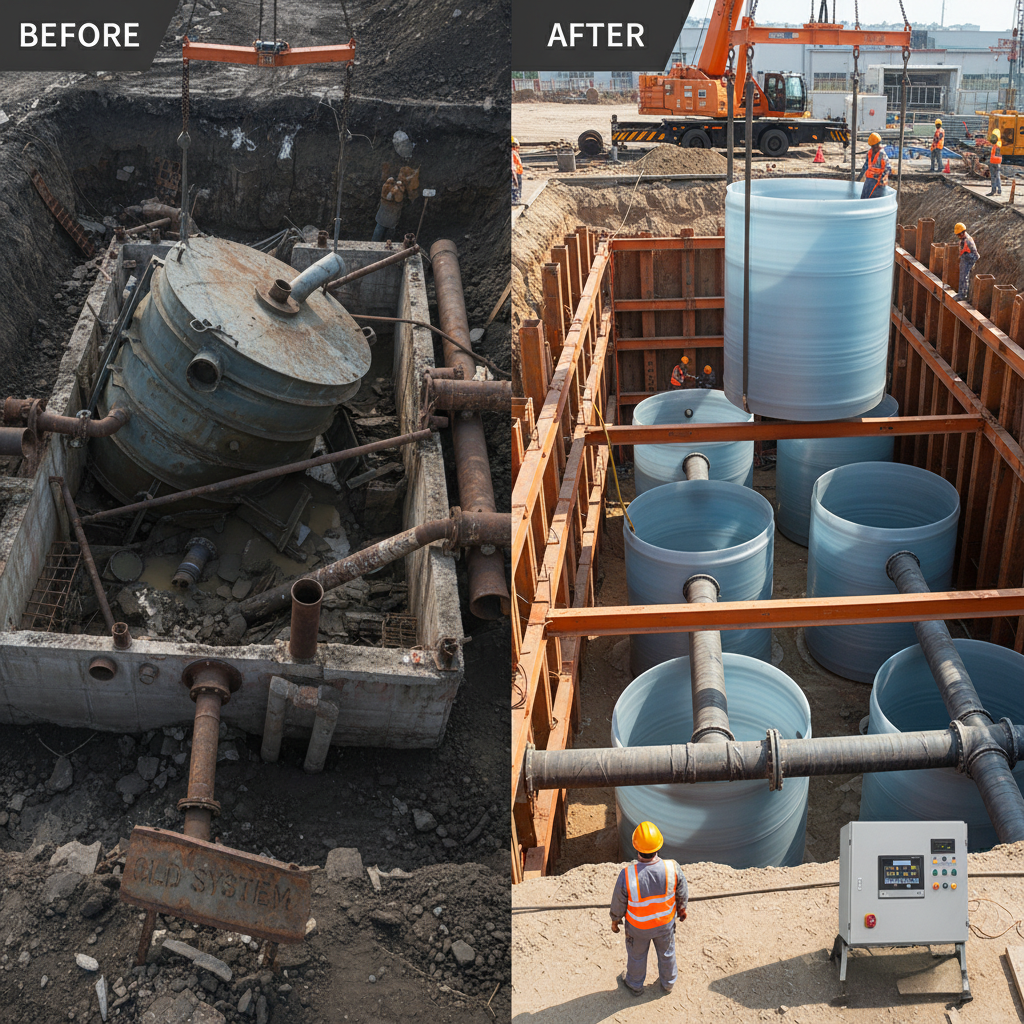

FAQS on chemical wash tank

Q: What is a chemical wash tank used for?

A: A chemical wash tank is designed to clean or treat materials or equipment using specific chemicals. It's commonly used in industrial cleaning processes. The tank ensures safe containment and controlled application of chemicals.

Q: How does a chemical injection tank differ from a chemical wash tank?

A: A chemical injection tank stores chemicals for precise dosing into a process system, such as pipelines or water treatment. In contrast, a chemical wash tank is mainly for immersing or washing items. Both ensure safe handling but serve different operational purposes.

Q: What are the main applications of a chemical reaction tank?

A: Chemical reaction tanks are specialized vessels where controlled chemical reactions occur. They're widely used in manufacturing, pharmaceuticals, and research. These tanks are designed to withstand temperature, pressure, and corrosive chemicals.

Q: What safety features should a chemical wash tank have?

A: Key safety features include chemical-resistant materials, secure lids, proper venting, and emergency drainage. These prevent leaks, spills, and hazardous exposure. Some tanks also have integrated monitoring or alarm systems.

Q: Can a single tank serve as both a chemical wash and reaction tank?

A: Sometimes, a tank can be engineered for both washing and reactions if built to proper standards. However, dedicated tanks usually ensure better process control and safety. Always consult technical specifications before multipurpose use.
Upsell Products
Upsell News
Durable FRP Vessel for Water Treatment and Industrial Filtration
Apr 16,2026
Durable FRP Vessel for Water Treatment and Industrial Filtration
In the modern era of industrial and residential water purification, the choice of containment materials is critical for efficiency and longevity. An frp vessel for water treatment has emerged as the gold standard, replacing traditional steel tanks due to its superior corrosion resistance and lightweight properties. Whether you are dealing with desalination, softening, or filtration, using Fiber Reinforced Plastic (FRP) ensures that your system remains leak-proof and durable against aggressive chemicals. In this comprehensive guide, we will explore why FRP is the preferred choice for water treatment professionals worldwide and how to select the right vessel for your specific application.
Industrial Guide for Choosing the Right FRP Vertical Tank
Apr 09,2026
Industrial Guide for Choosing the Right FRP Vertical Tank
In today's industrial landscape, the storage of corrosive chemicals and aggressive liquids requires materials that can withstand extreme conditions without degrading. The frp vertical tank has emerged as a premier solution, offering an exceptional balance of strength, lightweight properties, and unmatched chemical resistance. Whether you are managing a water treatment plant or a chemical processing facility, understanding the nuances of Fiber Reinforced Plastic (FRP) is essential for ensuring operational safety and longevity. In this comprehensive guide, we will explore why vertical configurations are preferred and how these tanks outperform traditional metal alternatives.
Comprehensive Guide to FRP Underground Water Tank Solutions and Applications
Apr 07,2026
Comprehensive Guide to FRP Underground Water Tank Solutions and Applications
Fiberglass Reinforced Polymer (FRP) underground water tanks are becoming increasingly popular for a wide range of applications, from potable water storage to industrial wastewater containment. Their superior corrosion resistance, lightweight nature, and design flexibility make them an excellent alternative to traditional materials like concrete or steel. This article will delve into the benefits, applications, construction, and considerations for implementing FRP underground water tanks, providing a comprehensive overview for engineers, contractors, and project managers.
Comprehensive Guide to Frp Underground Water Storage Tanks and Their Applications
Apr 04,2026
Comprehensive Guide to Frp Underground Water Storage Tanks and Their Applications
When considering water storage solutions, particularly for industrial, agricultural, or municipal applications, frp underground water storage tanks stand out as a durable, cost-effective, and environmentally friendly option. These tanks are increasingly favored over traditional materials like concrete or steel due to their superior corrosion resistance, lighter weight, and ease of installation. This article delves into the benefits, applications, construction, and considerations when choosing an FRP tank, providing a detailed overview for potential buyers and project planners.
Sulfuric Acid Production Line - Hebei Aoliande|Efficient H2SO4 Plant Technology
Apr 01,2026
Sulfuric Acid Production Line - Hebei Aoliande|Efficient H2SO4 Plant Technology
Discover efficient H2SO4 plant technology and advanced sulfuric acid production solutions. Hebei Aoliande combines energy-saving furnace design and eco-friendly HCl recovery systems for sustainable industrial applications. Explore now: https://www.frpgrpmachine.com/sulfuric-acid-production-line-for-h2so4-plant.html
Sulfuric Acid Production Line - Hebei Aoliande|Efficient H2SO4 Plant Technology
Apr 01,2026
Sulfuric Acid Production Line - Hebei Aoliande|Efficient H2SO4 Plant Technology
Discover efficient H2SO4 plant technology and advanced sulfuric acid production solutions. Hebei Aoliande combines energy-saving furnace design and eco-friendly HCl recovery systems for sustainable industrial applications. Explore now: https://www.frpgrpmachine.com/sulfuric-acid-production-line-for-h2so4-plant.html
Sulfuric Acid Production Line - Hebei Aoliande|Efficient H2SO4 Plant Technology
Apr 01,2026
Sulfuric Acid Production Line - Hebei Aoliande|Efficient H2SO4 Plant Technology
Discover efficient H2SO4 plant technology and advanced sulfuric acid production solutions. Hebei Aoliande combines energy-saving furnace design and eco-friendly HCl recovery systems for sustainable industrial applications. Explore now: https://www.frpgrpmachine.com/sulfuric-acid-production-line-for-h2so4-plant.html
Sulfuric Acid Production Line - Hebei Aoliande|Efficient H2SO4 Plant Technology
Apr 01,2026
Sulfuric Acid Production Line - Hebei Aoliande|Efficient H2SO4 Plant Technology
Discover efficient H2SO4 plant technology and advanced sulfuric acid production solutions. Hebei Aoliande combines energy-saving furnace design and eco-friendly HCl recovery systems for sustainable industrial applications. Explore now: https://www.frpgrpmachine.com/sulfuric-acid-production-line-for-h2so4-plant.html
Sulfuric Acid Production Line - Hebei Aoliande|Efficient H2SO4 Plant Technology
Apr 01,2026
Sulfuric Acid Production Line - Hebei Aoliande|Efficient H2SO4 Plant Technology
Discover efficient H2SO4 plant technology and advanced sulfuric acid production solutions. Hebei Aoliande combines energy-saving furnace design and eco-friendly HCl recovery systems for sustainable industrial applications. Explore now: https://www.frpgrpmachine.com/sulfuric-acid-production-line-for-h2so4-plant.html
Sulfuric Acid Production Line - Hebei Aoliande|Efficient H2SO4 Plant Technology
Apr 01,2026
Sulfuric Acid Production Line - Hebei Aoliande|Efficient H2SO4 Plant Technology
Discover efficient H2SO4 plant technology and advanced sulfuric acid production solutions. Hebei Aoliande combines energy-saving furnace design and eco-friendly HCl recovery systems for sustainable industrial applications. Explore now: https://www.frpgrpmachine.com/sulfuric-acid-production-line-for-h2so4-plant.html
Comprehensive Guide to Frp Underground Storage Tanks for Reliable Storage Solutions
Mar 31,2026
Comprehensive Guide to Frp Underground Storage Tanks for Reliable Storage Solutions
Fiberglass Reinforced Polymer (FRP) underground storage tanks are becoming increasingly popular for a wide range of applications, from fuel storage to wastewater management. Their corrosion resistance, lightweight nature, and durability offer significant advantages over traditional materials like steel. This article will provide an in-depth look at FRP underground storage tanks, covering their benefits, applications, installation, and maintenance. Understanding these aspects is crucial for making informed decisions about long-term storage solutions.
Comprehensive Guide to Selecting the Ideal FRP Tank for Water Storage Solutions
Mar 28,2026
Comprehensive Guide to Selecting the Ideal FRP Tank for Water Storage Solutions
When it comes to reliable and durable water storage, FRP tanks for water are increasingly becoming the preferred solution for a wide range of applications. These tanks, constructed from Fiber Reinforced Polymer (FRP) materials, offer significant advantages over traditional storage options like steel or concrete. This article delves into the benefits, applications, and considerations when selecting an FRP tank for your water storage needs, providing a detailed overview for businesses and individuals alike.
Comprehensive Guide to Frp Tank and Vessel Applications and Manufacturing
Mar 26,2026
Comprehensive Guide to Frp Tank and Vessel Applications and Manufacturing
Fiber Reinforced Polymer (FRP) tanks and vessels are increasingly becoming the preferred choice for storage and processing across a multitude of industries. Their lightweight nature, corrosion resistance, and design flexibility offer significant advantages over traditional materials like steel. This article will delve into the intricacies of FRP tanks and vessels, exploring their applications, manufacturing processes, benefits, and considerations for selecting the right solution for your specific needs. We’ll also highlight why FRP tanks are a cost-effective and reliable long-term investment. FRP tanks and vessels are constructed from a combination of reinforcing fibers (such as fiberglass, carbon fiber, or aramid fiber) embedded in a polymer matrix (typically polyester, vinyl ester, or epoxy resin). This combination creates a composite material that boasts high strength-to-weight ratio, exceptional corrosion resistance, and the ability to be molded into complex shapes. They’re designed to safely contain a wide variety of liquids and gases, ranging from corrosive chemicals and water to food products and pharmaceuticals.
Optimizing Water Filtration with Durable FRP Sand Filter Vessels
Mar 24,2026
Optimizing Water Filtration with Durable FRP Sand Filter Vessels
In water treatment and filtration systems, the choice of filter vessel material is paramount. Fiber Reinforced Plastic (FRP), also known as Glass Reinforced Polymer (GRP), sand filter vessels are increasingly popular due to their superior corrosion resistance, lightweight nature, and cost-effectiveness. This article delves into the benefits, applications, design considerations, and factors to consider when selecting an FRP sand filter vessel. Whether you are involved in municipal water treatment, industrial wastewater management, or recreational water filtration, understanding FRP technology is essential for optimizing your filtration process. An FRP sand filter vessel is a containment unit designed to house filtration media, typically sand, gravel, and anthracite. These vessels are integral components in sand filtration systems used for removing suspended solids, turbidity, and other particulate matter from water. FRP construction involves layering glass fibers within a resin matrix (typically polyester or vinyl ester) to create a strong, durable, and chemically resistant shell. The strength and rigidity of the vessel are crucial for withstanding the pressure from the filtration media and the water flow.
Comprehensive Guide to FRP Round Tanks Applications and Benefits
Mar 21,2026
Comprehensive Guide to FRP Round Tanks Applications and Benefits
Fiber Reinforced Polymer (FRP) round tanks are increasingly becoming the preferred choice for storage solutions across a variety of industries. Their lightweight nature, corrosion resistance, and design flexibility offer significant advantages over traditional materials like steel. This article provides an in-depth look at FRP round tanks, exploring their applications, benefits, manufacturing processes, and key considerations when choosing the right tank for your needs. Whether you're in chemical processing, water treatment, or agriculture, understanding FRP round tanks is crucial for optimizing your storage infrastructure. FRP round tanks are constructed from a combination of reinforcing fibers (typically fiberglass, carbon fiber, or a blend) embedded in a polymer matrix (often polyester, vinyl ester, or epoxy resin). The round shape inherently provides excellent structural strength, distributing pressure evenly across the tank’s surface.
Comprehensive Guide to FRP Pressure Tanks Benefits and Applications
Mar 19,2026
Comprehensive Guide to FRP Pressure Tanks Benefits and Applications
Fiber Reinforced Polymer (FRP) pressure tanks are becoming increasingly popular in a wide range of industrial applications, offering a compelling alternative to traditional steel tanks. Known for their lightweight nature, corrosion resistance, and high strength-to-weight ratio, FRP tanks provide efficient and durable solutions for storing liquids and gases under pressure. This article will delve into the benefits, applications, construction, and key considerations when selecting an FRP pressure tank, helping you make an informed decision for your specific needs. Understanding the advantages of FRP technology can lead to significant cost savings and improved operational efficiency. Compared to steel, FRP pressure tanks offer several key advantages. The most significant is their superior corrosion resistance. Unlike steel, which is susceptible to rust and corrosion when exposed to various chemicals, FRP materials are inherently resistant to a wide range of corrosive substances. This translates to a longer lifespan, reduced maintenance costs, and increased safety. Furthermore, FRP is significantly lighter than steel, making installation easier and reducing transportation costs.
For More Details Pls Contact Us
Thank you for your interest in our gloves! We offer high-quality, durable, and comfortable gloves with fast delivery and competitive prices. For any questions or customization, feel free to contact us. We look forward to working with you!

If you are interested in our products, you can choose to leave your information here, and we will be in touch with you shortly.