Nov 19,2025

Fiberglass Underground Water Storage Tanks: Durable, Sustainable Water Solutions

Why Fiberglass Underground Water Storage Tanks Matter in Today’s World

At first glance, a fiberglass underground water storage tank might seem like just another container. But scratch the surface, and it’s clear these tanks play a pivotal role globally — from ensuring communities have safe water supplies to supporting large-scale industrial operations. With water scarcity and infrastructure challenges mounting worldwide, understanding these tanks offers not only practical insights but also a glimpse into sustainable water management solutions.

In essence, the growing need for reliable underground water storage transcends industries and borders. Their applications enable emergency response teams, agriculture, urban planners, and industries to manage precious water resources safely and efficiently. So going beyond mere storage, these tanks have become integral to resilient, future-ready water systems.

Mini takeaway: Fiberglass underground water storage tanks might not be flashy, but they’re quietly solving one of humanity’s most critical challenges — water security.

The Global Context: Why This Technology Has Never Been More Relevant

Look around, and water scarcity is increasingly a reality. According to the United Nations, nearly 2 billion people lack access to safely managed drinking water at home (UN-Water, 2023). On top of that, climate change is driving more erratic rainfall and groundwater depletion. This is where fiberglass underground water storage tanks come into their own — offering a sustainable, durable option for water collection and storage.

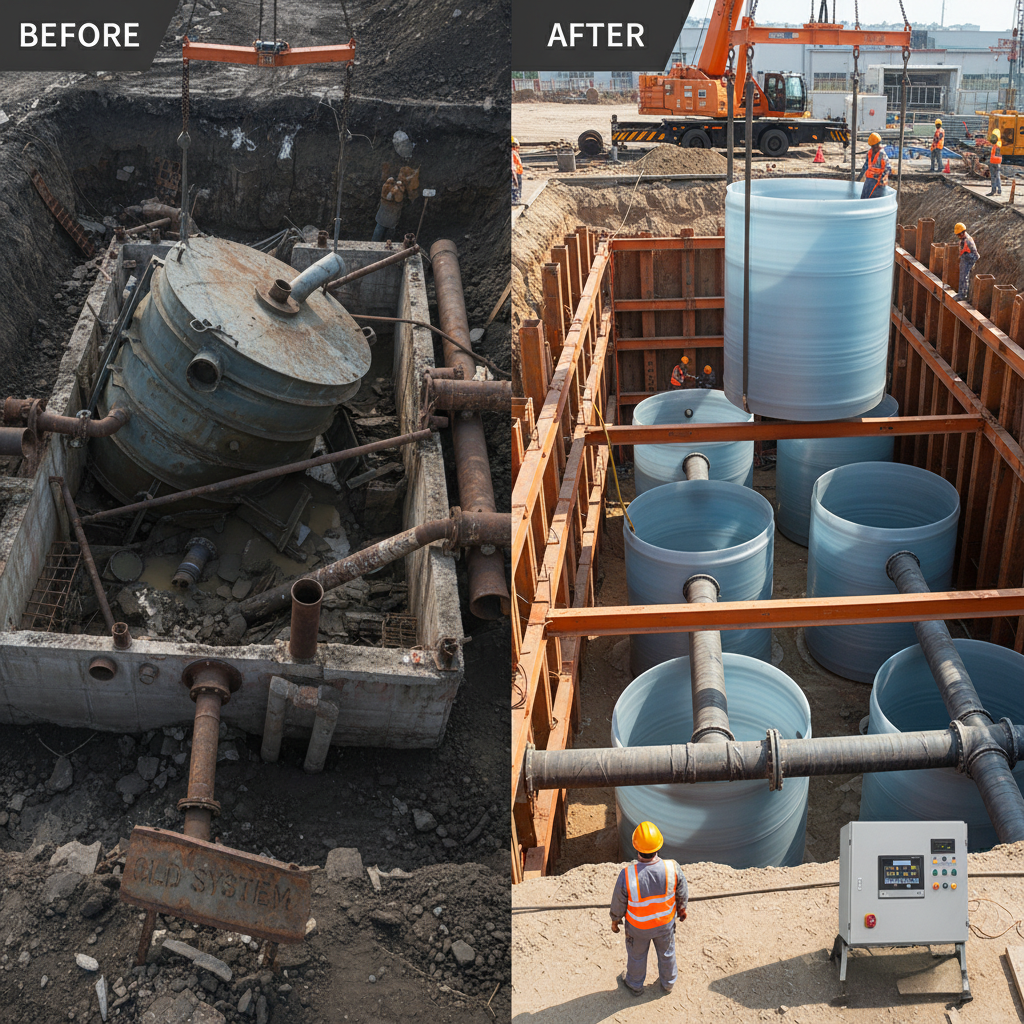
Globally, from drought-prone regions in Africa and Australia to urban centers in Europe and the Americas, demand for efficient underground water storage solutions is climbing fast. The tanks’ corrosion resistance and strength make them ideal replacements for older steel or concrete models, which are costly and prone to cracks or leaks.

Interestingly, standards developed by organizations like ISO have raised the bar for storage tank safety and quality — ensuring that installations worldwide are trustworthy. But the challenge remains: How do you scale these solutions affordably, especially in developing regions? This question fuels innovation and drives the industry's evolution daily.

What Are Fiberglass Underground Water Storage Tanks?

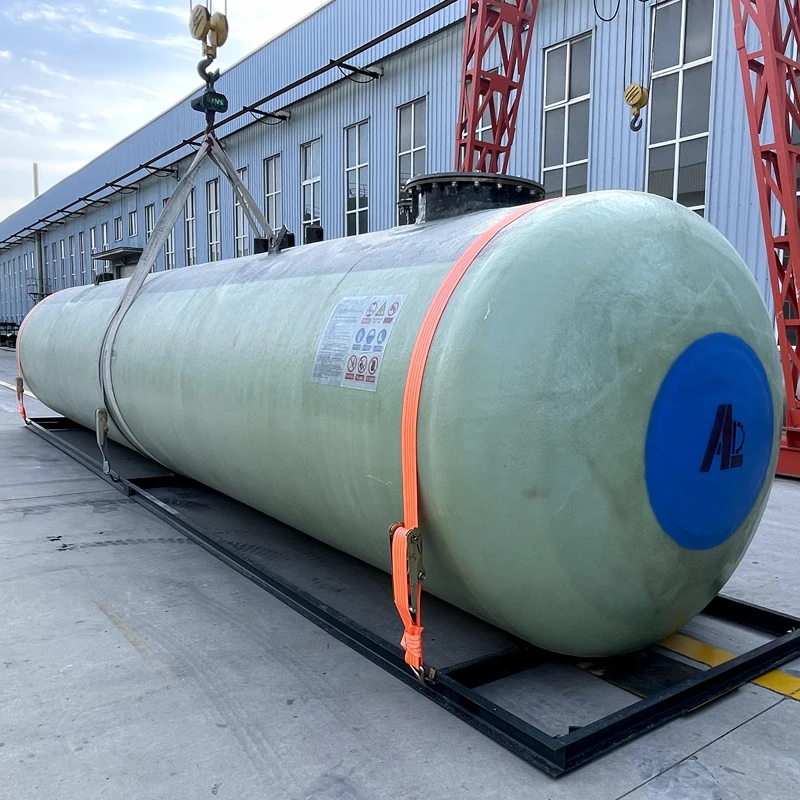
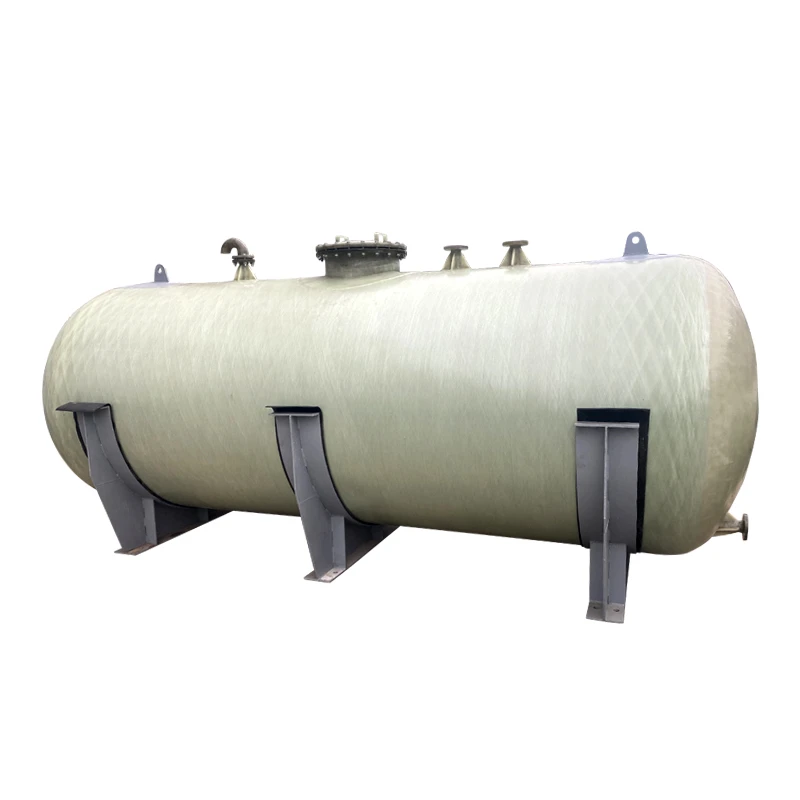
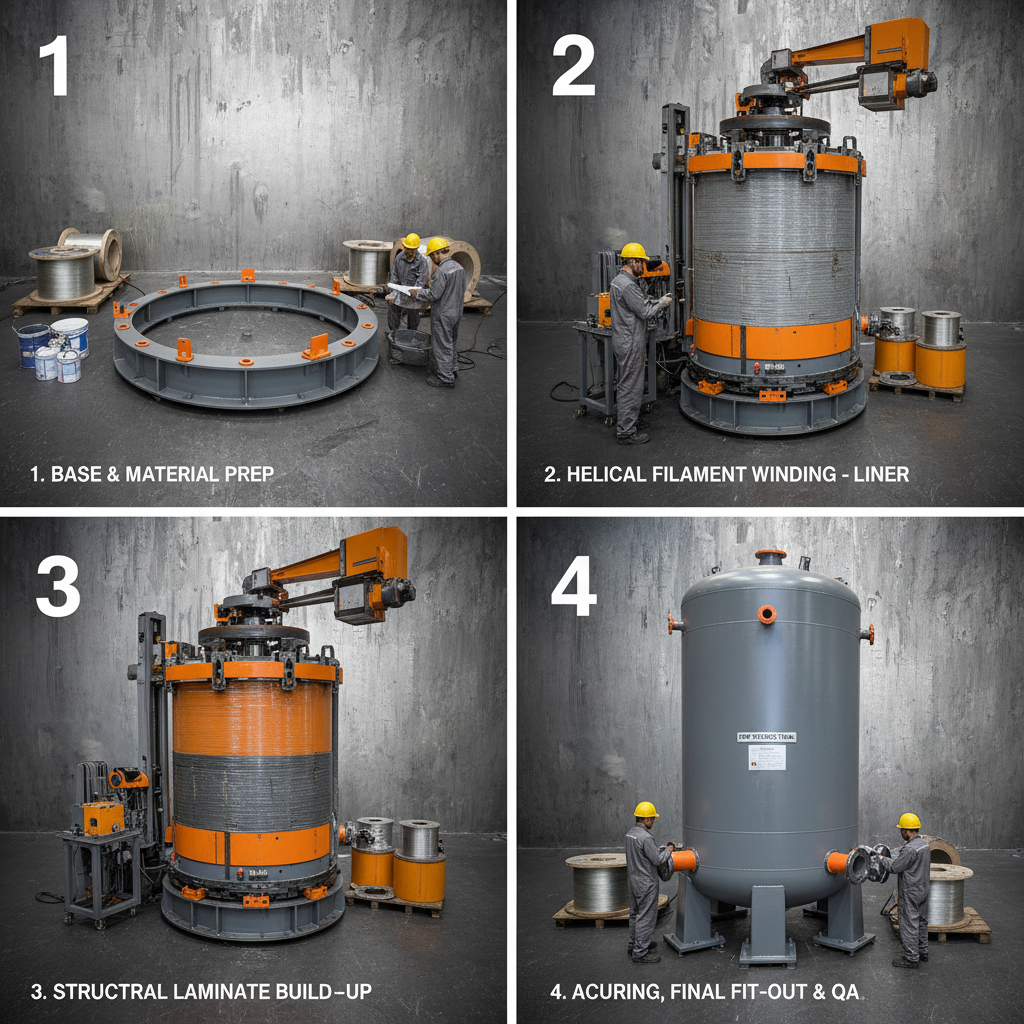
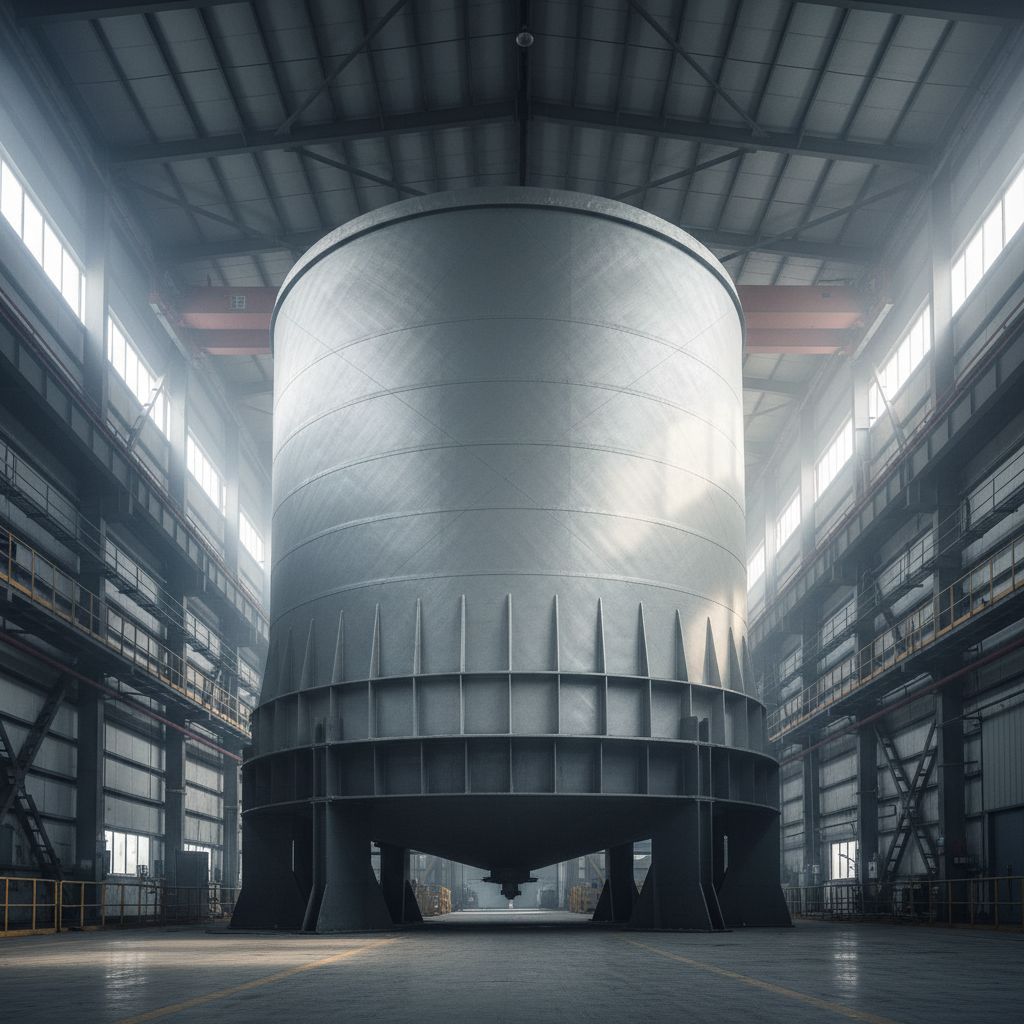
Simply put, these tanks are engineered containers made primarily from fiberglass-reinforced plastic (FRP), installed below ground to store water safely and hygienically. Think of them as modern-day cisterns, optimized for durability, leak prevention, and minimal maintenance.

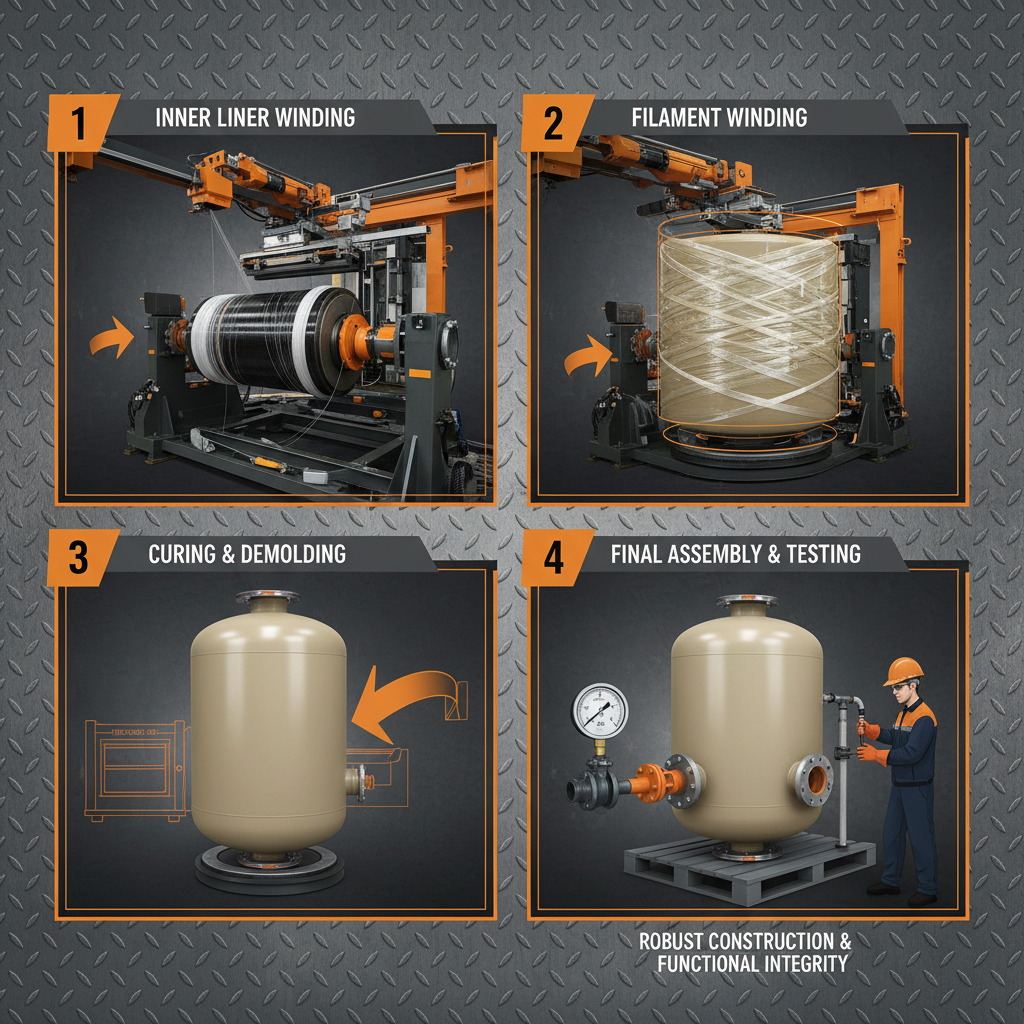
This material choice is clever because fiberglass combines the lightness of plastic with the toughness of glass fibers, delivering remarkable strength and resistance to corrosion or chemical wear. Unlike steel or concrete, fiberglass tanks don’t rust or degrade, which is crucial where water quality is critical.

The tanks serve everything from rainwater harvesting setups in rural villages to stormwater management in cities, and even underground fire protection reservoirs in industrial parks. Their design flexibility means you can customize size and shape to your exact needs without breaking the bank.

Core Features That Make These Tanks Stand Out

Durability and Corrosion Resistance

Fiberglass tanks resist rust, rot, and chemical damage far better than metal or concrete, meaning they last decades without structural issues. This longevity reduces replacement cycles and cuts lifecycle costs — handy for projects on tight budgets.

Scalability and Customization

Because manufacturing can mold fiberglass into complicated shapes, tanks can be tailored to fit non-standard underground spaces or connect modularly for massive storage demands. This scalability makes them popular in both municipal and industrial contexts.

Cost Efficiency

While initial costs may be higher than using basic plastic barrels, fiberglass tanks balance that with their lifespan and low maintenance. Over time, they tend to be the more economical choice if you factor in leakage prevention, labor, and downtime.

Lightweight and Ease of Installation

Contrary to traditional concrete tanks that need heavy machinery to place, fiberglass’s lightness allows for quicker installation and less disruption, which is a huge plus — especially in sensitive or dense urban sites.

Environmental Compatibility

Fiberglass tanks don’t leach harmful chemicals into the stored water, supporting safe drinking water standards. Plus, many manufacturers now source eco-friendly resins and use processes aligned with sustainability goals.

Low Maintenance Requirements

Once installed, fiberglass tanks need minimal upkeep. Their smooth interior surfaces reduce sediment buildup, which historically caused bacterial growth and compromised water quality in other tanks.

Typical Fiberglass Underground Water Storage Tank Specifications
Specification Detail
MaterialFiberglass Reinforced Plastic (FRP)
Capacity Range1,000 up to 100,000+ gallons
DimensionsCustomizable per project
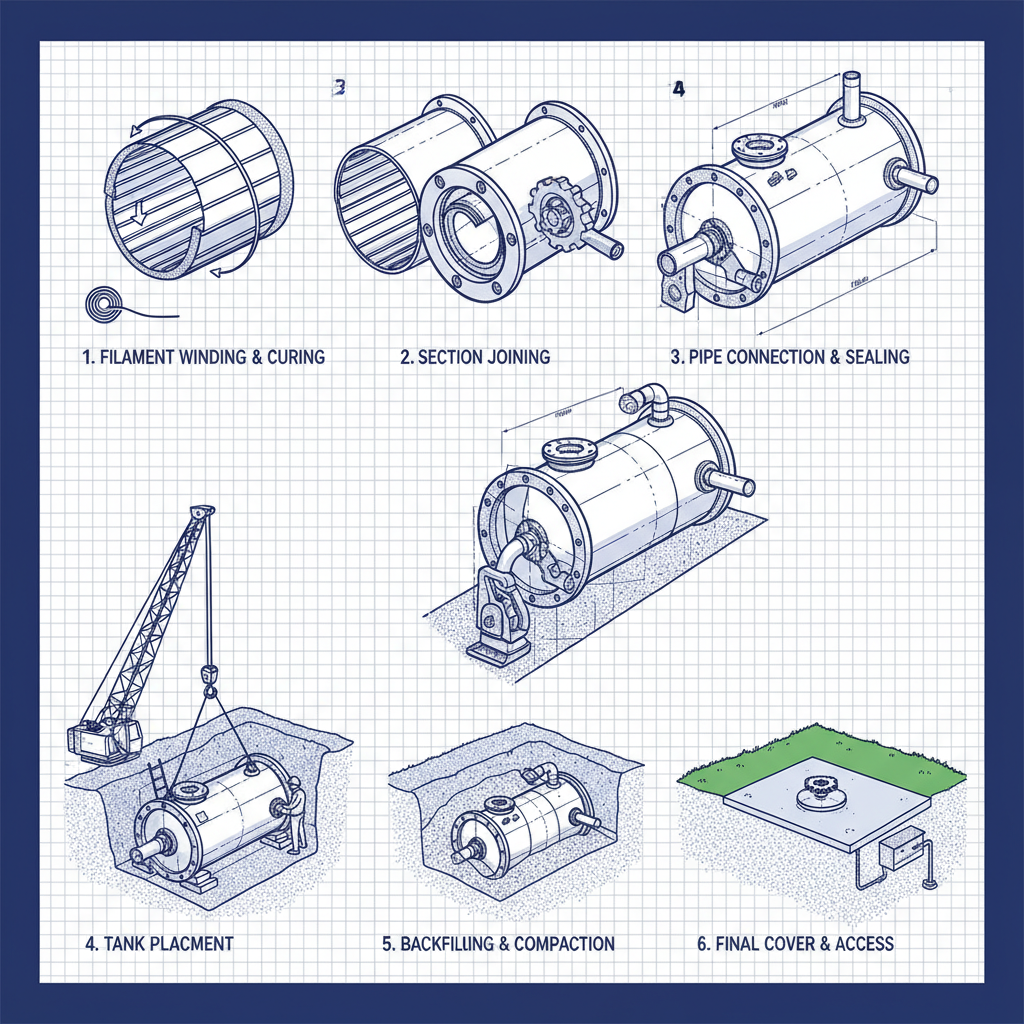
InstallationUnderground, requires excavation
Life Expectancy30-50 years (typical)
Maintenance RequirementsLow; periodic inspection recommended
Corrosion ResistanceExcellent (no rust)

Real-World Applications Across The Globe

The applications for fiberglass underground water storage tanks are vast and varied.

  • Emergency & Disaster Relief: In post-flood areas or drought-hit zones, NGOs deploy these tanks rapidly to store potable water and rebuild infrastructure.
  • Agriculture: Farmers use them for irrigation water storage, especially in arid regions where groundwater depletion is worrying.
  • Urban Stormwater Management: In cities facing flash floods, these tanks help capture runoff, reducing floods and water pollution.
  • Industrial Facilities: Factories and refineries store process water or fire suppression reserves underground, taking advantage of fiberglass’s chemical resistance.
  • Remote & Off-Grid Communities: Places without reliable municipal water use these tanks paired with rainwater harvesting for sustainable water supplies.

For example, in Australia’s drought-prone interior, large-scale installations have helped rural towns maintain consistent water storage with minimal losses. Similarly, in Southeast Asia, where tropical rains are heavy but seasonal, these tanks safely store excess water underground, preventing contamination common with open reservoirs.

Mini takeaway: Fiberglass underground tanks are flexible enough to support everything from life-saving humanitarian projects to complex industrial needs.

Advantages and Long-Term Value of Using Fiberglass Tanks

When you think about it, these tanks are not just containers but investments in safety, trust, and longevity.

  • Cost savings: Reduced maintenance and long life mean fewer replacements and less downtime.
  • Sustainability: By preventing leaks and contamination, these tanks protect ecosystems and optimize water resource use.
  • Social impact: Clean, reliable water storage boosts public health, dignity, and economic development.
  • Reliability: Fiberglass tanks stand strong in harsh conditions, building trust with users.
  • Innovation: The modular and customizable nature opens doors to integrate smart sensors and remote monitoring.

Frankly, it’s this blend of practical economics and humane benefits that makes fiberglass underground water storage tanks a core piece of modern water infrastructure.

Where Is the Industry Heading? Future Trends & Innovations

There’s a quiet revolution underway. Manufacturers are combining traditional fiberglass with bio-based resins to make tanks even greener. Integration of IoT sensors allows real-time water quality monitoring, early leak detection, and predictive maintenance scheduling—ideal for large urban utilities.

Automation in installation with GPS and bespoke excavation machines reduces labor costs and errors. Plus, legislation in many regions now encourages underground storage to reduce urban heat islands and optimize land use.

Digital twins—virtual models of tanks and their surroundings—are increasingly used for maintenance forecasts and infrastructure planning. And with advances in composite materials, future tanks might be lighter yet tougher, with embedded self-healing properties.

Challenges & How the Industry is Tackling Them

Of course, no technology is perfect. Fiberglass tanks sometimes face challenges like damage from improper installation, or degradation under UV exposure before installation. Plus, large scale projects require precise engineering to avoid soil settlement or contamination risks.

Experts recommend thorough site assessment, skilled installation crews, and routine inspections. Advanced coatings and construction standards now address previous concerns about brittleness or cracking under heavy groundwater pressures. Moreover, better supply chain coordination is reducing lead times and cost volatility.

Vendor Comparison: Leading Fiberglass Underground Water Storage Tanks
Vendor Capacity Options Customization Lead Time Warranty
AquaStor Inc. 5,000 - 50,000 gallons High (modular, shapes) 4-6 weeks 15 years
FibraTanks Ltd. 1,000 - 100,000 gallons Medium (standard sizes) 6-8 weeks 20 years
ClearWater Systems 2,000 - 75,000 gallons Custom molds available 5-7 weeks 10 years

FAQ: What People Usually Ask About Fiberglass Underground Water Storage Tanks

Q1: How long do fiberglass underground water storage tanks typically last?

A: Typically, these tanks boast a lifespan of 30 to 50 years, depending on installation quality and maintenance. Their corrosion resistance and durable materials help them outperform traditional steel or concrete options over time.

Q2: Can fiberglass tanks store potable water safely?

A: Absolutely. Fiberglass tanks are widely used for drinking water storage because they do not corrode or leach harmful chemicals. When paired with proper cleaning protocols, they maintain water quality effectively.

Q3: Are these tanks suitable for installation in areas with high groundwater?

A: Yes, but proper engineering is crucial. Because fiberglass tanks are buoyant, they must be anchored or surrounded by stable backfill to prevent floating or shifting under high water table conditions.

Q4: How customizable are fiberglass underground tanks?

A: Very customizable. Many manufacturers offer bespoke dimensions and shapes, allowing the tanks to fit tight or unusual underground spaces. Modular designs also allow you to link multiple units for large capacity needs.

Q5: What maintenance is required after installation?

A: Minimal upkeep is needed. Regular inspections for sediment or damage and cleaning every few years suffice to maintain operational integrity and water quality.

Wrapping Up: Why These Tanks Deserve a Spot in Your Water Strategy

In a world where water is increasingly precious and infrastructure budgets tight, fiberglass underground water storage tanks offer a savvy solution. Their strength, longevity, and adaptability make them a wise investment — whether you’re planning for community resilience, industrial efficiency, or environmental stewardship.

Curious to learn more or ready to see how these tanks can fit your needs? Visit our website: fiberglass underground water storage tanks for details, specs, and expert advice.

It’s an exciting era where technology and sustainability converge, and these tanks are quietly leading the charge.


References:
1. United Nations Water Reports: https://www.unwater.org
2. ISO Standards on Water Storage Tanks: https://www.iso.org
3. World Bank Water Scarcity Data: https://databank.worldbank.org
Upsell Products
Upsell News
Durable FRP Vessel for Water Treatment and Industrial Filtration
Apr 16,2026
Durable FRP Vessel for Water Treatment and Industrial Filtration
In the modern era of industrial and residential water purification, the choice of containment materials is critical for efficiency and longevity. An frp vessel for water treatment has emerged as the gold standard, replacing traditional steel tanks due to its superior corrosion resistance and lightweight properties. Whether you are dealing with desalination, softening, or filtration, using Fiber Reinforced Plastic (FRP) ensures that your system remains leak-proof and durable against aggressive chemicals. In this comprehensive guide, we will explore why FRP is the preferred choice for water treatment professionals worldwide and how to select the right vessel for your specific application.
Industrial Guide for Choosing the Right FRP Vertical Tank
Apr 09,2026
Industrial Guide for Choosing the Right FRP Vertical Tank
In today's industrial landscape, the storage of corrosive chemicals and aggressive liquids requires materials that can withstand extreme conditions without degrading. The frp vertical tank has emerged as a premier solution, offering an exceptional balance of strength, lightweight properties, and unmatched chemical resistance. Whether you are managing a water treatment plant or a chemical processing facility, understanding the nuances of Fiber Reinforced Plastic (FRP) is essential for ensuring operational safety and longevity. In this comprehensive guide, we will explore why vertical configurations are preferred and how these tanks outperform traditional metal alternatives.
Comprehensive Guide to FRP Underground Water Tank Solutions and Applications
Apr 07,2026
Comprehensive Guide to FRP Underground Water Tank Solutions and Applications
Fiberglass Reinforced Polymer (FRP) underground water tanks are becoming increasingly popular for a wide range of applications, from potable water storage to industrial wastewater containment. Their superior corrosion resistance, lightweight nature, and design flexibility make them an excellent alternative to traditional materials like concrete or steel. This article will delve into the benefits, applications, construction, and considerations for implementing FRP underground water tanks, providing a comprehensive overview for engineers, contractors, and project managers.
Comprehensive Guide to Frp Underground Water Storage Tanks and Their Applications
Apr 04,2026
Comprehensive Guide to Frp Underground Water Storage Tanks and Their Applications
When considering water storage solutions, particularly for industrial, agricultural, or municipal applications, frp underground water storage tanks stand out as a durable, cost-effective, and environmentally friendly option. These tanks are increasingly favored over traditional materials like concrete or steel due to their superior corrosion resistance, lighter weight, and ease of installation. This article delves into the benefits, applications, construction, and considerations when choosing an FRP tank, providing a detailed overview for potential buyers and project planners.
Sulfuric Acid Production Line - Hebei Aoliande|Efficient H2SO4 Plant Technology
Apr 01,2026
Sulfuric Acid Production Line - Hebei Aoliande|Efficient H2SO4 Plant Technology
Discover efficient H2SO4 plant technology and advanced sulfuric acid production solutions. Hebei Aoliande combines energy-saving furnace design and eco-friendly HCl recovery systems for sustainable industrial applications. Explore now: https://www.frpgrpmachine.com/sulfuric-acid-production-line-for-h2so4-plant.html
Sulfuric Acid Production Line - Hebei Aoliande|Efficient H2SO4 Plant Technology
Apr 01,2026
Sulfuric Acid Production Line - Hebei Aoliande|Efficient H2SO4 Plant Technology
Discover efficient H2SO4 plant technology and advanced sulfuric acid production solutions. Hebei Aoliande combines energy-saving furnace design and eco-friendly HCl recovery systems for sustainable industrial applications. Explore now: https://www.frpgrpmachine.com/sulfuric-acid-production-line-for-h2so4-plant.html
Sulfuric Acid Production Line - Hebei Aoliande|Efficient H2SO4 Plant Technology
Apr 01,2026
Sulfuric Acid Production Line - Hebei Aoliande|Efficient H2SO4 Plant Technology
Discover efficient H2SO4 plant technology and advanced sulfuric acid production solutions. Hebei Aoliande combines energy-saving furnace design and eco-friendly HCl recovery systems for sustainable industrial applications. Explore now: https://www.frpgrpmachine.com/sulfuric-acid-production-line-for-h2so4-plant.html
Sulfuric Acid Production Line - Hebei Aoliande|Efficient H2SO4 Plant Technology
Apr 01,2026
Sulfuric Acid Production Line - Hebei Aoliande|Efficient H2SO4 Plant Technology
Discover efficient H2SO4 plant technology and advanced sulfuric acid production solutions. Hebei Aoliande combines energy-saving furnace design and eco-friendly HCl recovery systems for sustainable industrial applications. Explore now: https://www.frpgrpmachine.com/sulfuric-acid-production-line-for-h2so4-plant.html
Sulfuric Acid Production Line - Hebei Aoliande|Efficient H2SO4 Plant Technology
Apr 01,2026
Sulfuric Acid Production Line - Hebei Aoliande|Efficient H2SO4 Plant Technology
Discover efficient H2SO4 plant technology and advanced sulfuric acid production solutions. Hebei Aoliande combines energy-saving furnace design and eco-friendly HCl recovery systems for sustainable industrial applications. Explore now: https://www.frpgrpmachine.com/sulfuric-acid-production-line-for-h2so4-plant.html
Sulfuric Acid Production Line - Hebei Aoliande|Efficient H2SO4 Plant Technology
Apr 01,2026
Sulfuric Acid Production Line - Hebei Aoliande|Efficient H2SO4 Plant Technology
Discover efficient H2SO4 plant technology and advanced sulfuric acid production solutions. Hebei Aoliande combines energy-saving furnace design and eco-friendly HCl recovery systems for sustainable industrial applications. Explore now: https://www.frpgrpmachine.com/sulfuric-acid-production-line-for-h2so4-plant.html
Comprehensive Guide to Frp Underground Storage Tanks for Reliable Storage Solutions
Mar 31,2026
Comprehensive Guide to Frp Underground Storage Tanks for Reliable Storage Solutions
Fiberglass Reinforced Polymer (FRP) underground storage tanks are becoming increasingly popular for a wide range of applications, from fuel storage to wastewater management. Their corrosion resistance, lightweight nature, and durability offer significant advantages over traditional materials like steel. This article will provide an in-depth look at FRP underground storage tanks, covering their benefits, applications, installation, and maintenance. Understanding these aspects is crucial for making informed decisions about long-term storage solutions.
Comprehensive Guide to Selecting the Ideal FRP Tank for Water Storage Solutions
Mar 28,2026
Comprehensive Guide to Selecting the Ideal FRP Tank for Water Storage Solutions
When it comes to reliable and durable water storage, FRP tanks for water are increasingly becoming the preferred solution for a wide range of applications. These tanks, constructed from Fiber Reinforced Polymer (FRP) materials, offer significant advantages over traditional storage options like steel or concrete. This article delves into the benefits, applications, and considerations when selecting an FRP tank for your water storage needs, providing a detailed overview for businesses and individuals alike.
Comprehensive Guide to Frp Tank and Vessel Applications and Manufacturing
Mar 26,2026
Comprehensive Guide to Frp Tank and Vessel Applications and Manufacturing
Fiber Reinforced Polymer (FRP) tanks and vessels are increasingly becoming the preferred choice for storage and processing across a multitude of industries. Their lightweight nature, corrosion resistance, and design flexibility offer significant advantages over traditional materials like steel. This article will delve into the intricacies of FRP tanks and vessels, exploring their applications, manufacturing processes, benefits, and considerations for selecting the right solution for your specific needs. We’ll also highlight why FRP tanks are a cost-effective and reliable long-term investment. FRP tanks and vessels are constructed from a combination of reinforcing fibers (such as fiberglass, carbon fiber, or aramid fiber) embedded in a polymer matrix (typically polyester, vinyl ester, or epoxy resin). This combination creates a composite material that boasts high strength-to-weight ratio, exceptional corrosion resistance, and the ability to be molded into complex shapes. They’re designed to safely contain a wide variety of liquids and gases, ranging from corrosive chemicals and water to food products and pharmaceuticals.
Optimizing Water Filtration with Durable FRP Sand Filter Vessels
Mar 24,2026
Optimizing Water Filtration with Durable FRP Sand Filter Vessels
In water treatment and filtration systems, the choice of filter vessel material is paramount. Fiber Reinforced Plastic (FRP), also known as Glass Reinforced Polymer (GRP), sand filter vessels are increasingly popular due to their superior corrosion resistance, lightweight nature, and cost-effectiveness. This article delves into the benefits, applications, design considerations, and factors to consider when selecting an FRP sand filter vessel. Whether you are involved in municipal water treatment, industrial wastewater management, or recreational water filtration, understanding FRP technology is essential for optimizing your filtration process. An FRP sand filter vessel is a containment unit designed to house filtration media, typically sand, gravel, and anthracite. These vessels are integral components in sand filtration systems used for removing suspended solids, turbidity, and other particulate matter from water. FRP construction involves layering glass fibers within a resin matrix (typically polyester or vinyl ester) to create a strong, durable, and chemically resistant shell. The strength and rigidity of the vessel are crucial for withstanding the pressure from the filtration media and the water flow.
Comprehensive Guide to FRP Round Tanks Applications and Benefits
Mar 21,2026
Comprehensive Guide to FRP Round Tanks Applications and Benefits
Fiber Reinforced Polymer (FRP) round tanks are increasingly becoming the preferred choice for storage solutions across a variety of industries. Their lightweight nature, corrosion resistance, and design flexibility offer significant advantages over traditional materials like steel. This article provides an in-depth look at FRP round tanks, exploring their applications, benefits, manufacturing processes, and key considerations when choosing the right tank for your needs. Whether you're in chemical processing, water treatment, or agriculture, understanding FRP round tanks is crucial for optimizing your storage infrastructure. FRP round tanks are constructed from a combination of reinforcing fibers (typically fiberglass, carbon fiber, or a blend) embedded in a polymer matrix (often polyester, vinyl ester, or epoxy resin). The round shape inherently provides excellent structural strength, distributing pressure evenly across the tank’s surface.
Comprehensive Guide to FRP Pressure Tanks Benefits and Applications
Mar 19,2026
Comprehensive Guide to FRP Pressure Tanks Benefits and Applications
Fiber Reinforced Polymer (FRP) pressure tanks are becoming increasingly popular in a wide range of industrial applications, offering a compelling alternative to traditional steel tanks. Known for their lightweight nature, corrosion resistance, and high strength-to-weight ratio, FRP tanks provide efficient and durable solutions for storing liquids and gases under pressure. This article will delve into the benefits, applications, construction, and key considerations when selecting an FRP pressure tank, helping you make an informed decision for your specific needs. Understanding the advantages of FRP technology can lead to significant cost savings and improved operational efficiency. Compared to steel, FRP pressure tanks offer several key advantages. The most significant is their superior corrosion resistance. Unlike steel, which is susceptible to rust and corrosion when exposed to various chemicals, FRP materials are inherently resistant to a wide range of corrosive substances. This translates to a longer lifespan, reduced maintenance costs, and increased safety. Furthermore, FRP is significantly lighter than steel, making installation easier and reducing transportation costs.
For More Details Pls Contact Us
Thank you for your interest in our gloves! We offer high-quality, durable, and comfortable gloves with fast delivery and competitive prices. For any questions or customization, feel free to contact us. We look forward to working with you!

If you are interested in our products, you can choose to leave your information here, and we will be in touch with you shortly.