Nov 18,2025

Horizontal Chemical Storage Tanks – Safe, Flexible Industrial Storage Solutions

Understanding Horizontal Chemical Storage Tanks: Why They Matter in Today’s Industry

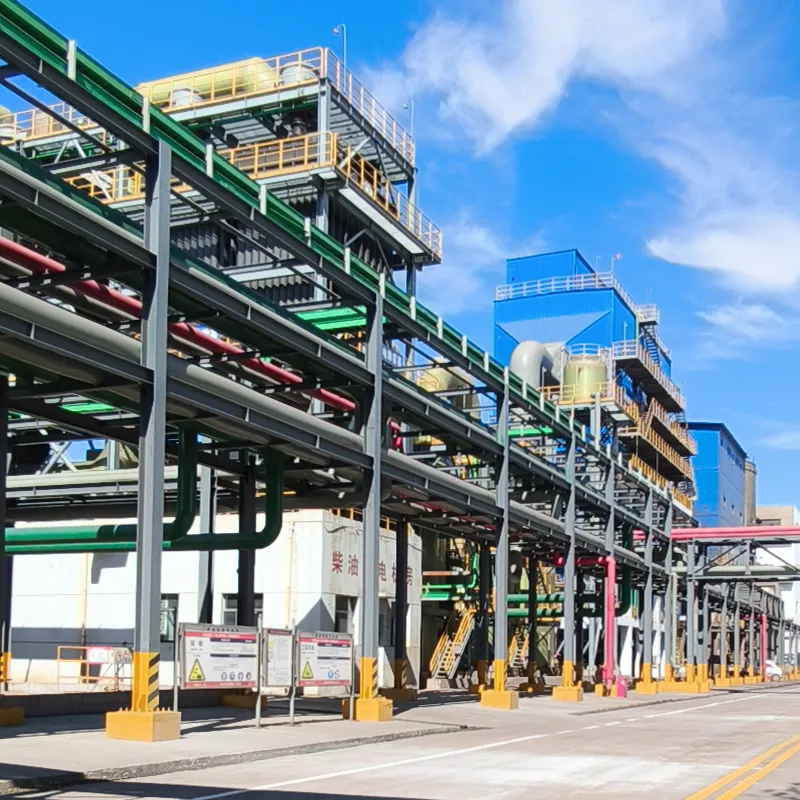
If you’ve ever wondered how industries safely stash their bulk chemicals without splashing the environment or causing accidents, horizontal chemical storage tanks are a big part of the story. These tanks are not just giant containers—they’re carefully engineered vessels designed to hold hazardous chemicals securely and efficiently. Globally, as chemical production scales up and regulations tighten, knowing how horizontal chemical storage tanks work and why they’re essential becomes increasingly valuable. From manufacturing plants in Europe to remote mining sites in Africa, these tanks help keep operations compliant, safe, and sustainable. Mini Takeaway: Horizontal chemical storage tanks are quietly supporting global industry by safeguarding chemicals safely and reliably, making them a crucial infrastructure piece worldwide.

Global Demand & Industry Challenges: The Bigger Picture

To put things in perspective, the global chemical industry produced over 2.6 billion tons of chemicals in recent years, with sectors like agriculture, manufacturing, and pharmaceuticals relying heavily on reliable storage solutions (source: UN Comtrade, 2023). However, storing chemicals is tricky business—fluctuations in temperature, corrosion risks, and accidental leaks remain persistent challenges. The World Bank reports that chemical spills and storage failures cause billions in damages yearly, both financial and environmental. Here’s where horizontal chemical storage tanks step in, especially since vertical tanks don’t always fit tightly controlled spaces or specific operational needs. In tight industrial parks or sprawling remote sites, the sideways layout often offers better stability and placement flexibility. Plus, with increasingly stringent ISO standards (ISO 9001 for quality management and ISO 14001 for environmental practices), chemical storage tanks need to keep evolving, or they risk becoming liabilities. Mini Takeaway: The worldwide chemical sector heavily depends on specifically designed horizontal tanks to meet demanding safety and space challenges — meeting ISO standards is non-negotiable.

What Exactly Are Horizontal Chemical Storage Tanks?

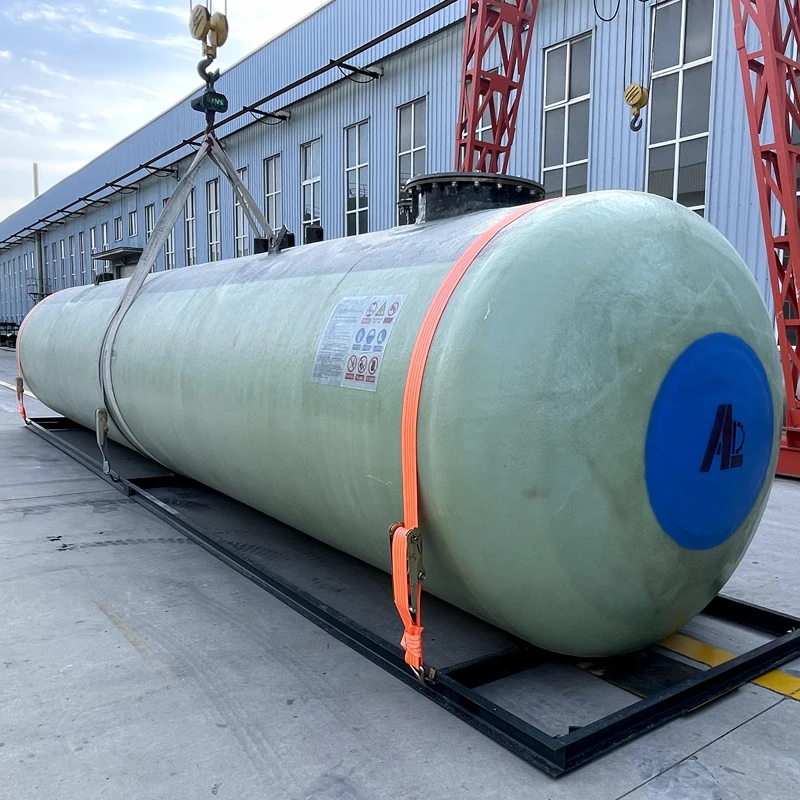
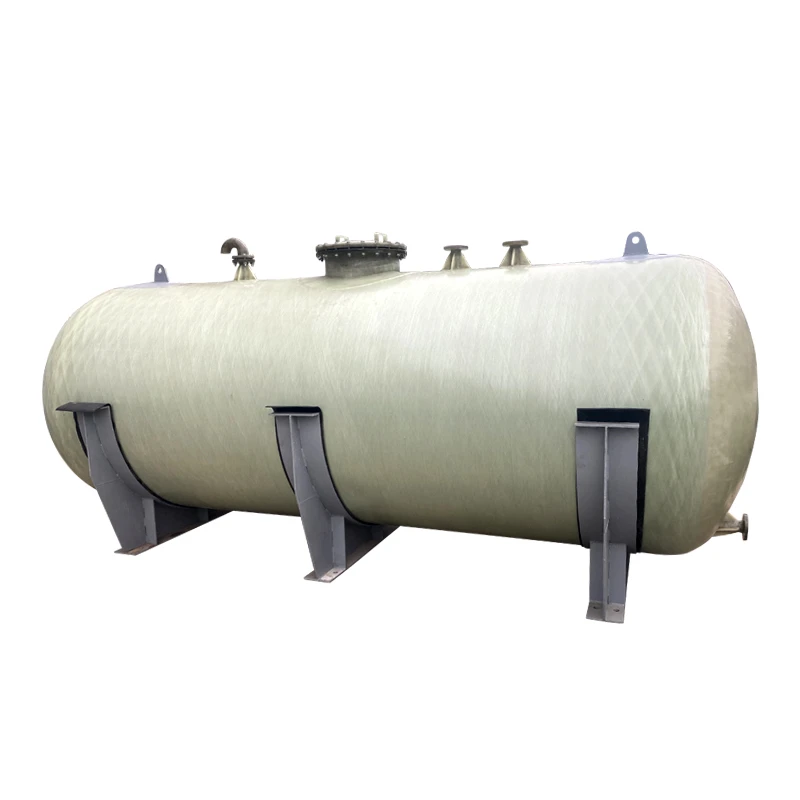
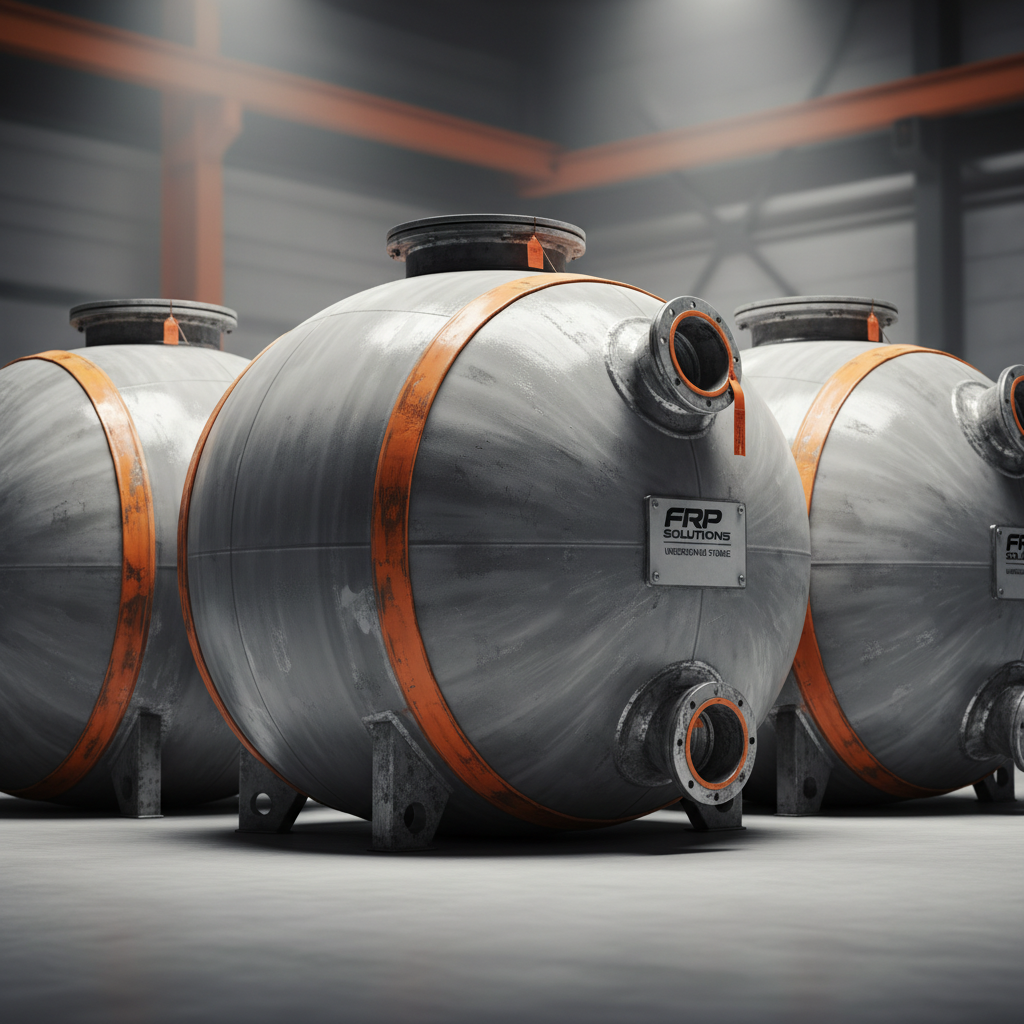
Put simply, a horizontal chemical storage tank is a cylindrical container installed lying down (rather than upright) designed to store chemical liquids—everything from acids to solvents. The orientation matters: these tanks sit low to the ground, often supported by saddles or cradles for extra stability. They’re constructed from durable materials like carbon steel, stainless steel, or specialized composites to withstand corrosive contents and environmental factors. Why does that matter? Well, a horizontal shape means easier access for maintenance and sometimes safer pressure management. In industries ranging from wastewater treatment to fertilizer production, these tanks are used to store chemicals temporarily or over long stretches with minimal risk of leaks or contamination. Mini Takeaway: Horizontal chemical tanks are basically robust, sideways cylinders tailored to tough chemical storage needs, blending accessibility and safety.

Core Elements Defining Their Effectiveness

Durability and Material Resistance

Most modern tanks are built with corrosion-resistant alloys or fiberglass-reinforced plastics. This means they can safely contain aggressive chemicals like hydrochloric acid or caustic soda without breaking down after a few years. Durability here directly impacts maintenance frequency and environmental safety.

Scalability & Customization

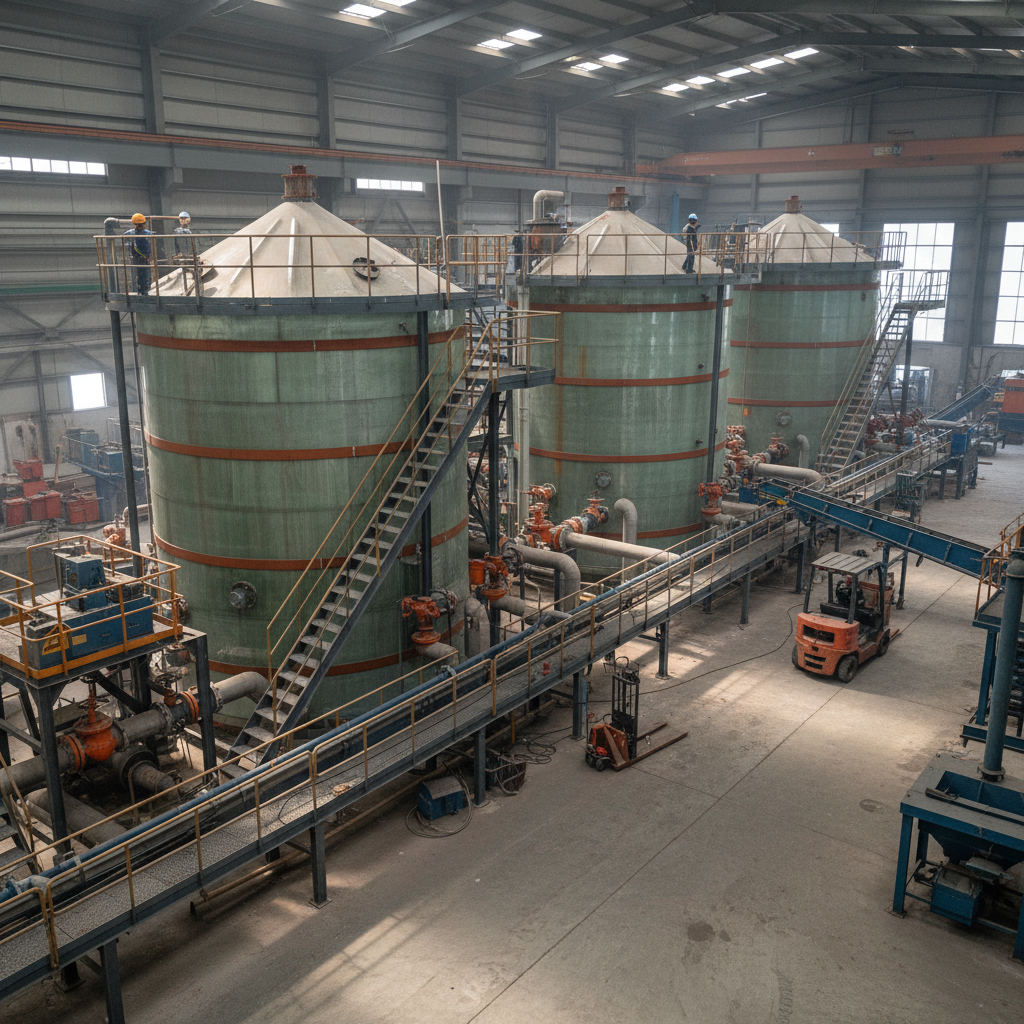
From small 500-gallon units to massive 50,000-gallon tanks, sizes vary radically. Manufacturers often custom-build tanks to fit the exact shape and functional specs needed by a site, considering available space, type of chemical, and lifecycle. Scalability saves money and avoids overbuilding — which, frankly, can be a waste.

Cost Efficiency Over the Long Term

At first glance, these tanks might seem pricey. But when you consider their operational lifespan, fewer leaks, and easier installation, cost-efficiency over time becomes obvious. Efficient tanks prevent costly chemical losses and downtime—major issues in busy plants.

Safety and Regulatory Compliance

Well-designed tanks include secondary containment, proper venting, and inspection ports. They’re built to comply with international regulations like EPA guidelines in the US or the European Chemical Agency laws. This prevents accidents—a must-have priority in chemical handling.

Ease of Installation & Maintenance

The horizontal layout often simplifies placement into existing sites, especially when vertical clearance is limited. Maintenance crews appreciate access points that don’t require heavy equipment or complicated scaffolding. Mini Takeaway: The best horizontal chemical tanks juggle strength, safety, cost, and adaptability — it’s a balancing act controlled by smart materials and clever design.

Where in the World Are These Tanks Making a Difference?

Industries across every continent rely on horizontal chemical storage tanks in some form. For example: - Southeast Asia: Rapid industrialization has driven demand for storage tanks in petrochemical and fertilizer plants. - Northern Europe: Strict environmental laws mean tanks here have to be top-notch for sustainability and leak prevention. - Latin America: Mining operations use large horizontal tanks for storing explosive or reactive chemicals safely close to sites. - United States: Water treatment facilities extensively deploy these tanks for storing hazardous reagents used in filtration processes. An interesting case is disaster relief zones, where modular horizontal tanks can be deployed quickly to store disinfectants and emergency supplies onsite. Or, in remote Arctic research stations, custom insulated tanks handle liquid fuels while resisting freezing conditions. Mini Takeaway: Whether in heavy industry or humanitarian efforts, horizontal chemical tanks adapt to varied challenges globally, often under extreme conditions.

Long-Term Benefits: What’s In It For You?

Think beyond just storage: horizontally designed tanks offer real social and economic advantages. They reduce chemical accident rates and environmental contamination risks, which translates into safer communities and ecosystems. Their sustainability credentials grow as new composite materials reduce the carbon footprint of tank fabrication. From a business viewpoint, these tanks reduce downtime, lower insurance premiums, and increase stakeholder trust. People inevitably feel relieved knowing hazardous contents are contained effectively. Innovation here isn’t just technical — it’s part of building a responsible, transparent industrial culture. Mini Takeaway: In real terms, these tanks aren’t just “stuff you put chemicals in” — they shape safer, greener, and more profitable ways of doing business.

Looking Ahead: Innovations Transforming Horizontal Chemical Tanks

Several cutting-edge trends are shaping the future: - Smart Sensors & IoT Monitoring: Digital gauges and leak detection that notify operators before situations escalate. - Eco-friendly Materials: Biodegradable linings and recyclable composites reduce environmental impact. - Automation in Installation: Robots and cranes designed to position large tanks precisely and safely on-site. - Regulatory Evolution: Governments tightening storage laws push manufacturers to embed safety features proactively. The digital transformation expanding across industries is making these traditionally passive tanks more interactive and smarter, which frankly, makes sense. When your chemicals can talk to you, problems get addressed sooner. Mini Takeaway: The next generation of horizontal tanks is smarter, greener, and safer — a necessary evolution for chemical-heavy industries.

Common Issues & How Experts Solve Them

Problems like foundation cracks or unexpected corrosion often arise, especially in older tanks. Experts recommend: - Regular ultrasonic thickness testing to detect wear before leaks develop. - Applying advanced coatings that resist both chemical attack and UV degradation. - Designing flexible anchoring systems that handle ground shifts and seismic activity. - Training for operators emphasizing preventive maintenance and early detection. Essentially, it’s about combining old-school vigilance with modern technology to head off disasters. Mini Takeaway: Challenges remain but can be tackled with a proactive approach and up-to-date tech — neglect is the enemy here.

FAQ: Your Questions About Horizontal Chemical Storage Tanks Answered

1. What makes horizontal chemical storage tanks better than vertical ones?
Horizontal tanks typically require less height clearance and offer easier access for maintenance, especially in tight spaces. They also distribute weight more evenly across foundations, which can be critical for certain soil types.
2. How long can horizontal chemical tanks last in harsh environments?
With proper material choice, coatings, and maintenance, these tanks can last anywhere from 15 to 30 years—even handling corrosive chemicals and extreme temperatures effectively.
3. Are these tanks suitable for all types of chemicals?
Most horizontal tanks are designed for a wide range of liquids, but compatibility depends on the material of construction. For highly reactive or volatile chemicals, specialized liners or materials may be required.
4. How can companies ensure compliance with environmental regulations?
Choosing tanks with secondary containment, certified safety features, and undergoing regular inspections helps companies meet local and international guidelines such as those from the EPA or European Chemical Agency.
5. Can horizontal tanks be relocated if the facility changes?
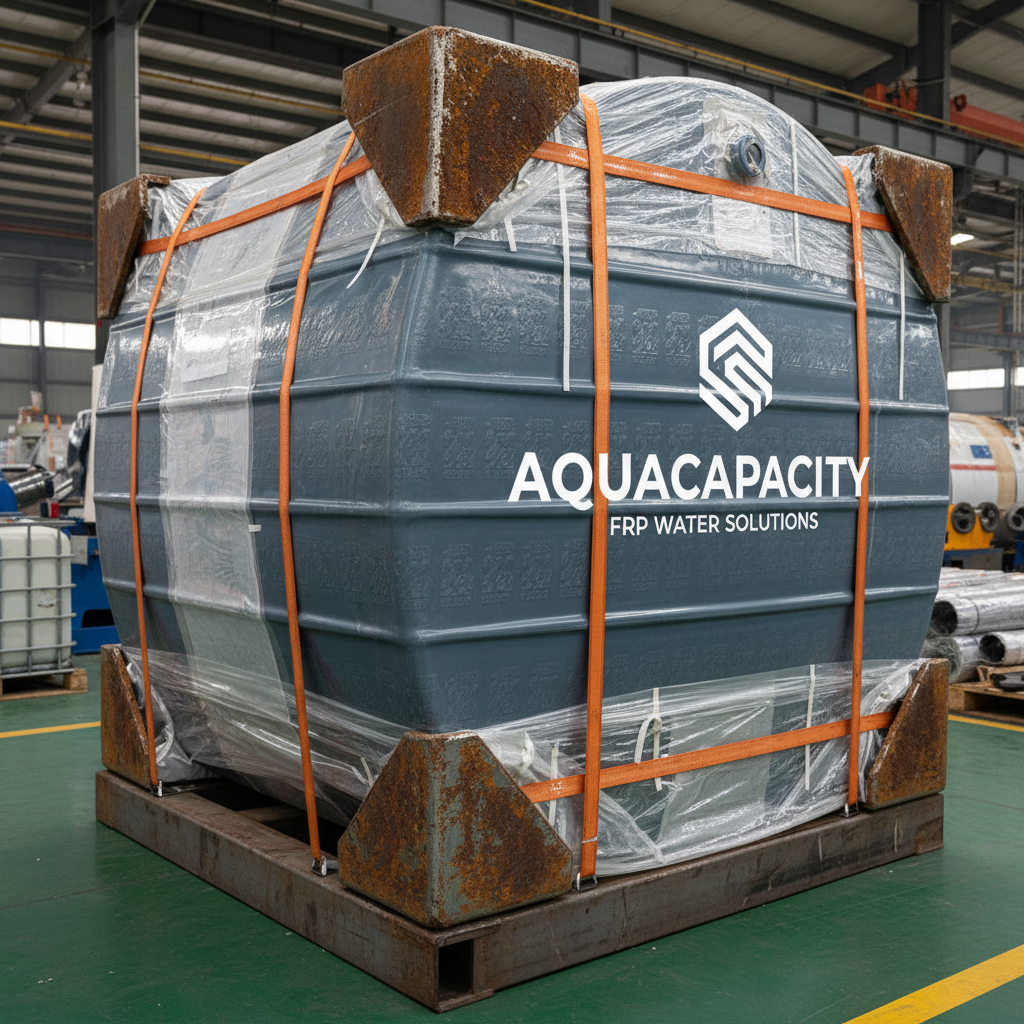
Smaller and medium-sized tanks can often be moved, especially if designed modularly. Larger tanks may require disassembly and transport planning but are not impossible to relocate.

Product Specifications at a Glance

Feature Specification
Capacity Range 500 to 50,000 gallons
Material Options Carbon Steel, Stainless Steel, FRP (Fiberglass Reinforced Plastic)
Coating Epoxy, Polyurethane, Fluoropolymer
Design Pressure Up to 2.5 bar (36 psi)
Standard Compliance API 650, ISO 9001, OSHA, EPA
Installation Time 2–4 weeks depending on size & customization

Vendor Comparison: What to Look for When Choosing a Supplier

Criteria Supplier A Supplier B Supplier C
Customization Options High Medium Limited
Lead Time 3 weeks 4–6 weeks 6–8 weeks
Warranty 5 years 3 years 2 years
Global Shipping Available Limited Regions Domestic Only
Technical Support 24/7 Call Center Business Hours Email Only

Wrapping Up: Why Horizontal Chemical Storage Tanks Deserve Your Attention

To circle back, horizontal chemical storage tanks are a vital, often overlooked component of safe and sustainable chemical management worldwide. Their unique design solves space, safety, and operational challenges in industries that simply can’t afford downtime or accidents. With future innovations bringing digital monitoring and greener build materials, these tanks promise even safer stewardship of chemical resources. If you’re ready to explore how horizontal chemical storage tanks can transform your operations—whether for a fertilizer plant in Asia or a water treatment site in Europe—check out our detailed solutions at horizontal chemical storage tanks. It’s one thing to understand their importance; it’s another to start experiencing benefits firsthand. ---

References

  1. UNCTAD Chemical Industry Statistics, 2023
  2. ISO Quality & Environmental Standards
  3. EPA Chemical Storage Guidelines
Upsell Products
Upsell News
Durable FRP Vessel for Water Treatment and Industrial Filtration
Apr 16,2026
Durable FRP Vessel for Water Treatment and Industrial Filtration
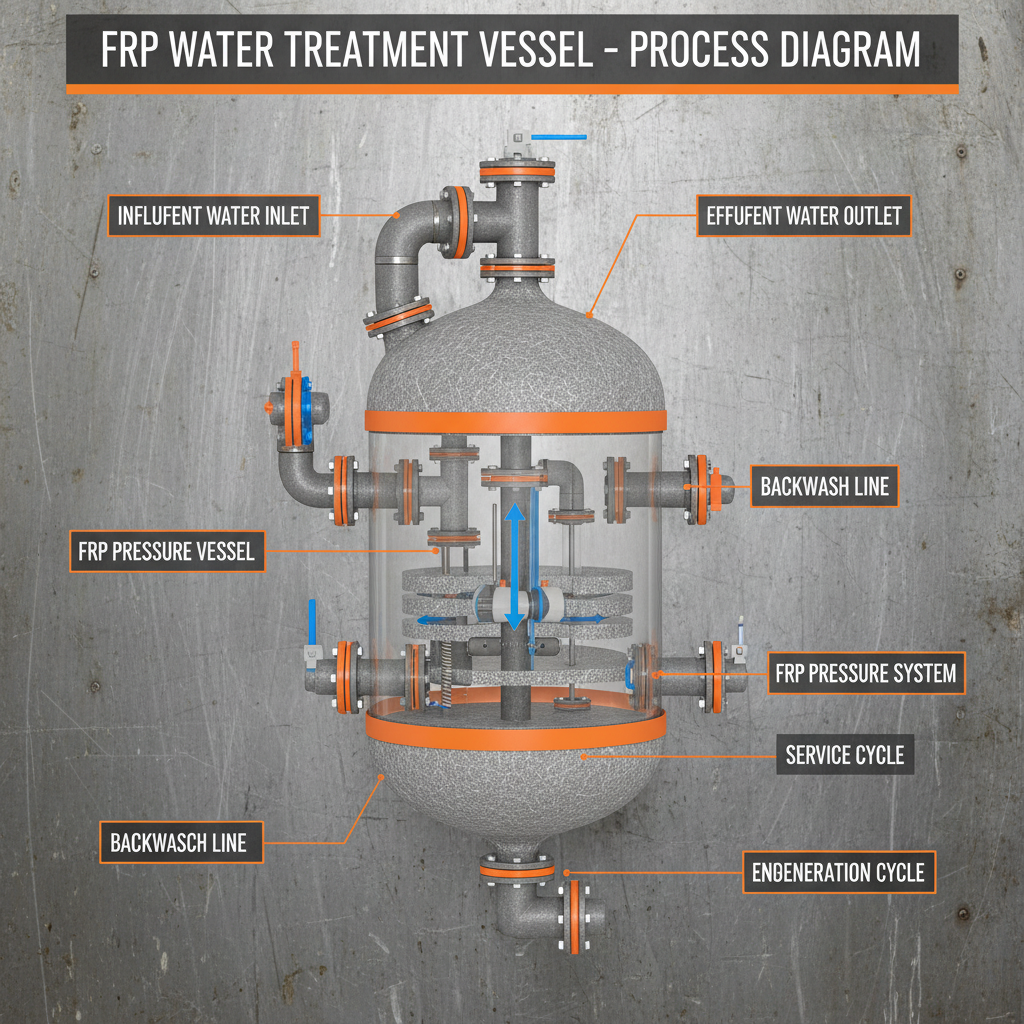
In the modern era of industrial and residential water purification, the choice of containment materials is critical for efficiency and longevity. An frp vessel for water treatment has emerged as the gold standard, replacing traditional steel tanks due to its superior corrosion resistance and lightweight properties. Whether you are dealing with desalination, softening, or filtration, using Fiber Reinforced Plastic (FRP) ensures that your system remains leak-proof and durable against aggressive chemicals. In this comprehensive guide, we will explore why FRP is the preferred choice for water treatment professionals worldwide and how to select the right vessel for your specific application.
Industrial Guide for Choosing the Right FRP Vertical Tank
Apr 09,2026
Industrial Guide for Choosing the Right FRP Vertical Tank
In today's industrial landscape, the storage of corrosive chemicals and aggressive liquids requires materials that can withstand extreme conditions without degrading. The frp vertical tank has emerged as a premier solution, offering an exceptional balance of strength, lightweight properties, and unmatched chemical resistance. Whether you are managing a water treatment plant or a chemical processing facility, understanding the nuances of Fiber Reinforced Plastic (FRP) is essential for ensuring operational safety and longevity. In this comprehensive guide, we will explore why vertical configurations are preferred and how these tanks outperform traditional metal alternatives.
Comprehensive Guide to FRP Underground Water Tank Solutions and Applications
Apr 07,2026
Comprehensive Guide to FRP Underground Water Tank Solutions and Applications
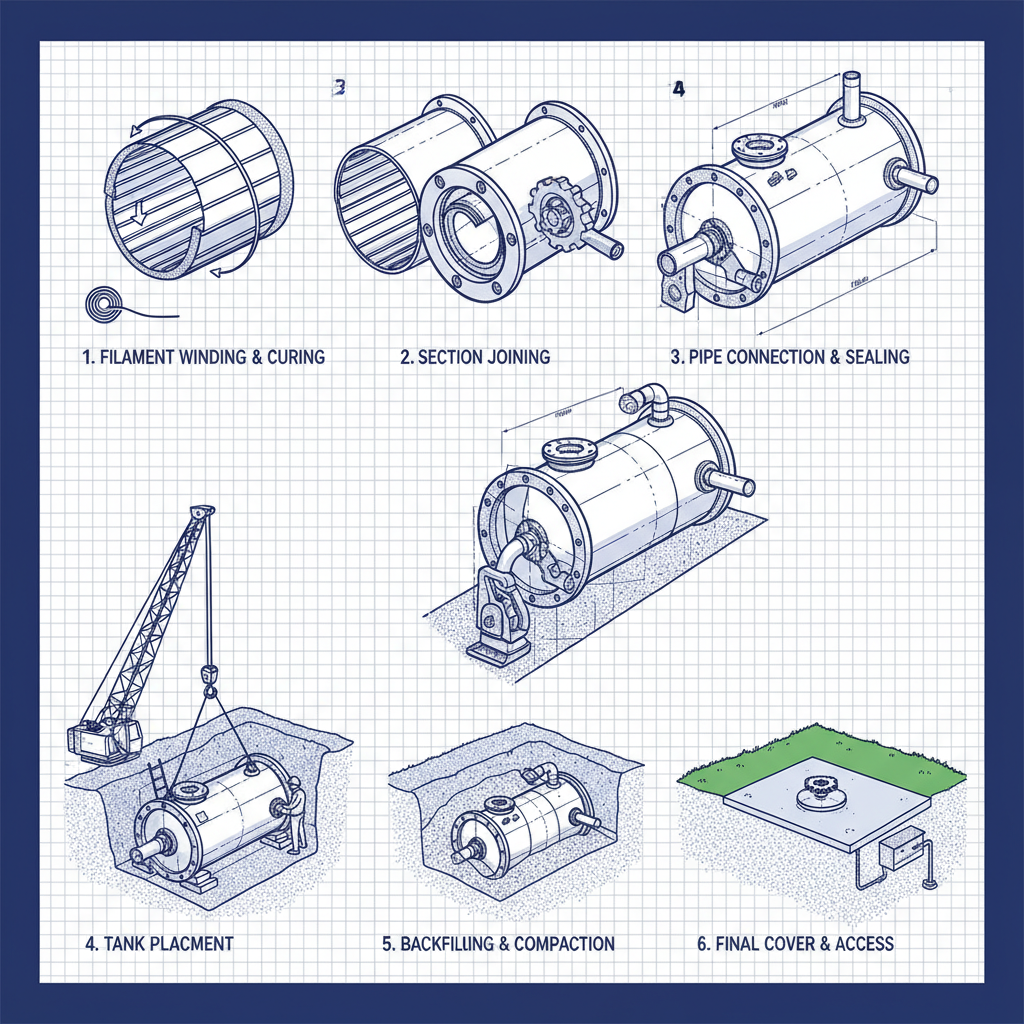
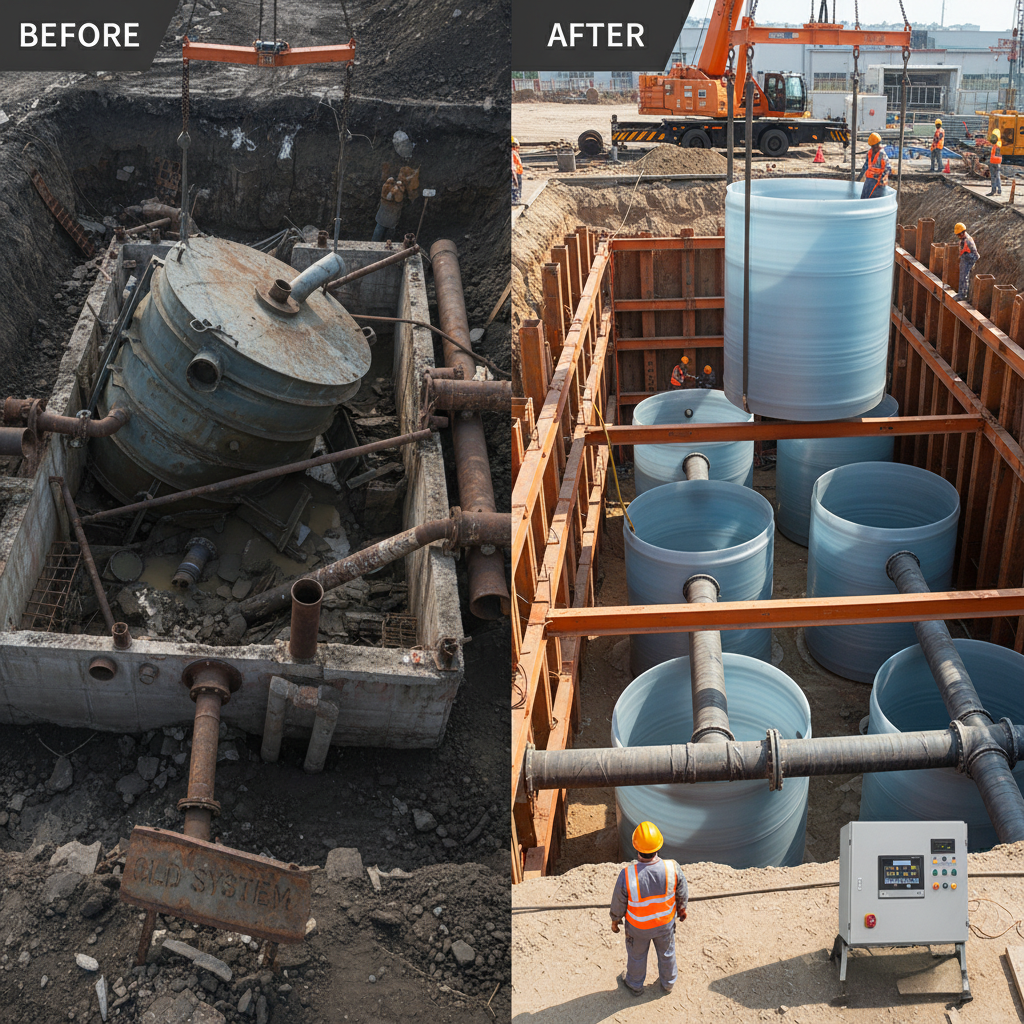
Fiberglass Reinforced Polymer (FRP) underground water tanks are becoming increasingly popular for a wide range of applications, from potable water storage to industrial wastewater containment. Their superior corrosion resistance, lightweight nature, and design flexibility make them an excellent alternative to traditional materials like concrete or steel. This article will delve into the benefits, applications, construction, and considerations for implementing FRP underground water tanks, providing a comprehensive overview for engineers, contractors, and project managers.
Comprehensive Guide to Frp Underground Water Storage Tanks and Their Applications
Apr 04,2026
Comprehensive Guide to Frp Underground Water Storage Tanks and Their Applications
When considering water storage solutions, particularly for industrial, agricultural, or municipal applications, frp underground water storage tanks stand out as a durable, cost-effective, and environmentally friendly option. These tanks are increasingly favored over traditional materials like concrete or steel due to their superior corrosion resistance, lighter weight, and ease of installation. This article delves into the benefits, applications, construction, and considerations when choosing an FRP tank, providing a detailed overview for potential buyers and project planners.
Sulfuric Acid Production Line - Hebei Aoliande|Efficient H2SO4 Plant Technology
Apr 01,2026
Sulfuric Acid Production Line - Hebei Aoliande|Efficient H2SO4 Plant Technology
Discover efficient H2SO4 plant technology and advanced sulfuric acid production solutions. Hebei Aoliande combines energy-saving furnace design and eco-friendly HCl recovery systems for sustainable industrial applications. Explore now: https://www.frpgrpmachine.com/sulfuric-acid-production-line-for-h2so4-plant.html
Sulfuric Acid Production Line - Hebei Aoliande|Efficient H2SO4 Plant Technology
Apr 01,2026
Sulfuric Acid Production Line - Hebei Aoliande|Efficient H2SO4 Plant Technology
Discover efficient H2SO4 plant technology and advanced sulfuric acid production solutions. Hebei Aoliande combines energy-saving furnace design and eco-friendly HCl recovery systems for sustainable industrial applications. Explore now: https://www.frpgrpmachine.com/sulfuric-acid-production-line-for-h2so4-plant.html
Sulfuric Acid Production Line - Hebei Aoliande|Efficient H2SO4 Plant Technology
Apr 01,2026
Sulfuric Acid Production Line - Hebei Aoliande|Efficient H2SO4 Plant Technology
Discover efficient H2SO4 plant technology and advanced sulfuric acid production solutions. Hebei Aoliande combines energy-saving furnace design and eco-friendly HCl recovery systems for sustainable industrial applications. Explore now: https://www.frpgrpmachine.com/sulfuric-acid-production-line-for-h2so4-plant.html
Sulfuric Acid Production Line - Hebei Aoliande|Efficient H2SO4 Plant Technology
Apr 01,2026
Sulfuric Acid Production Line - Hebei Aoliande|Efficient H2SO4 Plant Technology
Discover efficient H2SO4 plant technology and advanced sulfuric acid production solutions. Hebei Aoliande combines energy-saving furnace design and eco-friendly HCl recovery systems for sustainable industrial applications. Explore now: https://www.frpgrpmachine.com/sulfuric-acid-production-line-for-h2so4-plant.html
Sulfuric Acid Production Line - Hebei Aoliande|Efficient H2SO4 Plant Technology
Apr 01,2026
Sulfuric Acid Production Line - Hebei Aoliande|Efficient H2SO4 Plant Technology
Discover efficient H2SO4 plant technology and advanced sulfuric acid production solutions. Hebei Aoliande combines energy-saving furnace design and eco-friendly HCl recovery systems for sustainable industrial applications. Explore now: https://www.frpgrpmachine.com/sulfuric-acid-production-line-for-h2so4-plant.html
Sulfuric Acid Production Line - Hebei Aoliande|Efficient H2SO4 Plant Technology
Apr 01,2026
Sulfuric Acid Production Line - Hebei Aoliande|Efficient H2SO4 Plant Technology
Discover efficient H2SO4 plant technology and advanced sulfuric acid production solutions. Hebei Aoliande combines energy-saving furnace design and eco-friendly HCl recovery systems for sustainable industrial applications. Explore now: https://www.frpgrpmachine.com/sulfuric-acid-production-line-for-h2so4-plant.html
Comprehensive Guide to Frp Underground Storage Tanks for Reliable Storage Solutions
Mar 31,2026
Comprehensive Guide to Frp Underground Storage Tanks for Reliable Storage Solutions
Fiberglass Reinforced Polymer (FRP) underground storage tanks are becoming increasingly popular for a wide range of applications, from fuel storage to wastewater management. Their corrosion resistance, lightweight nature, and durability offer significant advantages over traditional materials like steel. This article will provide an in-depth look at FRP underground storage tanks, covering their benefits, applications, installation, and maintenance. Understanding these aspects is crucial for making informed decisions about long-term storage solutions.
Comprehensive Guide to Selecting the Ideal FRP Tank for Water Storage Solutions
Mar 28,2026
Comprehensive Guide to Selecting the Ideal FRP Tank for Water Storage Solutions
When it comes to reliable and durable water storage, FRP tanks for water are increasingly becoming the preferred solution for a wide range of applications. These tanks, constructed from Fiber Reinforced Polymer (FRP) materials, offer significant advantages over traditional storage options like steel or concrete. This article delves into the benefits, applications, and considerations when selecting an FRP tank for your water storage needs, providing a detailed overview for businesses and individuals alike.
Comprehensive Guide to Frp Tank and Vessel Applications and Manufacturing
Mar 26,2026
Comprehensive Guide to Frp Tank and Vessel Applications and Manufacturing
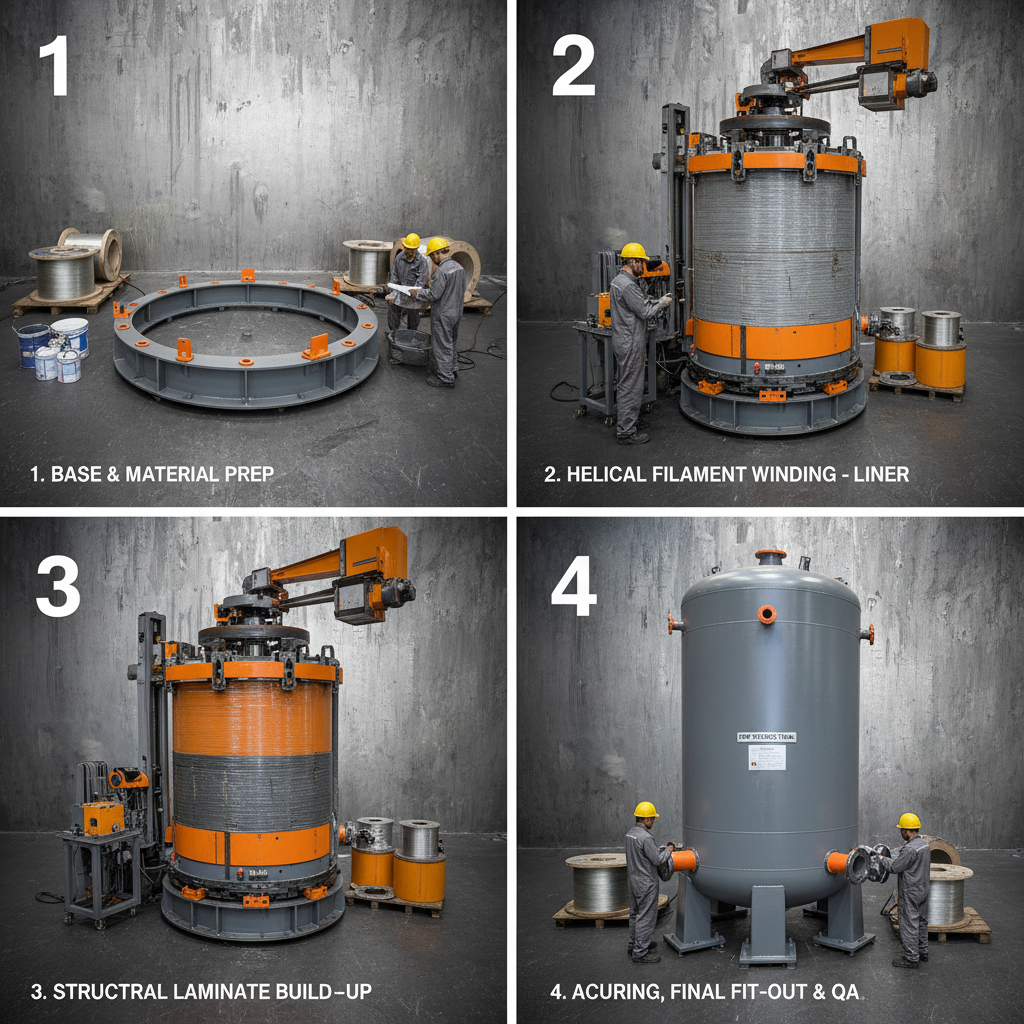
Fiber Reinforced Polymer (FRP) tanks and vessels are increasingly becoming the preferred choice for storage and processing across a multitude of industries. Their lightweight nature, corrosion resistance, and design flexibility offer significant advantages over traditional materials like steel. This article will delve into the intricacies of FRP tanks and vessels, exploring their applications, manufacturing processes, benefits, and considerations for selecting the right solution for your specific needs. We’ll also highlight why FRP tanks are a cost-effective and reliable long-term investment. FRP tanks and vessels are constructed from a combination of reinforcing fibers (such as fiberglass, carbon fiber, or aramid fiber) embedded in a polymer matrix (typically polyester, vinyl ester, or epoxy resin). This combination creates a composite material that boasts high strength-to-weight ratio, exceptional corrosion resistance, and the ability to be molded into complex shapes. They’re designed to safely contain a wide variety of liquids and gases, ranging from corrosive chemicals and water to food products and pharmaceuticals.
Optimizing Water Filtration with Durable FRP Sand Filter Vessels
Mar 24,2026
Optimizing Water Filtration with Durable FRP Sand Filter Vessels
In water treatment and filtration systems, the choice of filter vessel material is paramount. Fiber Reinforced Plastic (FRP), also known as Glass Reinforced Polymer (GRP), sand filter vessels are increasingly popular due to their superior corrosion resistance, lightweight nature, and cost-effectiveness. This article delves into the benefits, applications, design considerations, and factors to consider when selecting an FRP sand filter vessel. Whether you are involved in municipal water treatment, industrial wastewater management, or recreational water filtration, understanding FRP technology is essential for optimizing your filtration process. An FRP sand filter vessel is a containment unit designed to house filtration media, typically sand, gravel, and anthracite. These vessels are integral components in sand filtration systems used for removing suspended solids, turbidity, and other particulate matter from water. FRP construction involves layering glass fibers within a resin matrix (typically polyester or vinyl ester) to create a strong, durable, and chemically resistant shell. The strength and rigidity of the vessel are crucial for withstanding the pressure from the filtration media and the water flow.
Comprehensive Guide to FRP Round Tanks Applications and Benefits
Mar 21,2026
Comprehensive Guide to FRP Round Tanks Applications and Benefits
Fiber Reinforced Polymer (FRP) round tanks are increasingly becoming the preferred choice for storage solutions across a variety of industries. Their lightweight nature, corrosion resistance, and design flexibility offer significant advantages over traditional materials like steel. This article provides an in-depth look at FRP round tanks, exploring their applications, benefits, manufacturing processes, and key considerations when choosing the right tank for your needs. Whether you're in chemical processing, water treatment, or agriculture, understanding FRP round tanks is crucial for optimizing your storage infrastructure. FRP round tanks are constructed from a combination of reinforcing fibers (typically fiberglass, carbon fiber, or a blend) embedded in a polymer matrix (often polyester, vinyl ester, or epoxy resin). The round shape inherently provides excellent structural strength, distributing pressure evenly across the tank’s surface.
Comprehensive Guide to FRP Pressure Tanks Benefits and Applications
Mar 19,2026
Comprehensive Guide to FRP Pressure Tanks Benefits and Applications
Fiber Reinforced Polymer (FRP) pressure tanks are becoming increasingly popular in a wide range of industrial applications, offering a compelling alternative to traditional steel tanks. Known for their lightweight nature, corrosion resistance, and high strength-to-weight ratio, FRP tanks provide efficient and durable solutions for storing liquids and gases under pressure. This article will delve into the benefits, applications, construction, and key considerations when selecting an FRP pressure tank, helping you make an informed decision for your specific needs. Understanding the advantages of FRP technology can lead to significant cost savings and improved operational efficiency. Compared to steel, FRP pressure tanks offer several key advantages. The most significant is their superior corrosion resistance. Unlike steel, which is susceptible to rust and corrosion when exposed to various chemicals, FRP materials are inherently resistant to a wide range of corrosive substances. This translates to a longer lifespan, reduced maintenance costs, and increased safety. Furthermore, FRP is significantly lighter than steel, making installation easier and reducing transportation costs.
For More Details Pls Contact Us
Thank you for your interest in our gloves! We offer high-quality, durable, and comfortable gloves with fast delivery and competitive prices. For any questions or customization, feel free to contact us. We look forward to working with you!

If you are interested in our products, you can choose to leave your information here, and we will be in touch with you shortly.