Dec 02,2025

Fibreglass Rainwater Tanks: Durable, Sustainable Water Storage Solutions

Understanding Fibreglass Rainwater Tanks: Durable Solutions for Water Storage

Water scarcity is a growing global challenge, and innovative storage solutions like fibreglass rainwater tanks have become vital. These tanks offer reliable, sustainable water storage for homes, industries, and emergency services worldwide. Knowing why they matter and how they function is crucial—especially as climate unpredictability pushes communities to secure fresh water supplies more intelligently.

Global Context: Why Fibreglass Rainwater Tanks Are Gaining Traction

It might surprise some, but over 2 billion people—according to the United Nations—lack safely managed drinking water access. Rising urban populations and climate change only deepen this crisis. This is where fibreglass tanks come into play. Their lightweight, corrosion-resistant design and durability have made them staples in regions with erratic rainfall or poor infrastructure. Industries and NGOs worldwide depend on them to secure water, reducing reliance on vulnerable municipal systems.

For instance, studies from the World Bank reveal that incorporating sustainable water harvesting can increase water security by up to 15% in drought-prone regions. Fibreglass rainwater tanks are a key component of such strategies.

Mini takeaway: Fibreglass tanks help bridge global water gaps, particularly in developing and disaster-affected areas.

What Exactly Are Fibreglass Rainwater Tanks?

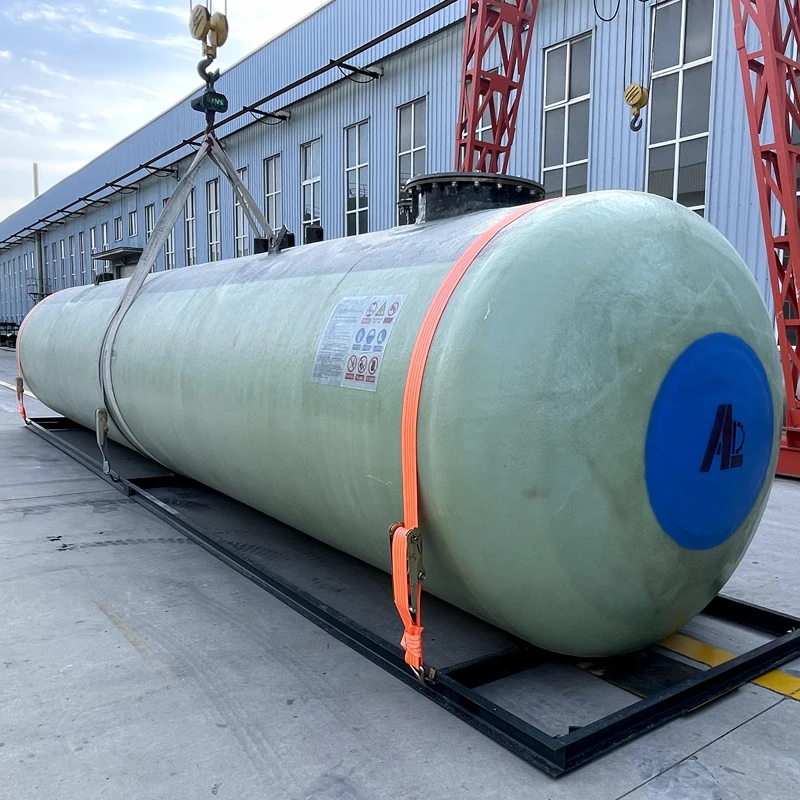
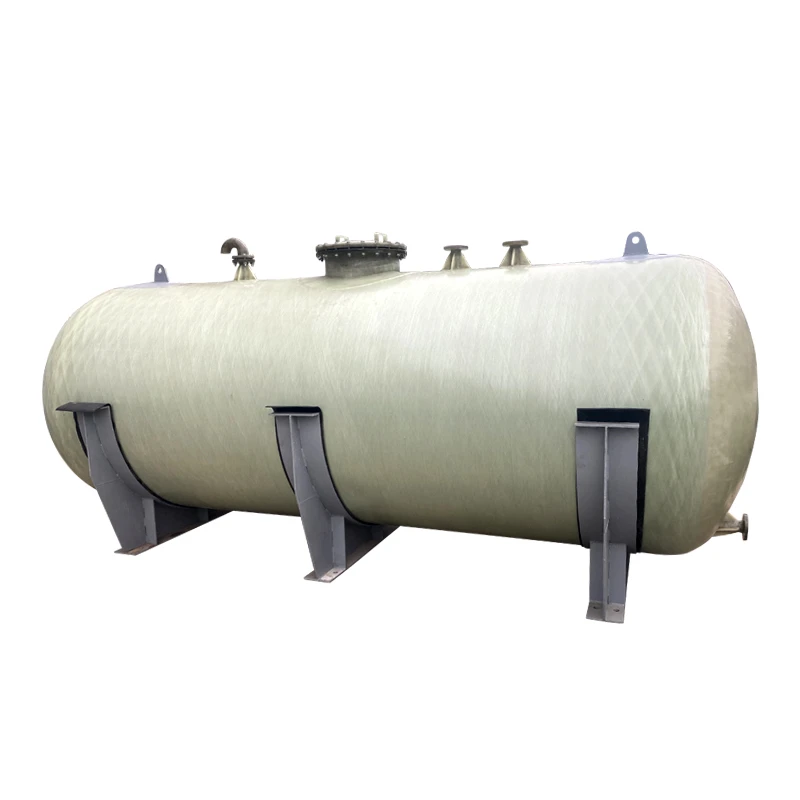
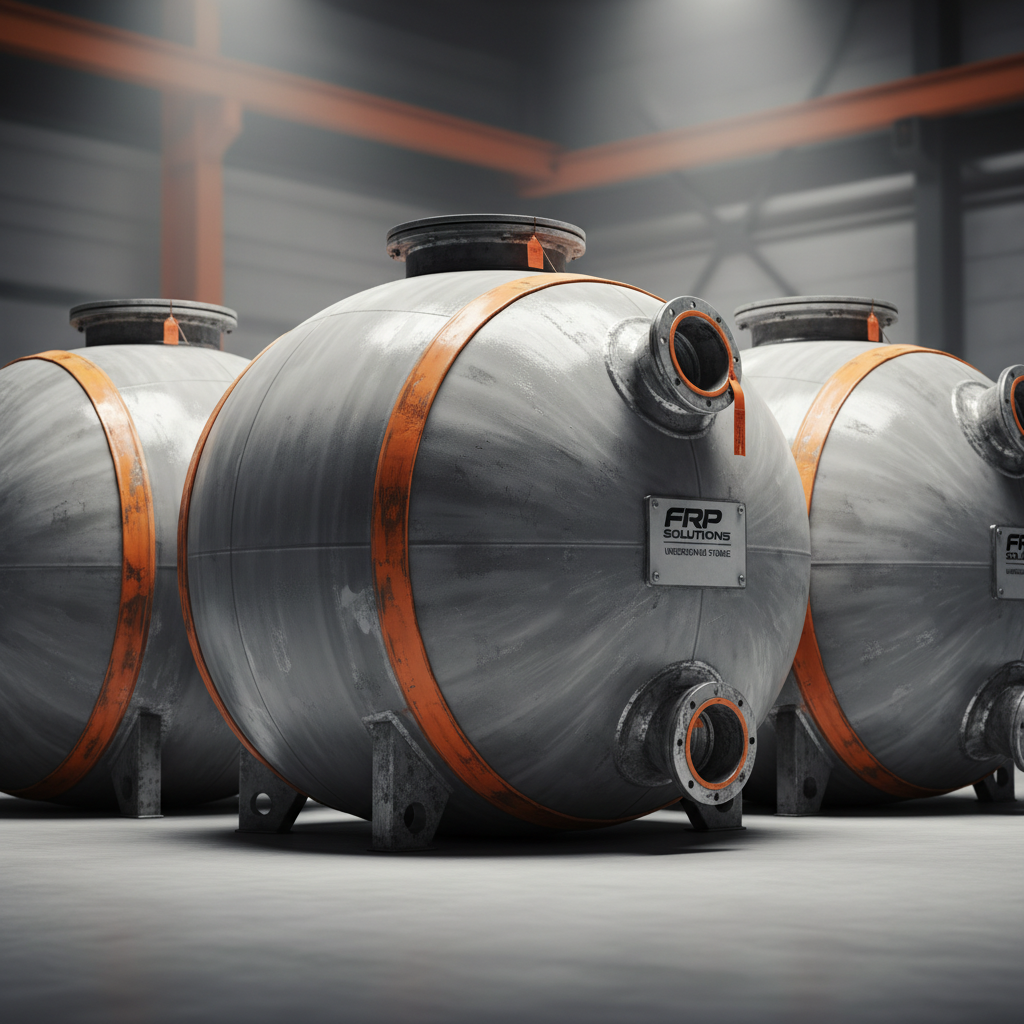
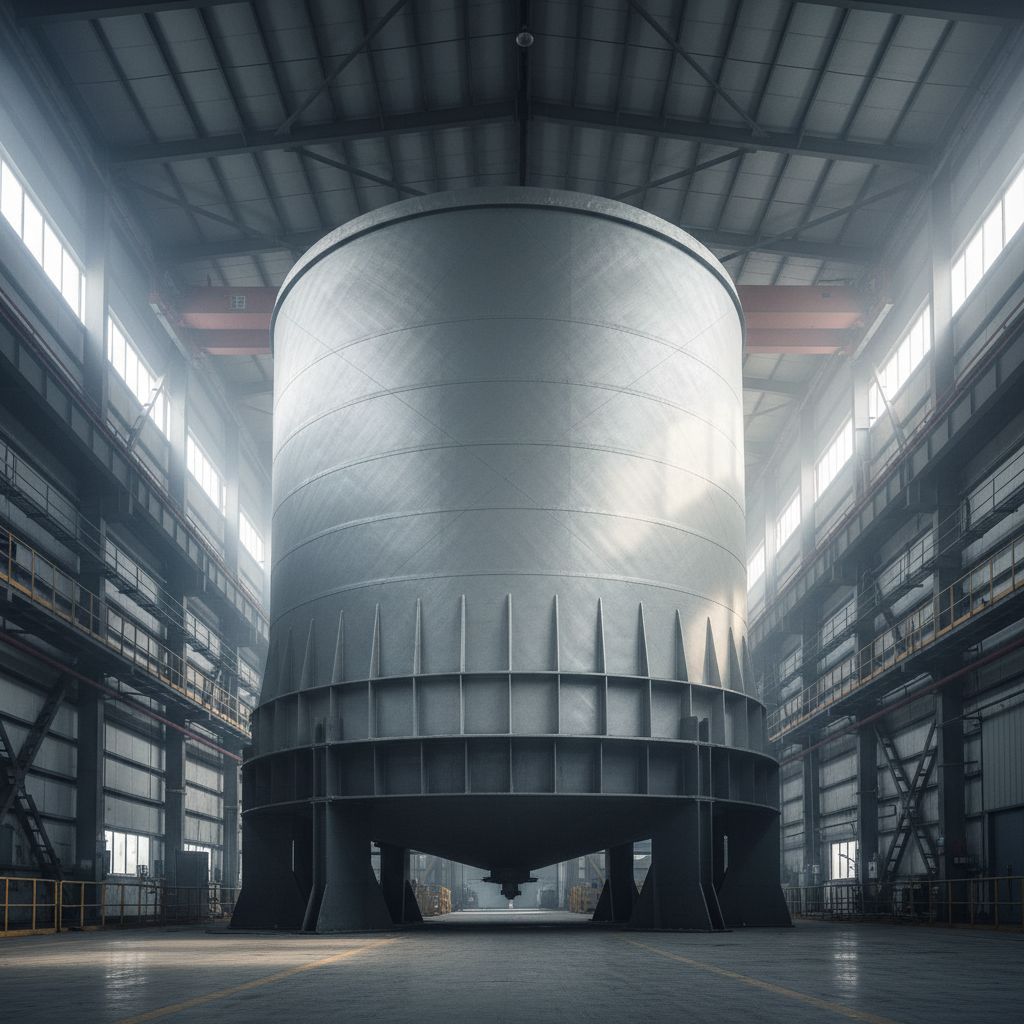
In simple terms, these tanks are containers made from fibreglass-reinforced plastic (FRP) used to store rainwater collected from rooftops or catchments. The fibreglass provides strength and durability, making them resistant to rust, impacts, and UV damage. Compared to traditional materials like concrete or steel, fibreglass tanks are lighter and can be molded into different shapes and sizes to fit diverse needs.

Modern industries, agriculture, and humanitarian sectors value them because they help conserve water without the heavy footprint or maintenance demands of older storage options.

Mini takeaway: Fibreglass rainwater tanks are engineered for durability and adaptability in water storage.

Key Features of Fibreglass Rainwater Tanks

Durability

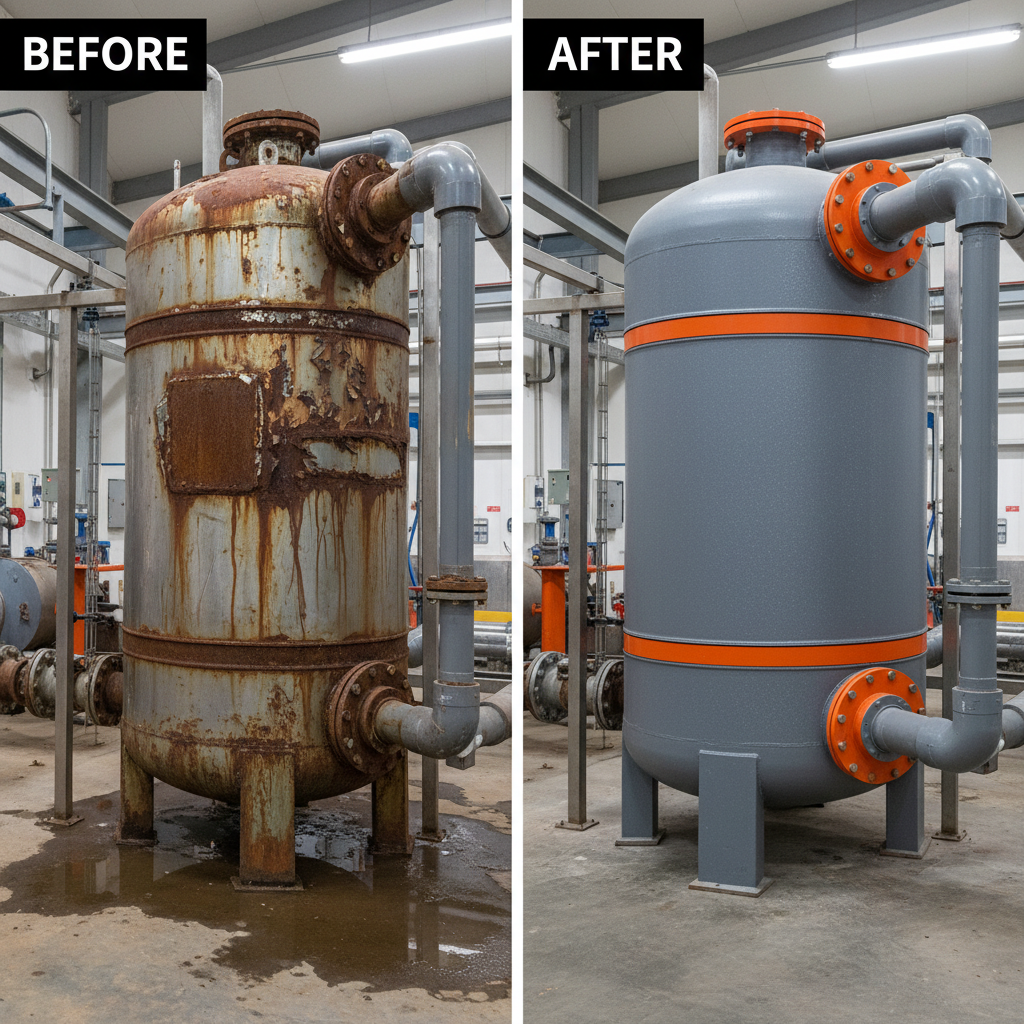
Fibreglass is known for resisting corrosion and weathering far better than metals. This means tanks last for decades without degrading, even in harsh climates.

Lightweight & Easy Installation

Unlike concrete or steel, fibreglass tanks can be delivered and installed more quickly, even in remote or hard-to-reach places.

Scalability

They come in varieties from a few hundred liters to several thousand liters, making them suitable for everything from household rainwater collection to industrial-scale storage.

Cost Efficiency

While initial costs can be slightly higher than plastic tanks, the longevity and low maintenance often make fibreglass more economical in the long run.

Customizability

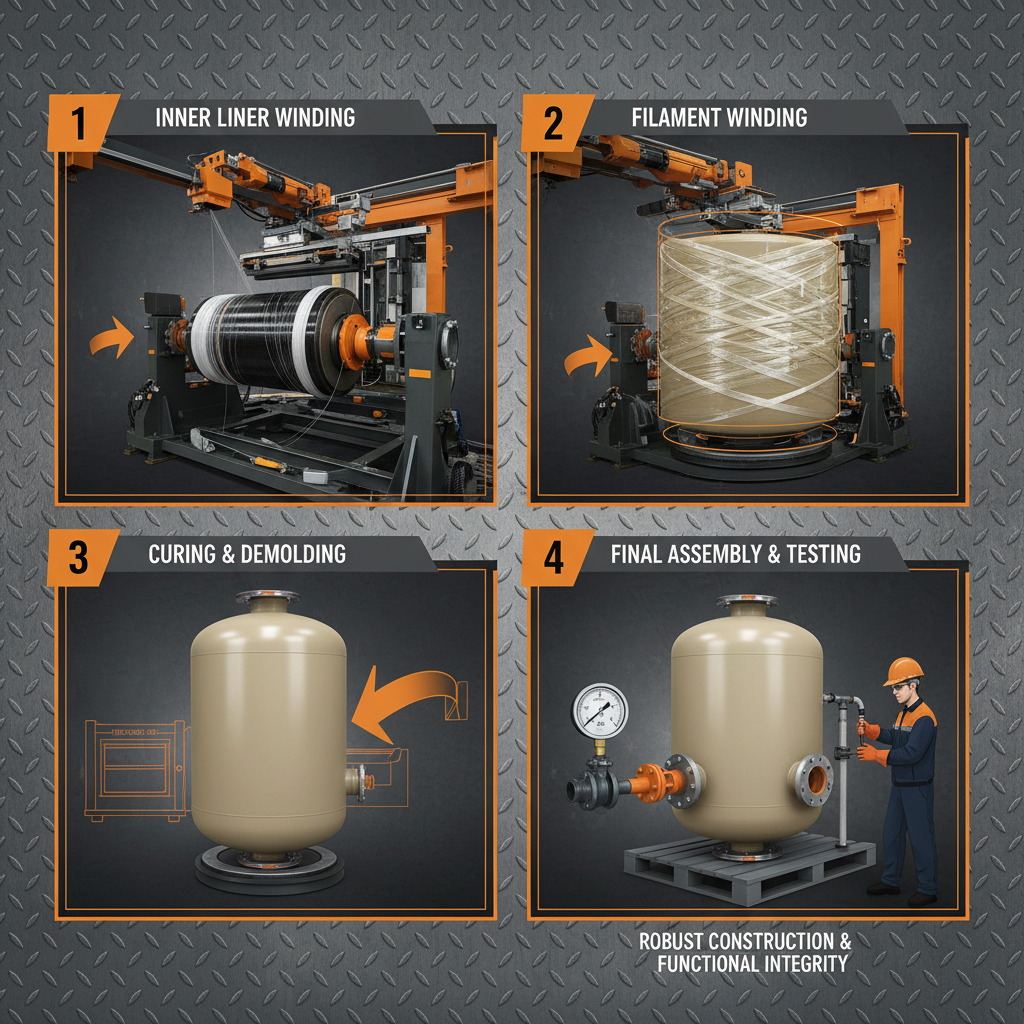
The manufacturing process allows for custom shapes and fittings, accommodating unique site constraints or integration with existing systems.

Non-Toxic & Safe for Drinking Water

High-quality fibreglass tanks are made with food-grade resins that don’t leach chemicals, ensuring potable water safety.

Typical Specifications of Fibreglass Rainwater Tanks
Feature Typical Range
Capacity 500L – 10,000L
Material Thickness 4mm – 10mm depending on size
Weight 60kg – 500kg (varies by size)
UV Resistance Yes, integrated in resin mix
Warranty 5-15 years typical

Global Use Cases and Applications

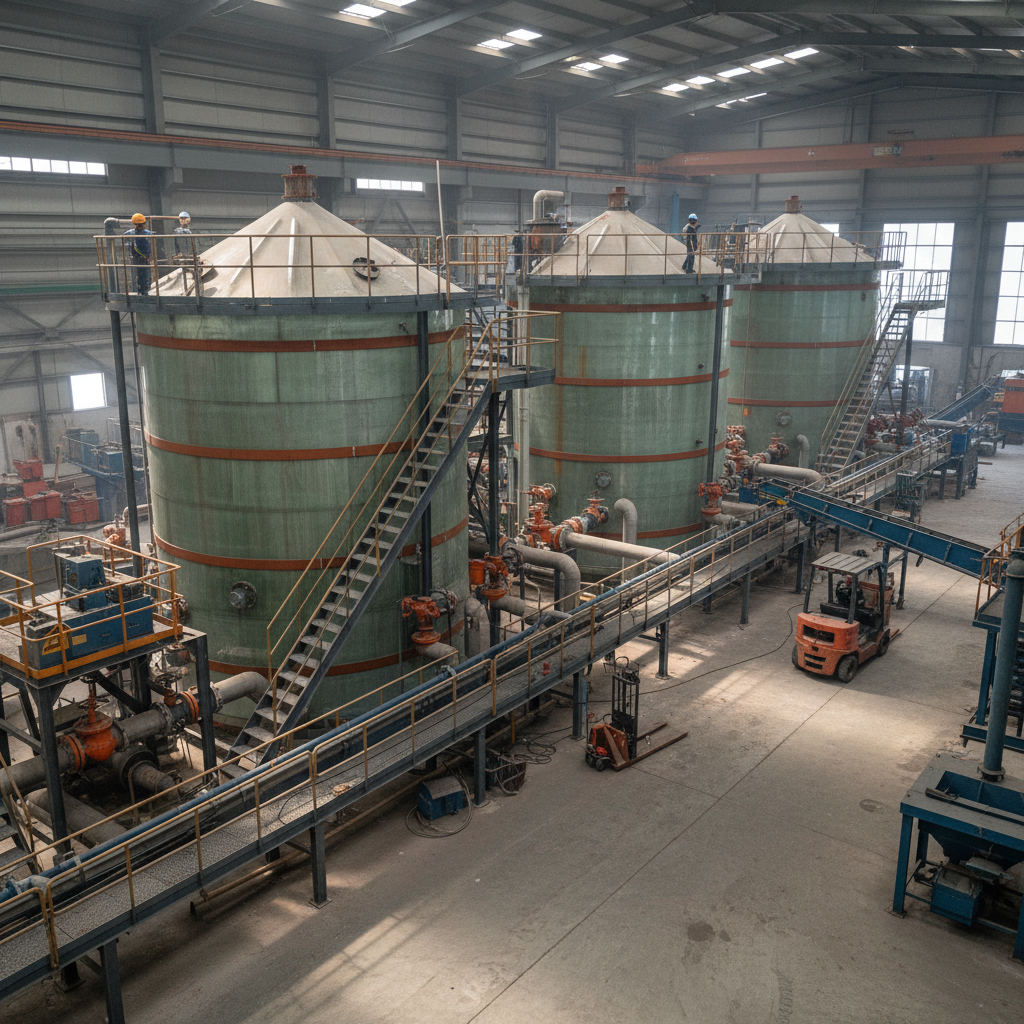
Regions like Australia, South Africa, and parts of South America often face water shortages where fibreglass tanks are invaluable. Many agricultural operations use them to store rainwater for livestock and irrigation during dry spells.

In post-disaster relief efforts—think flooding in Southeast Asia or droughts in East Africa—aid organizations deploy these tanks to provide clean, potable water quickly and reliably. Industrial mining operations in remote zones also rely on such tanks to support workforce hydration and equipment cooling systems.

Even urban developments are integrating fibreglass rainwater tanks for on-site water recycling efforts, supporting sustainability goals.

Mini takeaway: Fibreglass tanks serve diverse needs across continents—from humanitarian aid to sustainable urban living.

Advantages & Long-Term Value of Fibreglass Tanks

  • Cost Savings: Lower maintenance and long lifespan reduce replacement expenses.
  • Environmental Impact: Supporting water conservation contributes to sustainable resource management.
  • Reliability: Weather resistance means safe water supplies year-round.
  • Social Impact: Providing clean water supports health, dignity, and community development.

All these benefits combined build trust—not only in the product but in the infrastructures supporting vulnerable populations and industries.

Looking Ahead: Trends and Innovations in Rainwater Storage

The industry is moving towards even greener solutions—resins derived from bio-based compounds, for example, make the tanks more eco-friendly. Smart sensors and IoT integration allow real-time water level monitoring and quality checks, reducing waste and improving maintenance.

Automated filtration and UV purification units are being incorporated into tank systems, enhancing water safety without onsite manual intervention. Regulations worldwide increasingly encourage or mandate rainwater harvesting, which should push wider adoption of fibreglass tanks.

Challenges and How Experts Are Tackling Them

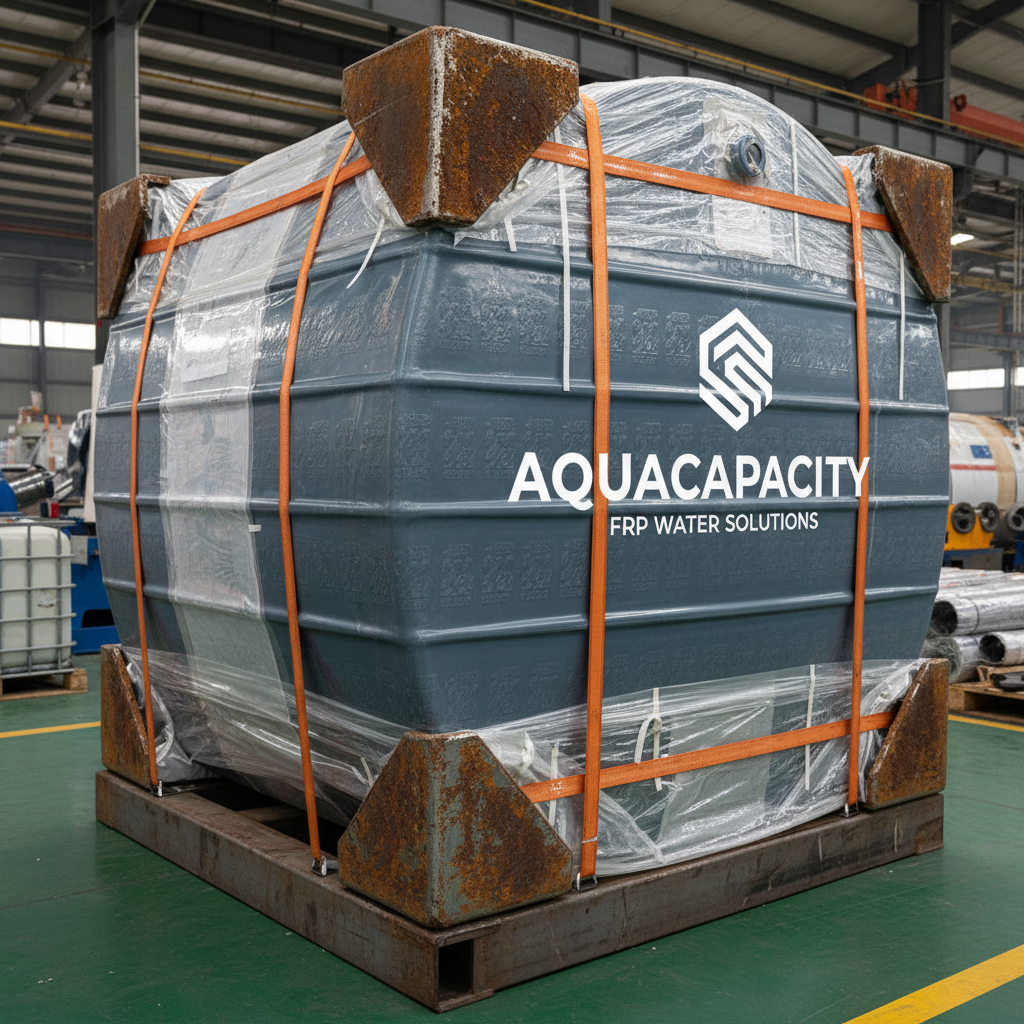
Of course, no solution is perfect. Installation in remote areas can still be tricky, and transport logistics for large tanks sometimes add complexity. There are also concerns about the environmental footprint of fibreglass production. However, advanced manufacturing techniques now reduce waste, and modular tank designs simplify shipment and assembly onsite.

Experts recommend combining tank installation with proper catchment area maintenance and filtration methods to maximize longevity and water quality. Continued research into recyclable fibreglass materials promises improvements too.

Vendor Comparison: Fibreglass Rainwater Tank Suppliers
Feature Supplier A Supplier B Supplier C
Typical Capacity Range 1,000–10,000L 500–5,000L 2,000–8,000L
Warranty 10 years 5 years 15 years
Customization Options High (shape, fittings) Moderate (sizes only) High (color, fittings, UV protection)
Lead Time 3-4 weeks 2-3 weeks 4-6 weeks
Price Level $$$ (Premium) $ (Economy) $$ (Mid-range)

FAQ: Common Questions About Fibreglass Rainwater Tanks

How long do fibreglass rainwater tanks typically last?
High-quality fibreglass tanks can last anywhere from 10 to 30 years, depending on maintenance, exposure to UV light, and environmental conditions. Proper installation and occasional cleaning extend their lifespan.
Are fibreglass tanks safe for storing drinking water?
Yes, when manufactured with food-grade resins and properly maintained, fibreglass tanks are safe for potable water storage, complying with many international drinking water standards.
Can fibreglass rainwater tanks be installed in cold climates?
Absolutely. Fibreglass material is resistant to freezing temperatures and doesn’t crack easily. However, insulation may be needed in areas with extreme freeze-thaw cycles to prevent ice damage.
What maintenance do fibreglass tanks require?
Maintenance typically involves cleaning debris filters, inspecting for cracks or leaks annually, and ensuring gutters and collection surfaces are clean to reduce contamination.
Are fibreglass tanks eco-friendly?
While fibreglass production involves synthetic materials, many manufacturers are moving towards bio-based resins and recycling processes. The long lifespan and water conservation benefits often offset environmental impacts.

Conclusion

Fibreglass rainwater tanks offer a robust, sustainable way to secure water in a changing world. Their durability, flexibility, and scalability make them a smart choice across many sectors, from agriculture to emergency relief. They’re not just storage units—they’re lifelines ensuring safety, dignity, and resilience.

If you want to explore the right fibreglass rainwater tank for your needs, visit our website for detailed options and expert guidance.

Water storage might not be glamorous, but its impact on community wellbeing and the planet is profound. Choosing the right tank feels like choosing a safer future.

References:
  1. UN World Water Development Report 2023
  2. World Bank: Access to Safe Drinking Water
  3. Wikipedia: Fiberglass
Upsell Products
Upsell News
Durable FRP Vessel for Water Treatment and Industrial Filtration
Apr 16,2026
Durable FRP Vessel for Water Treatment and Industrial Filtration
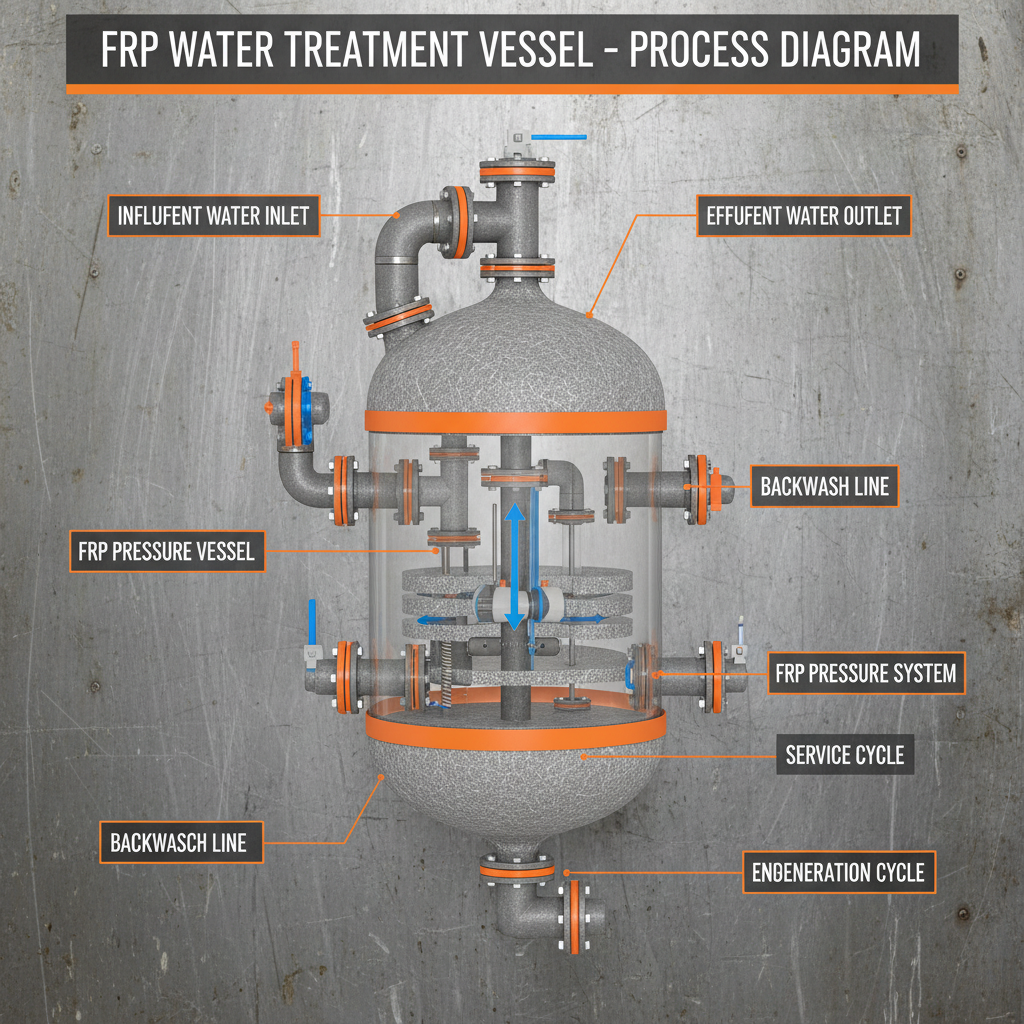
In the modern era of industrial and residential water purification, the choice of containment materials is critical for efficiency and longevity. An frp vessel for water treatment has emerged as the gold standard, replacing traditional steel tanks due to its superior corrosion resistance and lightweight properties. Whether you are dealing with desalination, softening, or filtration, using Fiber Reinforced Plastic (FRP) ensures that your system remains leak-proof and durable against aggressive chemicals. In this comprehensive guide, we will explore why FRP is the preferred choice for water treatment professionals worldwide and how to select the right vessel for your specific application.
Industrial Guide for Choosing the Right FRP Vertical Tank
Apr 09,2026
Industrial Guide for Choosing the Right FRP Vertical Tank
In today's industrial landscape, the storage of corrosive chemicals and aggressive liquids requires materials that can withstand extreme conditions without degrading. The frp vertical tank has emerged as a premier solution, offering an exceptional balance of strength, lightweight properties, and unmatched chemical resistance. Whether you are managing a water treatment plant or a chemical processing facility, understanding the nuances of Fiber Reinforced Plastic (FRP) is essential for ensuring operational safety and longevity. In this comprehensive guide, we will explore why vertical configurations are preferred and how these tanks outperform traditional metal alternatives.
Comprehensive Guide to FRP Underground Water Tank Solutions and Applications
Apr 07,2026
Comprehensive Guide to FRP Underground Water Tank Solutions and Applications
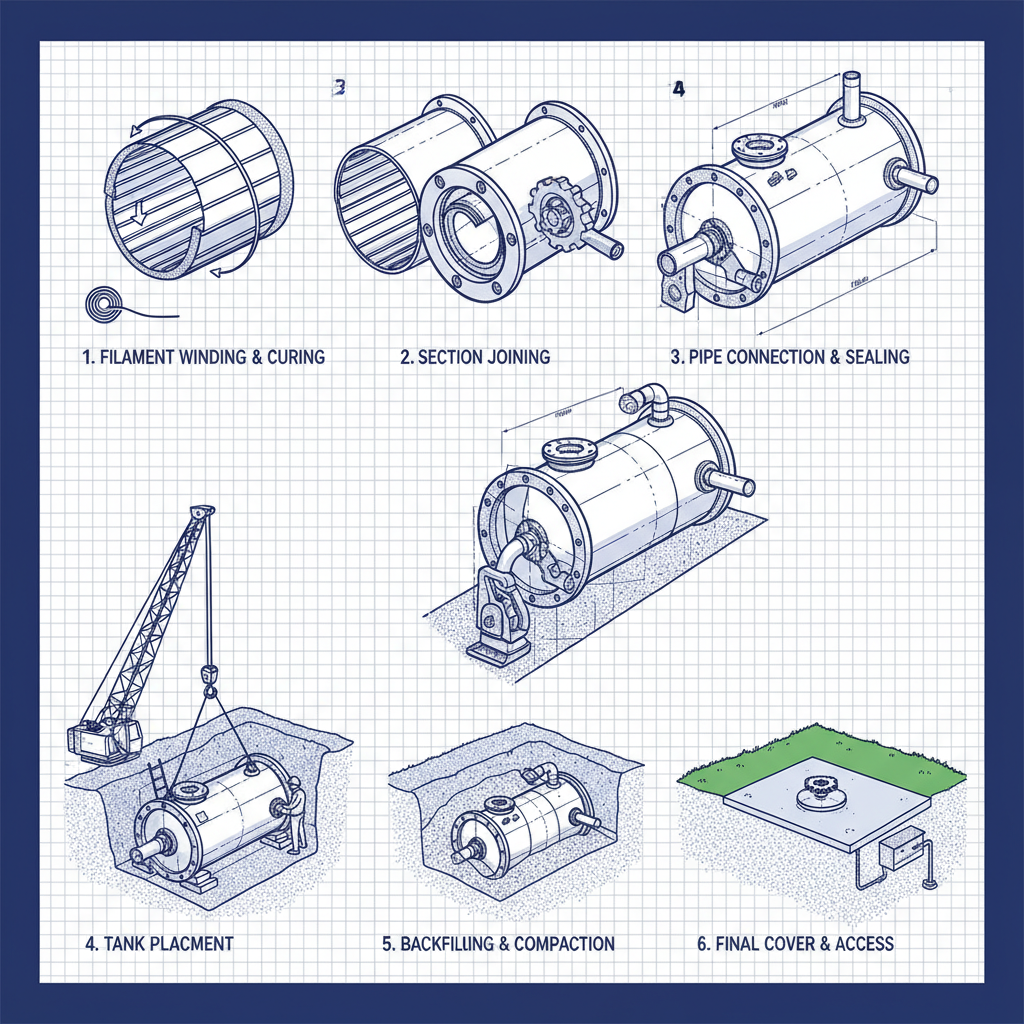
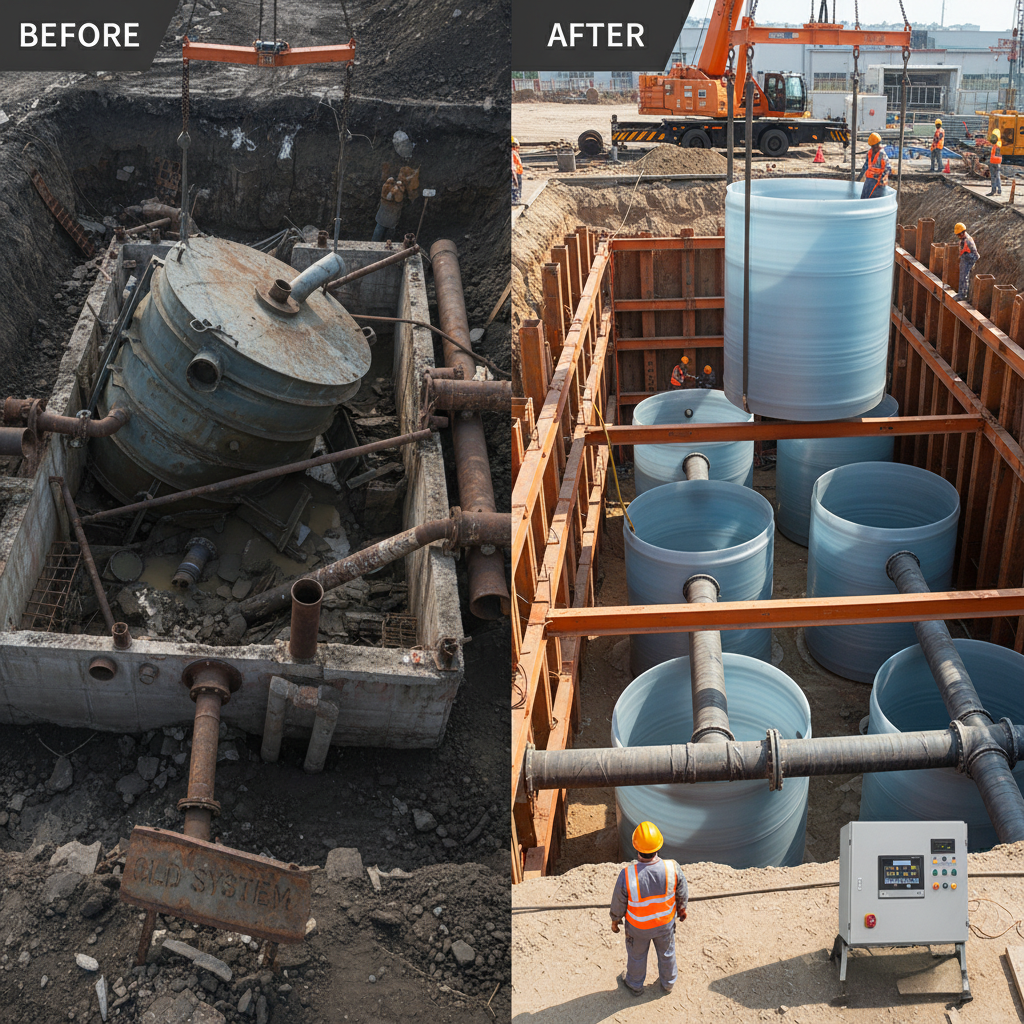
Fiberglass Reinforced Polymer (FRP) underground water tanks are becoming increasingly popular for a wide range of applications, from potable water storage to industrial wastewater containment. Their superior corrosion resistance, lightweight nature, and design flexibility make them an excellent alternative to traditional materials like concrete or steel. This article will delve into the benefits, applications, construction, and considerations for implementing FRP underground water tanks, providing a comprehensive overview for engineers, contractors, and project managers.
Comprehensive Guide to Frp Underground Water Storage Tanks and Their Applications
Apr 04,2026
Comprehensive Guide to Frp Underground Water Storage Tanks and Their Applications
When considering water storage solutions, particularly for industrial, agricultural, or municipal applications, frp underground water storage tanks stand out as a durable, cost-effective, and environmentally friendly option. These tanks are increasingly favored over traditional materials like concrete or steel due to their superior corrosion resistance, lighter weight, and ease of installation. This article delves into the benefits, applications, construction, and considerations when choosing an FRP tank, providing a detailed overview for potential buyers and project planners.
Sulfuric Acid Production Line - Hebei Aoliande|Efficient H2SO4 Plant Technology
Apr 01,2026
Sulfuric Acid Production Line - Hebei Aoliande|Efficient H2SO4 Plant Technology
Discover efficient H2SO4 plant technology and advanced sulfuric acid production solutions. Hebei Aoliande combines energy-saving furnace design and eco-friendly HCl recovery systems for sustainable industrial applications. Explore now: https://www.frpgrpmachine.com/sulfuric-acid-production-line-for-h2so4-plant.html
Sulfuric Acid Production Line - Hebei Aoliande|Efficient H2SO4 Plant Technology
Apr 01,2026
Sulfuric Acid Production Line - Hebei Aoliande|Efficient H2SO4 Plant Technology
Discover efficient H2SO4 plant technology and advanced sulfuric acid production solutions. Hebei Aoliande combines energy-saving furnace design and eco-friendly HCl recovery systems for sustainable industrial applications. Explore now: https://www.frpgrpmachine.com/sulfuric-acid-production-line-for-h2so4-plant.html
Sulfuric Acid Production Line - Hebei Aoliande|Efficient H2SO4 Plant Technology
Apr 01,2026
Sulfuric Acid Production Line - Hebei Aoliande|Efficient H2SO4 Plant Technology
Discover efficient H2SO4 plant technology and advanced sulfuric acid production solutions. Hebei Aoliande combines energy-saving furnace design and eco-friendly HCl recovery systems for sustainable industrial applications. Explore now: https://www.frpgrpmachine.com/sulfuric-acid-production-line-for-h2so4-plant.html
Sulfuric Acid Production Line - Hebei Aoliande|Efficient H2SO4 Plant Technology
Apr 01,2026
Sulfuric Acid Production Line - Hebei Aoliande|Efficient H2SO4 Plant Technology
Discover efficient H2SO4 plant technology and advanced sulfuric acid production solutions. Hebei Aoliande combines energy-saving furnace design and eco-friendly HCl recovery systems for sustainable industrial applications. Explore now: https://www.frpgrpmachine.com/sulfuric-acid-production-line-for-h2so4-plant.html
Sulfuric Acid Production Line - Hebei Aoliande|Efficient H2SO4 Plant Technology
Apr 01,2026
Sulfuric Acid Production Line - Hebei Aoliande|Efficient H2SO4 Plant Technology
Discover efficient H2SO4 plant technology and advanced sulfuric acid production solutions. Hebei Aoliande combines energy-saving furnace design and eco-friendly HCl recovery systems for sustainable industrial applications. Explore now: https://www.frpgrpmachine.com/sulfuric-acid-production-line-for-h2so4-plant.html
Sulfuric Acid Production Line - Hebei Aoliande|Efficient H2SO4 Plant Technology
Apr 01,2026
Sulfuric Acid Production Line - Hebei Aoliande|Efficient H2SO4 Plant Technology
Discover efficient H2SO4 plant technology and advanced sulfuric acid production solutions. Hebei Aoliande combines energy-saving furnace design and eco-friendly HCl recovery systems for sustainable industrial applications. Explore now: https://www.frpgrpmachine.com/sulfuric-acid-production-line-for-h2so4-plant.html
Comprehensive Guide to Frp Underground Storage Tanks for Reliable Storage Solutions
Mar 31,2026
Comprehensive Guide to Frp Underground Storage Tanks for Reliable Storage Solutions
Fiberglass Reinforced Polymer (FRP) underground storage tanks are becoming increasingly popular for a wide range of applications, from fuel storage to wastewater management. Their corrosion resistance, lightweight nature, and durability offer significant advantages over traditional materials like steel. This article will provide an in-depth look at FRP underground storage tanks, covering their benefits, applications, installation, and maintenance. Understanding these aspects is crucial for making informed decisions about long-term storage solutions.
Comprehensive Guide to Selecting the Ideal FRP Tank for Water Storage Solutions
Mar 28,2026
Comprehensive Guide to Selecting the Ideal FRP Tank for Water Storage Solutions
When it comes to reliable and durable water storage, FRP tanks for water are increasingly becoming the preferred solution for a wide range of applications. These tanks, constructed from Fiber Reinforced Polymer (FRP) materials, offer significant advantages over traditional storage options like steel or concrete. This article delves into the benefits, applications, and considerations when selecting an FRP tank for your water storage needs, providing a detailed overview for businesses and individuals alike.
Comprehensive Guide to Frp Tank and Vessel Applications and Manufacturing
Mar 26,2026
Comprehensive Guide to Frp Tank and Vessel Applications and Manufacturing
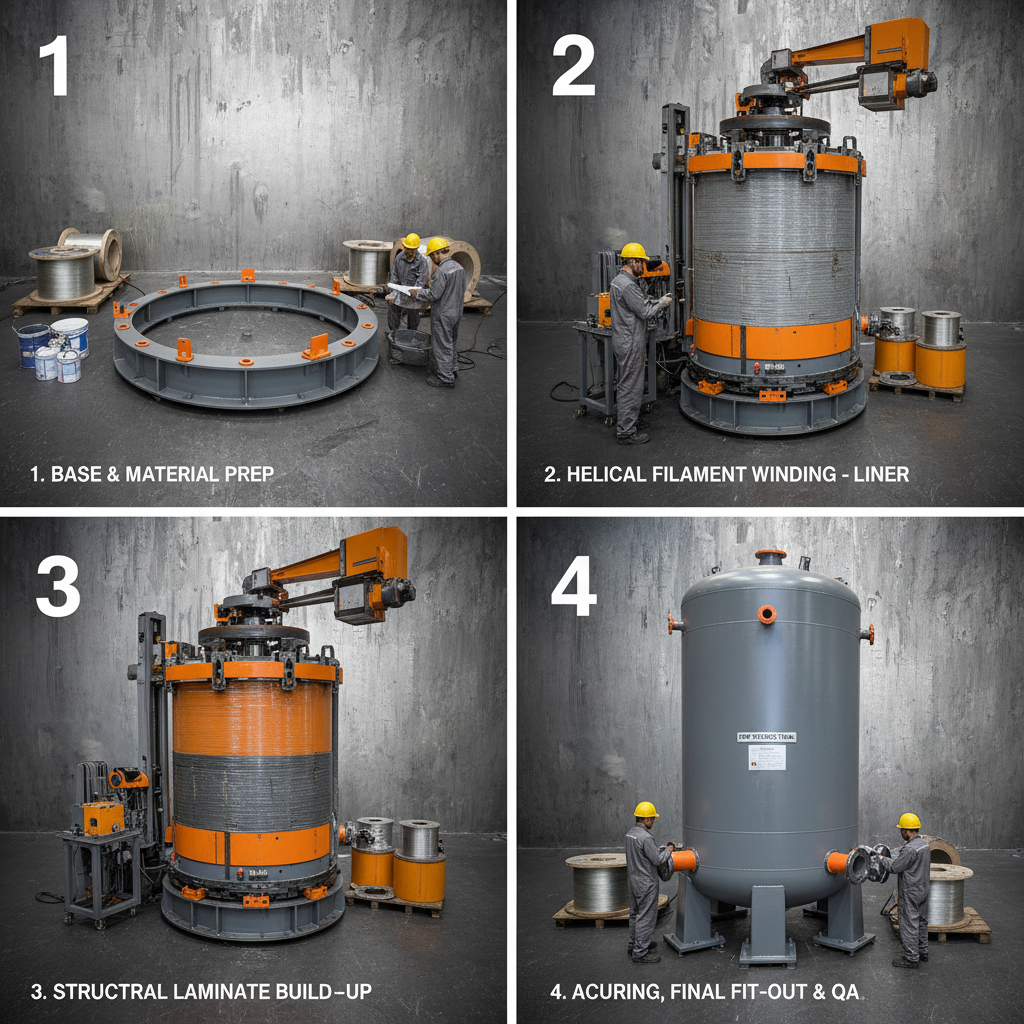
Fiber Reinforced Polymer (FRP) tanks and vessels are increasingly becoming the preferred choice for storage and processing across a multitude of industries. Their lightweight nature, corrosion resistance, and design flexibility offer significant advantages over traditional materials like steel. This article will delve into the intricacies of FRP tanks and vessels, exploring their applications, manufacturing processes, benefits, and considerations for selecting the right solution for your specific needs. We’ll also highlight why FRP tanks are a cost-effective and reliable long-term investment. FRP tanks and vessels are constructed from a combination of reinforcing fibers (such as fiberglass, carbon fiber, or aramid fiber) embedded in a polymer matrix (typically polyester, vinyl ester, or epoxy resin). This combination creates a composite material that boasts high strength-to-weight ratio, exceptional corrosion resistance, and the ability to be molded into complex shapes. They’re designed to safely contain a wide variety of liquids and gases, ranging from corrosive chemicals and water to food products and pharmaceuticals.
Optimizing Water Filtration with Durable FRP Sand Filter Vessels
Mar 24,2026
Optimizing Water Filtration with Durable FRP Sand Filter Vessels
In water treatment and filtration systems, the choice of filter vessel material is paramount. Fiber Reinforced Plastic (FRP), also known as Glass Reinforced Polymer (GRP), sand filter vessels are increasingly popular due to their superior corrosion resistance, lightweight nature, and cost-effectiveness. This article delves into the benefits, applications, design considerations, and factors to consider when selecting an FRP sand filter vessel. Whether you are involved in municipal water treatment, industrial wastewater management, or recreational water filtration, understanding FRP technology is essential for optimizing your filtration process. An FRP sand filter vessel is a containment unit designed to house filtration media, typically sand, gravel, and anthracite. These vessels are integral components in sand filtration systems used for removing suspended solids, turbidity, and other particulate matter from water. FRP construction involves layering glass fibers within a resin matrix (typically polyester or vinyl ester) to create a strong, durable, and chemically resistant shell. The strength and rigidity of the vessel are crucial for withstanding the pressure from the filtration media and the water flow.
Comprehensive Guide to FRP Round Tanks Applications and Benefits
Mar 21,2026
Comprehensive Guide to FRP Round Tanks Applications and Benefits
Fiber Reinforced Polymer (FRP) round tanks are increasingly becoming the preferred choice for storage solutions across a variety of industries. Their lightweight nature, corrosion resistance, and design flexibility offer significant advantages over traditional materials like steel. This article provides an in-depth look at FRP round tanks, exploring their applications, benefits, manufacturing processes, and key considerations when choosing the right tank for your needs. Whether you're in chemical processing, water treatment, or agriculture, understanding FRP round tanks is crucial for optimizing your storage infrastructure. FRP round tanks are constructed from a combination of reinforcing fibers (typically fiberglass, carbon fiber, or a blend) embedded in a polymer matrix (often polyester, vinyl ester, or epoxy resin). The round shape inherently provides excellent structural strength, distributing pressure evenly across the tank’s surface.
Comprehensive Guide to FRP Pressure Tanks Benefits and Applications
Mar 19,2026
Comprehensive Guide to FRP Pressure Tanks Benefits and Applications
Fiber Reinforced Polymer (FRP) pressure tanks are becoming increasingly popular in a wide range of industrial applications, offering a compelling alternative to traditional steel tanks. Known for their lightweight nature, corrosion resistance, and high strength-to-weight ratio, FRP tanks provide efficient and durable solutions for storing liquids and gases under pressure. This article will delve into the benefits, applications, construction, and key considerations when selecting an FRP pressure tank, helping you make an informed decision for your specific needs. Understanding the advantages of FRP technology can lead to significant cost savings and improved operational efficiency. Compared to steel, FRP pressure tanks offer several key advantages. The most significant is their superior corrosion resistance. Unlike steel, which is susceptible to rust and corrosion when exposed to various chemicals, FRP materials are inherently resistant to a wide range of corrosive substances. This translates to a longer lifespan, reduced maintenance costs, and increased safety. Furthermore, FRP is significantly lighter than steel, making installation easier and reducing transportation costs.
For More Details Pls Contact Us
Thank you for your interest in our gloves! We offer high-quality, durable, and comfortable gloves with fast delivery and competitive prices. For any questions or customization, feel free to contact us. We look forward to working with you!

If you are interested in our products, you can choose to leave your information here, and we will be in touch with you shortly.