Dec 02,2025

Comprehensive Guide to Fibreglass Storage Tanks: Durability, Applications & Future Trends

Understanding Fibreglass Storage Tanks: Durable Solutions for a Sustainable Future

In a world where efficient, long-lasting, and environmentally sound storage is crucial—from water supply systems to chemical containment—fibreglass storage tanks have emerged as a global game-changer. These tanks stand out not only for their resilience and adaptability but also for their contribution to safer, more sustainable industry practices. Understanding these tanks is important because they address critical challenges like corrosion resistance, weight limitations, and environmental impact.

Global Context: Why Fibreglass Storage Tanks Matter Today

Fibreglass storage tanks aren't just industrial niceties—they’re increasingly vital across continents. According to the International Organization for Standardization (ISO), industries worldwide face rising demands for storage solutions that balance durability with environmental responsibility. From water scarcity challenges highlighted in UN water scarcity reports to the growing chemical manufacturing ecosystems in Asia, fibreglass tanks provide a compelling answer to age-old problems like corrosion and heavy tank infrastructure.

Oddly enough, regions as diverse as sub-Saharan Africa and Northern Europe rely on these tanks—whether for potable water distribution or for storing corrosive substances safely. Yet, despite this global utility, many industries still wrestle with the question: How do you balance cost, longevity, and environmental impact effectively?

What Are Fibreglass Storage Tanks?

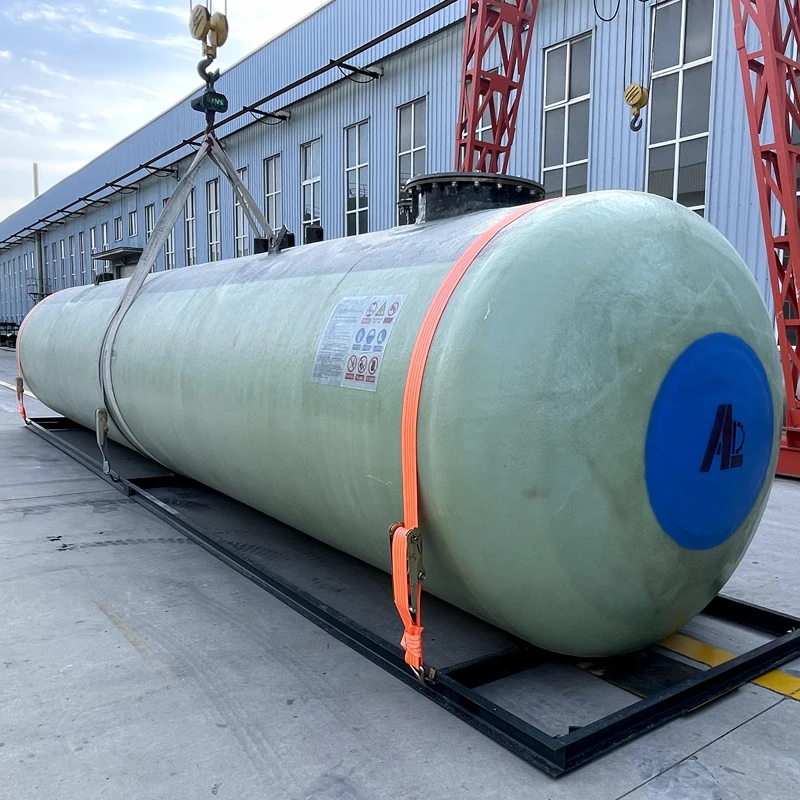
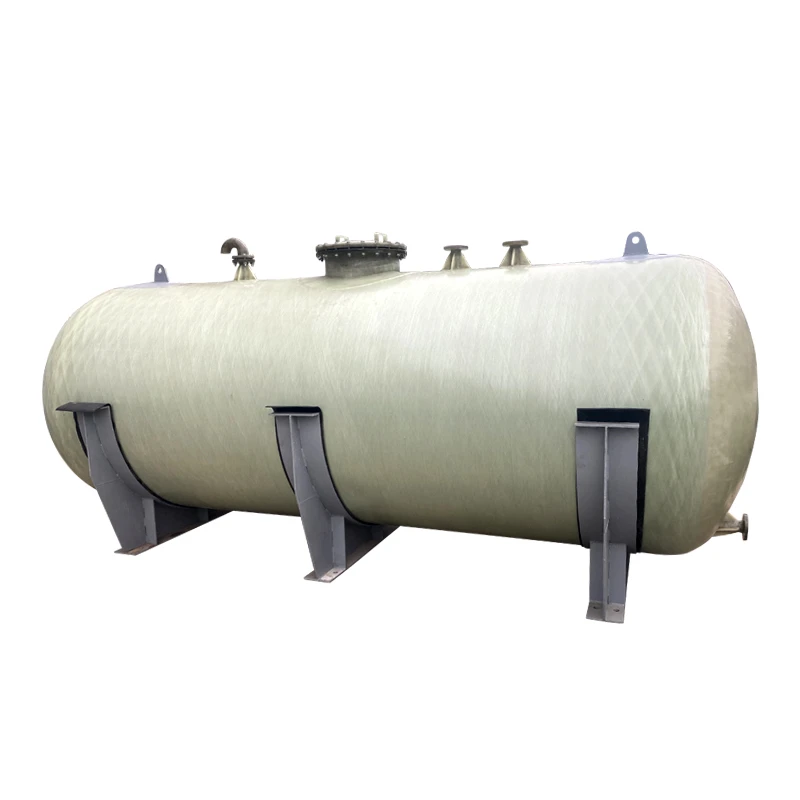
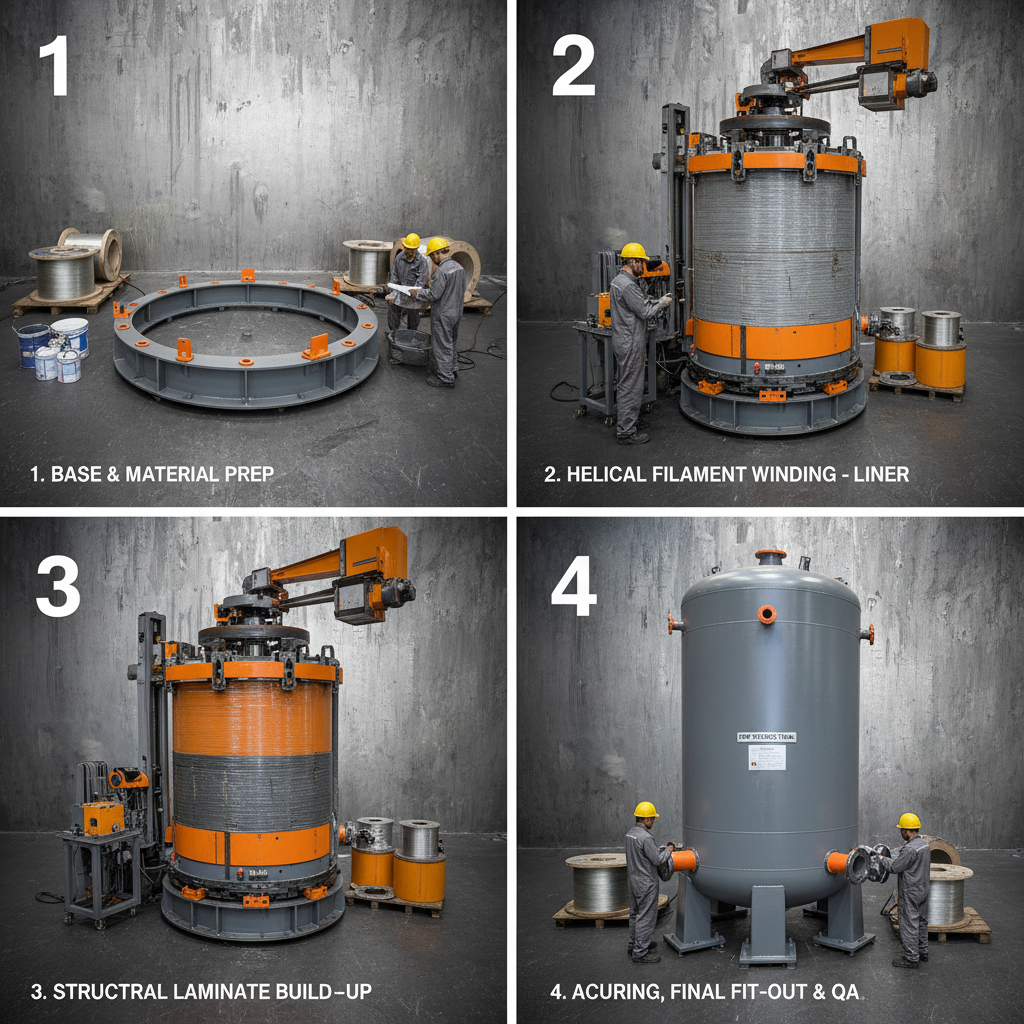
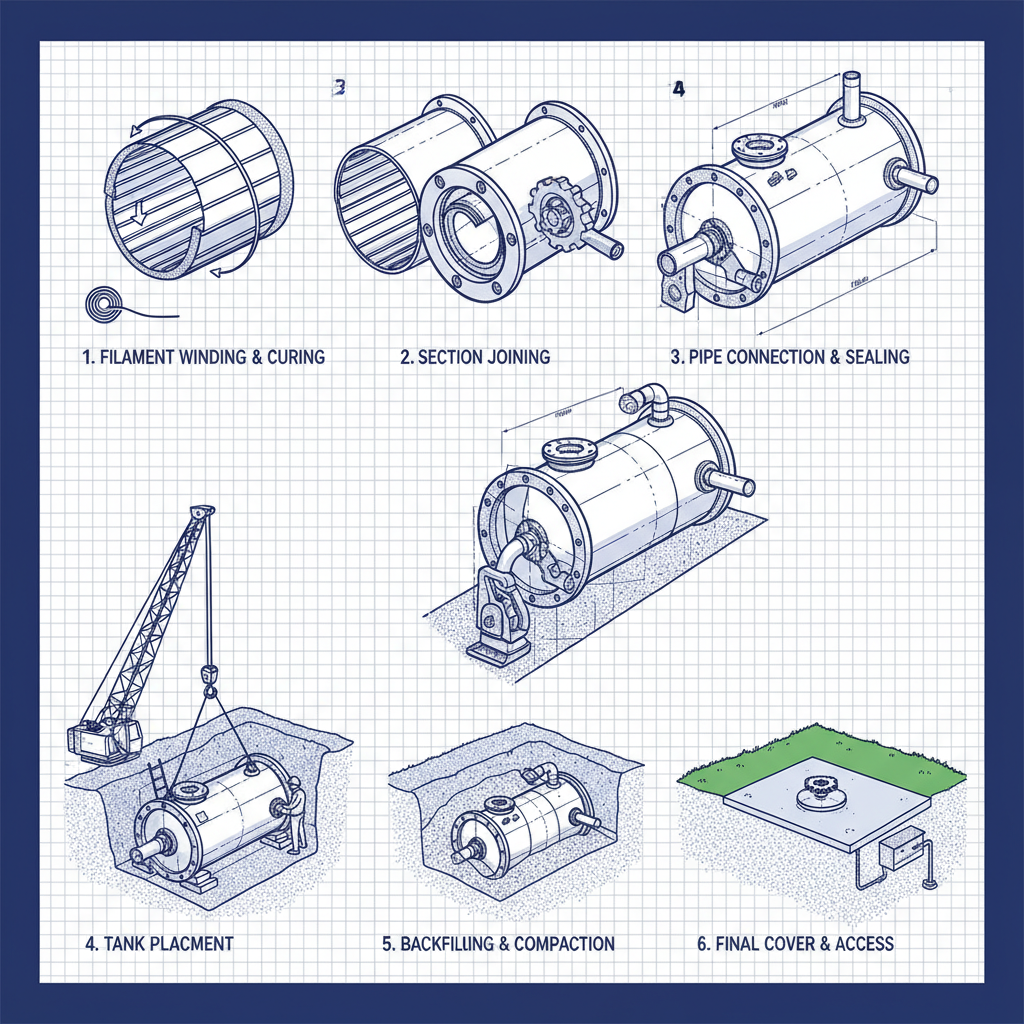
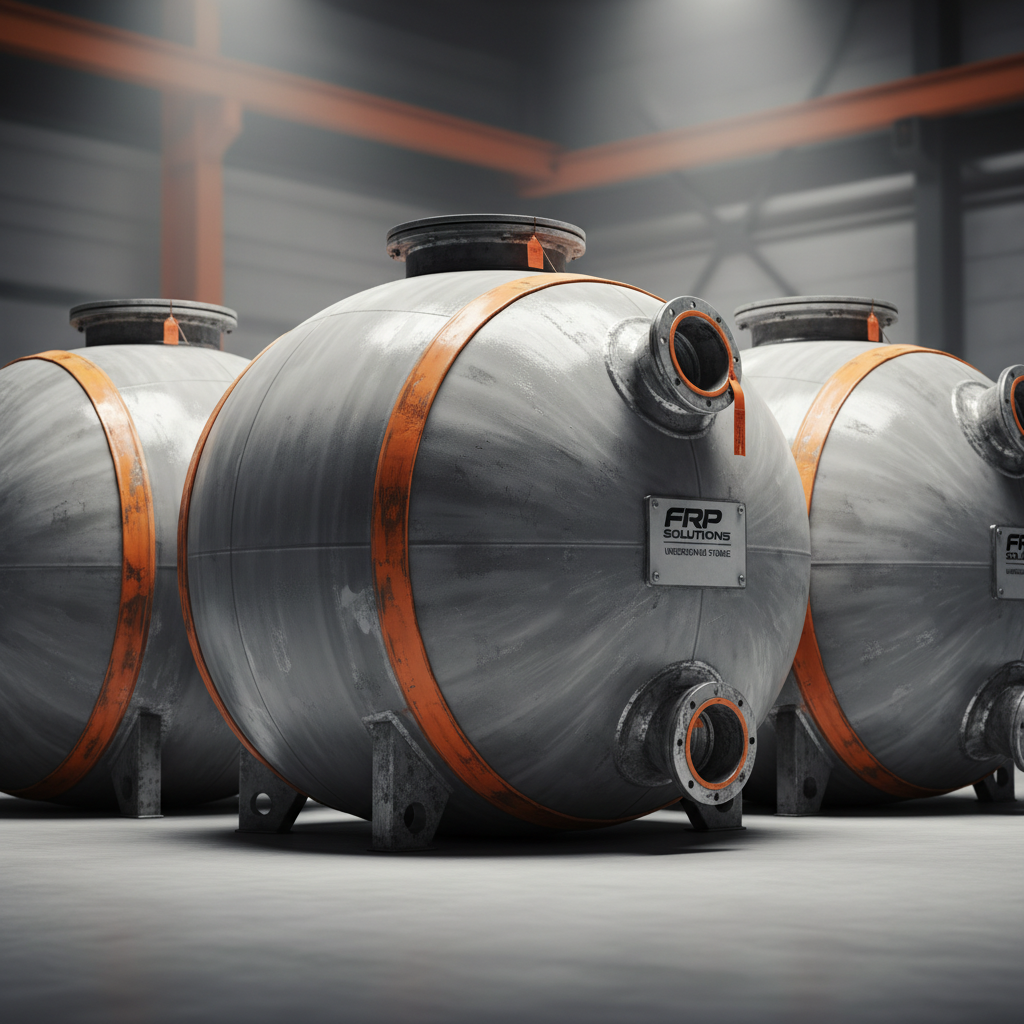
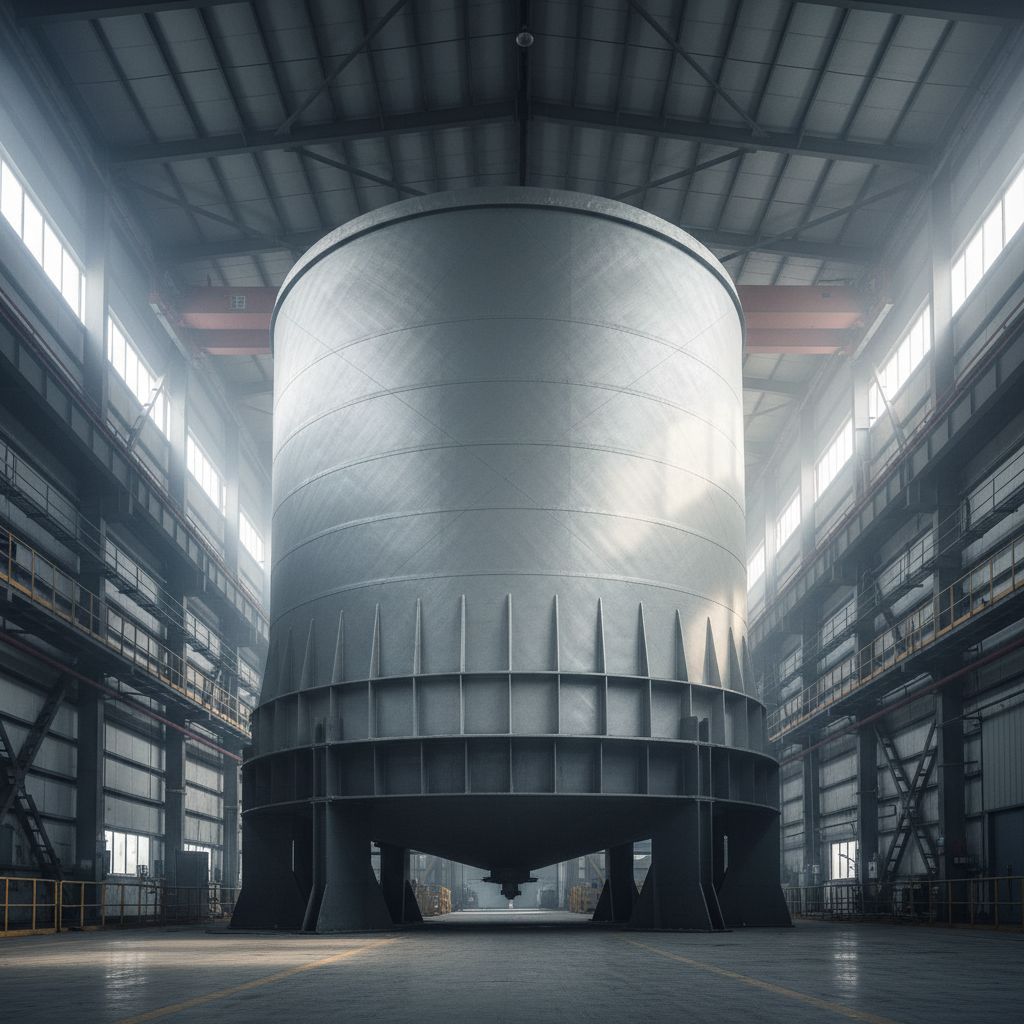
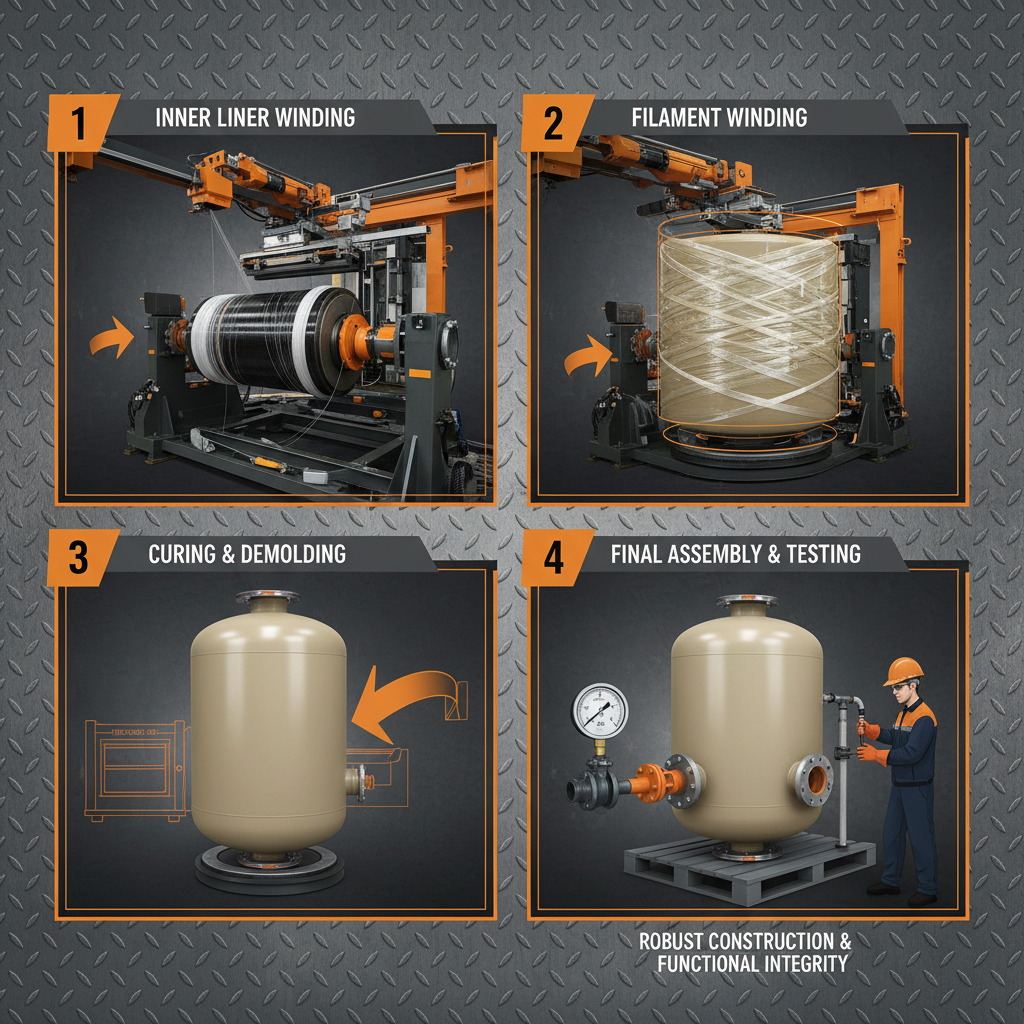
Simply put, a fibreglass storage tank is a container made from glass fiber-reinforced plastic (often called GRP or FRP) that stores liquids or chemicals. The fibreglass material creates a strong but lightweight shell that resists rust, UV rays, and chemical corrosion far better than traditional materials like steel or concrete. This durability means fewer repairs and safer long-term containment, especially important for drinking water, oil derivatives, and industrial chemicals. Beyond industrial uses, these tanks also contribute to humanitarian efforts, like water storage in disaster-affected or remote areas.

Core Components & Key Factors of Fibreglass Storage Tanks

Durability and Corrosion Resistance

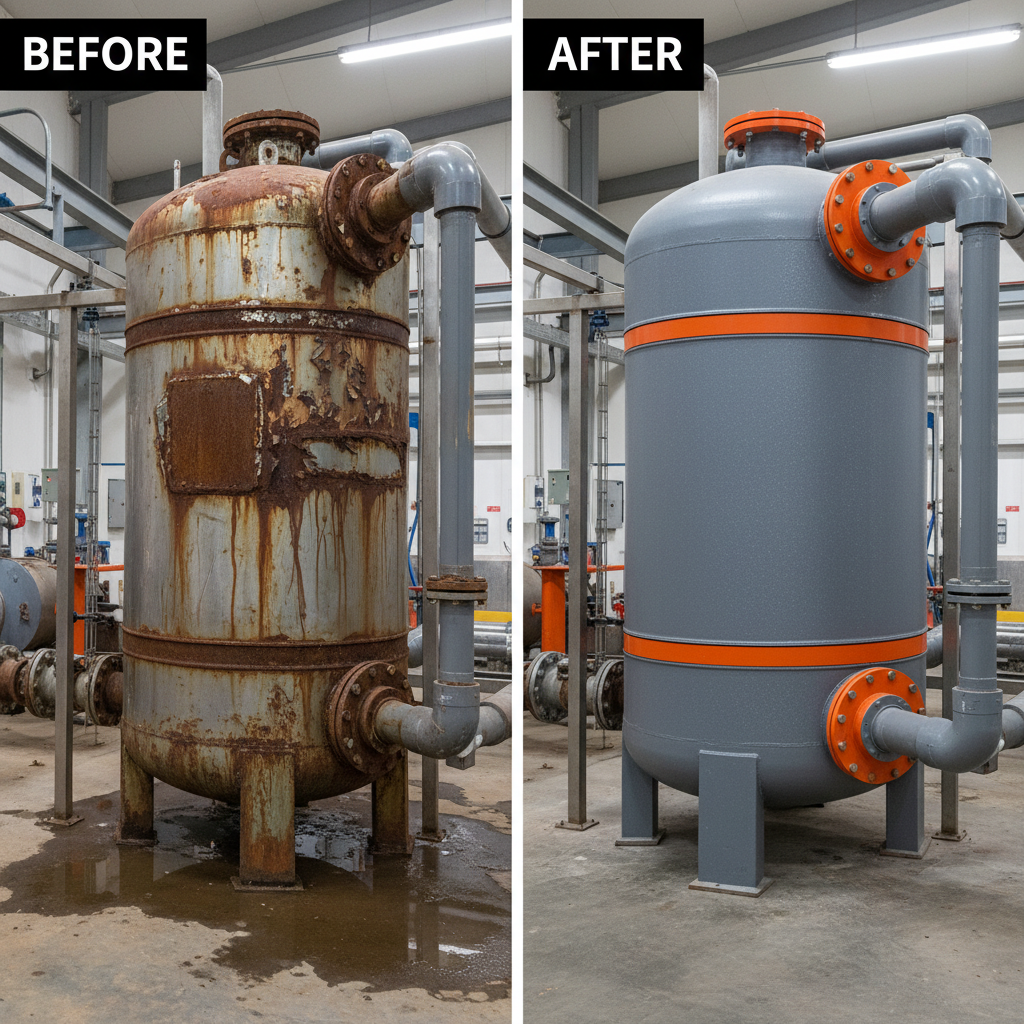
A core selling point is their impressive resistance to corrosion. Unlike metal tanks, fibreglass doesn’t rust, which means longer service life and reduced maintenance costs. For industries handling aggressive chemicals, that’s a game-changer.

Lightweight and Easy Installation

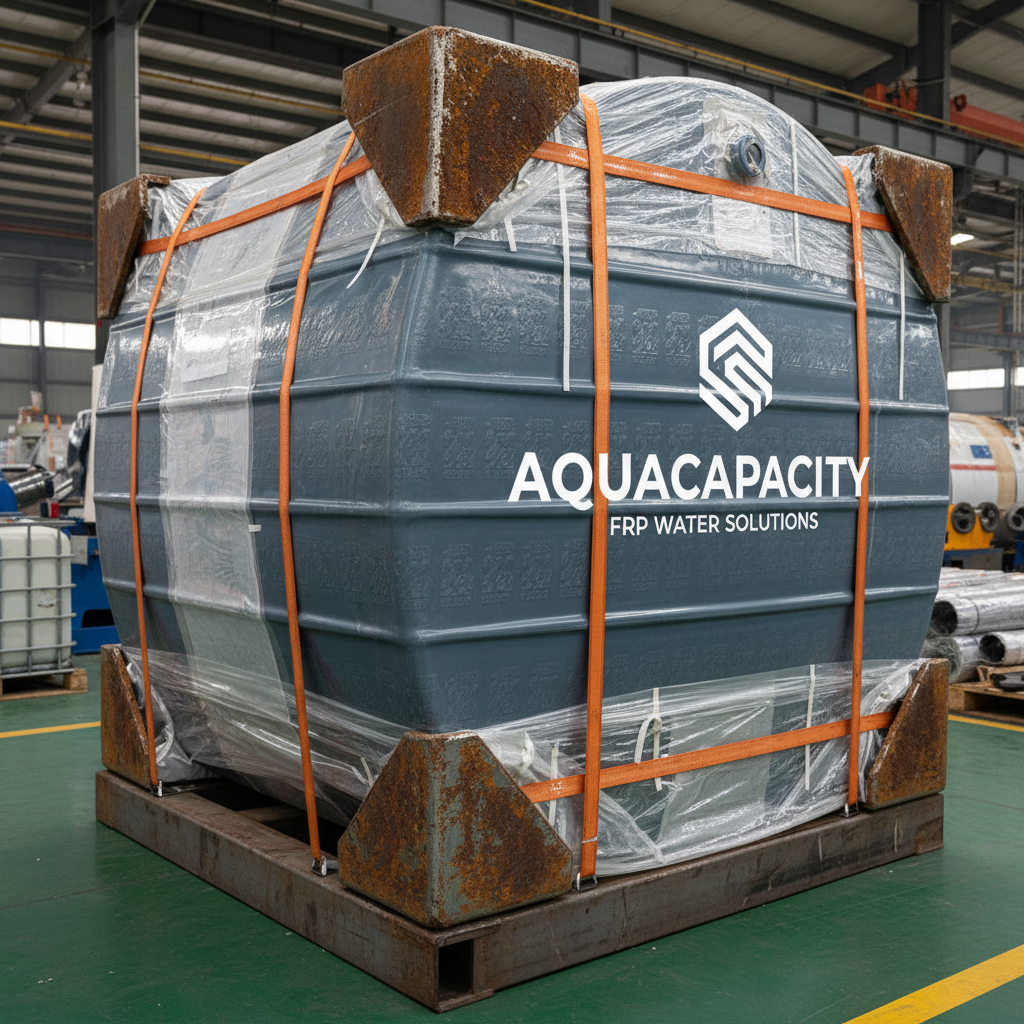
Fibreglass tanks are significantly lighter than their steel counterparts. This helps reduce transportation costs and simplifies installation—particularly beneficial in remote or hard-to-reach locations.

Cost Efficiency Over Time

While upfront costs may sometimes seem higher compared to plastic or metal tanks, the low maintenance demands and long life cycle can save businesses substantial money.

Customizability and Design Flexibility

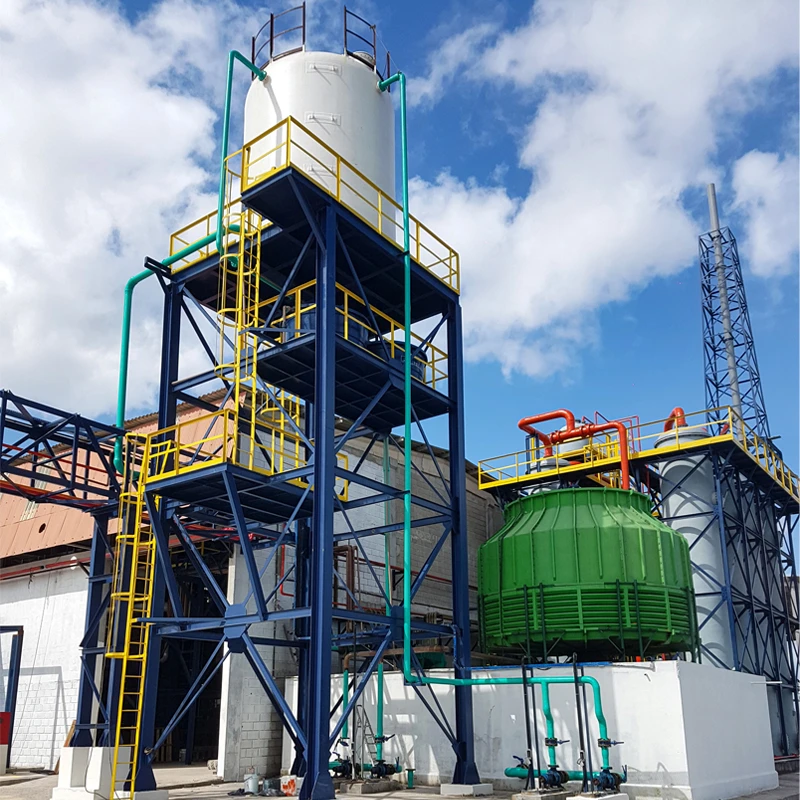
These tanks can be fabricated in a wide variety of sizes and shapes to fit specific needs. You can go for vertical, horizontal, or modular designs depending on the application. This flexibility also means they can be equipped with insulation, liners, or special coatings.

Environmental Sustainability

Fibreglass has a relatively smaller carbon footprint during installation compared to steel, and its longevity reduces waste. Moreover, its inert properties help in preventing contamination.

Fibreglass Storage Tanks in Action: Global Applications

These tanks have found homes in an array of industries and geographies:

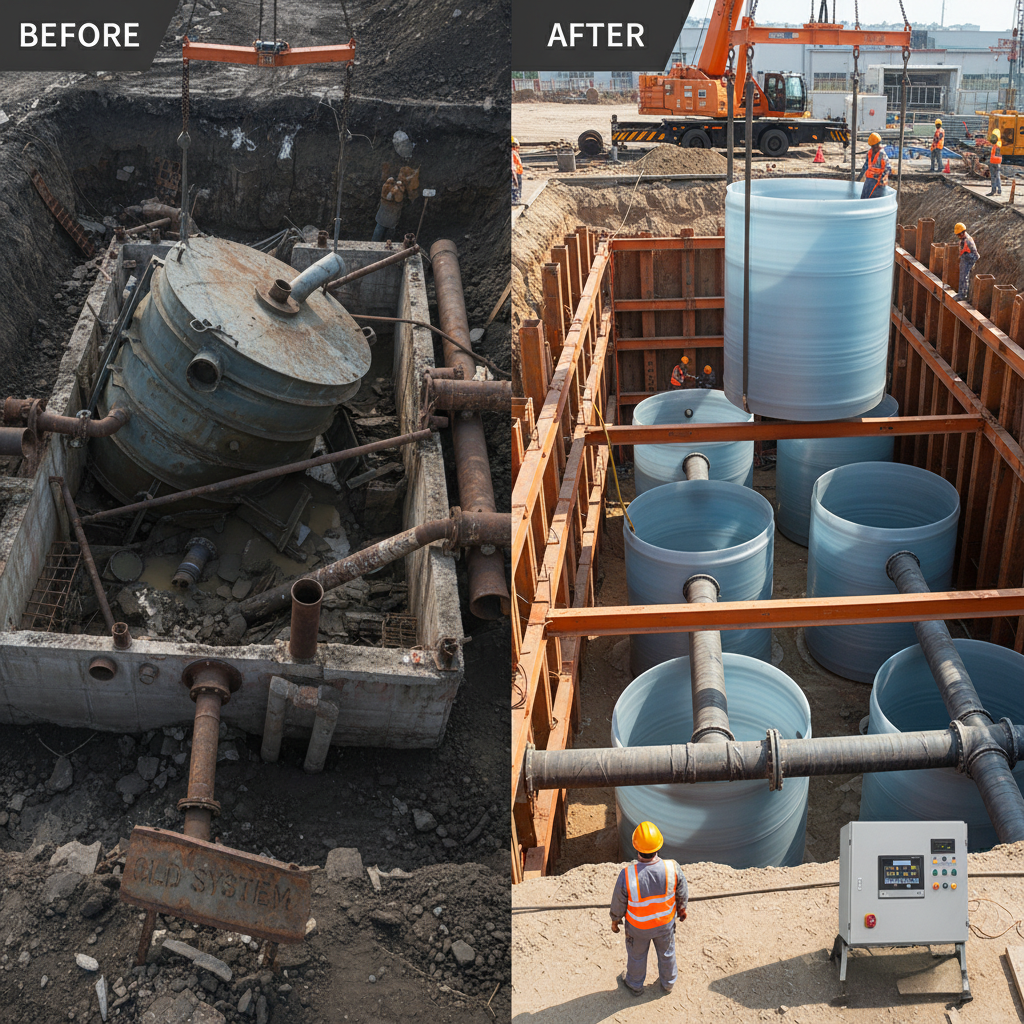
  • Water and Wastewater Management: Many municipalities in drought-stricken areas rely on fibreglass tanks to store clean water safely.
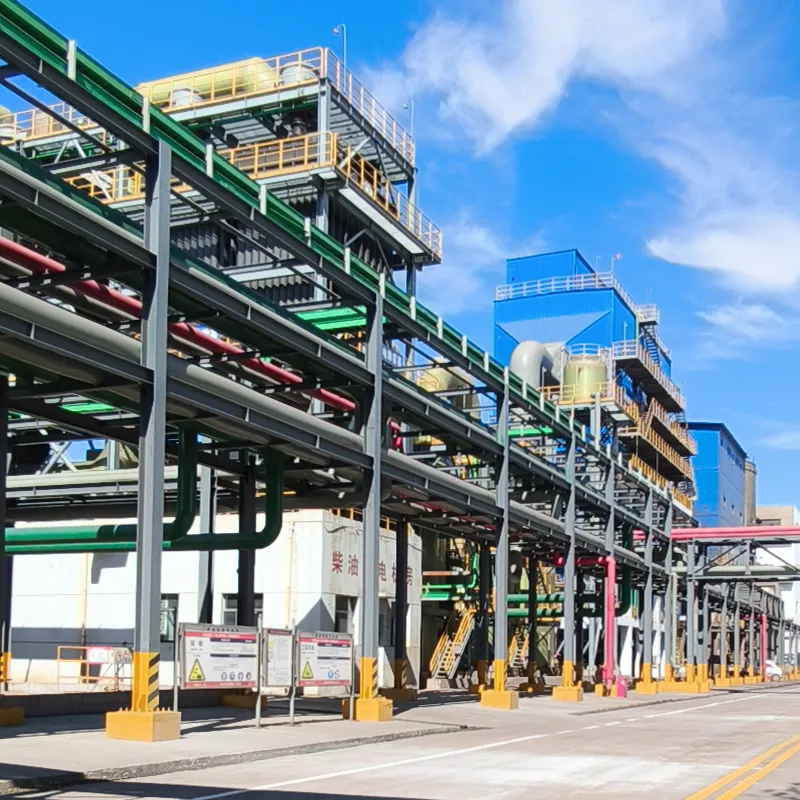
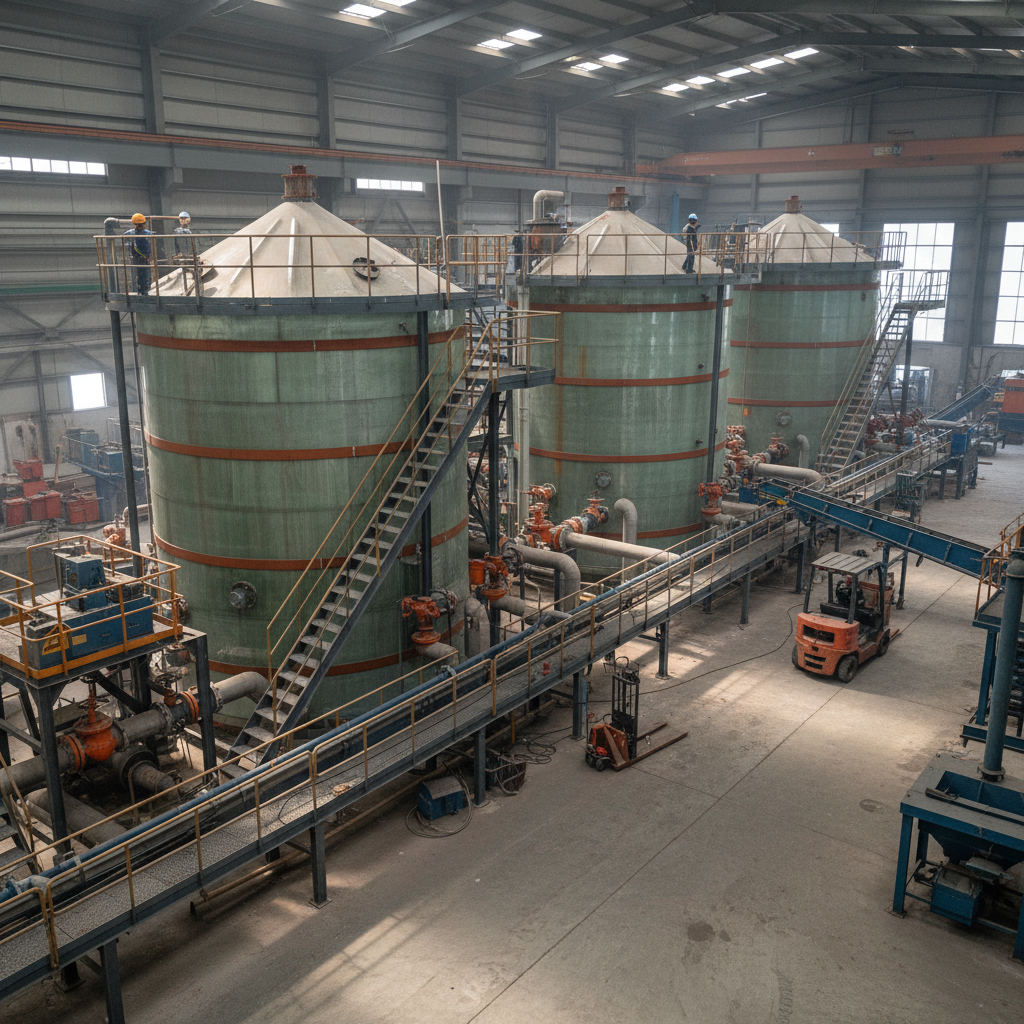
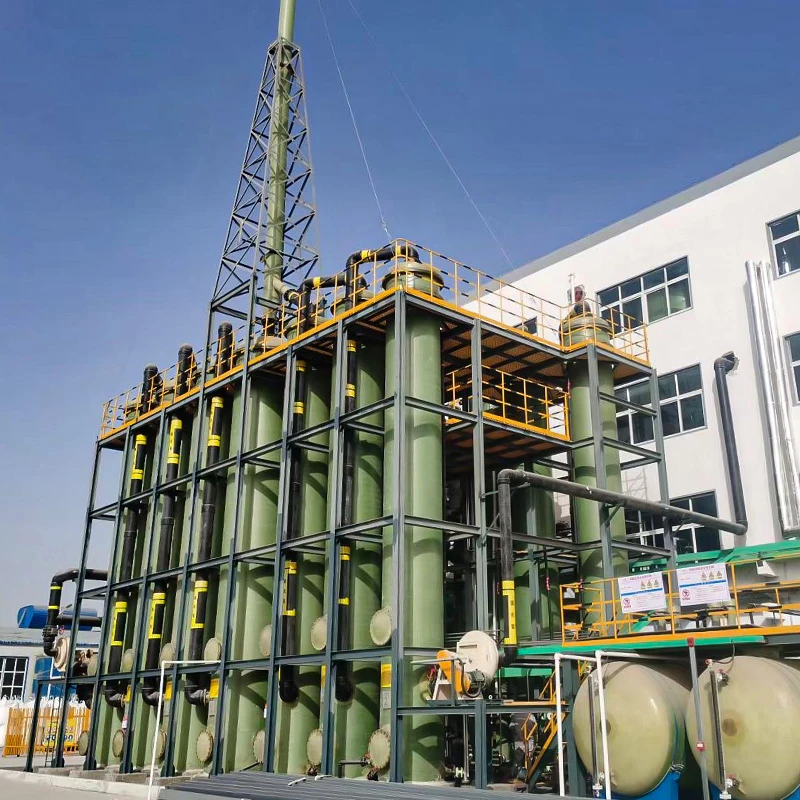
  • Chemical Processing Plants: Highly corrosive chemicals require containment solutions that won’t degrade—fibreglass fits the bill perfectly.
  • Oil & Gas Industry: From remote field sites to refineries, these tanks store fuel and lubricants safely and reliably.
  • Emergency and Humanitarian Aid: In disaster zones, quickly deployable fibreglass tanks store potable water, contributing to relief efforts.
  • Agriculture: For irrigation and fertilizer storage, fibreglass tanks offer a stable, corrosion-free option.

For example, in the aftermath of the 2019 Cyclone Idai in Mozambique, NGOs used fibreglass water tanks extensively for their ease of transport and resistance to contamination, restoring access to safe water faster than many alternatives.

Quick Summary

  • Resistant to corrosion and chemical attack
  • Light and easy to install
  • Cost-effective over time
  • Highly customizable
  • Environmentally friendly

Product Specifications: Typical Fibreglass Storage Tanks

Specification Typical Value
Material Glass Fiber Reinforced Plastic (GRP)
Capacity Range 1,000 to 100,000 liters
Temperature Range -40°C to 120°C
Typical Lifespan 20+ years
UV Resistance Excellent, ASTM tested

Comparing Major Fibreglass Storage Tank Vendors

Feature Vendor A Vendor B Vendor C
Customization Options High Medium High
Max Capacity (liters) 100,000 75,000 90,000
Lead Time (weeks) 6-8 4-6 8-10
Warranty 10 years 7 years 15 years
Price Range $$$ $$ $$$$

Advantages & Long-Term Value

Fibreglass storage tanks bring more than just technical benefits. They build trust—you can literally see fewer leaks, less rust, and longer durability. Frankly, for industries storing potable water, this means safer drinking water, which relates directly to human dignity and health. Socially, communities relying on these tanks enjoy greater resilience during shortages or emergencies.

Economically, reduced maintenance and repair costs translate into more predictable budgeting. Plus, their resistance to bacteriological growth helps maintain water quality, which can be the difference between health and hardship in many developing regions.

Future Trends & Innovations

Looking ahead, fibreglass tank technology is inching towards even smarter solutions. We see developments like:

  • Integration of sensors for remote monitoring to detect leaks or chemical imbalances.
  • Use of bio-based resins to improve sustainability further.
  • Hybrid tanks that combine fibreglass with insulation materials for energy-efficient storage.
  • Modular designs for easier scalability and transport.

These advances align with global pushes for green energy and digitalization, giving fibreglass storage tanks a bright and innovative future.

Challenges & Solutions

Like any technology, fibreglass tanks come with challenges. UV degradation can occur if poor-quality coatings are applied. Also, while lightweight, large tanks may require specialized supports. Installation in extremely cold regions can affect resin performance unless specifically formulated.

Experts recommend rigorous quality control during manufacturing and proper site assessment before installation. Advances in resin chemistry and protective gel coats are constantly addressing these issues, making tanks tougher and more adaptable every year.

FAQ: Frequently Asked Questions About Fibreglass Storage Tanks

  • Q: How long do fibreglass storage tanks usually last?
    A: Typically, these tanks have a lifespan exceeding 20 years, depending on their use and maintenance. Proper installation and UV protection extend this considerably.
  • Q: Are fibreglass tanks suitable for drinking water storage?
    A: Absolutely. When made with FDA-compliant resins and proper liners, fibreglass tanks are safe for potable water.
  • Q: Can fibreglass tanks withstand extreme weather conditions?
    A: Yes, with correct design and protective coatings, they perform well in harsh environments—from salty coastal zones to freezing temperatures.
  • Q: How do I choose a vendor for fibreglass storage tanks?
    A: Look for certifications (ISO, ASTM), warranty offers, customizable options, and proven industry experience. It’s also worth checking references or case studies.
  • Q: What maintenance do these tanks require?
    A: Routine inspections for surface damage and cleaning to prevent sediment buildup are generally sufficient.

Conclusion

Fibreglass storage tanks offer a compelling mix of durability, flexibility, and sustainability that the modern industrial landscape—and many humanitarian projects—need. They combine technical sophistication with practical long-term savings and social benefits. If you want to explore cutting-edge options or learn more, don’t hesitate to visit our website: fibreglass storage tanks.

In real terms, these tanks reflect the intersection of material science and global needs, proving that innovation can be practical, trusted, and impactful.
References:

  1. ISO Standards for Composite Materials
  2. UN Water Scarcity Report
  3. Fiberglass - Wikipedia
Upsell Products
Upsell News
Guide to Fiber Water Tank Price and FRP Storage Costs
Jul 01,2026
Guide to Fiber Water Tank Price and FRP Storage Costs
Understanding Fiber Water Tank Price: A Comprehensive Investment Guide When searching for a reliable liquid storage solution, understanding the factors that influence fiber water tank price is essential for optimizing your operational budget. Fiber-Reinforced Plastic FRP tanks have become the industry standard for water and chemical storage due to their exceptional corrosion resistance and structural integrity. Whether you are managing a municipal water project or an industrial chemical plant, selecting the right tank requires a balance between initial cost and long-term durability. In this guide, we will explore the variables that drive pricing and why FRP remains the most cost-effective choice
Guide to Fibreglass Water Tank Prices and FRP Investment
Jun 29,2026
Guide to Fibreglass Water Tank Prices and FRP Investment
Understanding Fibreglass Water Tank Prices: A Comprehensive Investment Guide When planning water storage for industrial or commercial applications, understanding the factors that influence fibreglass water tank prices is essential for optimizing your budget. Fibreglass Reinforced Plastic FRP tanks offer a superior alternative to steel or concrete due to their corrosion resistance and lightweight nature. Whether you are in the petroleum, chemical, or drainage industry, selecting a tank that balances cost with long-term durability is key. In this guide, we will explore the pricing drivers, technical advantages, and specifications of high-quality FRP storage solutions to help you make an informed purchasing decision.
Industrial Fiberglass Water Tank Price and Buyers Guide
Jun 27,2026
Industrial Fiberglass Water Tank Price and Buyers Guide
Analyzing Fiberglass Water Tank Price: A Comprehensive Buyers Guide When investing in industrial water storage, understanding the fiberglass water tank price is essential for effective budget planning and operational efficiency. Fiberglass Reinforced Plastic FRP tanks have become the gold standard in water quality pollution prevention and chemical storage due to their exceptional corrosion resistance and durability. Whether you are managing a municipal water system or a specialized manufacturing plant, choosing the right tank involves balancing initial costs with long-term lifecycle value. In this guide, we will break down the factors that influence pricing and why FRP is often the most cost-effective choice
Comprehensive Guide to GRP Sectional Water Tanks Prices and Quality
Jun 26,2026
Comprehensive Guide to GRP Sectional Water Tanks Prices and Quality
Selecting the right water storage solution is critical for industrial, commercial, and residential infrastructure. When evaluating grp sectional water tanks prices, it is essential to look beyond the initial sticker price and consider the total cost of ownership, including durability, installation ease, and maintenance. Glass Reinforced Plastic GRP tanks offer a superior alternative to traditional steel or concrete, providing exceptional corrosion resistance and modular flexibility. In this guide, we will explore the factors that influence pricing and why GRP remains the gold standard for modern water management.
Guide to Understanding FRP Tank Cost and Investment Value
Jun 25,2026
Guide to Understanding FRP Tank Cost and Investment Value
Understanding FRP Tank Cost: A Comprehensive Guide to Investment and Value When investing in industrial storage solutions, understanding the frp tank cost is essential for accurate budgeting and long-term operational planning. Fiber Reinforced Plastic FRP tanks offer an exceptional balance of corrosion resistance, structural strength, and longevity, making them the preferred choice for chemical, petroleum, and water treatment industries. While initial pricing can vary based on specifications, the total cost of ownership is often significantly lower than traditional steel tanks due to reduced maintenance. In this guide, we will explore the factors influencing pricing and the advanced machinery used to produce these high-performance vessels.
Best Industrial 500 gallon chemical tank for Storage and Safety
Jun 23,2026
Best Industrial 500 gallon chemical tank for Storage and Safety
Choosing the Best 500 Gallon Chemical Tank for Industrial Storage When managing hazardous materials or industrial fluids, the integrity of your storage system is non-negotiable. A high-quality 500 gallon chemical tank provides the perfect balance between capacity and footprint, making it an ideal choice for mid-sized operations, water treatment facilities, and chemical processing plants. Selecting the right material and design ensures not only the safety of your personnel but also the longevity of your assets. In this guide, we will explore the critical factors you need to consider to optimize your chemical storage efficiency and compliance.
Safe and Efficient Industrial Chemical Storage Tanks Guide
Jun 21,2026
Safe and Efficient Industrial Chemical Storage Tanks Guide
Maximizing Safety and Efficiency with Industrial Chemical Storage Tanks In the modern industrial landscape, the secure management of hazardous materials is not just a regulatory requirement but a critical safety priority. Selecting the right industrial chemical storage tanks is essential for preventing leaks, reducing environmental impact, and ensuring the longevity of your infrastructure. Whether you are dealing with highly corrosive acids or volatile solvents, the material composition and design of your storage system determine your operational risk. This guide explores the technical nuances of chemical storage to help you make an informed investment for your facility.
Best Guide to Choosing a Durable 200 Gallon Chemical Tank
Jun 20,2026
Best Guide to Choosing a Durable 200 Gallon Chemical Tank
The Ultimate Guide to Choosing a 200 Gallon Chemical Tank Finding the right storage solution for hazardous or corrosive substances is critical for industrial safety and operational efficiency. A 200 gallon chemical tank offers a versatile mid-size capacity, ideal for businesses that need a balance between space-saving design and sufficient volume for chemical processing. Whether you are dealing with acids, bases, or specialty solvents, the material composition of your tank determines its lifespan and your facilitys safety. In this guide, we will explore the technical specifications, material options, and best practices for maintaining these essential industrial assets.
Industrial Fiberglass Water Storage Tanks Guide for Efficiency
Jun 18,2026
Industrial Fiberglass Water Storage Tanks Guide for Efficiency
The Ultimate Guide to Fiberglass Water Storage Tanks for Industrial Use Selecting the right containment system is critical for maintaining water purity and operational efficiency. fiberglass water storage tanks have emerged as a superior alternative to traditional steel or concrete reservoirs. Combining high strength-to-weight ratios with exceptional corrosion resistance, these tanks are designed to withstand the harshest environmental conditions while ensuring the longevity of your infrastructure. Whether you are managing a municipal water system or an industrial chemical process, understanding the advantages of FRP Fiber Reinforced Plastic technology is the first step toward a sustainable storage solution.
Industrial Storage Guide for Modular Sectional Water Tanks
Jun 13,2026
Industrial Storage Guide for Modular Sectional Water Tanks
When managing large-scale water storage, efficiency and scalability are non-negotiable. Sectional water tanks offer a versatile and robust solution for industries requiring customized capacities and easy installation in restricted spaces. Unlike monolithic tanks, these systems are engineered from modular panels, allowing for precise sizing and seamless transport to remote sites. Whether it is for fire protection, potable water, or industrial processing, choosing the right tank configuration can significantly impact the longevity and reliability of your water infrastructure. In this guide, we explore why these modular systems are the preferred choice for modern engineering projects worldwide.
Industrial Safety Guide for Double Wall Chemical Tanks
Jun 11,2026
Industrial Safety Guide for Double Wall Chemical Tanks
In the world of industrial chemical storage, containment is not just a preferenceit is a critical safety requirement. double wall chemical tanks provide a sophisticated layer of security, ensuring that hazardous materials are contained even if the primary vessel fails. By utilizing a tank-within-a-tank design, these systems prevent catastrophic leaks, protect the surrounding environment, and ensure compliance with strict regulatory standards. Whether you are managing a water treatment plant or a chemical manufacturing facility, understanding the nuances of secondary containment is essential for operational longevity and risk mitigation.
High Efficiency and Durability of Fiberglass Storage Tanks
Jun 09,2026
High Efficiency and Durability of Fiberglass Storage Tanks
In the world of industrial liquid containment, choosing the right material is critical for safety, longevity, and cost-effectiveness. fiberglass storage tanks , also known as FRP Fiber Reinforced Plastic tanks, have emerged as the gold standard for storing corrosive chemicals, water, and hazardous materials. Unlike traditional metal tanks, fiberglass offers an unparalleled combination of strength and chemical inertness. Whether you are managing a municipal water system or a complex chemical processing plant, understanding the advantages of these advanced composite structures is essential for optimizing your infrastructure and reducing long-term maintenance costs.
Durable FRP Vessel for Water Treatment and Industrial Filtration
Apr 16,2026
Durable FRP Vessel for Water Treatment and Industrial Filtration
In the modern era of industrial and residential water purification, the choice of containment materials is critical for efficiency and longevity. An frp vessel for water treatment has emerged as the gold standard, replacing traditional steel tanks due to its superior corrosion resistance and lightweight properties. Whether you are dealing with desalination, softening, or filtration, using Fiber Reinforced Plastic (FRP) ensures that your system remains leak-proof and durable against aggressive chemicals. In this comprehensive guide, we will explore why FRP is the preferred choice for water treatment professionals worldwide and how to select the right vessel for your specific application.
Industrial Guide for Choosing the Right FRP Vertical Tank
Apr 09,2026
Industrial Guide for Choosing the Right FRP Vertical Tank
In today's industrial landscape, the storage of corrosive chemicals and aggressive liquids requires materials that can withstand extreme conditions without degrading. The frp vertical tank has emerged as a premier solution, offering an exceptional balance of strength, lightweight properties, and unmatched chemical resistance. Whether you are managing a water treatment plant or a chemical processing facility, understanding the nuances of Fiber Reinforced Plastic (FRP) is essential for ensuring operational safety and longevity. In this comprehensive guide, we will explore why vertical configurations are preferred and how these tanks outperform traditional metal alternatives.
Comprehensive Guide to FRP Underground Water Tank Solutions and Applications
Apr 07,2026
Comprehensive Guide to FRP Underground Water Tank Solutions and Applications
Fiberglass Reinforced Polymer (FRP) underground water tanks are becoming increasingly popular for a wide range of applications, from potable water storage to industrial wastewater containment. Their superior corrosion resistance, lightweight nature, and design flexibility make them an excellent alternative to traditional materials like concrete or steel. This article will delve into the benefits, applications, construction, and considerations for implementing FRP underground water tanks, providing a comprehensive overview for engineers, contractors, and project managers.
Comprehensive Guide to Frp Underground Water Storage Tanks and Their Applications
Apr 04,2026
Comprehensive Guide to Frp Underground Water Storage Tanks and Their Applications
When considering water storage solutions, particularly for industrial, agricultural, or municipal applications, frp underground water storage tanks stand out as a durable, cost-effective, and environmentally friendly option. These tanks are increasingly favored over traditional materials like concrete or steel due to their superior corrosion resistance, lighter weight, and ease of installation. This article delves into the benefits, applications, construction, and considerations when choosing an FRP tank, providing a detailed overview for potential buyers and project planners.
For More Details Pls Contact Us
Thank you for your interest in our gloves! We offer high-quality, durable, and comfortable gloves with fast delivery and competitive prices. For any questions or customization, feel free to contact us. We look forward to working with you!

If you are interested in our products, you can choose to leave your information here, and we will be in touch with you shortly.