Dec 02,2025

Fibreglass Underground Storage Tanks: Durable, Sustainable, and Cost-effective Solutions

Understanding Fibreglass Underground Storage Tanks: A Sustainable Solution for Today’s Industrial and Environmental Needs

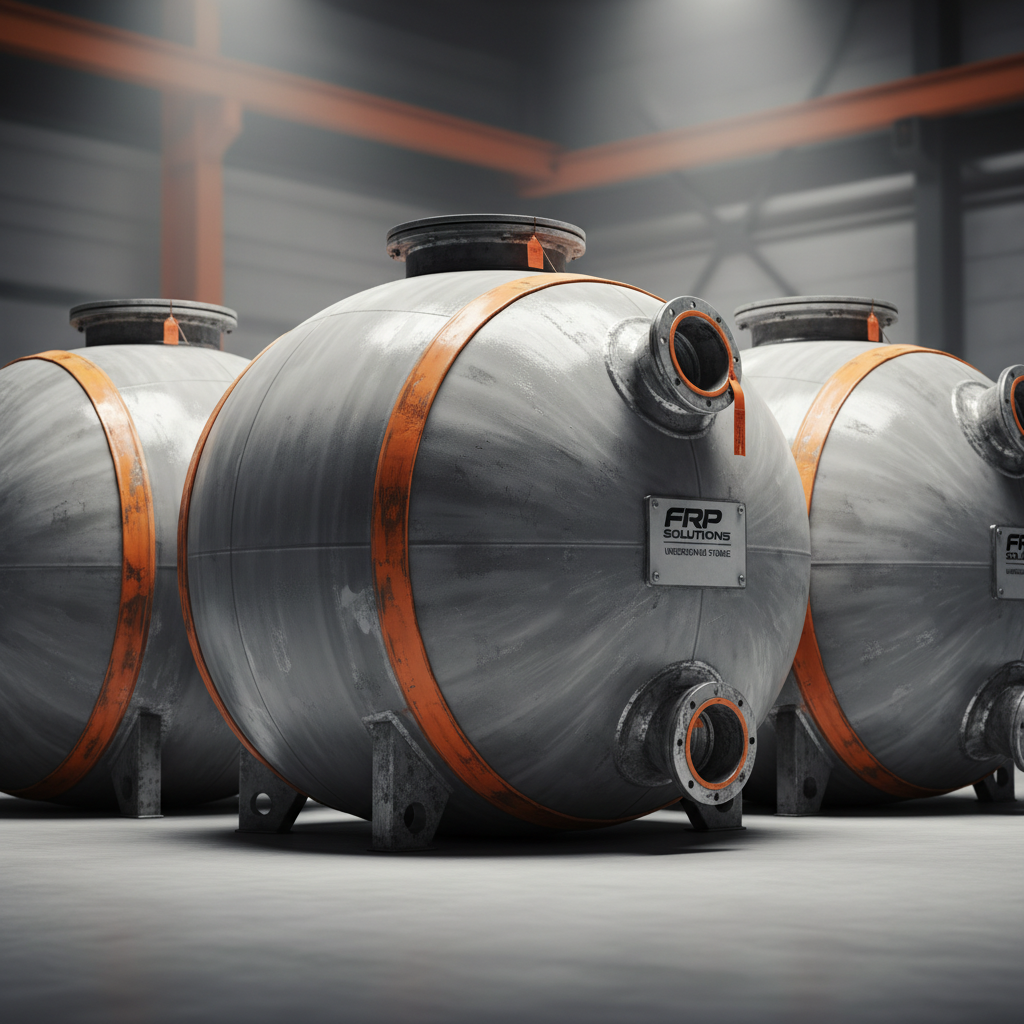
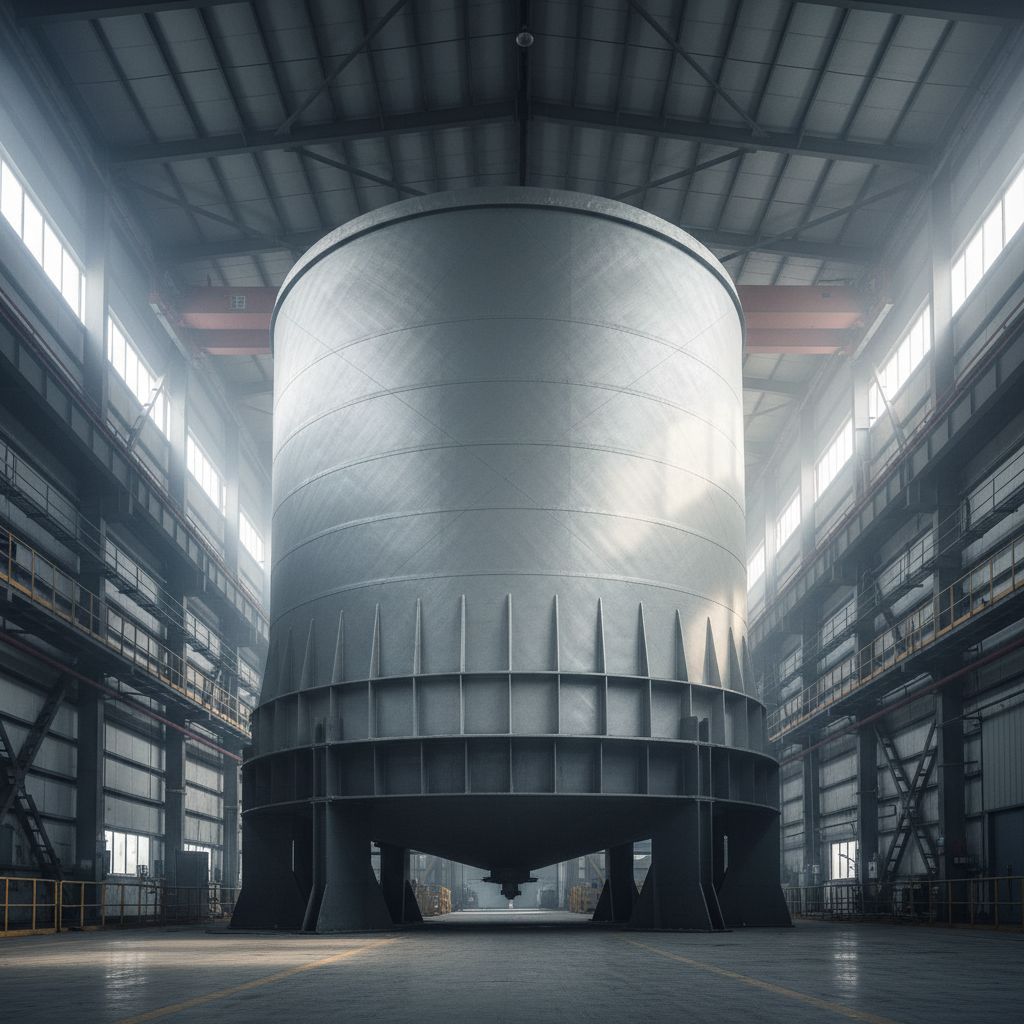
Fibreglass underground storage tanks, or FRP (Fibreglass Reinforced Plastic) tanks, are quietly revolutionizing how industries and communities manage storage beneath the surface – from fuel and chemicals to water and wastewater. You might wonder why these composite tanks matter globally. Well, consider the mounting pressures on urban infrastructure, environmental safety regulations, and the urgent need for durable, corrosion-resistant storage systems. In many parts of the world, especially regions prone to flooding or with fragile ecosystems, fibreglass underground storage tanks offer a reliable, cost-effective, and sustainable alternative to traditional steel or concrete tanks. Their advantages go beyond simple storage – they’re part of a bigger movement toward safer, long-term environmental stewardship.

Mini takeaway: Fibreglass underground storage tanks address critical global challenges by combining durability, environmental safety, and cost-efficiency.

Global Context: Why Fibreglass Underground Storage Tanks Are Gaining Traction

Globally, the underground storage tank market is expanding rapidly. According to recent ISO standards and environmental guidelines, there’s a growing demand for corrosion-resistant, leak-proof storage solutions to prevent groundwater contamination and comply with stricter environmental policies. In fact, UN reports have highlighted the importance of clean water and chemical safety storage in achieving the Sustainable Development Goals (SDGs). Fibreglass tanks, with their non-corrodible properties, not only reduce environmental hazards but also ease maintenance costs.

Take the energy sector in Southeast Asia or the agricultural industries in the American Midwest, for example: each is challenged by different environmental conditions but shares a common need for reliable underground storage tanks. Yet, older steel tanks have historically failed due to corrosion, leaks, or complicated installation. Fibreglass tanks are stepping up in these markets, promising longevity and resilience.

Defining Fibreglass Underground Storage Tanks

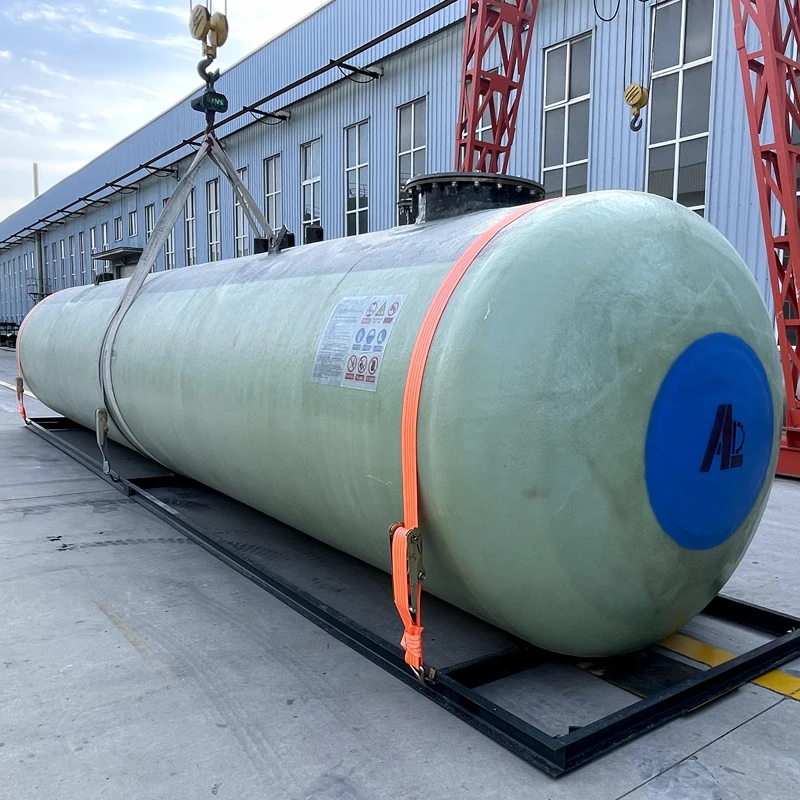
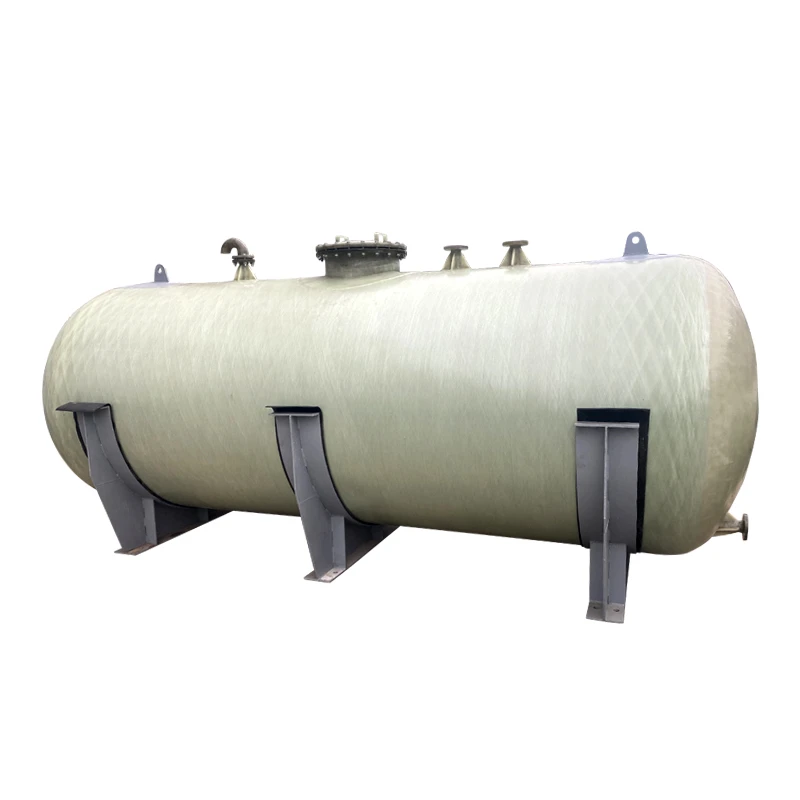
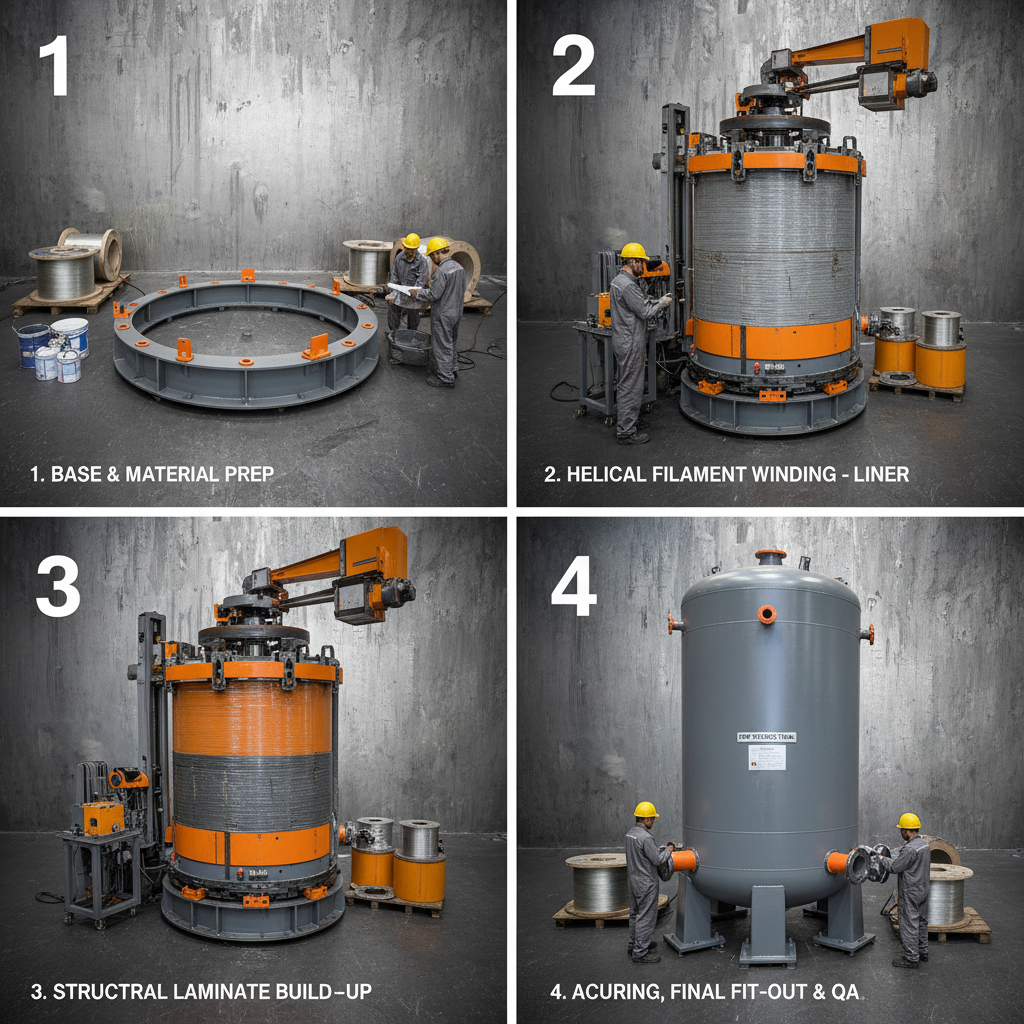
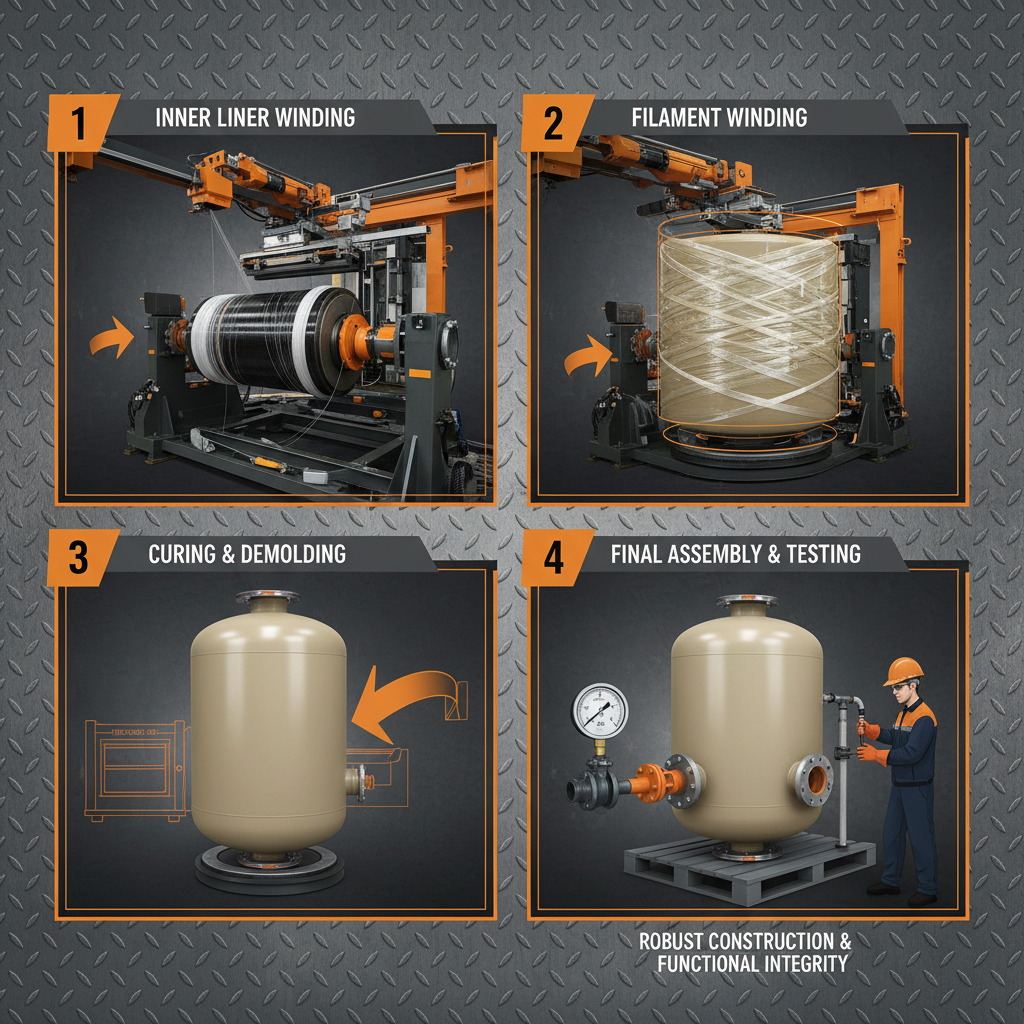
In simple terms, fibreglass underground storage tanks are containers made primarily from fiberglass reinforced plastic composites, buried below ground level for storing liquids such as water, fuel, or chemicals. The “fibreglass” refers to glass fiber materials embedded in resin to produce a lightweight, strong, and corrosion-resistant vessel. This material allows tanks to better withstand external pressures and chemical exposure compared to their metallic counterparts.

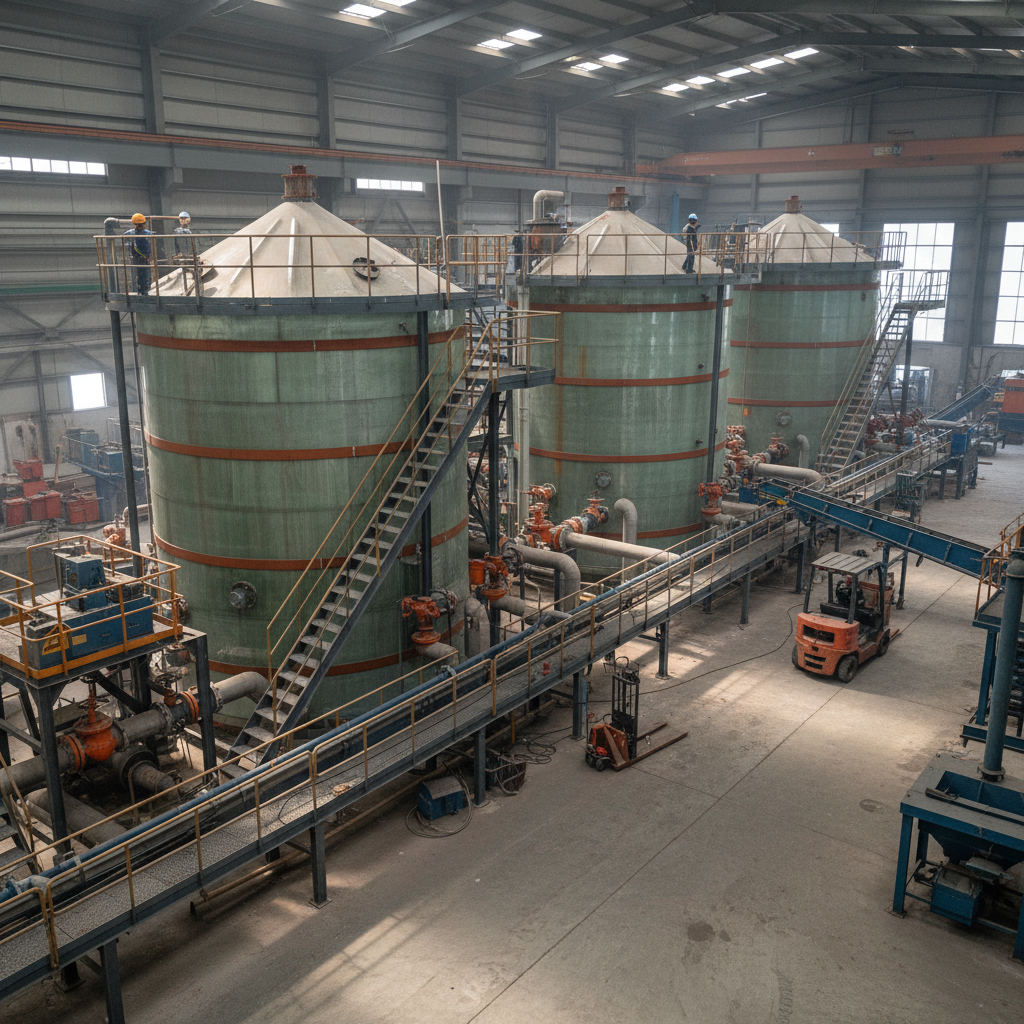
These tanks are widely employed in industries where safety, reliability, and environmental protection are paramount. For instance, municipal water treatment plants rely on fibreglass tanks to store potable water safely without the risk of metal contamination. Similarly, remote industrial operations find them essential for chemically aggressive fluids.

Core Components and Key Factors for Success

1. Durability

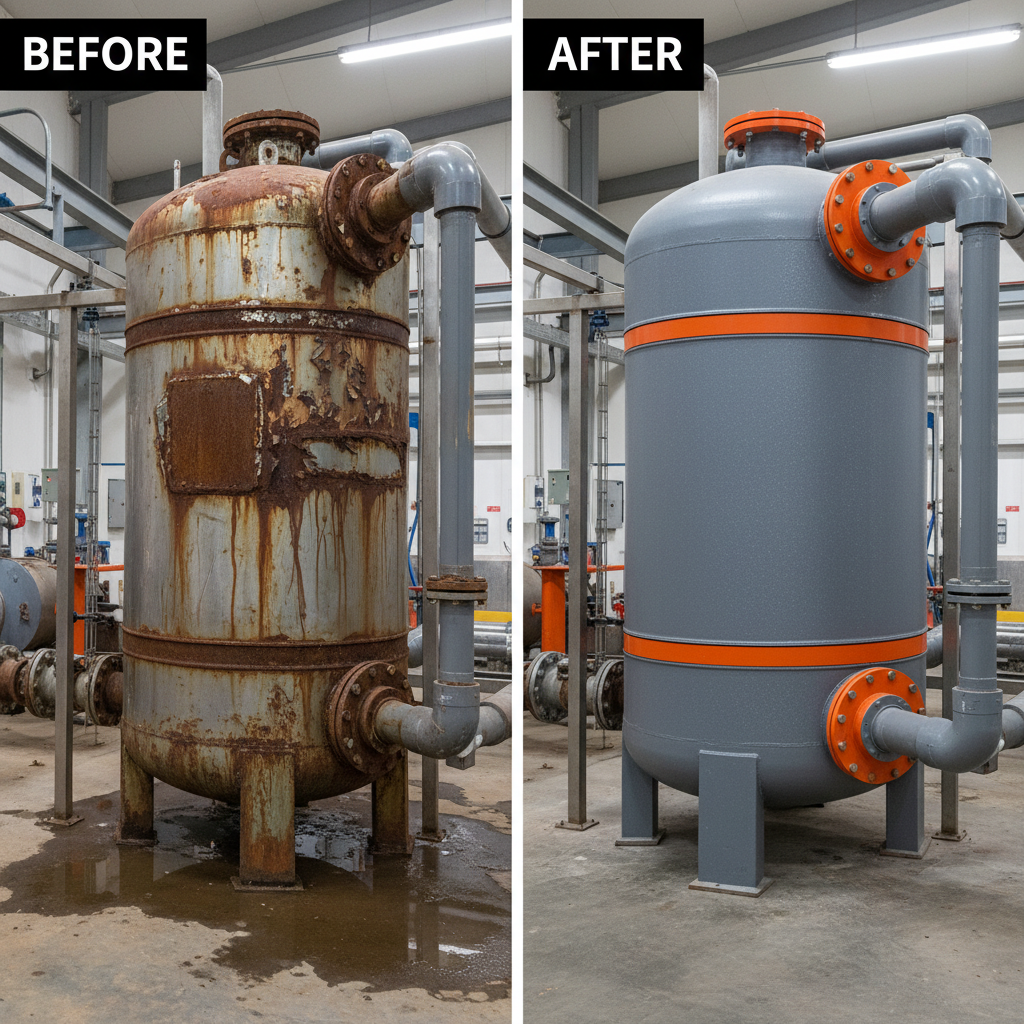
Fibreglass’s inherent resistance to corrosion makes these tanks last decades underground with minimal degradation, even in aggressive soil conditions.

2. Chemical Resistance

Unlike steel tanks that rust or react with many stored liquids, fibreglass tanks withstand acid, alkali, and hydrocarbon exposure without compromising structural integrity.

3. Lightweight and Easy Installation

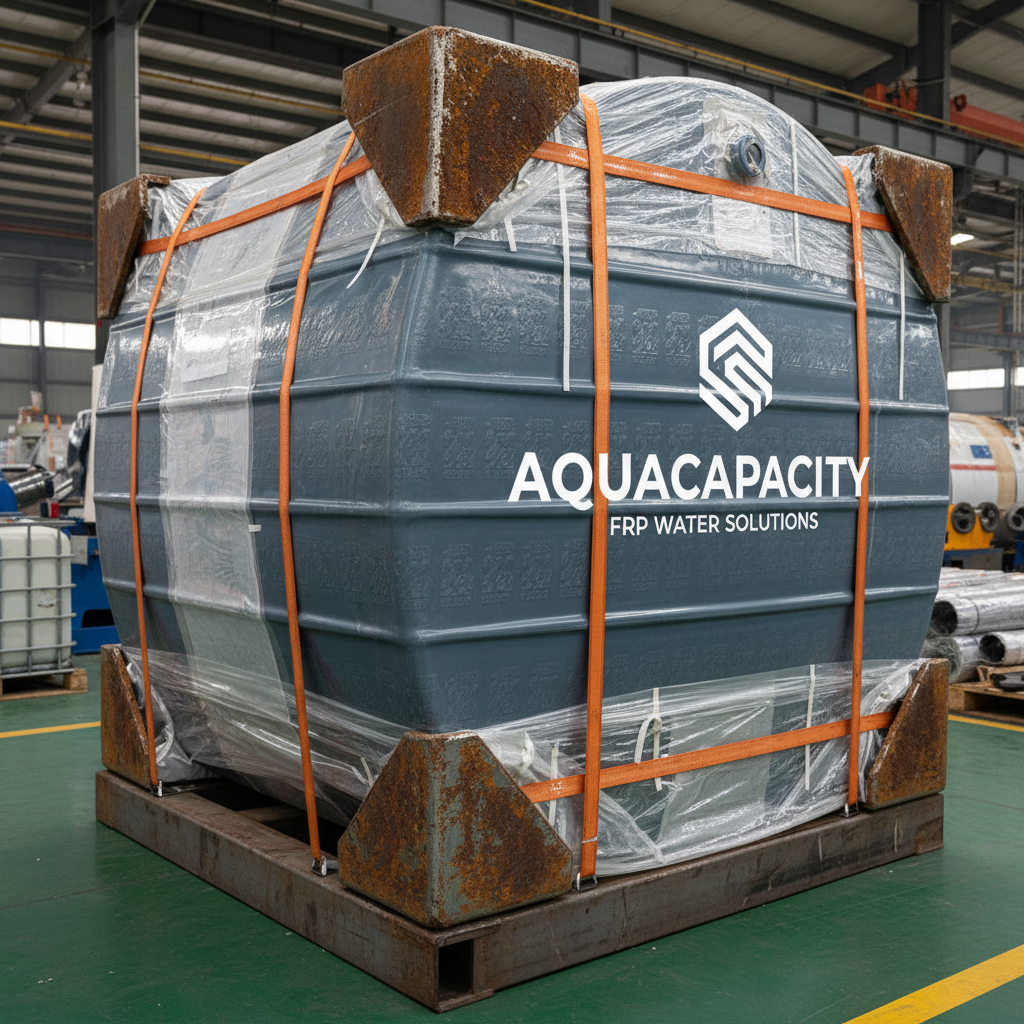
It’s surprising how much weight this saves – reducing installation costs and allowing for easier transport to remote sites where heavy machinery may be unavailable.

4. Cost Efficiency

While the initial investment might be slightly higher than traditional materials, lower maintenance costs and a longer life cycle often make fibreglass tanks more economical in the long run.

5. Environmental Safety

Designed to be leak-tight, these tanks guard groundwater from contamination, helping companies comply with stringent environmental regulations.

6. Scalability

They come in a wide range of sizes, from small residential use to large industrial-scale tanks, adaptable for multiple applications.

Mini takeaway: Durability, chemical resistance, and environmental safety are the pillars that make fibreglass underground storage tanks attractive globally.

Product Specification Table: Example Fibreglass Underground Storage Tank

Specification Details
Material Fibreglass Reinforced Plastic (FRP)
Diameter Range 1.0m to 4.0m
Length Range 2.0m to 12.0m
Capacity 5,000 to 150,000 liters
Operating Temperature -40°C to 80°C
Pressure Rating Atmospheric to 2 bar

Global Applications and Real-World Use Cases

It’s fascinating how fibreglass underground storage tanks serve in vastly different environments. In disaster relief, NGOs use these tanks to provide safe drinking water storage quickly after floods or earthquakes. Their light weight means rapid deployment, and their corrosion resistance ensures safe storage over time—even in challenging soil conditions.

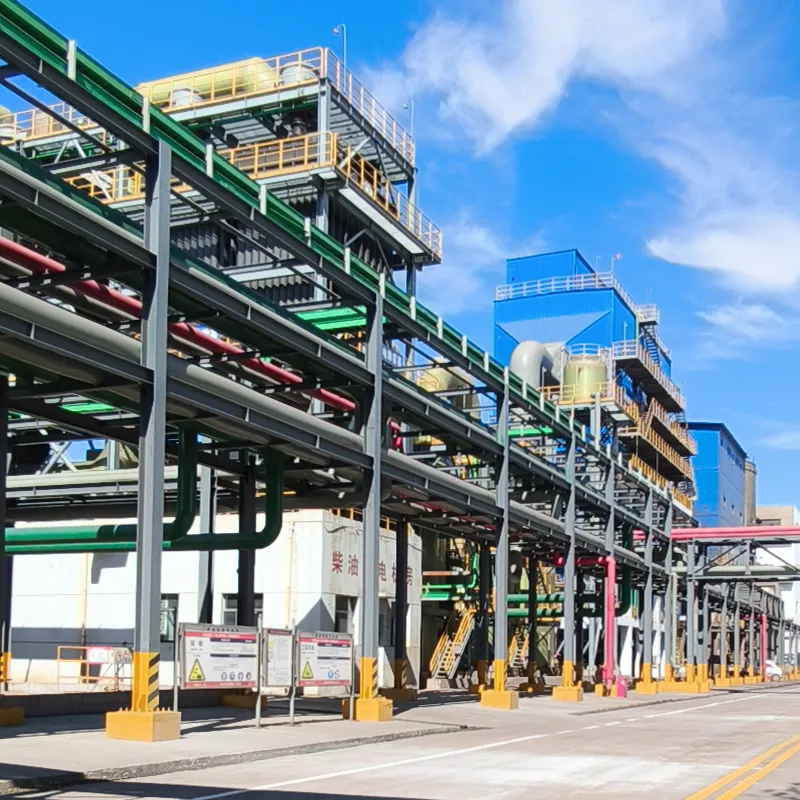
Remote industrial operations, such as mining in Australia or oil extraction in Canada’s far north, rely on fibreglass tanks to store fuels and chemicals safely underground, minimizing pollution risks and reducing fire hazards.

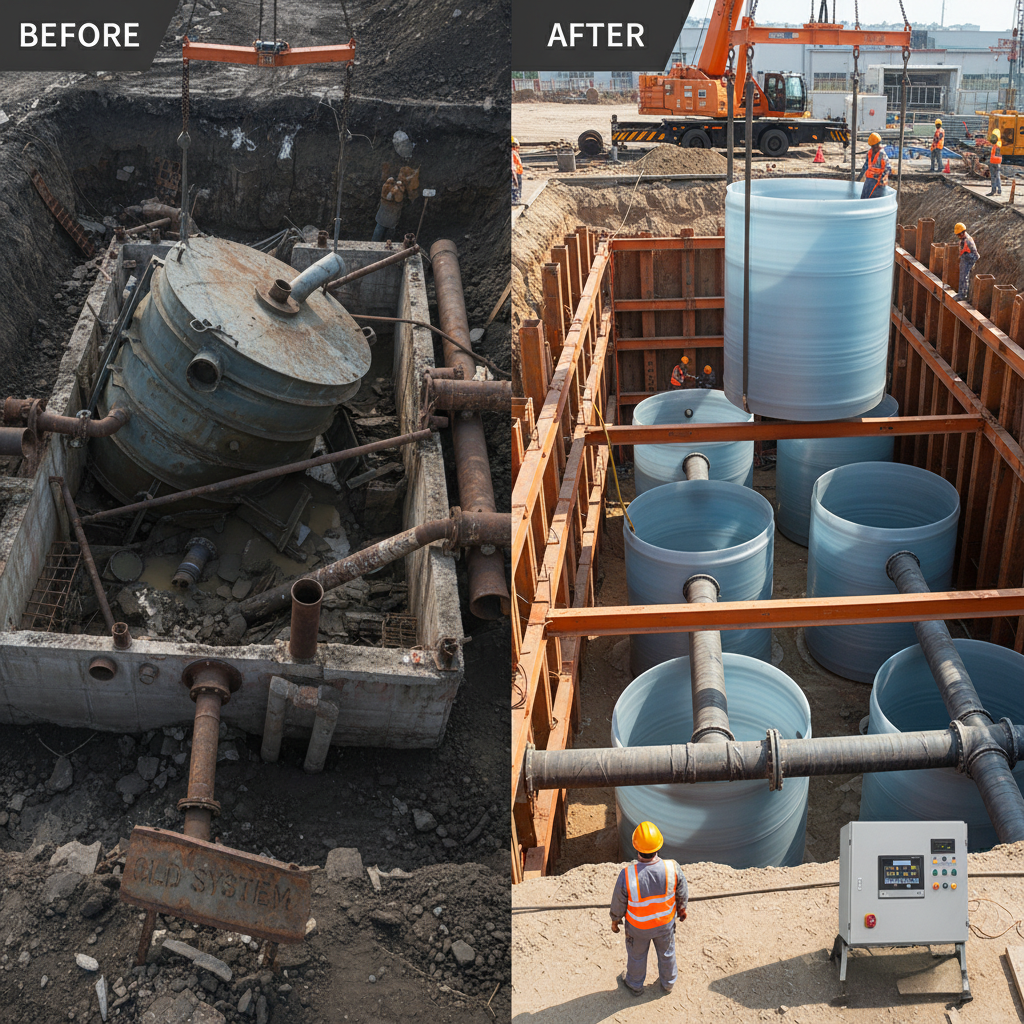
Several water utilities in Europe, aiming to upgrade aging infrastructure, have replaced or supplemented concrete tanks with fibreglass variants; the enhanced lifespan and lower maintenance have proven beneficial in cost and service continuity. They’re also popular in agriculture for liquid fertilizers and irrigation water.

Mini takeaway: Whether it’s humanitarian aid, industrial safety, or municipal water management, fibreglass underground storage tanks are proving their versatility worldwide.

Vendor Comparison Table: Popular Fibreglass Tank Manufacturers

Vendor Product Range Certifications Lead Time Key Strength
Company A 5,000-100,000L tanks ISO 9001, UL 1316 4-6 weeks Custom design capability
Company B Up to 150,000L capacity API 650 6-8 weeks High chemical resistance
Company C Small to medium tanks ISO 14001 3-5 weeks Eco-friendly manufacturing

Advantages and Long-Term Value

Choosing fibreglass underground storage tanks feels like investing in peace of mind — after all, nobody wants leaks contaminating soil or groundwater, right? Beyond just safety, these tanks often pay for themselves through lower maintenance and longer service life. Sustainability is a buzzword, but here it’s real: fibreglass tanks can be recycled or remanufactured, which isn’t something you can say for every material out there.

And emotionally? Operators and communities trust these tanks because failures are rare. That translates to safety for people nearby and dignity for residents who rely on clean water or fuel security. But innovation hasn’t stood still—there’s more coming, as we’ll see.

Future Trends & Innovations in Fibreglass Underground Storage Tanks

The sector is evolving—green chemistry is influencing resin materials to be more eco-friendly, and manufacturers explore digital sensors embedded in tanks to monitor integrity in real-time. Automation and smart maintenance reduce downtime and prevent leaks before they happen.

Manufacturers are also investigating hybrid materials combining fibreglass with bio-based resins to lower carbon footprints. International environmental standards keep pushing for innovation, and frankly, the industry is responding in kind, marrying sustainability with robustness.

Challenges and Expert Solutions

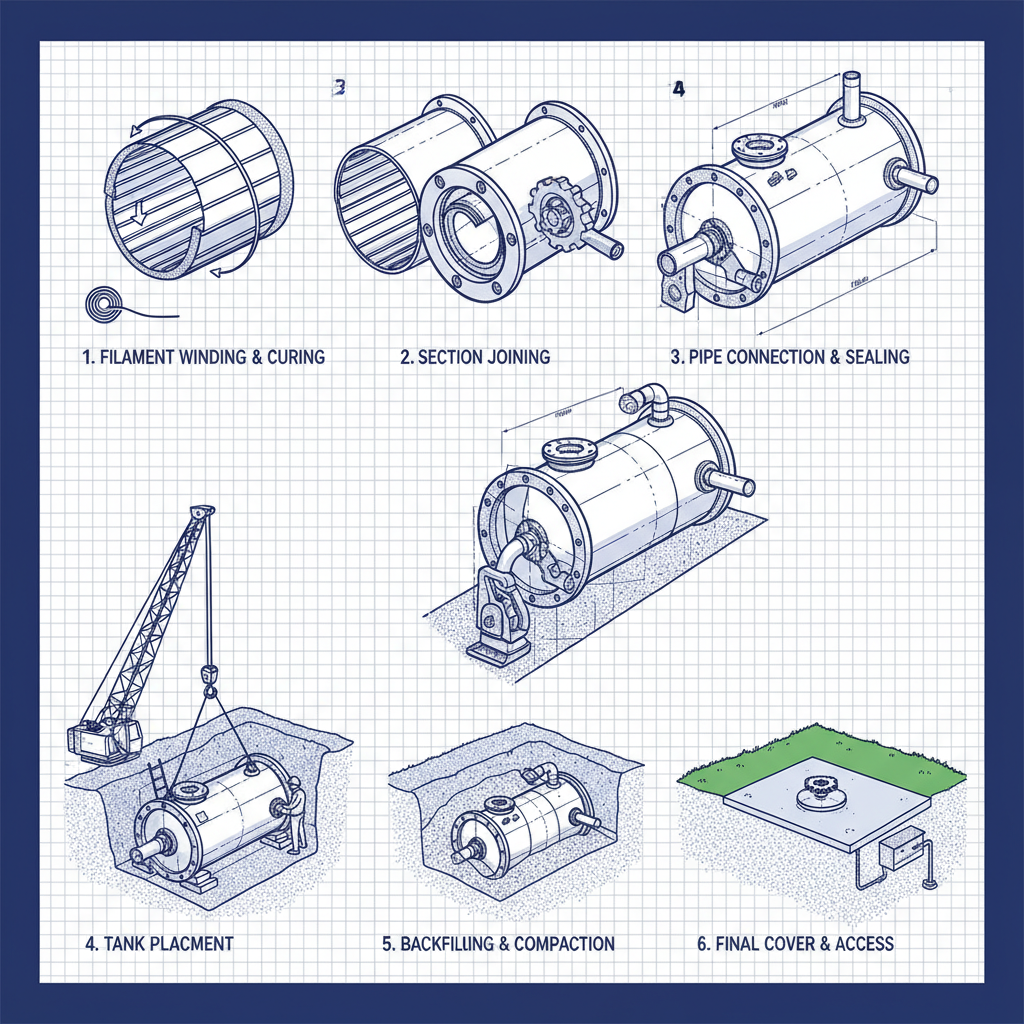
Let’s be honest: these tanks aren't perfect. Installation still requires care — poor soil compaction or groundwater table miscalculations can cause shifting or floating tanks. Some chemical applications require specially formulated coatings inside tanks, which not all manufacturers provide by default.

However, current solutions include advanced anti-buoyancy anchoring systems and improved engineering assessments before installation. Manufacturers are also offering customizable liners or gel coats tailored for specific industrial fluids to extend lifespan and durability.

FAQ: Addressing Common Questions About Fibreglass Underground Storage Tanks

How long do fibreglass underground storage tanks typically last?
With proper installation and maintenance, fibreglass underground storage tanks can last 30-40 years or more. Their corrosion resistance significantly extends lifespan compared to steel tanks.
Can fibreglass tanks be used for potable water storage?
Yes, fibreglass tanks designed for potable water comply with relevant health and safety regulations, ensuring water remains uncontaminated during storage.
Are fibreglass tanks suitable for remote or harsh environments?
Definitely. Their lightweight nature makes transport easier, and their resistance to chemicals and soil conditions makes them ideal for remote industrial applications.
What maintenance do fibreglass tanks require?
Routine inspections for cracks, leaks, and vent system functionality are advised every 1-3 years. Their smooth inner surface reduces sludge buildup, easing cleaning efforts.
How does the cost compare to traditional steel tanks?
While initial costs can be 10-20% higher, savings on maintenance, longer durability, and reduced environmental risk often make fibreglass tanks more cost-effective over their lifespan.

Conclusion: Why Fibreglass Underground Storage Tanks Are a Wise Investment

Fibreglass underground storage tanks represent a convergence of engineering ingenuity, environmental responsibility, and practical economics. Their durability and safety benefits mean less worry about leaks or contamination. Environmentally, they fit well into today’s push for cleaner storage solutions. And in real terms, they save businesses and communities money and trouble down the road. If you are seriously considering safe, sustainable, and flexible storage solutions, fibreglass underground tanks should be on your radar. For more insights and tailored solutions, visit our website: fibreglass underground storage tanks.

Just a quick thought as I wrap up: it amazes me how a blend of glass fibers and resin can quietly impact so many sectors worldwide—sometimes the simplest materials bring the biggest changes.
References

  1. ISO 14001 Environmental Management
  2. Composite Material - Wikipedia
  3. United Nations Sustainable Development Goals
Upsell Products
Upsell News
Durable FRP Vessel for Water Treatment and Industrial Filtration
Apr 16,2026
Durable FRP Vessel for Water Treatment and Industrial Filtration
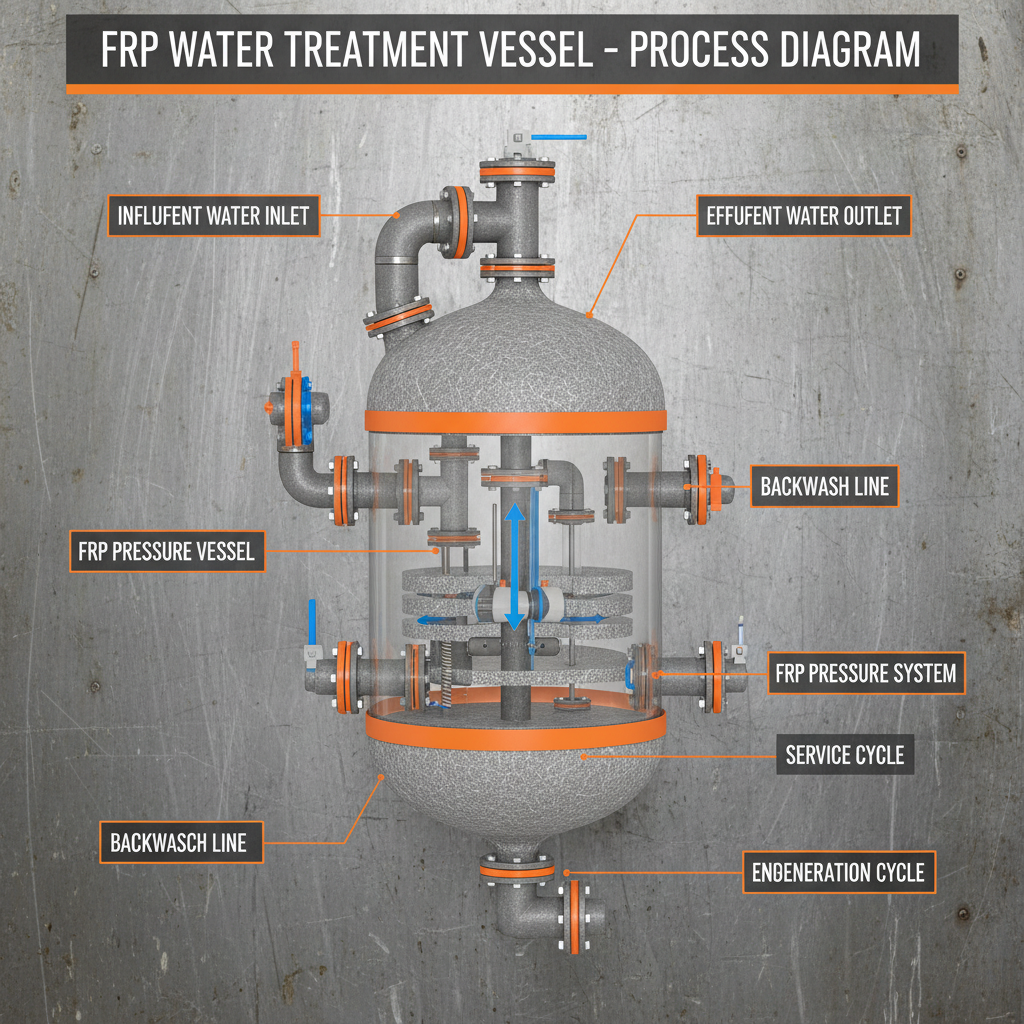
In the modern era of industrial and residential water purification, the choice of containment materials is critical for efficiency and longevity. An frp vessel for water treatment has emerged as the gold standard, replacing traditional steel tanks due to its superior corrosion resistance and lightweight properties. Whether you are dealing with desalination, softening, or filtration, using Fiber Reinforced Plastic (FRP) ensures that your system remains leak-proof and durable against aggressive chemicals. In this comprehensive guide, we will explore why FRP is the preferred choice for water treatment professionals worldwide and how to select the right vessel for your specific application.
Industrial Guide for Choosing the Right FRP Vertical Tank
Apr 09,2026
Industrial Guide for Choosing the Right FRP Vertical Tank
In today's industrial landscape, the storage of corrosive chemicals and aggressive liquids requires materials that can withstand extreme conditions without degrading. The frp vertical tank has emerged as a premier solution, offering an exceptional balance of strength, lightweight properties, and unmatched chemical resistance. Whether you are managing a water treatment plant or a chemical processing facility, understanding the nuances of Fiber Reinforced Plastic (FRP) is essential for ensuring operational safety and longevity. In this comprehensive guide, we will explore why vertical configurations are preferred and how these tanks outperform traditional metal alternatives.
Comprehensive Guide to FRP Underground Water Tank Solutions and Applications
Apr 07,2026
Comprehensive Guide to FRP Underground Water Tank Solutions and Applications
Fiberglass Reinforced Polymer (FRP) underground water tanks are becoming increasingly popular for a wide range of applications, from potable water storage to industrial wastewater containment. Their superior corrosion resistance, lightweight nature, and design flexibility make them an excellent alternative to traditional materials like concrete or steel. This article will delve into the benefits, applications, construction, and considerations for implementing FRP underground water tanks, providing a comprehensive overview for engineers, contractors, and project managers.
Comprehensive Guide to Frp Underground Water Storage Tanks and Their Applications
Apr 04,2026
Comprehensive Guide to Frp Underground Water Storage Tanks and Their Applications
When considering water storage solutions, particularly for industrial, agricultural, or municipal applications, frp underground water storage tanks stand out as a durable, cost-effective, and environmentally friendly option. These tanks are increasingly favored over traditional materials like concrete or steel due to their superior corrosion resistance, lighter weight, and ease of installation. This article delves into the benefits, applications, construction, and considerations when choosing an FRP tank, providing a detailed overview for potential buyers and project planners.
Sulfuric Acid Production Line - Hebei Aoliande|Efficient H2SO4 Plant Technology
Apr 01,2026
Sulfuric Acid Production Line - Hebei Aoliande|Efficient H2SO4 Plant Technology
Discover efficient H2SO4 plant technology and advanced sulfuric acid production solutions. Hebei Aoliande combines energy-saving furnace design and eco-friendly HCl recovery systems for sustainable industrial applications. Explore now: https://www.frpgrpmachine.com/sulfuric-acid-production-line-for-h2so4-plant.html
Sulfuric Acid Production Line - Hebei Aoliande|Efficient H2SO4 Plant Technology
Apr 01,2026
Sulfuric Acid Production Line - Hebei Aoliande|Efficient H2SO4 Plant Technology
Discover efficient H2SO4 plant technology and advanced sulfuric acid production solutions. Hebei Aoliande combines energy-saving furnace design and eco-friendly HCl recovery systems for sustainable industrial applications. Explore now: https://www.frpgrpmachine.com/sulfuric-acid-production-line-for-h2so4-plant.html
Sulfuric Acid Production Line - Hebei Aoliande|Efficient H2SO4 Plant Technology
Apr 01,2026
Sulfuric Acid Production Line - Hebei Aoliande|Efficient H2SO4 Plant Technology
Discover efficient H2SO4 plant technology and advanced sulfuric acid production solutions. Hebei Aoliande combines energy-saving furnace design and eco-friendly HCl recovery systems for sustainable industrial applications. Explore now: https://www.frpgrpmachine.com/sulfuric-acid-production-line-for-h2so4-plant.html
Sulfuric Acid Production Line - Hebei Aoliande|Efficient H2SO4 Plant Technology
Apr 01,2026
Sulfuric Acid Production Line - Hebei Aoliande|Efficient H2SO4 Plant Technology
Discover efficient H2SO4 plant technology and advanced sulfuric acid production solutions. Hebei Aoliande combines energy-saving furnace design and eco-friendly HCl recovery systems for sustainable industrial applications. Explore now: https://www.frpgrpmachine.com/sulfuric-acid-production-line-for-h2so4-plant.html
Sulfuric Acid Production Line - Hebei Aoliande|Efficient H2SO4 Plant Technology
Apr 01,2026
Sulfuric Acid Production Line - Hebei Aoliande|Efficient H2SO4 Plant Technology
Discover efficient H2SO4 plant technology and advanced sulfuric acid production solutions. Hebei Aoliande combines energy-saving furnace design and eco-friendly HCl recovery systems for sustainable industrial applications. Explore now: https://www.frpgrpmachine.com/sulfuric-acid-production-line-for-h2so4-plant.html
Sulfuric Acid Production Line - Hebei Aoliande|Efficient H2SO4 Plant Technology
Apr 01,2026
Sulfuric Acid Production Line - Hebei Aoliande|Efficient H2SO4 Plant Technology
Discover efficient H2SO4 plant technology and advanced sulfuric acid production solutions. Hebei Aoliande combines energy-saving furnace design and eco-friendly HCl recovery systems for sustainable industrial applications. Explore now: https://www.frpgrpmachine.com/sulfuric-acid-production-line-for-h2so4-plant.html
Comprehensive Guide to Frp Underground Storage Tanks for Reliable Storage Solutions
Mar 31,2026
Comprehensive Guide to Frp Underground Storage Tanks for Reliable Storage Solutions
Fiberglass Reinforced Polymer (FRP) underground storage tanks are becoming increasingly popular for a wide range of applications, from fuel storage to wastewater management. Their corrosion resistance, lightweight nature, and durability offer significant advantages over traditional materials like steel. This article will provide an in-depth look at FRP underground storage tanks, covering their benefits, applications, installation, and maintenance. Understanding these aspects is crucial for making informed decisions about long-term storage solutions.
Comprehensive Guide to Selecting the Ideal FRP Tank for Water Storage Solutions
Mar 28,2026
Comprehensive Guide to Selecting the Ideal FRP Tank for Water Storage Solutions
When it comes to reliable and durable water storage, FRP tanks for water are increasingly becoming the preferred solution for a wide range of applications. These tanks, constructed from Fiber Reinforced Polymer (FRP) materials, offer significant advantages over traditional storage options like steel or concrete. This article delves into the benefits, applications, and considerations when selecting an FRP tank for your water storage needs, providing a detailed overview for businesses and individuals alike.
Comprehensive Guide to Frp Tank and Vessel Applications and Manufacturing
Mar 26,2026
Comprehensive Guide to Frp Tank and Vessel Applications and Manufacturing
Fiber Reinforced Polymer (FRP) tanks and vessels are increasingly becoming the preferred choice for storage and processing across a multitude of industries. Their lightweight nature, corrosion resistance, and design flexibility offer significant advantages over traditional materials like steel. This article will delve into the intricacies of FRP tanks and vessels, exploring their applications, manufacturing processes, benefits, and considerations for selecting the right solution for your specific needs. We’ll also highlight why FRP tanks are a cost-effective and reliable long-term investment. FRP tanks and vessels are constructed from a combination of reinforcing fibers (such as fiberglass, carbon fiber, or aramid fiber) embedded in a polymer matrix (typically polyester, vinyl ester, or epoxy resin). This combination creates a composite material that boasts high strength-to-weight ratio, exceptional corrosion resistance, and the ability to be molded into complex shapes. They’re designed to safely contain a wide variety of liquids and gases, ranging from corrosive chemicals and water to food products and pharmaceuticals.
Optimizing Water Filtration with Durable FRP Sand Filter Vessels
Mar 24,2026
Optimizing Water Filtration with Durable FRP Sand Filter Vessels
In water treatment and filtration systems, the choice of filter vessel material is paramount. Fiber Reinforced Plastic (FRP), also known as Glass Reinforced Polymer (GRP), sand filter vessels are increasingly popular due to their superior corrosion resistance, lightweight nature, and cost-effectiveness. This article delves into the benefits, applications, design considerations, and factors to consider when selecting an FRP sand filter vessel. Whether you are involved in municipal water treatment, industrial wastewater management, or recreational water filtration, understanding FRP technology is essential for optimizing your filtration process. An FRP sand filter vessel is a containment unit designed to house filtration media, typically sand, gravel, and anthracite. These vessels are integral components in sand filtration systems used for removing suspended solids, turbidity, and other particulate matter from water. FRP construction involves layering glass fibers within a resin matrix (typically polyester or vinyl ester) to create a strong, durable, and chemically resistant shell. The strength and rigidity of the vessel are crucial for withstanding the pressure from the filtration media and the water flow.
Comprehensive Guide to FRP Round Tanks Applications and Benefits
Mar 21,2026
Comprehensive Guide to FRP Round Tanks Applications and Benefits
Fiber Reinforced Polymer (FRP) round tanks are increasingly becoming the preferred choice for storage solutions across a variety of industries. Their lightweight nature, corrosion resistance, and design flexibility offer significant advantages over traditional materials like steel. This article provides an in-depth look at FRP round tanks, exploring their applications, benefits, manufacturing processes, and key considerations when choosing the right tank for your needs. Whether you're in chemical processing, water treatment, or agriculture, understanding FRP round tanks is crucial for optimizing your storage infrastructure. FRP round tanks are constructed from a combination of reinforcing fibers (typically fiberglass, carbon fiber, or a blend) embedded in a polymer matrix (often polyester, vinyl ester, or epoxy resin). The round shape inherently provides excellent structural strength, distributing pressure evenly across the tank’s surface.
Comprehensive Guide to FRP Pressure Tanks Benefits and Applications
Mar 19,2026
Comprehensive Guide to FRP Pressure Tanks Benefits and Applications
Fiber Reinforced Polymer (FRP) pressure tanks are becoming increasingly popular in a wide range of industrial applications, offering a compelling alternative to traditional steel tanks. Known for their lightweight nature, corrosion resistance, and high strength-to-weight ratio, FRP tanks provide efficient and durable solutions for storing liquids and gases under pressure. This article will delve into the benefits, applications, construction, and key considerations when selecting an FRP pressure tank, helping you make an informed decision for your specific needs. Understanding the advantages of FRP technology can lead to significant cost savings and improved operational efficiency. Compared to steel, FRP pressure tanks offer several key advantages. The most significant is their superior corrosion resistance. Unlike steel, which is susceptible to rust and corrosion when exposed to various chemicals, FRP materials are inherently resistant to a wide range of corrosive substances. This translates to a longer lifespan, reduced maintenance costs, and increased safety. Furthermore, FRP is significantly lighter than steel, making installation easier and reducing transportation costs.
For More Details Pls Contact Us
Thank you for your interest in our gloves! We offer high-quality, durable, and comfortable gloves with fast delivery and competitive prices. For any questions or customization, feel free to contact us. We look forward to working with you!

If you are interested in our products, you can choose to leave your information here, and we will be in touch with you shortly.