Dec 02,2025

Fibreglass Tank with Viewing Window: Durable, Transparent Storage Solutions Worldwide

Understanding the Fibreglass Tank with Viewing Window: A Global Perspective

In industries across the globe, the humble fibreglass tank with viewing window quietly plays a pivotal role in how liquids and chemicals are stored, monitored, and managed. Often overlooked, these tanks carry a surprisingly broad impact — from industrial plants in Europe to humanitarian water relief efforts in Africa. Their combination of durability, visibility, and corrosion resistance delivers unique benefits that many sectors rely on more than they might openly admit.

Why does this matter? Well, as we face rising environmental challenges, stricter regulations, and the constant push for efficiency, the storage solutions we choose carry real, tangible consequences. Understanding fibreglass tanks with viewing windows helps companies innovate responsibly, while ensuring safety and cost-effectiveness in often unforgiving environments.

Mini takeaway: The fibreglass tank with a viewing window is a critical solution — blending durability and transparency — that meets evolving global industrial standards and humanitarian needs.

Global Context: Why Are Fibreglass Tanks So Relevant Today?

According to a recent ISO report on chemical storage, the global demand for non-metallic tanks like fibreglass composites has grown by over 8% annually in the last five years. This upward trend ties closely to industrial expansion, especially in emerging markets where corrosion-prone environments degrade traditional steel tanks rapidly.

Moreover, with the UN’s Sustainable Development Goals emphasizing access to clean water and safe infrastructure, transparent storage solutions have become paramount. Fibreglass tanks with integrated viewing windows address a key challenge: how to visually monitor fluid levels and contamination without exposing contents to contaminants or risking safety. Oddly enough, despite booming industrial needs, many facilities still rely on outdated opaque tanks, increasing risk and operational inefficiency.

Mini takeaway: The fibreglass tank’s growth parallels industrial demands and humanitarian commitments worldwide, making innovation in this space critical.

Defining the Fibreglass Tank with Viewing Window

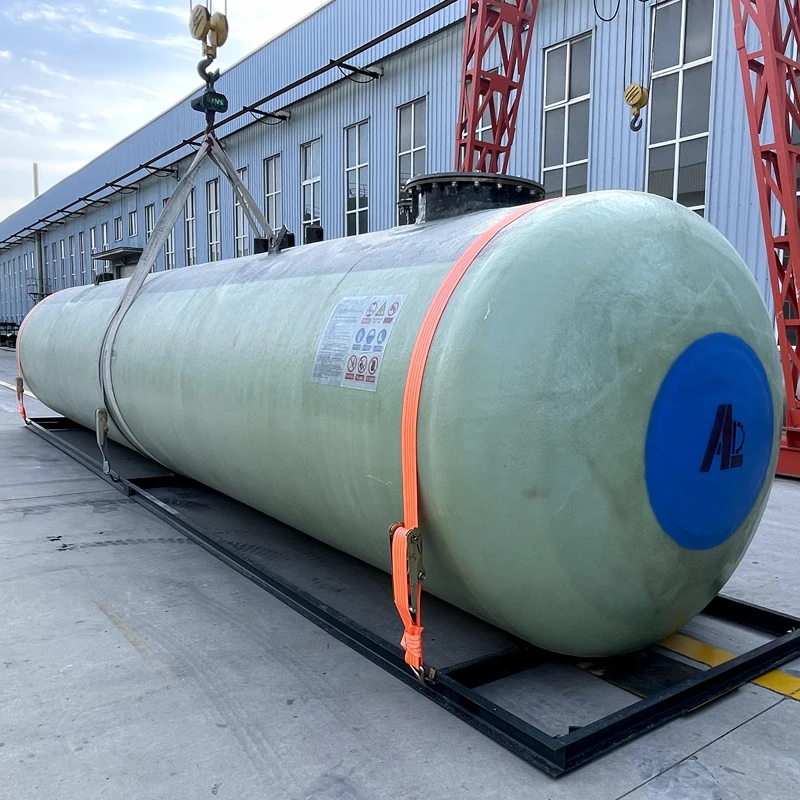
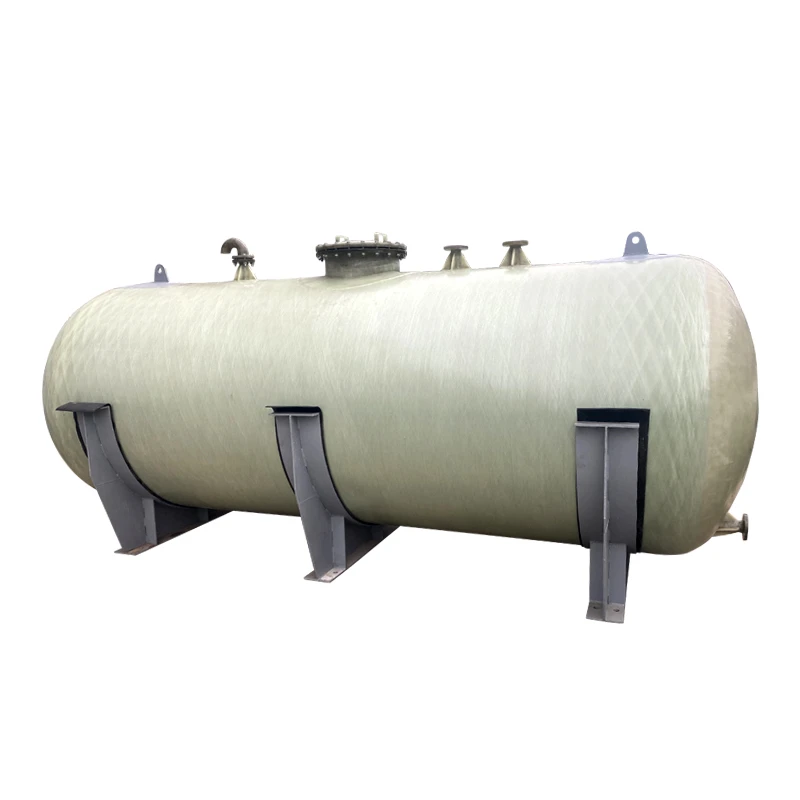
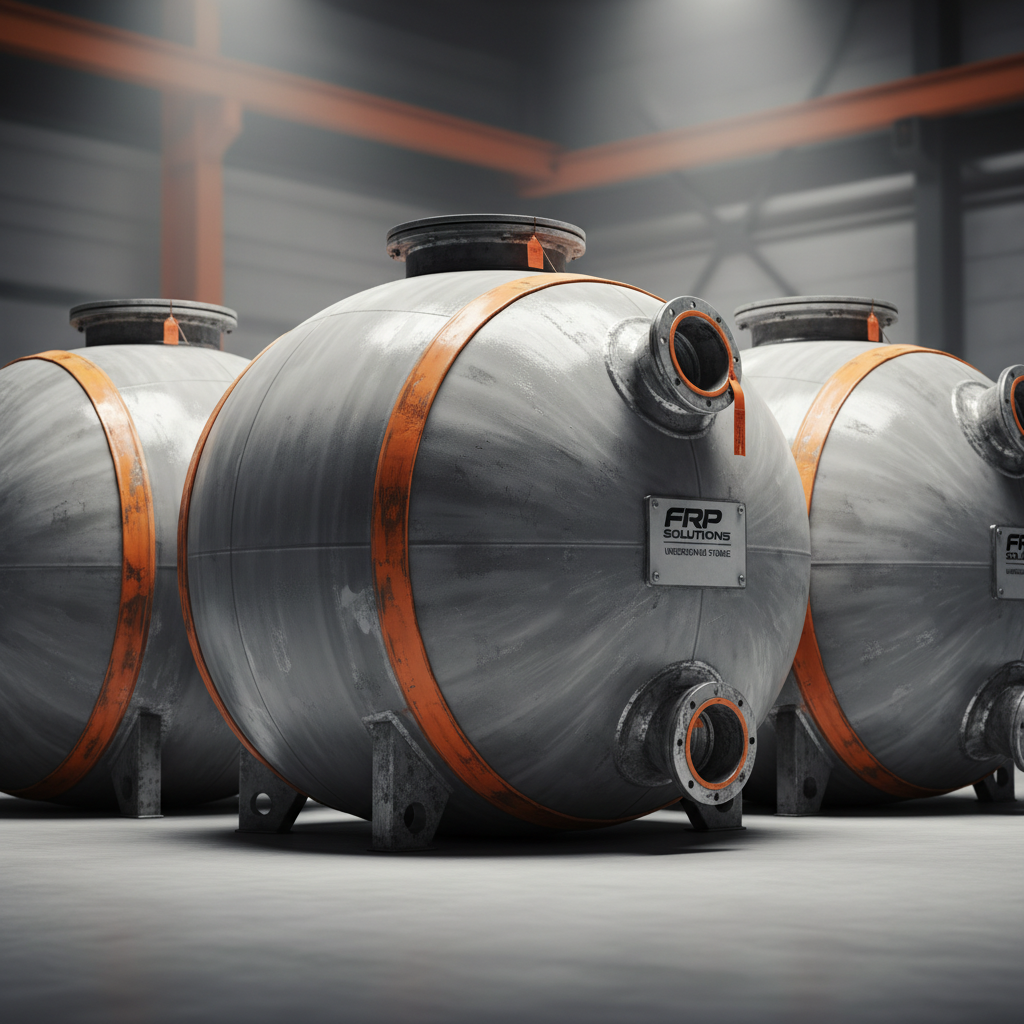
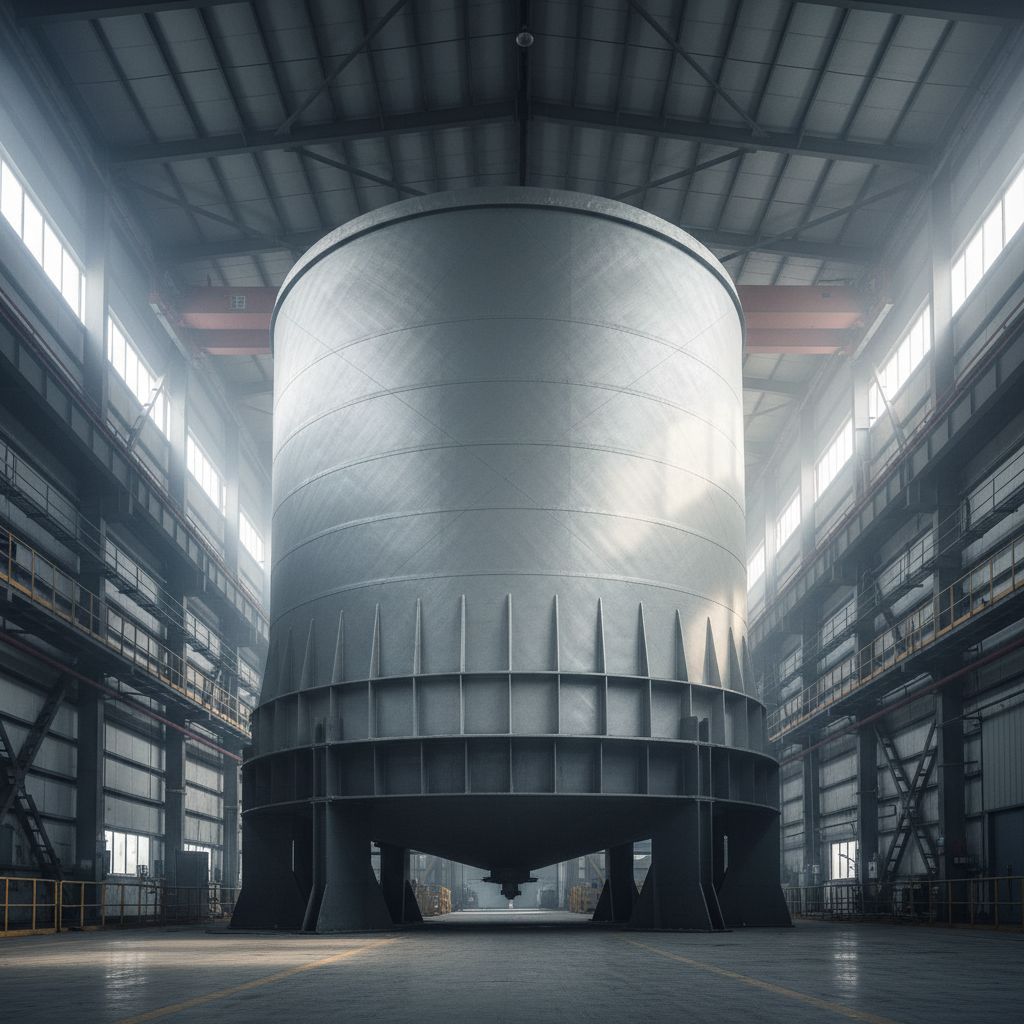
In simple terms, a fibreglass tank with viewing window is a storage container made primarily of fiber-reinforced polymer composites (commonly fiberglass reinforced plastic or FRP). These tanks are non-corrosive, lightweight, and capable of holding various liquids — including chemicals, water, and fuels. The viewing window, usually a transparent panel made from durable acrylic or polycarbonate, allows operators to check liquid levels and tank conditions without opening the tank itself.

This transparency means safer inspection practices and often faster decision-making right on site, a huge plus in industries where downtime or leakage can spell serious trouble. It also links to broader industrial trends of remote monitoring and automation, even if the tanks themselves may look pretty straightforward at first glance.

Mini takeaway: A fibreglass tank with a viewing window merges composite technology with simple, practical visibility — enhancing both safety and operational ease.

Key Components of Fibreglass Tanks with Viewing Windows

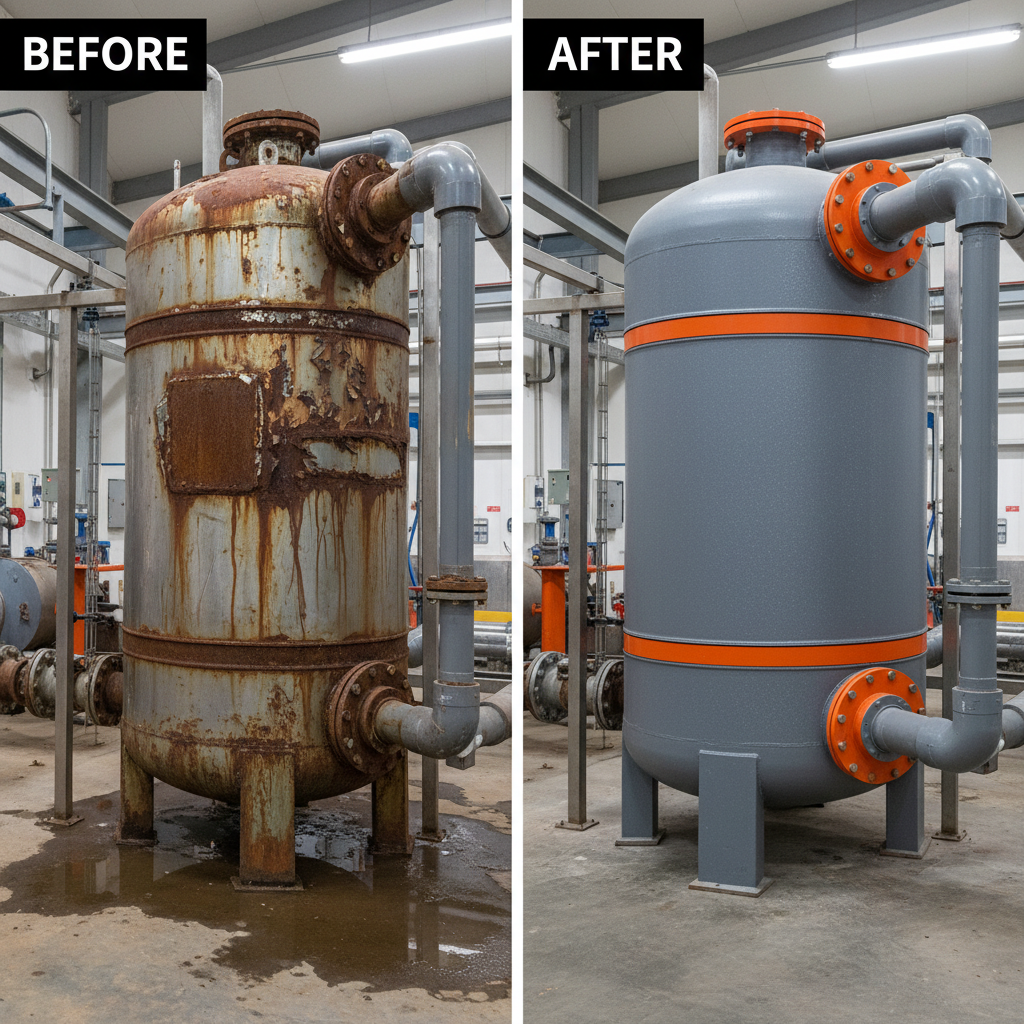
  • Durability: Fibreglass tanks resist corrosion from harsh chemicals and weather better than metal, prolonging lifecycle without heavy maintenance.
  • Visibility: The viewing window allows continuous level monitoring, reducing the need for manual checks and minimizing exposure risks.
  • Customization: Sizes, shapes, and viewing window placements can be tailored for specific industrial requirements or spatial constraints.
  • Cost-efficiency: Though upfront costs can be higher than metal tanks, their longevity and reduced upkeep translate to lower total ownership costs.
  • Portability: Lightweight fibreglass structures can be easier to transport and install, especially in remote or disaster-prone locations.
  • Compliance: Many tanks meet international standards (e.g., ISO 14692 for FRP tanks), important for regulated industries.

Mini takeaway: These core factors collectively explain why fibreglass tanks with windows outperform traditional storage options in many demanding applications.

Global Applications & Use Cases

The applications for fibreglass tanks equipped with viewing windows span a wide range:

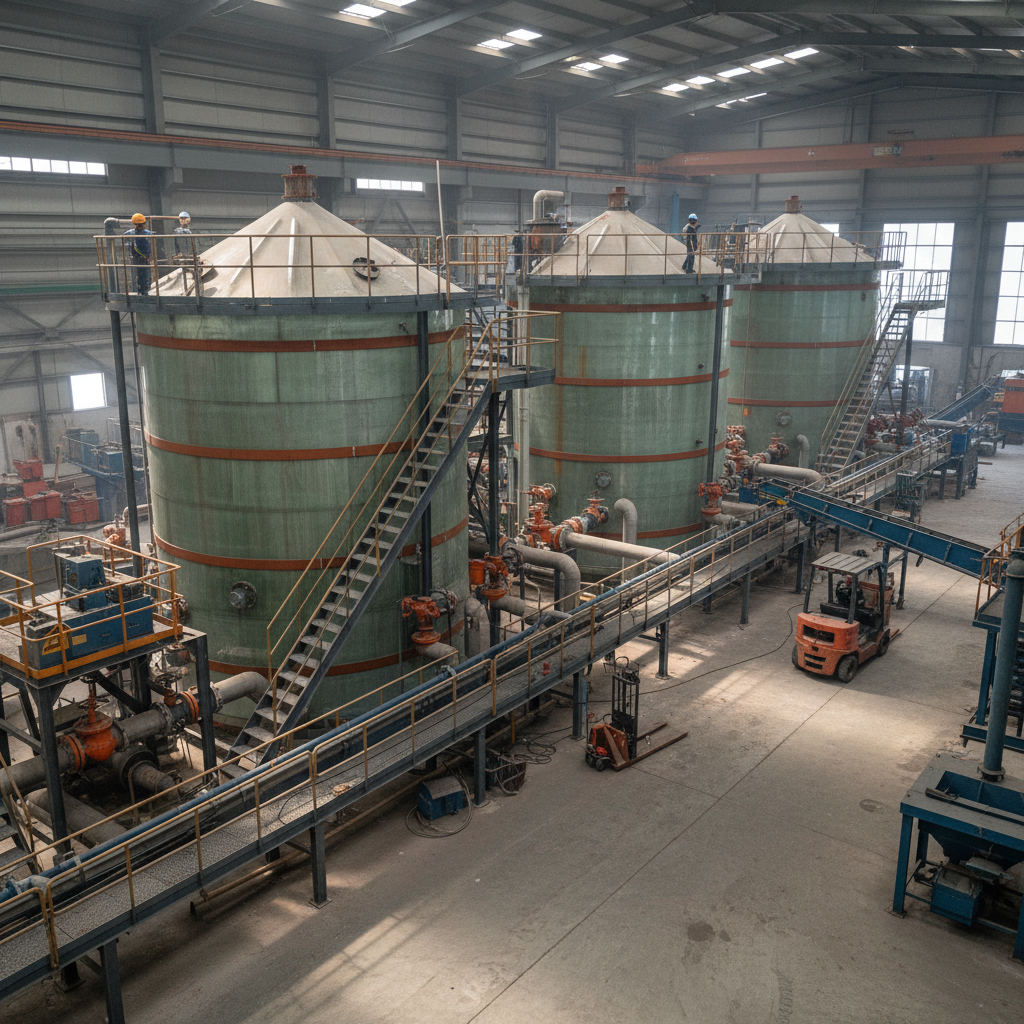
  • Industrial chemical storage: Chemical plants in Asia and Europe use these tanks to store acids and alkalis, relying on the corrosion resistance of fibreglass and visual inspections through access windows.
  • Water treatment and supply: In African and South American regions, NGOs deploy fibreglass tanks with viewing windows to store potable water safely, with monitoring helping prevent contamination.
  • Oil and gas: Remote drilling sites favor these tanks due to portability and resilience against harsh outdoor conditions.
  • Agriculture: The tanks store fertilizers and pesticides, with viewing windows helping minimize spills and overfilling.
  • Emergency and disaster relief: Emergency teams use these portable fibreglass tanks when rapid water storage and distribution are critical.

Take, for instance, a relief agency operating in post-flood Southeast Asia. They used portable fibreglass tanks with viewing windows to ensure rapid, safe water distribution — reducing disease risk and speeding up recovery. Practical, lightweight, and reliable, these tanks made an immediate difference.

Mini takeaway: Versatility and reliability make fibreglass tanks with viewing windows an indispensable asset across sectors and geographies.

Advantages & Long-Term Value

Frankly, fibreglass tanks with viewing windows offer more than just physical benefits — they promote sustainability, safety, and peace of mind. Their corrosion resistance means fewer leaks, reducing environmental hazards. From a social perspective, the ability to visually monitor contents without opening enhances operational safety, protecting workers from exposure to harmful substances.

Companies also report increased trust from customers and regulators when employing transparent, well-designed tanks. Over time, the savings on repairs, downtime, and replacements add up substantially — making these tanks not just an upfront investment but a cornerstone of responsible, forward-thinking management.

Mini takeaway: Beyond durability and visibility, these tanks promote safety, reduce environmental impact, and enhance operational trust.

Future Trends & Innovations

Looking ahead, innovations in fibreglass tanks with windows are excitingly tied to digital and green tech. Manufacturers are exploring integrated sensor technology embedded around or within the viewing window to provide real-time fluid analytics and automated level detection. This fusion of materials science and IoT can revolutionize monitoring.

On the sustainability front, greener resins and recycled fibres reduce the environmental footprint of these tanks. Some firms are also experimenting with modular fibreglass tanks that self-assemble or expand on site, cutting transport costs and logistical headaches.

Mini takeaway: The future points to smarter, greener, and more adaptable fibreglass tanks that go well beyond being just containers.

Challenges & Practical Solutions

Still, there are hurdles. For example, viewing windows can sometimes suffer from scratching or clouding, reducing visibility over time. Experts recommend choosing acrylic or polycarbonate windows with UV and scratch-resistant coatings, and implementing scheduled maintenance checks.

Cost can be a barrier for some users, especially in low-resource settings. Here, modular designs, bulk production, and local fabrication initiatives help lower prices. Also, training end-users on proper handling extends tank lifespan dramatically.

Mini takeaway: Challenges exist, but informed material choices and user education make these tanks a durable, cost-effective solution.

Fibreglass Tank with Viewing Window: Product Specifications

Feature Specification
Material Fibreglass Reinforced Plastic (FRP) with UV-resistant coating
Viewing Window Material Polycarbonate or Acrylic, scratch and UV resistant
Capacity 500 to 50,000 liters (customizable)
Temperature Range -40°C to +90°C (depending on resin system)
Compliance ISO 14692, ASTM D4097
Optional Features Integrated sensors, modular design, customized window placement

Vendor Comparison: Leading Fibreglass Tank Providers

Feature / Vendor FRP Tanks Co. GlobalFibreglass Ltd. ClearView Tanks Inc.
Materials Quality High-grade resin and fibers Premium UV & chemical resistant Eco-friendly composites
Customization Options Standard sizes + custom Full tailor-made solutions Modular tank systems
Viewing Window Quality Polycarbonate, scratch resistant Acrylic, UV coated Tempered glass hybrid
Price Range $$ $$$ $$$
Delivery Lead Time 4-6 weeks 6-8 weeks 5-7 weeks

Frequently Asked Questions About Fibreglass Tanks with Viewing Windows

What are the main benefits of having a viewing window on a fibreglass tank?
Viewing windows enable safe, quick visual inspection of liquid levels without having to open the tank, reducing contamination risks and allowing for easier monitoring during operations.
How resistant are fibreglass tanks to chemicals compared to metal tanks?
Fibreglass tanks offer superior corrosion resistance, especially against acidic and alkaline substances, outperforming most metals which require frequent protective coatings.
Can viewing windows in these tanks withstand harsh outdoor conditions?
Yes, when made from high-quality polycarbonate or acrylic with UV and scratch-resistant coatings, the windows remain clear and durable even under extended sun exposure.
How customizable are fibreglass tanks with viewing windows?
Very customizable — from tank size and shape to the number, size, and placement of viewing windows to suit specific use cases or spatial constraints.
Where can I find reliable suppliers for fibreglass tanks with viewing windows?
Trusted suppliers include FRP Tanks Co., GlobalFibreglass Ltd., and ClearView Tanks Inc. For a tailored quote, consider local manufacturers or visit fibreglass tank with viewing window portals.

Conclusion & Next Steps

In real terms, embracing fibreglass tanks with viewing windows is about investing in safety, longevity, and operational transparency. Whether you’re in industrial manufacturing, water treatment, or relief work, these tanks offer a reliable solution that lasts and adapts. Their growing global adoption signals a broader shift toward smarter, more sustainable storage technology.

If you want to explore custom solutions or understand how these tanks can fit your project, don’t hesitate to visit our website for detailed specifications and expert advice.

Mini final thought: Sometimes, the clearest solution lies in simply seeing what’s inside.


References:
1. ISO 14692 - Glass-reinforced plastics (GRP) piping
2. United Nations Sustainable Development Goals - Clean water and sanitation
3. ASTM D4097 - Standard Practice for Glass-Fiber-Reinforced Plastic Tanks
Upsell Products
Upsell News
Durable FRP Vessel for Water Treatment and Industrial Filtration
Apr 16,2026
Durable FRP Vessel for Water Treatment and Industrial Filtration
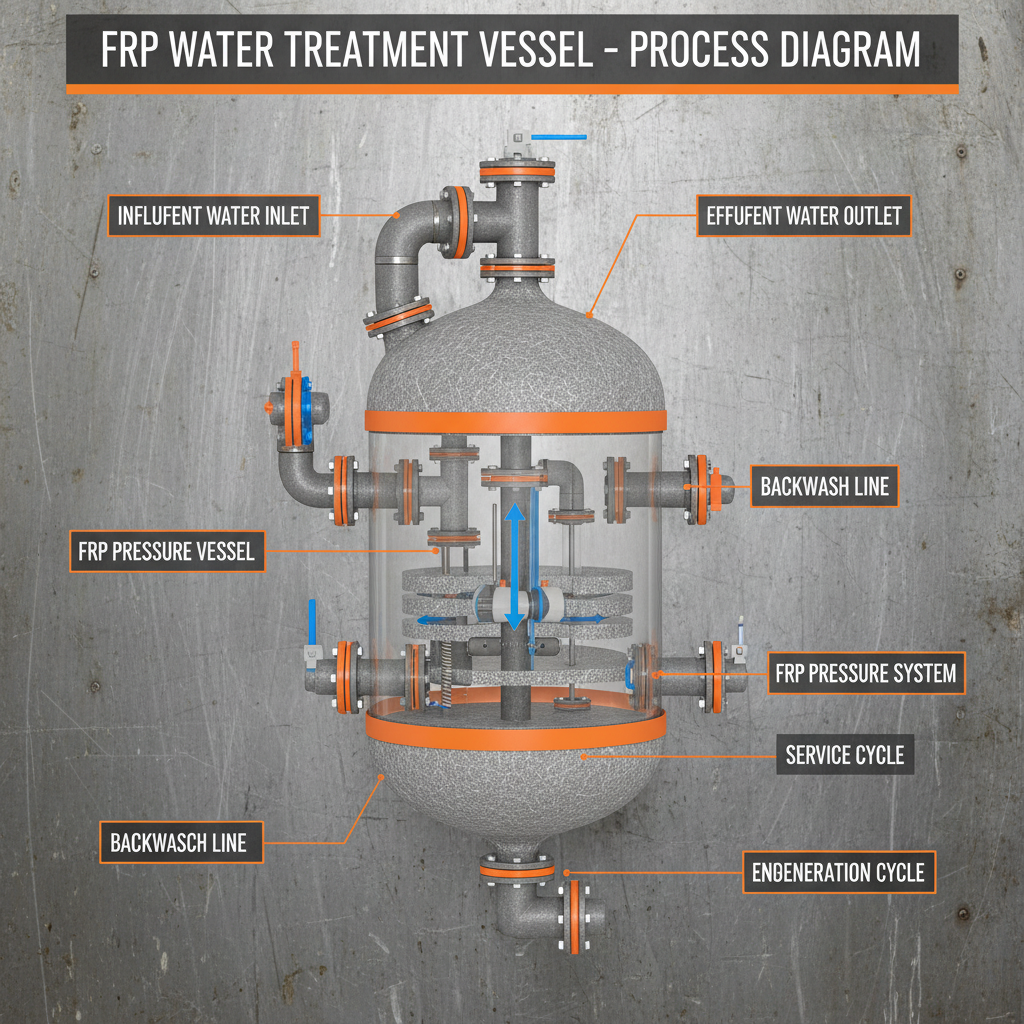
In the modern era of industrial and residential water purification, the choice of containment materials is critical for efficiency and longevity. An frp vessel for water treatment has emerged as the gold standard, replacing traditional steel tanks due to its superior corrosion resistance and lightweight properties. Whether you are dealing with desalination, softening, or filtration, using Fiber Reinforced Plastic (FRP) ensures that your system remains leak-proof and durable against aggressive chemicals. In this comprehensive guide, we will explore why FRP is the preferred choice for water treatment professionals worldwide and how to select the right vessel for your specific application.
Industrial Guide for Choosing the Right FRP Vertical Tank
Apr 09,2026
Industrial Guide for Choosing the Right FRP Vertical Tank
In today's industrial landscape, the storage of corrosive chemicals and aggressive liquids requires materials that can withstand extreme conditions without degrading. The frp vertical tank has emerged as a premier solution, offering an exceptional balance of strength, lightweight properties, and unmatched chemical resistance. Whether you are managing a water treatment plant or a chemical processing facility, understanding the nuances of Fiber Reinforced Plastic (FRP) is essential for ensuring operational safety and longevity. In this comprehensive guide, we will explore why vertical configurations are preferred and how these tanks outperform traditional metal alternatives.
Comprehensive Guide to FRP Underground Water Tank Solutions and Applications
Apr 07,2026
Comprehensive Guide to FRP Underground Water Tank Solutions and Applications
Fiberglass Reinforced Polymer (FRP) underground water tanks are becoming increasingly popular for a wide range of applications, from potable water storage to industrial wastewater containment. Their superior corrosion resistance, lightweight nature, and design flexibility make them an excellent alternative to traditional materials like concrete or steel. This article will delve into the benefits, applications, construction, and considerations for implementing FRP underground water tanks, providing a comprehensive overview for engineers, contractors, and project managers.
Comprehensive Guide to Frp Underground Water Storage Tanks and Their Applications
Apr 04,2026
Comprehensive Guide to Frp Underground Water Storage Tanks and Their Applications
When considering water storage solutions, particularly for industrial, agricultural, or municipal applications, frp underground water storage tanks stand out as a durable, cost-effective, and environmentally friendly option. These tanks are increasingly favored over traditional materials like concrete or steel due to their superior corrosion resistance, lighter weight, and ease of installation. This article delves into the benefits, applications, construction, and considerations when choosing an FRP tank, providing a detailed overview for potential buyers and project planners.
Sulfuric Acid Production Line - Hebei Aoliande|Efficient H2SO4 Plant Technology
Apr 01,2026
Sulfuric Acid Production Line - Hebei Aoliande|Efficient H2SO4 Plant Technology
Discover efficient H2SO4 plant technology and advanced sulfuric acid production solutions. Hebei Aoliande combines energy-saving furnace design and eco-friendly HCl recovery systems for sustainable industrial applications. Explore now: https://www.frpgrpmachine.com/sulfuric-acid-production-line-for-h2so4-plant.html
Sulfuric Acid Production Line - Hebei Aoliande|Efficient H2SO4 Plant Technology
Apr 01,2026
Sulfuric Acid Production Line - Hebei Aoliande|Efficient H2SO4 Plant Technology
Discover efficient H2SO4 plant technology and advanced sulfuric acid production solutions. Hebei Aoliande combines energy-saving furnace design and eco-friendly HCl recovery systems for sustainable industrial applications. Explore now: https://www.frpgrpmachine.com/sulfuric-acid-production-line-for-h2so4-plant.html
Sulfuric Acid Production Line - Hebei Aoliande|Efficient H2SO4 Plant Technology
Apr 01,2026
Sulfuric Acid Production Line - Hebei Aoliande|Efficient H2SO4 Plant Technology
Discover efficient H2SO4 plant technology and advanced sulfuric acid production solutions. Hebei Aoliande combines energy-saving furnace design and eco-friendly HCl recovery systems for sustainable industrial applications. Explore now: https://www.frpgrpmachine.com/sulfuric-acid-production-line-for-h2so4-plant.html
Sulfuric Acid Production Line - Hebei Aoliande|Efficient H2SO4 Plant Technology
Apr 01,2026
Sulfuric Acid Production Line - Hebei Aoliande|Efficient H2SO4 Plant Technology
Discover efficient H2SO4 plant technology and advanced sulfuric acid production solutions. Hebei Aoliande combines energy-saving furnace design and eco-friendly HCl recovery systems for sustainable industrial applications. Explore now: https://www.frpgrpmachine.com/sulfuric-acid-production-line-for-h2so4-plant.html
Sulfuric Acid Production Line - Hebei Aoliande|Efficient H2SO4 Plant Technology
Apr 01,2026
Sulfuric Acid Production Line - Hebei Aoliande|Efficient H2SO4 Plant Technology
Discover efficient H2SO4 plant technology and advanced sulfuric acid production solutions. Hebei Aoliande combines energy-saving furnace design and eco-friendly HCl recovery systems for sustainable industrial applications. Explore now: https://www.frpgrpmachine.com/sulfuric-acid-production-line-for-h2so4-plant.html
Sulfuric Acid Production Line - Hebei Aoliande|Efficient H2SO4 Plant Technology
Apr 01,2026
Sulfuric Acid Production Line - Hebei Aoliande|Efficient H2SO4 Plant Technology
Discover efficient H2SO4 plant technology and advanced sulfuric acid production solutions. Hebei Aoliande combines energy-saving furnace design and eco-friendly HCl recovery systems for sustainable industrial applications. Explore now: https://www.frpgrpmachine.com/sulfuric-acid-production-line-for-h2so4-plant.html
Comprehensive Guide to Frp Underground Storage Tanks for Reliable Storage Solutions
Mar 31,2026
Comprehensive Guide to Frp Underground Storage Tanks for Reliable Storage Solutions
Fiberglass Reinforced Polymer (FRP) underground storage tanks are becoming increasingly popular for a wide range of applications, from fuel storage to wastewater management. Their corrosion resistance, lightweight nature, and durability offer significant advantages over traditional materials like steel. This article will provide an in-depth look at FRP underground storage tanks, covering their benefits, applications, installation, and maintenance. Understanding these aspects is crucial for making informed decisions about long-term storage solutions.
Comprehensive Guide to Selecting the Ideal FRP Tank for Water Storage Solutions
Mar 28,2026
Comprehensive Guide to Selecting the Ideal FRP Tank for Water Storage Solutions
When it comes to reliable and durable water storage, FRP tanks for water are increasingly becoming the preferred solution for a wide range of applications. These tanks, constructed from Fiber Reinforced Polymer (FRP) materials, offer significant advantages over traditional storage options like steel or concrete. This article delves into the benefits, applications, and considerations when selecting an FRP tank for your water storage needs, providing a detailed overview for businesses and individuals alike.
Comprehensive Guide to Frp Tank and Vessel Applications and Manufacturing
Mar 26,2026
Comprehensive Guide to Frp Tank and Vessel Applications and Manufacturing
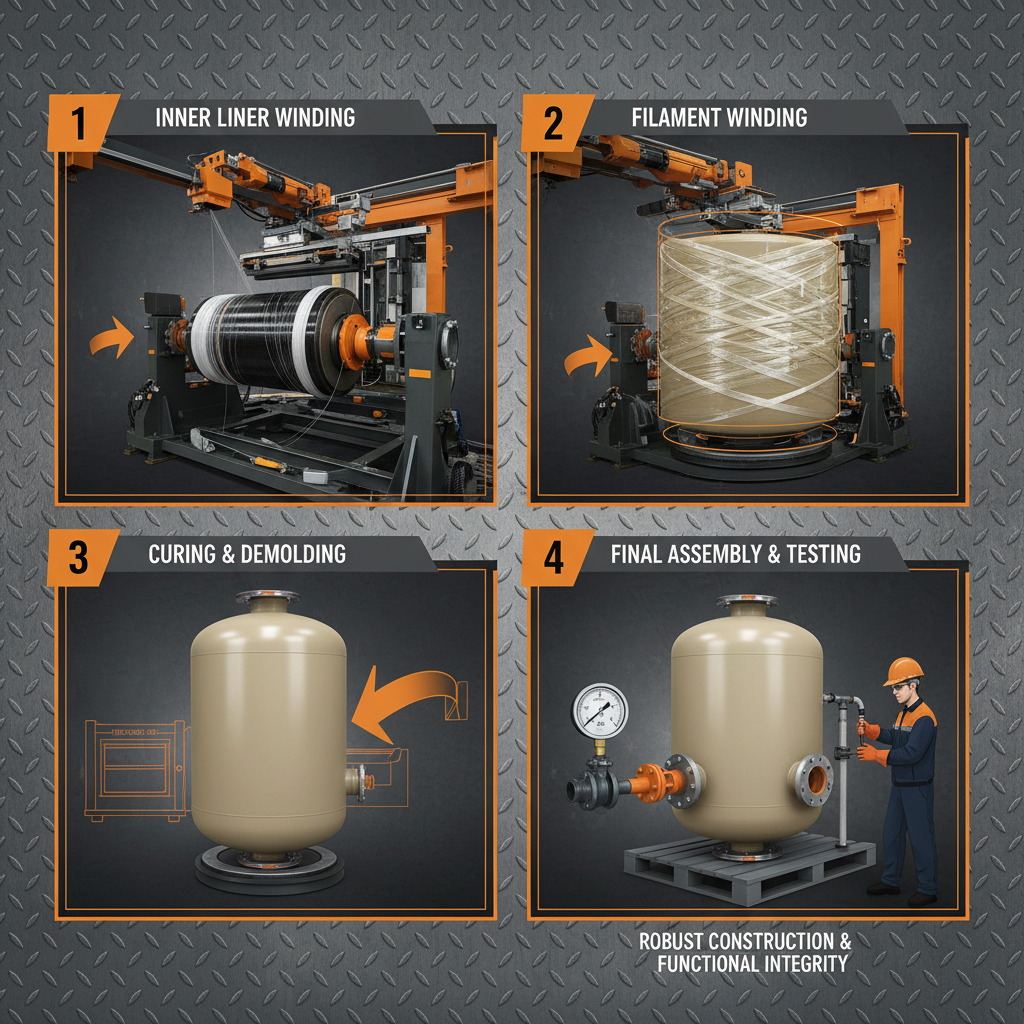
Fiber Reinforced Polymer (FRP) tanks and vessels are increasingly becoming the preferred choice for storage and processing across a multitude of industries. Their lightweight nature, corrosion resistance, and design flexibility offer significant advantages over traditional materials like steel. This article will delve into the intricacies of FRP tanks and vessels, exploring their applications, manufacturing processes, benefits, and considerations for selecting the right solution for your specific needs. We’ll also highlight why FRP tanks are a cost-effective and reliable long-term investment. FRP tanks and vessels are constructed from a combination of reinforcing fibers (such as fiberglass, carbon fiber, or aramid fiber) embedded in a polymer matrix (typically polyester, vinyl ester, or epoxy resin). This combination creates a composite material that boasts high strength-to-weight ratio, exceptional corrosion resistance, and the ability to be molded into complex shapes. They’re designed to safely contain a wide variety of liquids and gases, ranging from corrosive chemicals and water to food products and pharmaceuticals.
Optimizing Water Filtration with Durable FRP Sand Filter Vessels
Mar 24,2026
Optimizing Water Filtration with Durable FRP Sand Filter Vessels
In water treatment and filtration systems, the choice of filter vessel material is paramount. Fiber Reinforced Plastic (FRP), also known as Glass Reinforced Polymer (GRP), sand filter vessels are increasingly popular due to their superior corrosion resistance, lightweight nature, and cost-effectiveness. This article delves into the benefits, applications, design considerations, and factors to consider when selecting an FRP sand filter vessel. Whether you are involved in municipal water treatment, industrial wastewater management, or recreational water filtration, understanding FRP technology is essential for optimizing your filtration process. An FRP sand filter vessel is a containment unit designed to house filtration media, typically sand, gravel, and anthracite. These vessels are integral components in sand filtration systems used for removing suspended solids, turbidity, and other particulate matter from water. FRP construction involves layering glass fibers within a resin matrix (typically polyester or vinyl ester) to create a strong, durable, and chemically resistant shell. The strength and rigidity of the vessel are crucial for withstanding the pressure from the filtration media and the water flow.
Comprehensive Guide to FRP Round Tanks Applications and Benefits
Mar 21,2026
Comprehensive Guide to FRP Round Tanks Applications and Benefits
Fiber Reinforced Polymer (FRP) round tanks are increasingly becoming the preferred choice for storage solutions across a variety of industries. Their lightweight nature, corrosion resistance, and design flexibility offer significant advantages over traditional materials like steel. This article provides an in-depth look at FRP round tanks, exploring their applications, benefits, manufacturing processes, and key considerations when choosing the right tank for your needs. Whether you're in chemical processing, water treatment, or agriculture, understanding FRP round tanks is crucial for optimizing your storage infrastructure. FRP round tanks are constructed from a combination of reinforcing fibers (typically fiberglass, carbon fiber, or a blend) embedded in a polymer matrix (often polyester, vinyl ester, or epoxy resin). The round shape inherently provides excellent structural strength, distributing pressure evenly across the tank’s surface.
Comprehensive Guide to FRP Pressure Tanks Benefits and Applications
Mar 19,2026
Comprehensive Guide to FRP Pressure Tanks Benefits and Applications
Fiber Reinforced Polymer (FRP) pressure tanks are becoming increasingly popular in a wide range of industrial applications, offering a compelling alternative to traditional steel tanks. Known for their lightweight nature, corrosion resistance, and high strength-to-weight ratio, FRP tanks provide efficient and durable solutions for storing liquids and gases under pressure. This article will delve into the benefits, applications, construction, and key considerations when selecting an FRP pressure tank, helping you make an informed decision for your specific needs. Understanding the advantages of FRP technology can lead to significant cost savings and improved operational efficiency. Compared to steel, FRP pressure tanks offer several key advantages. The most significant is their superior corrosion resistance. Unlike steel, which is susceptible to rust and corrosion when exposed to various chemicals, FRP materials are inherently resistant to a wide range of corrosive substances. This translates to a longer lifespan, reduced maintenance costs, and increased safety. Furthermore, FRP is significantly lighter than steel, making installation easier and reducing transportation costs.
For More Details Pls Contact Us
Thank you for your interest in our gloves! We offer high-quality, durable, and comfortable gloves with fast delivery and competitive prices. For any questions or customization, feel free to contact us. We look forward to working with you!

If you are interested in our products, you can choose to leave your information here, and we will be in touch with you shortly.