FRP Tank Winding Machine | High-Efficiency & Precision Production
Advancing Industrial Infrastructure: The Role of frp tank winding machine Technology
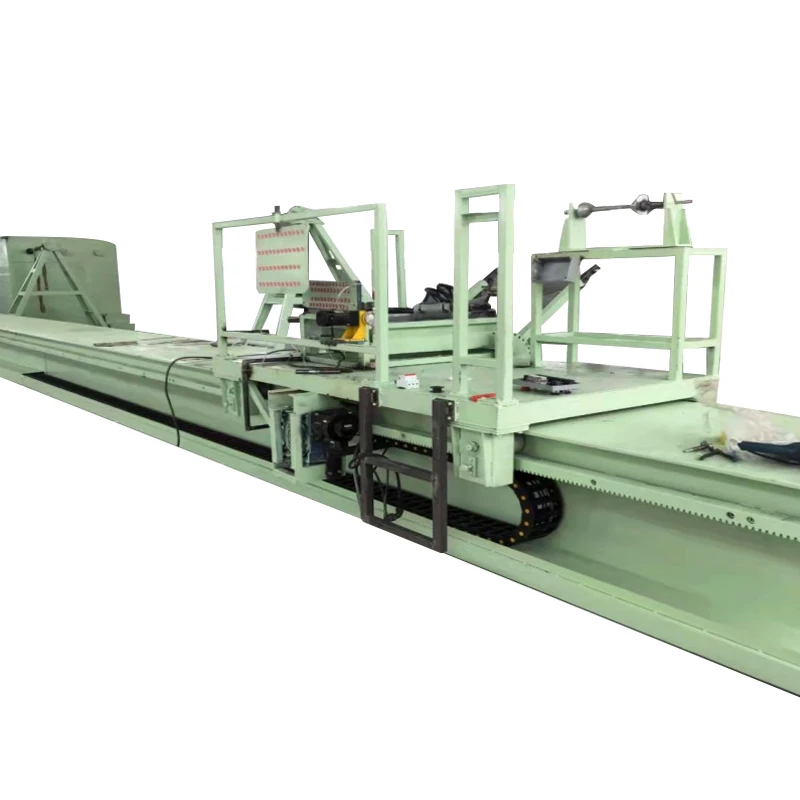
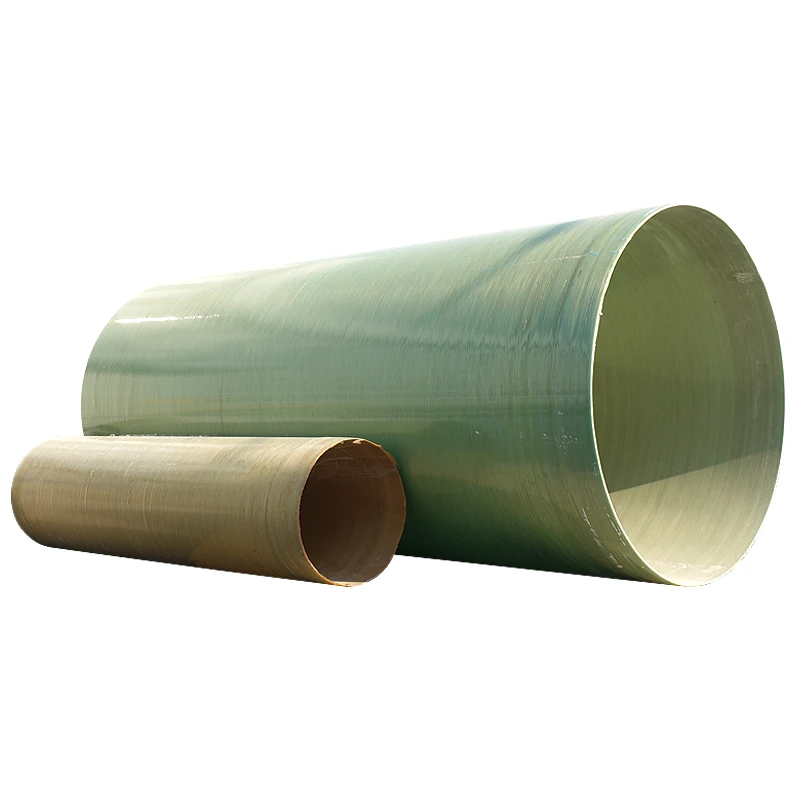
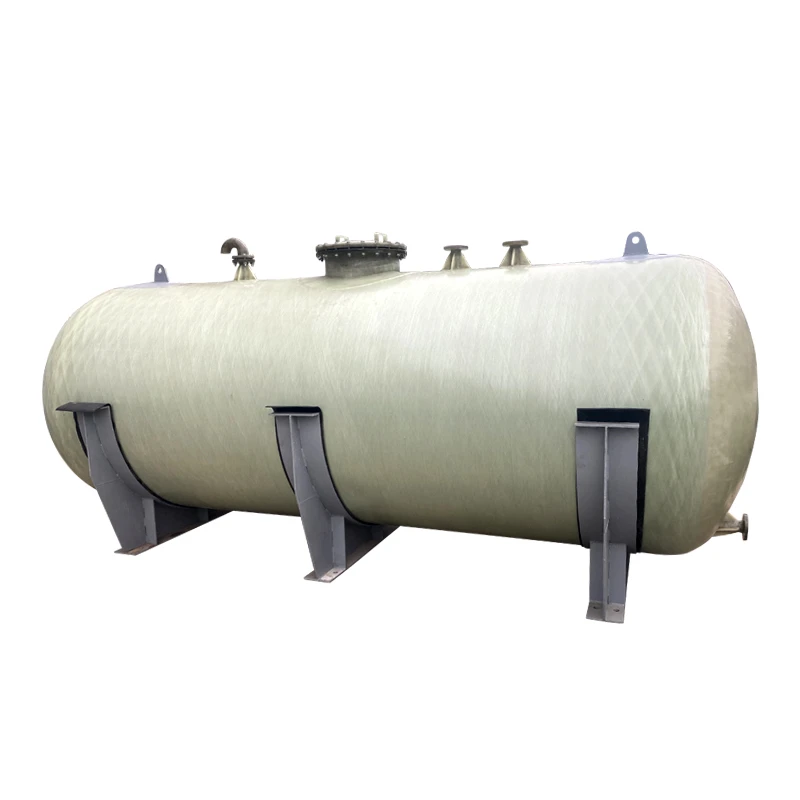
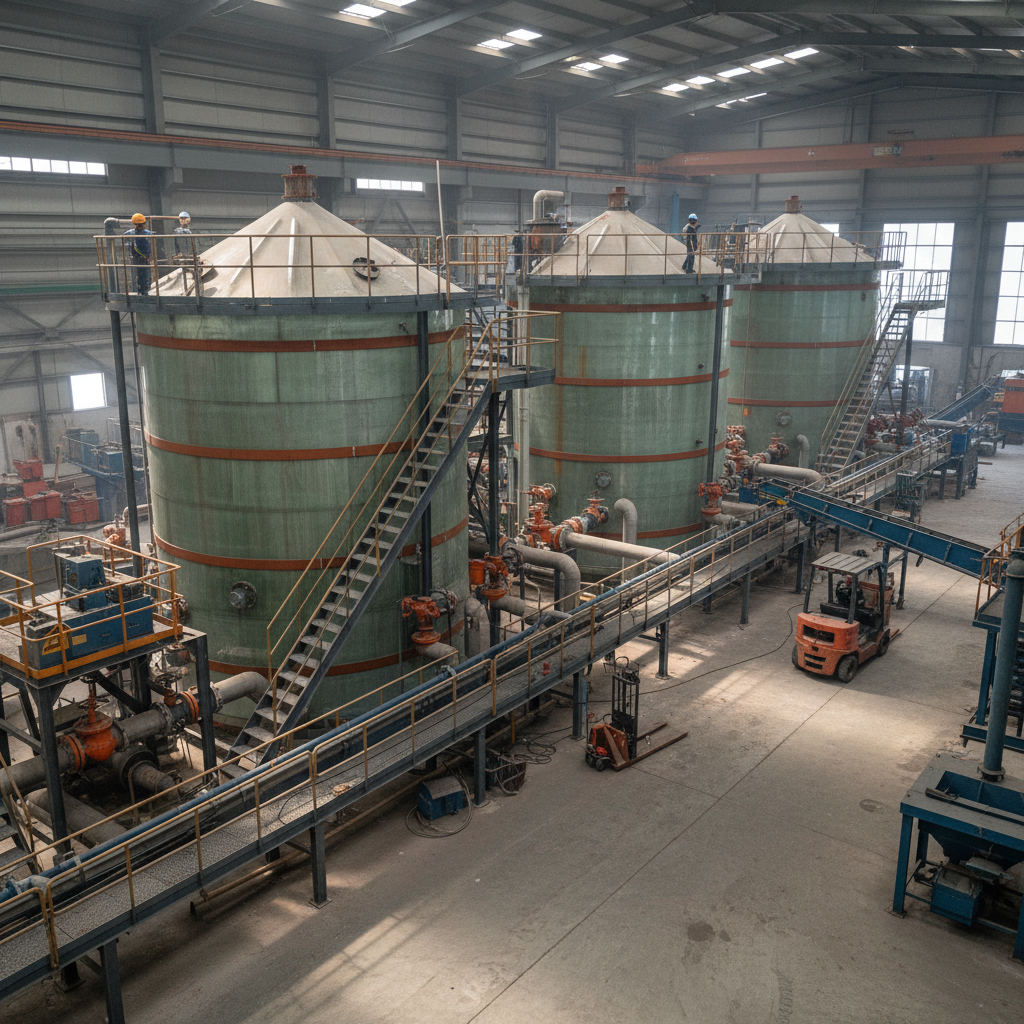
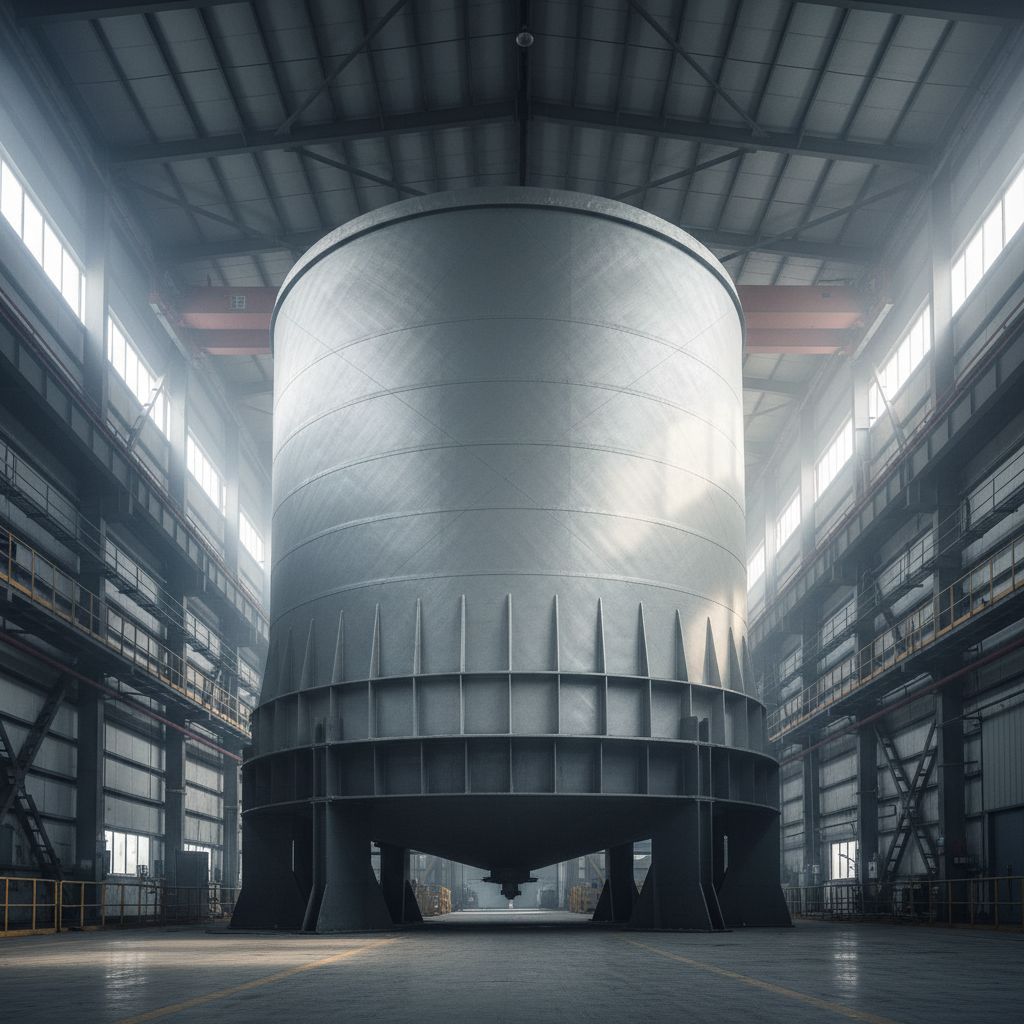
The demand for robust, corrosion-resistant, and high-performance storage and processing solutions is rapidly expanding across diverse industrial sectors. Fiberglass Reinforced Plastic (FRP) tanks have emerged as a superior alternative to traditional materials like steel, offering unparalleled durability, chemical inertness, and a reduced maintenance burden. Central to the efficient and precise manufacturing of these critical components is the advanced frp tank winding machine. This article delves into the intricate details of this pivotal technology, covering its operational mechanics, applications, technical advantages, and market dynamics.
Industry trends indicate a significant shift towards composite materials, driven by stricter environmental regulations, the need for enhanced operational safety, and the long-term cost-effectiveness of FRP solutions. According to a market report by Grand View Research, the global FRP tanks market size was valued at USD 2.3 billion in 2022 and is expected to grow at a compound annual growth rate (CAGR) of 6.2% from 2023 to 2030, underscoring the critical importance of sophisticated manufacturing equipment like the frp tank winding machine. Innovations in automated control systems, multi-axis winding capabilities, and material handling are continuously enhancing the production efficiency and quality of FRP tanks, making them indispensable for modern industrial infrastructure.
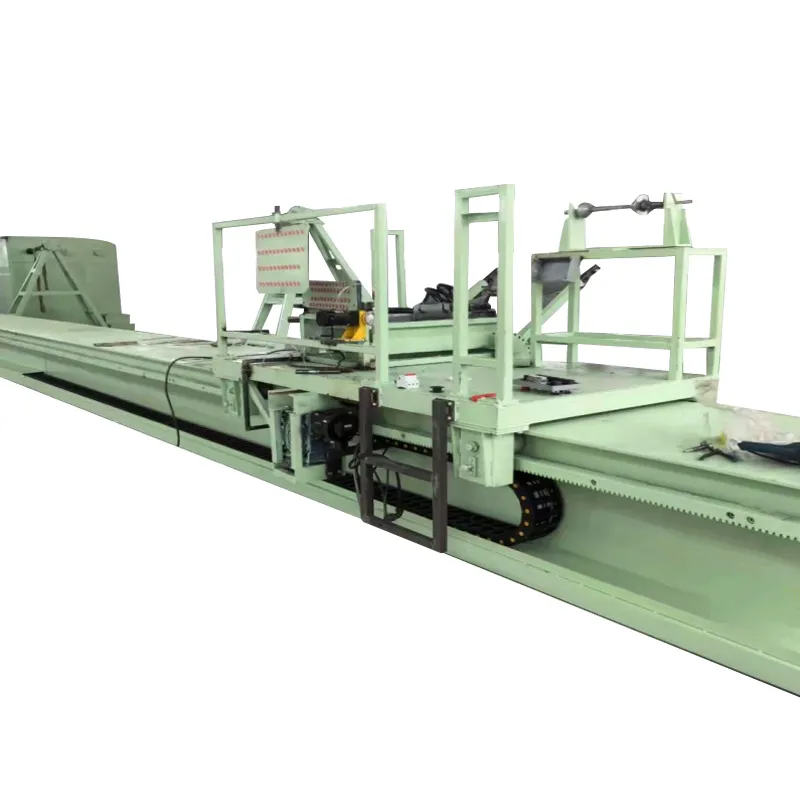
Process Flow: Manufacturing of FRP Tanks Utilizing a Fiberglass Tank Winding Machine
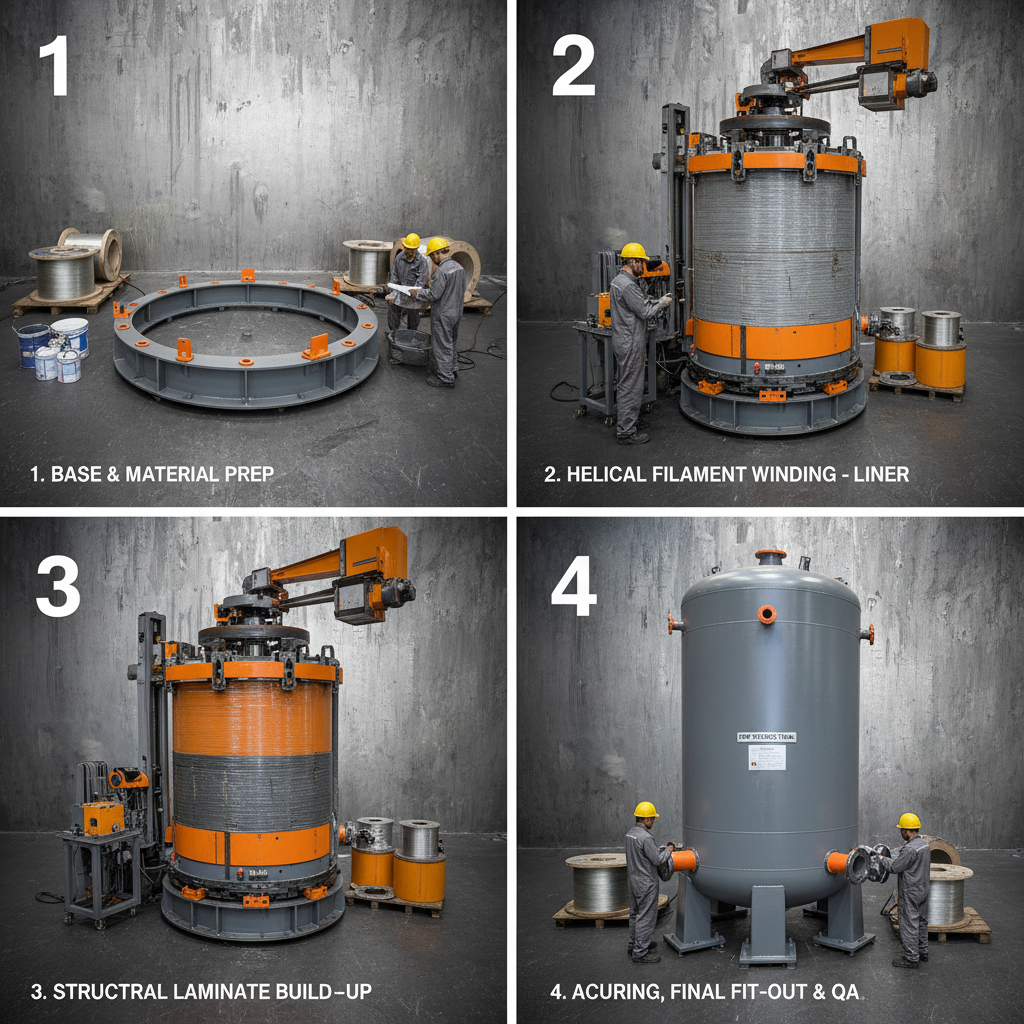
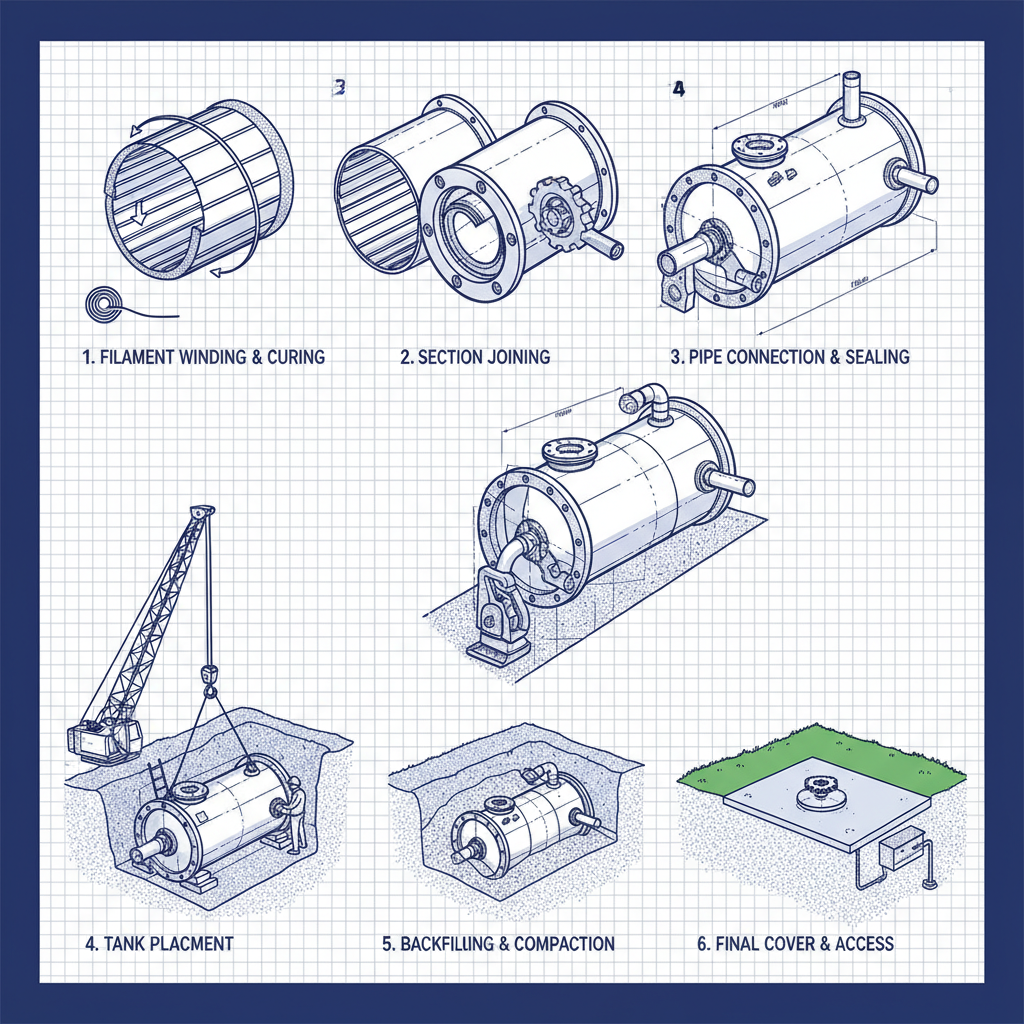
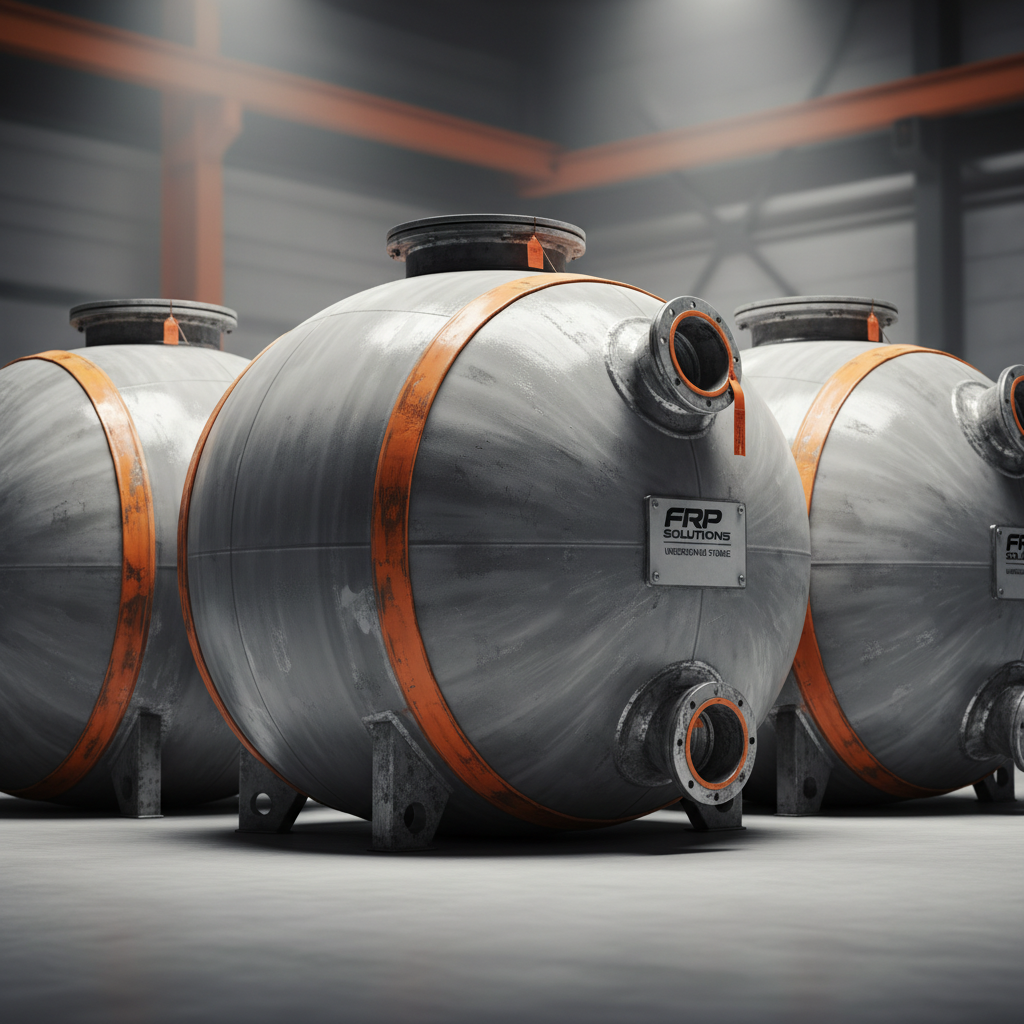
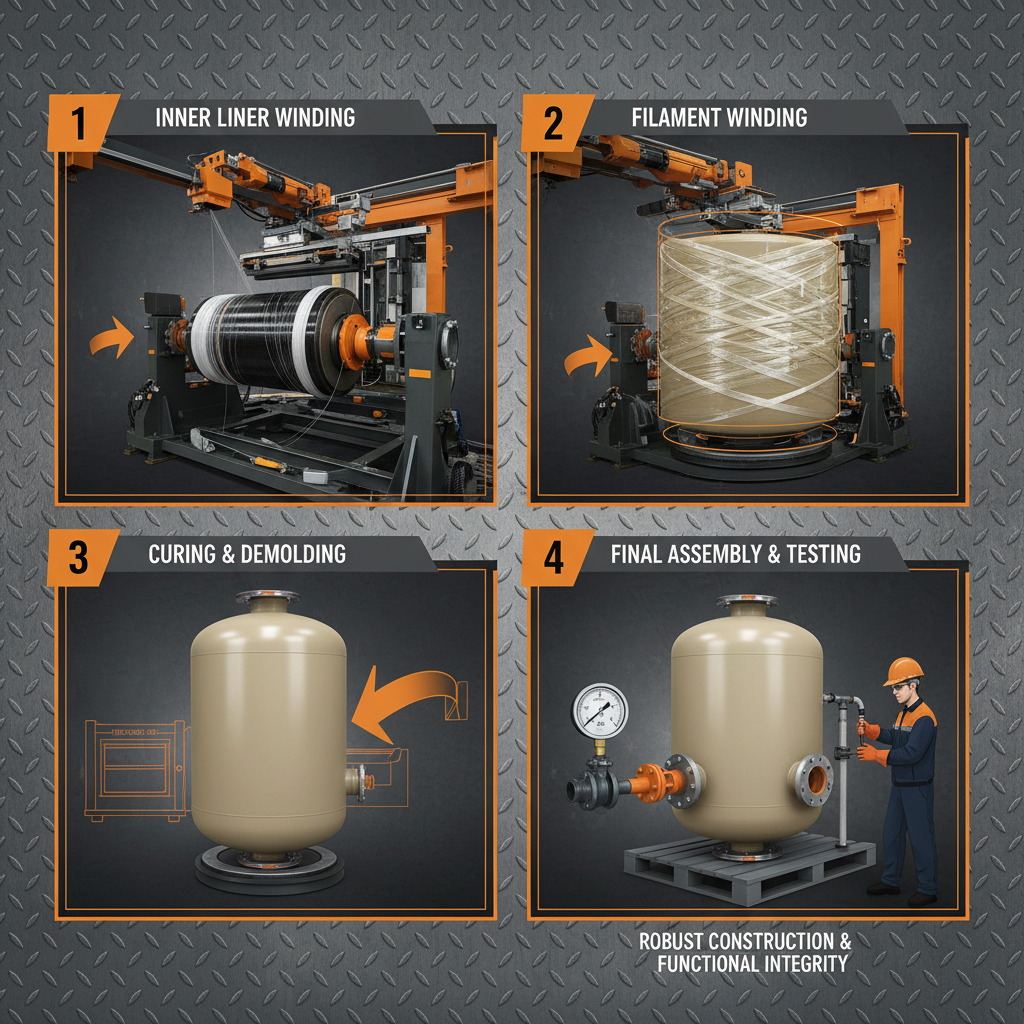
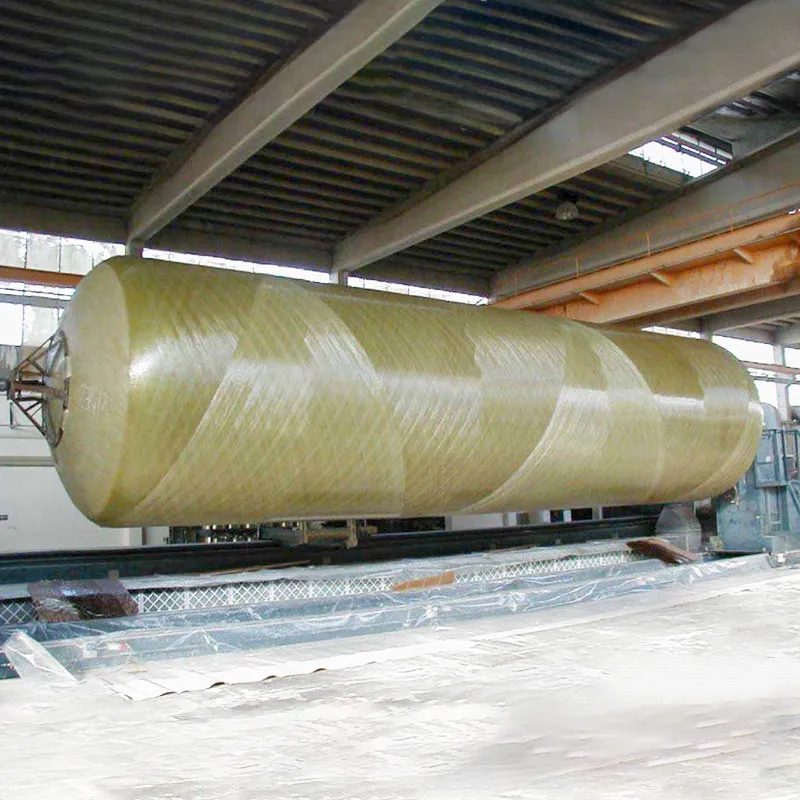
The core function of a fiberglass tank winding machine is to precisely apply resin-impregnated glass fibers onto a rotating mandrel to form a tank structure. This filament winding process is highly automated and critical for achieving the desired mechanical properties and structural integrity of the FRP tank. The manufacturing process typically involves several key stages:
- Mandrel Preparation: A precisely machined steel or composite mandrel, which determines the internal shape and dimensions of the tank, is mounted onto the winding machine. The mandrel surface is coated with a release agent to facilitate easy demolding.
- Inner Liner Formation: A corrosion-resistant inner liner, typically made from C-glass veil or thermoplastic material (e.g., PVC, PP, or PVDF) with a layer of chopped strand mat and resin, is first applied to the mandrel. This liner provides the primary chemical barrier.
- Fiber Impregnation: Continuous glass fiber rovings (e.g., E-glass, ECR-glass) are pulled from creels, guided through a resin bath (impregnation unit) where they are uniformly saturated with thermosetting resins (e.g., polyester, vinyl ester, epoxy). The resin system is selected based on the tank's intended application and chemical resistance requirements.
- Filament Winding: The resin-impregnated rovings are precisely wound onto the rotating mandrel. The grp winding machine utilizes multi-axis CNC control to execute various winding patterns—most commonly helical winding (fibers laid at an angle to the mandrel axis for axial strength) and hoop winding (fibers laid circumferentially for tangential strength). This highly controlled deposition ensures optimal fiber distribution and composite laminate strength.
- Curing: Once the desired wall thickness and laminate structure are achieved, the wound tank is transferred to a curing oven or allowed to cure at ambient temperature, depending on the resin system. Curing polymerizes the resin, bonding the fibers and forming a rigid, monolithic structure.
- Demolding & Finishing: After curing, the tank is demolded from the mandrel. Finishing operations include trimming, adding nozzles, manways, and other fittings, external coating (if required), and conducting quality assurance tests.
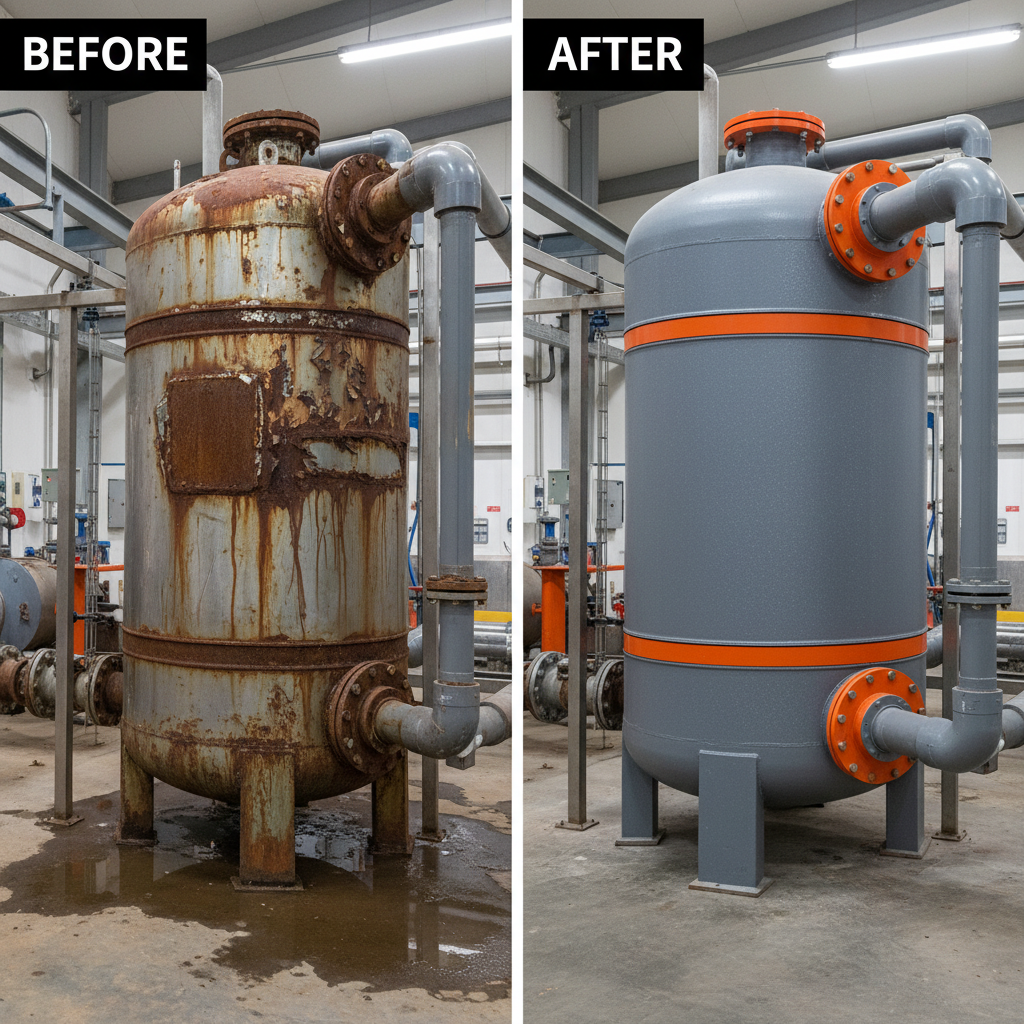
Throughout this process, critical materials like high-strength fiberglass rovings and chemically resistant resins are carefully selected. The manufacturing of the frp tank filament winding machine itself adheres to stringent standards, with components often manufactured using advanced techniques such as precision casting for structural elements, forging for high-stress parts, and state-of-the-art CNC machining for critical mechanical interfaces. Adherence to international testing standards like ISO 9001 for quality management and ASTM standards for FRP product performance ensures the machine's reliability and the tanks' quality. The typical service life of a well-maintained FRP tank produced by these machines often exceeds 20-30 years, significantly reducing lifecycle costs for industries like petrochemical, metallurgy, and municipal water supply & drainage. The inherent corrosion resistance and the ability to design for specific chemical environments are major advantages, alongside potential energy savings due to lighter weight and reduced heat transfer properties compared to metallic tanks.
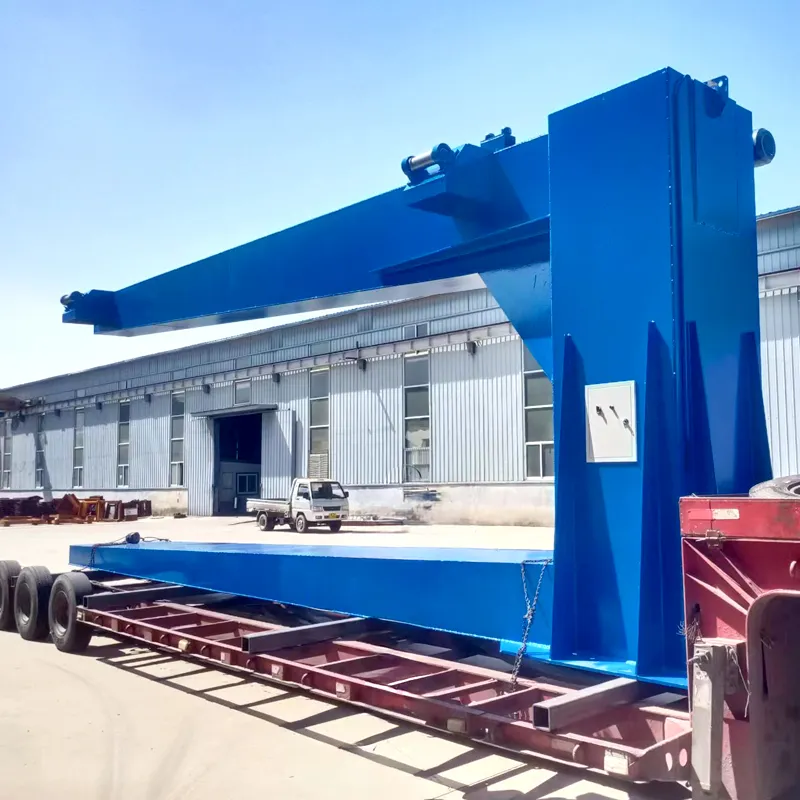
Technical Specifications and Core Expertise of the FRP Tank Winding Machine
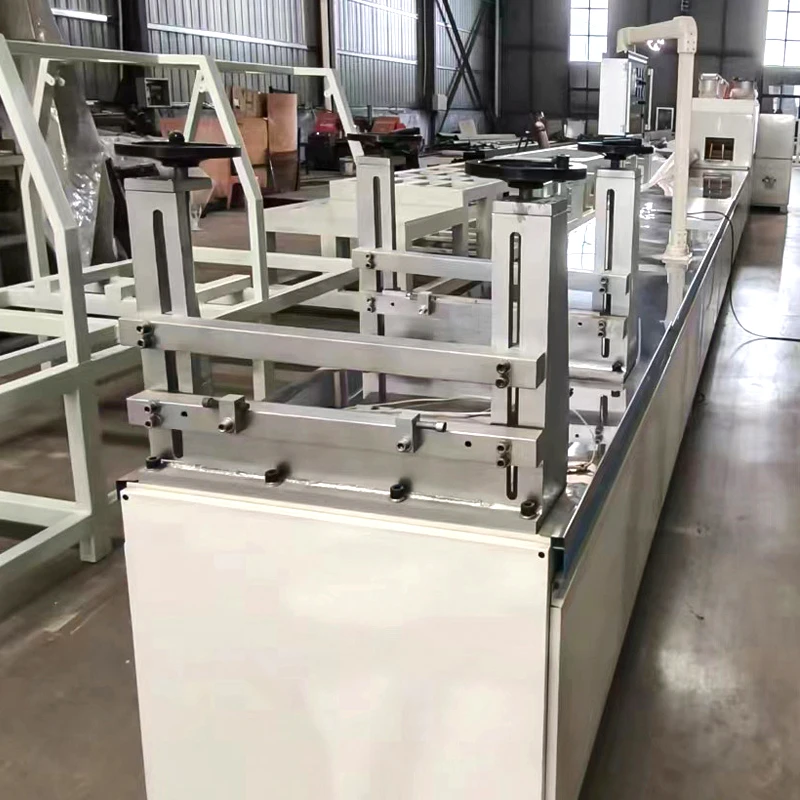
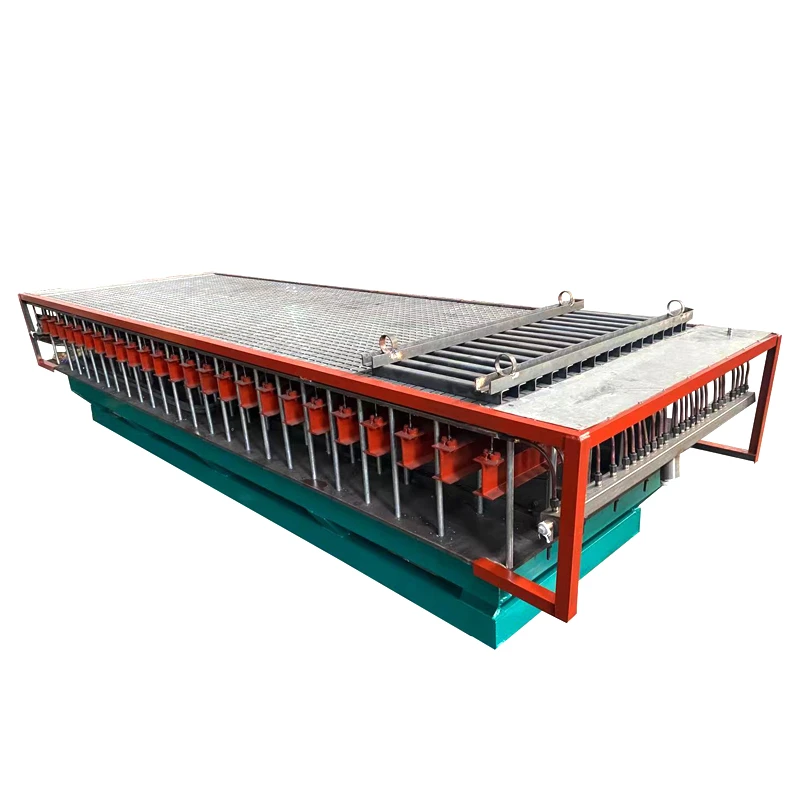
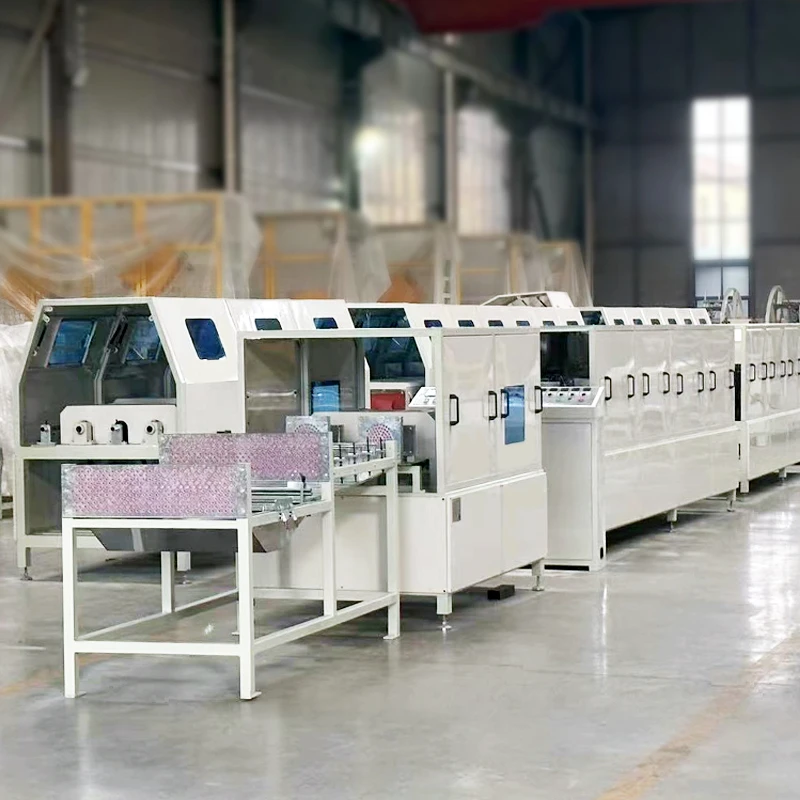
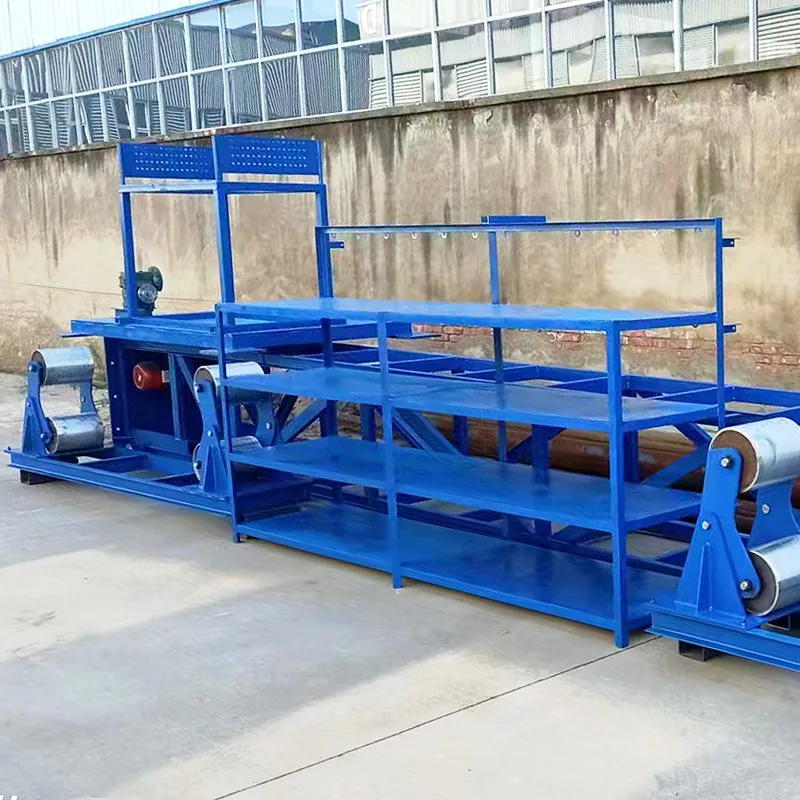
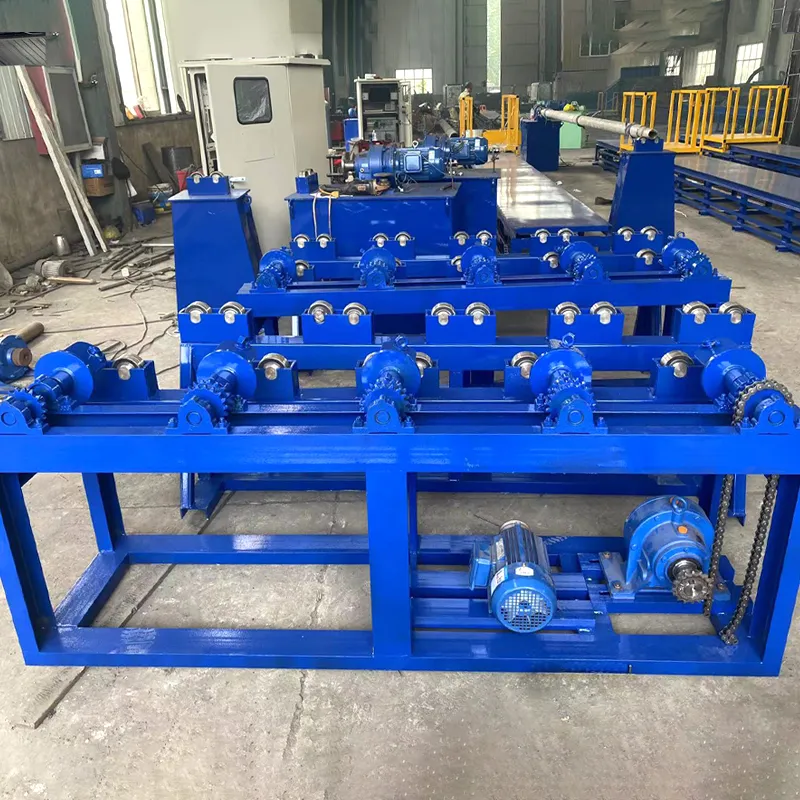
Modern frp tank winding machines are sophisticated pieces of industrial equipment, integrating mechanical precision with advanced digital control. Understanding their core technical specifications is crucial for B2B decision-makers. Key components typically include a robust gantry structure, a precision winding head, a motorized mandrel drive system, and a state-of-the-art control system.
Key Technical Parameters
| Parameter | Description | Typical Range/Value |
|---|---|---|
| Mandrel Diameter Range | Minimum to maximum diameter of tanks that can be produced. | DN500 mm to DN4500 mm (or larger for custom solutions) |
| Mandrel Length | Maximum length of tanks that can be produced. | Up to 12 meters (standard), up to 20 meters (custom) |
| Winding Axes | Number of independently controlled axes (e.g., mandrel rotation, carriage traverse, winding head tilt). | 3 to 6 axes (typically 4-axis for standard tanks) |
| Winding Speed | Linear speed of fiber deposition. | Up to 100 m/min (carriage speed) |
| Control System | Type of programmable logic controller and human-machine interface. | Siemens, Mitsubishi, Rockwell PLC with HMI touchscreen |
| Drive System | Motors and gearboxes for motion control. | High-precision AC servo motors and planetary reducers |
| Power Requirements | Total electrical power consumption. | 15 kW to 75 kW (depending on size and features) |
| Resin Bath Capacity | Volume of resin held for fiber impregnation. | 50 L to 300 L (with temperature control) |
The robust engineering of these machines ensures a long operational lifespan, typically exceeding 15-20 years with proper maintenance, making them a sustainable investment. The integrated control systems, often from reputable brands like Siemens or Rockwell, provide precise parameter control, enabling highly repeatable and accurate winding processes, crucial for maintaining consistent product quality and meeting international standards such as ASME RTP-1 for fiberglass reinforced plastic tanks.
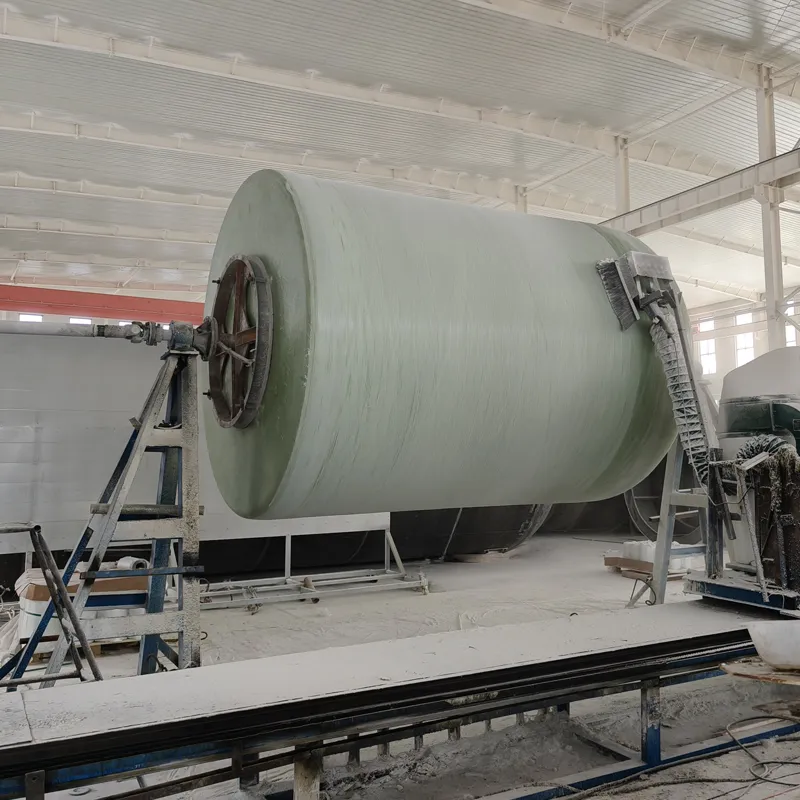
Technical Advantages of Advanced FRP Winding Machines
The superiority of tanks produced by a modern grp winding machine stems directly from the technical advantages inherent in the machine's design and operational capabilities:
- Precision and Repeatability: Advanced CNC control and servo drive systems ensure micron-level accuracy in fiber placement and tension control. This leads to highly consistent laminate quality, predictable mechanical properties, and minimal material waste, adhering strictly to design specifications.
- Optimized Structural Design: The ability to implement complex winding patterns (e.g., varying winding angles along the tank length, localized reinforcement) allows engineers to optimize the tank's strength-to-weight ratio and tailor it for specific load conditions, internal pressures, and external forces.
- Enhanced Material Utilization: Precise fiber placement and controlled resin impregnation minimize voids and air entrapment, resulting in denser laminates with higher fiber volume fractions. This reduces raw material consumption and improves the overall composite performance.
- Automation and Efficiency: High levels of automation, including automatic creel changes, resin mixing systems, and real-time monitoring, significantly reduce manual labor, increase production speed, and ensure continuous operation, boosting overall factory output.
- Versatility: A single fiberglass tank winding machine can produce tanks of various sizes, shapes (cylindrical, spherical, conical ends), and material combinations simply by changing mandrels and programming new winding paths, offering immense production flexibility.
- Superior Corrosion Resistance: The filament winding process creates a seamless, void-free laminate that, when combined with appropriate resin systems and inner liners, provides exceptional resistance to a wide range of corrosive chemicals, acids, and alkalis, far surpassing metallic alternatives.
These technical advantages translate into tangible benefits for end-users, including extended tank service life, reduced maintenance costs, improved safety, and compliance with stringent industrial regulations. The precision offered by a modern frp tank filament winding machine is unmatched by traditional manufacturing methods.
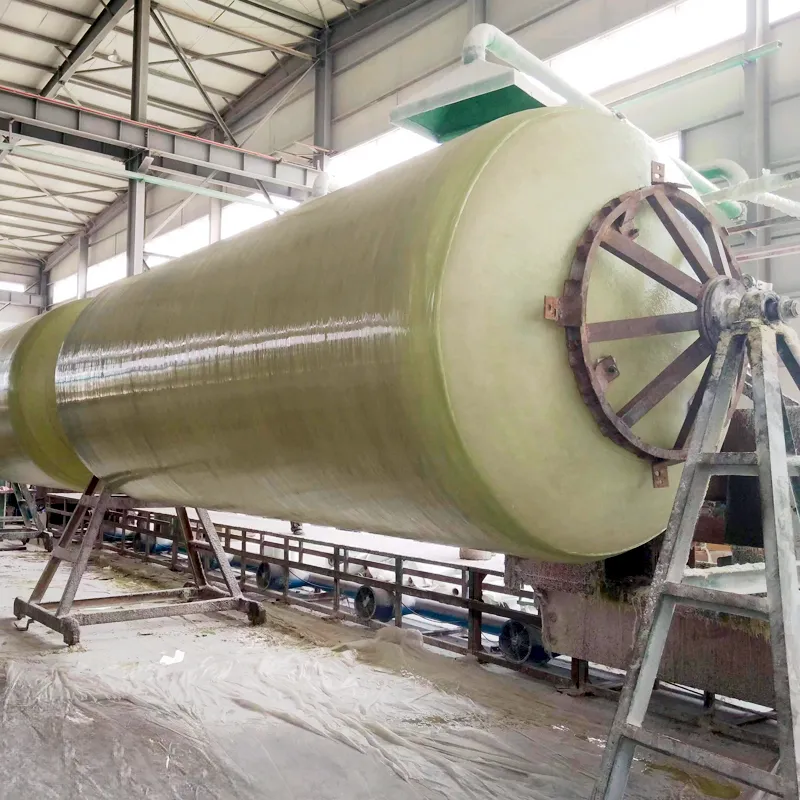
Application Scenarios and Target Industries
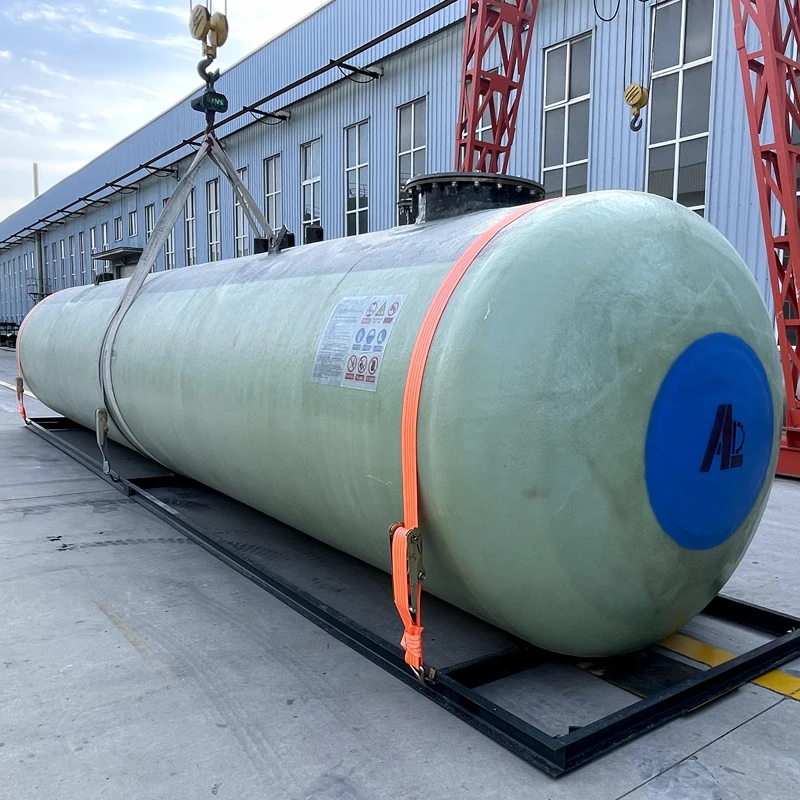
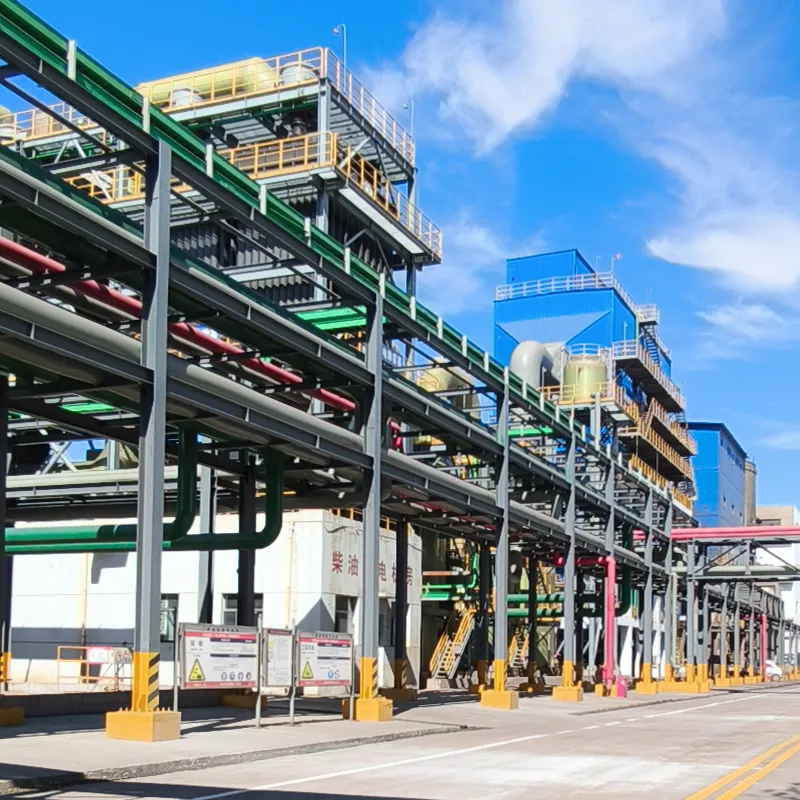
FRP tanks manufactured using a frp tank winding machine are essential across a multitude of industries where reliable, non-corrosive storage and processing solutions are paramount. Their versatility allows them to be deployed in diverse and challenging environments.
- Petrochemical and Chemical Processing: For storing and processing highly corrosive acids (e.g., sulfuric acid, hydrochloric acid), alkalis, solvents, and various chemical intermediates. Examples include reactor vessels, mixing tanks, and storage silos.
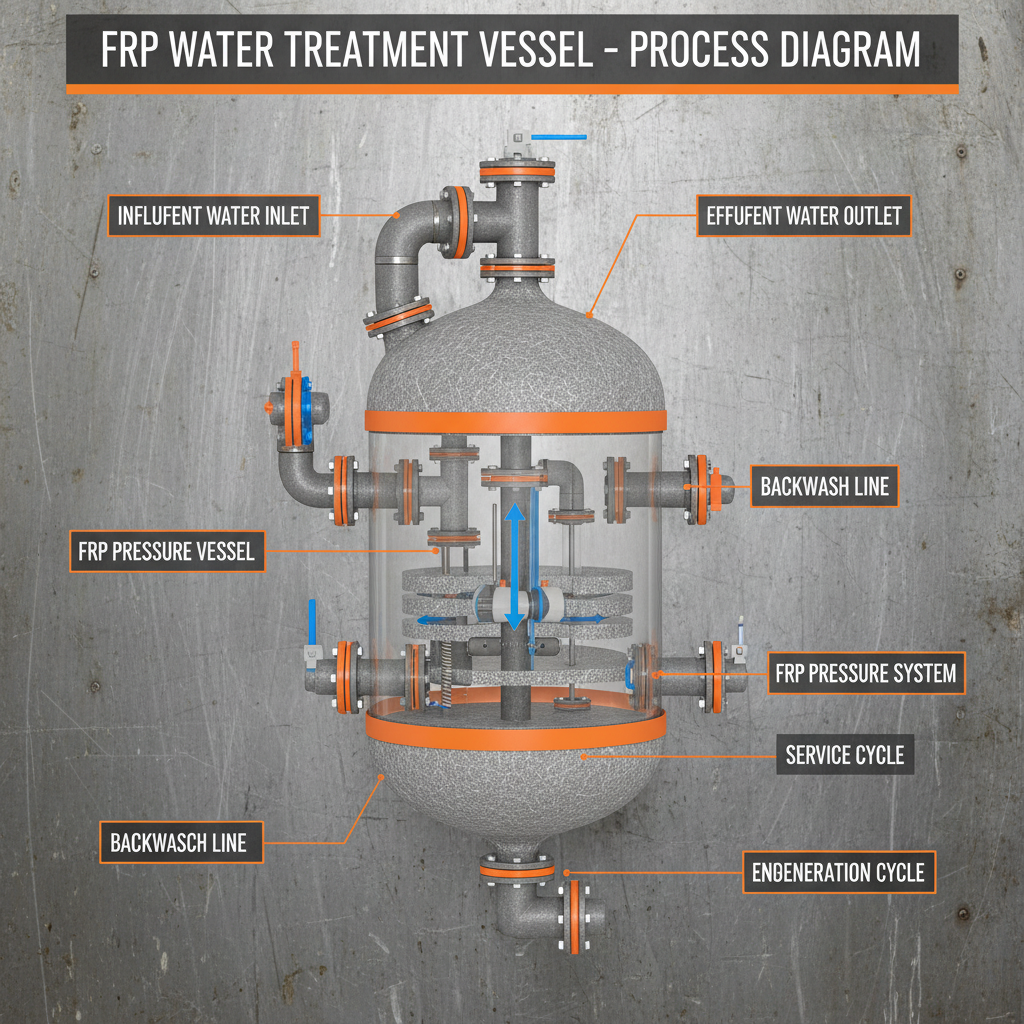
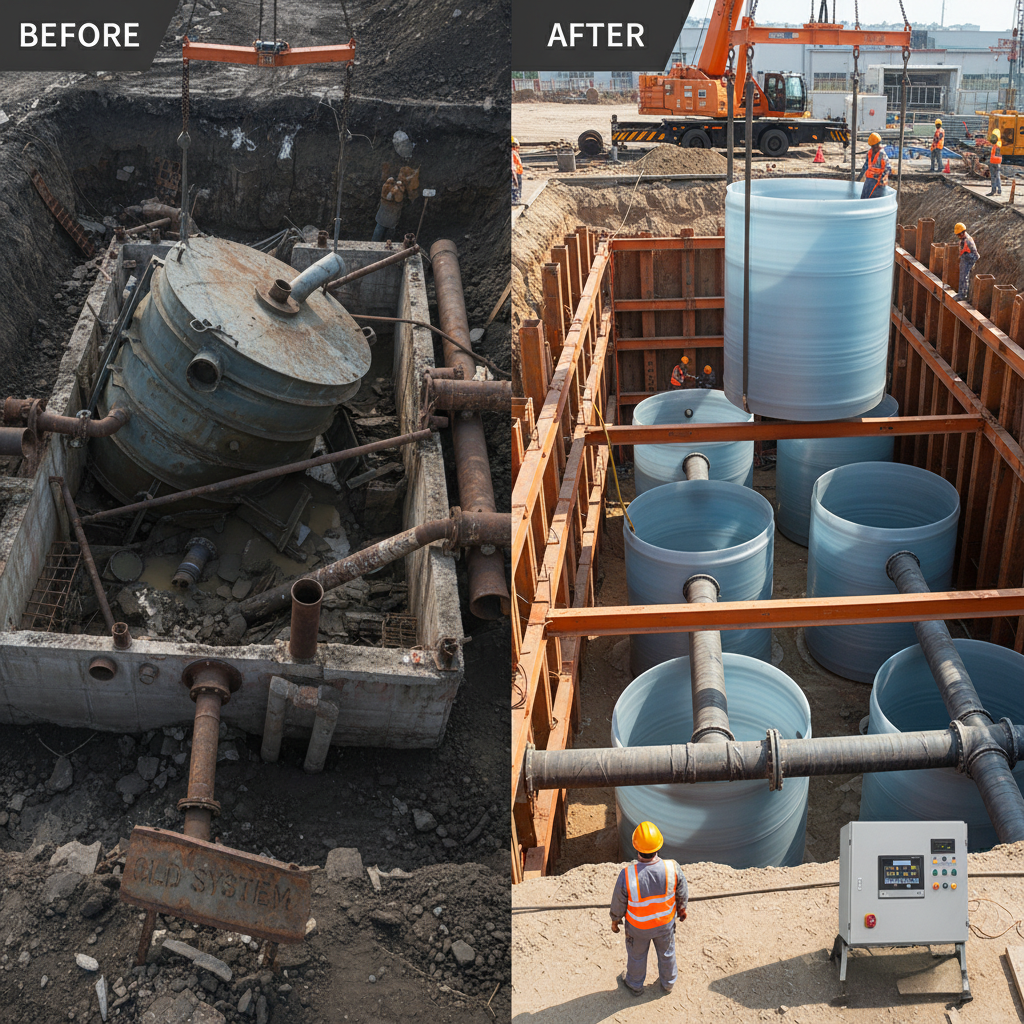
- Water and Wastewater Treatment: Critical for municipal and industrial water treatment plants for storing raw water, treated water, brine solutions, and various chemicals used in purification processes. This includes clarifiers, filter vessels, and chemical dosing tanks.
- Energy Sector: Used in power plants for demineralized water storage, fuel oil storage, and stack liners. In oil and gas, they serve as separators, production tanks, and water handling tanks, especially in corrosive brines and sour gas environments.
- Food and Beverage Industry: For storing potable water, sugar solutions, brines, and various food-grade chemicals, where hygiene and non-contaminating materials are critical. FRP tanks can be designed to meet FDA requirements.
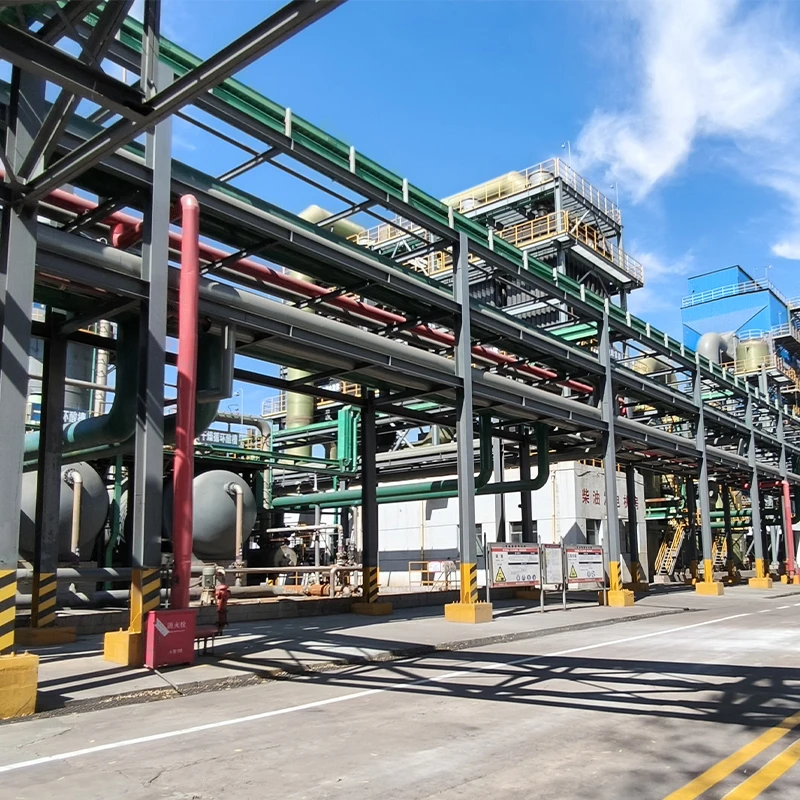
- Environmental Protection: Employed in pollution control systems, scrubbers, odor control units, and leachate collection systems in landfills due to their excellent chemical resistance.
- Metallurgy and Mining: For acid leaching, electrolyte storage, and waste treatment in mining operations, where extremely aggressive chemical conditions are common.
In these scenarios, the advantages of FRP tanks—such as energy saving through reduced heat transfer, exceptional corrosion resistance, high strength-to-weight ratio, and minimal maintenance—are leveraged to provide long-term, cost-effective solutions. The ability of the frp tank winding machine to produce a wide range of tank configurations makes it an invaluable asset across these diverse markets.
Vendor Comparison and Customized Solutions
Selecting the right supplier for an frp tank winding machine is a critical decision that impacts production efficiency, product quality, and long-term operational costs. Key factors to consider include the vendor's technical expertise, their ability to provide customized solutions, and their after-sales support.
Key Considerations for Vendor Selection
| Feature | Vendor A (Example) | Vendor B (Example) | Our Offering (Example) |
|---|---|---|---|
| Control System Brand | Local Brand PLC, Basic HMI | Siemens S7-1200, Basic HMI | Siemens S7-1500, Advanced Touch HMI |
| Number of Winding Axes | 3-Axis | 4-Axis | 4-6 Axes (Modular Upgrade) |
| Max. Tank Diameter | DN3000 mm | DN4000 mm | DN4500 mm (Standard), Up to DN12000 mm (Custom) |
| Mandrel Drive Type | Variable Frequency Drive (VFD) | AC Servo Motor | High-Precision AC Servo Motor with Planetary Reducer |
| Resin Impregnation System | Manual Temperature Control | PID Temperature Control | PID with Automatic Resin Level & Viscosity Control |
| Certification & Compliance | Basic CE | CE, ISO 9001 | CE, ISO 9001, ASME RTP-1 Design Capable |
A key differentiator for leading manufacturers of frp tank winding machines is their ability to provide tailored solutions. Recognizing that each client has unique production requirements, superior vendors offer comprehensive customization options, including:
- Mandrel Size and Type: Custom designs for specific tank dimensions (e.g., extremely large diameters, specialized geometries) or for producing non-standard composite structures.
- Automation Level: From semi-automatic systems to fully integrated production lines with automated material handling, cutting, and resin mixing.
- Multi-axis Configurations: Adding more axes (e.g., fifth and sixth axes for complex dome or dished end winding) to handle intricate geometries and optimize fiber orientation.
- Software Integration: Custom winding software development, integration with existing MES/ERP systems, and advanced simulation capabilities for optimizing winding patterns.
- Environmental Controls: Integration of fume extraction systems, temperature and humidity control for resin baths, and safety interlocks for hazardous material handling.
Choosing a vendor with a proven track record, recognized certifications (e.g., ISO 9001), and extensive experience in the composite manufacturing industry ensures a reliable and high-performing machine tailored to specific production needs. Many leading manufacturers have over 20 years of experience in the field, partnering with major global enterprises.
Application Case Studies and Customer Experience
Real-world deployments illustrate the transformative impact of the fiberglass tank winding machine on industrial operations. Here are illustrative examples demonstrating how advanced winding technology enhances client capabilities:
-
Case Study 1: Large-Scale Chemical Storage for a Petrochemical Giant
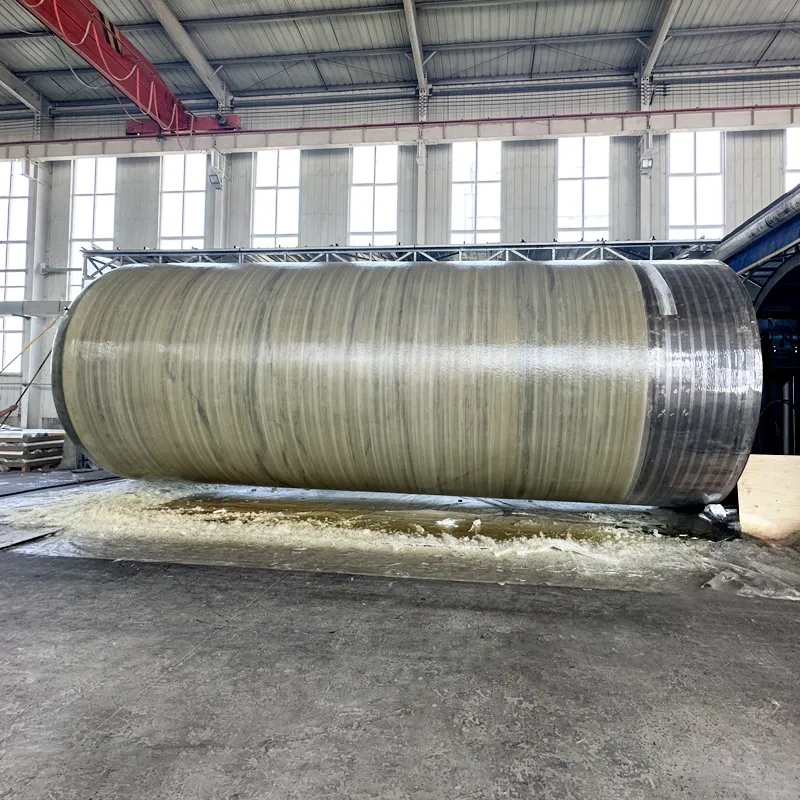
A leading petrochemical company required a series of large-diameter (DN6000 mm, 15m long) storage tanks for highly corrosive sodium hypochlorite. Utilizing a custom-built frp tank winding machine with an extended gantry and 6-axis control, the client successfully manufactured tanks capable of withstanding the aggressive chemical environment and high hydrostatic pressures. The precision winding ensured consistent wall thickness and laminate integrity, validated through hydrostatic and acoustic emission testing. This deployment resulted in a 30% reduction in long-term maintenance costs compared to their previous steel-lined tanks, with an expected service life exceeding 25 years. -
Case Study 2: Rapid Deployment for a Municipal Water Treatment Plant
A municipality needed to rapidly expand its water treatment capacity, requiring 10 new potable water storage tanks (DN3500 mm, 10m long) within a tight six-month deadline. By investing in an automated grp winding machine with optimized production cycles and integrated resin mixing, the tank manufacturer was able to meet the aggressive timeline. The high repeatability of the machine ensured each tank met stringent NSF/ANSI 61 potable water contact standards, significantly reducing lead times and commissioning costs for the municipal authority. -
Case Study 3: Specialized Vessels for Pharmaceutical Production
A pharmaceutical company required custom reaction vessels for sensitive biological processes, demanding ultra-pure contact surfaces and resistance to specific sterilization chemicals. A compact, high-precision frp tank filament winding machine with fine-tuned tension control was employed to produce vessels with seamless internal surfaces and precise dimensional tolerances. The capability to integrate a specialized fluoropolymer liner prior to winding ensured chemical inertness and prevented contamination, demonstrating the machine's adaptability to highly specialized industry needs.
Customer feedback consistently highlights the reliability, efficiency, and consistent output quality achieved with modern FRP winding technology. Clients report increased throughput, reduced material waste, and the ability to undertake more complex projects, ultimately enhancing their competitive edge in the composite manufacturing market.
Trust & Support: FAQ, Lead Time, Warranty, and After-Sales Services
Establishing trust with B2B clients requires transparency in product support and service commitments. A reliable vendor for a frp tank winding machine provides clear information on lead times, robust warranties, and comprehensive after-sales support.
Frequently Asked Questions (FAQ)
Q1: What is the typical lead time for a custom frp tank winding machine?
A1: Lead times vary based on customization level and current production schedules. For standard configurations, it's typically 10-14 weeks from order confirmation. Highly customized systems may require 16-24 weeks.
Q2: What kind of warranty is offered on the equipment?
A2: We offer a standard 12-month warranty on mechanical and electrical components from the date of commissioning or 18 months from shipment, whichever comes first. Extended warranty options are available upon request.
Q3: Do you provide installation and training?
A3: Yes, our comprehensive service includes on-site installation supervision, commissioning, and extensive operator and maintenance training programs to ensure your team is fully proficient with the frp tank winding machine.
Q4: How is after-sales support handled?
A4: We offer multi-channel support including 24/7 remote diagnostics, telephone and email support, and dispatch of field service engineers for on-site assistance when required. A readily available inventory of critical spare parts minimizes downtime.
Customer Support & Commitment
Our commitment extends beyond the sale of the frp tank winding machine. We understand that maximizing uptime and ensuring consistent production are paramount. We offer:
- Technical Consultation: Expert guidance on facility layout, material selection, and process optimization.
- Preventative Maintenance Programs: Tailored schedules and support to ensure the longevity and optimal performance of your equipment.
- Software Upgrades: Continuous development and provision of software enhancements to improve functionality and efficiency.
- Spare Parts Availability: A dedicated global supply chain for prompt delivery of genuine spare parts.
Conclusion
The frp tank winding machine stands as a cornerstone technology in the modern composite manufacturing landscape. Its precision, automation, and versatility enable the production of FRP tanks that meet the stringent demands of various industries, offering superior performance, longevity, and cost-effectiveness compared to traditional materials. As industries continue to seek advanced, sustainable, and reliable solutions for critical infrastructure, the role of sophisticated winding technology will only expand, driving innovation and efficiency in composite fabrication.
References
- Grand View Research. (2023). FRP Tanks Market Size, Share & Trends Analysis Report By Resin (Polyester, Vinyl Ester), By Application (Water & Wastewater, Chemical), By Region, And Segment Forecasts, 2023 - 2030. Retrieved from grandviewresearch.com
- ASTM International. (2022). Standard Specification for Filament-Wound Fiberglass (Glass-Fiber-Reinforced Thermosetting-Resin) Pressure Vessels. ASTM D2997-22.
- ASME. (2018). Reinforced Thermoset Plastic Corrosion Resistant Equipment (ASME RTP-1). The American Society of Mechanical Engineers.
- NSF International. (2023). NSF/ANSI/CAN 61: Drinking Water System Components – Health Effects. Retrieved from nsf.org