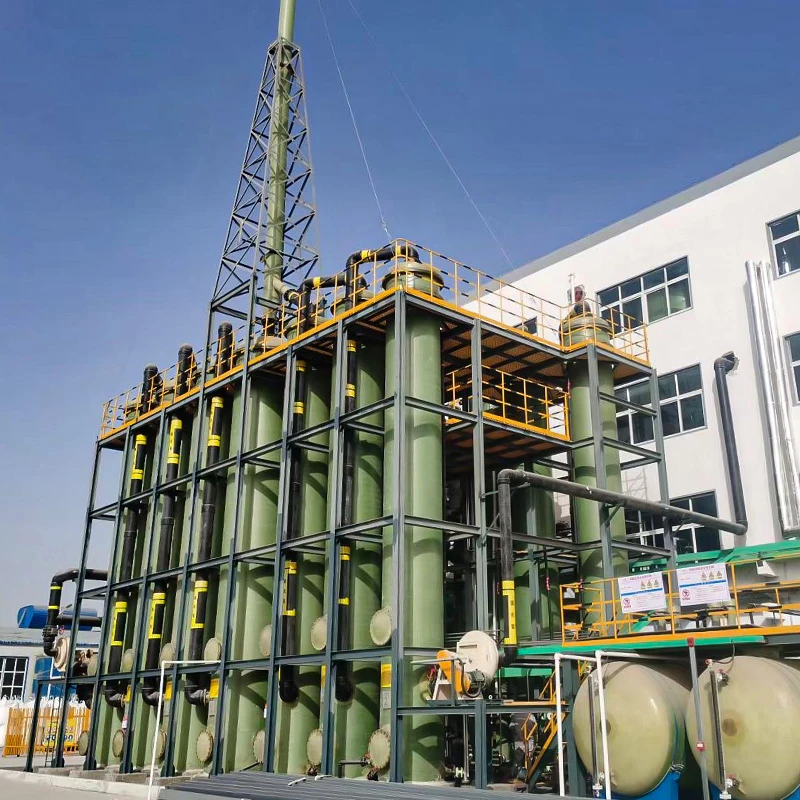
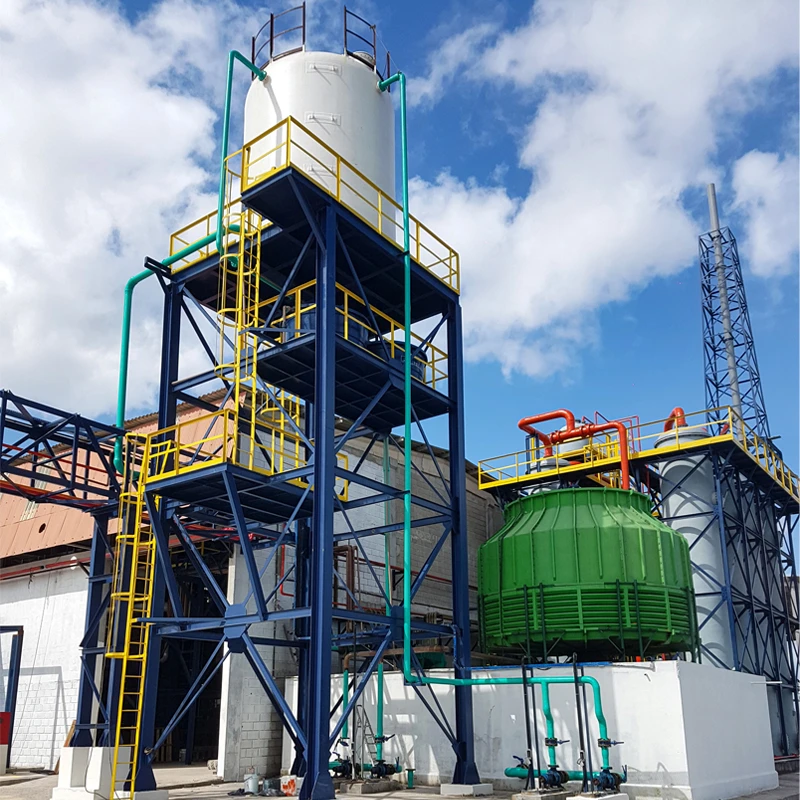
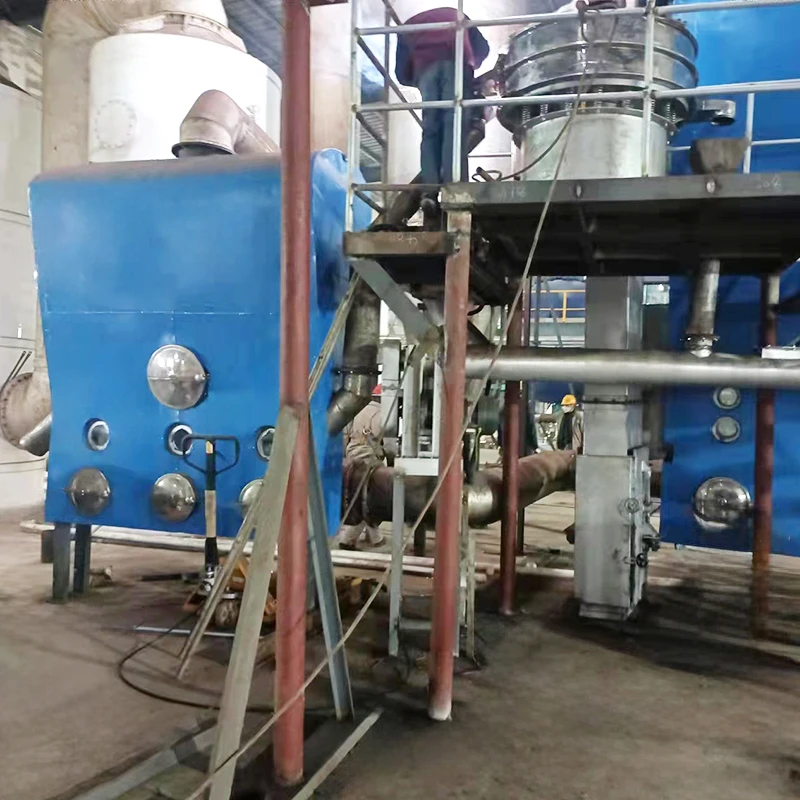
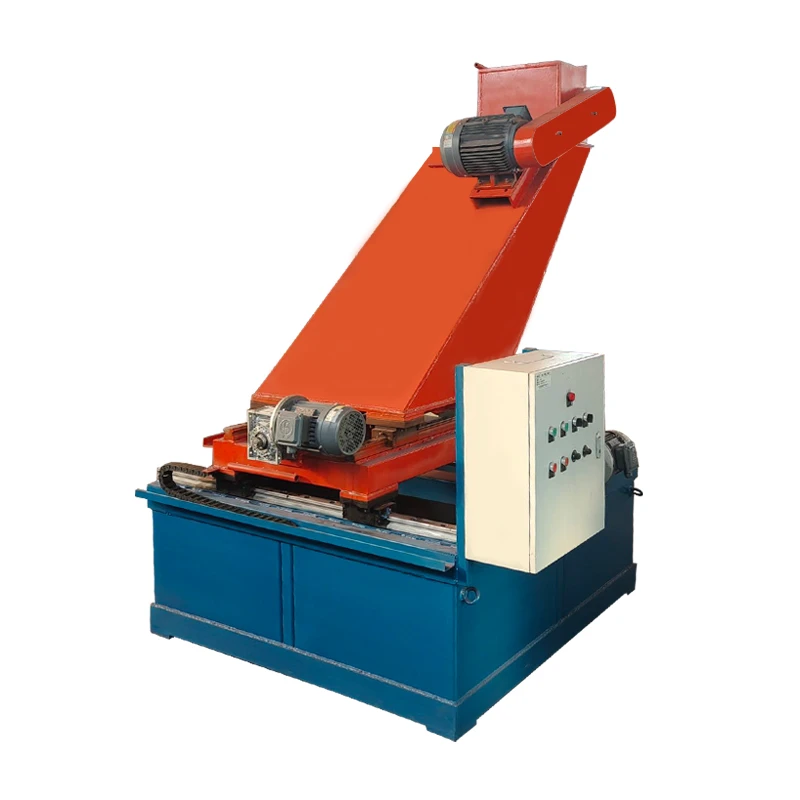
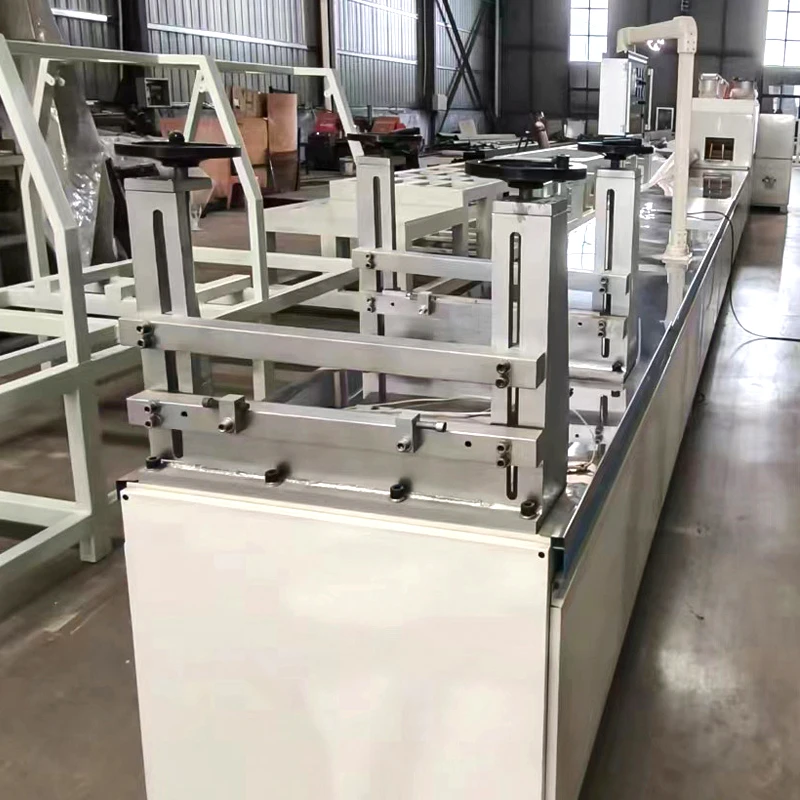
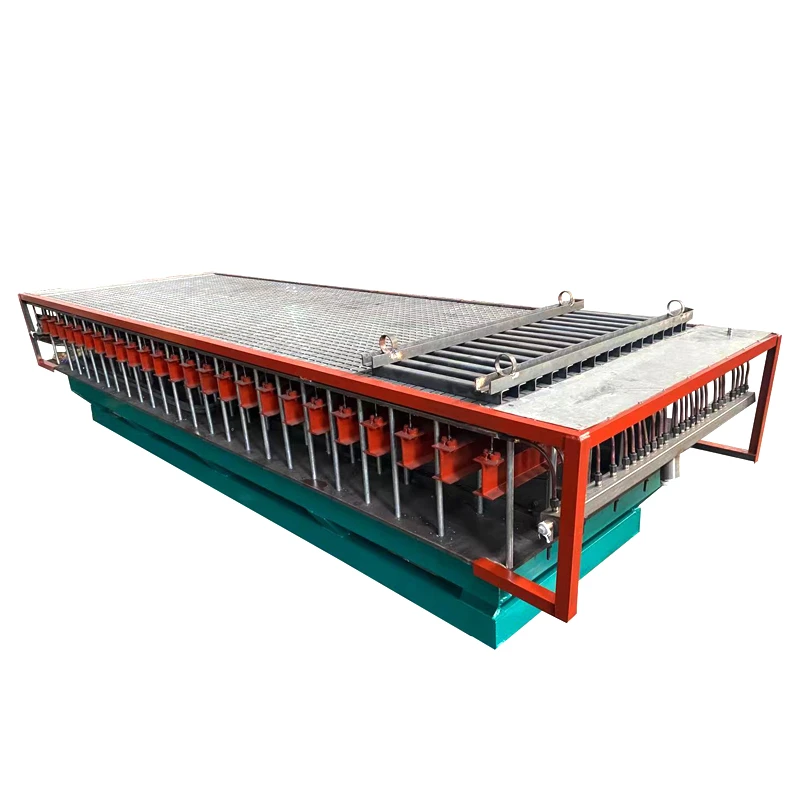
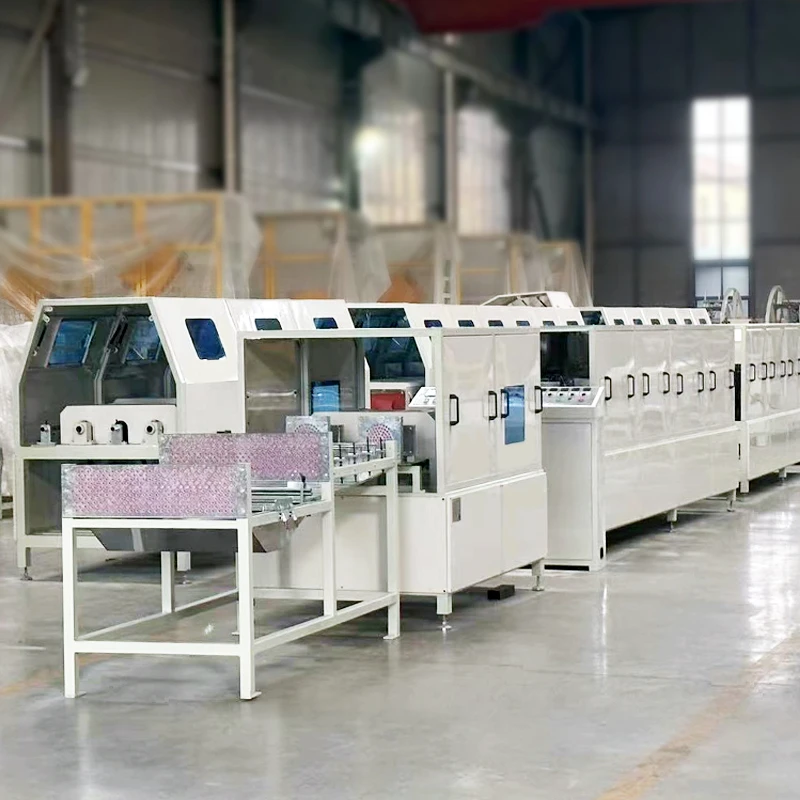
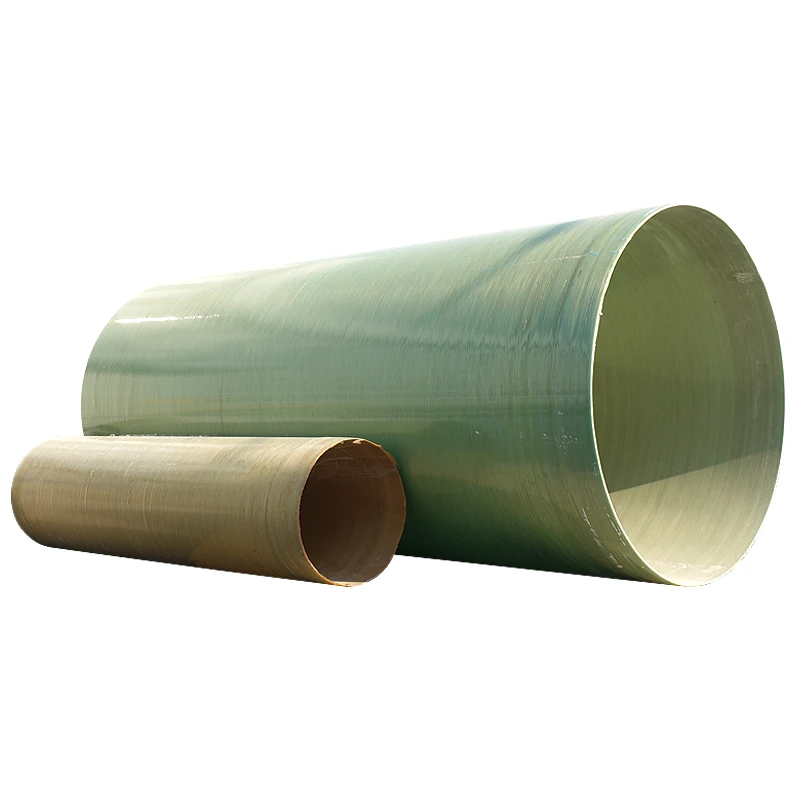
High-Performance FRP Rebar Machine for Efficient Production
The Evolution of Construction Materials: Unveiling the FRP Rebar Machine
In the rapidly evolving landscape of modern infrastructure, the demand for resilient, sustainable, and cost-effective construction materials is paramount. Traditional steel rebar, while robust, is susceptible to corrosion, a significant factor contributing to the degradation of concrete structures, especially in harsh environments. This challenge has driven innovation, leading to the widespread adoption of Fiber Reinforced Polymer (FRP) rebar. Central to its production is the advanced frp rebar machine, a sophisticated manufacturing solution that produces high-strength, non-corrosive reinforcement for concrete. This article delves into the intricacies of these machines, exploring their technical specifications, operational advantages, and pivotal role in shaping the future of construction.
The rising global infrastructure spending, coupled with an increasing awareness of the lifecycle costs associated with corrosion-prone materials, has propelled the market for FRP composites. As such, the market for the machinery that produces these advanced materials, specifically the equipment designed for manufacturing both Glass Fiber Reinforced Polymer (GFRP) and Carbon Fiber Reinforced Polymer (CFRP) rebars, is experiencing robust growth. The specialized capabilities of an frp rebar machine are essential for meeting the stringent quality and performance requirements of these cutting-edge construction components.
Industry Trends and Market Outlook for FRP Rebar
The global FRP rebar market is projected for significant growth, driven by increasing applications in coastal infrastructure, bridges, tunnels, wastewater treatment plants, and magnetic resonance imaging (MRI) facilities where non-magnetic properties are crucial. Analysts predict the market size for FRP rebar to exceed several billion USD by the late 2020s, with a compound annual growth rate (CAGR) estimated at over 8-10% over the next decade. Key factors fueling this growth include:
- Infrastructure Resilience: Growing concerns over the durability and longevity of existing infrastructure.
- Corrosion Mitigation: The escalating costs associated with repairing corrosion-damaged concrete structures.
- Sustainable Construction: Demand for materials with a lower environmental impact and longer service life.
- Technological Advancements: Continuous improvements in manufacturing processes and material science, often driven by the efficiency of modern frp rebar machine technology.
- Regulatory Support: Increasing adoption of codes and standards for FRP reinforcement in various regions.
The demand for gfrp rebar machine, specifically designed for manufacturing GFRP rebars, is particularly strong due to their cost-effectiveness and excellent strength-to-weight ratio. As governments and private entities continue to invest in critical infrastructure projects, the role of reliable and efficient FRP rebar production equipment becomes increasingly vital.
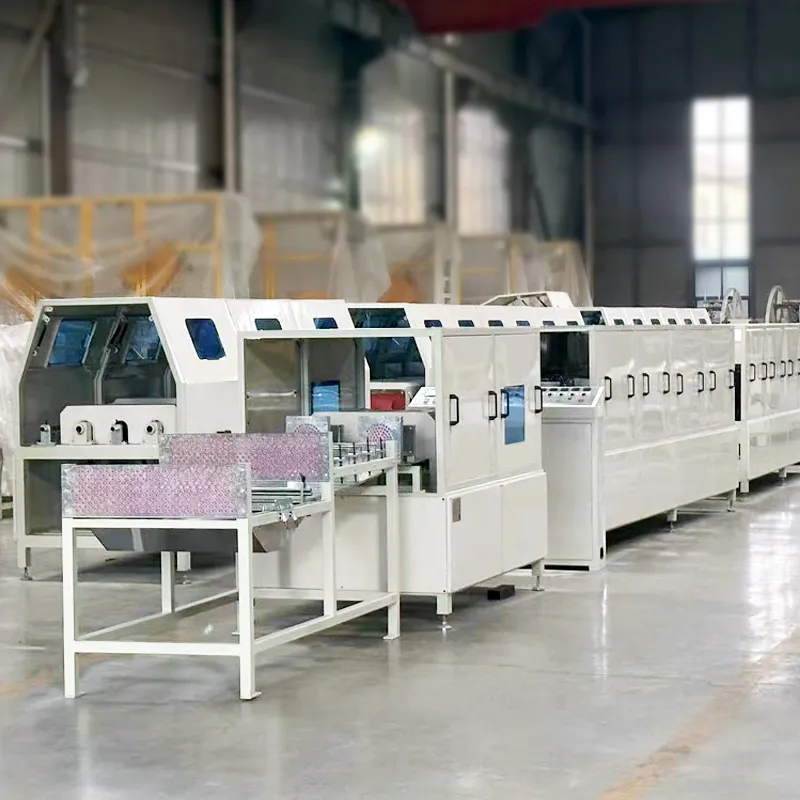
The Detailed Process Flow of FRP Rebar Manufacturing
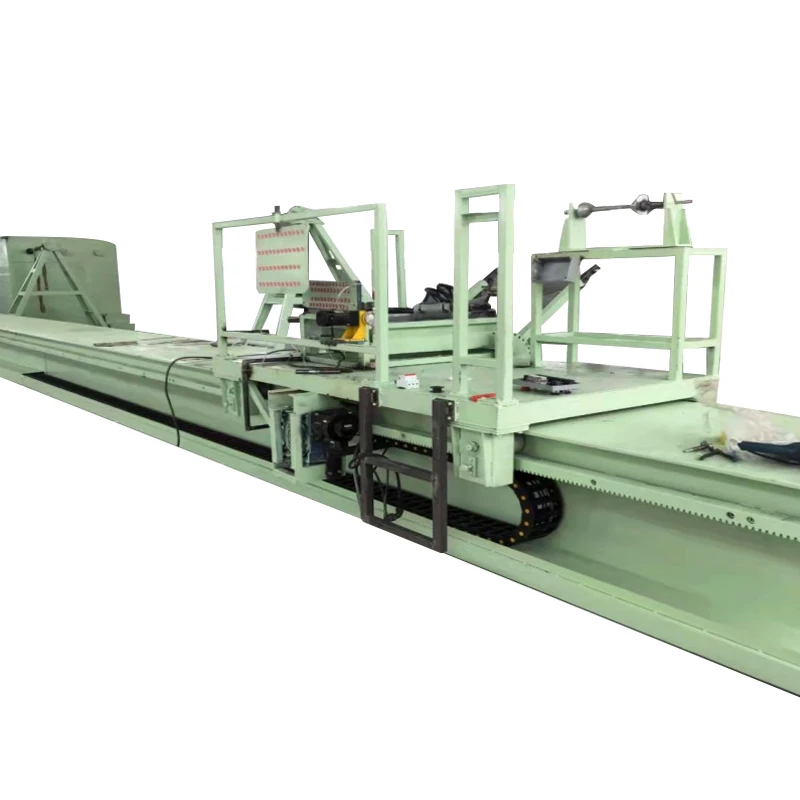
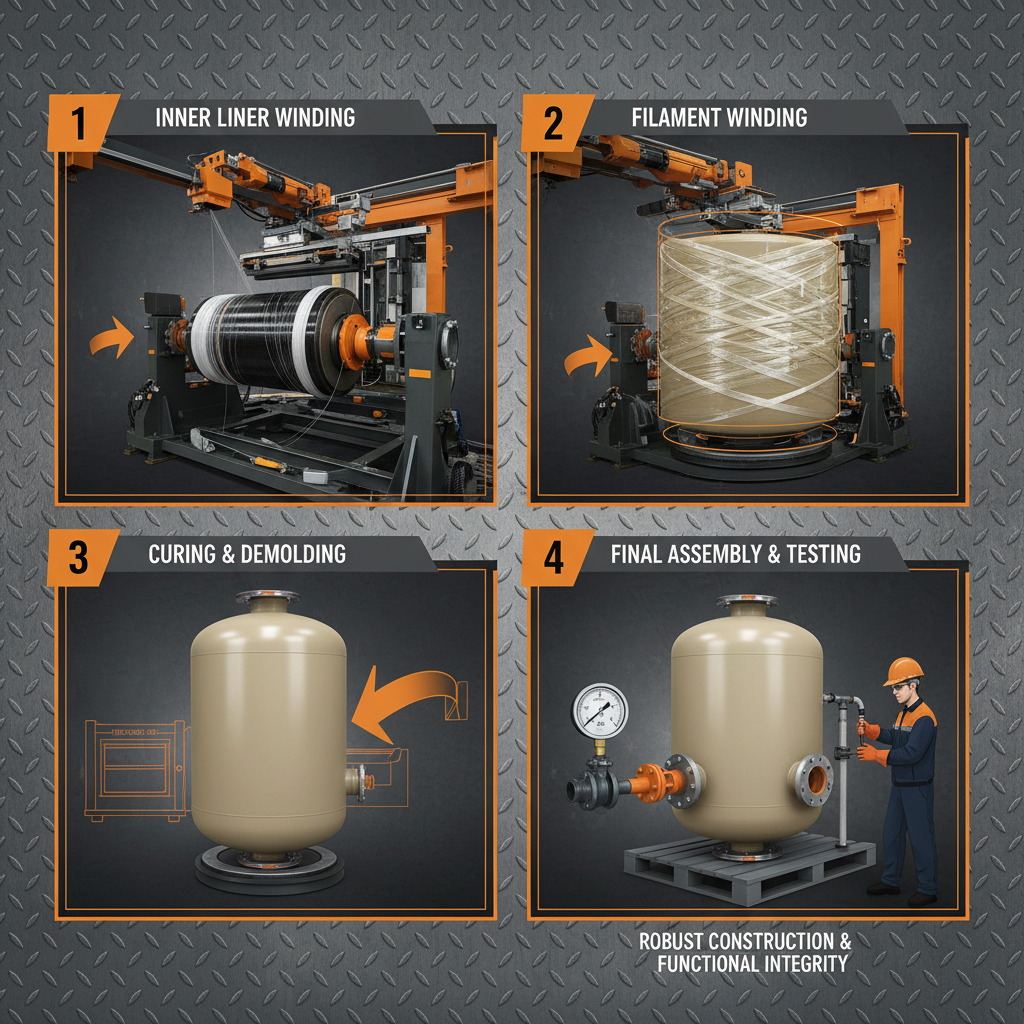
The production of FRP rebar is a specialized pultrusion process, meticulously controlled by a dedicated frp rebar machine. This highly automated system transforms continuous fiber rovings and resin into rigid, cured rebar with specific profiles and properties. The fundamental process flow involves several critical stages:
1. Raw Material Preparation
This stage involves selecting and preparing the core components: high-strength continuous fiber rovings (e.g., E-glass for GFRP, carbon for CFRP, basalt for BFRP) and a thermosetting resin matrix (e.g., polyester, vinyl ester, epoxy). Filler materials, catalysts, and pigments are also prepared to meet specific product requirements.
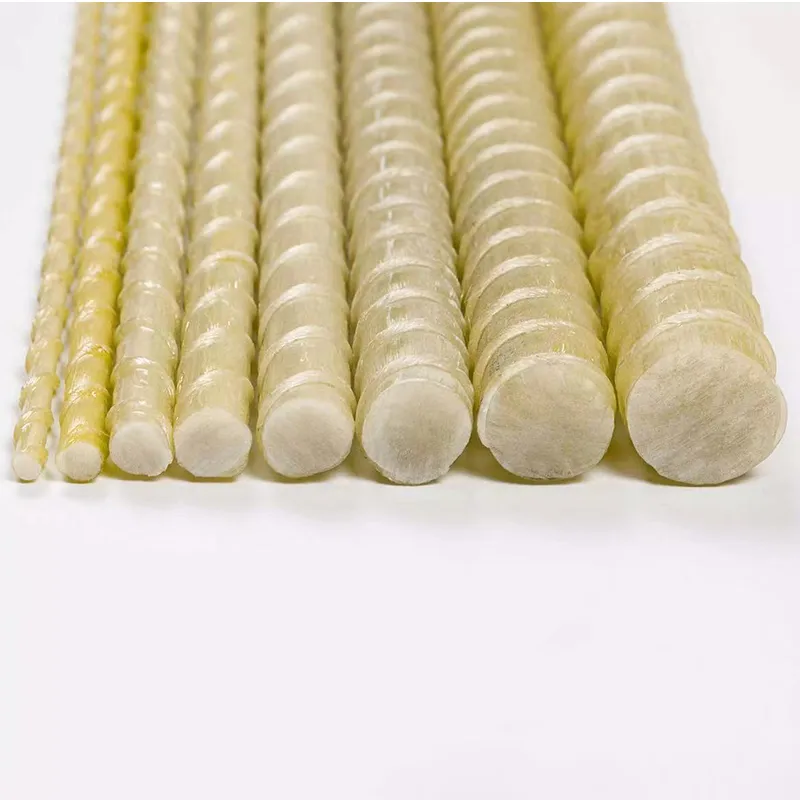
2. Fiber Impregnation
Fiber rovings are unwound from creels and guided through a resin bath where they are thoroughly impregnated with the chosen thermosetting resin mixture. This ensures complete wetting of the fibers, crucial for composite strength and integrity. Precision in this step is vital, as insufficient impregnation can lead to voids and reduced mechanical properties.
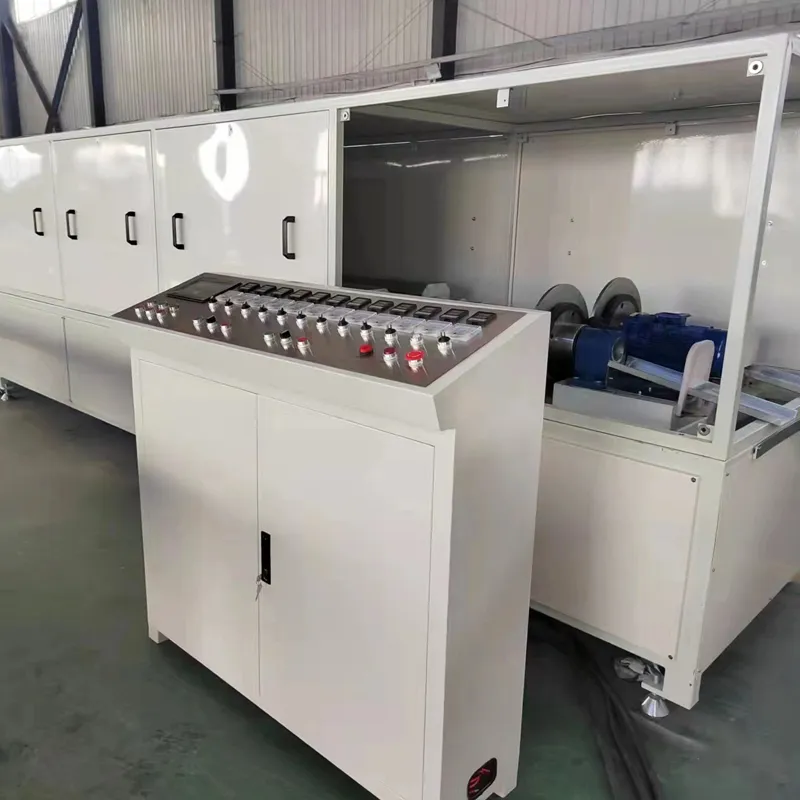
3. Pre-forming and Shaping
After impregnation, the wetted fibers pass through a series of pre-forming guides that consolidate them into the desired rebar shape and diameter. This stage is critical for achieving the correct geometric profile and ensuring consistent fiber distribution within the composite. Some machines may include a braiding or wrapping station to apply a spiral wrap for improved concrete bond.
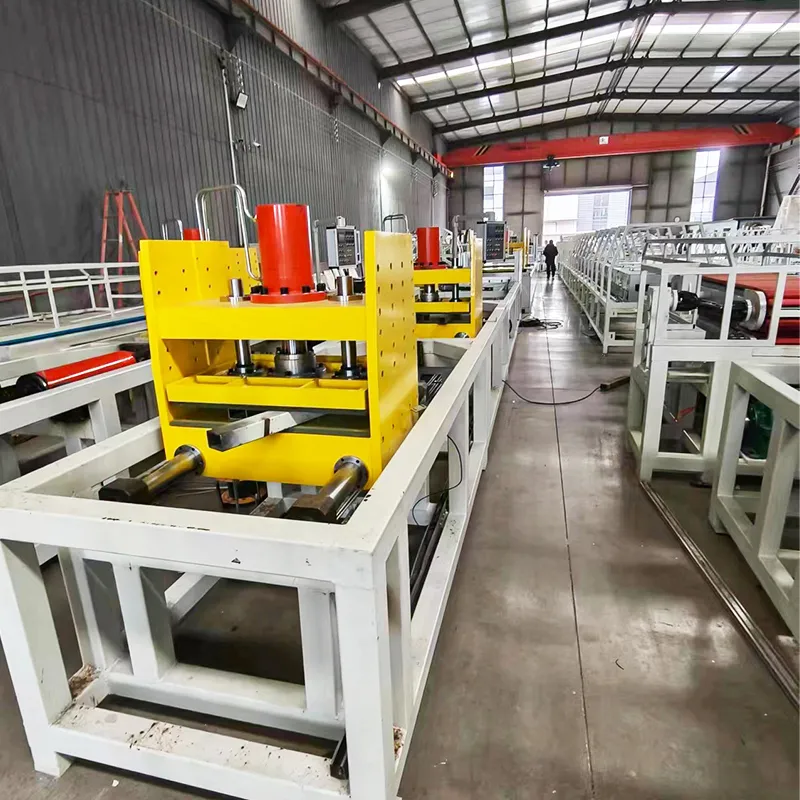
4. Curing (Pultrusion Die)
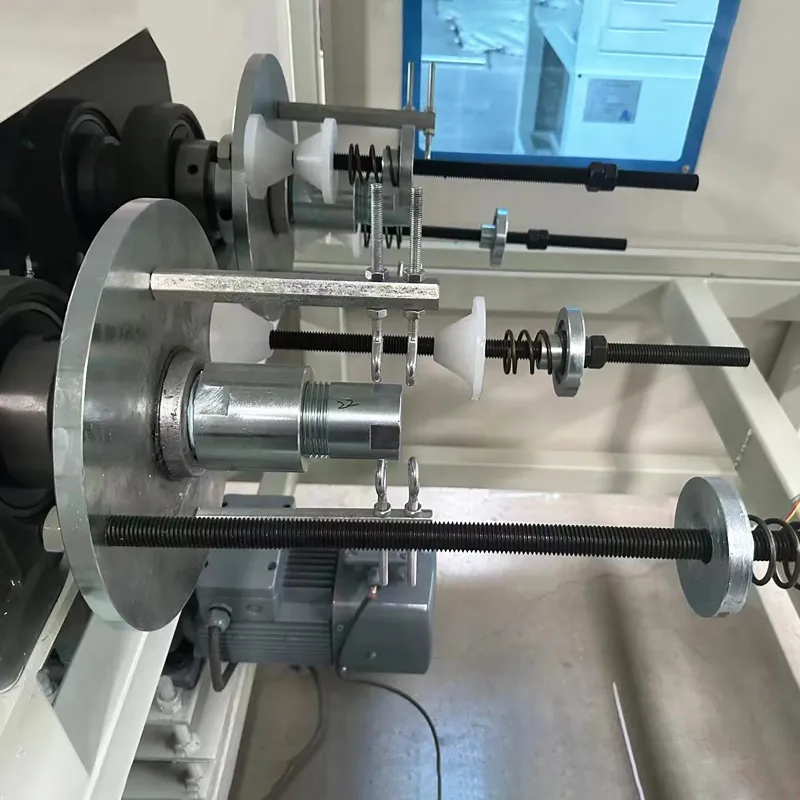
The consolidated, resin-impregnated profile is then pulled through a heated pultrusion die. Within this die, the heat triggers the polymerization of the thermosetting resin, curing it into a rigid, solid composite. The temperature and pull speed are precisely controlled to ensure complete and uniform curing, which dictates the final mechanical properties of the FRP rebar.
5. Pulling and Cutting
A continuous pulling mechanism (often a caterpillar-style puller) draws the cured rebar from the die at a constant speed. Downstream, an automated saw cuts the continuous profile into specified lengths. These lengths can range from standard construction sizes to custom requirements, depending on the application and client specifications.
6. Quality Control and Testing Standards
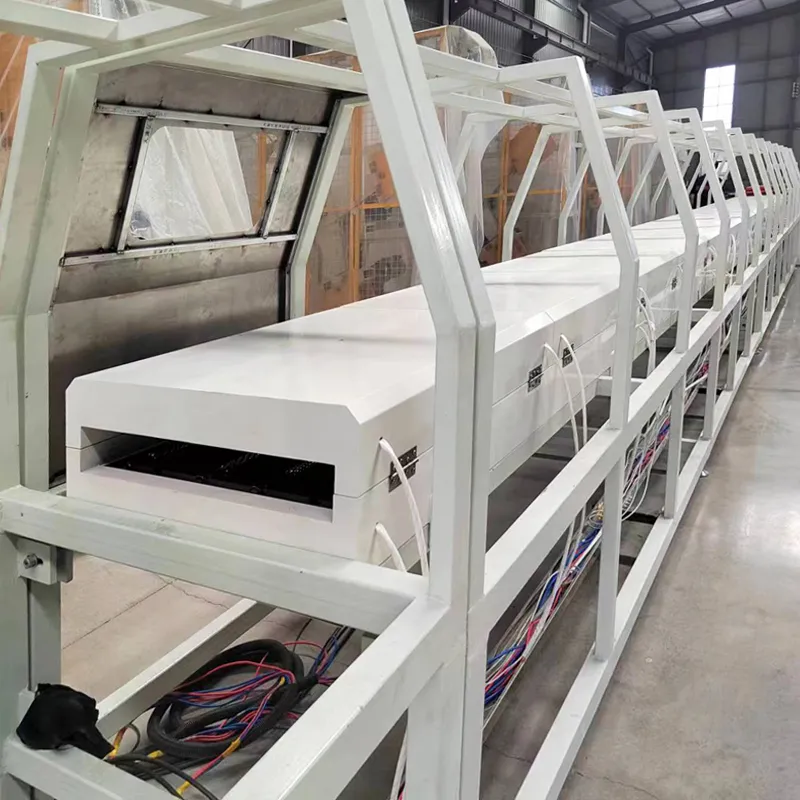
Throughout the production process, rigorous quality control measures are implemented. Post-production, samples of the FRP rebar undergo various tests according to international standards such as ASTM D7205 (Tensile Properties), ASTM D7617 (Flexural Properties), and ISO 10406 (FRP for Concrete Reinforcement). These tests verify tensile strength, modulus of elasticity, shear strength, and long-term durability, ensuring the product meets stringent structural requirements and boasts a service life often exceeding 100 years in non-corrosive environments.
Technical Specifications and Parameters of a Typical FRP Rebar Machine
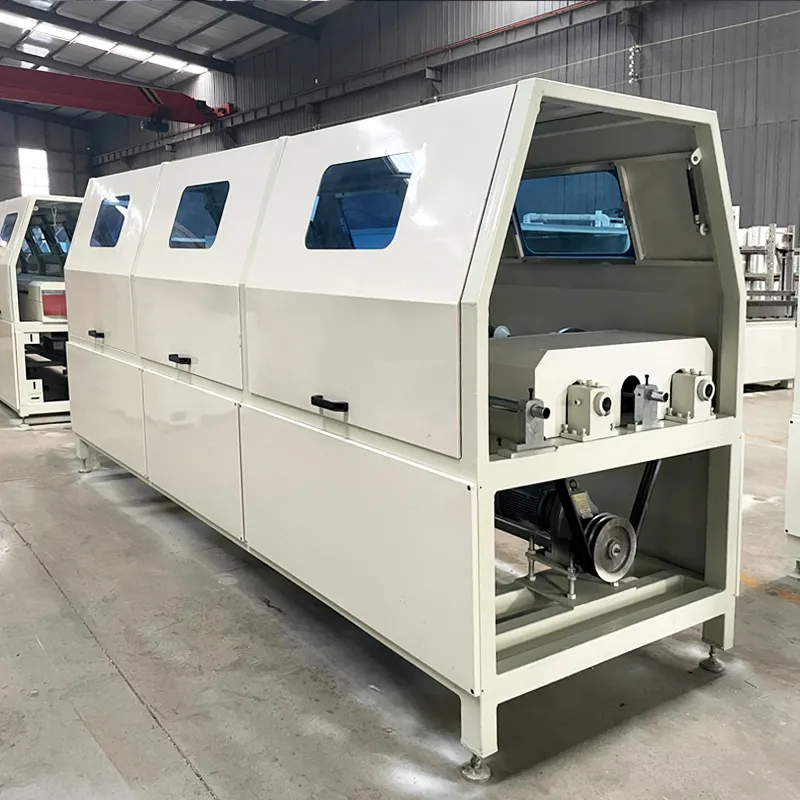
A state-of-the-art frp rebar machine is engineered for precision, efficiency, and adaptability. The following table outlines typical technical specifications for a high-performance FRP rebar production line:
| Parameter | Specification Range | Notes |
|---|---|---|
| Applicable Rebar Diameter | 6mm - 40mm (customizable) | Standard and large diameter capabilities. |
| Production Speed | 0.5 - 3.0 m/min (depending on diameter) | Optimized for efficiency and material curing. |
| Heating Zones | 3-5 independent control zones | Ensures precise and uniform curing. |
| Total Power Consumption | 30 kW - 60 kW (typical) | Energy-efficient design for reduced operational costs. |
| Overall Line Length | 20m - 35m (approximate) | Requires adequate facility space. |
| Control System | PLC with HMI touch screen | User-friendly interface for monitoring and control. |
| Applicable Resins | Polyester, Vinyl Ester, Epoxy | Versatility for different rebar types and applications. |
These parameters demonstrate the machine's capability to produce a range of FRP rebar products, ensuring flexibility for various construction demands. The advanced PLC control systems facilitate precise management of temperature, pull speed, and resin saturation, critical for maintaining consistent product quality and optimizing energy consumption.
Technical Advantages of FRP Rebar and its Production Machinery
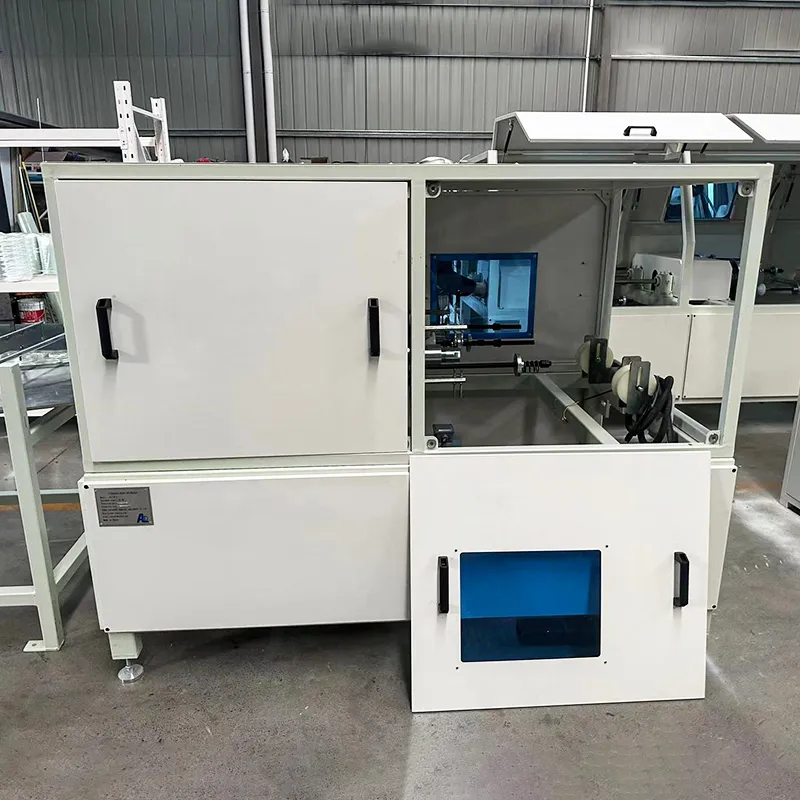
The advantages offered by FRP rebar are numerous, making it a superior choice for many applications. The sophisticated engineering of the frp rebar machine directly contributes to these benefits:
- Superior Corrosion Resistance: Unlike steel, FRP rebar is impervious to rust, chlorides, and chemical attacks, making it ideal for marine environments, chemical plants, and bridge decks. This significantly extends the service life of structures, reducing maintenance costs.
- High Tensile Strength-to-Weight Ratio: FRP rebars offer tensile strengths comparable to or greater than steel, but at only one-quarter the weight. This translates to easier handling, reduced transportation costs, and faster installation.
- Non-Conductive and Non-Magnetic: Essential for sensitive applications like MRI facilities, power generation plants, and electrical substations where electromagnetic interference or thermal conductivity must be avoided.
- Fatigue Resistance: FRP exhibits excellent fatigue resistance, crucial for structures subjected to repetitive loading, such as bridge decks and railway sleepers.
- Energy Efficiency in Production: Modern FRP rebar machines are designed with advanced heating systems and insulation, optimizing energy consumption during the curing process, contributing to lower operational expenditures.
- Enhanced Durability: Structures reinforced with FRP rebar exhibit exceptional durability, particularly in environments prone to freeze-thaw cycles or seismic activity.
Application Scenarios and Target Industries
The versatility and superior properties of FRP rebar make it indispensable across a multitude of industries:
- Coastal and Marine Structures: Seawalls, docks, piers, offshore platforms, and bridge components exposed to saltwater and aggressive chlorides.
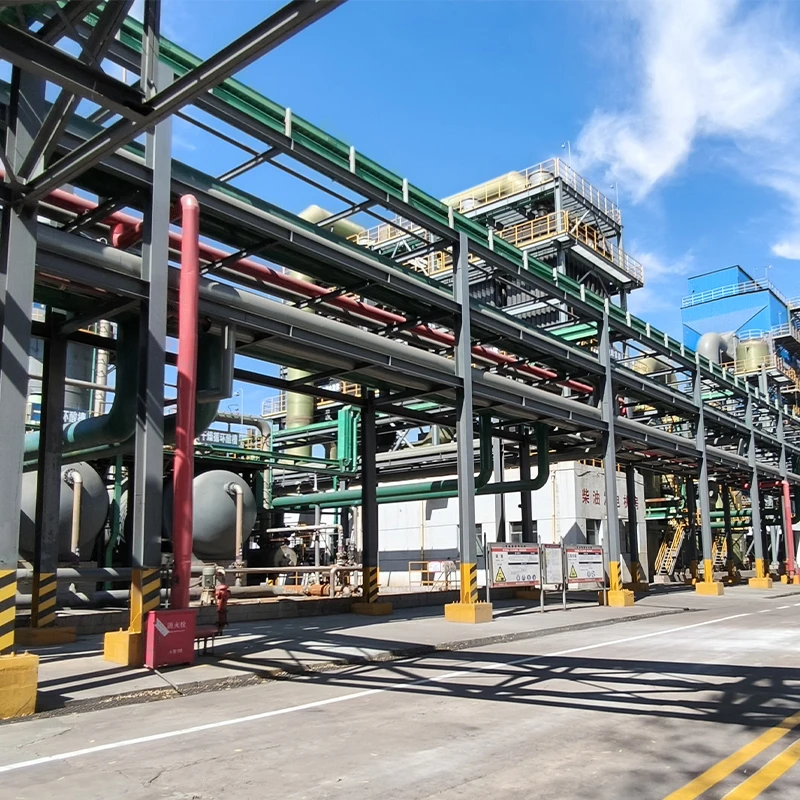
- Petrochemical and Chemical Plants: Foundations, containment structures, and platforms in environments with corrosive chemicals.
- Water and Wastewater Treatment Facilities: Tanks, clarifiers, and pipeline supports where concrete is constantly exposed to water and chemicals.
- Bridge Decks and Roadways: Enhancing the lifespan of transportation infrastructure, especially in regions using de-icing salts.
- Mining and Tunnelling: Ground support, rock bolts, and concrete linings where corrosion and magnetic interference are concerns.
- Electrical Sub-stations and MRI Facilities: Applications requiring non-conductive, non-magnetic reinforcement.
- Concrete Railway Sleepers: Improving durability and reducing maintenance in challenging railway environments.
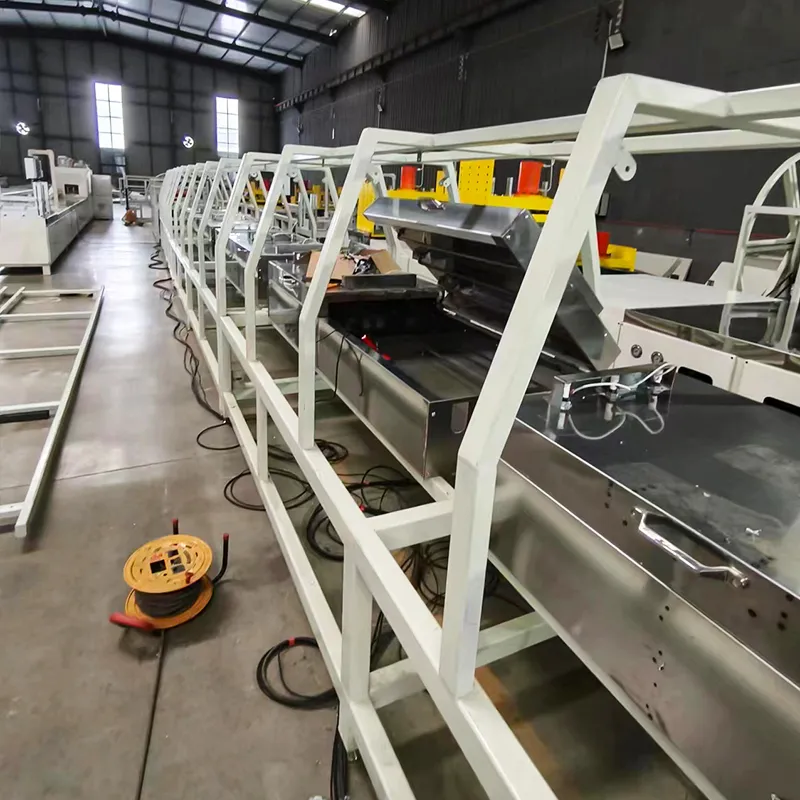
Vendor Comparison: Selecting the Right FRP Rebar Machine Manufacturer
Choosing the right vendor for an FRP rebar machine is a critical decision that impacts production efficiency, product quality, and long-term operational costs. Key factors to consider include:
| Feature/Aspect | High-Quality Vendor | Standard Vendor |
|---|---|---|
| Technology & Innovation | Advanced PLC control, energy-efficient curing, automated cutting, real-time monitoring. | Basic controls, less efficient heating, manual adjustments. |
| Material Compatibility | Versatile for GFRP, CFRP, BFRP, various resin systems. | Limited to specific fiber/resin types. |
| Certifications & Standards | ISO 9001, CE, adherence to ASTM/ACI standards for products. | May lack comprehensive certifications. |
| After-Sales Support & Training | Comprehensive installation, commissioning, operator training, remote support, readily available spare parts. | Limited support, potentially longer lead times for parts. |
| Customization Options | Ability to tailor machine length, diameter range, production speed, specific automation needs. | Primarily offers standard models with limited modifications. |
A reputable manufacturer will not only provide robust machinery but also offer comprehensive technical support and partnership, ensuring optimal performance and maximum return on investment for your production lines.
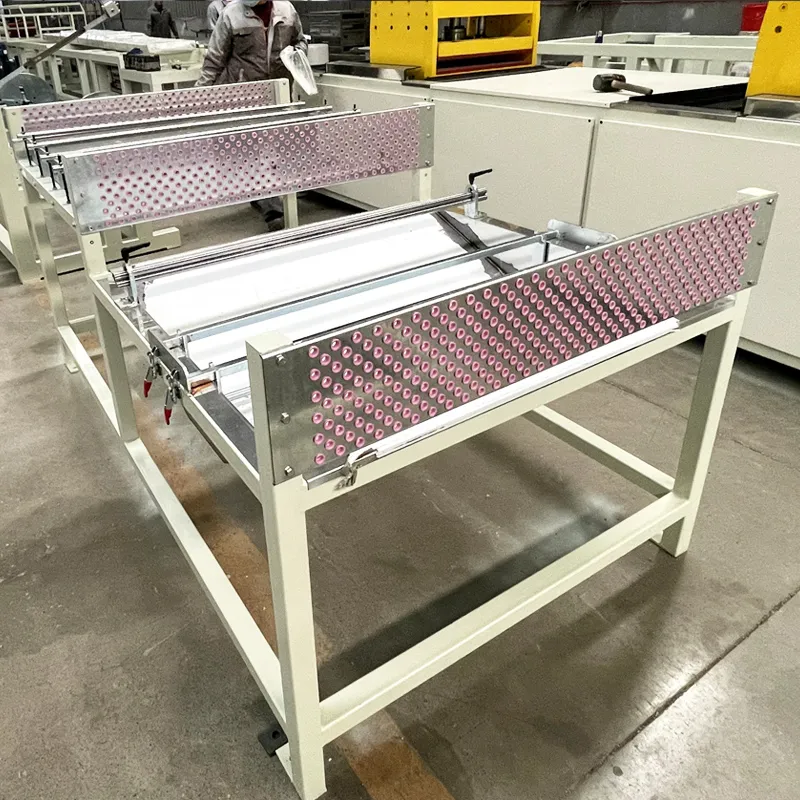
Customized Solutions for FRP Rebar Production
Recognizing that no two projects are identical, leading manufacturers of FRP rebar machines offer extensive customization options. This flexibility allows clients to configure a production line that perfectly aligns with their specific operational demands and target markets. Customization areas include:
- Diameter Range: Machines can be tailored to produce specific rebar diameters, from micro-rebars for specialized applications to large-diameter rebars for heavy civil engineering.
- Production Capacity: Scaling the machine for higher throughput or optimizing for batch production, depending on volume requirements.
- Resin System Adaptability: Configuring the impregnation unit to handle various resin types (polyester, vinyl ester, epoxy) and their specific viscosities and curing profiles.
- Automation Level: From semi-automated systems to fully integrated lines with advanced robotics for handling, cutting, and packaging.
- Post-Processing Modules: Integration of additional units for specific surface treatments, bending, or coupling mechanisms.
- Environmental Controls: Incorporating fume extraction systems and waste management solutions to meet local regulations and enhance workplace safety.
These tailored solutions ensure maximum efficiency and optimal product quality, providing a competitive edge in a demanding market.
Application Case Studies: FRP Rebar in Action
Real-world applications demonstrate the transformative impact of FRP rebar produced by advanced machinery:
Case Study 1: Coastal Bridge Deck Rehabilitation, USA
A major coastal bridge in the United States, subjected to severe chloride ingress from sea spray and de-icing salts, required extensive rehabilitation. Traditional steel rebar replacements would face similar corrosion issues, necessitating future costly repairs. The solution involved replacing corroded steel with GFRP rebar (manufactured by a high-efficiency frp rebar machine) in the bridge deck. This project demonstrated significant advantages:
- Extended Service Life: Expected service life extended by an additional 50+ years due to complete corrosion immunity.
- Reduced Weight: The lighter weight of GFRP rebar reduced the dead load on the bridge structure, simplifying the rehabilitation process.
- Faster Installation: Ease of handling and cutting GFRP rebar contributed to reduced construction time and labor costs.

Case Study 2: Wastewater Treatment Plant, Europe
In a large European wastewater treatment facility, the concrete tanks and channels were rapidly deteriorating due to exposure to aggressive chemicals and acidic environments. By reinforcing new and rehabilitated structures with GFRP rebar, the project achieved:
- Chemical Resistance: Complete immunity to the various corrosive agents present, preventing rebar degradation.
- Reduced Maintenance: Eliminated the need for frequent costly repairs associated with steel rebar corrosion.
- Long-Term Sustainability: Ensured the structural integrity and operational continuity of critical infrastructure for decades.

Trustworthiness and Support: Our Commitment
Frequently Asked Questions (FAQ)
Q: What is the typical lead time for an FRP Rebar Making Machine?
A: Standard models generally have a lead time of 60-90 days, while customized solutions may extend to 90-120 days, depending on the complexity and scope of modifications. We work closely with clients to establish realistic timelines and ensure timely delivery.
Q: What kind of warranty do you offer on your FRP rebar machine production lines?
A: We provide a comprehensive 12-month warranty on all mechanical and electrical components from the date of commissioning or 18 months from shipment, whichever comes first. Extended warranty options are also available.
Q: What after-sales support can we expect?
A: Our commitment extends beyond delivery. We offer on-site installation and commissioning services, thorough operator training, and continuous technical support via phone, email, and remote diagnostics. Spare parts are readily available from our global distribution network, ensuring minimal downtime.
Q: Can your machine produce both GFRP and CFRP rebars?
A: Yes, our versatile FRP rebar machines are designed to accommodate various fiber types (E-glass, carbon, basalt) and resin systems, allowing for the production of GFRP, CFRP, and BFRP rebars with minor adjustments to material feeding and curing parameters.
Lead Time and Fulfillment
Our streamlined manufacturing process and efficient supply chain enable us to provide competitive lead times without compromising quality. We maintain close communication with clients throughout the manufacturing and shipping phases, ensuring transparency and predictability in project timelines. Our global logistics partners facilitate reliable and secure delivery worldwide.
Warranty and Customer Support
We stand behind the quality and performance of our FRP Rebar Making Machines. Our comprehensive warranty covers key components, providing peace of mind. Our dedicated customer support team comprises experienced engineers ready to provide prompt assistance, troubleshooting, and maintenance guidance. Long-term service contracts are also available for continuous operational assurance.
Conclusion
The demand for durable, corrosion-resistant, and high-performance construction materials continues to grow, positioning FRP rebar as a cornerstone of modern infrastructure. The advanced frp rebar machine is at the forefront of this revolution, enabling the efficient and precise production of these vital composite materials. By offering unparalleled technical advantages, versatility in application, and robust support, these machines empower construction firms and material suppliers to build structures that are not only stronger and lighter but also significantly more sustainable and long-lasting. Investing in cutting-edge FRP rebar production technology is an investment in the future of resilient global infrastructure.
References
- ACI 440.1R-15: Guide for the Design and Construction of Structural Concrete Reinforced with Fiber-Reinforced Polymer (FRP) Bars. American Concrete Institute.
- ASTM D7205/D7205M-06: Standard Test Method for Tensile Properties of Fiber Reinforced Polymer Matrix Composite Bars. ASTM International.
- Bank, L. C. (2006). Composites for Construction: Structural Design with FRP Materials. John Wiley & Sons.
- Nanni, A., De Luca, A., & Zadeh, M. J. (2014). FRP confinement of concrete in circular sections. Composites Part B: Engineering, 65, 149-164.
- International Organization for Standardization. ISO 10406-1:2015, Fibre-reinforced polymer (FRP) reinforcement of concrete — Test methods — Part 1: Bars and grids.