Jul 21,2025

High-Efficiency Potassium Sulfate Fertilizer Production Line

Hebei Aoliande Chemical Equipment Co., Ltd.

Email: bella@aldfrp.com
Phone: +86 133 0331 4492
Address: Room 211,706 Xinghua North Street, Jizhou District, Hengshui City, Hebei Province

Industry Overview and Technological Advancements

The global Potassium Sulfate Fertilizer Production Line market is experiencing significant growth, projected to reach $6.8 billion by 2028 according to Agricultural Solutions Review. This growth is driven by increasing demand for chlorine-free specialty fertilizers in high-value crops like fruits, vegetables, tobacco, and berries.

As industry leaders, Hebei Aoliande Chemical Equipment Co., Ltd. specializes in advanced production systems for potassium sulfate manufacturing. Our proprietary improvements to the Mannheim furnace process have established new benchmarks in energy efficiency and reaction completeness in Potassium Sulfate Fertilizer Production Line technology.

Modern Potassium Sulfate Fertilizer Production Lines must address two critical industry challenges: 1) reducing energy consumption which accounts for approximately 45% of production costs, and 2) minimizing waste byproducts in compliance with increasingly stringent environmental regulations. Our solutions tackle both through advanced furnace engineering and optimized process chemistry.
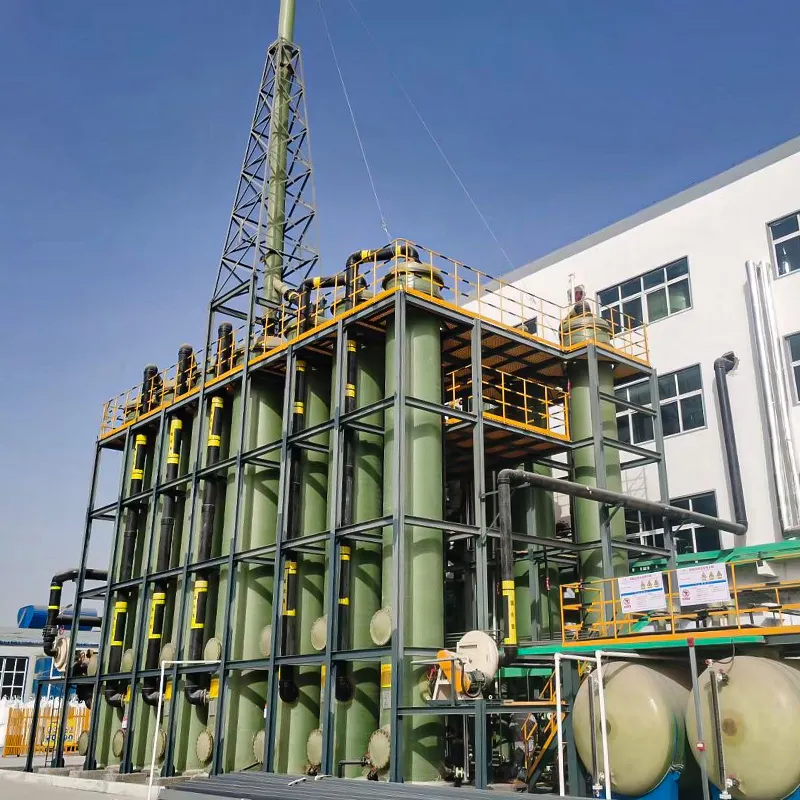
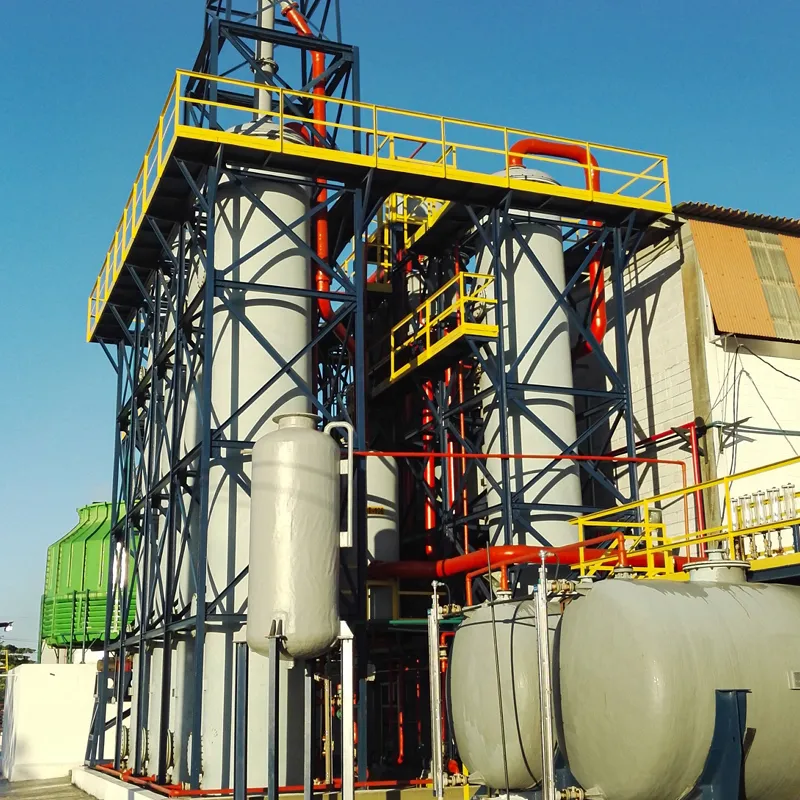
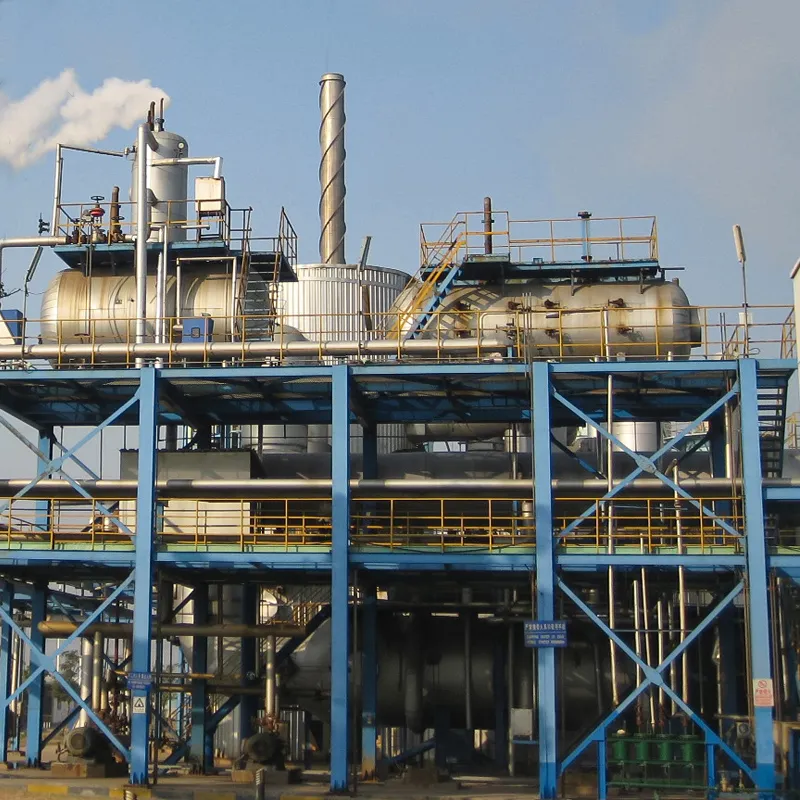
High-Efficiency Potassium Sulfate Fertilizer Production Line

Through comprehensive redesign of furnace geometry and refractory materials, we've achieved a 20-25% reduction in energy consumption compared to conventional Mannheim systems. The enhanced thermal distribution ensures complete reaction between potassium chloride and sulfuric acid, increasing yield while producing a superior crystalline product ideal for premium fertilizer applications.

Technical Specifications and Performance Data

The heart of our Potassium Sulfate Fertilizer Production Line is the innovative furnace design featuring layered refractory materials including high-alumina bricks and silicon carbide elements in critical heat zones. This construction maintains temperatures at optimal reaction conditions between 600-650°C while preventing corrosive degradation of the furnace structure.

Parameter Standard Specification Aoliande Advanced System Industry Average
Production Capacity 20,000-100,000 tons/year 30,000-120,000 tons/year 15,000-80,000 tons/year
Energy Consumption (per ton) 550-600 kWh 420-450 kWh 580-620 kWh
Reaction Efficiency 92-95% 98-99% 90-94%
HCl Recovery Rate 95-97% 99.2% 94-96%
Furnace Lifespan 18-24 months 36-48 months 12-20 months
K₂O Content in Product 50-52% 52-54% 48-51%

Application in Modern Agriculture

The Potassium Sulfate Fertilizer Production Line manufactured by Hebei Aoliande enables producers to create premium potassium sulfate fertilizers that meet strict quality standards for chloride-sensitive crops. Potassium sulfate (K₂SO₄) contains approximately 50% K₂O and 18% sulfur - two essential nutrients in plant development that enhance crop quality parameters including sugar content, color development, and disease resistance.
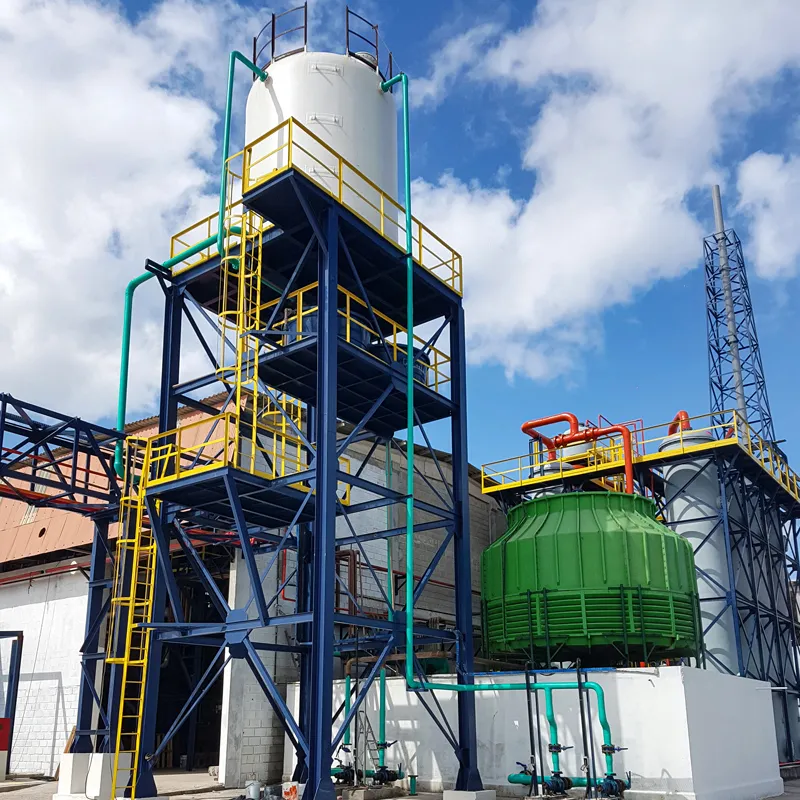
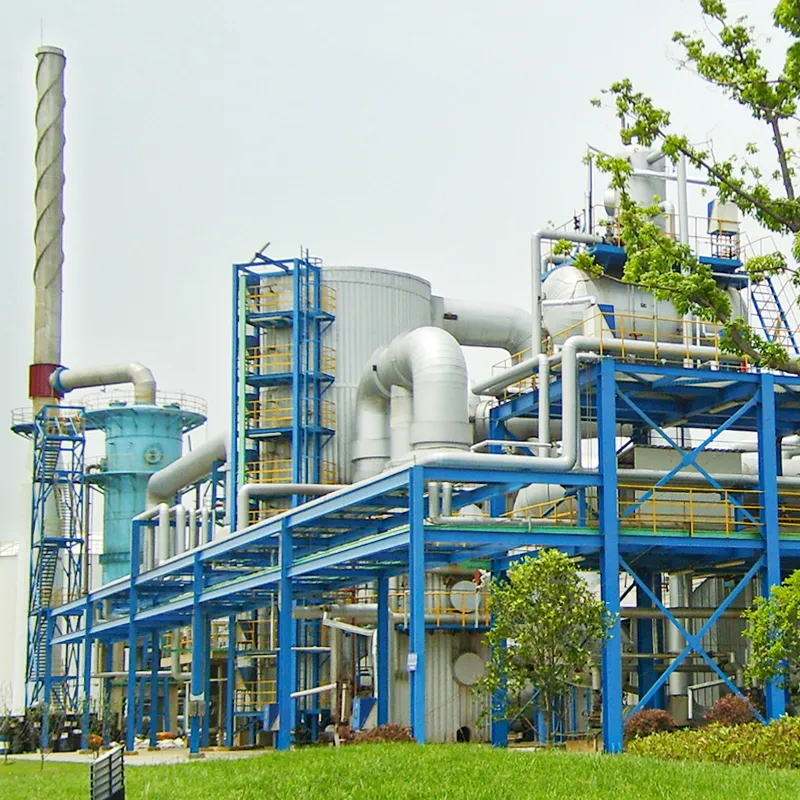
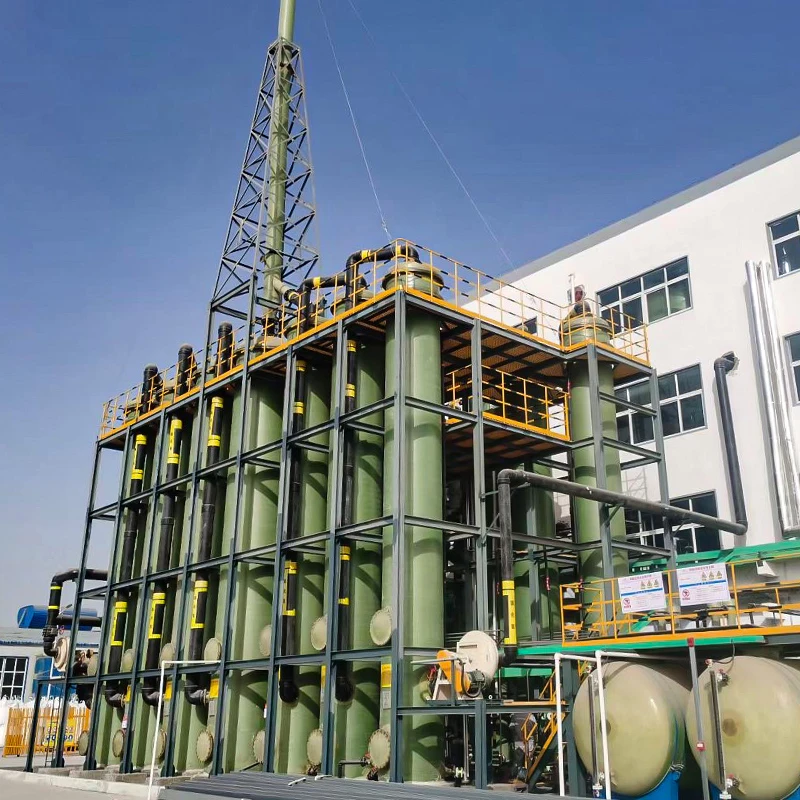
High-Efficiency Potassium Sulfate Fertilizer Production Line

Unlike conventional potassium chloride fertilizers, potassium sulfate doesn't contribute to soil salinity buildup, making it particularly valuable in arid and semi-arid regions. Our production technology ensures uniform crystal size distribution between 1-4mm, optimized for modern precision farming equipment while minimizing dust formation during application.

Recent field studies demonstrate that crops fertilized with premium potassium sulfate show a 6-18% yield increase over standard potassium chloride applications, with particularly significant improvements in horticultural crops. The crystalline structure produced by our Potassium Sulfate Fertilizer Production Line enhances product solubility characteristics, providing faster nutrient availability during critical growth stages.

Technical FAQ: Potassium Sulfate Production

What refractory materials provide optimal performance in Mannheim furnace construction?

Our Potassium Sulfate Fertilizer Production Line employs a composite lining system with three specialized layers: 1) High-purity alumina bricks (Al₂O₃ >75%) for thermal stability, 2) Silicon carbide (SiC) elements in high-corrosion zones, and 3) Specialized mortars with zirconia additives for expansion joint sealing. This configuration extends furnace life while maintaining thermal efficiency at reaction temperatures exceeding 600°C.

What reaction efficiency can be achieved with advanced furnace designs?

Optimized Mannheim furnaces featuring multi-zone temperature control achieve reaction efficiencies of 98-99%, compared to 92-95% in conventional designs. This efficiency gain results from precise stoichiometric control, uniform heat distribution, and optimized reactant flow dynamics that minimize side reactions and product degradation.

How are emissions controlled in modern potassium sulfate production?

Advanced Potassium Sulfate Fertilizer Production Lines incorporate three-stage gas cleaning systems: 1) High-efficiency cyclones for particulate removal, 2) Packed-bed scrubbers using alkali solutions for HCl absorption, and 3) Mist eliminators. This configuration achieves emission levels below 20mg/Nm³ particulate and 30ppm HCl, significantly exceeding regulatory requirements.

What instrumentation is critical for process optimization?

Key instrumentation includes continuous monitoring of: 1) Furnace bed temperatures at multiple points using thermocouple arrays, 2) Reactant flow ratios via Coriolis mass flow meters, 3) HCl concentration in off-gases using IR spectroscopy, and 4) Product density with nuclear gauges. Data integration through modern DCS systems enables real-time optimization of production parameters.

What are the main maintenance considerations for production lines?

Critical maintenance focuses on: 1) Refractory integrity inspections every 250-500 operating hours, 2) Reactor agitator seal replacements on 1,000-hour intervals, 3) Heat exchanger cleaning cycles determined by pressure differential, and 4) Quarterly recalibration of all process instrumentation. Our advanced furnace designs reduce refractory maintenance by 40% compared to conventional systems.

How is the hydrochloric acid byproduct processed?

Modern facilities employ either absorption systems producing commercial-grade 30-33% hydrochloric acid, or integrated systems converting HCl to calcium chloride through reaction with limestone. The absorption approach recovers up to 99.5% of HCl with minimal energy input, creating a valuable secondary product.

What recent innovations improve production economics?

Breakthroughs include: 1) Direct heat recovery systems reducing energy consumption by 15-20%, 2) Advanced control algorithms optimizing sulfuric acid addition rates, 3) Mechanical discharge systems minimizing refractory stress, and 4) Crystallization unit modifications producing premium particle size distributions without secondary processing.

Operational Excellence and Quality Control

Each Potassium Sulfate Fertilizer Production Line incorporates comprehensive quality control systems monitoring critical parameters at multiple process stages. Automated sampling and analysis ensure product meets K₂SO₄ content >51%, chloride content
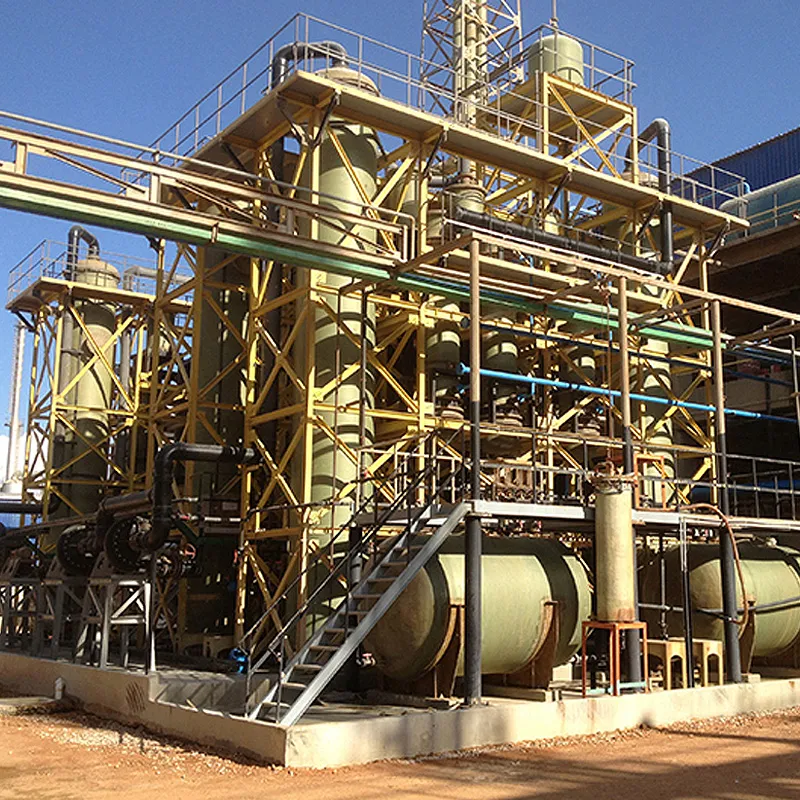
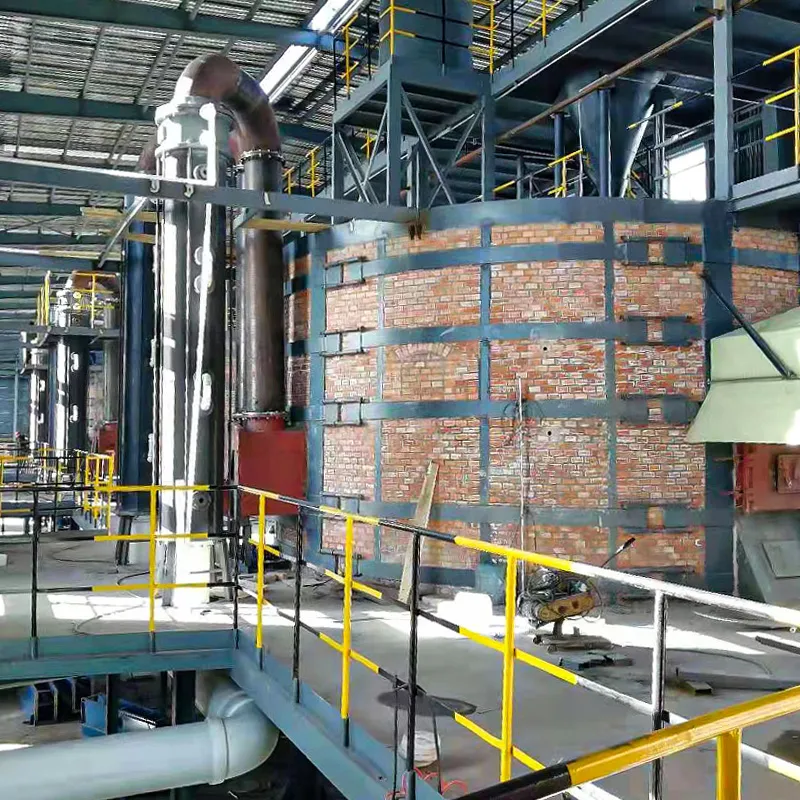
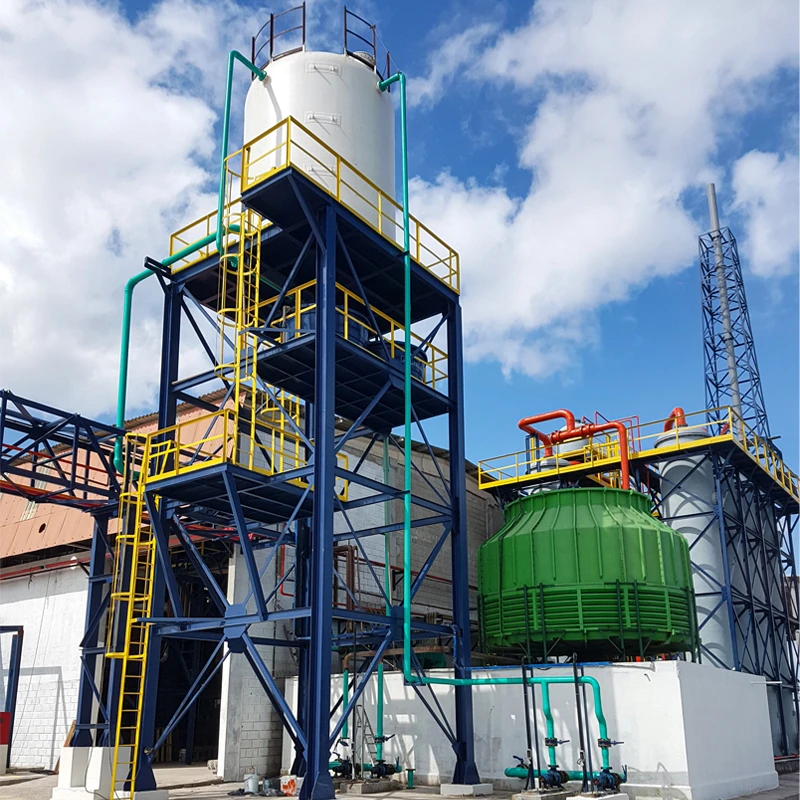
High-Efficiency Potassium Sulfate Fertilizer Production Line

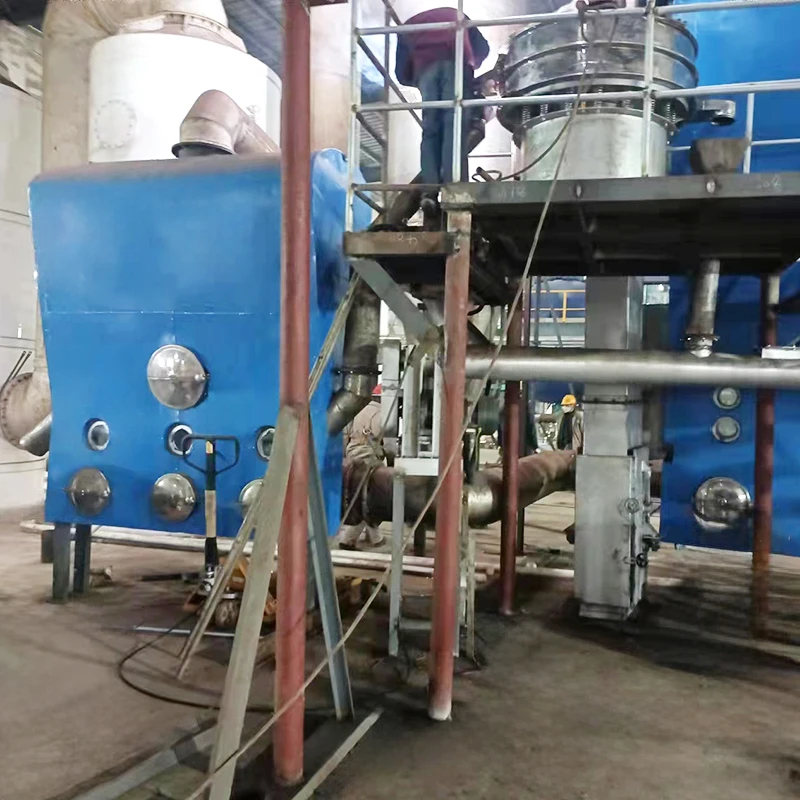
Operational protocols developed through decades of industry experience ensure production stability with

Environmental performance is enhanced through zero-liquid-discharge water management systems and energy recovery systems that capture waste heat from furnace gases for preheating combustion air or generating steam. These systems contribute to a 30-35% reduction in carbon footprint compared to traditional production approaches.

Industry Recognition and Technical Validation

Our advancements in Potassium Sulfate Fertilizer Production Line technology have been validated through peer-reviewed research published in Chemical Engineering Technology and presented at Global Fertilizer Technology conferences. These developments represent significant progress in industrial-scale potassium sulfate manufacturing.

Chemical Processing Review recognized our furnace innovations as "revolutionizing Mannheim process economics" through enhanced heat transfer efficiency and extended service life. The redesigned hearth geometry prevents material buildup at discharge points, eliminating costly production interruptions for manual cleaning operations.

Research Citations:

The technological advancements discussed in this article are supported by independent research published in leading industry publications:

Upsell Products
Upsell News
How to choose an FRP GRP pipe for industrial fluid service
Nov 02,2026
How to choose an FRP GRP pipe for industrial fluid service
Choose an FRP GRP pipe by media, pressure, diameter, stiffness, length, hydraulic needs, and installation conditions for petroleum, chemical, and drainage systems.
Calcium Chloride Production Line FAQ: Specifications, Ordering and Support Questions
Oct 29,2026
Calcium Chloride Production Line FAQ: Specifications, Ordering and Support Questions
Find direct answers to common questions about the calcium chloride production line from Hebei Aoliande Chemical Equipment Co., Ltd. — covering the Mannheim process, technical parameters, HCl recovery, PLC automation, and ordering.
Vinyl Ester Resin Monolithic Casting FRP Electrolytic Cells Best Price: Application Fit and Specification Checks
Oct 27,2026
Vinyl Ester Resin Monolithic Casting FRP Electrolytic Cells Best Price: Application Fit and Specification Checks
Buyer's guide to evaluating Vinyl Ester Resin Monolithic Casting FRP Electrolytic Cells Best Price: covers three-layer composite construction, metal compatibility, seismic and thermal requirements, optional features, and the specification checks to complete before ordering.
Choosing an FRP Tank and Vessel for Chemical Industry: Grade, Form and Application Requirements
Oct 27,2026
Choosing an FRP Tank and Vessel for Chemical Industry: Grade, Form and Application Requirements
A practical buyer's guide to selecting FRP tank and vessel products for chemical industry use — covering resin grade, vessel geometry, structural layers, thermal properties and application sector fit, based on confirmed product specifications.
Potassium Sulfate Fertilizer Production Line Price Comparison
Oct 23,2026
Potassium Sulfate Fertilizer Production Line Price Comparison
Examine potassium sulfate fertilizer production line price comparison methods using exact documentation limits and structured purchasing checklists without assumptions.
Guide to Fiber Water Tank Price and FRP Storage Costs
Jul 01,2026
Guide to Fiber Water Tank Price and FRP Storage Costs
Understanding Fiber Water Tank Price: A Comprehensive Investment Guide When searching for a reliable liquid storage solution, understanding the factors that influence fiber water tank price is essential for optimizing your operational budget. Fiber-Reinforced Plastic FRP tanks have become the industry standard for water and chemical storage due to their exceptional corrosion resistance and structural integrity. Whether you are managing a municipal water project or an industrial chemical plant, selecting the right tank requires a balance between initial cost and long-term durability. In this guide, we will explore the variables that drive pricing and why FRP remains the most cost-effective choice
Guide to Fibreglass Water Tank Prices and FRP Investment
Jun 29,2026
Guide to Fibreglass Water Tank Prices and FRP Investment
Understanding Fibreglass Water Tank Prices: A Comprehensive Investment Guide When planning water storage for industrial or commercial applications, understanding the factors that influence fibreglass water tank prices is essential for optimizing your budget. Fibreglass Reinforced Plastic FRP tanks offer a superior alternative to steel or concrete due to their corrosion resistance and lightweight nature. Whether you are in the petroleum, chemical, or drainage industry, selecting a tank that balances cost with long-term durability is key. In this guide, we will explore the pricing drivers, technical advantages, and specifications of high-quality FRP storage solutions to help you make an informed purchasing decision.
Industrial Fiberglass Water Tank Price and Buyers Guide
Jun 27,2026
Industrial Fiberglass Water Tank Price and Buyers Guide
Analyzing Fiberglass Water Tank Price: A Comprehensive Buyers Guide When investing in industrial water storage, understanding the fiberglass water tank price is essential for effective budget planning and operational efficiency. Fiberglass Reinforced Plastic FRP tanks have become the gold standard in water quality pollution prevention and chemical storage due to their exceptional corrosion resistance and durability. Whether you are managing a municipal water system or a specialized manufacturing plant, choosing the right tank involves balancing initial costs with long-term lifecycle value. In this guide, we will break down the factors that influence pricing and why FRP is often the most cost-effective choice
Comprehensive Guide to GRP Sectional Water Tanks Prices and Quality
Jun 26,2026
Comprehensive Guide to GRP Sectional Water Tanks Prices and Quality
Selecting the right water storage solution is critical for industrial, commercial, and residential infrastructure. When evaluating grp sectional water tanks prices, it is essential to look beyond the initial sticker price and consider the total cost of ownership, including durability, installation ease, and maintenance. Glass Reinforced Plastic GRP tanks offer a superior alternative to traditional steel or concrete, providing exceptional corrosion resistance and modular flexibility. In this guide, we will explore the factors that influence pricing and why GRP remains the gold standard for modern water management.
Guide to Understanding FRP Tank Cost and Investment Value
Jun 25,2026
Guide to Understanding FRP Tank Cost and Investment Value
Understanding FRP Tank Cost: A Comprehensive Guide to Investment and Value When investing in industrial storage solutions, understanding the frp tank cost is essential for accurate budgeting and long-term operational planning. Fiber Reinforced Plastic FRP tanks offer an exceptional balance of corrosion resistance, structural strength, and longevity, making them the preferred choice for chemical, petroleum, and water treatment industries. While initial pricing can vary based on specifications, the total cost of ownership is often significantly lower than traditional steel tanks due to reduced maintenance. In this guide, we will explore the factors influencing pricing and the advanced machinery used to produce these high-performance vessels.
Best Industrial 500 gallon chemical tank for Storage and Safety
Jun 23,2026
Best Industrial 500 gallon chemical tank for Storage and Safety
Choosing the Best 500 Gallon Chemical Tank for Industrial Storage When managing hazardous materials or industrial fluids, the integrity of your storage system is non-negotiable. A high-quality 500 gallon chemical tank provides the perfect balance between capacity and footprint, making it an ideal choice for mid-sized operations, water treatment facilities, and chemical processing plants. Selecting the right material and design ensures not only the safety of your personnel but also the longevity of your assets. In this guide, we will explore the critical factors you need to consider to optimize your chemical storage efficiency and compliance.
Safe and Efficient Industrial Chemical Storage Tanks Guide
Jun 21,2026
Safe and Efficient Industrial Chemical Storage Tanks Guide
Maximizing Safety and Efficiency with Industrial Chemical Storage Tanks In the modern industrial landscape, the secure management of hazardous materials is not just a regulatory requirement but a critical safety priority. Selecting the right industrial chemical storage tanks is essential for preventing leaks, reducing environmental impact, and ensuring the longevity of your infrastructure. Whether you are dealing with highly corrosive acids or volatile solvents, the material composition and design of your storage system determine your operational risk. This guide explores the technical nuances of chemical storage to help you make an informed investment for your facility.
Best Guide to Choosing a Durable 200 Gallon Chemical Tank
Jun 20,2026
Best Guide to Choosing a Durable 200 Gallon Chemical Tank
The Ultimate Guide to Choosing a 200 Gallon Chemical Tank Finding the right storage solution for hazardous or corrosive substances is critical for industrial safety and operational efficiency. A 200 gallon chemical tank offers a versatile mid-size capacity, ideal for businesses that need a balance between space-saving design and sufficient volume for chemical processing. Whether you are dealing with acids, bases, or specialty solvents, the material composition of your tank determines its lifespan and your facilitys safety. In this guide, we will explore the technical specifications, material options, and best practices for maintaining these essential industrial assets.
Industrial Fiberglass Water Storage Tanks Guide for Efficiency
Jun 18,2026
Industrial Fiberglass Water Storage Tanks Guide for Efficiency
The Ultimate Guide to Fiberglass Water Storage Tanks for Industrial Use Selecting the right containment system is critical for maintaining water purity and operational efficiency. fiberglass water storage tanks have emerged as a superior alternative to traditional steel or concrete reservoirs. Combining high strength-to-weight ratios with exceptional corrosion resistance, these tanks are designed to withstand the harshest environmental conditions while ensuring the longevity of your infrastructure. Whether you are managing a municipal water system or an industrial chemical process, understanding the advantages of FRP Fiber Reinforced Plastic technology is the first step toward a sustainable storage solution.
Industrial Storage Guide for Modular Sectional Water Tanks
Jun 13,2026
Industrial Storage Guide for Modular Sectional Water Tanks
When managing large-scale water storage, efficiency and scalability are non-negotiable. Sectional water tanks offer a versatile and robust solution for industries requiring customized capacities and easy installation in restricted spaces. Unlike monolithic tanks, these systems are engineered from modular panels, allowing for precise sizing and seamless transport to remote sites. Whether it is for fire protection, potable water, or industrial processing, choosing the right tank configuration can significantly impact the longevity and reliability of your water infrastructure. In this guide, we explore why these modular systems are the preferred choice for modern engineering projects worldwide.
Industrial Safety Guide for Double Wall Chemical Tanks
Jun 11,2026
Industrial Safety Guide for Double Wall Chemical Tanks
In the world of industrial chemical storage, containment is not just a preferenceit is a critical safety requirement. double wall chemical tanks provide a sophisticated layer of security, ensuring that hazardous materials are contained even if the primary vessel fails. By utilizing a tank-within-a-tank design, these systems prevent catastrophic leaks, protect the surrounding environment, and ensure compliance with strict regulatory standards. Whether you are managing a water treatment plant or a chemical manufacturing facility, understanding the nuances of secondary containment is essential for operational longevity and risk mitigation.
For More Details Pls Contact Us
Thank you for your interest in our gloves! We offer high-quality, durable, and comfortable gloves with fast delivery and competitive prices. For any questions or customization, feel free to contact us. We look forward to working with you!

If you are interested in our products, you can choose to leave your information here, and we will be in touch with you shortly.