Jul 22,2025

Premium Fiberglass Tanks for Sale | Durable Storage

About Our Company

Hebei Aoliande Chemical Equipment Co., Ltd. specializes in engineering advanced fiberglass-reinforced plastic solutions for industrial applications. With over 15 years of manufacturing excellence, we provide innovative, corrosion-resistant storage solutions meeting international quality standards. Our commitment to technological innovation and customer satisfaction has established us as a trusted provider in the global market.

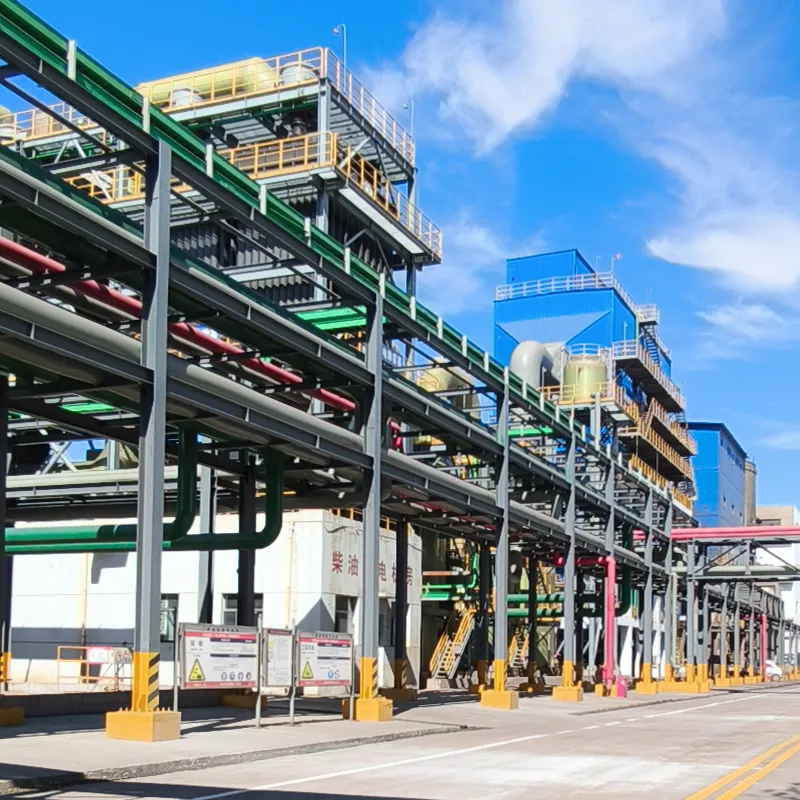
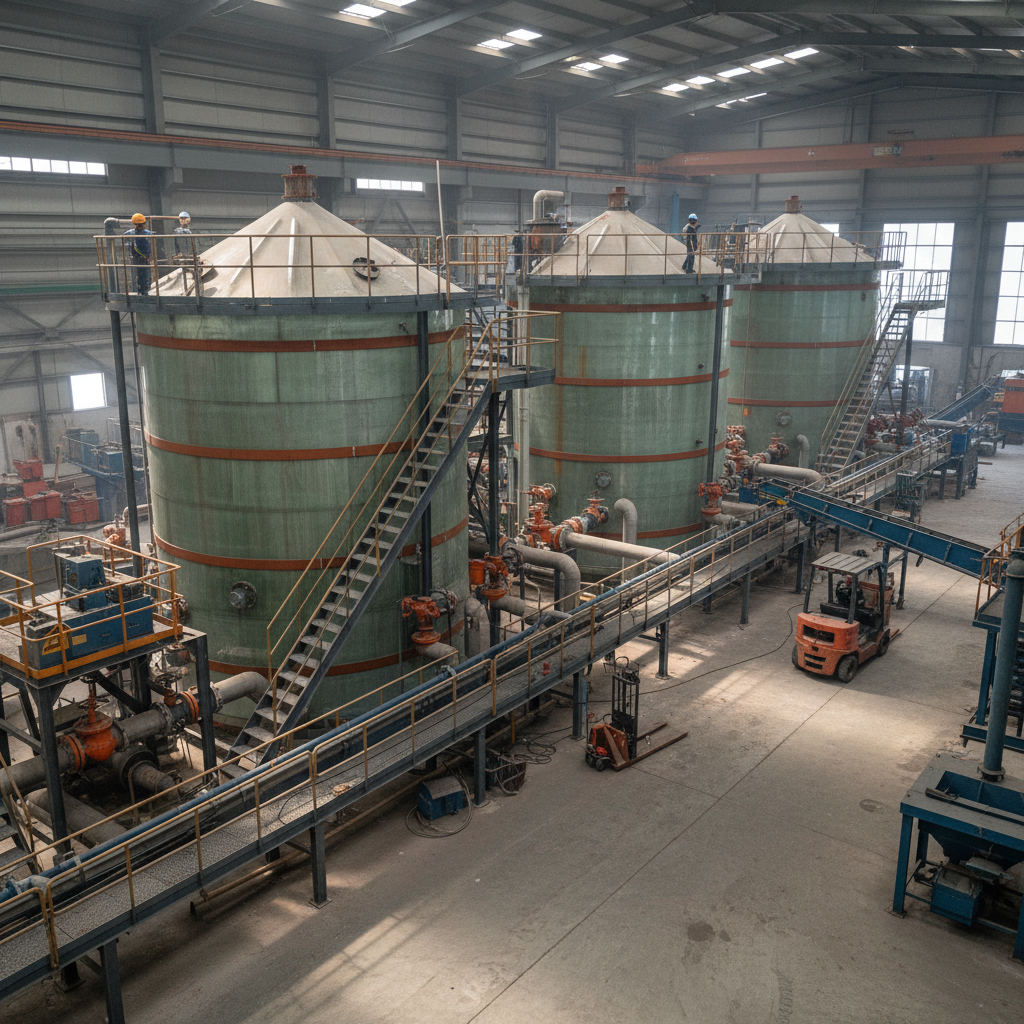
Visit Our Manufacturing Facility

Industry Trends in Fiberglass Tank Technology

The global market for fiberglass tanks for sale is experiencing substantial growth, projected to reach $4.2 billion by 2027 according to recent industry analysis. This growth is driven by increasing demand from chemical processing, water treatment, and petrochemical industries where corrosion resistance and longevity are critical factors.

Modern fiberglass water tanks for sale incorporate nanotechnology-enhanced resins that provide superior barrier properties against permeation and chemical attack. The latest trends also include smart monitoring systems with IoT sensors integrated directly into tank walls for real-time condition monitoring.

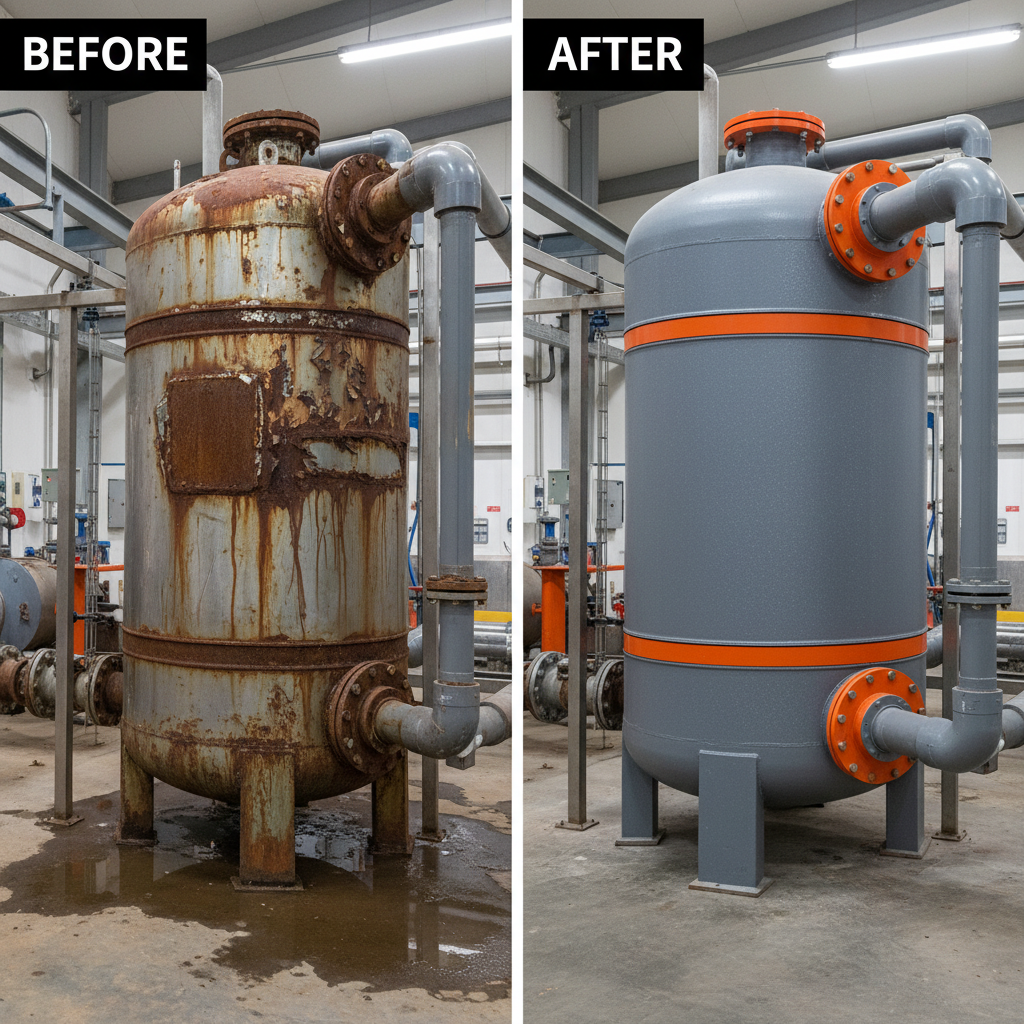
Environmental regulations worldwide are increasingly favoring FRP solutions as sustainable alternatives to traditional materials. The composite nature of fiberglass storage tanks for sale makes them fully recyclable at end-of-life, aligning with circular economy principles gaining prominence in industrial manufacturing.
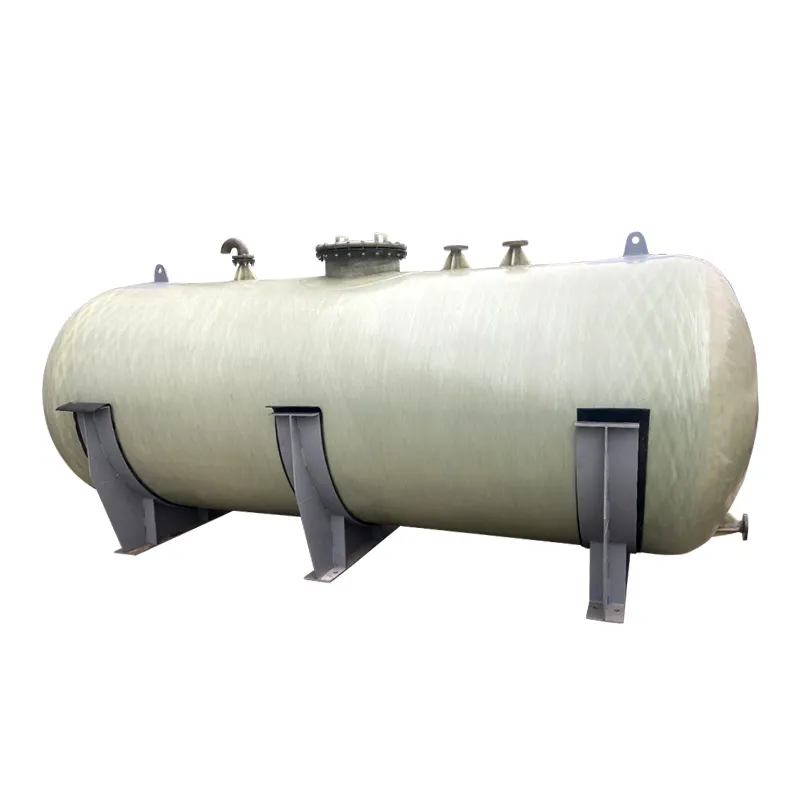
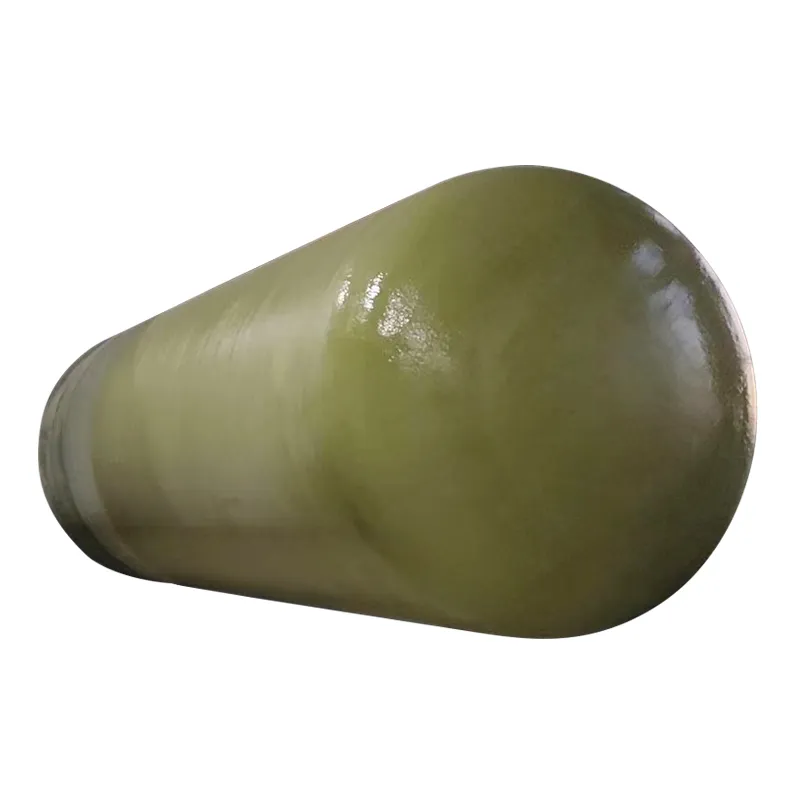
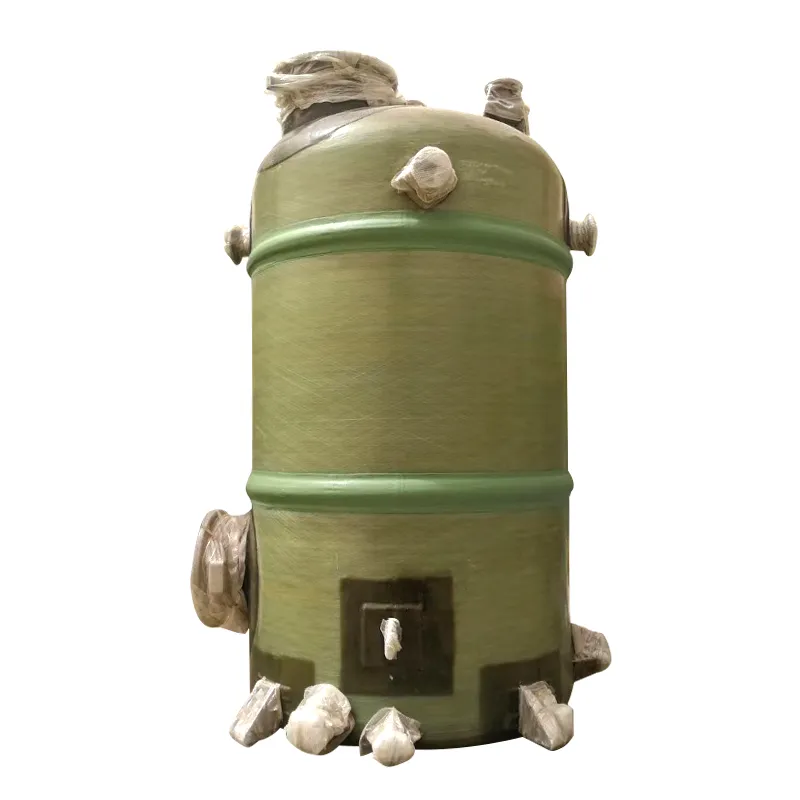
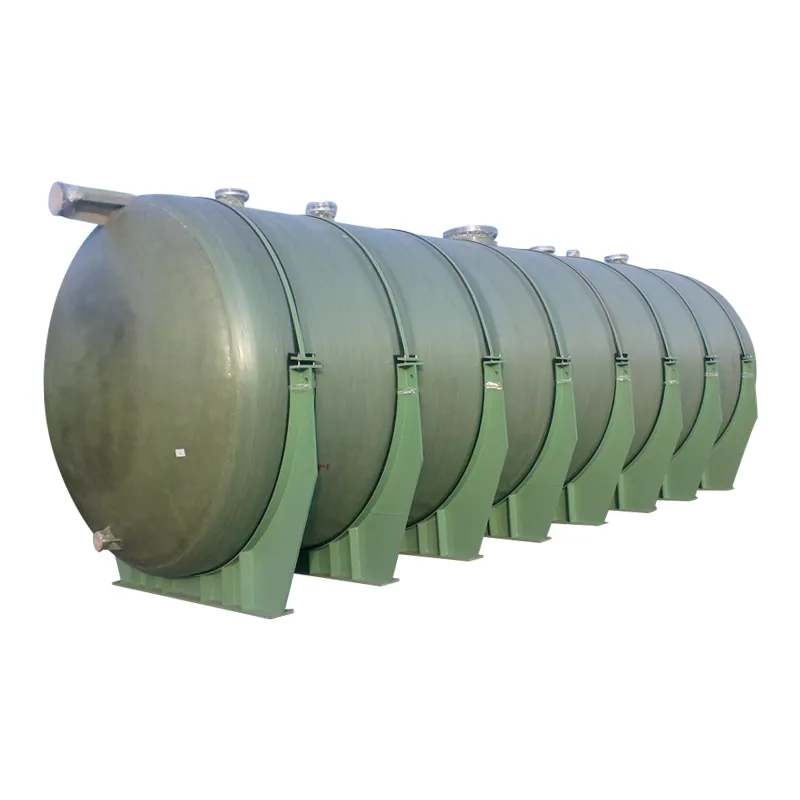
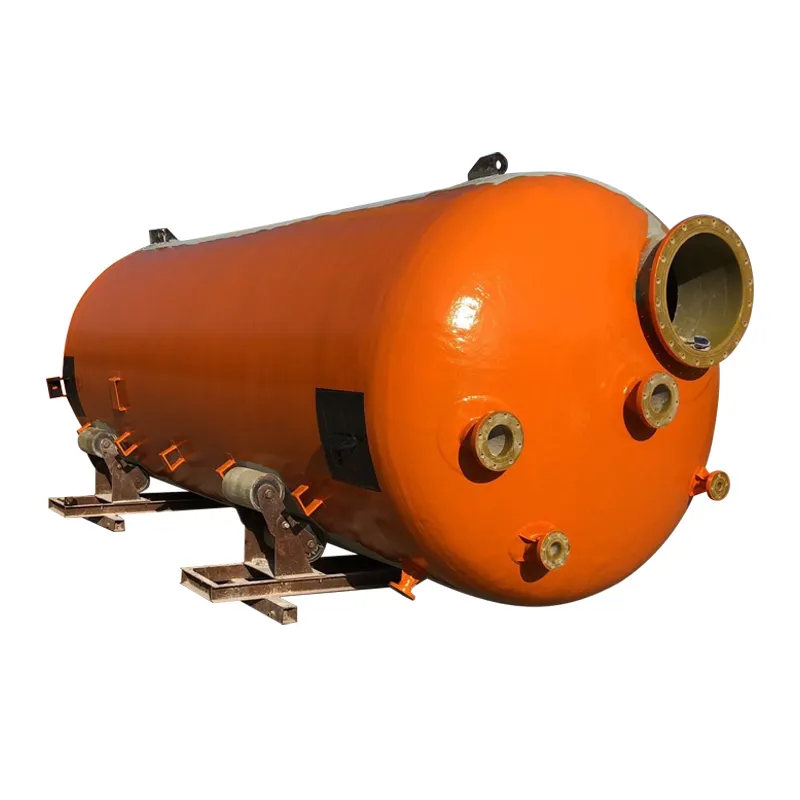
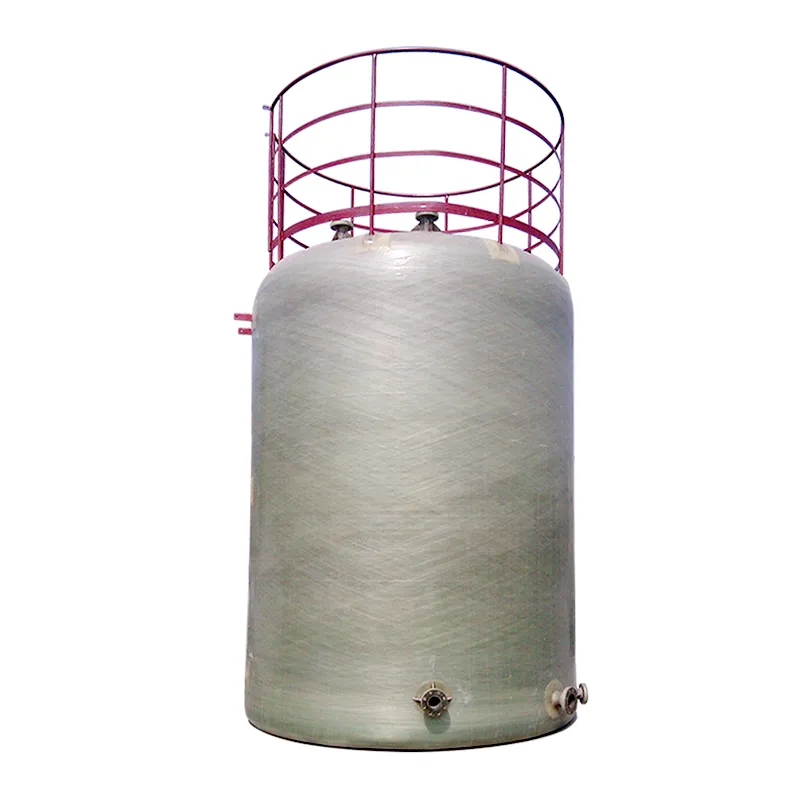
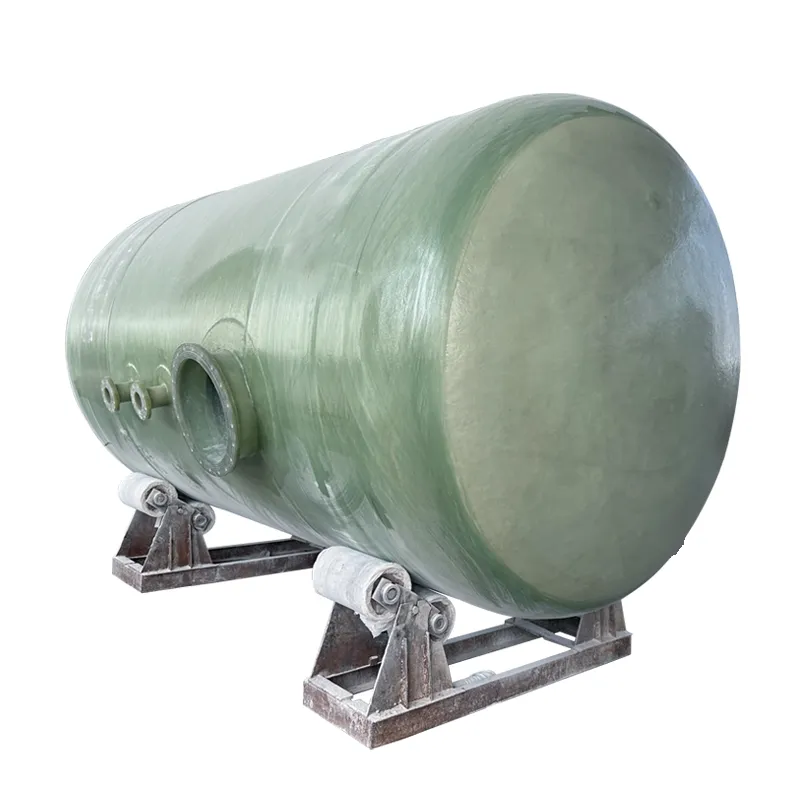
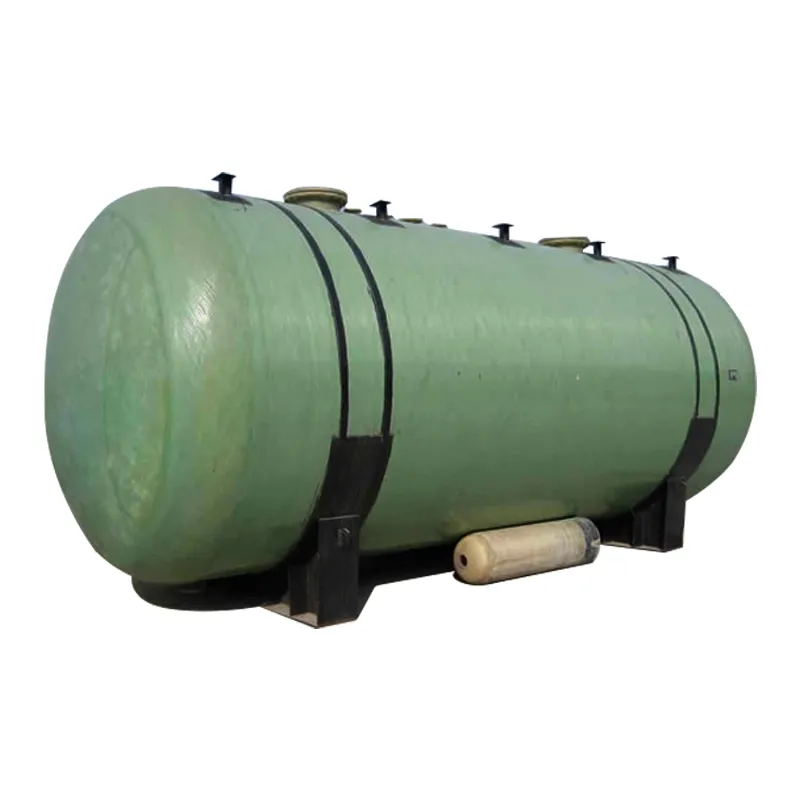
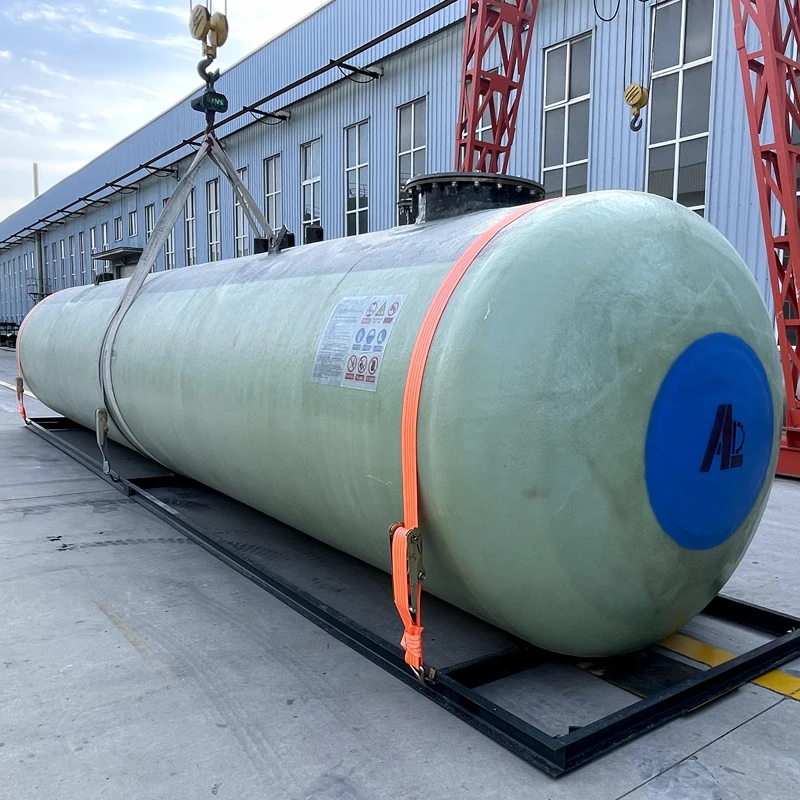
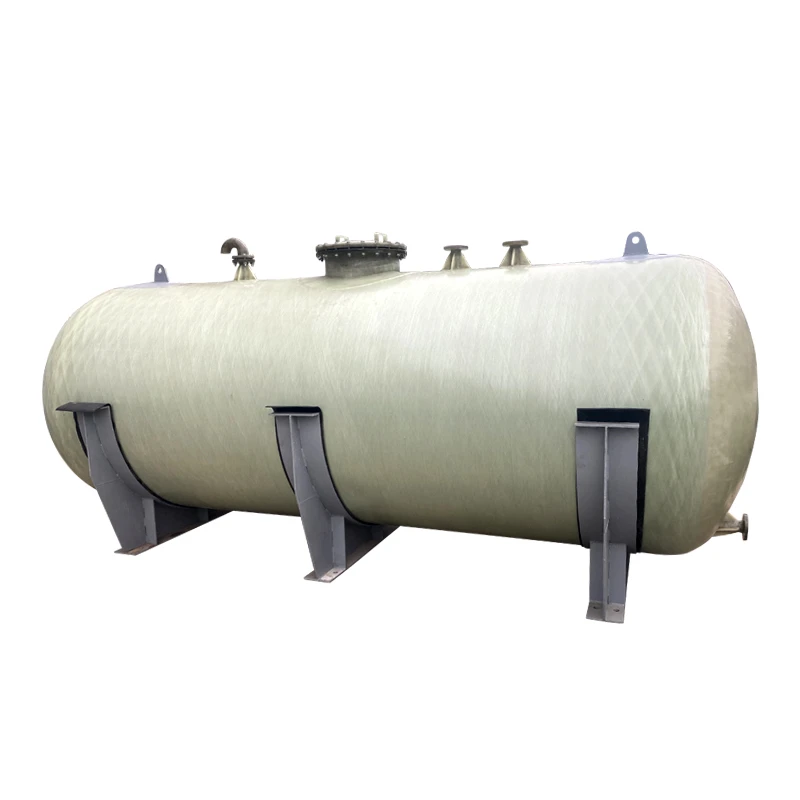
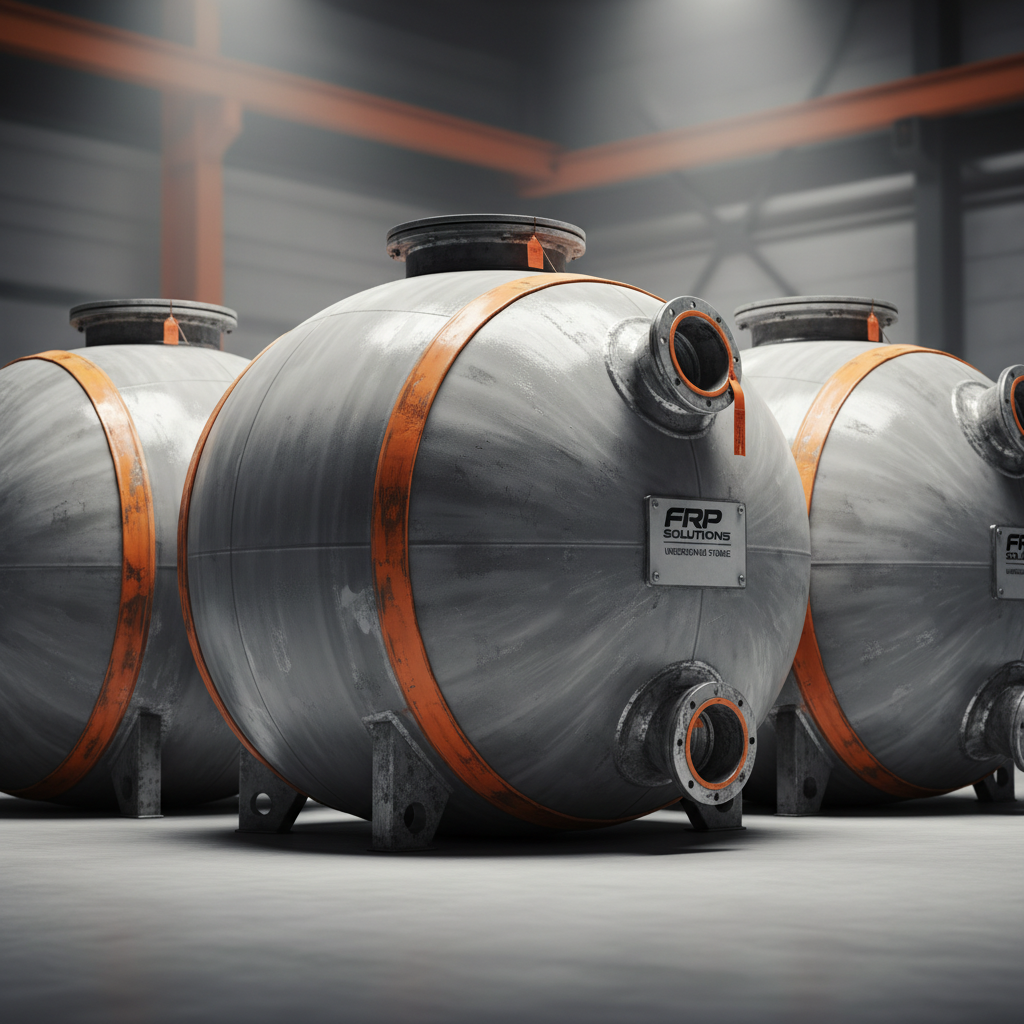
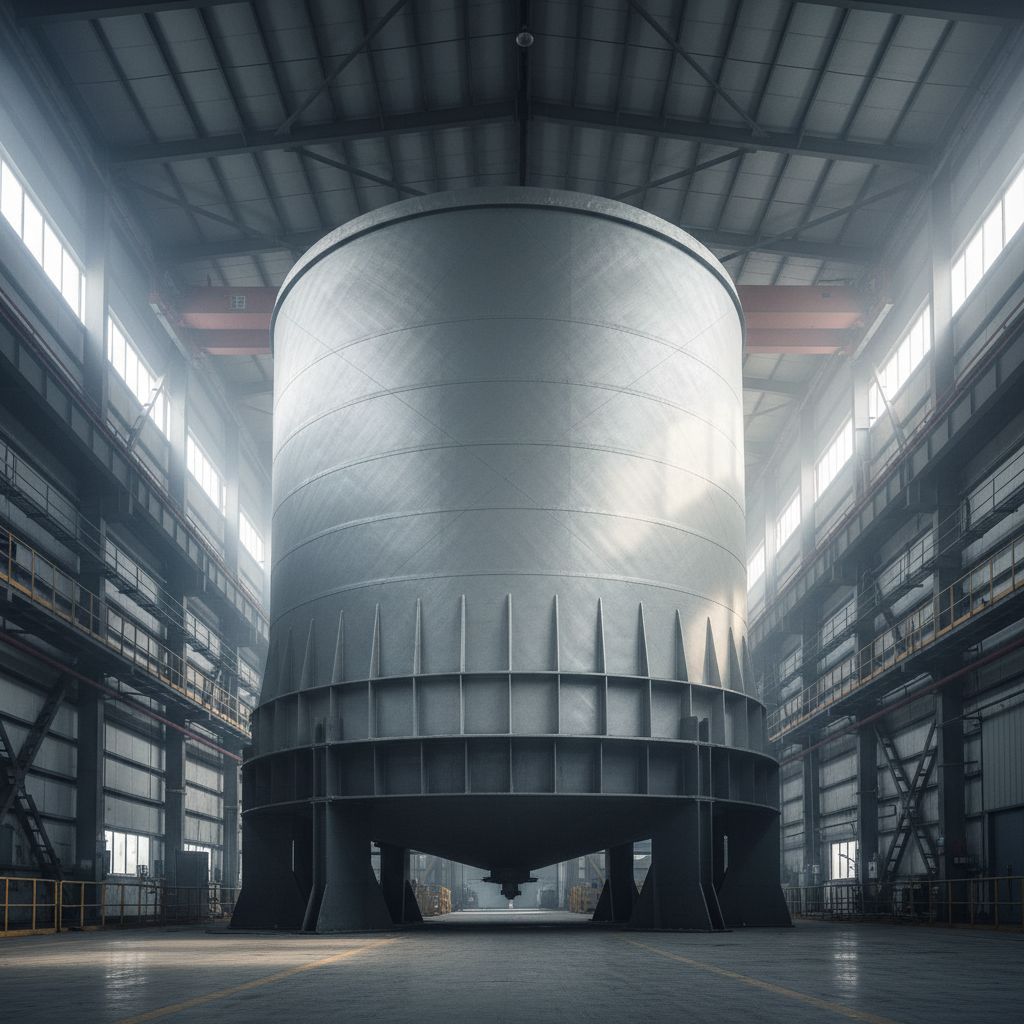
Our Flagship Product: FRP Tank/Vessel For Chemical Industry
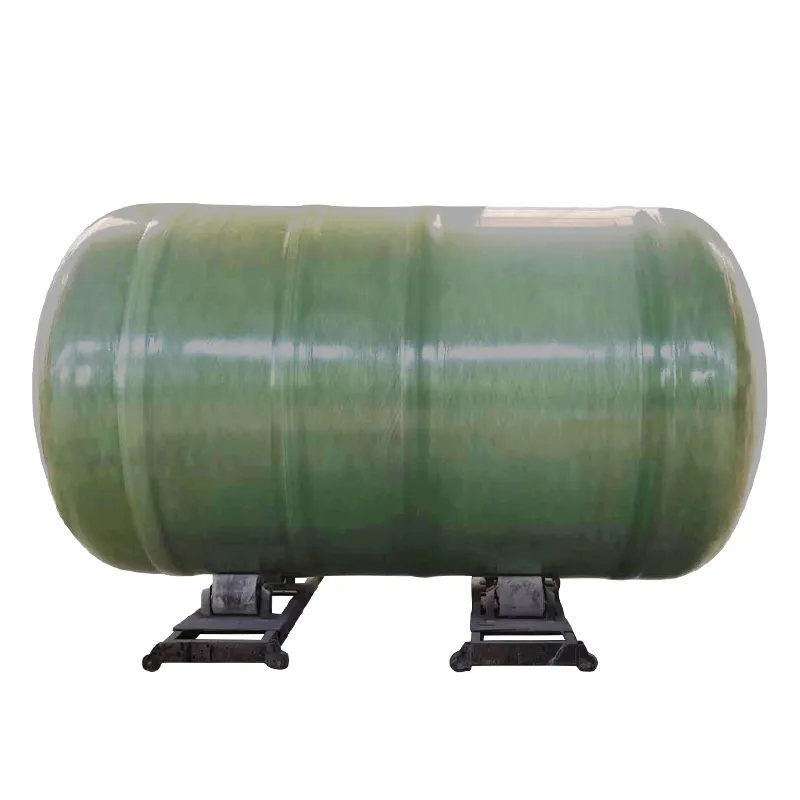
Product Overview

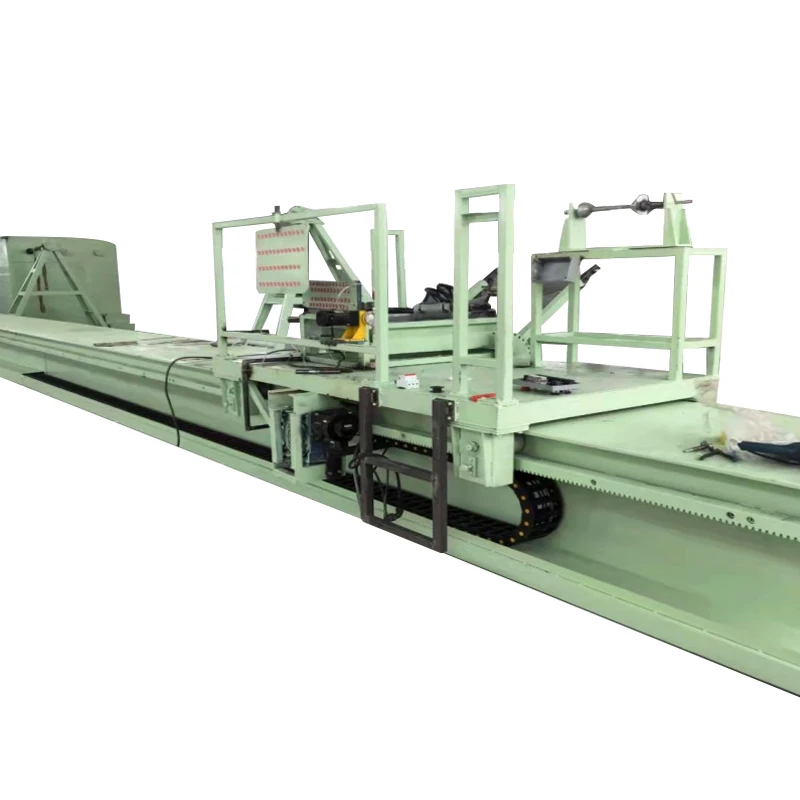
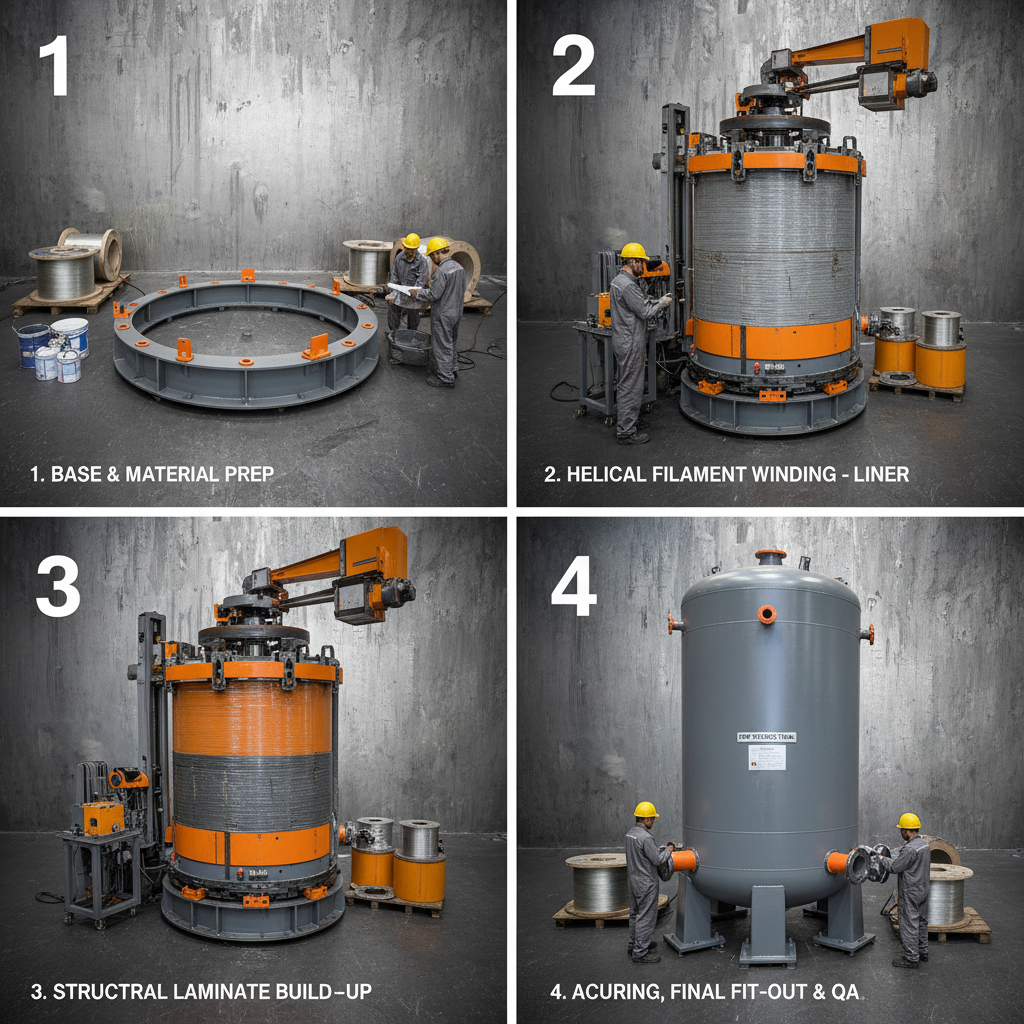
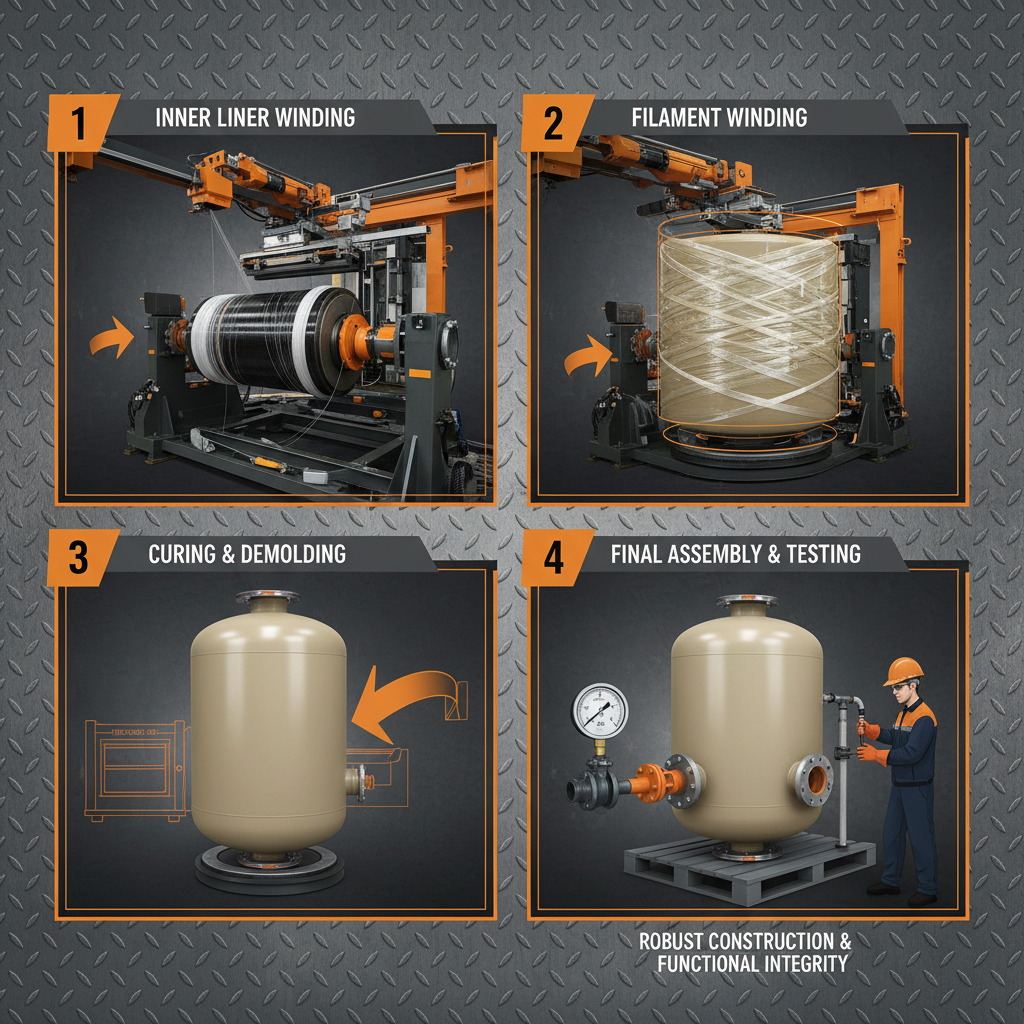
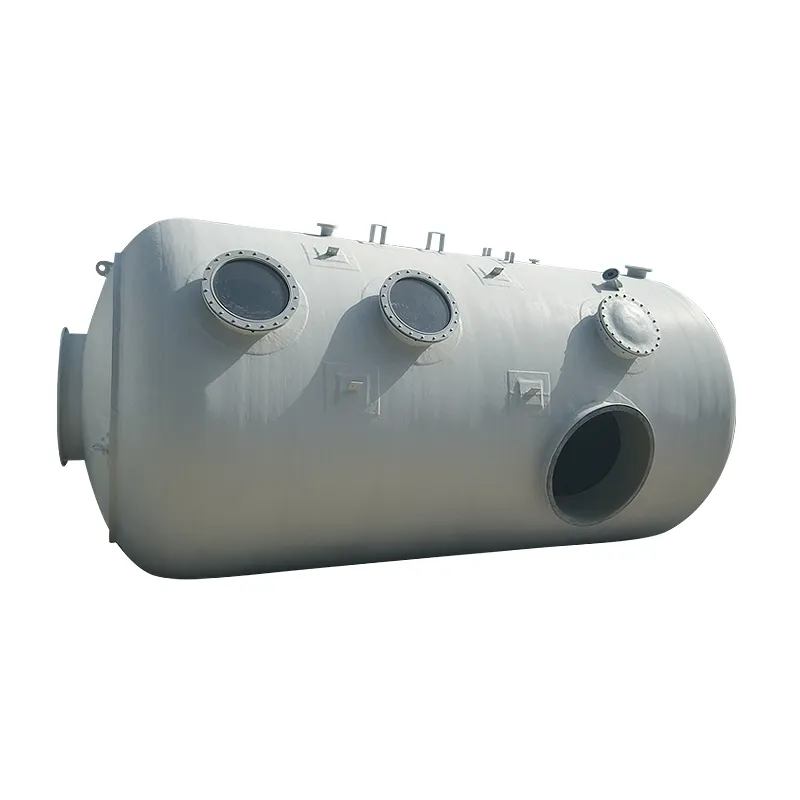
Our FRP Tank/Vessel For Chemical Industry is engineered using state-of-the-art filament winding technology. The manufacturing process involves precisely controlled tension winding of resin-impregnated glass fibers onto rotating mandrels, resulting in uniform structural integrity throughout the tank wall.
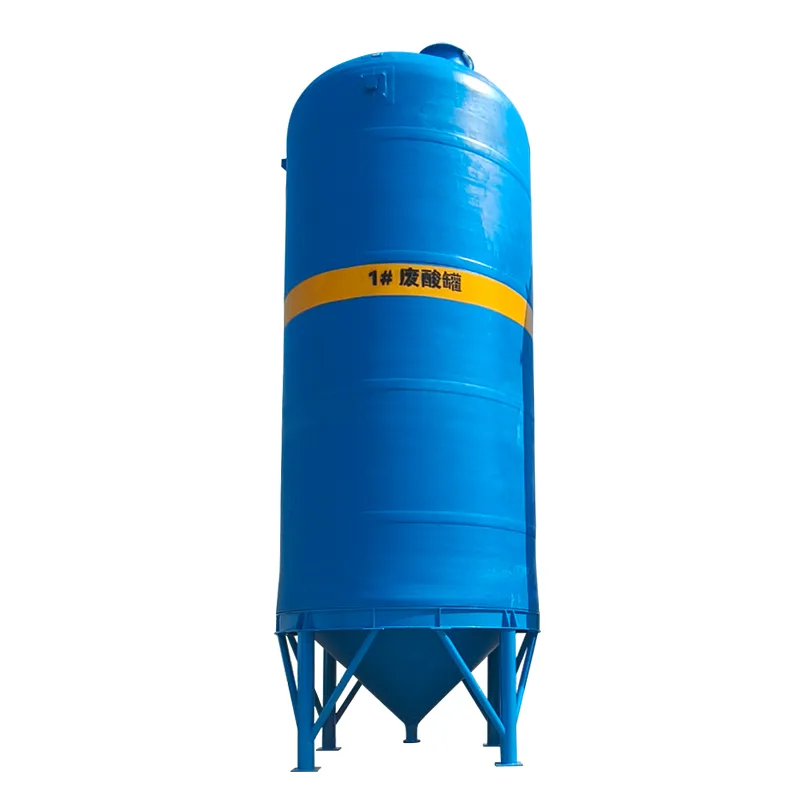
Construction Layers:
1. Inner Liner: 100% resin-rich corrosion barrier
2. Structural Layer: Wound fiberglass reinforcement
3. Outer Protective Layer: UV-resistant gelcoat finish

This multi-layer construction creates "The Diversity" material that combines the best properties of polymers and reinforcement fibers. The tanks are designed with ASME, ASTM, and EN standards compliance for pressure vessels operating in demanding chemical environments.

View Detailed Product Specifications

Technical Specifications

Parameter Water Storage Tanks Chemical Storage Tanks Industrial Process Tanks Standards Compliance
Capacity Range 500-50,000 gallons 300-40,000 gallons 100-10,000 gallons AWWA D120, NSF/ANSI 61
Temperature Resistance -40°F to 180°F -20°F to 250°F -40°F to 400°F ASTM D5421
Pressure Rating Atmospheric 15-150 PSI 50-300 PSI ASME RTP-1, Section X
Wall Thickness 0.25-0.5 inches 0.3-0.75 inches 0.4-1.2 inches ISO 14692
Chemical Resistance pH 3-11 Wide range (customizable) Industry-specific NACE MR0175

Note: All specifications can be customized based on application requirements. Additional features include anti-static additives, fire-retardant resins, and FDA-compliant formulations for potable water storage.

Data Visualization: Industry Trends

The charts above visualize key trends in fiberglass tanks for sale market developments and performance metrics based on composite industry studies. The data demonstrates FRP's superiority in corrosion resistance and life-cycle cost efficiency compared to alternative materials.

Application Scenarios
Industrial Chemical Processing

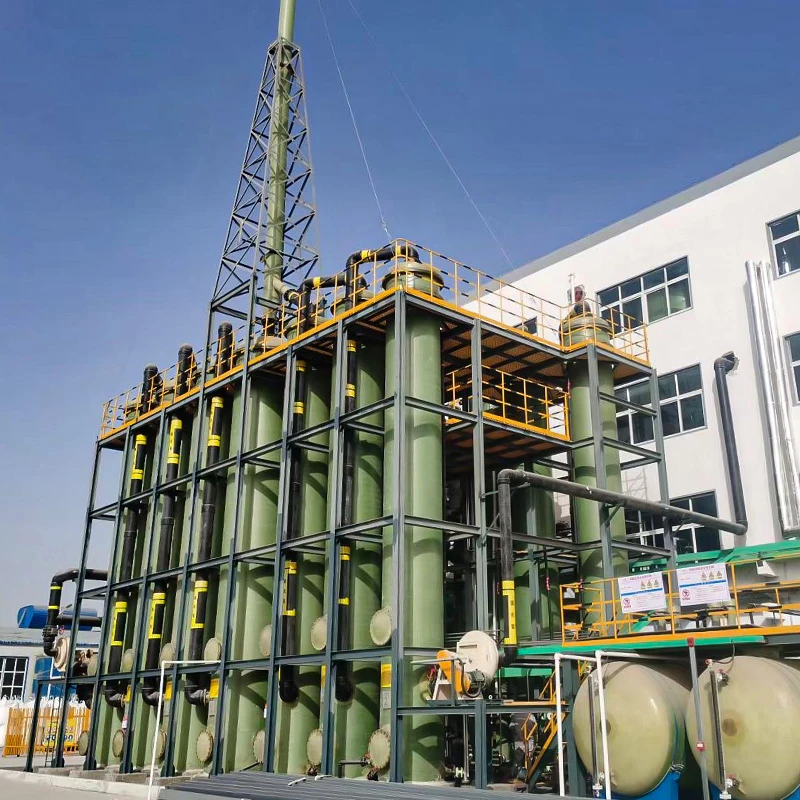
When sourcing chemical tanks for sale for acid storage, solvent containment, or chemical processing, FRP tanks provide unparalleled resistance to corrosion. Our tanks withstand aggressive chemicals including hydrochloric acid (up to 37%), sulfuric acid (up to 95%), sodium hypochlorite, and various organic solvents.

Water & Wastewater Management

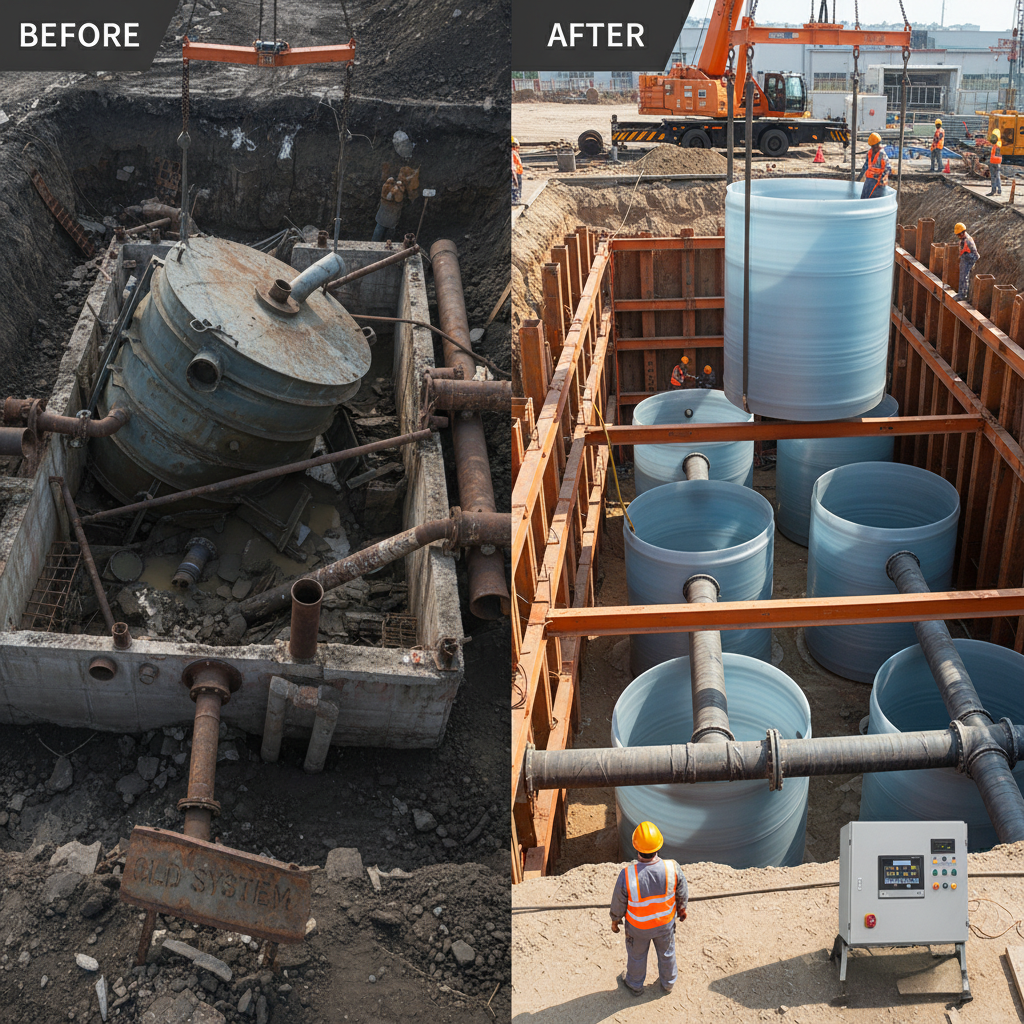
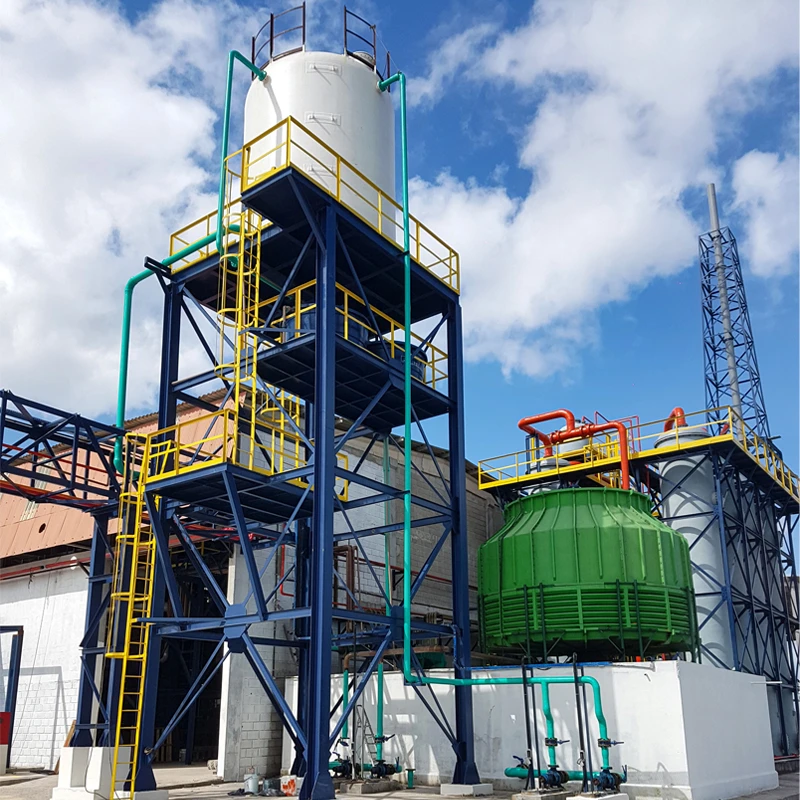
Fiberglass water tanks for sale are ideal for potable water storage, treatment plants, and wastewater holding applications. NSF-61 certified tanks ensure safe drinking water storage with no leaching of contaminants. Their non-porous surface prevents bacterial growth and biofilm formation common in concrete tanks.

Specialty Applications

Specialized FRP tanks serve unique requirements in food processing, pharmaceutical manufacturing, mining operations, and power generation. Custom designs include double-wall containment, insulated tanks for temperature-sensitive processes, and ASME-certified pressure vessels for high-temperature operations.

Technical FAQ: Expert Insights

What resin systems are recommended for different chemical exposures?

Different resin formulations offer specific chemical resistance properties:

  • Isophthalic Polyester: Good general chemical resistance, suitable for mild acids and solvents
  • Bisphenol-A Fumarate: Excellent for alkaline services and bleach solutions
  • Vinyl Ester: Superior resistance to strong acids, solvents, and oxidizers
  • Epoxy: Best for high-purity applications and strong solvent resistance

Selection should be based on comprehensive chemical compatibility analysis.

What are ASME RTP-1 requirements for FRP pressure vessels?

ASME RTP-1 (Reinforced Thermoset Plastic Corrosion-Resistant Equipment) standards specify design, fabrication, inspection, and testing requirements. Key aspects include:

  • Mandatory quality control documentation
  • Certified material specifications
  • Strict laminate sequencing procedures
  • Non-destructive examination requirements
  • Pressure testing protocols

Our manufacturing facility maintains ASME RTP-1 certification for all pressure-rated vessels.

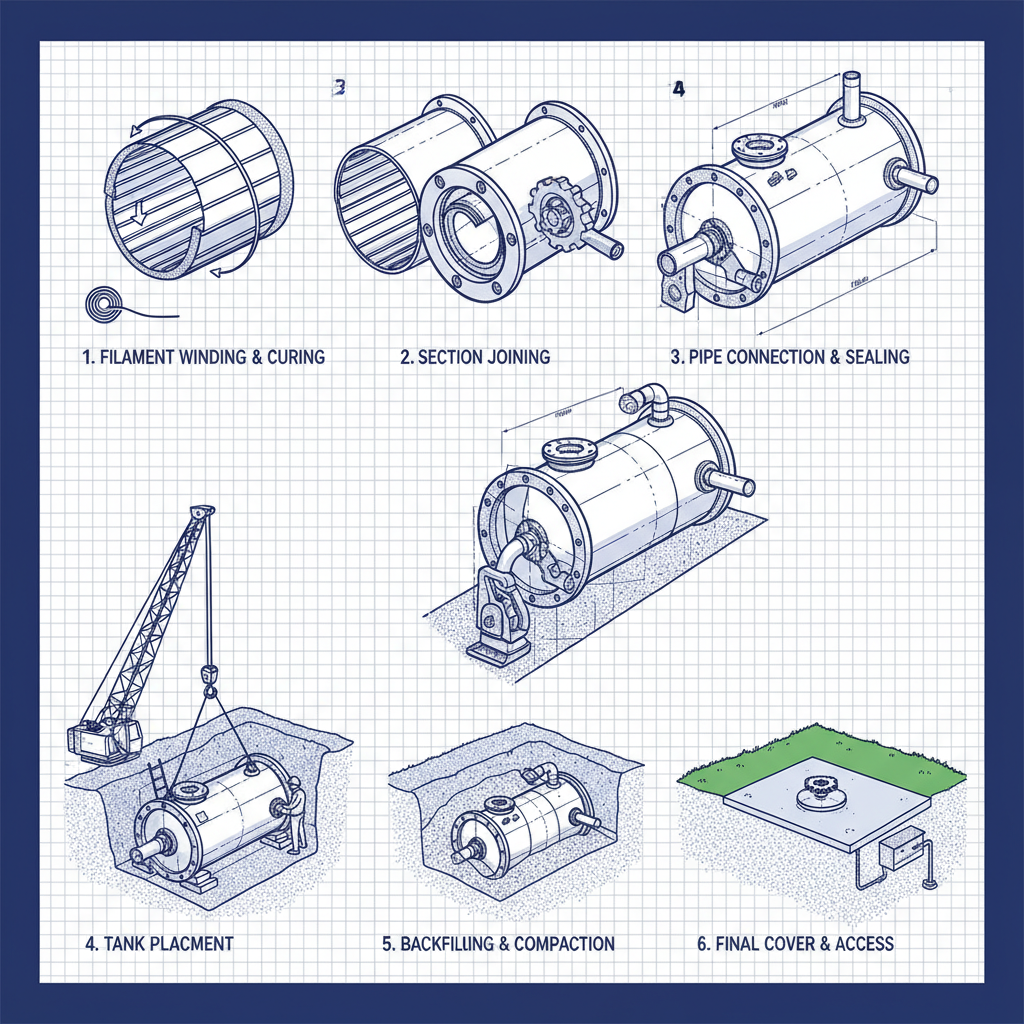
How do installation requirements vary for aboveground vs. underground tanks?

Installation methods depend on tank placement and function:

Aboveground Tanks:
- Require engineered foundations with anchor bolt patterns
- Need seismic restraint design in earthquake zones
- External coatings must include UV inhibitors
- Secondary containment berms may be required

Underground Tanks:
- Backfill material must meet AWWA D120 specifications
- Require anchoring systems for high groundwater areas
- Cathodic protection systems may be needed
- Installation must include tank void-space inspection

What design considerations prevent environmental stress cracking?

Environmental stress cracking (ESC) prevention requires multiple approaches:

  • Proper resin selection for chemical compatibility
  • Sufficient corrosion barrier thickness (minimum 100 mils)
  • Elimination of residual stresses through controlled curing
  • Avoiding sharp transitions in structural design
  • Protection from UV degradation with proper surface veils
  • Use of chemical-resistant gel coats with barrier additives

How are structural design calculations performed for FRP tanks?

Tank design follows rigorous engineering methodologies:

  • Finite element analysis (FEA) for stress distribution
  • Classical lamination theory (CLT) for laminate performance
  • Buckling analysis for cylindrical structures
  • Seismic analysis using ASCE 7 requirements
  • Wind load calculations per ASCE standards

Our engineering team performs site-specific calculations accounting for all operating and environmental conditions.

What quality control tests are performed during manufacturing?

Comprehensive QC procedures include:

  • Resin viscosity and reactivity testing
  • Fiber content verification at each winding stage
  • Barcol hardness testing on each layer
  • Laminate coupon testing for mechanical properties
  • Spark testing of liners
  • Hydrostatic pressure testing
  • Final dimensional verification

What temperature derating factors apply to FRP tanks?

Temperature significantly affects FRP performance:

  • Design pressure decreases 50% for every 25°F above design temperature
  • Material properties decrease 2% for every 10°F above ambient
  • Thermal expansion of 7-15 x 10-6 in/in/°F must be accommodated
  • Above 180°F, post-curing is required for maximum service life

Proper thermal derating is critical for high-temperature applications.

Industry Research & References

The technical information in this article is supported by authoritative industry research from leading institutions:

  • American Society of Mechanical Engineers. (2023). ASME RTP-1 Standard Revision Analysis. Retrieved from asme.org/codes-standards
  • Composites World. (2024). Global FRP Tank Market Report 2023-2030. Retrieved from compositesworld.com/reports
  • American Water Works Association. (2023). AWWA D120 Standard for Fiberglass Tank Applications. Retrieved from awwa.org/standards
  • Journal of Composite Materials. (2023). Chemical Resistance Performance of FRP in Industrial Environments. 57(15), 2345-2360
  • National Association of Corrosion Engineers. (2024). Corrosion Prevention Standards for Chemical Storage. Retrieved from nace.org/standards

Contact Us for Custom FRP Solutions

As leading manufacturers of fiberglass tanks for sale, Hebei Aoliande Chemical Equipment Co., Ltd. provides engineering support from initial design through installation and maintenance. Our technical team can develop customized solutions for your specific chemical storage or water treatment requirements.

Direct Contact:
Bella Chen | International Sales Manager
Email: bella@aldfrp.com | Phone/WhatsApp: +86 13303314492
Request Technical Consultation
Upsell Products
Upsell News
Durable FRP Vessel for Water Treatment and Industrial Filtration
Apr 16,2026
Durable FRP Vessel for Water Treatment and Industrial Filtration
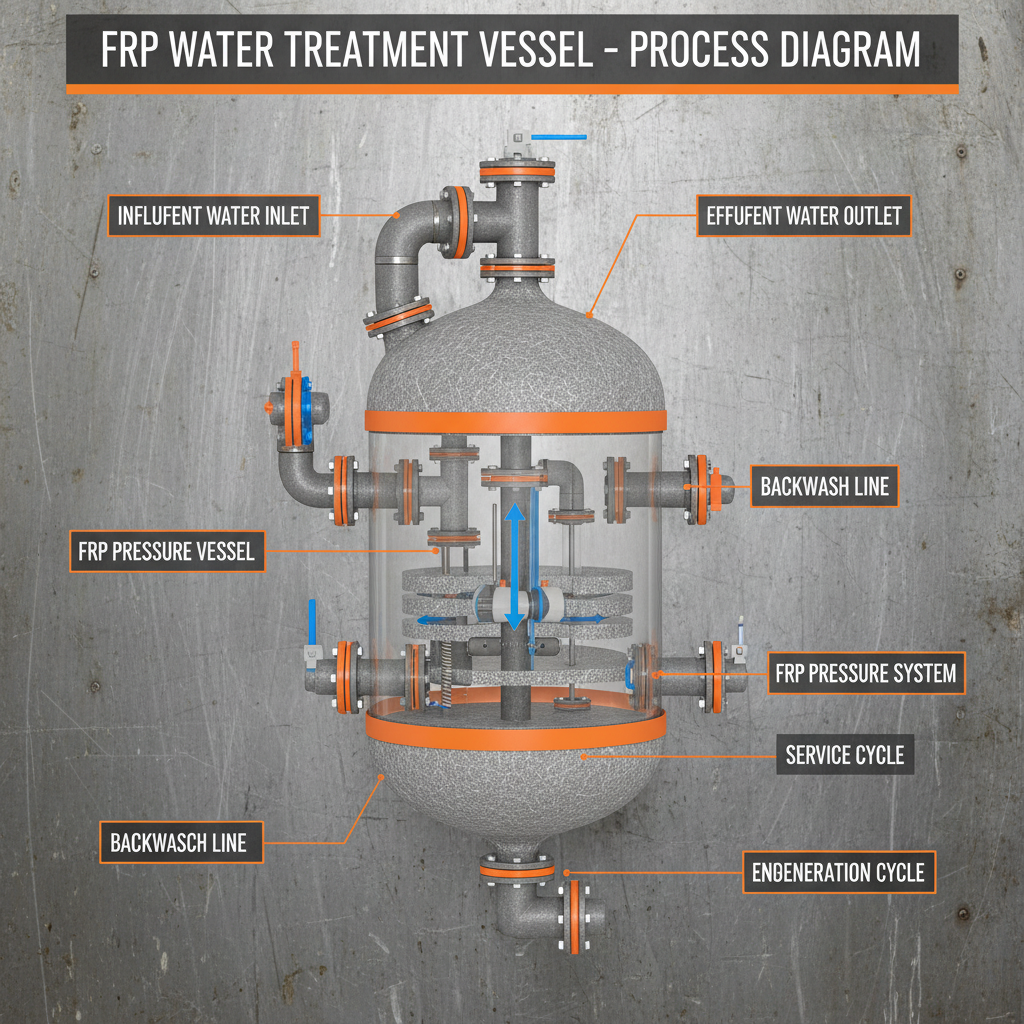
In the modern era of industrial and residential water purification, the choice of containment materials is critical for efficiency and longevity. An frp vessel for water treatment has emerged as the gold standard, replacing traditional steel tanks due to its superior corrosion resistance and lightweight properties. Whether you are dealing with desalination, softening, or filtration, using Fiber Reinforced Plastic (FRP) ensures that your system remains leak-proof and durable against aggressive chemicals. In this comprehensive guide, we will explore why FRP is the preferred choice for water treatment professionals worldwide and how to select the right vessel for your specific application.
Industrial Guide for Choosing the Right FRP Vertical Tank
Apr 09,2026
Industrial Guide for Choosing the Right FRP Vertical Tank
In today's industrial landscape, the storage of corrosive chemicals and aggressive liquids requires materials that can withstand extreme conditions without degrading. The frp vertical tank has emerged as a premier solution, offering an exceptional balance of strength, lightweight properties, and unmatched chemical resistance. Whether you are managing a water treatment plant or a chemical processing facility, understanding the nuances of Fiber Reinforced Plastic (FRP) is essential for ensuring operational safety and longevity. In this comprehensive guide, we will explore why vertical configurations are preferred and how these tanks outperform traditional metal alternatives.
Comprehensive Guide to FRP Underground Water Tank Solutions and Applications
Apr 07,2026
Comprehensive Guide to FRP Underground Water Tank Solutions and Applications
Fiberglass Reinforced Polymer (FRP) underground water tanks are becoming increasingly popular for a wide range of applications, from potable water storage to industrial wastewater containment. Their superior corrosion resistance, lightweight nature, and design flexibility make them an excellent alternative to traditional materials like concrete or steel. This article will delve into the benefits, applications, construction, and considerations for implementing FRP underground water tanks, providing a comprehensive overview for engineers, contractors, and project managers.
Comprehensive Guide to Frp Underground Water Storage Tanks and Their Applications
Apr 04,2026
Comprehensive Guide to Frp Underground Water Storage Tanks and Their Applications
When considering water storage solutions, particularly for industrial, agricultural, or municipal applications, frp underground water storage tanks stand out as a durable, cost-effective, and environmentally friendly option. These tanks are increasingly favored over traditional materials like concrete or steel due to their superior corrosion resistance, lighter weight, and ease of installation. This article delves into the benefits, applications, construction, and considerations when choosing an FRP tank, providing a detailed overview for potential buyers and project planners.
Sulfuric Acid Production Line - Hebei Aoliande|Efficient H2SO4 Plant Technology
Apr 01,2026
Sulfuric Acid Production Line - Hebei Aoliande|Efficient H2SO4 Plant Technology
Discover efficient H2SO4 plant technology and advanced sulfuric acid production solutions. Hebei Aoliande combines energy-saving furnace design and eco-friendly HCl recovery systems for sustainable industrial applications. Explore now: https://www.frpgrpmachine.com/sulfuric-acid-production-line-for-h2so4-plant.html
Sulfuric Acid Production Line - Hebei Aoliande|Efficient H2SO4 Plant Technology
Apr 01,2026
Sulfuric Acid Production Line - Hebei Aoliande|Efficient H2SO4 Plant Technology
Discover efficient H2SO4 plant technology and advanced sulfuric acid production solutions. Hebei Aoliande combines energy-saving furnace design and eco-friendly HCl recovery systems for sustainable industrial applications. Explore now: https://www.frpgrpmachine.com/sulfuric-acid-production-line-for-h2so4-plant.html
Sulfuric Acid Production Line - Hebei Aoliande|Efficient H2SO4 Plant Technology
Apr 01,2026
Sulfuric Acid Production Line - Hebei Aoliande|Efficient H2SO4 Plant Technology
Discover efficient H2SO4 plant technology and advanced sulfuric acid production solutions. Hebei Aoliande combines energy-saving furnace design and eco-friendly HCl recovery systems for sustainable industrial applications. Explore now: https://www.frpgrpmachine.com/sulfuric-acid-production-line-for-h2so4-plant.html
Sulfuric Acid Production Line - Hebei Aoliande|Efficient H2SO4 Plant Technology
Apr 01,2026
Sulfuric Acid Production Line - Hebei Aoliande|Efficient H2SO4 Plant Technology
Discover efficient H2SO4 plant technology and advanced sulfuric acid production solutions. Hebei Aoliande combines energy-saving furnace design and eco-friendly HCl recovery systems for sustainable industrial applications. Explore now: https://www.frpgrpmachine.com/sulfuric-acid-production-line-for-h2so4-plant.html
Sulfuric Acid Production Line - Hebei Aoliande|Efficient H2SO4 Plant Technology
Apr 01,2026
Sulfuric Acid Production Line - Hebei Aoliande|Efficient H2SO4 Plant Technology
Discover efficient H2SO4 plant technology and advanced sulfuric acid production solutions. Hebei Aoliande combines energy-saving furnace design and eco-friendly HCl recovery systems for sustainable industrial applications. Explore now: https://www.frpgrpmachine.com/sulfuric-acid-production-line-for-h2so4-plant.html
Sulfuric Acid Production Line - Hebei Aoliande|Efficient H2SO4 Plant Technology
Apr 01,2026
Sulfuric Acid Production Line - Hebei Aoliande|Efficient H2SO4 Plant Technology
Discover efficient H2SO4 plant technology and advanced sulfuric acid production solutions. Hebei Aoliande combines energy-saving furnace design and eco-friendly HCl recovery systems for sustainable industrial applications. Explore now: https://www.frpgrpmachine.com/sulfuric-acid-production-line-for-h2so4-plant.html
Comprehensive Guide to Frp Underground Storage Tanks for Reliable Storage Solutions
Mar 31,2026
Comprehensive Guide to Frp Underground Storage Tanks for Reliable Storage Solutions
Fiberglass Reinforced Polymer (FRP) underground storage tanks are becoming increasingly popular for a wide range of applications, from fuel storage to wastewater management. Their corrosion resistance, lightweight nature, and durability offer significant advantages over traditional materials like steel. This article will provide an in-depth look at FRP underground storage tanks, covering their benefits, applications, installation, and maintenance. Understanding these aspects is crucial for making informed decisions about long-term storage solutions.
Comprehensive Guide to Selecting the Ideal FRP Tank for Water Storage Solutions
Mar 28,2026
Comprehensive Guide to Selecting the Ideal FRP Tank for Water Storage Solutions
When it comes to reliable and durable water storage, FRP tanks for water are increasingly becoming the preferred solution for a wide range of applications. These tanks, constructed from Fiber Reinforced Polymer (FRP) materials, offer significant advantages over traditional storage options like steel or concrete. This article delves into the benefits, applications, and considerations when selecting an FRP tank for your water storage needs, providing a detailed overview for businesses and individuals alike.
Comprehensive Guide to Frp Tank and Vessel Applications and Manufacturing
Mar 26,2026
Comprehensive Guide to Frp Tank and Vessel Applications and Manufacturing
Fiber Reinforced Polymer (FRP) tanks and vessels are increasingly becoming the preferred choice for storage and processing across a multitude of industries. Their lightweight nature, corrosion resistance, and design flexibility offer significant advantages over traditional materials like steel. This article will delve into the intricacies of FRP tanks and vessels, exploring their applications, manufacturing processes, benefits, and considerations for selecting the right solution for your specific needs. We’ll also highlight why FRP tanks are a cost-effective and reliable long-term investment. FRP tanks and vessels are constructed from a combination of reinforcing fibers (such as fiberglass, carbon fiber, or aramid fiber) embedded in a polymer matrix (typically polyester, vinyl ester, or epoxy resin). This combination creates a composite material that boasts high strength-to-weight ratio, exceptional corrosion resistance, and the ability to be molded into complex shapes. They’re designed to safely contain a wide variety of liquids and gases, ranging from corrosive chemicals and water to food products and pharmaceuticals.
Optimizing Water Filtration with Durable FRP Sand Filter Vessels
Mar 24,2026
Optimizing Water Filtration with Durable FRP Sand Filter Vessels
In water treatment and filtration systems, the choice of filter vessel material is paramount. Fiber Reinforced Plastic (FRP), also known as Glass Reinforced Polymer (GRP), sand filter vessels are increasingly popular due to their superior corrosion resistance, lightweight nature, and cost-effectiveness. This article delves into the benefits, applications, design considerations, and factors to consider when selecting an FRP sand filter vessel. Whether you are involved in municipal water treatment, industrial wastewater management, or recreational water filtration, understanding FRP technology is essential for optimizing your filtration process. An FRP sand filter vessel is a containment unit designed to house filtration media, typically sand, gravel, and anthracite. These vessels are integral components in sand filtration systems used for removing suspended solids, turbidity, and other particulate matter from water. FRP construction involves layering glass fibers within a resin matrix (typically polyester or vinyl ester) to create a strong, durable, and chemically resistant shell. The strength and rigidity of the vessel are crucial for withstanding the pressure from the filtration media and the water flow.
Comprehensive Guide to FRP Round Tanks Applications and Benefits
Mar 21,2026
Comprehensive Guide to FRP Round Tanks Applications and Benefits
Fiber Reinforced Polymer (FRP) round tanks are increasingly becoming the preferred choice for storage solutions across a variety of industries. Their lightweight nature, corrosion resistance, and design flexibility offer significant advantages over traditional materials like steel. This article provides an in-depth look at FRP round tanks, exploring their applications, benefits, manufacturing processes, and key considerations when choosing the right tank for your needs. Whether you're in chemical processing, water treatment, or agriculture, understanding FRP round tanks is crucial for optimizing your storage infrastructure. FRP round tanks are constructed from a combination of reinforcing fibers (typically fiberglass, carbon fiber, or a blend) embedded in a polymer matrix (often polyester, vinyl ester, or epoxy resin). The round shape inherently provides excellent structural strength, distributing pressure evenly across the tank’s surface.
Comprehensive Guide to FRP Pressure Tanks Benefits and Applications
Mar 19,2026
Comprehensive Guide to FRP Pressure Tanks Benefits and Applications
Fiber Reinforced Polymer (FRP) pressure tanks are becoming increasingly popular in a wide range of industrial applications, offering a compelling alternative to traditional steel tanks. Known for their lightweight nature, corrosion resistance, and high strength-to-weight ratio, FRP tanks provide efficient and durable solutions for storing liquids and gases under pressure. This article will delve into the benefits, applications, construction, and key considerations when selecting an FRP pressure tank, helping you make an informed decision for your specific needs. Understanding the advantages of FRP technology can lead to significant cost savings and improved operational efficiency. Compared to steel, FRP pressure tanks offer several key advantages. The most significant is their superior corrosion resistance. Unlike steel, which is susceptible to rust and corrosion when exposed to various chemicals, FRP materials are inherently resistant to a wide range of corrosive substances. This translates to a longer lifespan, reduced maintenance costs, and increased safety. Furthermore, FRP is significantly lighter than steel, making installation easier and reducing transportation costs.
For More Details Pls Contact Us
Thank you for your interest in our gloves! We offer high-quality, durable, and comfortable gloves with fast delivery and competitive prices. For any questions or customization, feel free to contact us. We look forward to working with you!

If you are interested in our products, you can choose to leave your information here, and we will be in touch with you shortly.