Dec 02,2025

The Complete Guide to GRP Tanking: Durable Industrial & Water Storage Solutions

Understanding GRP Tanking: Durable Solutions for a Global Need

GRP tanking, while sounding a bit technical, is actually a fascinating and increasingly vital technology in industries spanning water storage, chemical processing, and humanitarian aid. Its global importance is growing, and frankly, it might be the unsung hero of modern containment systems. The essence? Glass Reinforced Plastic (GRP) tanking offers robust, corrosion-resistant tanks and liners that solve critical durability and environmental challenges worldwide.

Given global challenges such as water scarcity, industrial safety regulations, and sustainable infrastructure demands, understanding GRP tanking isn’t just for industry insiders. Its applications in clean water storage, wastewater treatment, and chemical containment directly impact millions of lives, especially in areas with harsh environmental conditions. So why does it matter? Because a reliable tank system can mean the difference between contamination and clean water, between longevity and constant costly repairs.

Introduction: The Global Context of GRP Tanking

Look, water and chemical storage failures cause significant economic losses and environmental damage, especially in developing countries or regions with extreme climates. According to the United Nations Water Scarcity facts, over 2 billion people live in water-stressed countries. Add to that the stringent standards from organizations like ISO for safe containment, and you’ve got a clear problem: we need tanks that won’t crack under pressure (literally) or rot away within a few years.

This is precisely where GRP tanking comes in. It addresses the challenge by combining lightweight strength with excellent resistance to chemical corrosion and environmental wear. Not to mention, it’s less prone to leaks than traditional metal or concrete tanks, reducing environmental contamination risks. Globally, industries and governments are increasingly turning toward GRP solutions as a practical approach to infrastructure resilience.

What Is GRP Tanking?

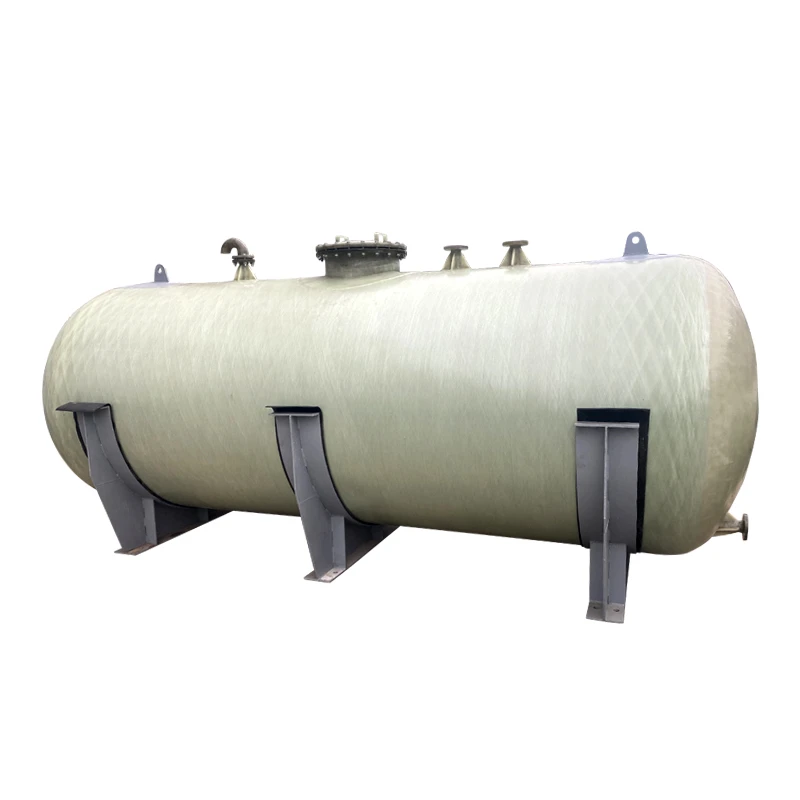
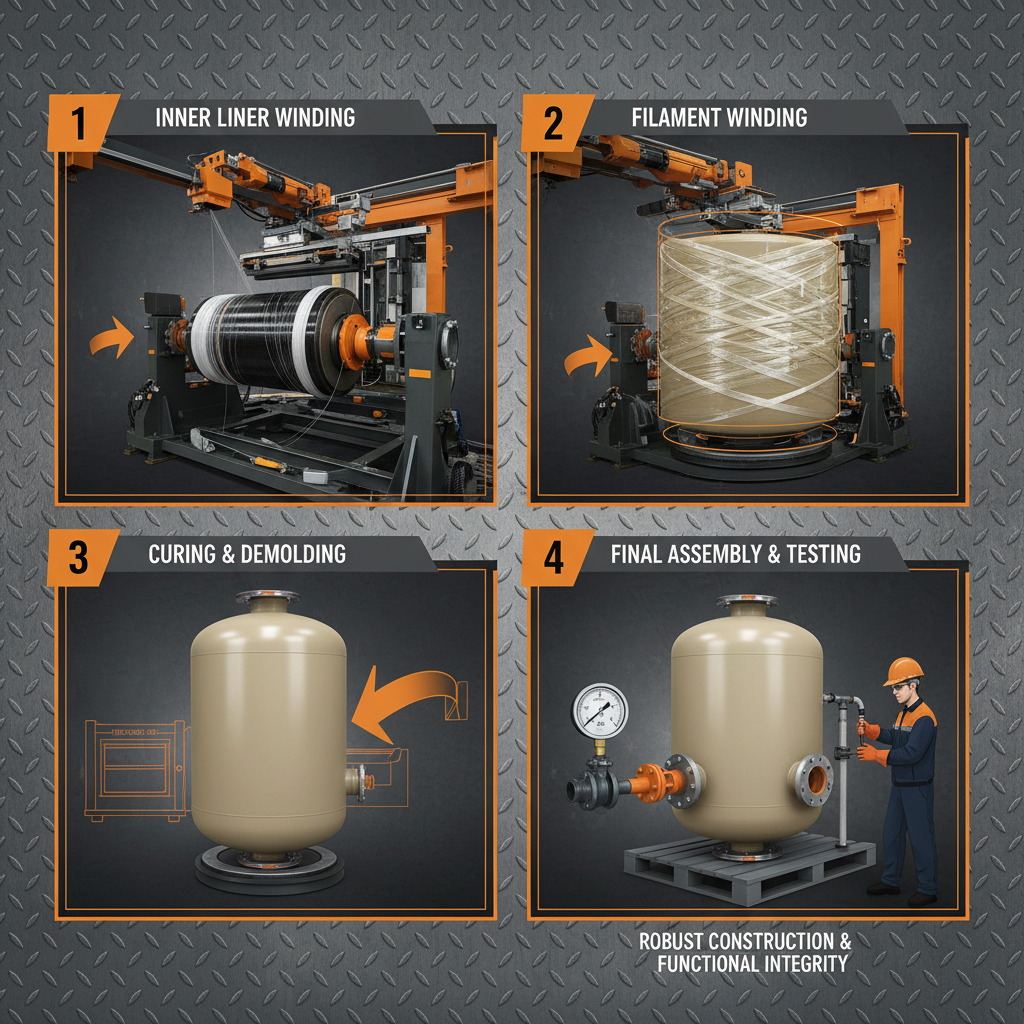
In simple terms, GRP tanking refers to tanks and liners made of Glass Reinforced Plastic — a composite material consisting of a plastic matrix reinforced by fine glass fibers. Think of it as fiberglass taken from boat hulls and aerospace, repurposed for industrial tank lining or fluid storage. This combination offers strength, flexibility, and chemical stability.

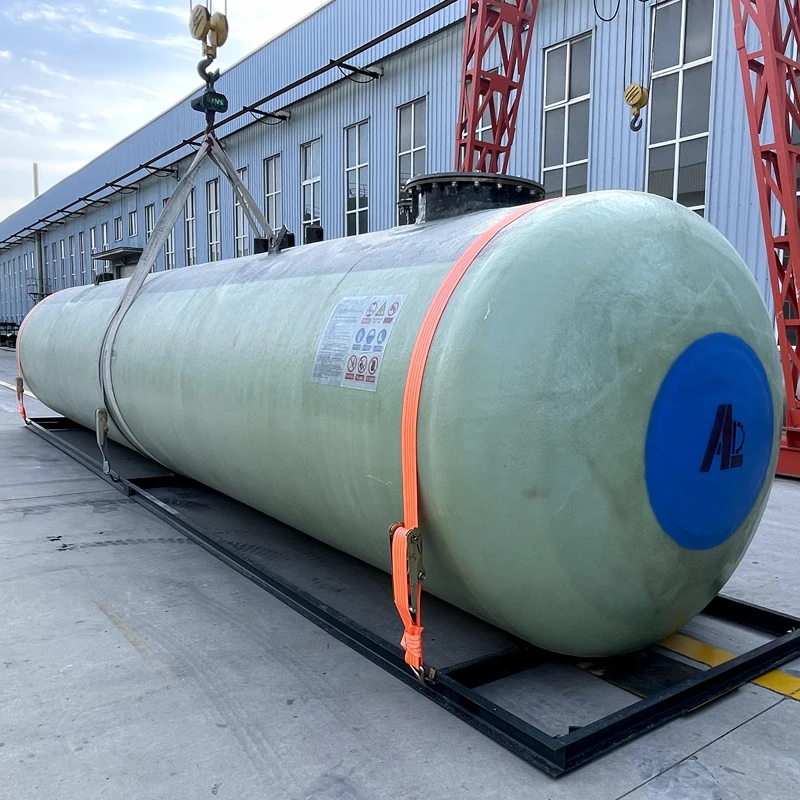
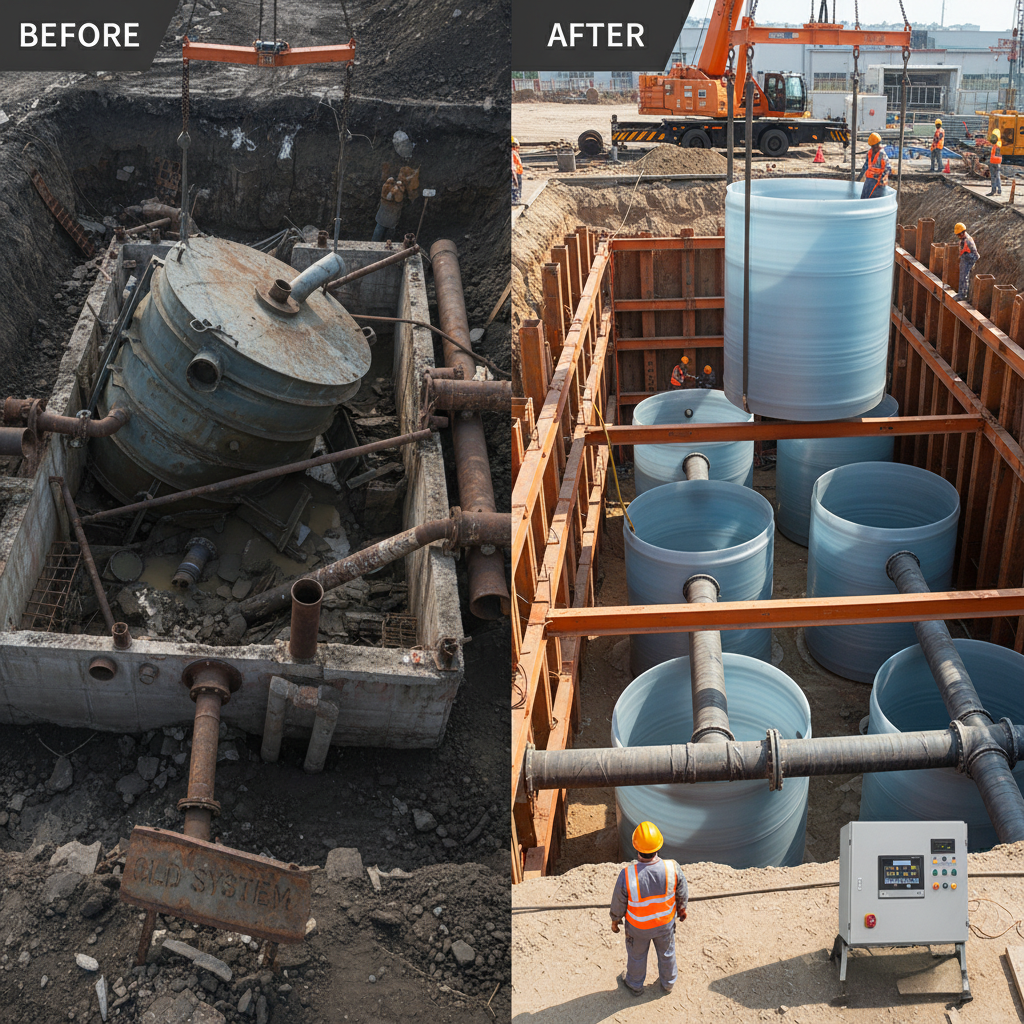
GRP tanking systems come in various shapes and sizes, but their core purpose is consistent: create a sealed, secure enclosure for liquids (water, chemicals, fuels) that is durable and safe for long-term use. These tanks or linings often replace older materials vulnerable to corrosion, like bare steel or concrete, especially in corrosive or toxic environments.

Core Components and Features of GRP Tanking

Durability

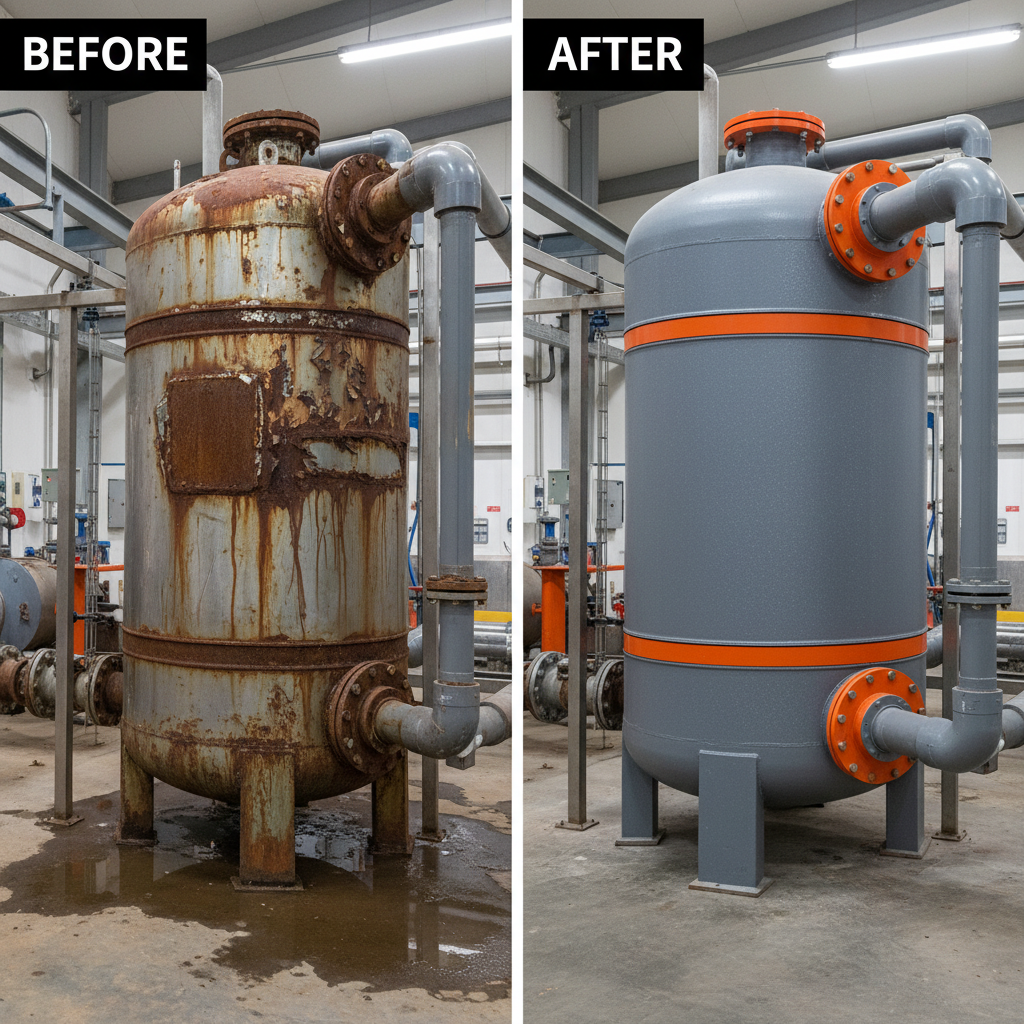
GRP boasts high tensile strength and corrosion resistance. Unlike steel, which rusts, and concrete, which cracks, GRP can endure harsh chemicals, UV radiation, and extreme temperatures. Many engineers highlight its lifespan exceeding 30 years under typical industrial conditions.

Lightweight and Easy Installation

Not only is it tough, but it’s also light compared to metal tanks. This means easier transport and faster onsite assembly, saving real money in labor and logistics — a big deal in remote industrial sites or emergency water projects.

Cost Efficiency

Initial costs might be a bit higher than some plastics, but when you factor in reduced maintenance, longer service life, and lower failure rates, GRP tanking is often a sound investment.

Corrosion Resistance

This is a showstopper feature. Chemical industries dealing with acids or solvents often rely on GRP tanking because it doesn’t degrade like metal does. It’s also valued in wastewater treatment, where corrosive bacteria can eat away at traditional materials.

Customization

GRP is versatile — tanks can be molded in various sizes, shapes, and even colors. You get tailor-made solutions that fit unique operational constraints, such as specific volume requirements or fitting into tight spaces.

GRP Tanking Product Specifications

Specification Description
Material Composition Vinylester/Polyester Resin + E-glass Fibers
Tensile Strength 70–90 MPa
Chemical Resistance Resistant to acids, alkalis, solvents
Typical Service Life 25–35 years
Temperature Range -40°C to +80°C
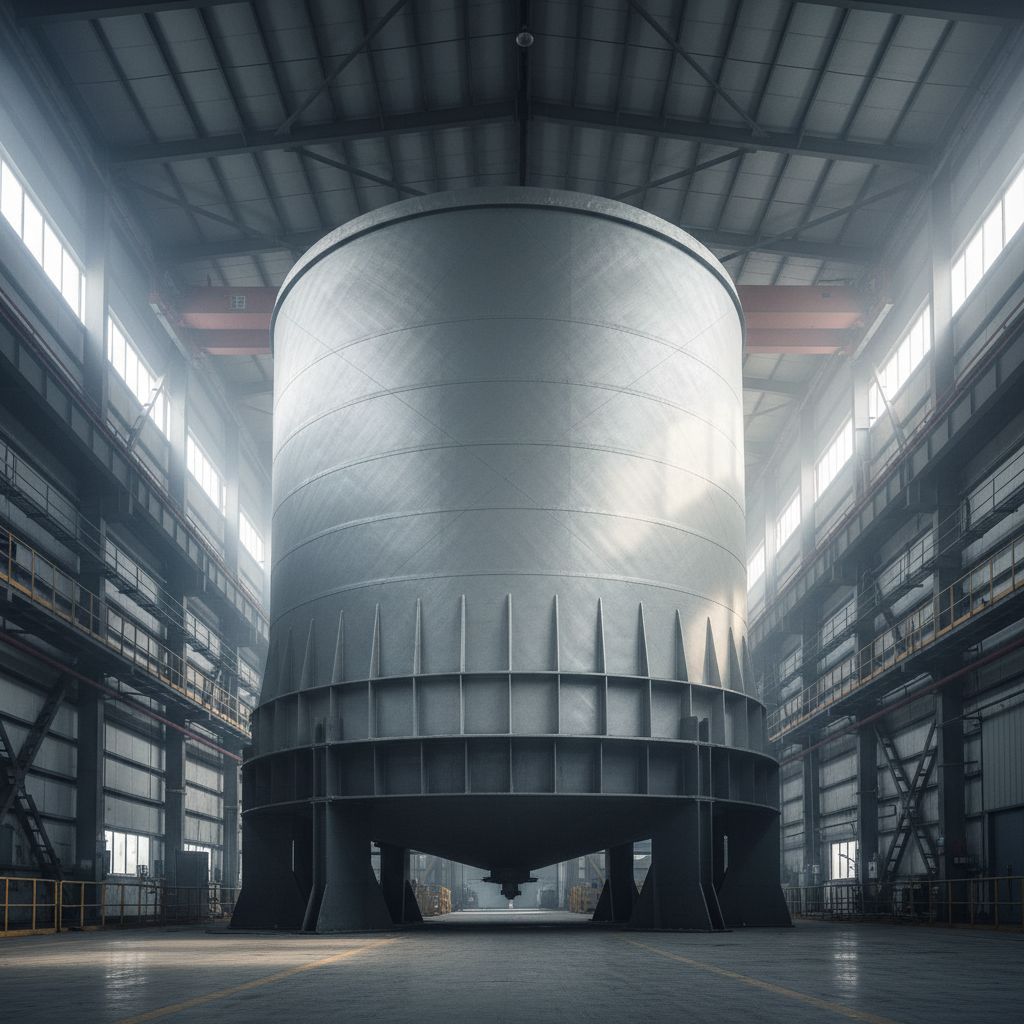
Typical Dimensions Customizable, up to 10m diameter tanks

Global Applications and Real-World Use Cases

Globally, grp tanking solutions appear everywhere you wouldn’t expect—urban water systems in Europe, chemical refineries in Asia, to rural water projects in Africa. For instance:

  • Post-disaster relief zones: Emergency clean water storage requires tanks quickly deployable, durable enough to last months or years, and resistant to contamination. GRP fits perfectly.
  • Remote mining operations: Harsh environments rich in chemicals degrade most tanks fast. GRP tanks hold chemicals safely and avoid costly downtime caused by tank failures.
  • Wastewater management plants: Municipalities count on GRP tank liners to resist corrosive biological agents — traditional materials just don’t hold up.
  • Agricultural irrigation systems: Lightweight GRP tanks facilitate mobile storage where farming terrain is uneven or hard to access.

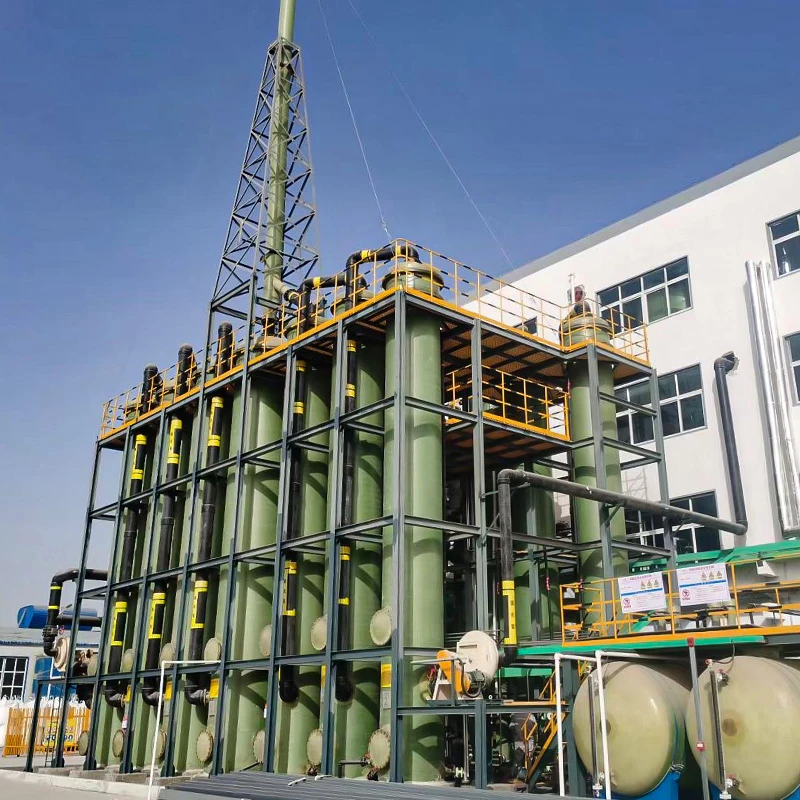
Among industries, petrochemical and pharmaceuticals prize GRP tanking's chemical inertness and hygienic properties. You’ll find these tanks working quietly behind the scenes in factories ensuring safety compliance and environmental protection.

Mini Takeaway: GRP tanking crosses sectors and continents because it solves a universal problem—how to store liquids safely, sustainably, and cost-effectively in tough conditions.

Advantages and Long-Term Value

There’s something reassuring about a tank that will outlast the contract length, resist damage, and protect the water or chemicals inside. GRP tanking offers all this plus these perks:

  • Lower lifecycle costs: Maintenance dips, repair frequency decreases, so budgets stretch further.
  • Environmental benefits: Less leakage means less soil and groundwater contamination.
  • Social impact: In developing regions, safe water storage tanks contribute to health and dignity improvements.
  • Technological trust: The material’s long-standing use in aerospace and marine sectors inspires confidence even in critical infrastructure.

It’s worth noting the emotional side here. Having reliable storage tanks isn’t just a business decision, sometimes — it’s a reassurance for communities, workers, and policymakers that resources are protected.

Vendor Comparison Table: GRP Tanking Providers

Vendor Specialty Typical Lead Time Warranty Custom Solutions
FRPGRPMachine Modular water & chemical tanks 4-6 weeks 10 years Yes, flexible sizing
GlassTech Industries High chemical resistance tanks 6-8 weeks 7 years Standard sizes, limited customization
AquaFiberglass Ltd. Water storage & irrigation tanks 3-5 weeks 8 years Good customization options

Emerging Trends and Innovations

Frankly, the GRP tanking industry feels on the cusp of exciting developments. We’re seeing better resin formulations that broaden temperature ranges and increase environmental friendliness by using bio-based resins. Digital transformation also plays a role — some companies now integrate IoT sensors inside GRP tanks for real-time monitoring of fluid levels and tank integrity, improving maintenance regimes.

Moreover, combining GRP tanking with renewable energy storage makes sense in remote or off-grid locations. There’s ongoing research into GRP composites with enhanced fire resistance, which could open new applications in industrial safety.

Challenges & Solutions

However, GRP tanking isn’t perfect. Challenges include:

  • UV degradation: Extended sun exposure can weaken resins over time unless UV-protective coatings are applied.
  • Mechanical damage risk: While tough, GRP can crack under sharp impacts, so installation protections are necessary.
  • Recycling difficulties: The composite nature complicates end-of-life disposal or recycling.

Solutions? Many manufacturers add UV inhibitors and design protective shell casings. Industry leaders push for circular economy approaches to GRP materials. Plus, ongoing material research may yield easier-to-recycle composites in coming years.

FAQ: Frequently Asked Questions About GRP Tanking

  • Q: How long do GRP tanks typically last?
    A: Most GRP tanks have an expected service life of 25–35 years with proper maintenance, depending on environmental exposure and chemical load.
  • Q: Are GRP tanks suitable for potable water storage?
    A: Yes, provided they use FDA-approved resins and proper internal linings, GRP tanks are widely used for safe drinking water storage.
  • Q: Can GRP tank systems be customized for unique site requirements?
    A: Absolutely. GRP’s molding flexibility allows tanks of various sizes and shapes to fit specific project needs, including modular assembly for large volumes.
  • Q: What maintenance do GRP tanks require?
    A: Regular inspections for cracks or UV damage, surface cleaning, and occasional recoating with UV-protective paints help prolong tank life.
  • Q: How does GRP compare with steel tanks cost-wise?
    A: GRP may have a higher upfront cost, but lower maintenance and longer lifespan often make it more cost-effective in the long run.

Conclusion

To wrap it up, grp tanking embodies a modern, reliable, and increasingly essential solution for fluid containment. With strong durability, environmental resistance, and adaptability, it addresses pressing global needs where other materials fall short. By investing in quality GRP tanking, industries, municipalities, and relief organizations alike gain peace of mind—they’re protecting what matters: water, chemicals, and the environment.

If you’re considering durable tanking solutions, why not explore more at our partner GRP tanking solutions site? That’s how you ensure your project stands strong for decades.

Sometimes the best technology isn’t flashy—it’s quietly reliable.
  1. United Nations Water Scarcity Facts — un.org
  2. ISO Standards for Water Quality and Safety — iso.org
  3. Composite Materials in Industry — Wikipedia
Upsell Products
Upsell News
Durable FRP Vessel for Water Treatment and Industrial Filtration
Apr 16,2026
Durable FRP Vessel for Water Treatment and Industrial Filtration
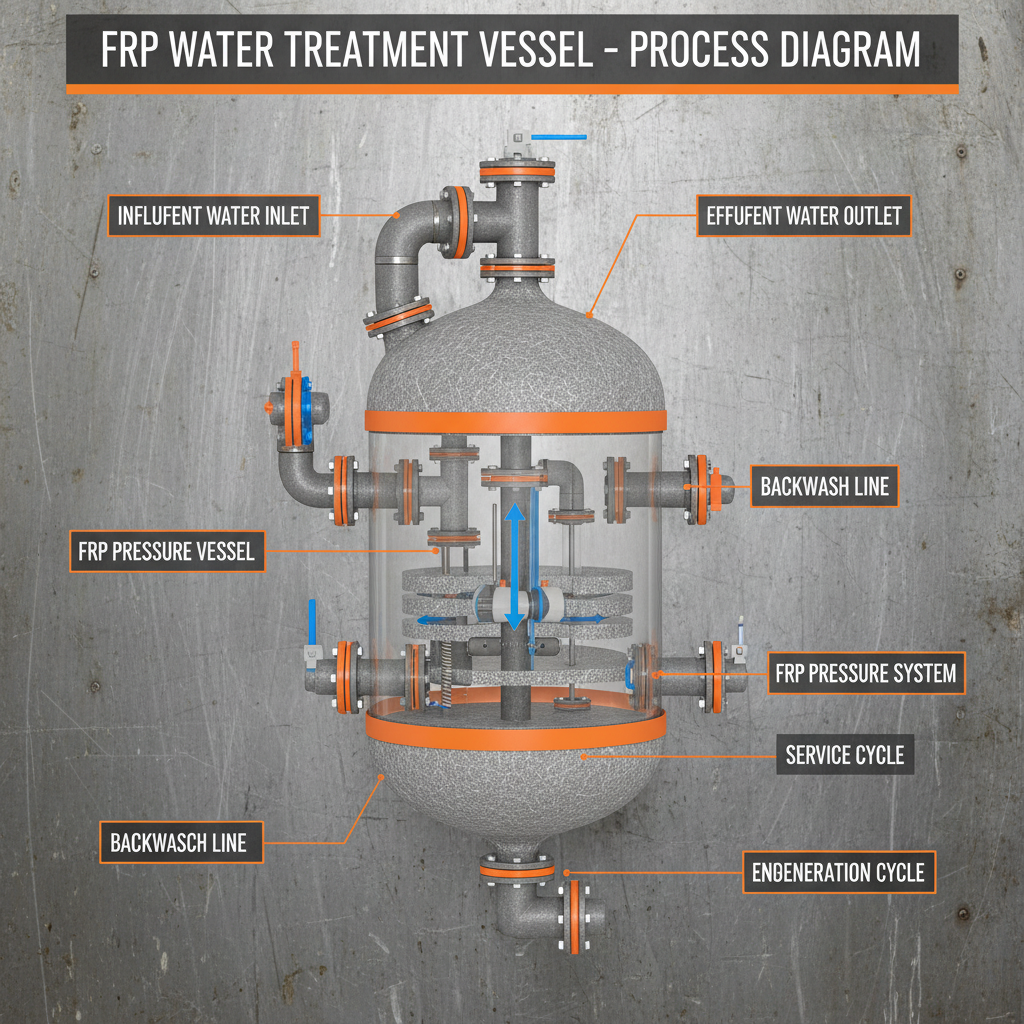
In the modern era of industrial and residential water purification, the choice of containment materials is critical for efficiency and longevity. An frp vessel for water treatment has emerged as the gold standard, replacing traditional steel tanks due to its superior corrosion resistance and lightweight properties. Whether you are dealing with desalination, softening, or filtration, using Fiber Reinforced Plastic (FRP) ensures that your system remains leak-proof and durable against aggressive chemicals. In this comprehensive guide, we will explore why FRP is the preferred choice for water treatment professionals worldwide and how to select the right vessel for your specific application.
Industrial Guide for Choosing the Right FRP Vertical Tank
Apr 09,2026
Industrial Guide for Choosing the Right FRP Vertical Tank
In today's industrial landscape, the storage of corrosive chemicals and aggressive liquids requires materials that can withstand extreme conditions without degrading. The frp vertical tank has emerged as a premier solution, offering an exceptional balance of strength, lightweight properties, and unmatched chemical resistance. Whether you are managing a water treatment plant or a chemical processing facility, understanding the nuances of Fiber Reinforced Plastic (FRP) is essential for ensuring operational safety and longevity. In this comprehensive guide, we will explore why vertical configurations are preferred and how these tanks outperform traditional metal alternatives.
Comprehensive Guide to FRP Underground Water Tank Solutions and Applications
Apr 07,2026
Comprehensive Guide to FRP Underground Water Tank Solutions and Applications
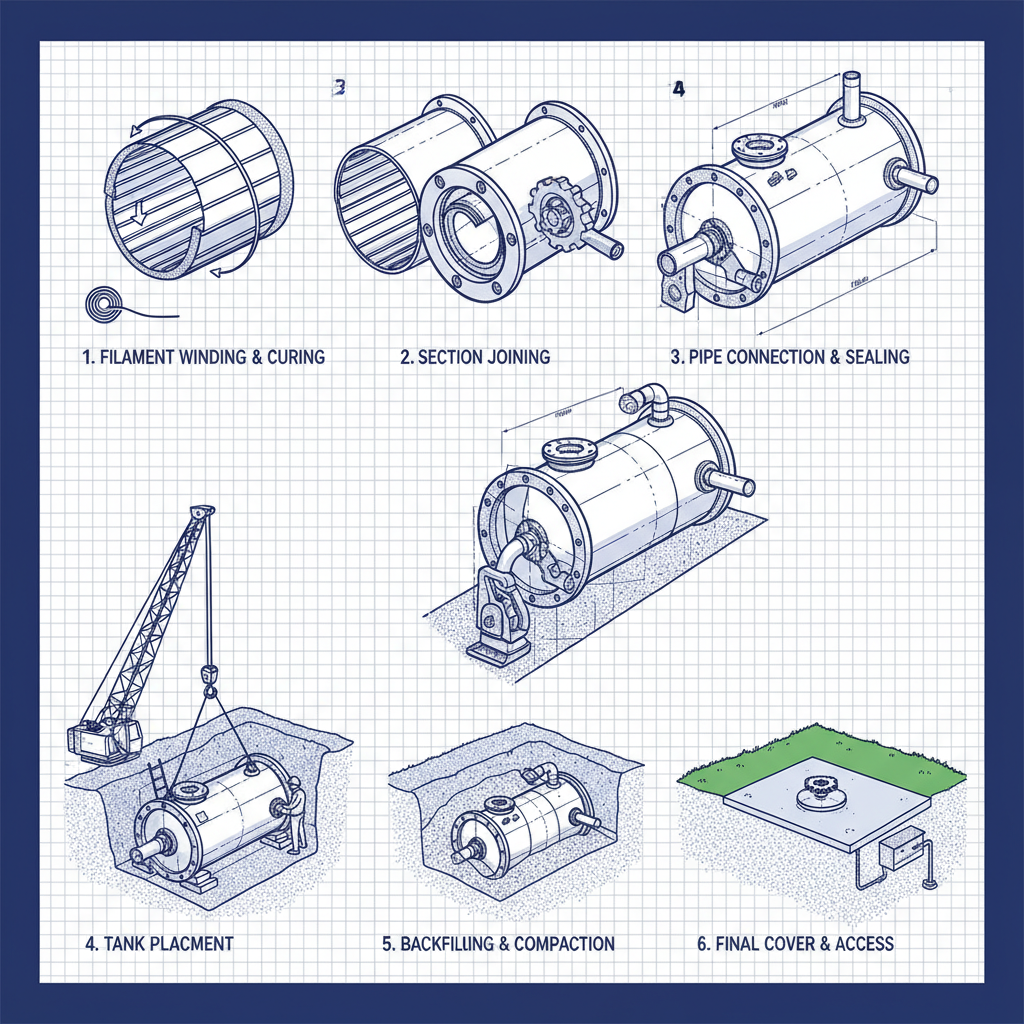
Fiberglass Reinforced Polymer (FRP) underground water tanks are becoming increasingly popular for a wide range of applications, from potable water storage to industrial wastewater containment. Their superior corrosion resistance, lightweight nature, and design flexibility make them an excellent alternative to traditional materials like concrete or steel. This article will delve into the benefits, applications, construction, and considerations for implementing FRP underground water tanks, providing a comprehensive overview for engineers, contractors, and project managers.
Comprehensive Guide to Frp Underground Water Storage Tanks and Their Applications
Apr 04,2026
Comprehensive Guide to Frp Underground Water Storage Tanks and Their Applications
When considering water storage solutions, particularly for industrial, agricultural, or municipal applications, frp underground water storage tanks stand out as a durable, cost-effective, and environmentally friendly option. These tanks are increasingly favored over traditional materials like concrete or steel due to their superior corrosion resistance, lighter weight, and ease of installation. This article delves into the benefits, applications, construction, and considerations when choosing an FRP tank, providing a detailed overview for potential buyers and project planners.
Sulfuric Acid Production Line - Hebei Aoliande|Efficient H2SO4 Plant Technology
Apr 01,2026
Sulfuric Acid Production Line - Hebei Aoliande|Efficient H2SO4 Plant Technology
Discover efficient H2SO4 plant technology and advanced sulfuric acid production solutions. Hebei Aoliande combines energy-saving furnace design and eco-friendly HCl recovery systems for sustainable industrial applications. Explore now: https://www.frpgrpmachine.com/sulfuric-acid-production-line-for-h2so4-plant.html
Sulfuric Acid Production Line - Hebei Aoliande|Efficient H2SO4 Plant Technology
Apr 01,2026
Sulfuric Acid Production Line - Hebei Aoliande|Efficient H2SO4 Plant Technology
Discover efficient H2SO4 plant technology and advanced sulfuric acid production solutions. Hebei Aoliande combines energy-saving furnace design and eco-friendly HCl recovery systems for sustainable industrial applications. Explore now: https://www.frpgrpmachine.com/sulfuric-acid-production-line-for-h2so4-plant.html
Sulfuric Acid Production Line - Hebei Aoliande|Efficient H2SO4 Plant Technology
Apr 01,2026
Sulfuric Acid Production Line - Hebei Aoliande|Efficient H2SO4 Plant Technology
Discover efficient H2SO4 plant technology and advanced sulfuric acid production solutions. Hebei Aoliande combines energy-saving furnace design and eco-friendly HCl recovery systems for sustainable industrial applications. Explore now: https://www.frpgrpmachine.com/sulfuric-acid-production-line-for-h2so4-plant.html
Sulfuric Acid Production Line - Hebei Aoliande|Efficient H2SO4 Plant Technology
Apr 01,2026
Sulfuric Acid Production Line - Hebei Aoliande|Efficient H2SO4 Plant Technology
Discover efficient H2SO4 plant technology and advanced sulfuric acid production solutions. Hebei Aoliande combines energy-saving furnace design and eco-friendly HCl recovery systems for sustainable industrial applications. Explore now: https://www.frpgrpmachine.com/sulfuric-acid-production-line-for-h2so4-plant.html
Sulfuric Acid Production Line - Hebei Aoliande|Efficient H2SO4 Plant Technology
Apr 01,2026
Sulfuric Acid Production Line - Hebei Aoliande|Efficient H2SO4 Plant Technology
Discover efficient H2SO4 plant technology and advanced sulfuric acid production solutions. Hebei Aoliande combines energy-saving furnace design and eco-friendly HCl recovery systems for sustainable industrial applications. Explore now: https://www.frpgrpmachine.com/sulfuric-acid-production-line-for-h2so4-plant.html
Sulfuric Acid Production Line - Hebei Aoliande|Efficient H2SO4 Plant Technology
Apr 01,2026
Sulfuric Acid Production Line - Hebei Aoliande|Efficient H2SO4 Plant Technology
Discover efficient H2SO4 plant technology and advanced sulfuric acid production solutions. Hebei Aoliande combines energy-saving furnace design and eco-friendly HCl recovery systems for sustainable industrial applications. Explore now: https://www.frpgrpmachine.com/sulfuric-acid-production-line-for-h2so4-plant.html
Comprehensive Guide to Frp Underground Storage Tanks for Reliable Storage Solutions
Mar 31,2026
Comprehensive Guide to Frp Underground Storage Tanks for Reliable Storage Solutions
Fiberglass Reinforced Polymer (FRP) underground storage tanks are becoming increasingly popular for a wide range of applications, from fuel storage to wastewater management. Their corrosion resistance, lightweight nature, and durability offer significant advantages over traditional materials like steel. This article will provide an in-depth look at FRP underground storage tanks, covering their benefits, applications, installation, and maintenance. Understanding these aspects is crucial for making informed decisions about long-term storage solutions.
Comprehensive Guide to Selecting the Ideal FRP Tank for Water Storage Solutions
Mar 28,2026
Comprehensive Guide to Selecting the Ideal FRP Tank for Water Storage Solutions
When it comes to reliable and durable water storage, FRP tanks for water are increasingly becoming the preferred solution for a wide range of applications. These tanks, constructed from Fiber Reinforced Polymer (FRP) materials, offer significant advantages over traditional storage options like steel or concrete. This article delves into the benefits, applications, and considerations when selecting an FRP tank for your water storage needs, providing a detailed overview for businesses and individuals alike.
Comprehensive Guide to Frp Tank and Vessel Applications and Manufacturing
Mar 26,2026
Comprehensive Guide to Frp Tank and Vessel Applications and Manufacturing
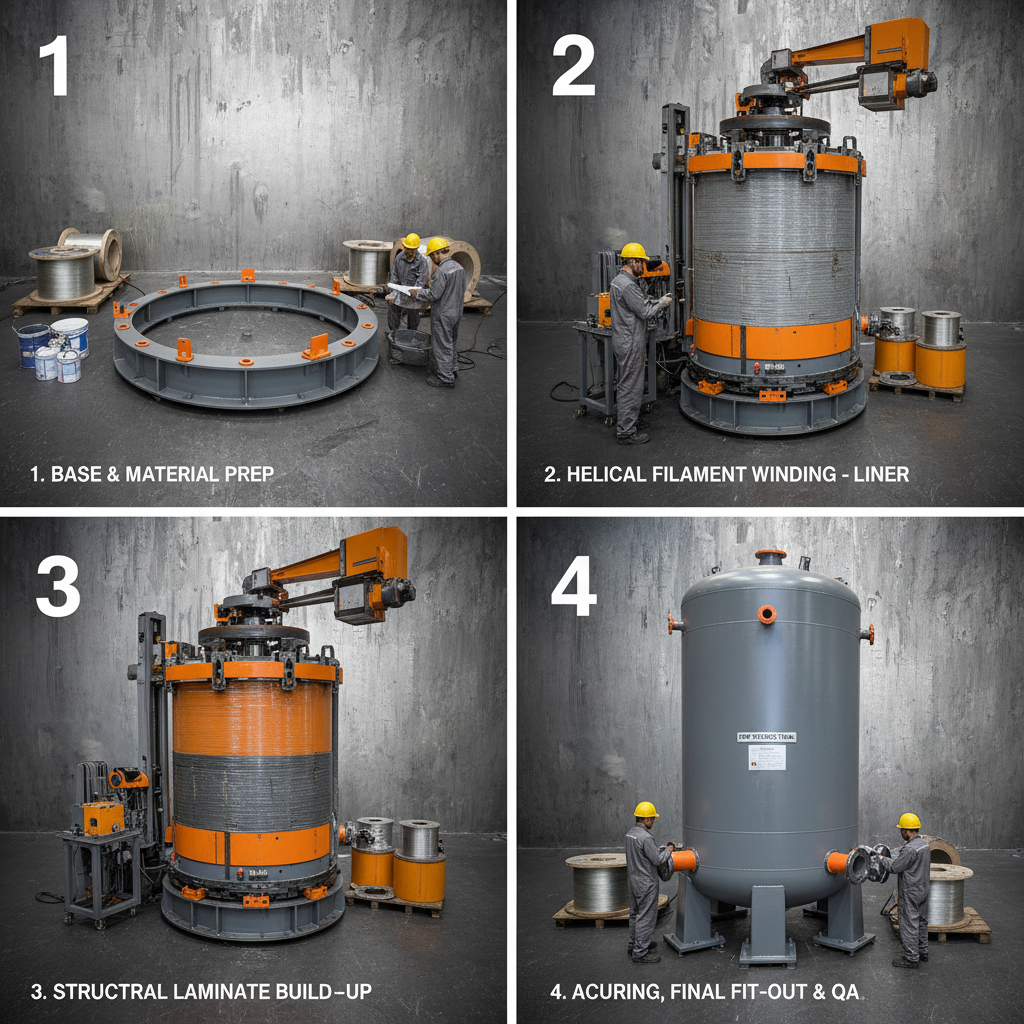
Fiber Reinforced Polymer (FRP) tanks and vessels are increasingly becoming the preferred choice for storage and processing across a multitude of industries. Their lightweight nature, corrosion resistance, and design flexibility offer significant advantages over traditional materials like steel. This article will delve into the intricacies of FRP tanks and vessels, exploring their applications, manufacturing processes, benefits, and considerations for selecting the right solution for your specific needs. We’ll also highlight why FRP tanks are a cost-effective and reliable long-term investment. FRP tanks and vessels are constructed from a combination of reinforcing fibers (such as fiberglass, carbon fiber, or aramid fiber) embedded in a polymer matrix (typically polyester, vinyl ester, or epoxy resin). This combination creates a composite material that boasts high strength-to-weight ratio, exceptional corrosion resistance, and the ability to be molded into complex shapes. They’re designed to safely contain a wide variety of liquids and gases, ranging from corrosive chemicals and water to food products and pharmaceuticals.
Optimizing Water Filtration with Durable FRP Sand Filter Vessels
Mar 24,2026
Optimizing Water Filtration with Durable FRP Sand Filter Vessels
In water treatment and filtration systems, the choice of filter vessel material is paramount. Fiber Reinforced Plastic (FRP), also known as Glass Reinforced Polymer (GRP), sand filter vessels are increasingly popular due to their superior corrosion resistance, lightweight nature, and cost-effectiveness. This article delves into the benefits, applications, design considerations, and factors to consider when selecting an FRP sand filter vessel. Whether you are involved in municipal water treatment, industrial wastewater management, or recreational water filtration, understanding FRP technology is essential for optimizing your filtration process. An FRP sand filter vessel is a containment unit designed to house filtration media, typically sand, gravel, and anthracite. These vessels are integral components in sand filtration systems used for removing suspended solids, turbidity, and other particulate matter from water. FRP construction involves layering glass fibers within a resin matrix (typically polyester or vinyl ester) to create a strong, durable, and chemically resistant shell. The strength and rigidity of the vessel are crucial for withstanding the pressure from the filtration media and the water flow.
Comprehensive Guide to FRP Round Tanks Applications and Benefits
Mar 21,2026
Comprehensive Guide to FRP Round Tanks Applications and Benefits
Fiber Reinforced Polymer (FRP) round tanks are increasingly becoming the preferred choice for storage solutions across a variety of industries. Their lightweight nature, corrosion resistance, and design flexibility offer significant advantages over traditional materials like steel. This article provides an in-depth look at FRP round tanks, exploring their applications, benefits, manufacturing processes, and key considerations when choosing the right tank for your needs. Whether you're in chemical processing, water treatment, or agriculture, understanding FRP round tanks is crucial for optimizing your storage infrastructure. FRP round tanks are constructed from a combination of reinforcing fibers (typically fiberglass, carbon fiber, or a blend) embedded in a polymer matrix (often polyester, vinyl ester, or epoxy resin). The round shape inherently provides excellent structural strength, distributing pressure evenly across the tank’s surface.
Comprehensive Guide to FRP Pressure Tanks Benefits and Applications
Mar 19,2026
Comprehensive Guide to FRP Pressure Tanks Benefits and Applications
Fiber Reinforced Polymer (FRP) pressure tanks are becoming increasingly popular in a wide range of industrial applications, offering a compelling alternative to traditional steel tanks. Known for their lightweight nature, corrosion resistance, and high strength-to-weight ratio, FRP tanks provide efficient and durable solutions for storing liquids and gases under pressure. This article will delve into the benefits, applications, construction, and key considerations when selecting an FRP pressure tank, helping you make an informed decision for your specific needs. Understanding the advantages of FRP technology can lead to significant cost savings and improved operational efficiency. Compared to steel, FRP pressure tanks offer several key advantages. The most significant is their superior corrosion resistance. Unlike steel, which is susceptible to rust and corrosion when exposed to various chemicals, FRP materials are inherently resistant to a wide range of corrosive substances. This translates to a longer lifespan, reduced maintenance costs, and increased safety. Furthermore, FRP is significantly lighter than steel, making installation easier and reducing transportation costs.
For More Details Pls Contact Us
Thank you for your interest in our gloves! We offer high-quality, durable, and comfortable gloves with fast delivery and competitive prices. For any questions or customization, feel free to contact us. We look forward to working with you!

If you are interested in our products, you can choose to leave your information here, and we will be in touch with you shortly.