Jul 06,2025

High-Quality Underground FRP Tanks Durable FRP Underground Storage Solutions

  • Introduction to underground FRP tanks and their relevance in modern industries
  • Technical advantages of FRP underground storage tanks: durability, corrosion resistance, and cost benefits
  • Market data insights: market size, growth forecast, and industry adoption trends
  • Comparison of leading FRP underground tank manufacturers (tabular analysis)
  • Customized solutions: specification flexibility and tailored features
  • Application cases: sectors, challenges addressed, and real-world results
  • Conclusion: Key points on underground FRP tanks for strategic decision-making
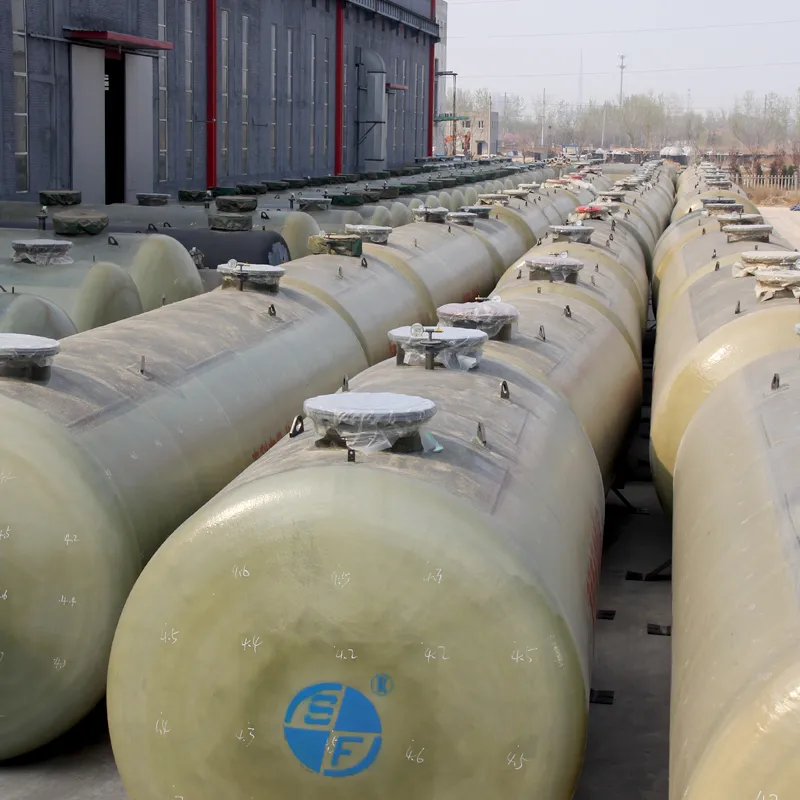
underground frp tanks

(underground frp tanks)


Introduction to Underground FRP Tanks: Transforming Subsurface Storage

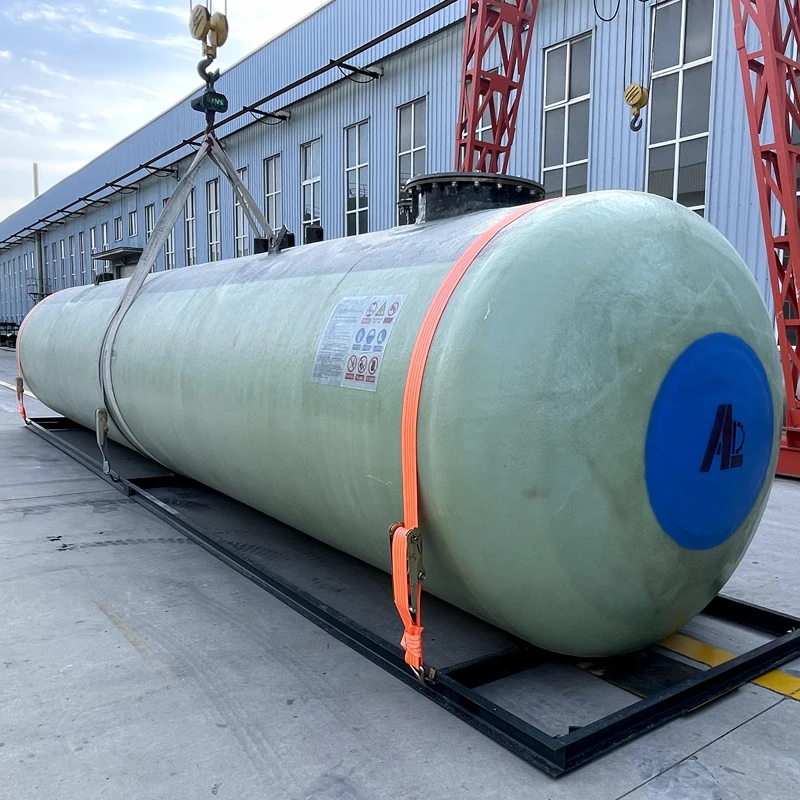
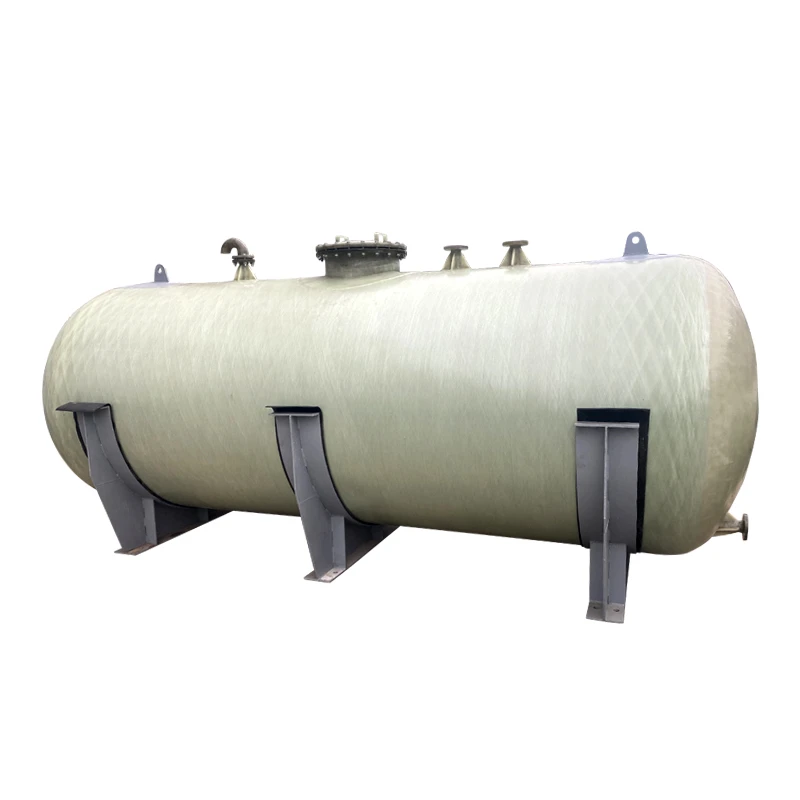
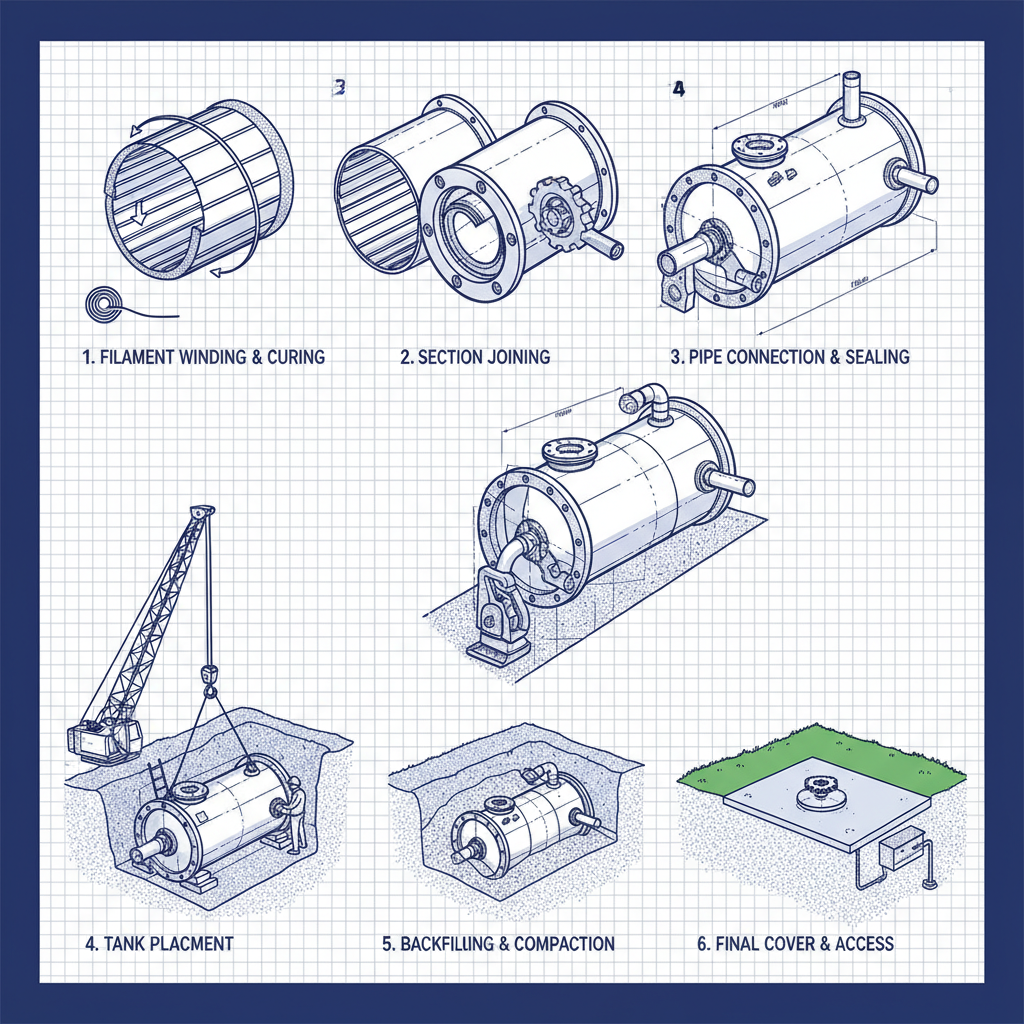
The demand for underground FRP tanks has surged as sectors such as water management, petroleum, and chemical processing strive for secure, efficient, and long-lasting storage solutions. These vessels, engineered from fiber-reinforced polymer (FRP) composites, offer a sophisticated alternative to traditional materials. Confined space installations present unique structural and environmental challenges, making FRP’s lightweight yet robust design particularly attractive. From municipal water supply projects to hazardous chemical containment, the versatility of underground FRP tanks makes them indispensable assets in modern infrastructure systems. Their innovative construction addresses key concerns regarding leakage, environmental compliance, and operational longevity, thereby achieving a new standard in below-ground storage performance.

Technical Advantages of FRP Underground Storage Tanks

FRP underground storage tanks stand apart due to a synergy of exceptional material properties and engineering innovations. These tanks offer a superior service life, with corrosion resistance surpassing steel, concrete, and HDPE alternatives. Average lifespans reach 40+ years under standard operating conditions. A study by the International Association of Plastics Distributors (IAPD) found FRP tanks experience less than 2% structural failure rate over 30 years, compared to 8% for steel. Their non-permeable barriers protect contents from groundwater intrusion and prevent leaching of hazardous materials—a crucial factor for environmental safety.

  • Lightweight construction: FRP tanks are 60-75% lighter than concrete, reducing installation labor and equipment needs.
  • High tensile strength: Multi-axis fiber orientation boosts tolerance against soil pressures and dynamic loads.
  • Excellent chemical resistance: Suitable for aggressive environments where acids and solvents are stored.
  • Thermal stability: Consistent performance across broad temperature ranges (-40°C to 70°C).
  • Low maintenance: Unlike steel tanks, FRP does not require routine re-coating or cathodic protection.

These combined advantages make them highly suitable for underground water, wastewater, chemical, and fuel applications, minimizing both capex and opex.

Market Insights and Data for FRP Underground Tank Adoption

In the last decade, the global market for FRP underground storage tanks has achieved compound annual growth above 7%. According to MarketsandMarkets 2023, the segment is projected to reach USD 2.2 billion by 2027, propelled by investments in water infrastructure, stricter environmental regulations, and the push for sustainable materials. The Asia-Pacific region leads with approximately 45% of total installations, followed by North America at 31% and Europe at 18%.

Region Annual Installations (units, 2023) Primary Applications Projected CAGR (2024-2027)
Asia-Pacific 36,000 Municipal Water, Industrial 8.1%
North America 22,700 Fuel, Chemicals, Firewater 6.5%
Europe 13,900 Rainwater, Sewage 5.3%

Price remains a decisive factor; average frp underground water storage tanks price spans USD 900 to USD 6,000 depending on volume (5,000–100,000 liters), design, and regulatory requirements. Leading adoption sectors include utility water storage (28%), firewater reserves (20%), and petroleum product containment (18%).

Comparing Leading FRP Underground Tank Manufacturers

Vendor selection for FRP underground storage tanks hinges on criteria such as quality certifications, capacity range, customization depth, after-sales support, and global delivery logistics. The following table presents a comparative overview of key industry players:

Manufacturer Certifications Volume Range (L) Standard Warranty Customization Capabilities Average Delivery (weeks)
Containment Solutions Inc. UL, NSF/ANSI 61 5,000–120,000 10 yrs Shape, fittings, double-wall 8-10
Custom Composites BS EN 13121, ISO 9001 2,500–150,000 8 yrs Resin type, ports, color 10-12
Fiber Glass Systems ASTM D3299, API 12P 10,000–100,000 10 yrs Internal coatings, external sheath 7-9
Enduron Tanks PED 97/23/EC, ISO 14001 3,000–80,000 5 yrs Support base, insulation 6-8

Differences in after-sales network and composite layup technology can significantly influence total cost of ownership, especially in projects involving complex installations or aggressive media.

Customization: Tailoring FRP Underground Tanks to Project Demands

The ability to tailor an FRP underground storage tank to project-specific parameters delivers remarkable value. Key customization options involve tank geometry (cylindrical, elliptical, rectangular), wall thickness, multi-compartment interiors, and integration with monitoring or leak-detection systems. For projects subject to seismic activity or heavy vehicular loads, structural reinforcements, anchoring hardware, and load-dispersion features can be incorporated. Resin selection is another critical factor: vinyl ester resins are chosen for chemical durability, while isophthalic polyester resins may suffice for potable or firewater storage.

  • Inlet/outlet port configuration for operational flexibility
  • Double-wall containment for environmental safety assurance
  • Manway diameter adjustments for maintenance access
  • Electrostatic grounding integration for fuel storage safety
  • Compatibility with SCADA/BMS systems

These specifications enable consultants and end users to achieve optimal efficiency, regulatory compliance, and value engineering for diverse underground deployments.

Application Case Studies: Solving Practical Challenges with FRP Storage

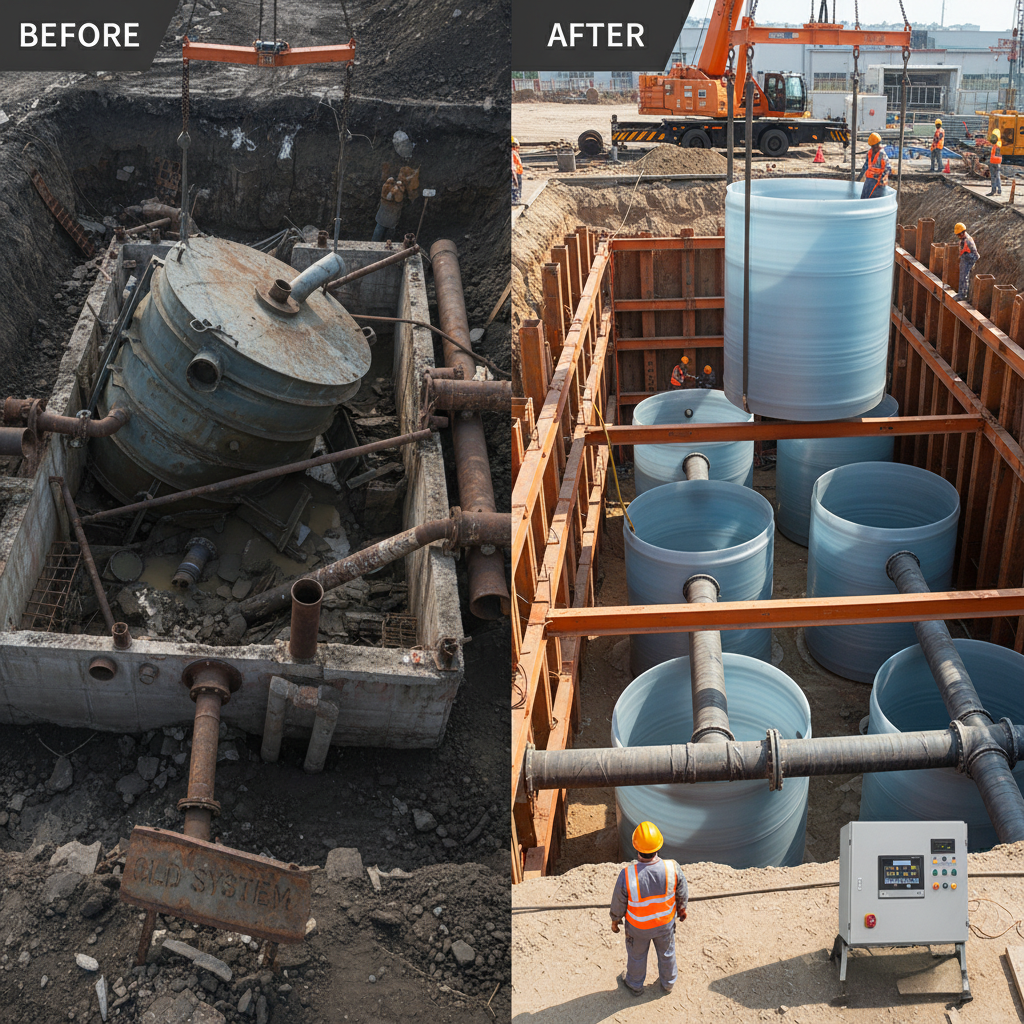
Real-world adoption of frp underground storage tanks demonstrates their reliability under tough operating conditions. In 2022, a municipal water board in Queensland, Australia, replaced 12 aging steel tanks with 60,000-liter FRP alternatives. Result: installation time dropped by 24%, and annual maintenance costs fell by 68% due to the elimination of internal liner replacements and corrosion treatments.

In another case, a leading oil & gas firm in Texas deployed double-wall FRP fuel tanks, equipped with continuous leak monitoring, at 27 filling stations. After three years, incident reports showed zero leakage events and a 31% reduction in insurance premiums due to enhanced secondary containment.

A chemical processing plant in Germany required tanks with resistance to 98% sulfuric acid and routine temperatures exceeding 50°C. By leveraging advanced vinly ester matrix composites and custom nozzles, the plant realized a seamless switchover, with operational uptime increasing by 14% and environmental audit scores improving significantly.

Project Type Capacity Requirement Main Challenges FRP Tank Advantage Performance Outcome
Municipal Water Storage 60,000L x 12 Corrosion, maintenance Non-corrosive, low lifecycle cost 68% maintenance savings
Fuel Station Network 45,000L x 27 Leak containment, regulation Double-wall, leak detection Zero leaks, lower insurance
Chemical Storage 30,000L x 5 Acid resistance, high temp Custom resin, insulated design 14% uptime gain

These results underline how FRP underground tanks provide robust solutions for applications where legacy materials fall short.

Conclusion: Strategic Benefits of Underground FRP Tanks for Modern Infrastructure

Underground FRP tanks have redefined the standards for robust, sustainable, and compliant subsurface storage. Their unprecedented blend of lightweight construction, chemical resistance, adaptability, and total cost advantage is validated by both industry data and practical deployments. Unlike conventional methods, FRP systems easily integrate into complex regulatory landscapes while facilitating faster project delivery and measurable opex reductions. Across water, fuel, and chemical sectors, decision-makers should consider underground FRP tanks as a future-proof foundation for risk mitigation, operational reliability, and sustainable growth. By enabling customized performance, manufacturers continue to push boundaries in precision engineering and environmental stewardship.
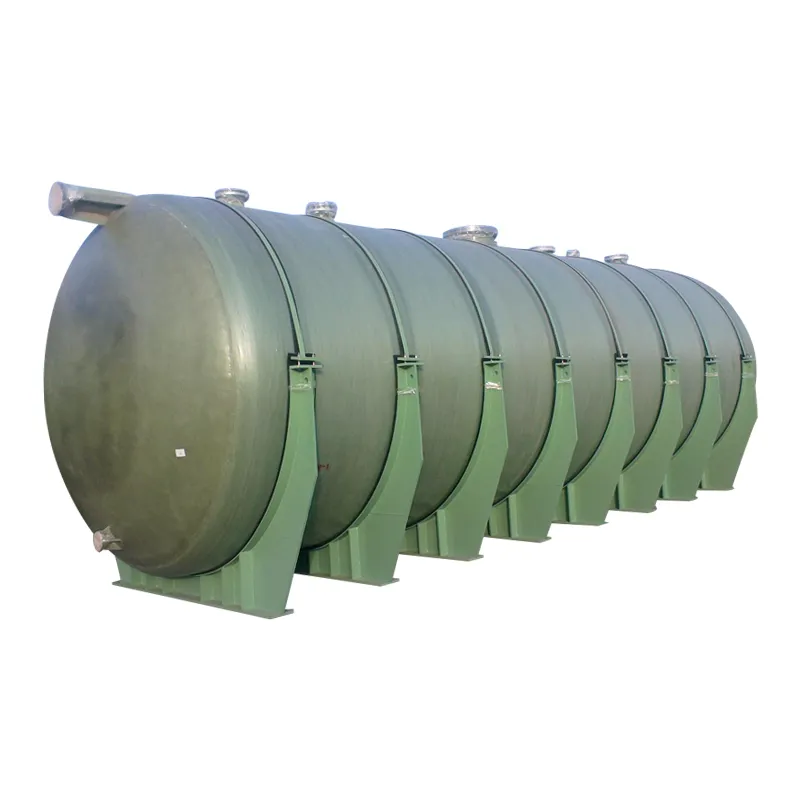

underground frp tanks

(underground frp tanks)


FAQS on underground frp tanks

Q: What are underground FRP tanks used for?

A: Underground FRP tanks are primarily used for storing water, chemicals, and fuels below ground. Their corrosion resistance makes them ideal for many industrial and municipal applications. They help in space-saving and environmental safety.

Q: How do FRP underground storage tanks compare to steel tanks?

A: FRP underground storage tanks are lighter, corrosion-resistant, and have a longer lifespan than traditional steel tanks. They also require less maintenance. This makes them suitable for harsh underground conditions.

Q: What is the typical price range for FRP underground water storage tanks?

A: The price for FRP underground water storage tanks varies depending on size and specifications, generally ranging from $2,000 to $20,000. Customized options or larger capacities may increase the cost. It's best to request a quote for accurate pricing.

Q: Are underground FRP tanks suitable for potable water storage?

A: Yes, underground FRP tanks can be designed for potable water storage. They are manufactured using food-grade resins that ensure water safety. Always confirm with the supplier about compliance with local standards.

Q: What maintenance is required for underground FRP tanks?

A: Underground FRP tanks need periodic inspections for leaks or structural integrity. Unlike metal tanks, they are not prone to rust and require minimal maintenance. Regular checks ensure longevity and safe operation.
Upsell Products
Upsell News
Durable FRP Vessel for Water Treatment and Industrial Filtration
Apr 16,2026
Durable FRP Vessel for Water Treatment and Industrial Filtration
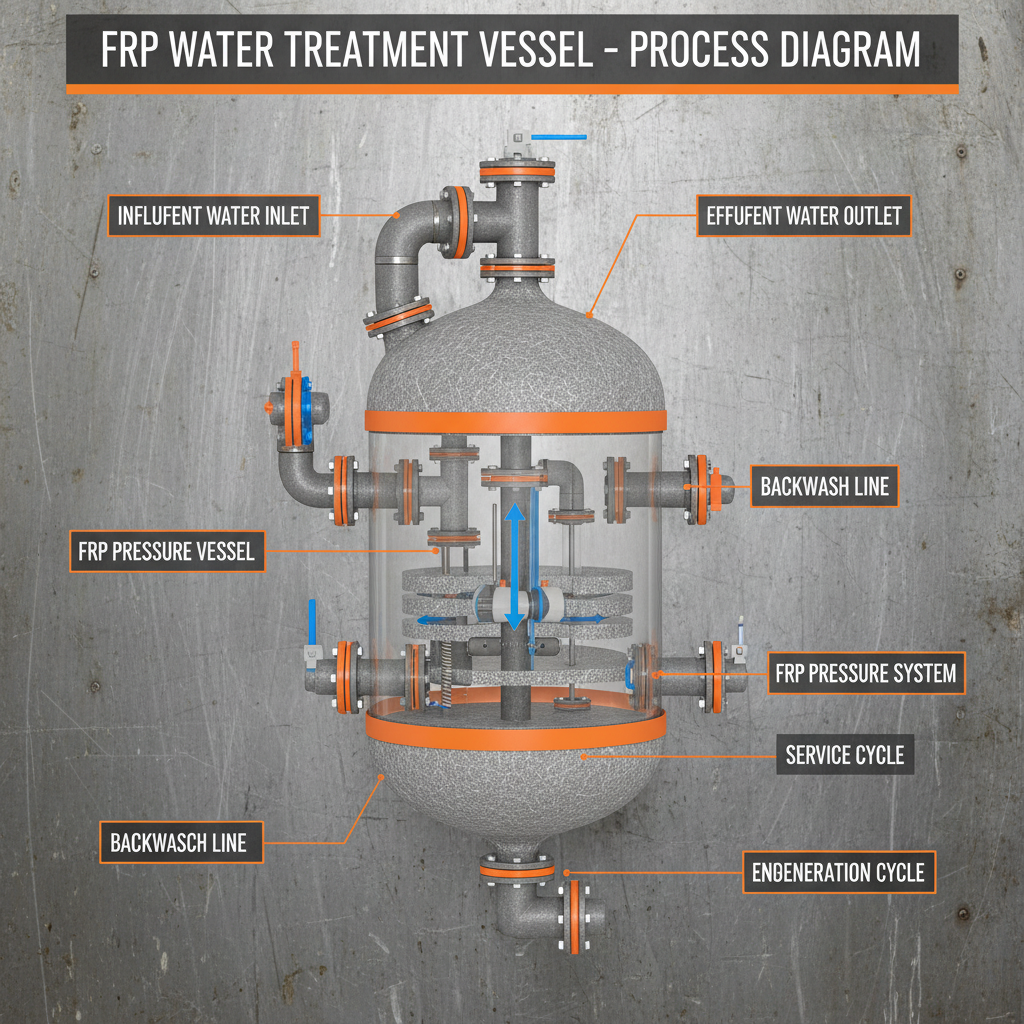
In the modern era of industrial and residential water purification, the choice of containment materials is critical for efficiency and longevity. An frp vessel for water treatment has emerged as the gold standard, replacing traditional steel tanks due to its superior corrosion resistance and lightweight properties. Whether you are dealing with desalination, softening, or filtration, using Fiber Reinforced Plastic (FRP) ensures that your system remains leak-proof and durable against aggressive chemicals. In this comprehensive guide, we will explore why FRP is the preferred choice for water treatment professionals worldwide and how to select the right vessel for your specific application.
Industrial Guide for Choosing the Right FRP Vertical Tank
Apr 09,2026
Industrial Guide for Choosing the Right FRP Vertical Tank
In today's industrial landscape, the storage of corrosive chemicals and aggressive liquids requires materials that can withstand extreme conditions without degrading. The frp vertical tank has emerged as a premier solution, offering an exceptional balance of strength, lightweight properties, and unmatched chemical resistance. Whether you are managing a water treatment plant or a chemical processing facility, understanding the nuances of Fiber Reinforced Plastic (FRP) is essential for ensuring operational safety and longevity. In this comprehensive guide, we will explore why vertical configurations are preferred and how these tanks outperform traditional metal alternatives.
Comprehensive Guide to FRP Underground Water Tank Solutions and Applications
Apr 07,2026
Comprehensive Guide to FRP Underground Water Tank Solutions and Applications
Fiberglass Reinforced Polymer (FRP) underground water tanks are becoming increasingly popular for a wide range of applications, from potable water storage to industrial wastewater containment. Their superior corrosion resistance, lightweight nature, and design flexibility make them an excellent alternative to traditional materials like concrete or steel. This article will delve into the benefits, applications, construction, and considerations for implementing FRP underground water tanks, providing a comprehensive overview for engineers, contractors, and project managers.
Comprehensive Guide to Frp Underground Water Storage Tanks and Their Applications
Apr 04,2026
Comprehensive Guide to Frp Underground Water Storage Tanks and Their Applications
When considering water storage solutions, particularly for industrial, agricultural, or municipal applications, frp underground water storage tanks stand out as a durable, cost-effective, and environmentally friendly option. These tanks are increasingly favored over traditional materials like concrete or steel due to their superior corrosion resistance, lighter weight, and ease of installation. This article delves into the benefits, applications, construction, and considerations when choosing an FRP tank, providing a detailed overview for potential buyers and project planners.
Sulfuric Acid Production Line - Hebei Aoliande|Efficient H2SO4 Plant Technology
Apr 01,2026
Sulfuric Acid Production Line - Hebei Aoliande|Efficient H2SO4 Plant Technology
Discover efficient H2SO4 plant technology and advanced sulfuric acid production solutions. Hebei Aoliande combines energy-saving furnace design and eco-friendly HCl recovery systems for sustainable industrial applications. Explore now: https://www.frpgrpmachine.com/sulfuric-acid-production-line-for-h2so4-plant.html
Sulfuric Acid Production Line - Hebei Aoliande|Efficient H2SO4 Plant Technology
Apr 01,2026
Sulfuric Acid Production Line - Hebei Aoliande|Efficient H2SO4 Plant Technology
Discover efficient H2SO4 plant technology and advanced sulfuric acid production solutions. Hebei Aoliande combines energy-saving furnace design and eco-friendly HCl recovery systems for sustainable industrial applications. Explore now: https://www.frpgrpmachine.com/sulfuric-acid-production-line-for-h2so4-plant.html
Sulfuric Acid Production Line - Hebei Aoliande|Efficient H2SO4 Plant Technology
Apr 01,2026
Sulfuric Acid Production Line - Hebei Aoliande|Efficient H2SO4 Plant Technology
Discover efficient H2SO4 plant technology and advanced sulfuric acid production solutions. Hebei Aoliande combines energy-saving furnace design and eco-friendly HCl recovery systems for sustainable industrial applications. Explore now: https://www.frpgrpmachine.com/sulfuric-acid-production-line-for-h2so4-plant.html
Sulfuric Acid Production Line - Hebei Aoliande|Efficient H2SO4 Plant Technology
Apr 01,2026
Sulfuric Acid Production Line - Hebei Aoliande|Efficient H2SO4 Plant Technology
Discover efficient H2SO4 plant technology and advanced sulfuric acid production solutions. Hebei Aoliande combines energy-saving furnace design and eco-friendly HCl recovery systems for sustainable industrial applications. Explore now: https://www.frpgrpmachine.com/sulfuric-acid-production-line-for-h2so4-plant.html
Sulfuric Acid Production Line - Hebei Aoliande|Efficient H2SO4 Plant Technology
Apr 01,2026
Sulfuric Acid Production Line - Hebei Aoliande|Efficient H2SO4 Plant Technology
Discover efficient H2SO4 plant technology and advanced sulfuric acid production solutions. Hebei Aoliande combines energy-saving furnace design and eco-friendly HCl recovery systems for sustainable industrial applications. Explore now: https://www.frpgrpmachine.com/sulfuric-acid-production-line-for-h2so4-plant.html
Sulfuric Acid Production Line - Hebei Aoliande|Efficient H2SO4 Plant Technology
Apr 01,2026
Sulfuric Acid Production Line - Hebei Aoliande|Efficient H2SO4 Plant Technology
Discover efficient H2SO4 plant technology and advanced sulfuric acid production solutions. Hebei Aoliande combines energy-saving furnace design and eco-friendly HCl recovery systems for sustainable industrial applications. Explore now: https://www.frpgrpmachine.com/sulfuric-acid-production-line-for-h2so4-plant.html
Comprehensive Guide to Frp Underground Storage Tanks for Reliable Storage Solutions
Mar 31,2026
Comprehensive Guide to Frp Underground Storage Tanks for Reliable Storage Solutions
Fiberglass Reinforced Polymer (FRP) underground storage tanks are becoming increasingly popular for a wide range of applications, from fuel storage to wastewater management. Their corrosion resistance, lightweight nature, and durability offer significant advantages over traditional materials like steel. This article will provide an in-depth look at FRP underground storage tanks, covering their benefits, applications, installation, and maintenance. Understanding these aspects is crucial for making informed decisions about long-term storage solutions.
Comprehensive Guide to Selecting the Ideal FRP Tank for Water Storage Solutions
Mar 28,2026
Comprehensive Guide to Selecting the Ideal FRP Tank for Water Storage Solutions
When it comes to reliable and durable water storage, FRP tanks for water are increasingly becoming the preferred solution for a wide range of applications. These tanks, constructed from Fiber Reinforced Polymer (FRP) materials, offer significant advantages over traditional storage options like steel or concrete. This article delves into the benefits, applications, and considerations when selecting an FRP tank for your water storage needs, providing a detailed overview for businesses and individuals alike.
Comprehensive Guide to Frp Tank and Vessel Applications and Manufacturing
Mar 26,2026
Comprehensive Guide to Frp Tank and Vessel Applications and Manufacturing
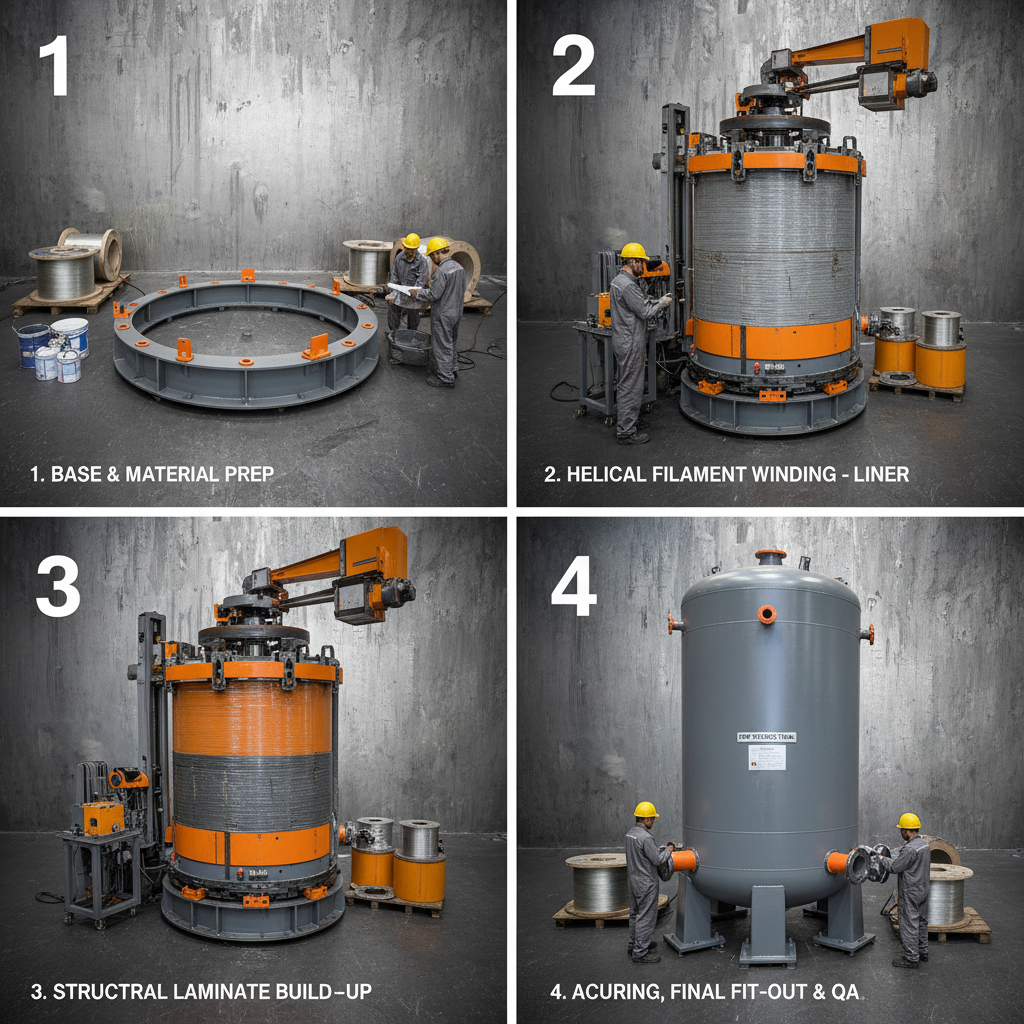
Fiber Reinforced Polymer (FRP) tanks and vessels are increasingly becoming the preferred choice for storage and processing across a multitude of industries. Their lightweight nature, corrosion resistance, and design flexibility offer significant advantages over traditional materials like steel. This article will delve into the intricacies of FRP tanks and vessels, exploring their applications, manufacturing processes, benefits, and considerations for selecting the right solution for your specific needs. We’ll also highlight why FRP tanks are a cost-effective and reliable long-term investment. FRP tanks and vessels are constructed from a combination of reinforcing fibers (such as fiberglass, carbon fiber, or aramid fiber) embedded in a polymer matrix (typically polyester, vinyl ester, or epoxy resin). This combination creates a composite material that boasts high strength-to-weight ratio, exceptional corrosion resistance, and the ability to be molded into complex shapes. They’re designed to safely contain a wide variety of liquids and gases, ranging from corrosive chemicals and water to food products and pharmaceuticals.
Optimizing Water Filtration with Durable FRP Sand Filter Vessels
Mar 24,2026
Optimizing Water Filtration with Durable FRP Sand Filter Vessels
In water treatment and filtration systems, the choice of filter vessel material is paramount. Fiber Reinforced Plastic (FRP), also known as Glass Reinforced Polymer (GRP), sand filter vessels are increasingly popular due to their superior corrosion resistance, lightweight nature, and cost-effectiveness. This article delves into the benefits, applications, design considerations, and factors to consider when selecting an FRP sand filter vessel. Whether you are involved in municipal water treatment, industrial wastewater management, or recreational water filtration, understanding FRP technology is essential for optimizing your filtration process. An FRP sand filter vessel is a containment unit designed to house filtration media, typically sand, gravel, and anthracite. These vessels are integral components in sand filtration systems used for removing suspended solids, turbidity, and other particulate matter from water. FRP construction involves layering glass fibers within a resin matrix (typically polyester or vinyl ester) to create a strong, durable, and chemically resistant shell. The strength and rigidity of the vessel are crucial for withstanding the pressure from the filtration media and the water flow.
Comprehensive Guide to FRP Round Tanks Applications and Benefits
Mar 21,2026
Comprehensive Guide to FRP Round Tanks Applications and Benefits
Fiber Reinforced Polymer (FRP) round tanks are increasingly becoming the preferred choice for storage solutions across a variety of industries. Their lightweight nature, corrosion resistance, and design flexibility offer significant advantages over traditional materials like steel. This article provides an in-depth look at FRP round tanks, exploring their applications, benefits, manufacturing processes, and key considerations when choosing the right tank for your needs. Whether you're in chemical processing, water treatment, or agriculture, understanding FRP round tanks is crucial for optimizing your storage infrastructure. FRP round tanks are constructed from a combination of reinforcing fibers (typically fiberglass, carbon fiber, or a blend) embedded in a polymer matrix (often polyester, vinyl ester, or epoxy resin). The round shape inherently provides excellent structural strength, distributing pressure evenly across the tank’s surface.
Comprehensive Guide to FRP Pressure Tanks Benefits and Applications
Mar 19,2026
Comprehensive Guide to FRP Pressure Tanks Benefits and Applications
Fiber Reinforced Polymer (FRP) pressure tanks are becoming increasingly popular in a wide range of industrial applications, offering a compelling alternative to traditional steel tanks. Known for their lightweight nature, corrosion resistance, and high strength-to-weight ratio, FRP tanks provide efficient and durable solutions for storing liquids and gases under pressure. This article will delve into the benefits, applications, construction, and key considerations when selecting an FRP pressure tank, helping you make an informed decision for your specific needs. Understanding the advantages of FRP technology can lead to significant cost savings and improved operational efficiency. Compared to steel, FRP pressure tanks offer several key advantages. The most significant is their superior corrosion resistance. Unlike steel, which is susceptible to rust and corrosion when exposed to various chemicals, FRP materials are inherently resistant to a wide range of corrosive substances. This translates to a longer lifespan, reduced maintenance costs, and increased safety. Furthermore, FRP is significantly lighter than steel, making installation easier and reducing transportation costs.
For More Details Pls Contact Us
Thank you for your interest in our gloves! We offer high-quality, durable, and comfortable gloves with fast delivery and competitive prices. For any questions or customization, feel free to contact us. We look forward to working with you!

If you are interested in our products, you can choose to leave your information here, and we will be in touch with you shortly.