Nov 30,2025

Understanding Chemical Reservoirs: Essential Systems for Safe Chemical Storage and Global Impact

The Crucial Role of a Chemical Reservoir in Modern Industry and Beyond

It’s funny how some components, like the chemical reservoir, quietly do their work behind the scenes but are absolutely pivotal in so many sectors worldwide. Whether it’s manufacturing, environmental management, or emergency response, understanding what these reservoirs are and why they matter can unlock a whole new appreciation for how industries keep running smoothly while safeguarding people and the planet.

Globally, chemical reservoirs help manage critical fluids and materials essential for industrial processes, water treatment, and soil preservation. They’re not just about storage — they’re about control, safety, and sustainability. Let’s dive into what makes them so vital.

Global Context: Why Chemical Reservoirs Matter More Than Ever

The world is grappling with challenges like chemical pollution, climate change, and water scarcity, making the chemical reservoir’s role even more relevant. According to the United Nations Sustainable Development Goals, responsible water and waste management align with several objectives (UN SDGs 6, 12).

Industrially, the ISO 9001 quality standards and environmental management systems often specify robust chemical storage solutions to prevent leaks, contamination, or hazardous exposures. Yet, one huge problem persists: improper containment of chemicals can lead to devastating environmental damage and costly shutdowns.

So, reservoirs that are well-designed and maintained can effectively mitigate risks associated with chemical storage — from acid solutions in factories to nutrient reservoirs for agriculture.

Defining the Chemical Reservoir

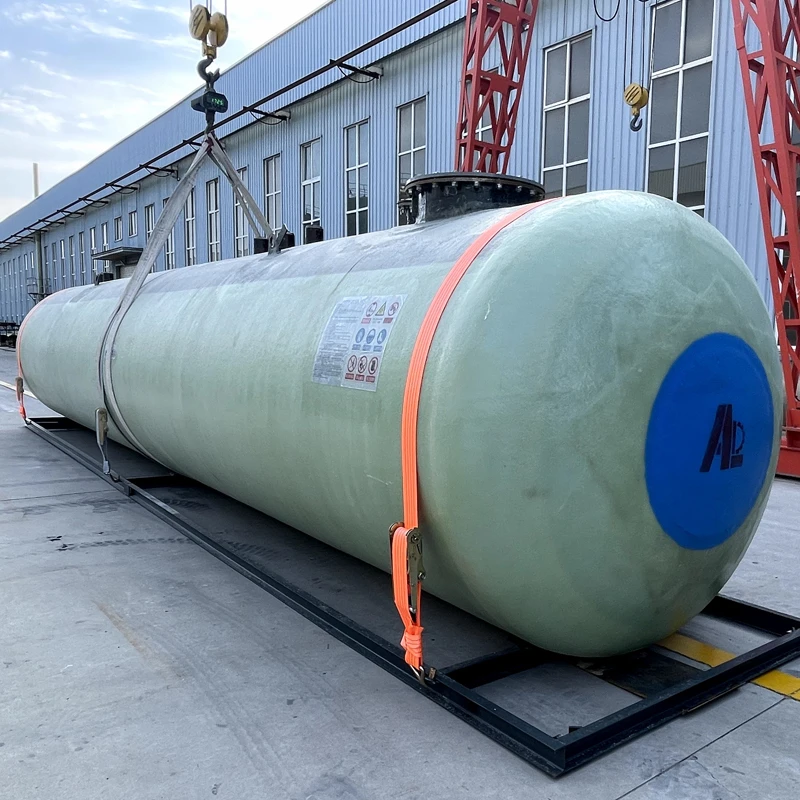
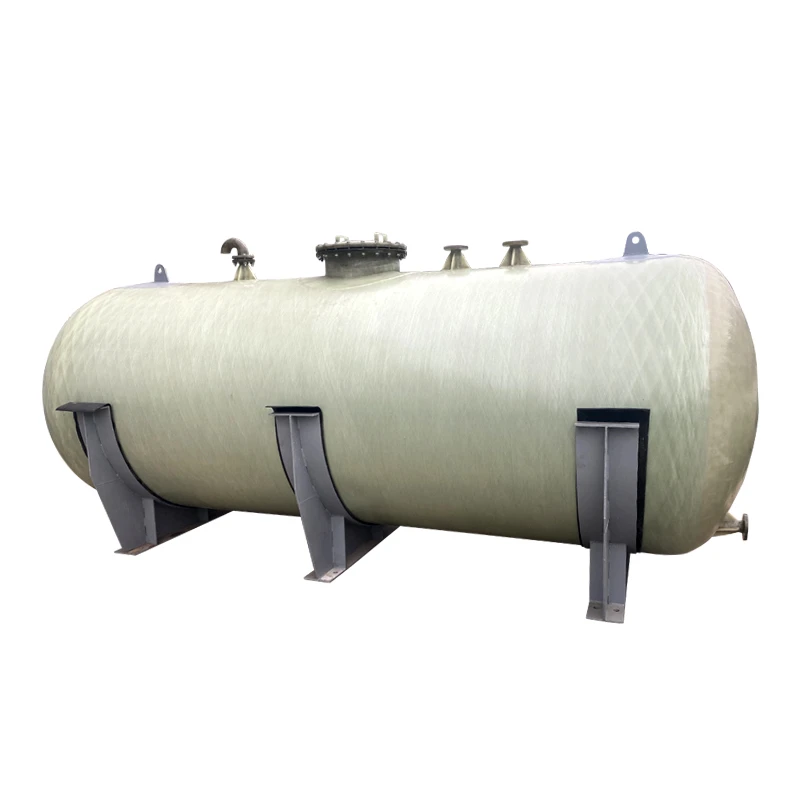
At its core, a chemical reservoir is a container or system designed for storing chemicals safely under controlled conditions. It’s more than just a tank — it includes monitoring devices, materials resistant to corrosion or reactions, and sometimes cooling or agitation mechanisms.

In industries ranging from pharmaceuticals to agriculture, and even humanitarian aid, these reservoirs ensure chemicals are kept stable and accessible when needed. For example, in disaster zones, mobile chemical reservoirs can deliver clean water or treat contaminated supplies quickly — saving lives.

Core Components and Key Aspects of Chemical Reservoirs

Durability and Material Compatibility

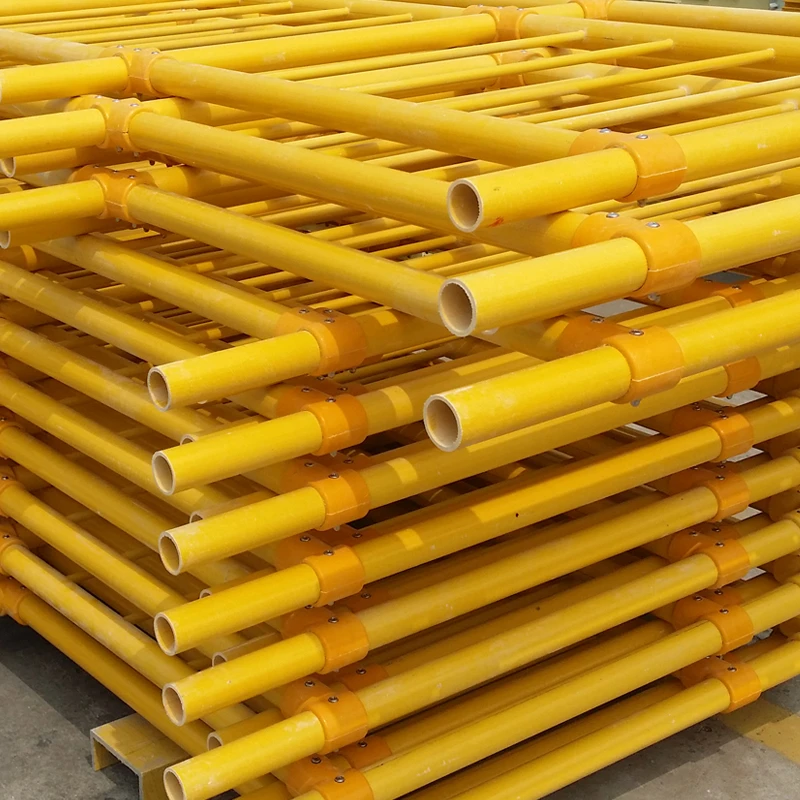
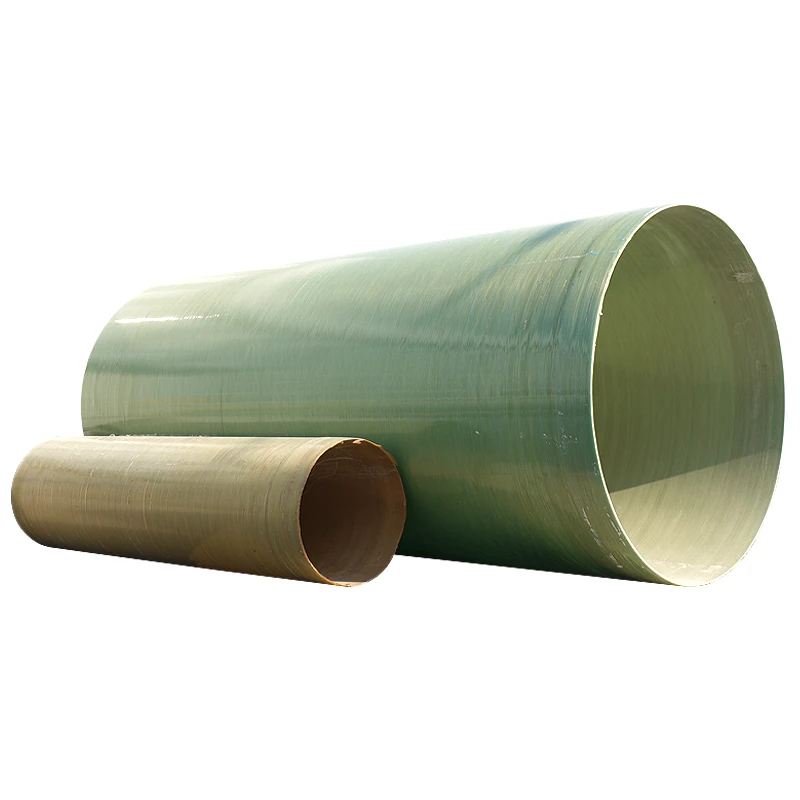
The choice of materials is critical — stainless steel, HDPE, fiberglass-reinforced plastic (FRP), and specialty coatings prevent corrosion or unwanted chemical reactions. Many engineers I’ve talked to swear by FRP for its balance of strength and cost efficiency, especially when handling acids or solvents.

Capacity and Scalability

Reservoir sizes vary dramatically. From small portable containers to massive industrial tanks holding thousands of liters, scalability is key. Systems must adapt as demands grow without compromising safety or accessibility.

Cost Efficiency

It’s not just the upfront price; lifecycle costs — including maintenance, repair, and compliance — factor heavily. A cheaper tank made from incompatible material might quickly become a liability.

Safety and Environmental Compliance

Modern chemical reservoirs often integrate leak detection, pressure relief valves, and secondary containment to meet strict regulations such as OSHA or EPA standards. It’s a good reminder that a reservoir isn’t just storage; it’s a critical safety device.

Monitoring and Automation

New trends include embedded sensors for temperature, pH, or chemical concentration, allowing remote monitoring. This tech leap not only enhances safety but also optimizes chemical usage and reduces waste.

Mini Takeaway:

Choosing the right chemical reservoir means balancing physical properties, capacity needs, safety features, and long-term costs. It’s kind of like picking a car: you want reliability, efficiency, and a dash of future-readiness.

Where Chemical Reservoirs Make a Real-World Impact

It’s one thing to know what a chemical reservoir is, but seeing it in action is another. Across continents, industries rely on these systems:

  • Industrial Manufacturing: Chemical reservoirs hold solvents, acids, and other materials tightly regulated to protect workers and the environment.
  • Water Treatment Plants: They store disinfectants and treatment chemicals, ensuring safe drinking water at scale.
  • Agriculture: Nutrient reservoirs for fertilizers support vast farming regions, particularly in places like California and the Netherlands, helping yield food sustainably.
  • Disaster Relief & Humanitarian Aid: Mobile reservoirs provide clean water or chemical treatment compounds in crisis zones — think earthquake aftermaths or flood response in Asia or Africa.

For example, in post-hurricane Puerto Rico, temporary chemical reservoirs played a crucial role in restoring potable water supplies quickly after municipal systems failed. That kind of use underscores how these reservoirs aren’t just industrial props — they are human lifelines.

The Long-Term Value of Investing in Chemical Reservoirs

Why put so much thought into reservoirs? Because they bring several measurable benefits:

  • Cost Savings: Fewer chemical losses, less downtime, and fewer environmental fines.
  • Safety & Trust: Workers and communities feel safer with proper containment and monitoring.
  • Sustainability: Controlled chemical use reduces waste and pollution.
  • Innovation: Smart reservoirs enabled by IoT bring efficiency gains and better resource management.

And on an emotional note, when you know harmful chemicals are effectively contained and monitored, there’s peace of mind that protects both humans and nature — a kind of dignity that’s often overlooked in industrial decisions.

What’s Next? Trends Emerging in Chemical Reservoir Design

Oddly enough, the future looks greener and smarter:

  • Eco-friendly Materials: Bioplastics and recycled composites reduce the environmental footprint.
  • Digital Twins and AI-Driven Monitoring: Predictive maintenance avoids failures before they happen.
  • Integration with Renewable Energy: Reservoirs paired with solar-powered sensors or cooling systems.

This isn’t just science fiction; many pilot projects in Europe and Asia already demonstrate these innovations making reservoirs more reliable and sustainable.

Challenges and How Industry is Responding

Of course, there are challenges: leaks due to material fatigue, costs of upgrading old tanks, and regulatory hurdles, to name a few. But experts advocate for:

  • Regular inspections using non-destructive testing.
  • Modular designs that simplify replacement.
  • Better training for operators and first responders.

Plus, many companies now partner with vendors offering end-to-end solutions — from design to end-of-life recycling — tackling lifecycle challenges head-on.

Practical FAQs About Chemical Reservoirs

What materials are best for chemical reservoirs handling acids?
Materials like fiberglass-reinforced plastic (FRP) and certain stainless steels are preferred because they're highly resistant to corrosion and chemical breakdown. Each chemical calls for specific compatibility checks to ensure safety and durability.
How long can a chemical reservoir typically last in industrial use?
With proper maintenance, many reservoirs last 20+ years. Routine inspections and early replacement of worn parts help extend lifespan significantly.
Are mobile chemical reservoirs suitable for emergency relief scenarios?
Absolutely, mobile reservoirs are designed for quick deployment and stability, supplying safe chemicals or treated water in disaster zones where infrastructure is damaged or non-existent.
What regulatory standards govern chemical reservoir designs?
Common frameworks include OSHA for workplace safety, EPA for environmental impact, and international standards like ISO 9001 for quality and ISO 14001 for environmental management.
Can we integrate chemical reservoirs with smart sensors?
Yes, the trend is toward smart reservoirs equipped with IoT sensors for real-time monitoring of levels, temperature, and potential leaks — improving safety and operational efficiency.

Product Specifications: A Typical Chemical Reservoir

Specification Details
Material Fiberglass Reinforced Plastic (FRP)
Capacity 5,000 liters
Temperature Range -10°C to 60°C
Accessories Level sensors, leak detection, agitation system
Compliance Certifications ISO 9001, EPA-approved containment

Vendor Comparison

Vendor Material Options Customization Price Range Lead Time
ResTech Solutions FRP, HDPE, Stainless Steel High – custom sizes & fittings $$$ 6–8 weeks
ChemStore Inc. HDPE, Carbon Steel Medium – standard sizes $$ 4–6 weeks
Global ContainTech FRP only Low – fixed product range $ 2–3 weeks

Final Thoughts on Chemical Reservoirs

After walking through the ins and outs of chemical reservoirs, it’s clear they’re much more than just tanks — they’re essential systems supporting safety, sustainability, and operational efficiency worldwide. They quietly underpin some of the toughest challenges industries face, from hazardous chemical management to enabling disaster relief.

For anyone looking at long-term solutions, investing in advanced, adaptable reservoirs isn’t just smart — it's almost inevitable, given the direction of environmental demands and technology. Frankly, it feels like every industry that touches chemicals could use a smart, durable reservoir in their toolkit.

To explore options or learn more, be sure to visit our website — there’s a lot happening in this space and staying informed is the best bet.
References

  1. United Nations Sustainable Development Goals (SDG 6)
  2. ISO 9001 Quality Management Standards
  3. Wikipedia – Chemical Storage
Upsell Products
Upsell News
Guide to Fiber Water Tank Price and FRP Storage Costs
Jul 01,2026
Guide to Fiber Water Tank Price and FRP Storage Costs
Understanding Fiber Water Tank Price: A Comprehensive Investment Guide When searching for a reliable liquid storage solution, understanding the factors that influence fiber water tank price is essential for optimizing your operational budget. Fiber-Reinforced Plastic FRP tanks have become the industry standard for water and chemical storage due to their exceptional corrosion resistance and structural integrity. Whether you are managing a municipal water project or an industrial chemical plant, selecting the right tank requires a balance between initial cost and long-term durability. In this guide, we will explore the variables that drive pricing and why FRP remains the most cost-effective choice
Guide to Fibreglass Water Tank Prices and FRP Investment
Jun 29,2026
Guide to Fibreglass Water Tank Prices and FRP Investment
Understanding Fibreglass Water Tank Prices: A Comprehensive Investment Guide When planning water storage for industrial or commercial applications, understanding the factors that influence fibreglass water tank prices is essential for optimizing your budget. Fibreglass Reinforced Plastic FRP tanks offer a superior alternative to steel or concrete due to their corrosion resistance and lightweight nature. Whether you are in the petroleum, chemical, or drainage industry, selecting a tank that balances cost with long-term durability is key. In this guide, we will explore the pricing drivers, technical advantages, and specifications of high-quality FRP storage solutions to help you make an informed purchasing decision.
Industrial Fiberglass Water Tank Price and Buyers Guide
Jun 27,2026
Industrial Fiberglass Water Tank Price and Buyers Guide
Analyzing Fiberglass Water Tank Price: A Comprehensive Buyers Guide When investing in industrial water storage, understanding the fiberglass water tank price is essential for effective budget planning and operational efficiency. Fiberglass Reinforced Plastic FRP tanks have become the gold standard in water quality pollution prevention and chemical storage due to their exceptional corrosion resistance and durability. Whether you are managing a municipal water system or a specialized manufacturing plant, choosing the right tank involves balancing initial costs with long-term lifecycle value. In this guide, we will break down the factors that influence pricing and why FRP is often the most cost-effective choice
Comprehensive Guide to GRP Sectional Water Tanks Prices and Quality
Jun 26,2026
Comprehensive Guide to GRP Sectional Water Tanks Prices and Quality
Selecting the right water storage solution is critical for industrial, commercial, and residential infrastructure. When evaluating grp sectional water tanks prices, it is essential to look beyond the initial sticker price and consider the total cost of ownership, including durability, installation ease, and maintenance. Glass Reinforced Plastic GRP tanks offer a superior alternative to traditional steel or concrete, providing exceptional corrosion resistance and modular flexibility. In this guide, we will explore the factors that influence pricing and why GRP remains the gold standard for modern water management.
Guide to Understanding FRP Tank Cost and Investment Value
Jun 25,2026
Guide to Understanding FRP Tank Cost and Investment Value
Understanding FRP Tank Cost: A Comprehensive Guide to Investment and Value When investing in industrial storage solutions, understanding the frp tank cost is essential for accurate budgeting and long-term operational planning. Fiber Reinforced Plastic FRP tanks offer an exceptional balance of corrosion resistance, structural strength, and longevity, making them the preferred choice for chemical, petroleum, and water treatment industries. While initial pricing can vary based on specifications, the total cost of ownership is often significantly lower than traditional steel tanks due to reduced maintenance. In this guide, we will explore the factors influencing pricing and the advanced machinery used to produce these high-performance vessels.
Best Industrial 500 gallon chemical tank for Storage and Safety
Jun 23,2026
Best Industrial 500 gallon chemical tank for Storage and Safety
Choosing the Best 500 Gallon Chemical Tank for Industrial Storage When managing hazardous materials or industrial fluids, the integrity of your storage system is non-negotiable. A high-quality 500 gallon chemical tank provides the perfect balance between capacity and footprint, making it an ideal choice for mid-sized operations, water treatment facilities, and chemical processing plants. Selecting the right material and design ensures not only the safety of your personnel but also the longevity of your assets. In this guide, we will explore the critical factors you need to consider to optimize your chemical storage efficiency and compliance.
Safe and Efficient Industrial Chemical Storage Tanks Guide
Jun 21,2026
Safe and Efficient Industrial Chemical Storage Tanks Guide
Maximizing Safety and Efficiency with Industrial Chemical Storage Tanks In the modern industrial landscape, the secure management of hazardous materials is not just a regulatory requirement but a critical safety priority. Selecting the right industrial chemical storage tanks is essential for preventing leaks, reducing environmental impact, and ensuring the longevity of your infrastructure. Whether you are dealing with highly corrosive acids or volatile solvents, the material composition and design of your storage system determine your operational risk. This guide explores the technical nuances of chemical storage to help you make an informed investment for your facility.
Best Guide to Choosing a Durable 200 Gallon Chemical Tank
Jun 20,2026
Best Guide to Choosing a Durable 200 Gallon Chemical Tank
The Ultimate Guide to Choosing a 200 Gallon Chemical Tank Finding the right storage solution for hazardous or corrosive substances is critical for industrial safety and operational efficiency. A 200 gallon chemical tank offers a versatile mid-size capacity, ideal for businesses that need a balance between space-saving design and sufficient volume for chemical processing. Whether you are dealing with acids, bases, or specialty solvents, the material composition of your tank determines its lifespan and your facilitys safety. In this guide, we will explore the technical specifications, material options, and best practices for maintaining these essential industrial assets.
Industrial Fiberglass Water Storage Tanks Guide for Efficiency
Jun 18,2026
Industrial Fiberglass Water Storage Tanks Guide for Efficiency
The Ultimate Guide to Fiberglass Water Storage Tanks for Industrial Use Selecting the right containment system is critical for maintaining water purity and operational efficiency. fiberglass water storage tanks have emerged as a superior alternative to traditional steel or concrete reservoirs. Combining high strength-to-weight ratios with exceptional corrosion resistance, these tanks are designed to withstand the harshest environmental conditions while ensuring the longevity of your infrastructure. Whether you are managing a municipal water system or an industrial chemical process, understanding the advantages of FRP Fiber Reinforced Plastic technology is the first step toward a sustainable storage solution.
Industrial Storage Guide for Modular Sectional Water Tanks
Jun 13,2026
Industrial Storage Guide for Modular Sectional Water Tanks
When managing large-scale water storage, efficiency and scalability are non-negotiable. Sectional water tanks offer a versatile and robust solution for industries requiring customized capacities and easy installation in restricted spaces. Unlike monolithic tanks, these systems are engineered from modular panels, allowing for precise sizing and seamless transport to remote sites. Whether it is for fire protection, potable water, or industrial processing, choosing the right tank configuration can significantly impact the longevity and reliability of your water infrastructure. In this guide, we explore why these modular systems are the preferred choice for modern engineering projects worldwide.
Industrial Safety Guide for Double Wall Chemical Tanks
Jun 11,2026
Industrial Safety Guide for Double Wall Chemical Tanks
In the world of industrial chemical storage, containment is not just a preferenceit is a critical safety requirement. double wall chemical tanks provide a sophisticated layer of security, ensuring that hazardous materials are contained even if the primary vessel fails. By utilizing a tank-within-a-tank design, these systems prevent catastrophic leaks, protect the surrounding environment, and ensure compliance with strict regulatory standards. Whether you are managing a water treatment plant or a chemical manufacturing facility, understanding the nuances of secondary containment is essential for operational longevity and risk mitigation.
High Efficiency and Durability of Fiberglass Storage Tanks
Jun 09,2026
High Efficiency and Durability of Fiberglass Storage Tanks
In the world of industrial liquid containment, choosing the right material is critical for safety, longevity, and cost-effectiveness. fiberglass storage tanks , also known as FRP Fiber Reinforced Plastic tanks, have emerged as the gold standard for storing corrosive chemicals, water, and hazardous materials. Unlike traditional metal tanks, fiberglass offers an unparalleled combination of strength and chemical inertness. Whether you are managing a municipal water system or a complex chemical processing plant, understanding the advantages of these advanced composite structures is essential for optimizing your infrastructure and reducing long-term maintenance costs.
Durable FRP Vessel for Water Treatment and Industrial Filtration
Apr 16,2026
Durable FRP Vessel for Water Treatment and Industrial Filtration
In the modern era of industrial and residential water purification, the choice of containment materials is critical for efficiency and longevity. An frp vessel for water treatment has emerged as the gold standard, replacing traditional steel tanks due to its superior corrosion resistance and lightweight properties. Whether you are dealing with desalination, softening, or filtration, using Fiber Reinforced Plastic (FRP) ensures that your system remains leak-proof and durable against aggressive chemicals. In this comprehensive guide, we will explore why FRP is the preferred choice for water treatment professionals worldwide and how to select the right vessel for your specific application.
Industrial Guide for Choosing the Right FRP Vertical Tank
Apr 09,2026
Industrial Guide for Choosing the Right FRP Vertical Tank
In today's industrial landscape, the storage of corrosive chemicals and aggressive liquids requires materials that can withstand extreme conditions without degrading. The frp vertical tank has emerged as a premier solution, offering an exceptional balance of strength, lightweight properties, and unmatched chemical resistance. Whether you are managing a water treatment plant or a chemical processing facility, understanding the nuances of Fiber Reinforced Plastic (FRP) is essential for ensuring operational safety and longevity. In this comprehensive guide, we will explore why vertical configurations are preferred and how these tanks outperform traditional metal alternatives.
Comprehensive Guide to FRP Underground Water Tank Solutions and Applications
Apr 07,2026
Comprehensive Guide to FRP Underground Water Tank Solutions and Applications
Fiberglass Reinforced Polymer (FRP) underground water tanks are becoming increasingly popular for a wide range of applications, from potable water storage to industrial wastewater containment. Their superior corrosion resistance, lightweight nature, and design flexibility make them an excellent alternative to traditional materials like concrete or steel. This article will delve into the benefits, applications, construction, and considerations for implementing FRP underground water tanks, providing a comprehensive overview for engineers, contractors, and project managers.
Comprehensive Guide to Frp Underground Water Storage Tanks and Their Applications
Apr 04,2026
Comprehensive Guide to Frp Underground Water Storage Tanks and Their Applications
When considering water storage solutions, particularly for industrial, agricultural, or municipal applications, frp underground water storage tanks stand out as a durable, cost-effective, and environmentally friendly option. These tanks are increasingly favored over traditional materials like concrete or steel due to their superior corrosion resistance, lighter weight, and ease of installation. This article delves into the benefits, applications, construction, and considerations when choosing an FRP tank, providing a detailed overview for potential buyers and project planners.
For More Details Pls Contact Us
Thank you for your interest in our gloves! We offer high-quality, durable, and comfortable gloves with fast delivery and competitive prices. For any questions or customization, feel free to contact us. We look forward to working with you!

If you are interested in our products, you can choose to leave your information here, and we will be in touch with you shortly.