Jul 07,2025

Durable Chemical Tank Storage Solutions 5000 Gallon & Chemical Water Storage Tanks for Industrial Use

  • Key considerations and challenges in chemical tank storage
  • Technological advancements shaping the chemical storage industry
  • In-depth comparison of leading chemical tank manufacturers
  • Tailored solutions and customization in chemical storage tanks
  • Case studies highlighting real-world applications
  • Maintenance strategies and regulatory compliance for storage tanks
  • Conclusion: Future trends in chemical tank storage and industry outlook
chemical tank storage

(chemical tank storage)


Understanding Chemical Tank Storage: Safety, Materials, and Efficiency

Chemical tank storage has become an integral component of industrial infrastructure due to the increased demand for safe, long-term, and efficient storage of hazardous and non-hazardous chemicals. Ensuring reliable containment of corrosive liquids, acids, and specialty chemicals requires a blend of regulatory compliance and high-performance materials. Factors such as tank design, construction materials, capacity, temperature resilience, and secondary containment systems must align with both operational demands and environmental stewardship. Storage tank failures, according to a 2022 market assessment, cost the global chemical industry over $1.7 billion annually in damages and regulatory penalties. Thus, safe and efficient tank storage not only safeguards operations but also preserves corporate reputation and environmental integrity.

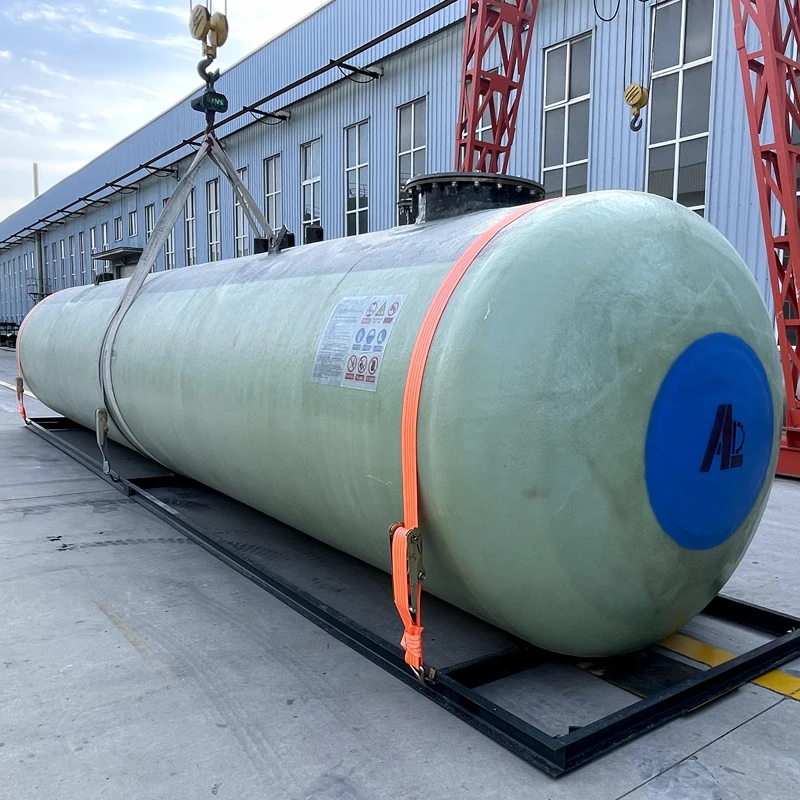
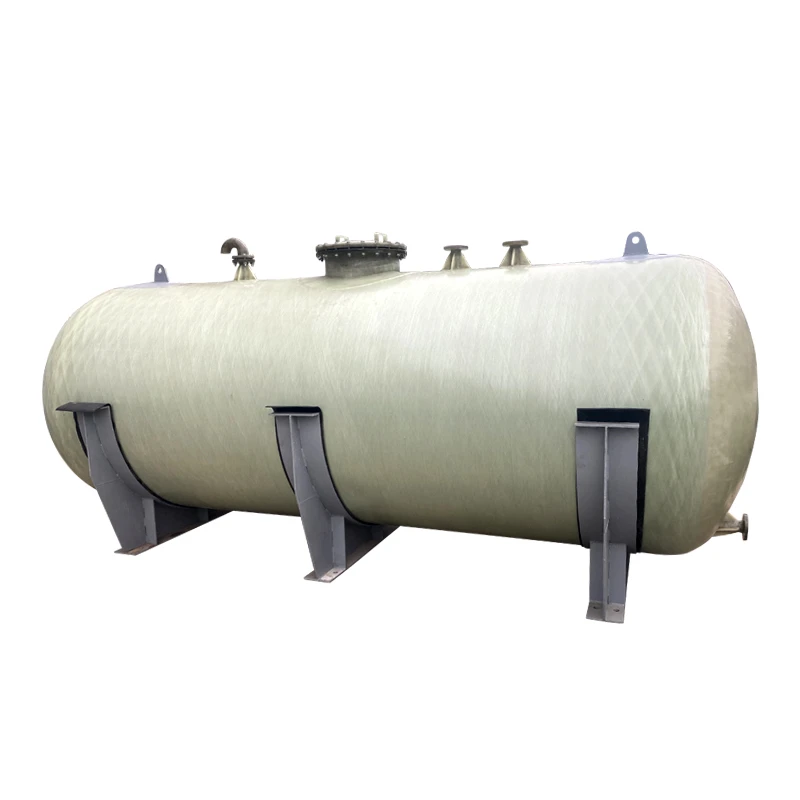
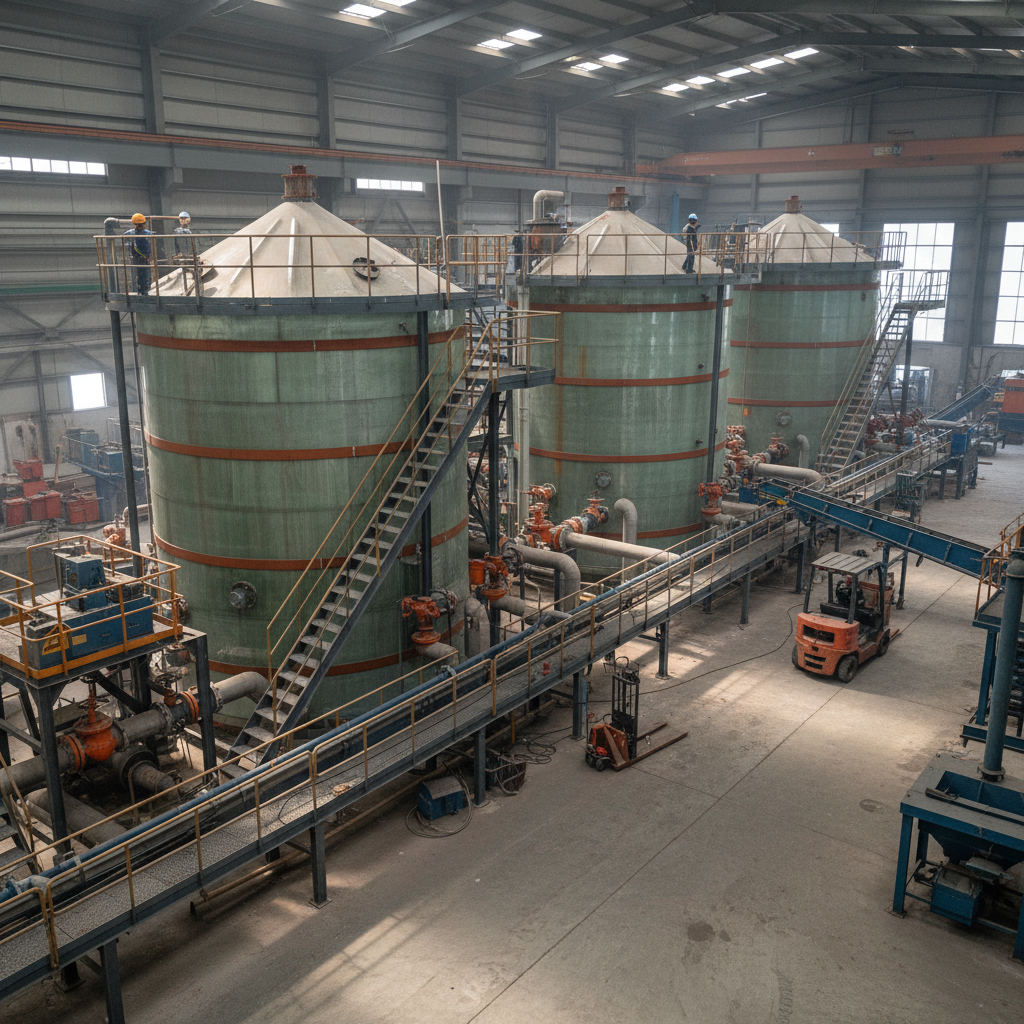
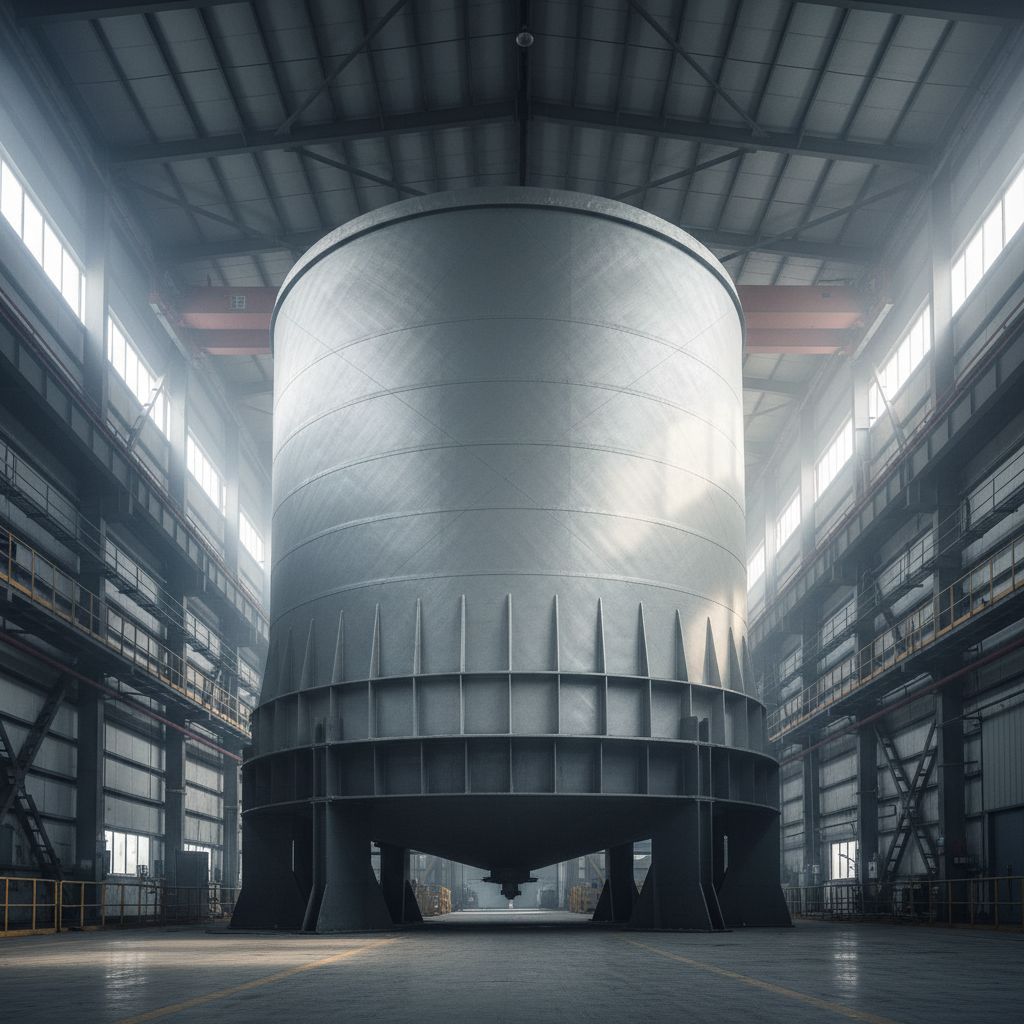
Typical tank forms include vertical, horizontal, and double-walled designs, with materials ranging from high-density polyethylene (HDPE) and fiberglass-reinforced plastic (FRP) to stainless steel. The choice of material is primarily dictated by the chemical properties, desired service life, and climate conditions. Increasingly, storage requirements are exceeding 5,000 gallons per tank, with the 5000 gallon chemical storage tank emerging as a standard in water treatment, agriculture, pharmaceuticals, and petrochemical sectors. Chemical water storage tank solutions are also engineered to resist microbial growth, UV degradation, and impact from temperature fluctuations, making them suitable for a broad spectrum of storage demands.

Technological Advancements in Chemical Storage Solutions

The evolution of chemical tank storage technologies reflects the critical need for safety, automation, and durability. Incorporating remote monitoring systems, double-walled designs, leak detection sensors, and seamless rotational molding has significantly elevated risk management and operational oversight. Recent advances include the adoption of composite materials with anti-permeation liners and the introduction of intelligent monitoring devices capable of reporting tank levels, temperature, and structural integrity in real time.

Data from the International Tank Storage Organization (ITSO) reveals that by 2023, more than 60% of newly installed chemical tanks are equipped with IoT-based monitoring devices, reducing incident response times by up to 80%. Hybrid FRP-steel tanks show a failure rate of less than 0.005% annually, essentially doubling the average service life compared to legacy carbon steel tanks. Additionally, secondary containment solutions now employ modular designs, allowing rapid deployment and easy retrofitting to meet evolving standards.

For specialized applications, such as the storage of aggressive acids or ultra-pure water, manufacturers have developed proprietary coatings and advanced plastic alloys. These innovations are key drivers for industries seeking to minimize maintenance costs and maximize uptime.

Comparing Leading Chemical Tank Storage Manufacturers

Selecting the right manufacturer is a pivotal step in ensuring long-term safety and performance. Below is a comparison of four prominent chemical tank suppliers based on product lines, technical specifications, warranty terms, and service reach.

Manufacturer Product Range Materials & Certifications Warranty Customization Global Service
PolyTank Solutions 100 - 10,000 Gallons; Vertical/Horizontal; Double-Wall HDPE, FRP; NSF, UL, ISO 9001 10 Years Color, Fittings, Liners North America, Europe, Asia
TankGuard Industries 500 - 20,000 Gallons; Custom Shapes Stainless Steel, Alloy Polymer; API 650, ASTM 15 Years (FRP), 20 Years (Steel) Full Engineering-to-Order Global
SafeChem Storage 1,000 - 15,000 Gallons HDPE, XLPE; FDA, CE, ISO 14001 12 Years Access Ports, Thermal Jackets Americas, EMEA
AquaChem Tanks 200 - 5,500 Gallons; Modular HDPE, LLDPE; NSF/ANSI 61, WRAS 8 Years Inlets, Level Sensors North America, Middle East

A review of product offerings reveals that comprehensive warranties, material certifications, and the breadth of customization options are decisive metrics for users balancing long-term value and regulatory obligations.

Customizing Chemical and Water Storage Tanks for Specialized Needs

Industries today require chemical water storage tank systems that address specific process and compliance requirements. Customization spans tank geometry, material chemistry, wall thickness, and integrated monitoring hardware. For example, pharmaceutical production mandates ultra-smooth, seamless interiors to prevent bacterial harboring, while agricultural users may prioritize UV protection and ease of field installation.

The 5000 gallon chemical storage tank is particularly favored for medium-scale operations due to its balance of capacity and footprint. Clients often require dual containment, flexible manway configurations, and integrated overflow alarms. For volatile chemicals, anti-static coatings and grounded connectors are now available as standard upgrades.

Digital modeling and simulation allow engineers to predict corrosion behavior, optimize venting, and tailor insulation for climate extremes. Custom color coding and external labeling simplify fleet management and emergency response. With global compliance frameworks becoming stricter, tanks must meet ASME, ISO, NSF/ANSI, and local standards simultaneously.

Application Case Studies: Performance Across Industries

Real-world deployment of chemical tank storage solutions provides compelling evidence of product efficacy and reliability. In 2021, a water treatment facility in Texas installed twenty 5000 gallon chemical storage tanks constructed from cross-linked polyethylene (XLPE) to hold sodium hypochlorite and sulfuric acid. Over 24 months, leak detection recorded zero failures, and in-tank sensors reported consistent temperature stability (±1.5°C), validating material selection for aggressive chemical handling.

Another case involved a European food processing client who commissioned custom chemical water storage tanks. The tanks incorporated anti-microbial linings and automated agitation systems to ensure product purity. Post-installation audits revealed a 17% reduction in contamination incidents and 12% lower maintenance costs compared to the previous steel tank system.

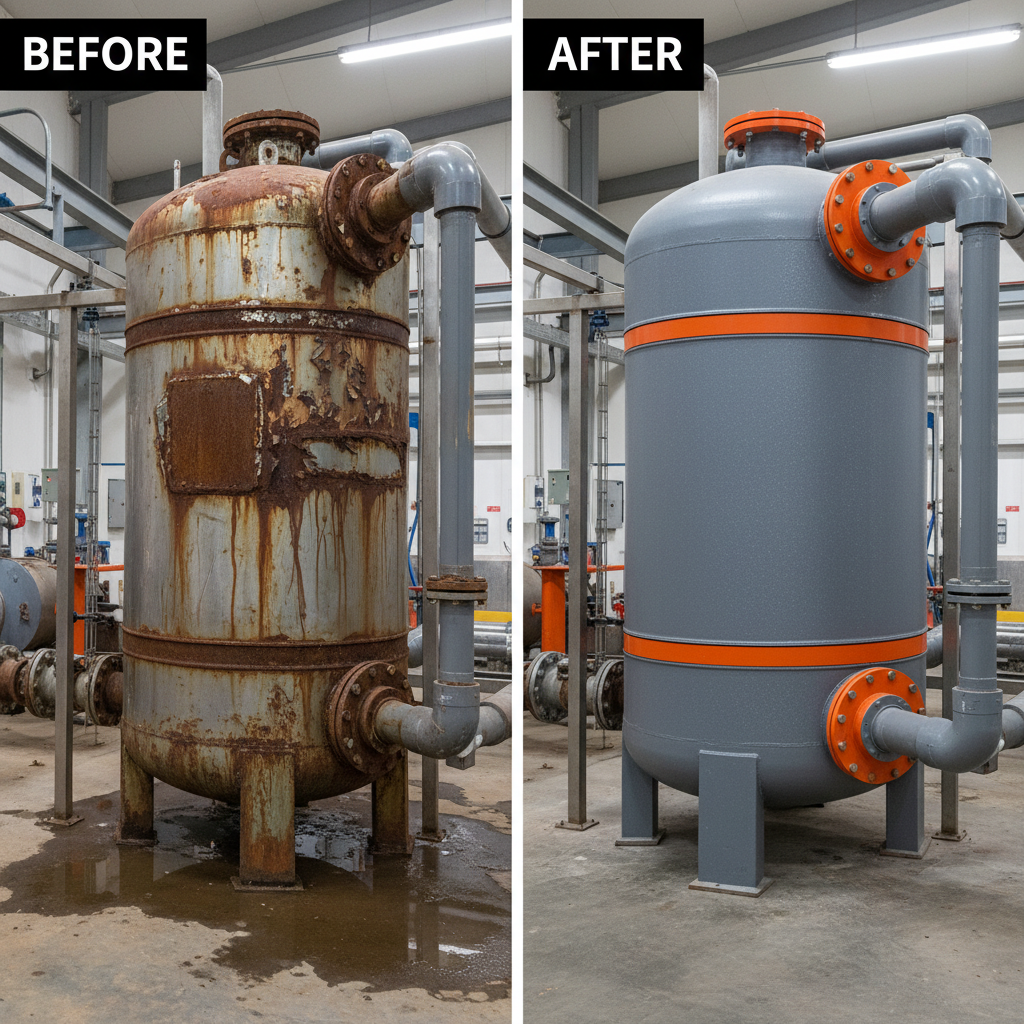
In the mining sector, a South American site replaced legacy carbon steel containers with modular FRP tanks for cyanide containment. The transition resulted in a 40% drop in annualized repair costs and an increase in permitted operating capacity due to more accurate secondary containment design. These examples exemplify how tailored tank solutions not only elevate performance but also lead to quantifiable operational savings.

Effective Maintenance Protocols and Regulatory Compliance

Long-term performance of chemical water storage tank systems hinges on robust maintenance protocols and unwavering adherence to regulatory mandates. Scheduled inspections, ultrasonic wall thickness measurements, and preventive cleaning routines are essential to extend tank longevity and preempt failures. International codes such as API 653, OSHA 1910, and NFPA 30B dictate minimum inspection and safety standards for all storage facilities.

Recent benchmarking indicates that facilities implementing predictive analytics and remote monitoring report up to 98% reduction in unplanned downtime. Employee training—covering chemical compatibility checks, emergency containment drills, and up-to-date recordkeeping—is increasingly valued by regulatory bodies. Additionally, automated documentation platforms streamline compliance audits and foster continuous improvement in operational practices.

Environmental best practices now encompass double-wall containment, leak-proof pads, and runoff collection for accidental spills, all contributing to legal compliance and public goodwill.

Future Trends and Market Outlook for Chemical Tank Storage

The global chemical tank storage sector is on the brink of transformative growth driven by digitalization and stricter environmental regulations. Demand for smart tanks—equipped with cloud-based analytics and integrated safety interlocks—is projected to grow at a CAGR of 7.9% through 2030, fueled by the expanding industrial landscape and the transition towards sustainability.

Innovations such as self-healing coatings, bio-based polymer tanks, and AI-driven predictive maintenance will further enhance durability and operational efficiency. As markets increasingly favor larger-capacity units, the 5000 gallon chemical storage tank will remain a crucial benchmark, while chemical water storage tank models gain traction in industries ranging from microelectronics to aquaculture.

The ability to harmonize technical advancement, client-centric customization, and rigorous regulatory alignment will define the next era of excellence in chemical tank storage. Stakeholders who prioritize future-ready designs, proactive risk management, and lifecycle cost optimization will secure a distinct competitive advantage.

chemical tank storage

(chemical tank storage)


FAQS on chemical tank storage

Q: What is chemical tank storage?

A: Chemical tank storage refers to the safe containment of chemicals in specially designed tanks. These tanks prevent leaks and contamination. They are essential for industries handling hazardous substances.

Q: How much liquid can a 5000 gallon chemical storage tank hold?

A: A 5000 gallon chemical storage tank can safely store up to 5000 gallons (about 18,927 liters) of chemicals or liquids. The actual usable volume may be slightly less, depending on the tank’s design. This capacity makes it suitable for medium to large-scale storage needs.

Q: What materials are used for chemical water storage tanks?

A: Chemical water storage tanks are typically made from polyethylene, fiberglass, or stainless steel. The choice of material depends on the chemicals being stored and their compatibility. These materials resist corrosion and ensure safe storage.

Q: Are chemical storage tanks customizable in size and fittings?

A: Yes, chemical storage tanks can be customized in terms of size, fittings, and accessories. Options include adding manways, valves, level indicators, and more. This ensures safe and efficient storage based on specific needs.

Q: Why is regular inspection important for chemical tank storage?

A: Regular inspection helps identify leaks, corrosion, or structural issues in chemical tank storage systems. It ensures long-term safety and compliance with regulations. Preventive maintenance avoids costly accidents and environmental damage.
Upsell Products
Upsell News
Durable FRP Vessel for Water Treatment and Industrial Filtration
Apr 16,2026
Durable FRP Vessel for Water Treatment and Industrial Filtration
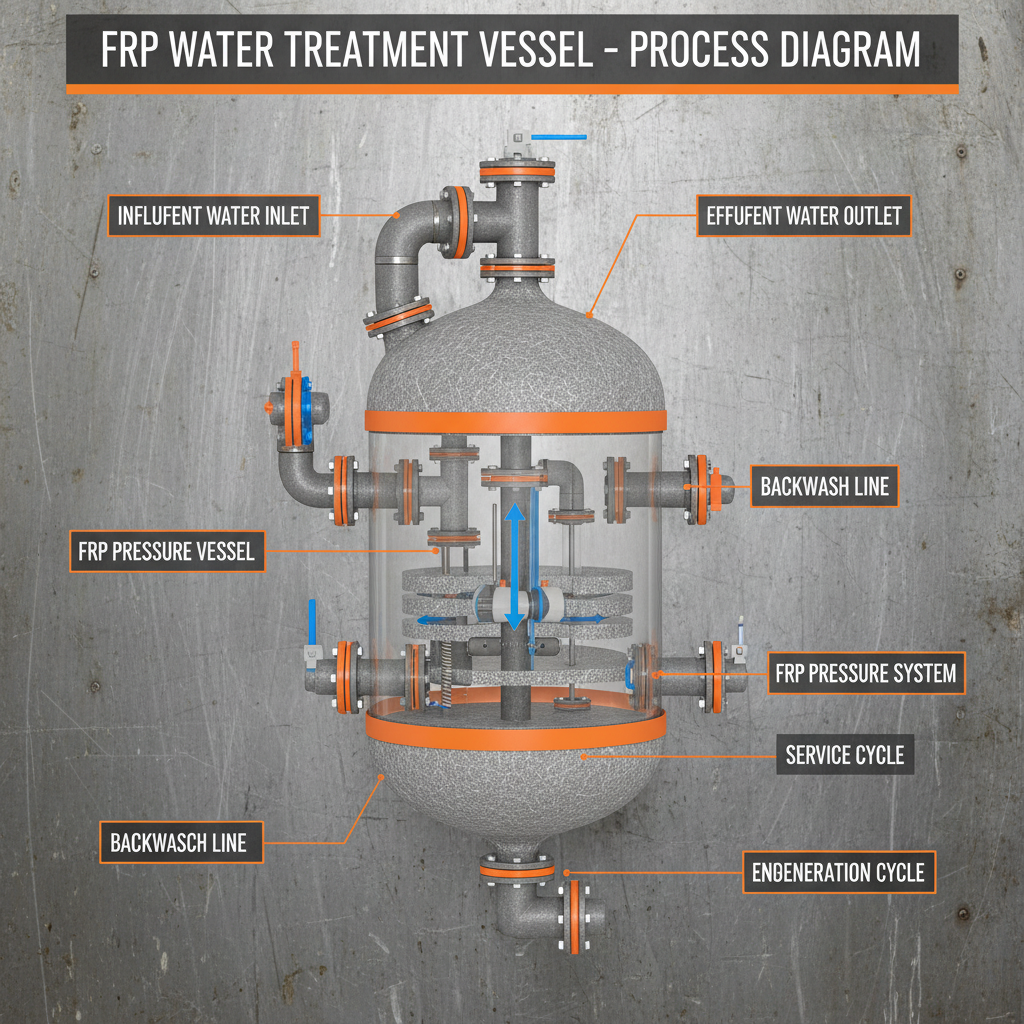
In the modern era of industrial and residential water purification, the choice of containment materials is critical for efficiency and longevity. An frp vessel for water treatment has emerged as the gold standard, replacing traditional steel tanks due to its superior corrosion resistance and lightweight properties. Whether you are dealing with desalination, softening, or filtration, using Fiber Reinforced Plastic (FRP) ensures that your system remains leak-proof and durable against aggressive chemicals. In this comprehensive guide, we will explore why FRP is the preferred choice for water treatment professionals worldwide and how to select the right vessel for your specific application.
Industrial Guide for Choosing the Right FRP Vertical Tank
Apr 09,2026
Industrial Guide for Choosing the Right FRP Vertical Tank
In today's industrial landscape, the storage of corrosive chemicals and aggressive liquids requires materials that can withstand extreme conditions without degrading. The frp vertical tank has emerged as a premier solution, offering an exceptional balance of strength, lightweight properties, and unmatched chemical resistance. Whether you are managing a water treatment plant or a chemical processing facility, understanding the nuances of Fiber Reinforced Plastic (FRP) is essential for ensuring operational safety and longevity. In this comprehensive guide, we will explore why vertical configurations are preferred and how these tanks outperform traditional metal alternatives.
Comprehensive Guide to FRP Underground Water Tank Solutions and Applications
Apr 07,2026
Comprehensive Guide to FRP Underground Water Tank Solutions and Applications
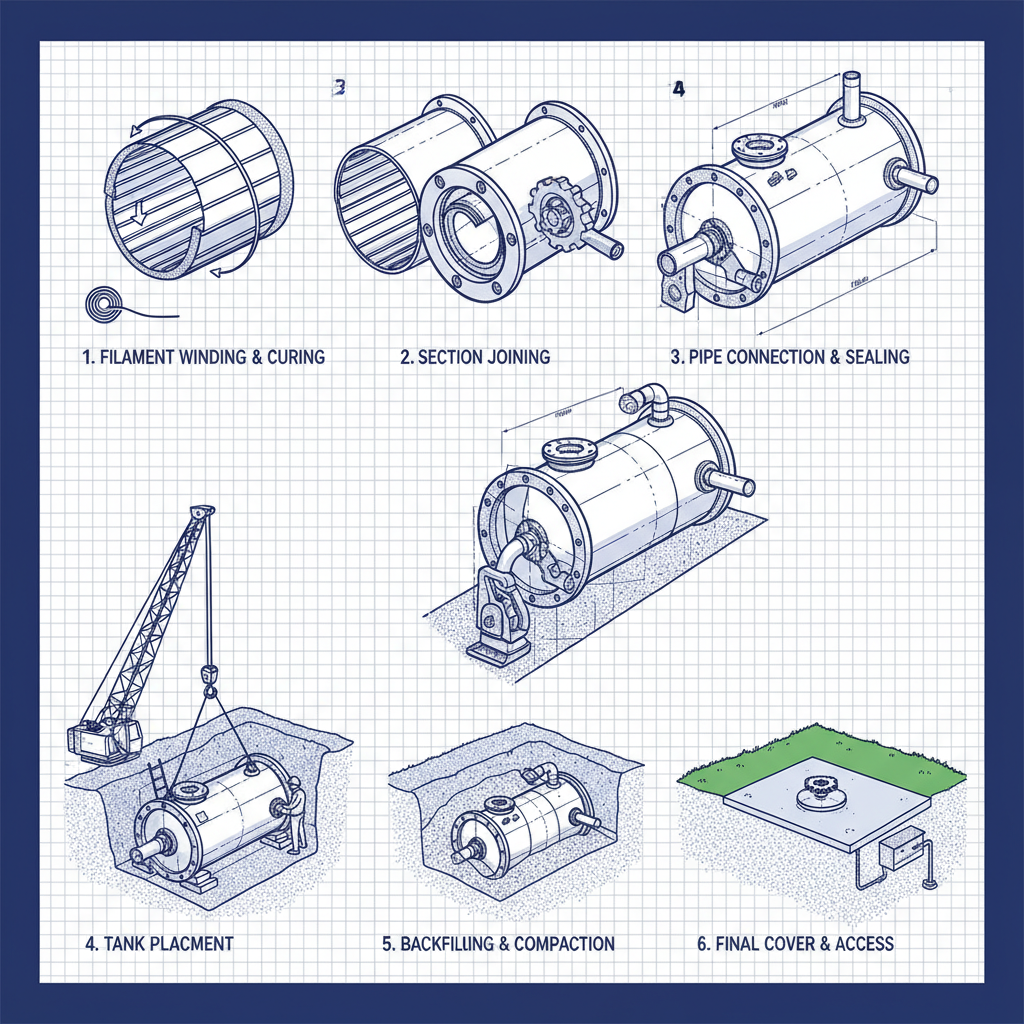
Fiberglass Reinforced Polymer (FRP) underground water tanks are becoming increasingly popular for a wide range of applications, from potable water storage to industrial wastewater containment. Their superior corrosion resistance, lightweight nature, and design flexibility make them an excellent alternative to traditional materials like concrete or steel. This article will delve into the benefits, applications, construction, and considerations for implementing FRP underground water tanks, providing a comprehensive overview for engineers, contractors, and project managers.
Comprehensive Guide to Frp Underground Water Storage Tanks and Their Applications
Apr 04,2026
Comprehensive Guide to Frp Underground Water Storage Tanks and Their Applications
When considering water storage solutions, particularly for industrial, agricultural, or municipal applications, frp underground water storage tanks stand out as a durable, cost-effective, and environmentally friendly option. These tanks are increasingly favored over traditional materials like concrete or steel due to their superior corrosion resistance, lighter weight, and ease of installation. This article delves into the benefits, applications, construction, and considerations when choosing an FRP tank, providing a detailed overview for potential buyers and project planners.
Sulfuric Acid Production Line - Hebei Aoliande|Efficient H2SO4 Plant Technology
Apr 01,2026
Sulfuric Acid Production Line - Hebei Aoliande|Efficient H2SO4 Plant Technology
Discover efficient H2SO4 plant technology and advanced sulfuric acid production solutions. Hebei Aoliande combines energy-saving furnace design and eco-friendly HCl recovery systems for sustainable industrial applications. Explore now: https://www.frpgrpmachine.com/sulfuric-acid-production-line-for-h2so4-plant.html
Sulfuric Acid Production Line - Hebei Aoliande|Efficient H2SO4 Plant Technology
Apr 01,2026
Sulfuric Acid Production Line - Hebei Aoliande|Efficient H2SO4 Plant Technology
Discover efficient H2SO4 plant technology and advanced sulfuric acid production solutions. Hebei Aoliande combines energy-saving furnace design and eco-friendly HCl recovery systems for sustainable industrial applications. Explore now: https://www.frpgrpmachine.com/sulfuric-acid-production-line-for-h2so4-plant.html
Sulfuric Acid Production Line - Hebei Aoliande|Efficient H2SO4 Plant Technology
Apr 01,2026
Sulfuric Acid Production Line - Hebei Aoliande|Efficient H2SO4 Plant Technology
Discover efficient H2SO4 plant technology and advanced sulfuric acid production solutions. Hebei Aoliande combines energy-saving furnace design and eco-friendly HCl recovery systems for sustainable industrial applications. Explore now: https://www.frpgrpmachine.com/sulfuric-acid-production-line-for-h2so4-plant.html
Sulfuric Acid Production Line - Hebei Aoliande|Efficient H2SO4 Plant Technology
Apr 01,2026
Sulfuric Acid Production Line - Hebei Aoliande|Efficient H2SO4 Plant Technology
Discover efficient H2SO4 plant technology and advanced sulfuric acid production solutions. Hebei Aoliande combines energy-saving furnace design and eco-friendly HCl recovery systems for sustainable industrial applications. Explore now: https://www.frpgrpmachine.com/sulfuric-acid-production-line-for-h2so4-plant.html
Sulfuric Acid Production Line - Hebei Aoliande|Efficient H2SO4 Plant Technology
Apr 01,2026
Sulfuric Acid Production Line - Hebei Aoliande|Efficient H2SO4 Plant Technology
Discover efficient H2SO4 plant technology and advanced sulfuric acid production solutions. Hebei Aoliande combines energy-saving furnace design and eco-friendly HCl recovery systems for sustainable industrial applications. Explore now: https://www.frpgrpmachine.com/sulfuric-acid-production-line-for-h2so4-plant.html
Sulfuric Acid Production Line - Hebei Aoliande|Efficient H2SO4 Plant Technology
Apr 01,2026
Sulfuric Acid Production Line - Hebei Aoliande|Efficient H2SO4 Plant Technology
Discover efficient H2SO4 plant technology and advanced sulfuric acid production solutions. Hebei Aoliande combines energy-saving furnace design and eco-friendly HCl recovery systems for sustainable industrial applications. Explore now: https://www.frpgrpmachine.com/sulfuric-acid-production-line-for-h2so4-plant.html
Comprehensive Guide to Frp Underground Storage Tanks for Reliable Storage Solutions
Mar 31,2026
Comprehensive Guide to Frp Underground Storage Tanks for Reliable Storage Solutions
Fiberglass Reinforced Polymer (FRP) underground storage tanks are becoming increasingly popular for a wide range of applications, from fuel storage to wastewater management. Their corrosion resistance, lightweight nature, and durability offer significant advantages over traditional materials like steel. This article will provide an in-depth look at FRP underground storage tanks, covering their benefits, applications, installation, and maintenance. Understanding these aspects is crucial for making informed decisions about long-term storage solutions.
Comprehensive Guide to Selecting the Ideal FRP Tank for Water Storage Solutions
Mar 28,2026
Comprehensive Guide to Selecting the Ideal FRP Tank for Water Storage Solutions
When it comes to reliable and durable water storage, FRP tanks for water are increasingly becoming the preferred solution for a wide range of applications. These tanks, constructed from Fiber Reinforced Polymer (FRP) materials, offer significant advantages over traditional storage options like steel or concrete. This article delves into the benefits, applications, and considerations when selecting an FRP tank for your water storage needs, providing a detailed overview for businesses and individuals alike.
Comprehensive Guide to Frp Tank and Vessel Applications and Manufacturing
Mar 26,2026
Comprehensive Guide to Frp Tank and Vessel Applications and Manufacturing
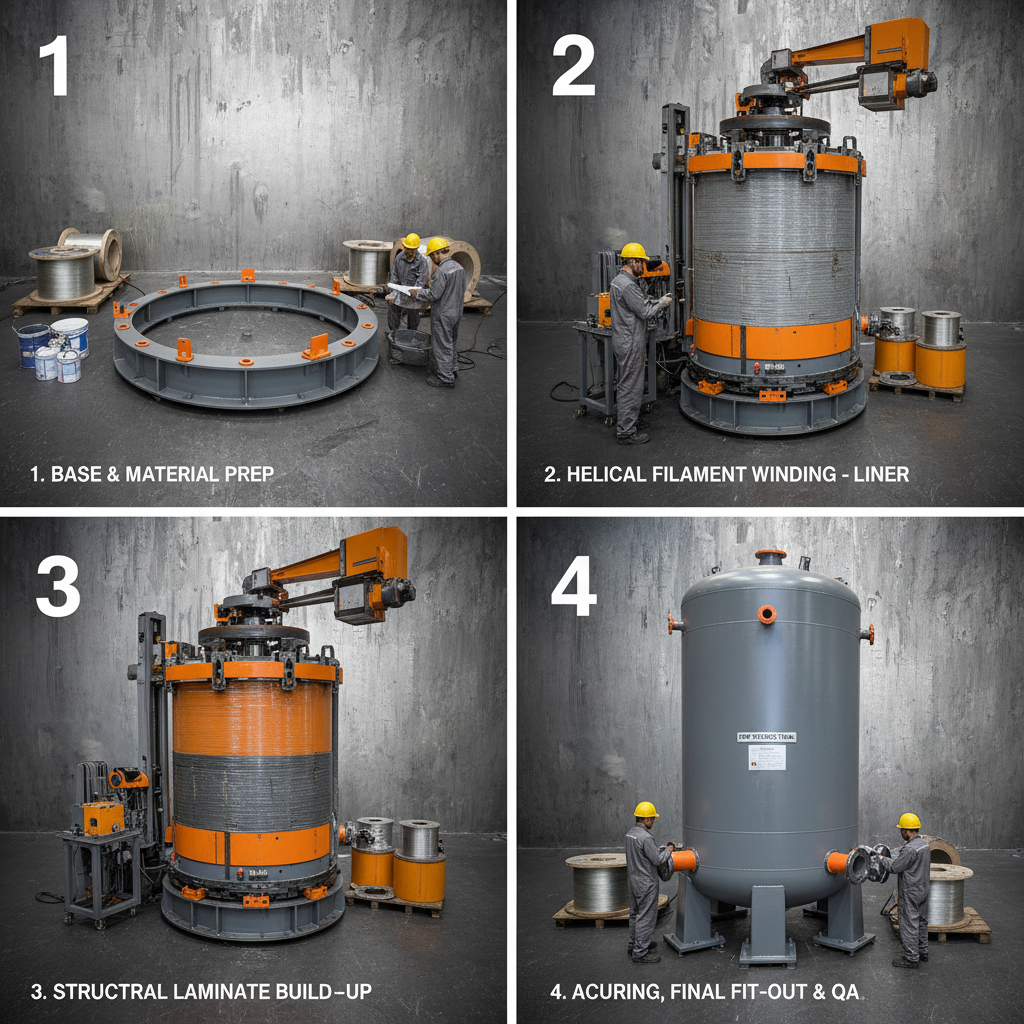
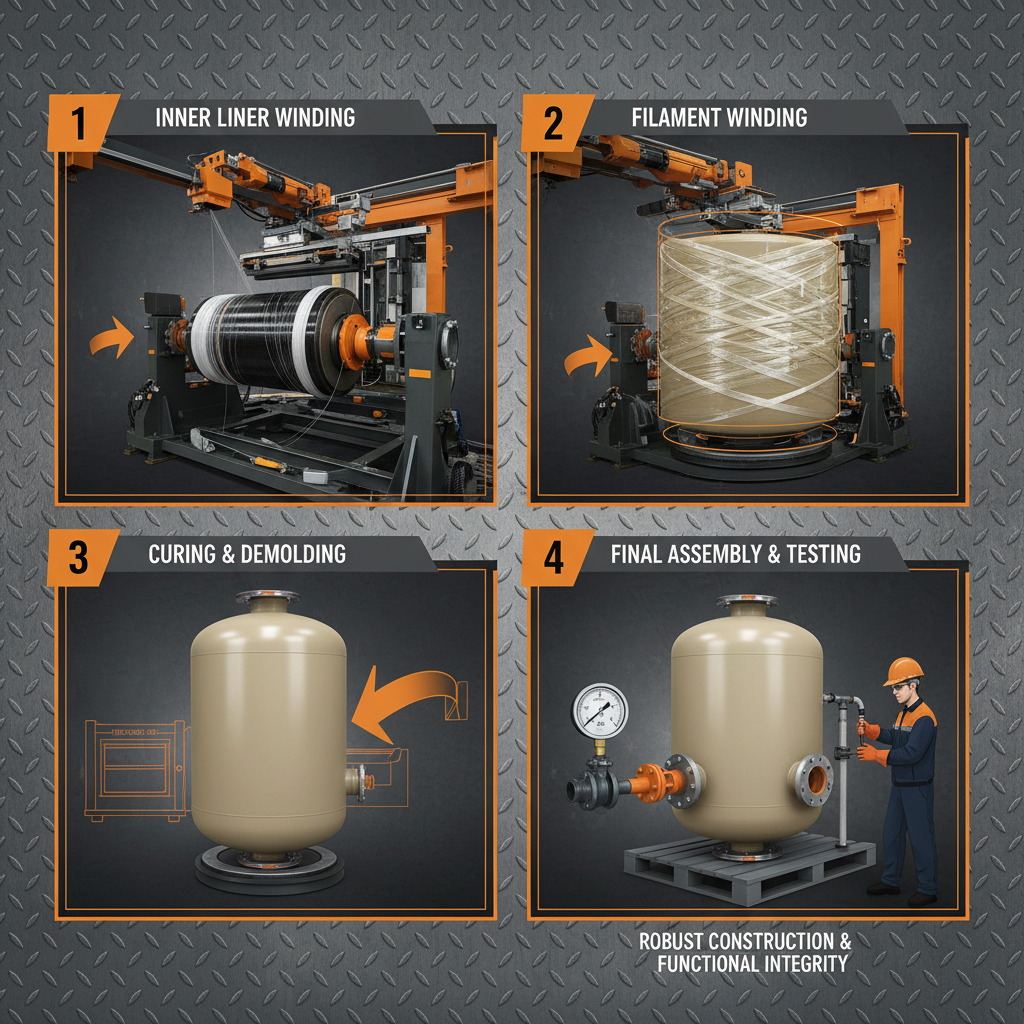
Fiber Reinforced Polymer (FRP) tanks and vessels are increasingly becoming the preferred choice for storage and processing across a multitude of industries. Their lightweight nature, corrosion resistance, and design flexibility offer significant advantages over traditional materials like steel. This article will delve into the intricacies of FRP tanks and vessels, exploring their applications, manufacturing processes, benefits, and considerations for selecting the right solution for your specific needs. We’ll also highlight why FRP tanks are a cost-effective and reliable long-term investment. FRP tanks and vessels are constructed from a combination of reinforcing fibers (such as fiberglass, carbon fiber, or aramid fiber) embedded in a polymer matrix (typically polyester, vinyl ester, or epoxy resin). This combination creates a composite material that boasts high strength-to-weight ratio, exceptional corrosion resistance, and the ability to be molded into complex shapes. They’re designed to safely contain a wide variety of liquids and gases, ranging from corrosive chemicals and water to food products and pharmaceuticals.
Optimizing Water Filtration with Durable FRP Sand Filter Vessels
Mar 24,2026
Optimizing Water Filtration with Durable FRP Sand Filter Vessels
In water treatment and filtration systems, the choice of filter vessel material is paramount. Fiber Reinforced Plastic (FRP), also known as Glass Reinforced Polymer (GRP), sand filter vessels are increasingly popular due to their superior corrosion resistance, lightweight nature, and cost-effectiveness. This article delves into the benefits, applications, design considerations, and factors to consider when selecting an FRP sand filter vessel. Whether you are involved in municipal water treatment, industrial wastewater management, or recreational water filtration, understanding FRP technology is essential for optimizing your filtration process. An FRP sand filter vessel is a containment unit designed to house filtration media, typically sand, gravel, and anthracite. These vessels are integral components in sand filtration systems used for removing suspended solids, turbidity, and other particulate matter from water. FRP construction involves layering glass fibers within a resin matrix (typically polyester or vinyl ester) to create a strong, durable, and chemically resistant shell. The strength and rigidity of the vessel are crucial for withstanding the pressure from the filtration media and the water flow.
Comprehensive Guide to FRP Round Tanks Applications and Benefits
Mar 21,2026
Comprehensive Guide to FRP Round Tanks Applications and Benefits
Fiber Reinforced Polymer (FRP) round tanks are increasingly becoming the preferred choice for storage solutions across a variety of industries. Their lightweight nature, corrosion resistance, and design flexibility offer significant advantages over traditional materials like steel. This article provides an in-depth look at FRP round tanks, exploring their applications, benefits, manufacturing processes, and key considerations when choosing the right tank for your needs. Whether you're in chemical processing, water treatment, or agriculture, understanding FRP round tanks is crucial for optimizing your storage infrastructure. FRP round tanks are constructed from a combination of reinforcing fibers (typically fiberglass, carbon fiber, or a blend) embedded in a polymer matrix (often polyester, vinyl ester, or epoxy resin). The round shape inherently provides excellent structural strength, distributing pressure evenly across the tank’s surface.
Comprehensive Guide to FRP Pressure Tanks Benefits and Applications
Mar 19,2026
Comprehensive Guide to FRP Pressure Tanks Benefits and Applications
Fiber Reinforced Polymer (FRP) pressure tanks are becoming increasingly popular in a wide range of industrial applications, offering a compelling alternative to traditional steel tanks. Known for their lightweight nature, corrosion resistance, and high strength-to-weight ratio, FRP tanks provide efficient and durable solutions for storing liquids and gases under pressure. This article will delve into the benefits, applications, construction, and key considerations when selecting an FRP pressure tank, helping you make an informed decision for your specific needs. Understanding the advantages of FRP technology can lead to significant cost savings and improved operational efficiency. Compared to steel, FRP pressure tanks offer several key advantages. The most significant is their superior corrosion resistance. Unlike steel, which is susceptible to rust and corrosion when exposed to various chemicals, FRP materials are inherently resistant to a wide range of corrosive substances. This translates to a longer lifespan, reduced maintenance costs, and increased safety. Furthermore, FRP is significantly lighter than steel, making installation easier and reducing transportation costs.
For More Details Pls Contact Us
Thank you for your interest in our gloves! We offer high-quality, durable, and comfortable gloves with fast delivery and competitive prices. For any questions or customization, feel free to contact us. We look forward to working with you!

If you are interested in our products, you can choose to leave your information here, and we will be in touch with you shortly.