Comprehensive Guide to FRP Tanks for Water Treatment and Their Applications
Understanding FRP Tanks for Water Treatment
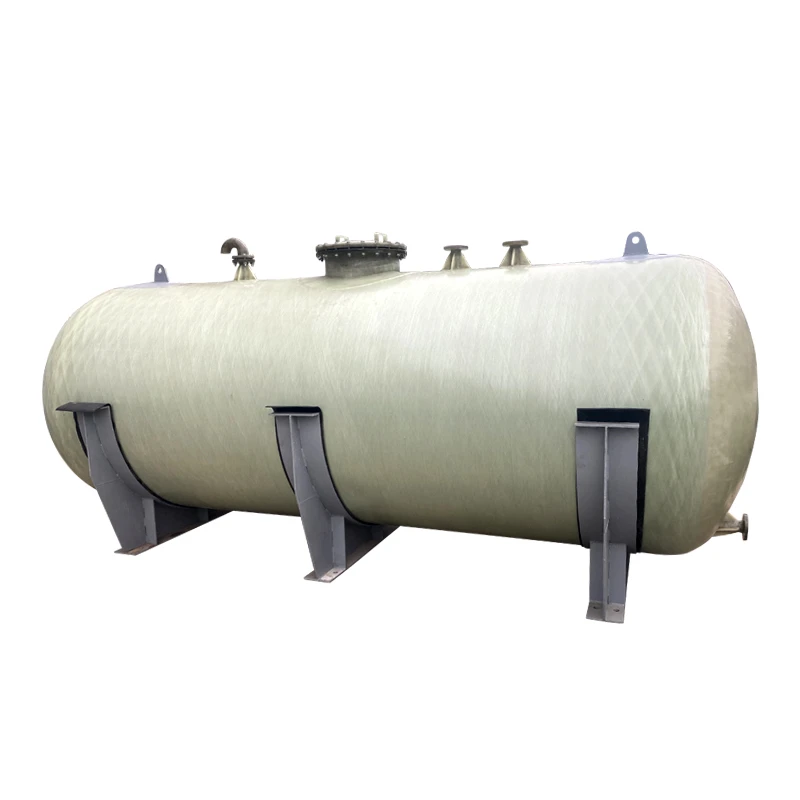
In the realm of water treatment, ensuring water quality and storage efficiency is paramount. FRP (Fiber Reinforced Polymer) tanks have emerged as a leading solution for various water treatment applications. These tanks offer a compelling blend of durability, corrosion resistance, and cost-effectiveness. This article will delve into the benefits, applications, types, and considerations when choosing an FRP tank for water treatment, providing a comprehensive overview for engineers, facility managers, and anyone involved in water treatment processes. Choosing the right tank is crucial for long-term performance and minimal maintenance.
Why Choose FRP Tanks for Water Treatment?
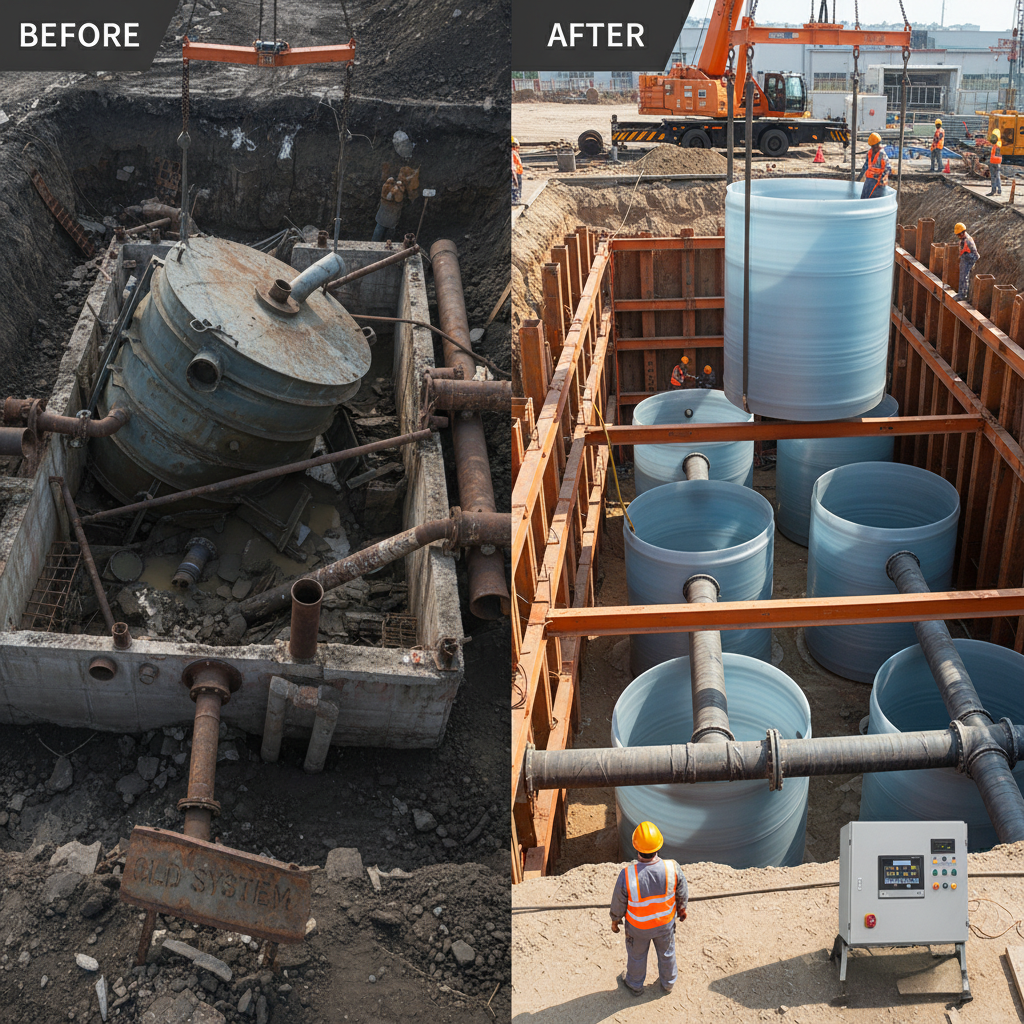
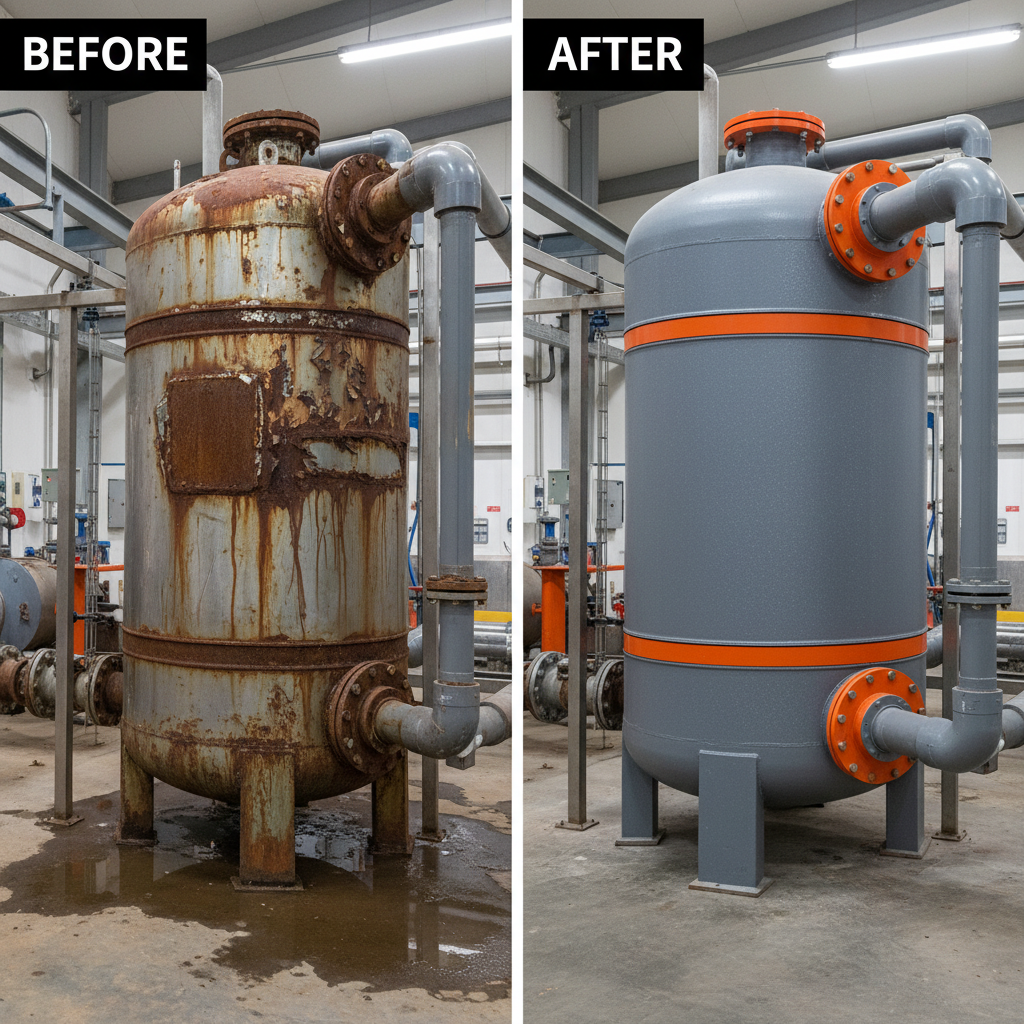
Compared to traditional tank materials like steel or concrete, FRP tanks offer significant advantages. Their lightweight nature simplifies installation and reduces transportation costs. Crucially, FRP is highly resistant to corrosion, even in aggressive chemical environments. This translates to a longer lifespan and lower maintenance requirements. Furthermore, FRP tanks are non-conductive, eliminating the risk of stray electrical currents impacting water quality. They can also be custom-fabricated to meet specific size and shape requirements, offering flexibility in design and installation. Investing in an FRP tank is a strategic long-term decision for any water treatment facility.
Key Benefits: Lightweight, corrosion-resistant, long lifespan, low maintenance, non-conductive, customizable.
Common Applications of FRP Tanks in Water Treatment
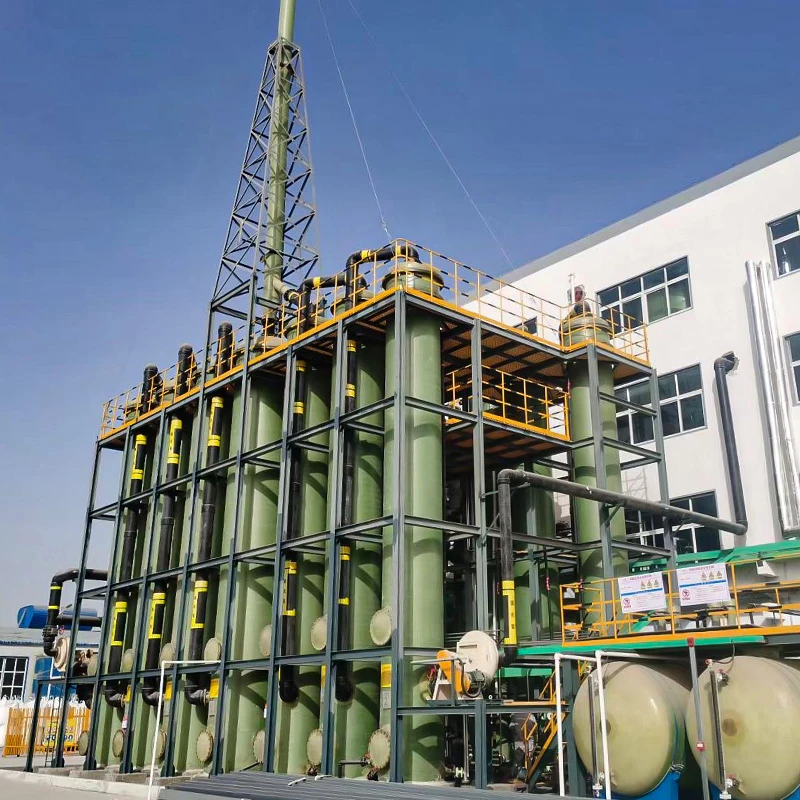
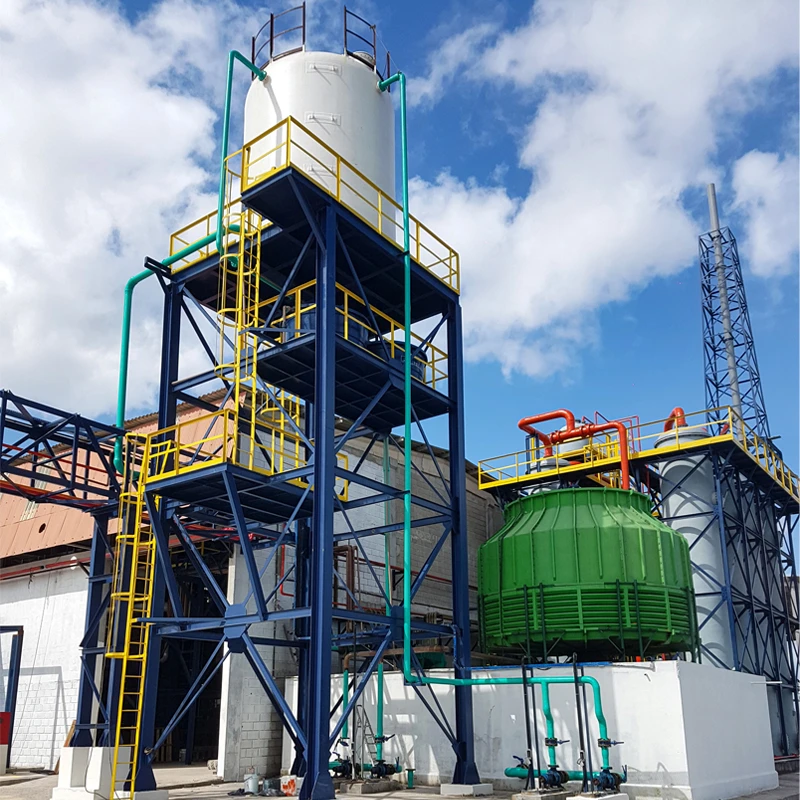
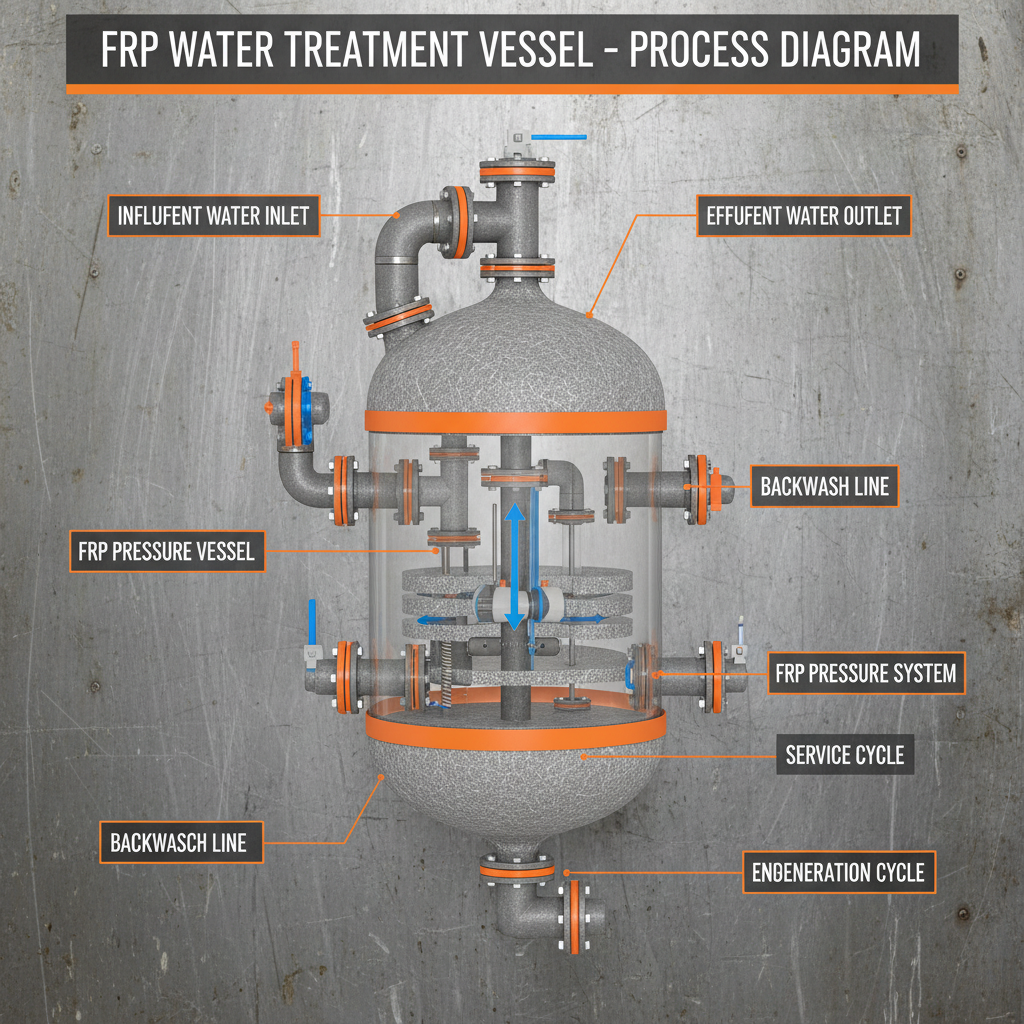
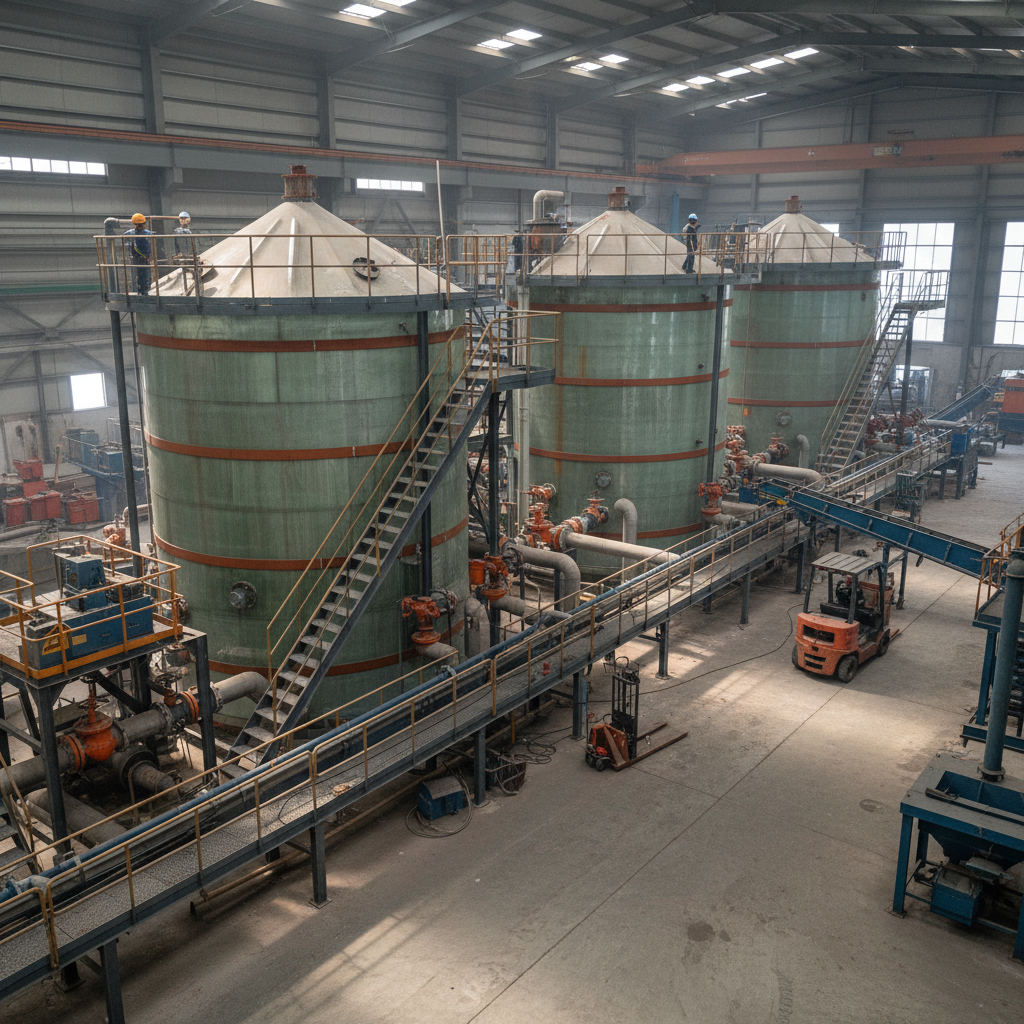
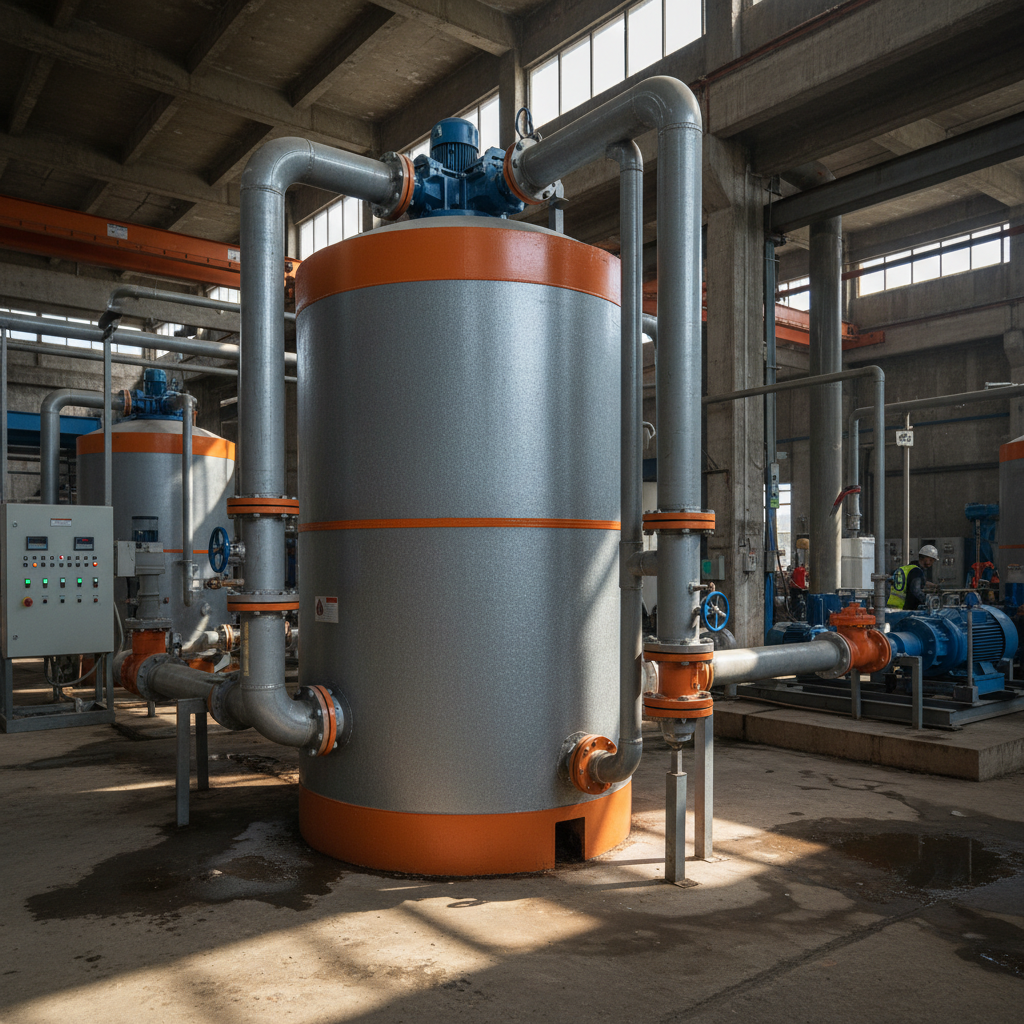
FRP tanks are versatile and suitable for a wide array of water treatment processes. These include water storage, chemical storage (acids, bases, chlorine), demineralization, pH adjustment, and wastewater treatment. Specifically, they are often used for storing treated water before distribution, holding chemicals used in disinfection, and containing process water during various stages of treatment. Their resistance to a broad range of chemicals makes them ideal for handling aggressive substances commonly used in water purification. The adaptability of FRP tanks ensures suitability for both municipal and industrial water treatment facilities.
Application Areas:
• Water Storage
• Chemical Storage
• Demineralization
• Wastewater Treatment
FRP Tank for Water Treatment: Types & Materials
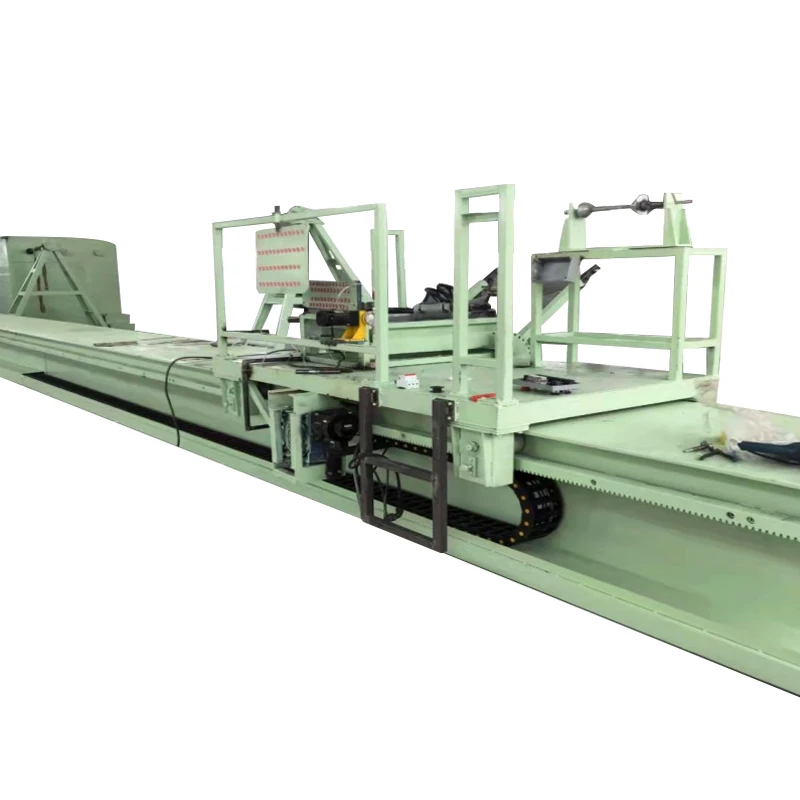
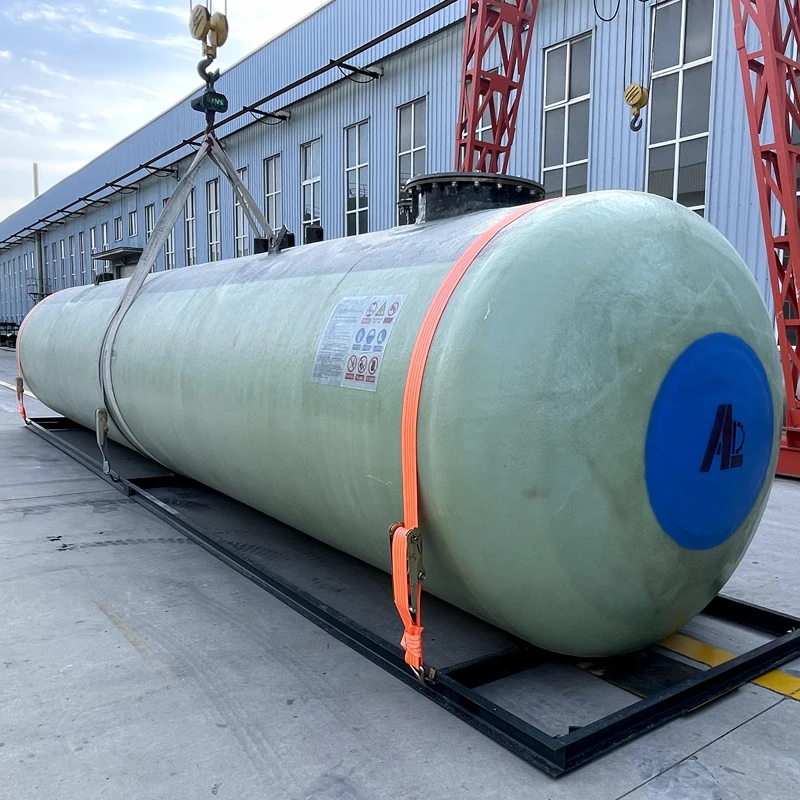
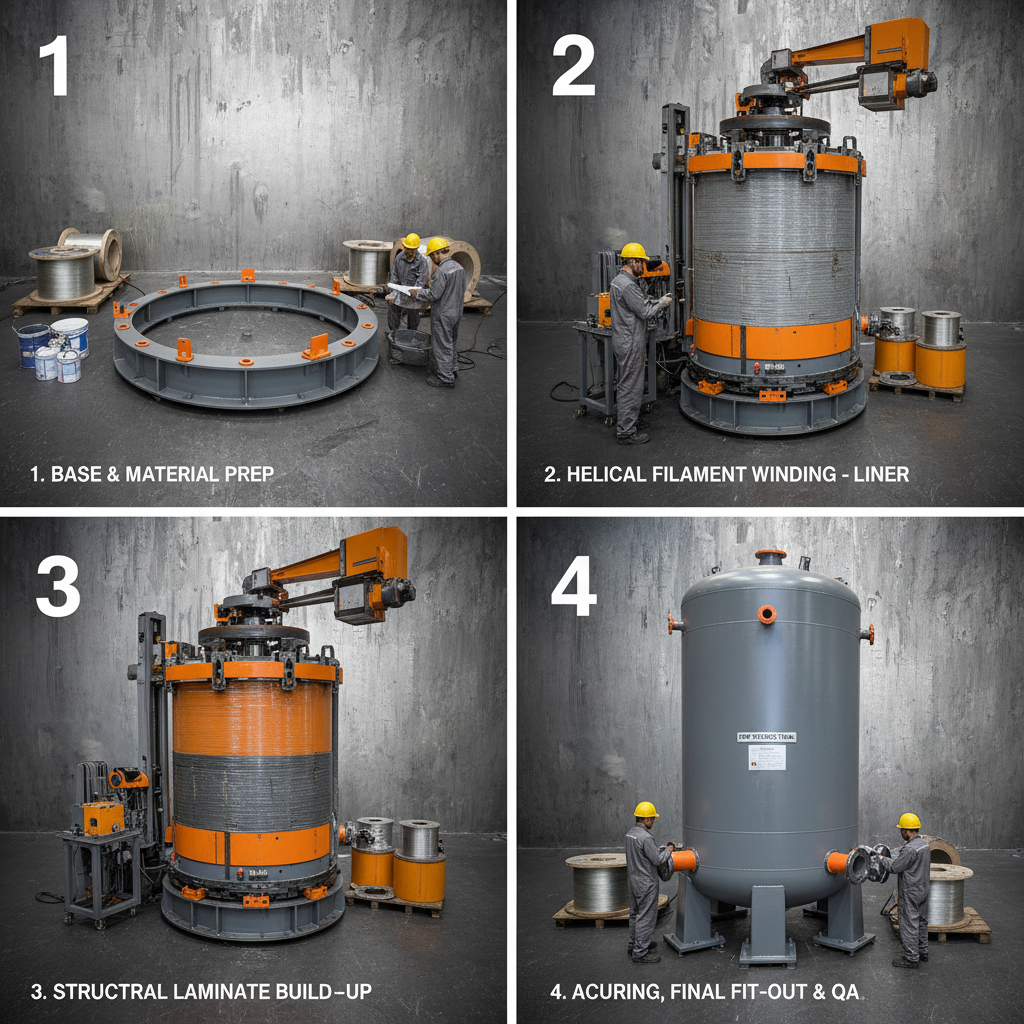
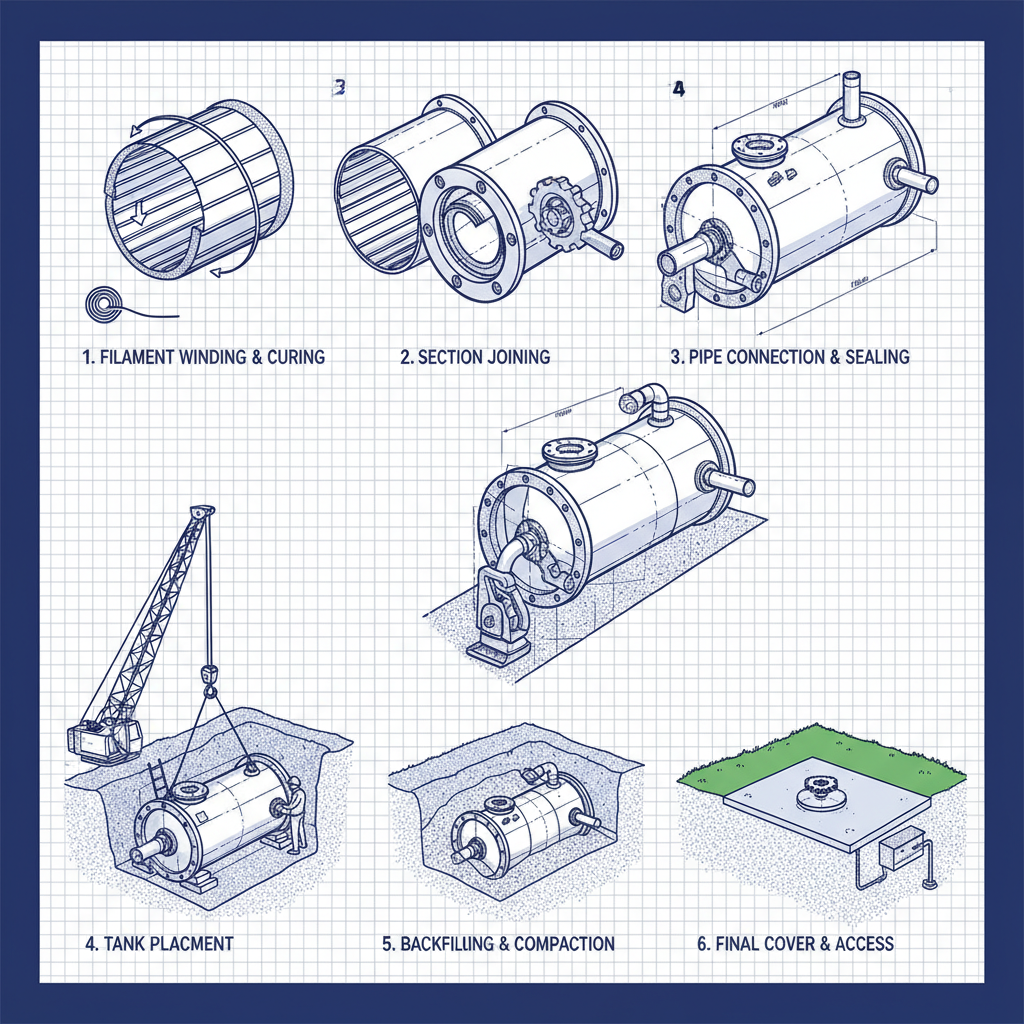
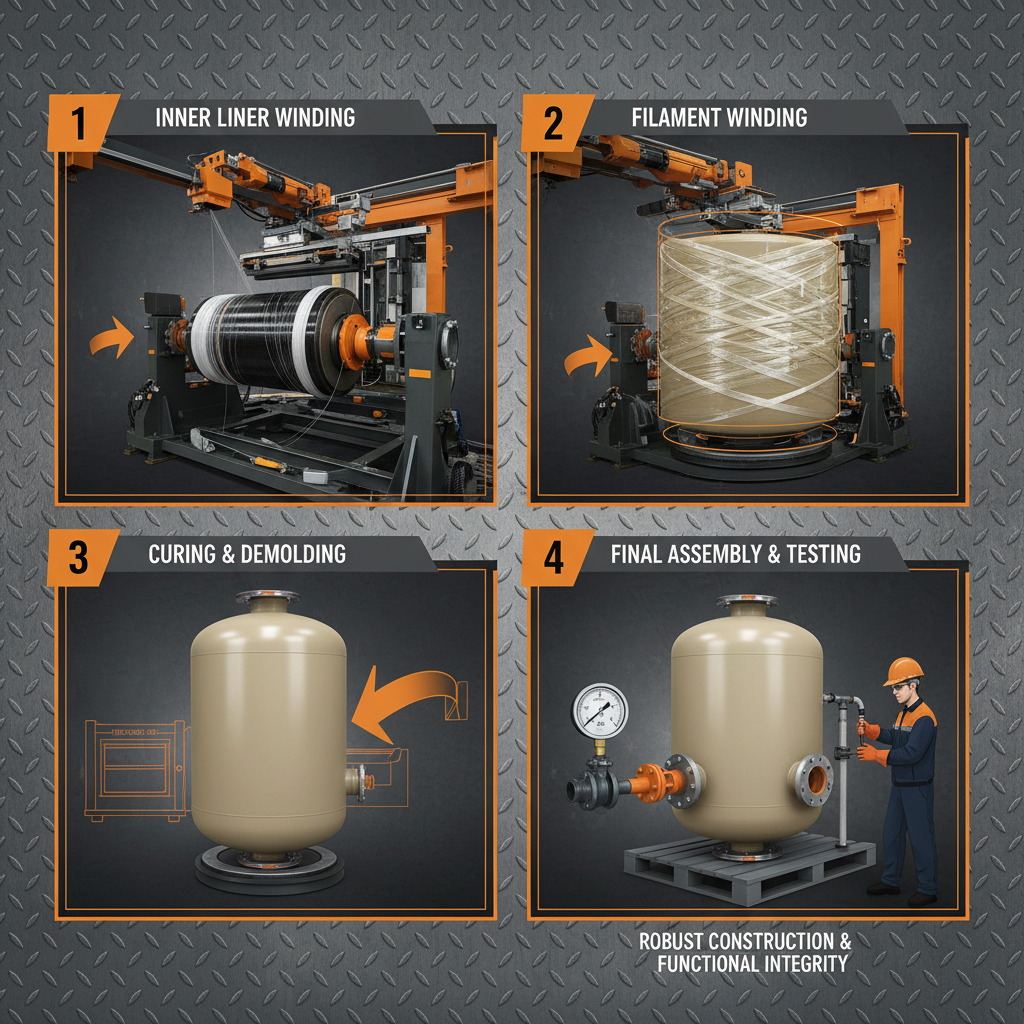
Several types of FRP tanks are available, each tailored to specific application requirements. These include filament winding tanks, hand lay-up tanks, and spray-up tanks. Filament winding is a common process for creating cylindrical tanks, offering high strength and efficiency. The materials used in FRP tank construction typically consist of a polymer matrix (such as polyester, vinyl ester, or epoxy resin) reinforced with glass fibers, carbon fibers, or a combination thereof. The choice of resin and reinforcement material depends on the specific chemical resistance and structural requirements of the application. Contact our experts for guidance on selecting the optimal material for your needs.
Key Considerations When Selecting an FRP Tank
Choosing the right FRP tank requires careful consideration of several factors. These include the specific chemicals to be stored, the operating temperature and pressure, the required tank volume, and any relevant regulatory requirements. It’s essential to verify the tank's compatibility with the stored chemicals to prevent corrosion or material degradation. Proper sizing is critical to avoid overfilling or underutilization. Furthermore, ensuring compliance with local and national standards is crucial for safe and reliable operation. Consulting with an experienced FRP tank manufacturer is highly recommended.
Ensuring Longevity: Maintenance and Inspection
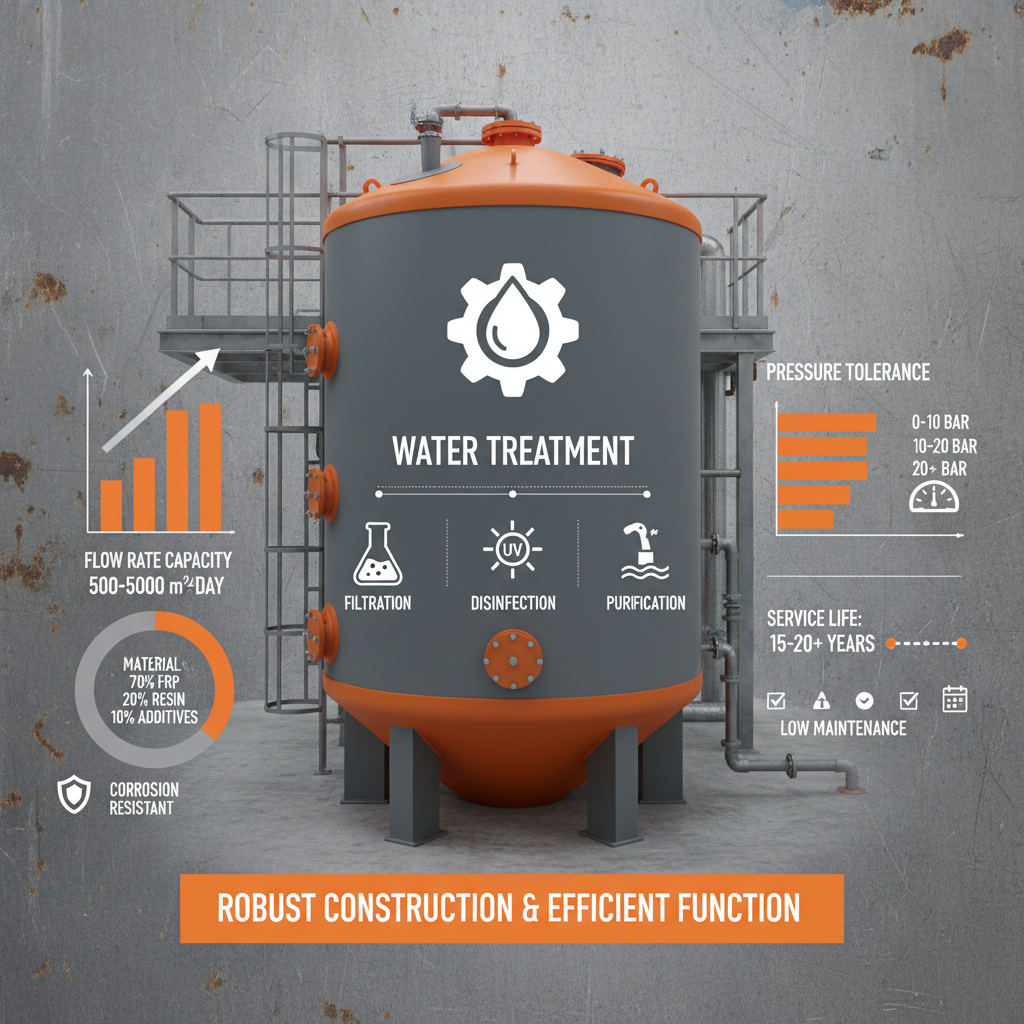
While FRP tanks are known for their durability, regular maintenance and inspection are essential for maximizing their lifespan. This includes visual inspections for cracks, leaks, or signs of degradation. Periodic cleaning to remove sediment buildup is also recommended. It's crucial to follow the manufacturer's guidelines for cleaning procedures and avoid using abrasive materials that could damage the tank's surface. Promptly addressing any identified issues can prevent minor problems from escalating into major repairs. Contact us for comprehensive maintenance advice and support.
Conclusion: A Reliable Solution for Water Treatment
Investing in a high-quality FRP tank is a strategic decision for any water treatment facility. Their durability, corrosion resistance, and versatility make them a cost-effective and reliable solution for a wide range of applications. By carefully considering your specific needs and choosing the right tank type and materials, you can ensure long-term performance and minimize maintenance costs. Explore our range of FRP tanks and contact us today for expert guidance.
Frequently Asked Questions (FAQs)
What is the typical lifespan of an FRP tank used in water treatment?
The lifespan of an FRP tank typically ranges from 20 to 50 years, depending on the quality of materials, manufacturing processes, and the specific application. Regular inspection and maintenance play a crucial role in maximizing lifespan. Factors such as exposure to UV radiation, extreme temperatures, and aggressive chemicals can influence the tank’s longevity. Choosing a tank manufactured with high-quality resins and reinforcements, along with implementing a proactive maintenance plan, will contribute to a longer service life.
How do FRP tanks handle extreme temperatures?
FRP tanks exhibit good thermal resistance, but their performance is influenced by the type of resin used. Polyester resins typically handle temperatures up to 60°C (140°F), while vinyl ester resins can withstand temperatures up to 90°C (194°F). Epoxy resins offer the highest temperature resistance, up to 120°C (248°F) or higher. It is important to select a resin that is appropriate for the operating temperature of the application. Furthermore, thermal expansion and contraction should be considered during installation to avoid stress on the tank structure.
Are FRP tanks resistant to UV radiation?
While FRP tanks generally offer good resistance to many chemicals, prolonged exposure to UV radiation can degrade the resin matrix, leading to reduced strength and lifespan. To mitigate this, UV inhibitors are often added to the resin during manufacturing. Alternatively, the tank can be coated with a UV-resistant coating or shielded from direct sunlight. Regular inspection for signs of UV degradation, such as fading or chalking, is recommended.
What are the advantages of filament winding over other FRP tank manufacturing methods?
Filament winding offers several advantages, including high strength-to-weight ratio, consistent wall thickness, and efficient use of materials. This process allows for the creation of cylindrical tanks with excellent structural integrity and resistance to pressure. It is particularly well-suited for large-volume tanks used in water storage and chemical containment. While hand lay-up and spray-up methods are more versatile for complex shapes, filament winding excels in producing robust and reliable cylindrical tanks.