Comprehensive Guide to FRP Water Storage Tank Solutions and Applications
Understanding FRP Water Storage Tanks
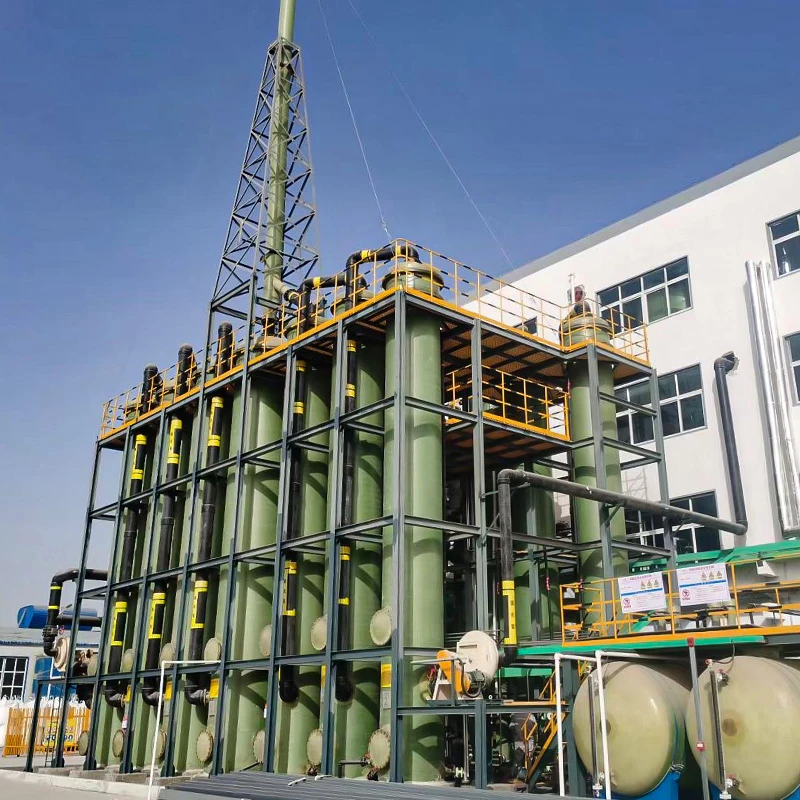
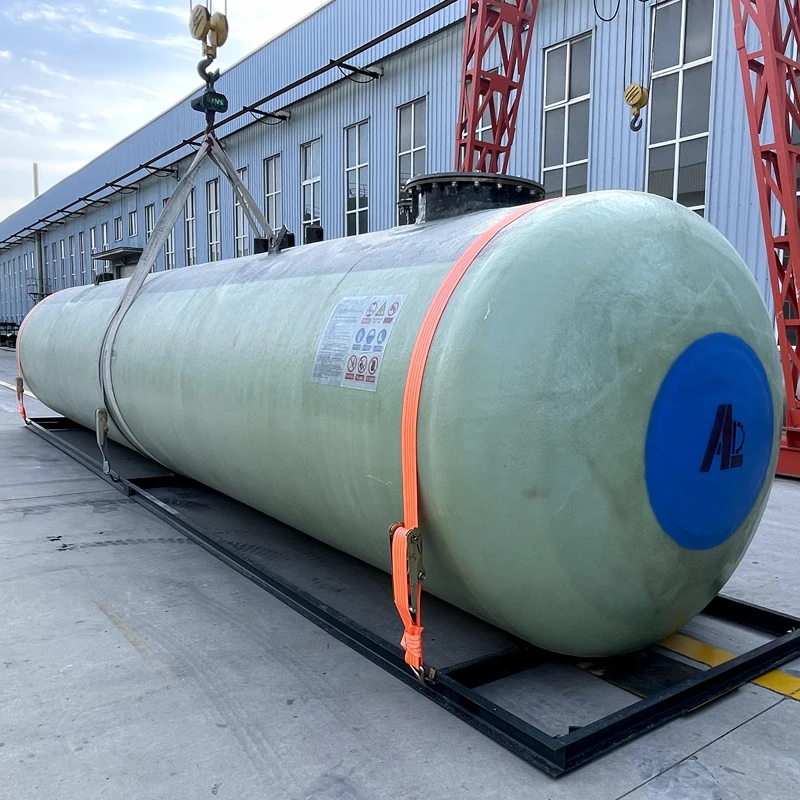
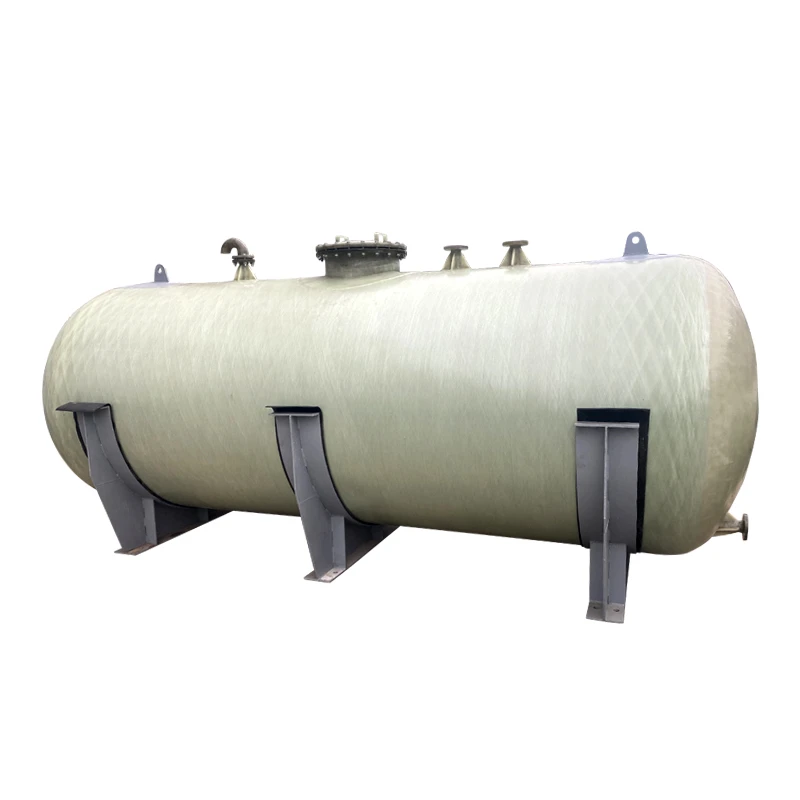
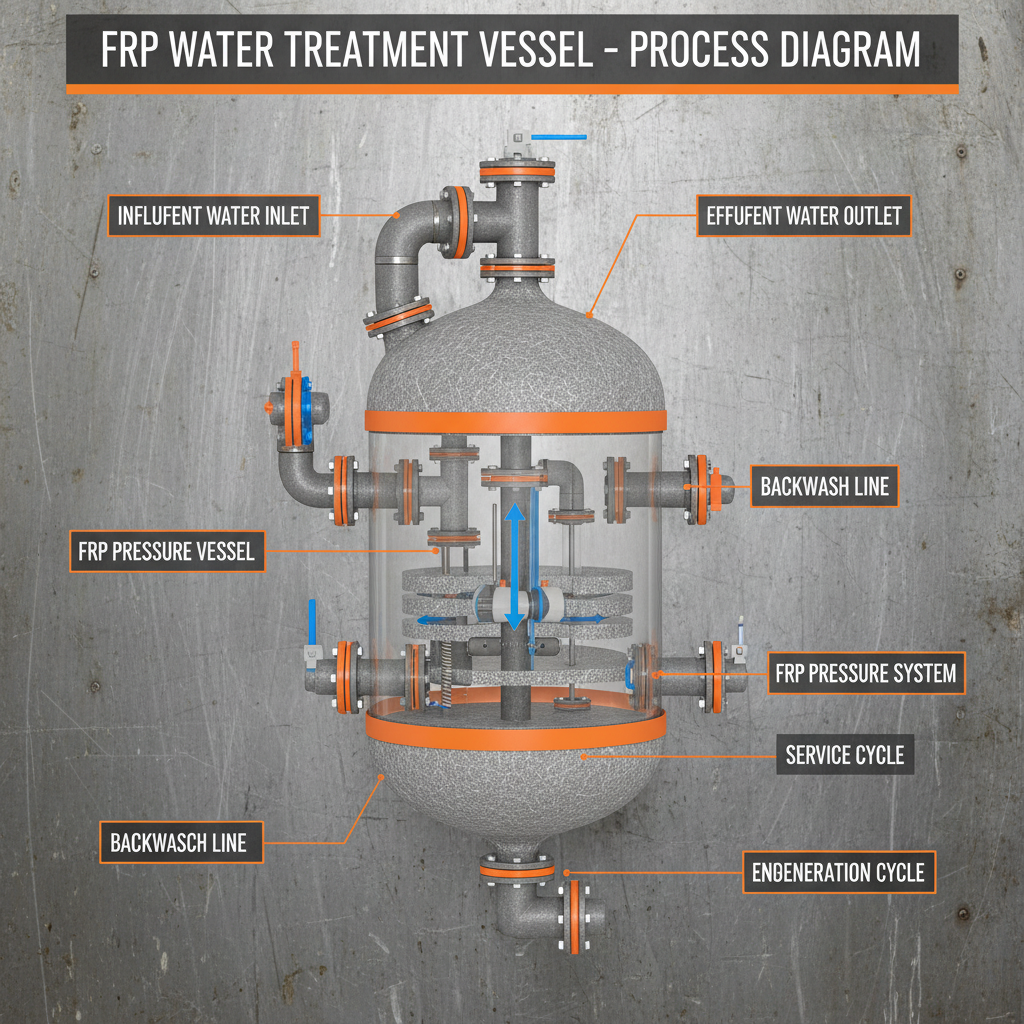
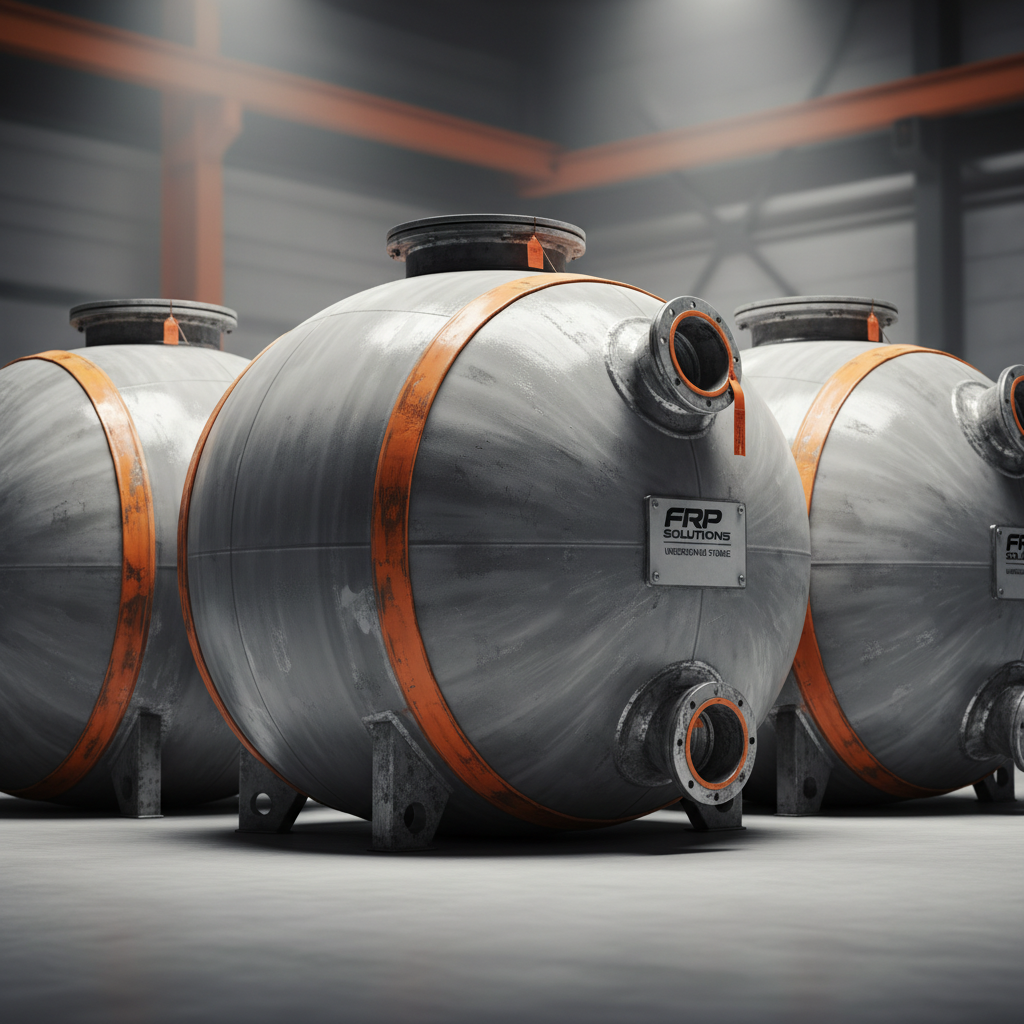
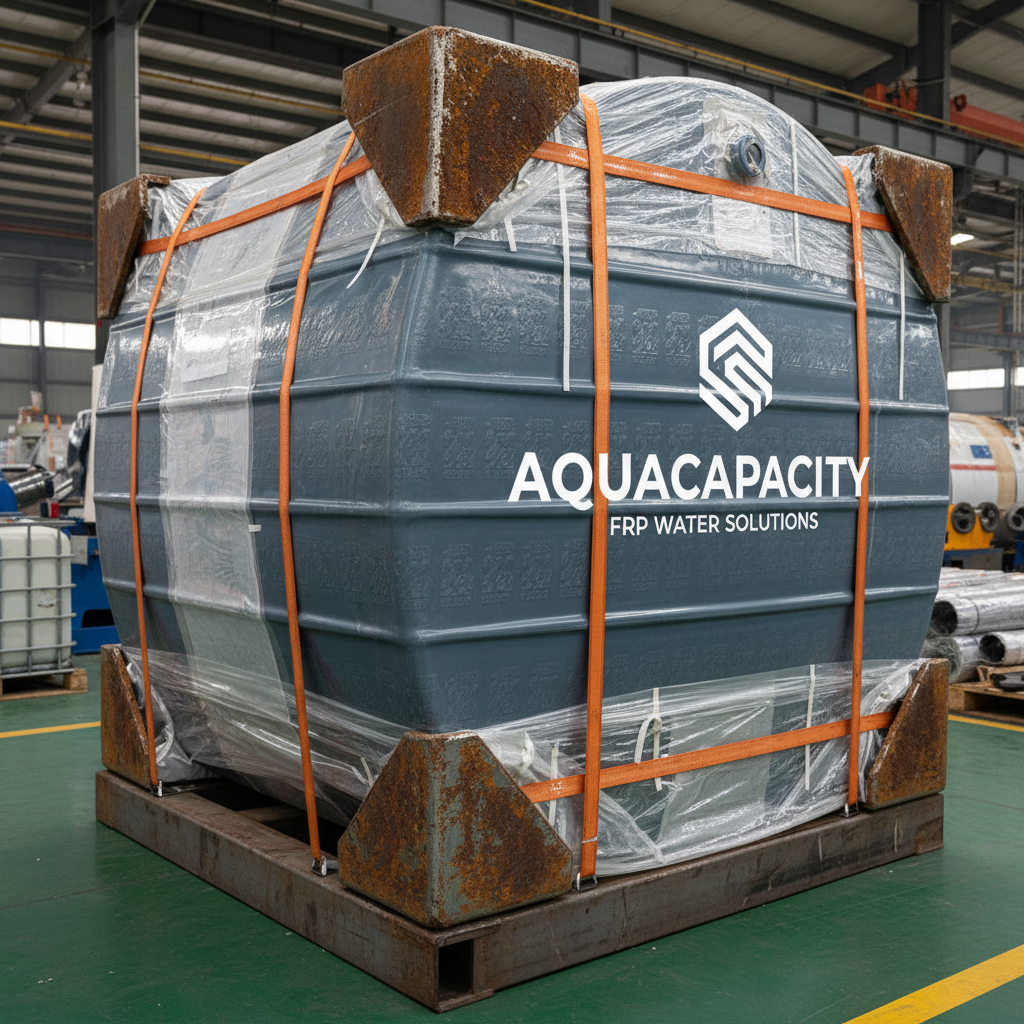
Fiber Reinforced Polymer (FRP) water storage tanks are increasingly becoming the preferred choice for a wide range of applications, from potable water storage to industrial chemical containment. Their lightweight nature, corrosion resistance, and durability offer significant advantages over traditional materials like steel and concrete. This article will explore the benefits, applications, and key considerations when choosing an FRP water storage tank, providing insights for engineers, project managers, and anyone involved in water management. Selecting the right tank is critical for ensuring long-term reliability and water quality.
Key Benefits of FRP Water Storage Tanks
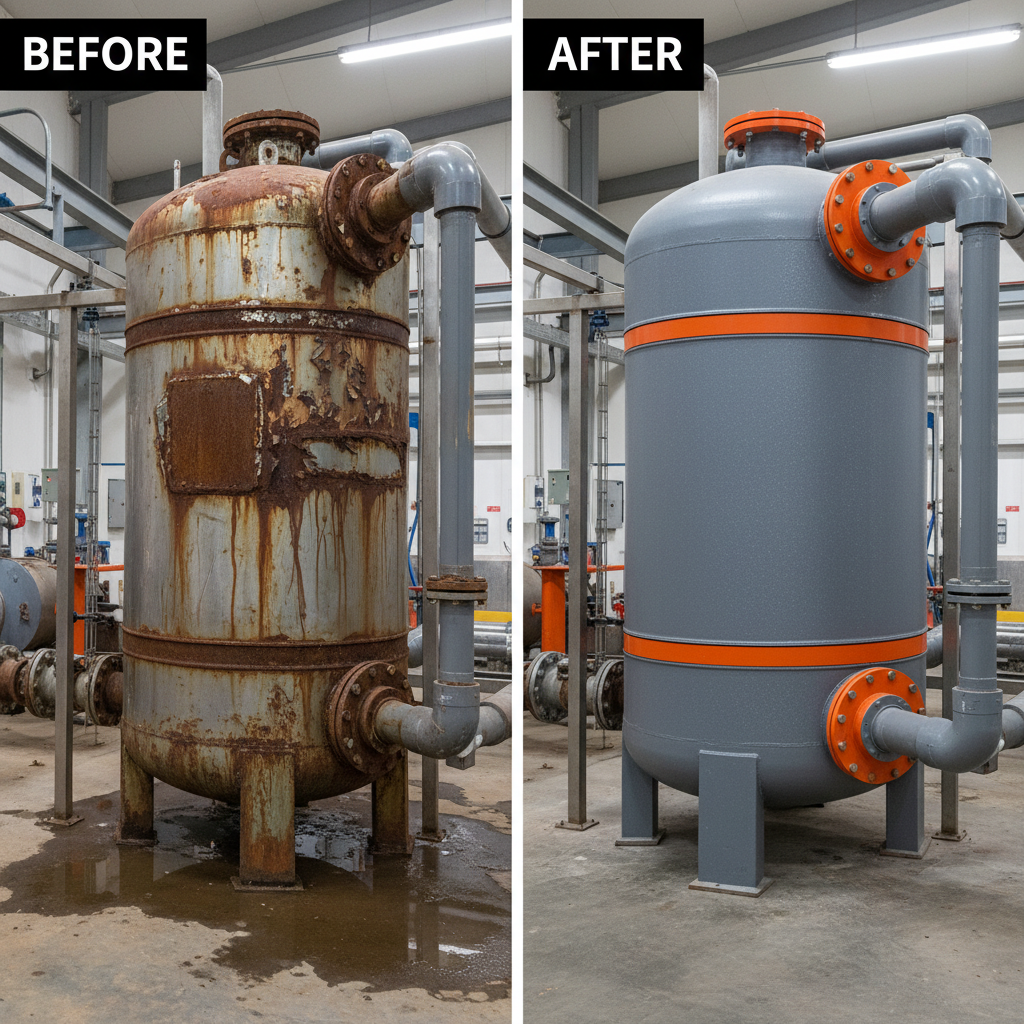
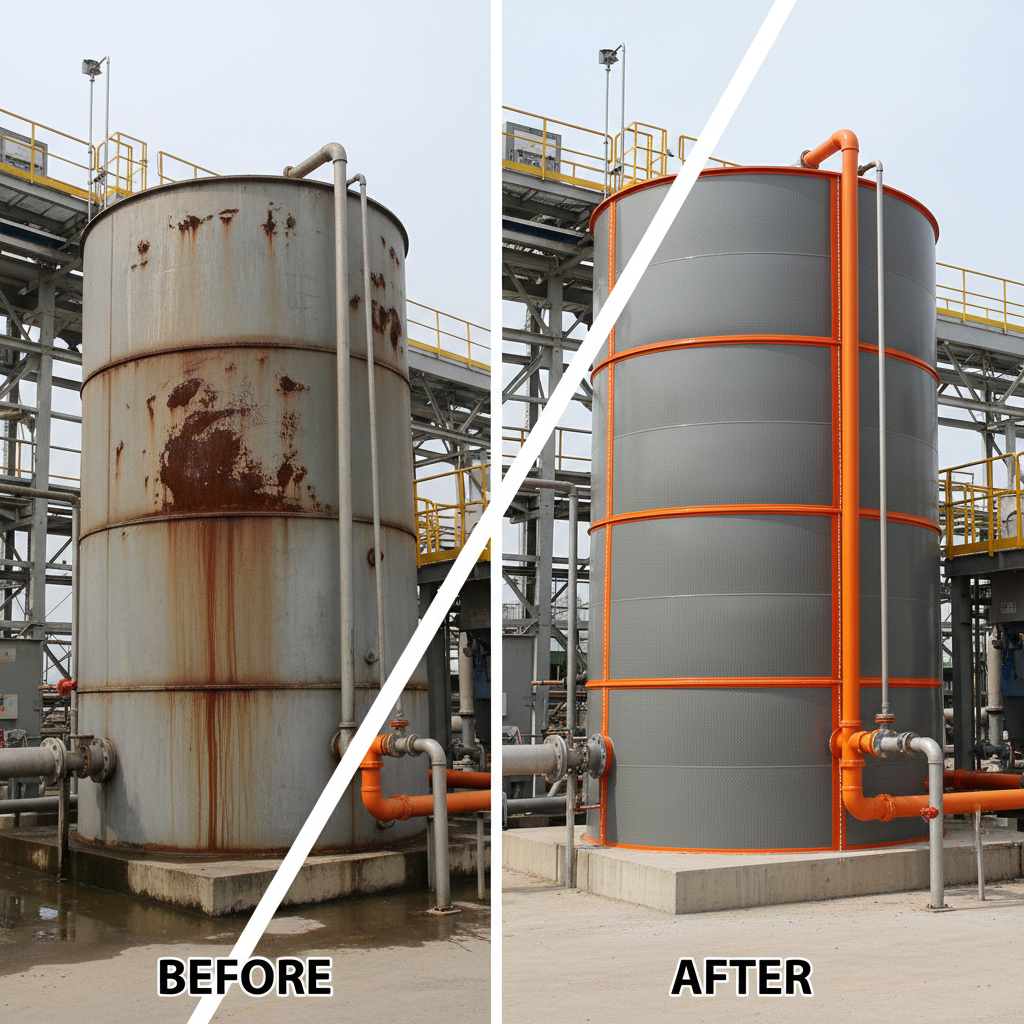
FRP tanks offer a compelling set of advantages. Their corrosion resistance is paramount, eliminating the need for costly linings and repairs often required with steel tanks. The lightweight nature of FRP significantly reduces installation costs, as less heavy machinery is needed. Furthermore, FRP is a highly versatile material, allowing for customized tank designs to meet specific project requirements. This includes varying shapes, sizes, and fitting configurations. Unlike concrete tanks, FRP doesn’t suffer from porosity, preventing leakage and maintaining water purity. The design flexibility offered by FRP tank manufacturers caters to diverse needs efficiently.
Key Highlights: Corrosion resistance, lightweight construction, design flexibility, and long-term durability.
Common Applications of FRP Water Storage Tanks
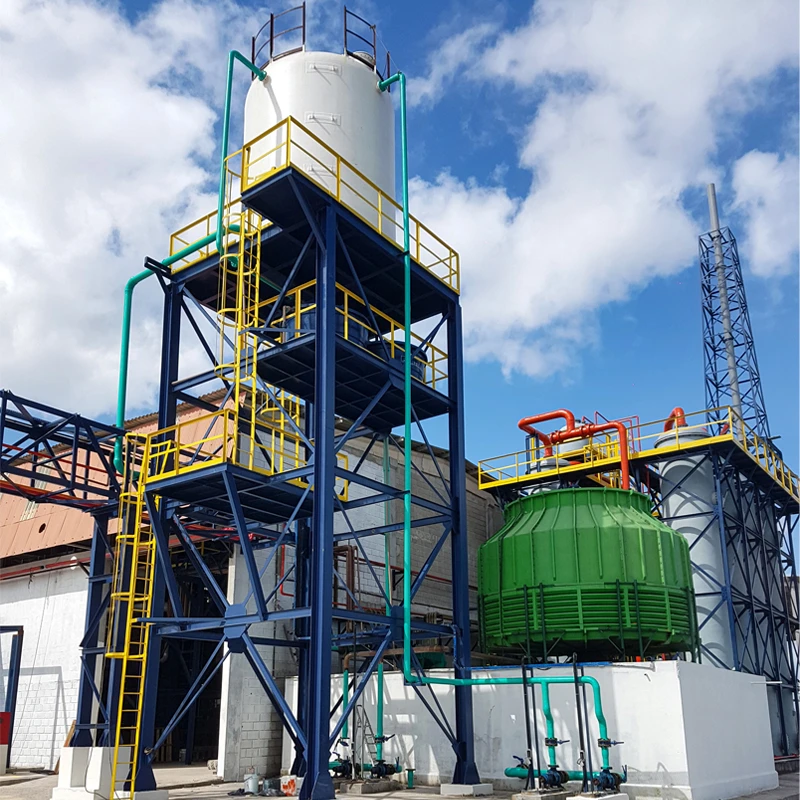
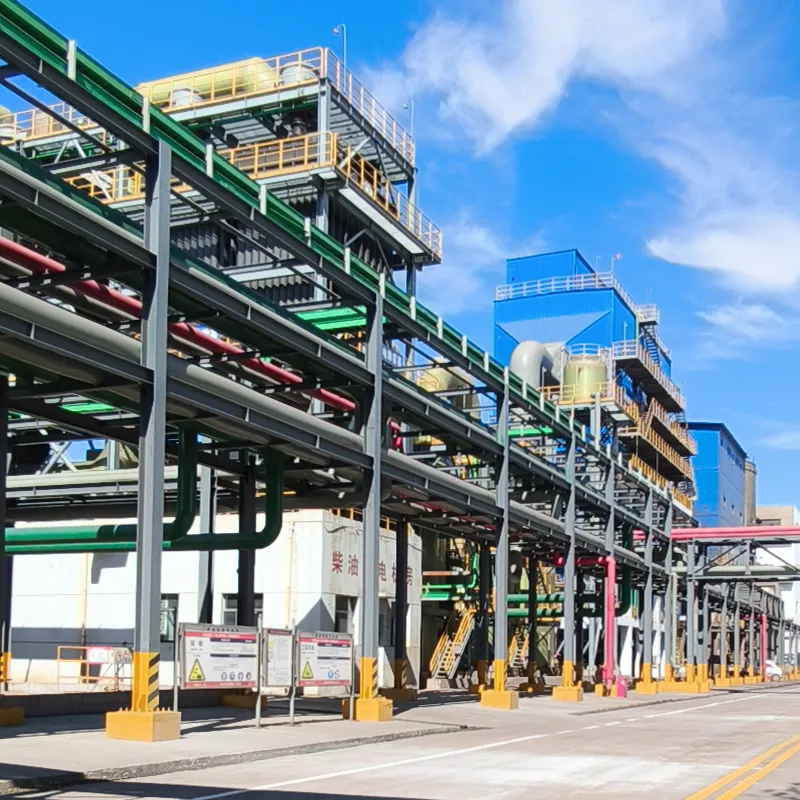
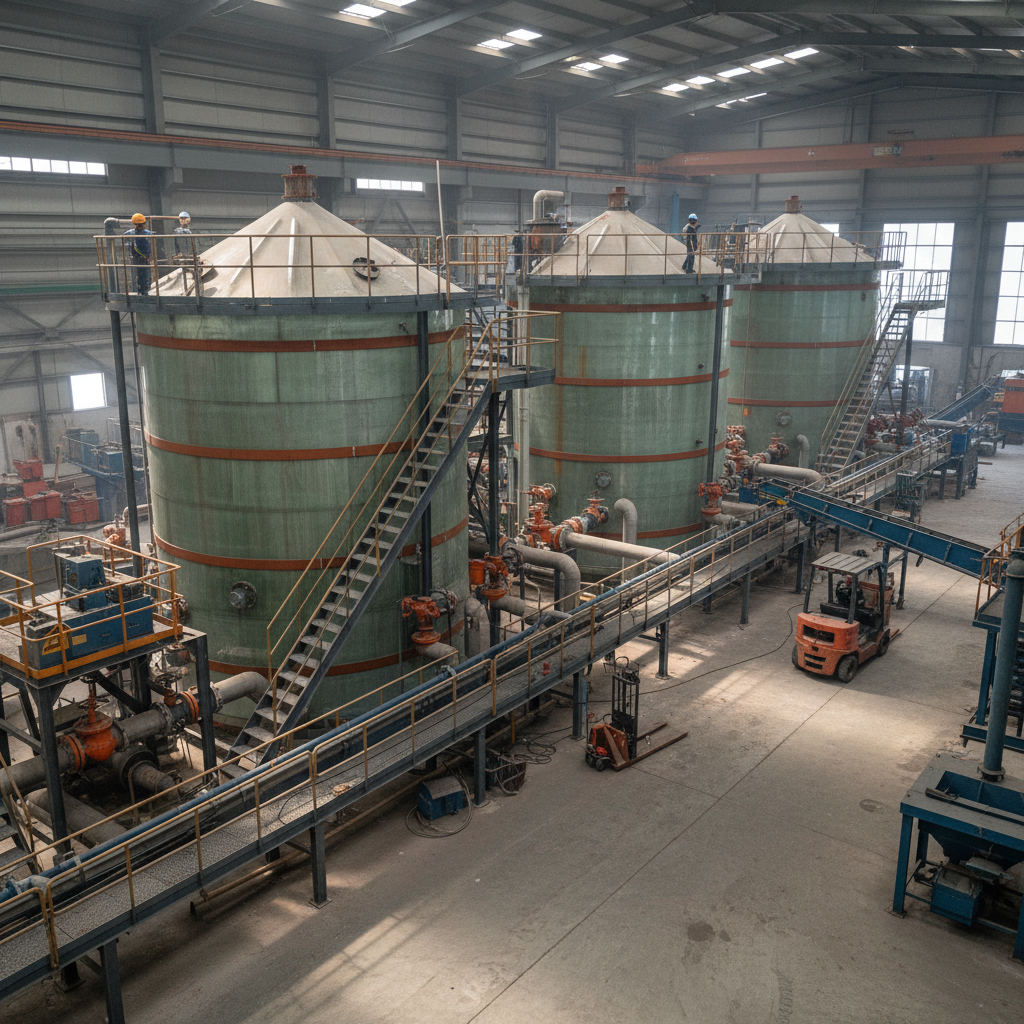
The versatility of FRP tanks makes them suitable for a broad spectrum of applications. Potable water storage for municipalities is a primary use, ensuring safe and clean drinking water. Industrial applications include storing process water, wastewater, and various chemicals. Agricultural operations utilize FRP tanks for irrigation water and fertilizer storage. Fire suppression systems also benefit from the reliable and durable nature of FRP tanks. Their suitability extends to rainwater harvesting systems, offering a sustainable water source.
Common Applications:
• Potable Water Storage
• Industrial Water and Chemical Storage
• Agricultural Irrigation & Fertilizer
• Fire Suppression Systems
FRP Water Storage Tank vs. Traditional Materials
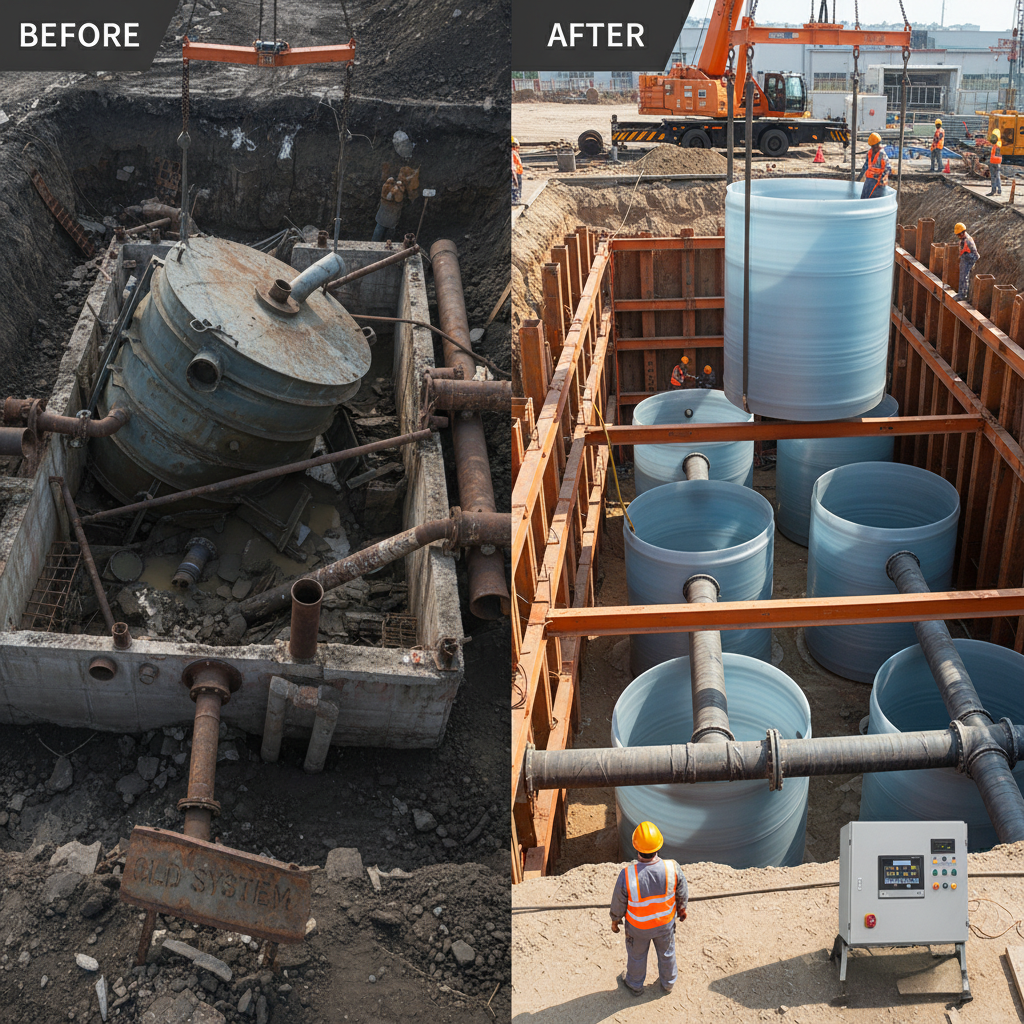
Compared to steel and concrete, FRP offers distinct advantages. Steel tanks are prone to corrosion, requiring regular maintenance and expensive linings. Concrete tanks can be porous, leading to leakage and contamination. FRP tanks, on the other hand, require minimal maintenance and provide a watertight seal. The lighter weight of FRP reduces transportation and installation costs. The initial investment might be slightly higher for FRP, but the long-term cost savings due to reduced maintenance and extended lifespan make it a more economical choice. Choosing the right material depends on specific application needs and budget considerations, but the benefits of FRP water tanks are compelling.
Factors to Consider When Choosing an FRP Water Storage Tank
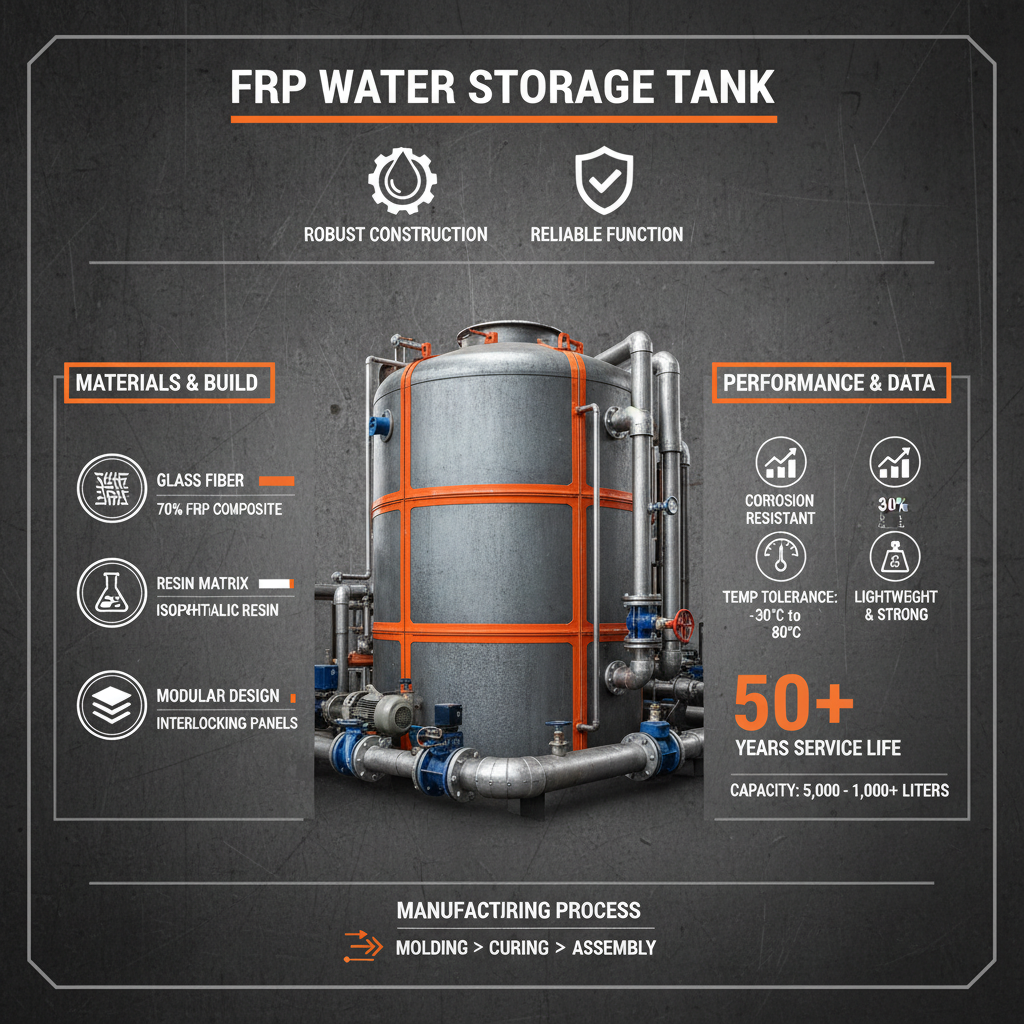
Selecting the appropriate FRP tank requires careful consideration of several factors. The volume of water needed is paramount, along with the specific chemicals or fluids to be stored. The location and environmental conditions, including temperature fluctuations and UV exposure, also play a role. The type of resin used in the FRP construction – polyester, vinyl ester, or epoxy – will impact the tank’s chemical resistance and temperature limits. Working with a reputable FRP tank supplier is essential to ensure the tank meets your specific requirements and industry standards.
Product Specifications and Quality Control
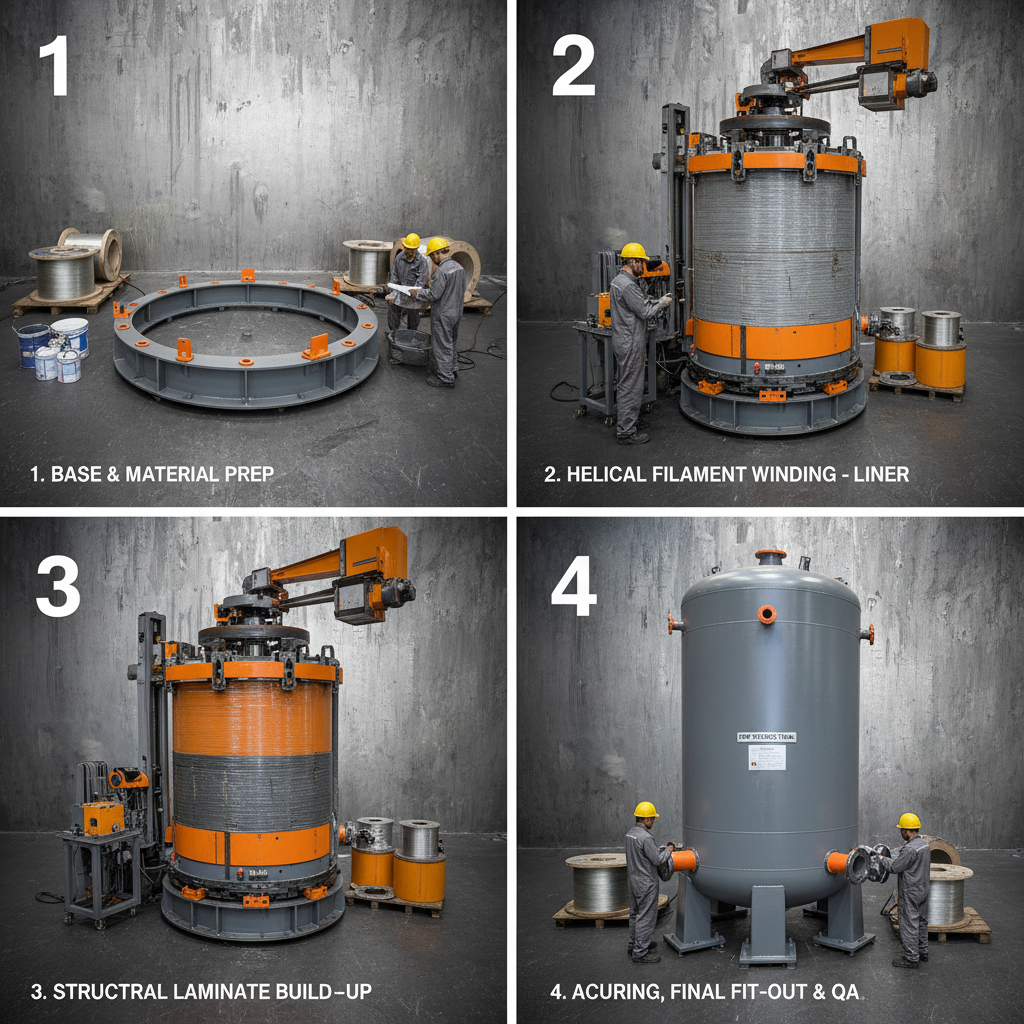
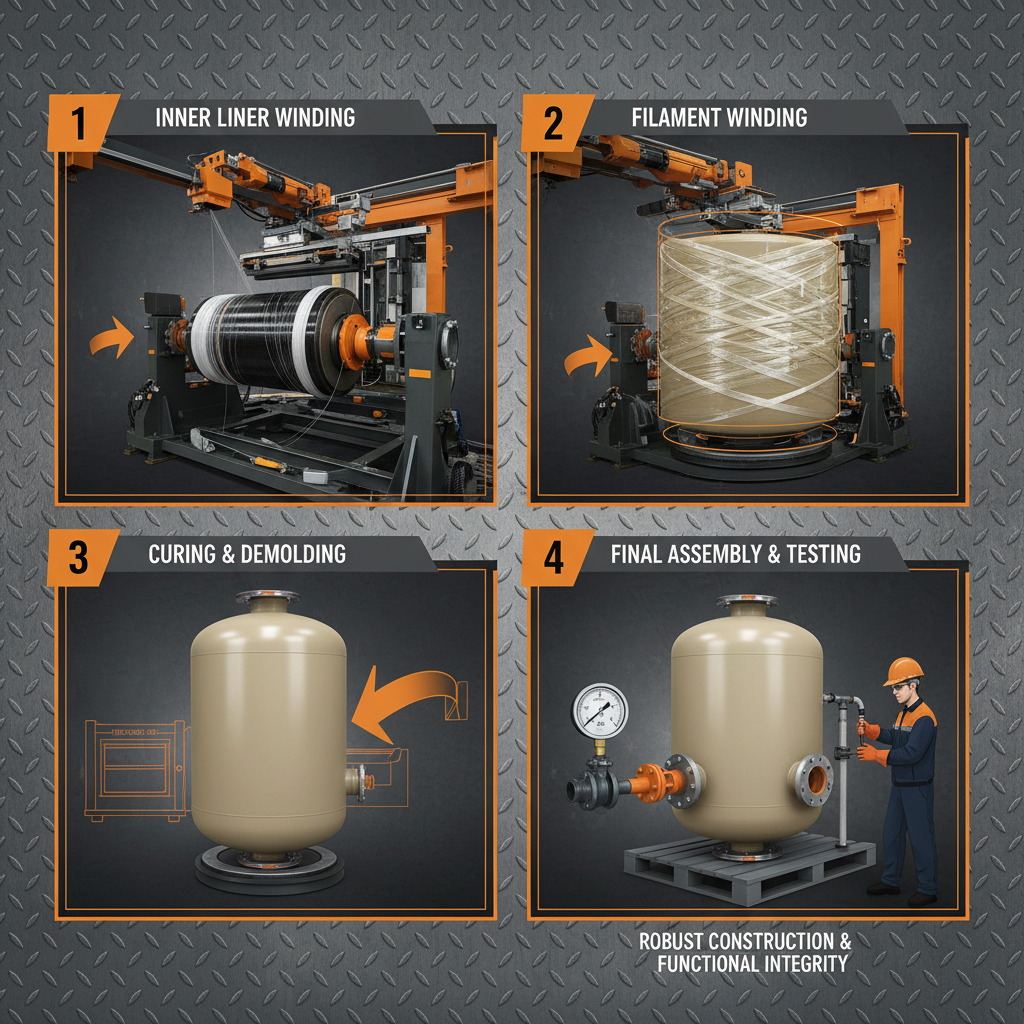
A high-quality FRP water storage tank will adhere to strict manufacturing standards and undergo rigorous quality control. This includes material testing, laminate thickness verification, and leak testing. Key specifications to look for include the tank’s dimensions, operating pressure, temperature range, and chemical compatibility. Certifications from recognized organizations demonstrate the manufacturer's commitment to quality and safety. FRPGRP Machine provides tanks built to industry standards, offering documentation and traceability.
Conclusion: A Sustainable and Reliable Water Storage Solution
Choosing an FRP water storage tank represents a smart investment in long-term reliability, reduced maintenance, and sustainable water management. Their corrosion resistance, lightweight nature, and design flexibility make them ideal for a wide range of applications. By partnering with a trusted manufacturer like FRPGRP Machine, you can ensure you receive a high-quality tank tailored to your specific needs.
Frequently Asked Questions (FAQs)
What is the typical lifespan of an FRP water storage tank?
A properly maintained FRP water storage tank can easily last 50 years or more. The lifespan is dependent on factors like the quality of materials, the resin type, exposure to UV radiation and chemicals, and proper installation and maintenance. Regular inspections are crucial to identify and address any potential issues early on. Choosing a tank from a reputable manufacturer like FRPGRP Machine ensures a durable and long-lasting solution.
Are FRP tanks suitable for storing potable water?
Yes, FRP tanks are widely used for storing potable water. However, it's essential to ensure the tank is constructed with resins that are approved for contact with drinking water, such as NSF/ANSI 61 certified resins. These resins are rigorously tested to ensure they don't leach any harmful substances into the water. FRPGRP Machine offers tanks specifically designed and certified for potable water storage.
What maintenance is required for FRP water storage tanks?
FRP tanks require minimal maintenance compared to traditional materials. Regular inspections for cracks, leaks, and damage to the external surface are recommended. Cleaning the exterior to remove dirt and debris will help maintain its appearance and prevent UV degradation. It’s also important to ensure that any fittings or connections are properly sealed and inspected periodically. Avoid abrasive cleaning agents that could damage the resin surface.