Comprehensive Guide to PP FRP Tanks for Corrosion Resistant Storage
Understanding PP FRP Tanks: A Comprehensive Guide
Polypropylene (PP) Fiber Reinforced Polymer (FRP) tanks are becoming increasingly popular in a wide range of industries due to their exceptional corrosion resistance, durability, and cost-effectiveness. These tanks provide a robust and reliable solution for storing various chemicals, wastewater, and other corrosive substances. This article dives deep into the world of PP FRP tanks, exploring their benefits, applications, manufacturing processes, and factors to consider when choosing the right tank for your specific needs. Choosing the right tank is crucial for safe and efficient operations, and we'll guide you through the essential aspects of PP FRP tank technology.
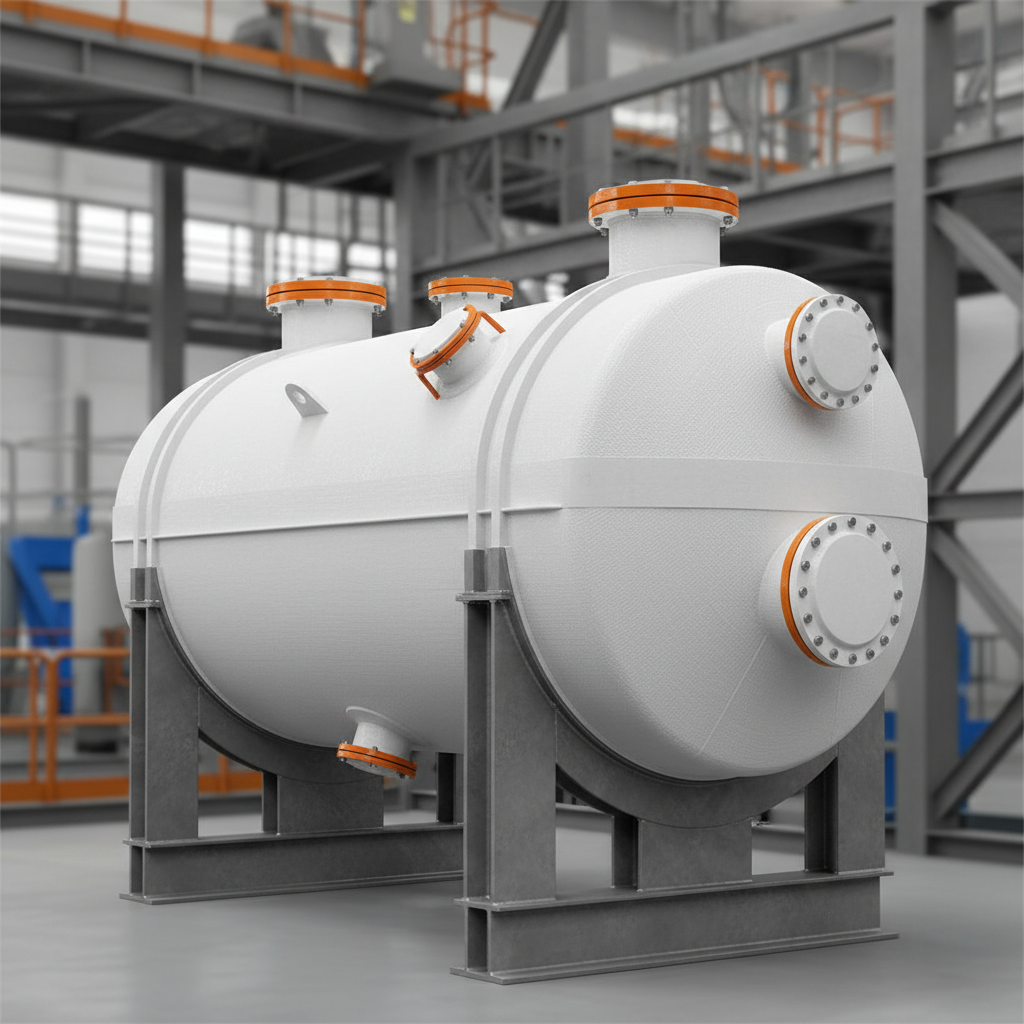
What are PP FRP Tanks?
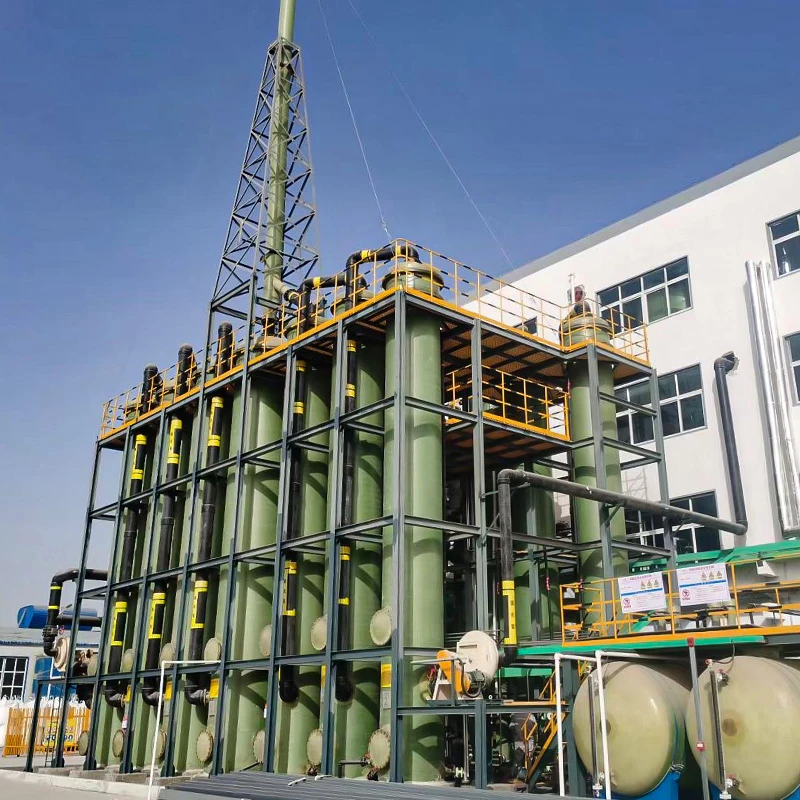
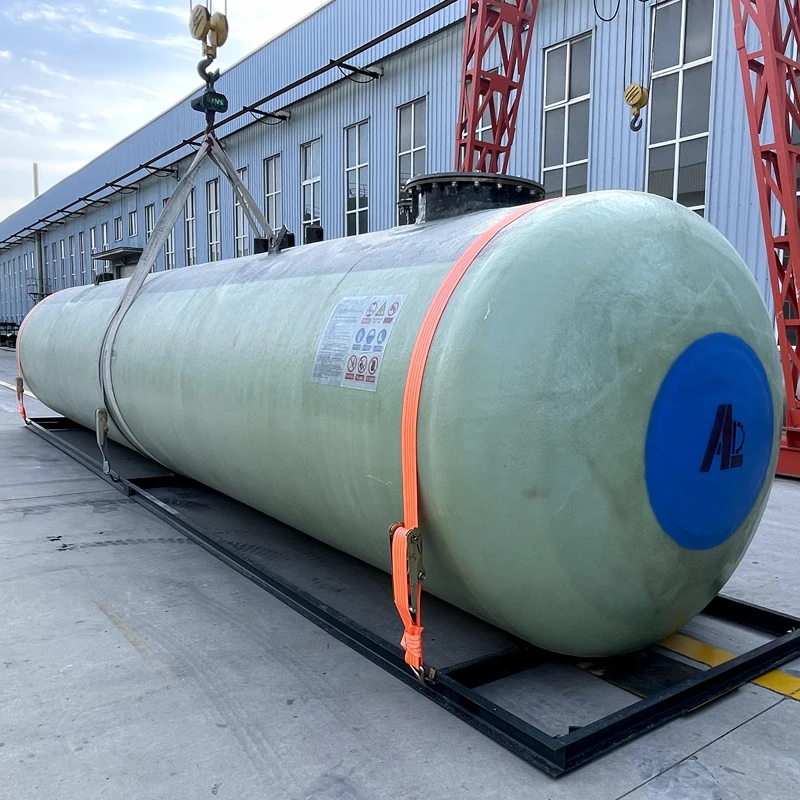
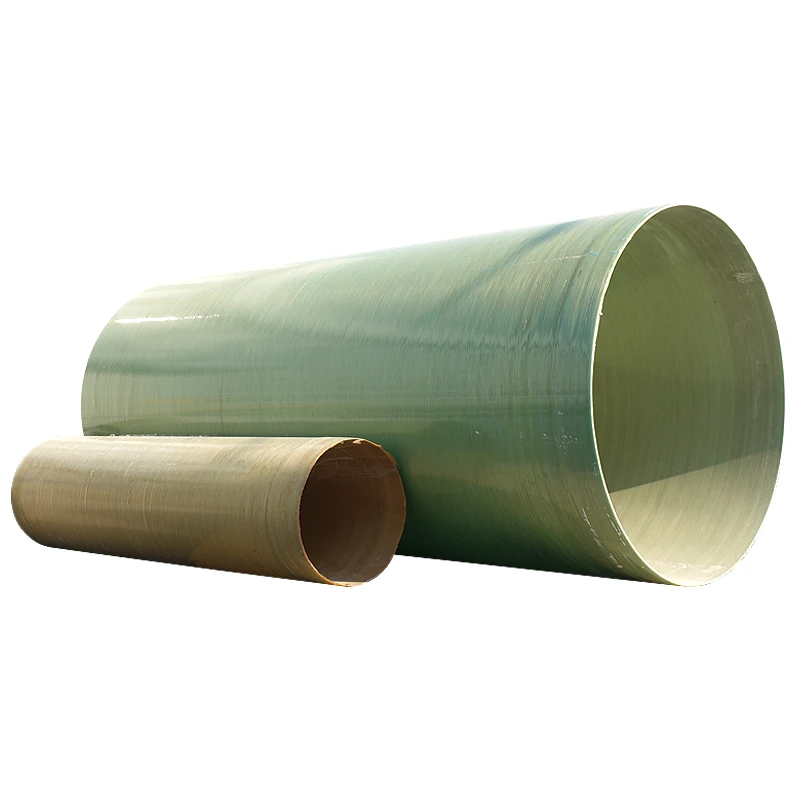
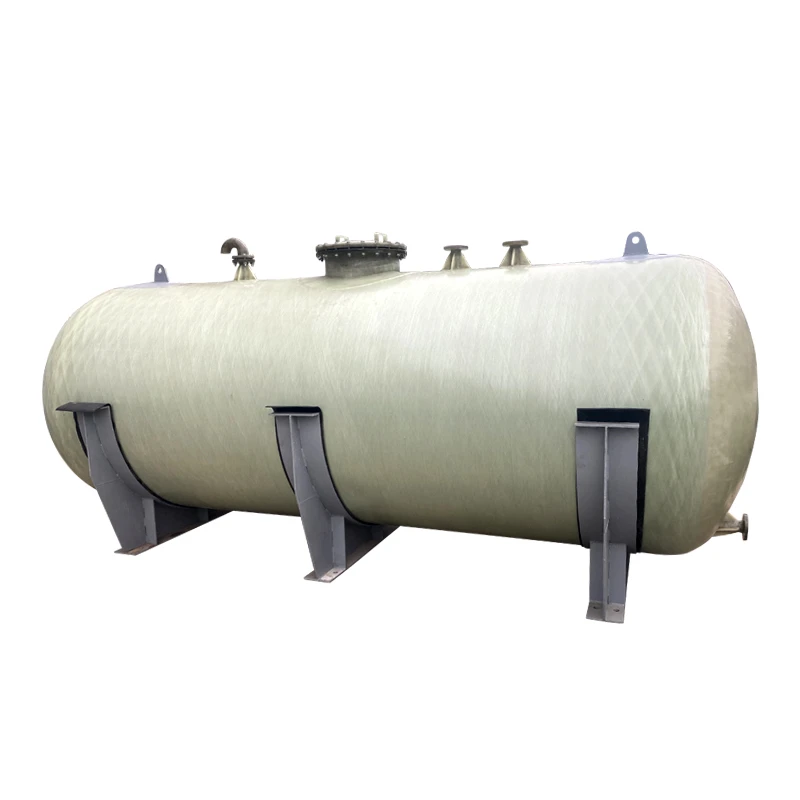
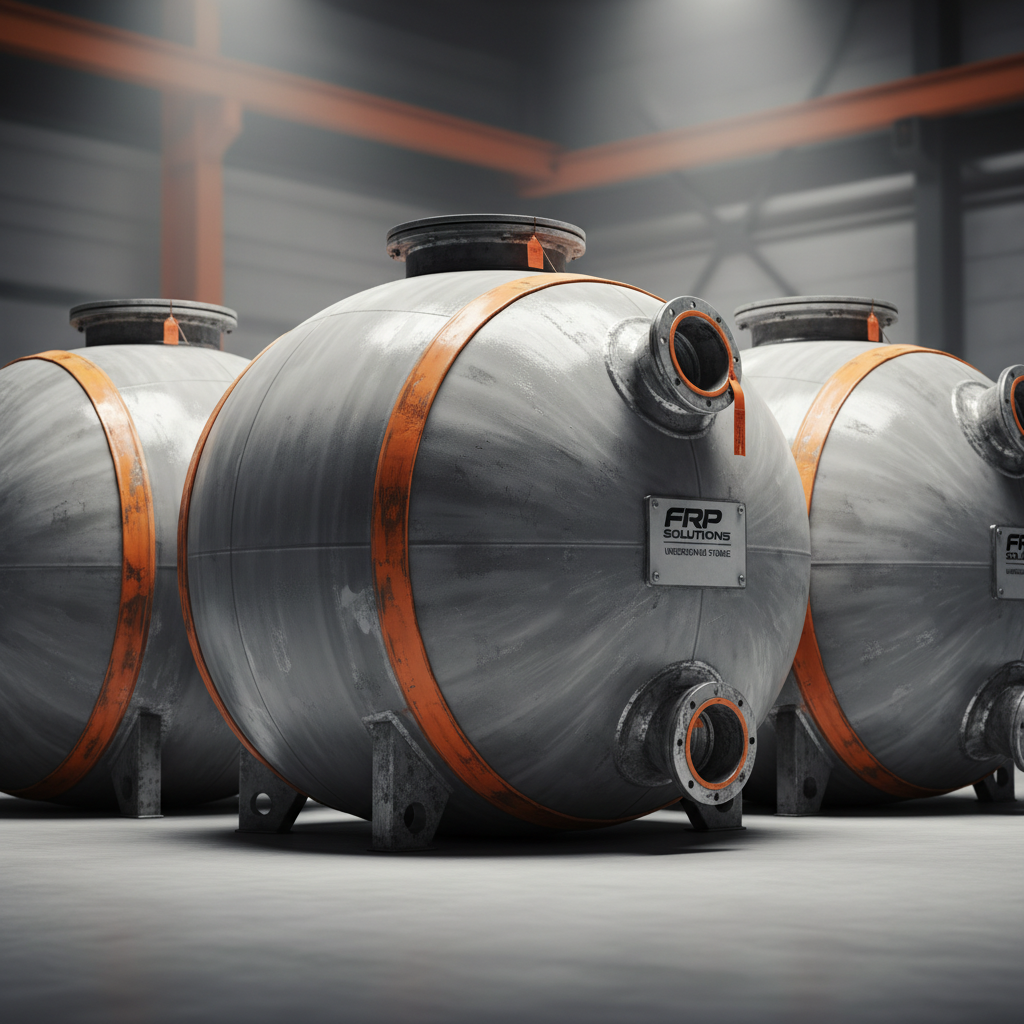
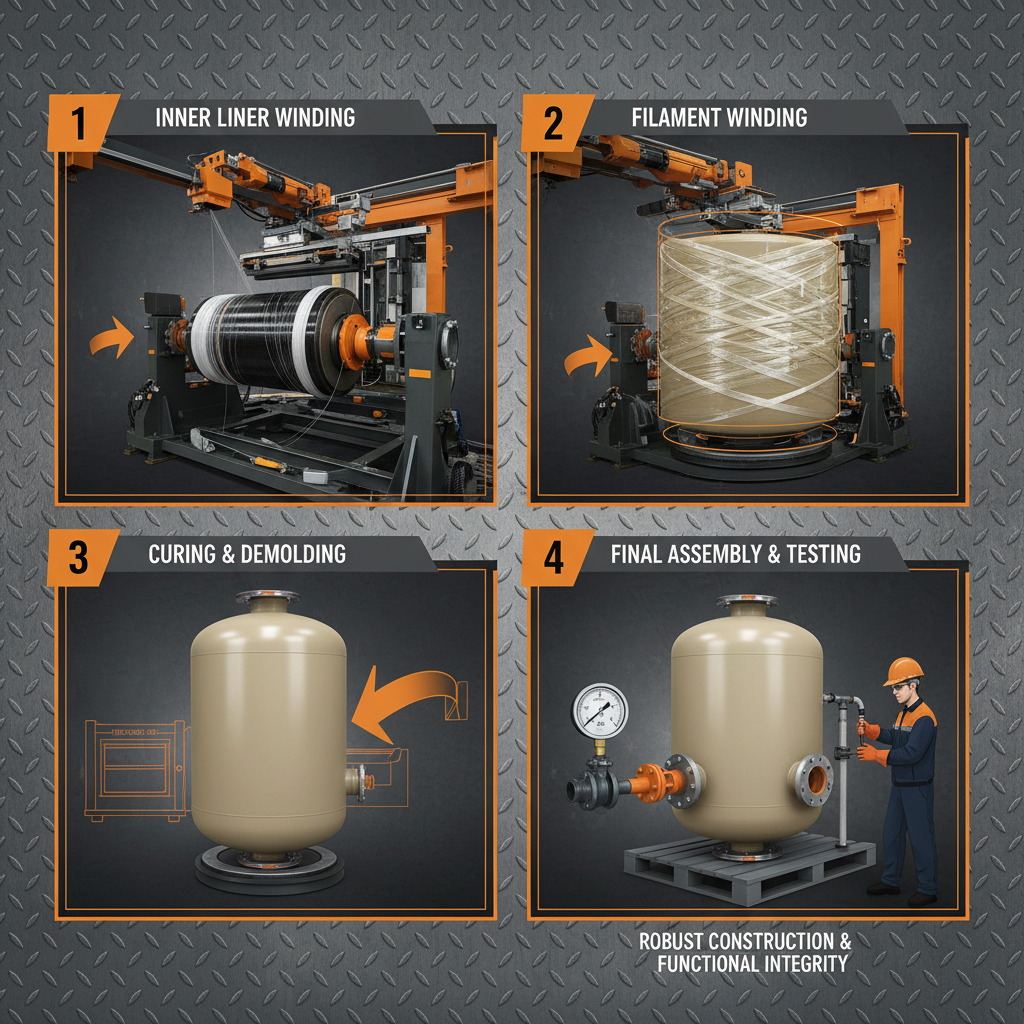
PP FRP tanks are constructed using a combination of polypropylene resin and reinforcing fibers, typically fiberglass. The polypropylene provides excellent chemical resistance, while the fiberglass adds strength and structural integrity. The layering of these materials creates a tank that is lightweight, yet incredibly durable and resistant to corrosion, impact, and UV degradation. The manufacturing process involves layering the resin and fibers onto a mold, allowing it to cure and form the desired tank shape. These tanks are commonly used in industries handling aggressive chemicals where traditional materials like steel or stainless steel would quickly corrode and fail. A key advantage is their extended lifespan and reduced maintenance requirements.
Key Highlights: Lightweight, durable, corrosion-resistant, and ideal for storing aggressive chemicals.
Applications of PP FRP Tanks
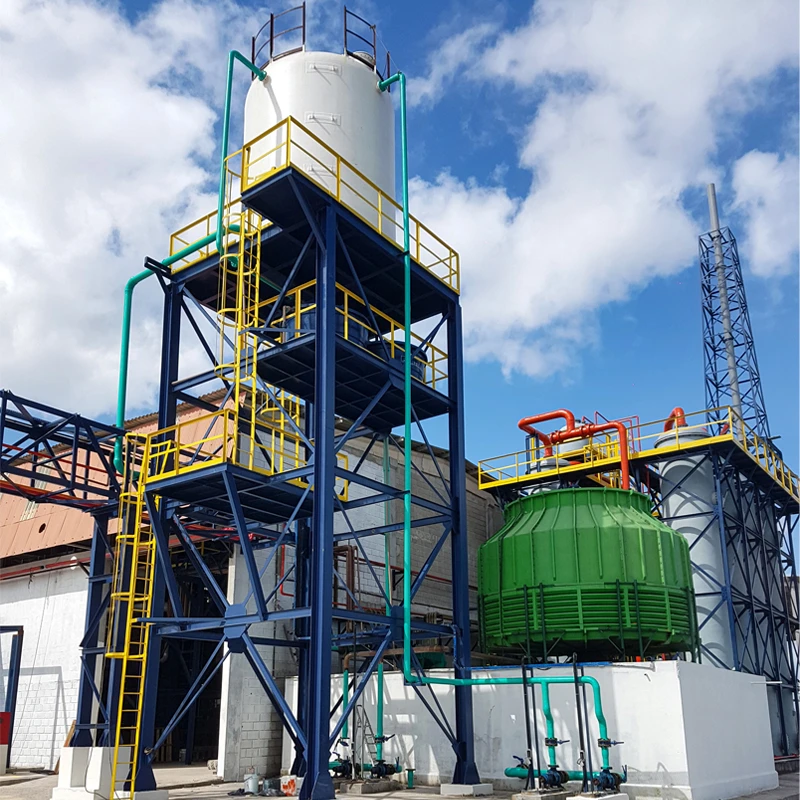
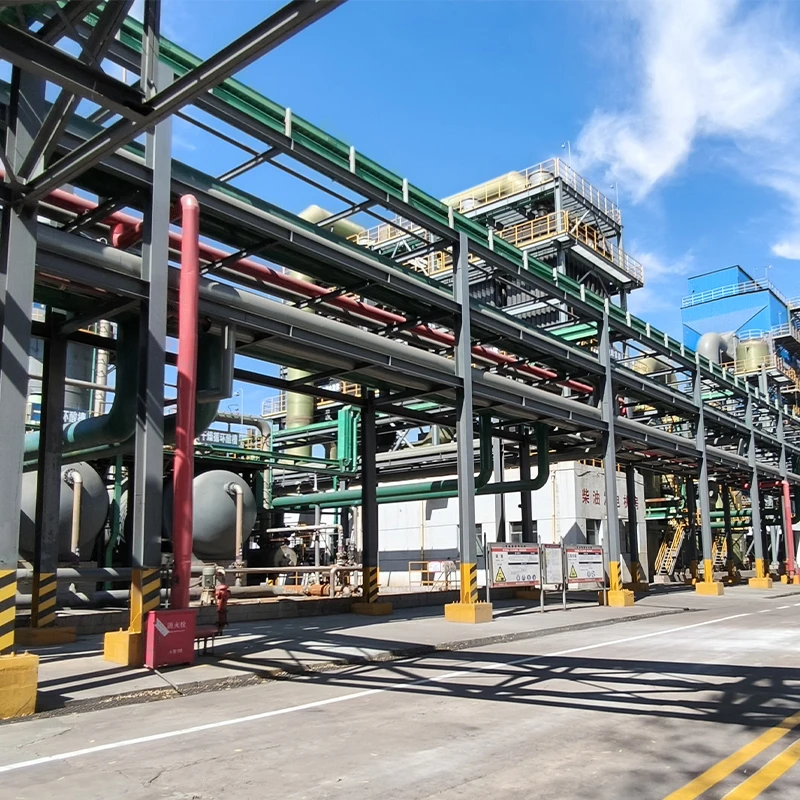
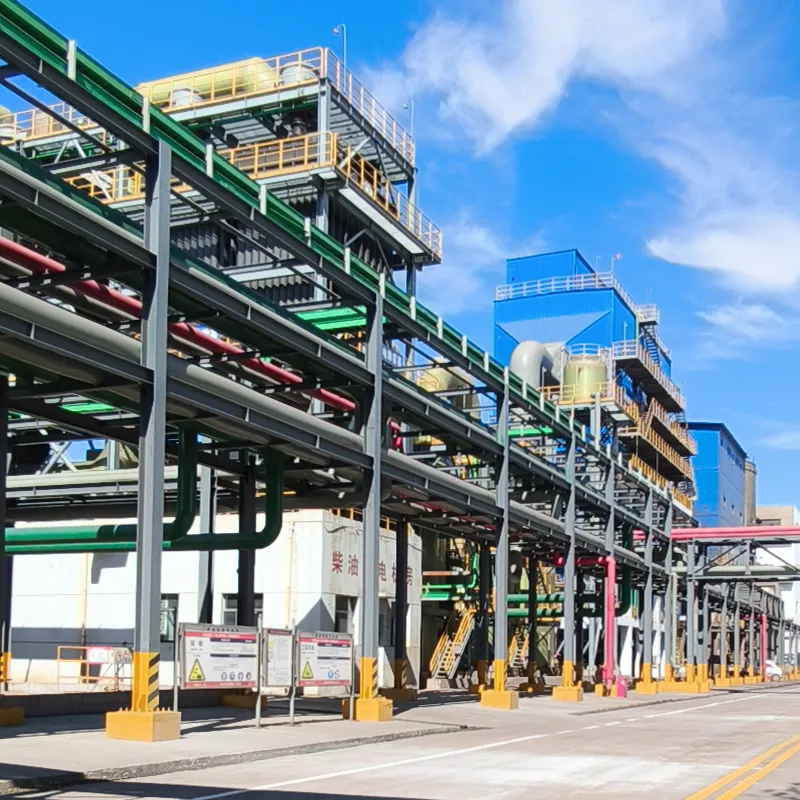
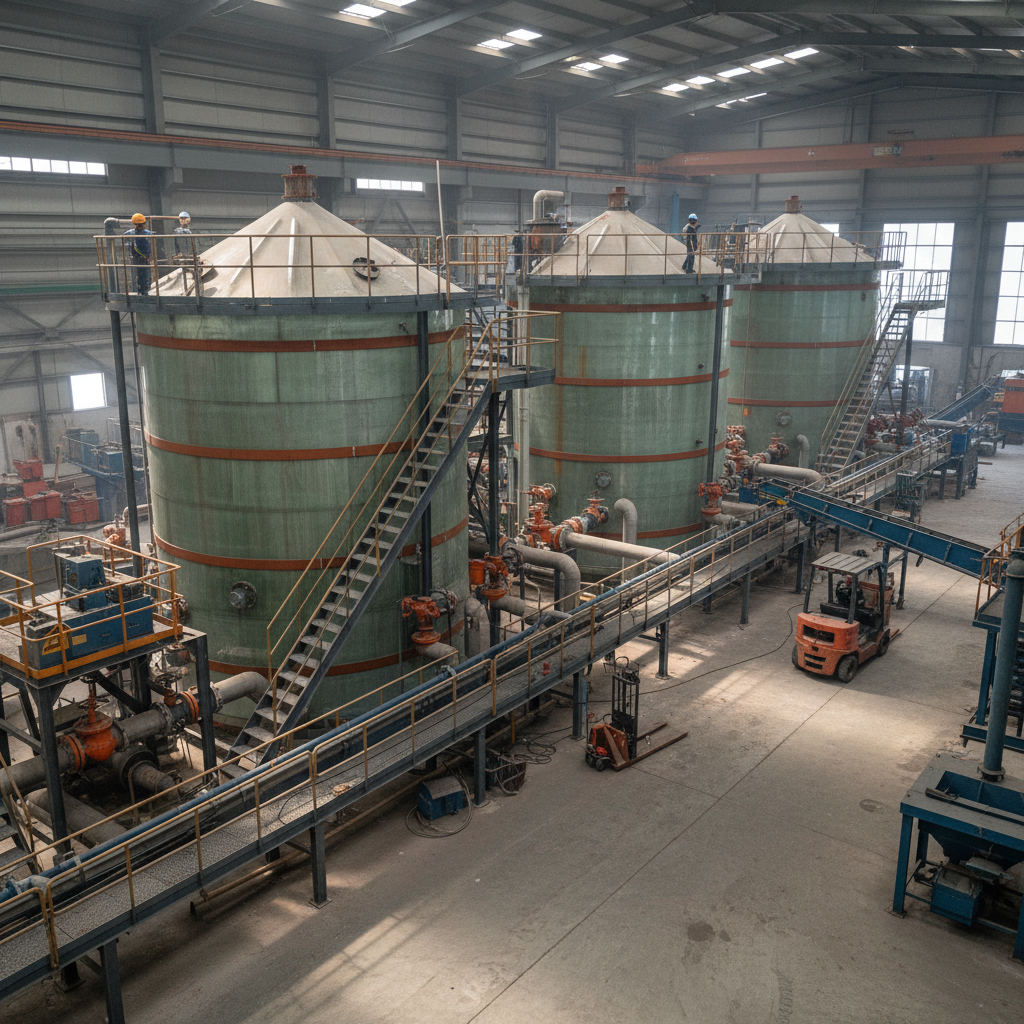
The versatility of PP FRP tanks makes them suitable for a wide array of applications across diverse industries. These include: chemical processing, water and wastewater treatment, pulp and paper manufacturing, food and beverage production, pharmaceutical manufacturing, mining and mineral processing, and agricultural operations. Specifically, they're used for storing acids, bases, salts, solvents, and other corrosive liquids. Their ability to withstand harsh environments and maintain the purity of stored substances makes them a critical component in many industrial processes. Explore our range of PP FRP tanks designed for specific industrial applications.
Application Benefits:
• Excellent chemical resistance
• Long service life
• Reduced maintenance costs
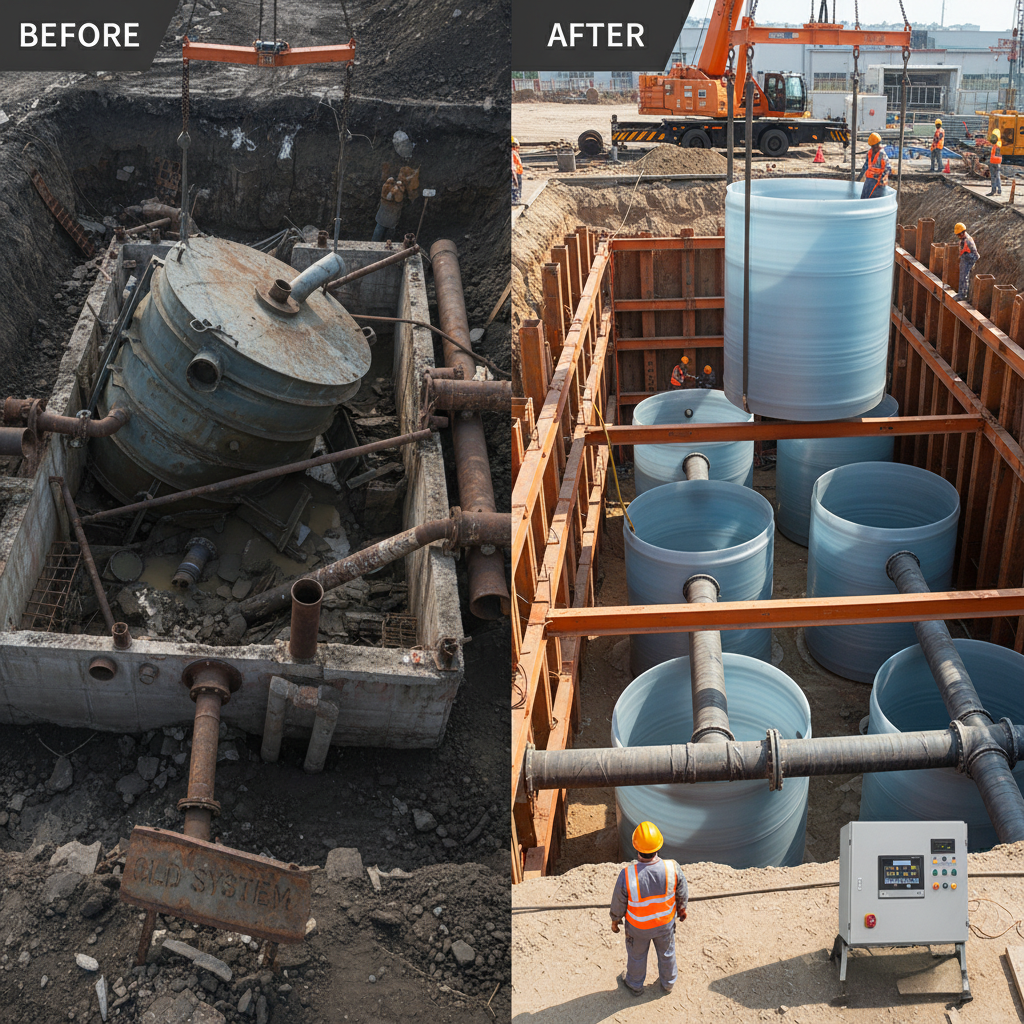
• Lightweight and easy to install
PP FRP Tanks vs. Other Tank Materials: A Comparison
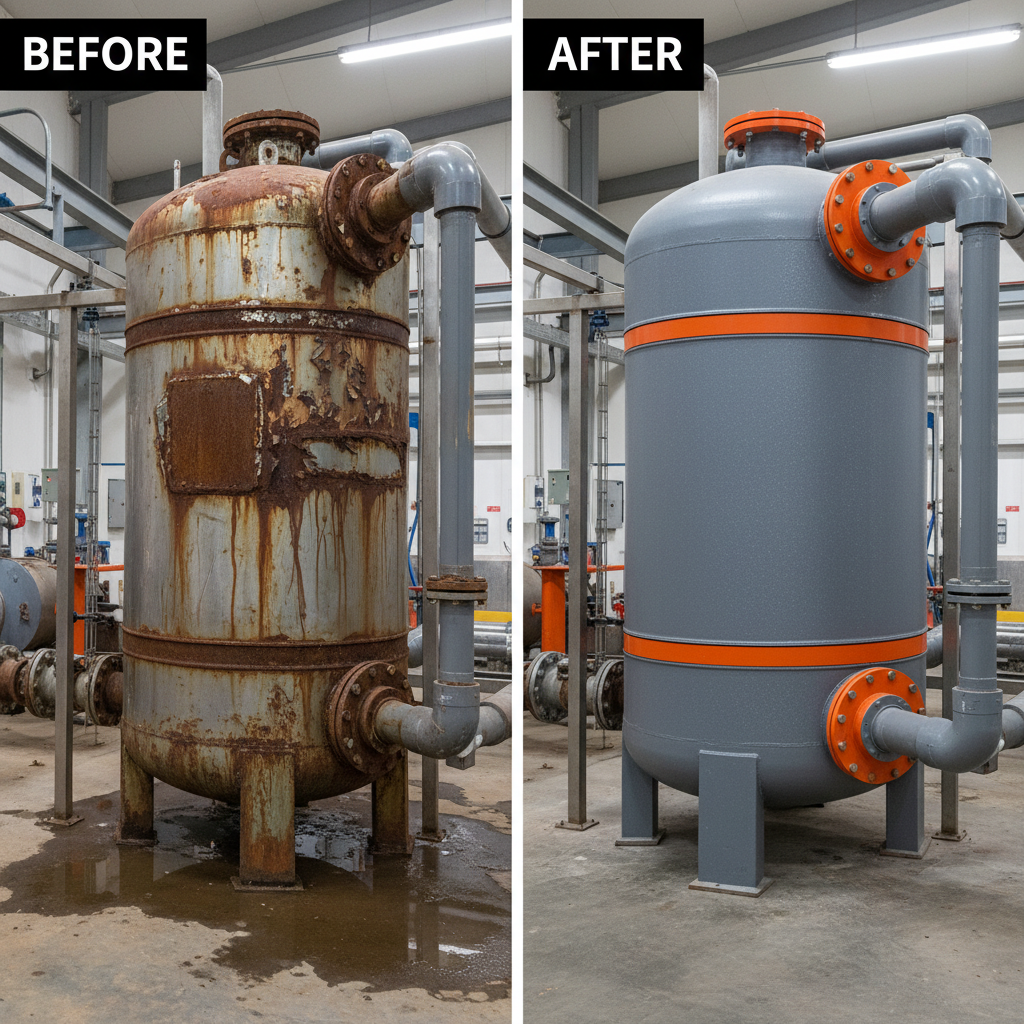
When choosing a storage tank, it’s essential to compare PP FRP to other materials like steel, stainless steel, and polyethylene. Steel tanks are susceptible to corrosion, requiring frequent maintenance and coatings. Stainless steel offers better corrosion resistance but is significantly more expensive. Polyethylene tanks are less expensive than FRP but lack the same level of strength and chemical resistance. PP FRP tanks offer a compelling balance of these factors – superior corrosion resistance at a competitive price point, combined with excellent strength and durability. This makes them a cost-effective long-term solution for corrosive storage applications.
Manufacturing Processes for PP FRP Tanks
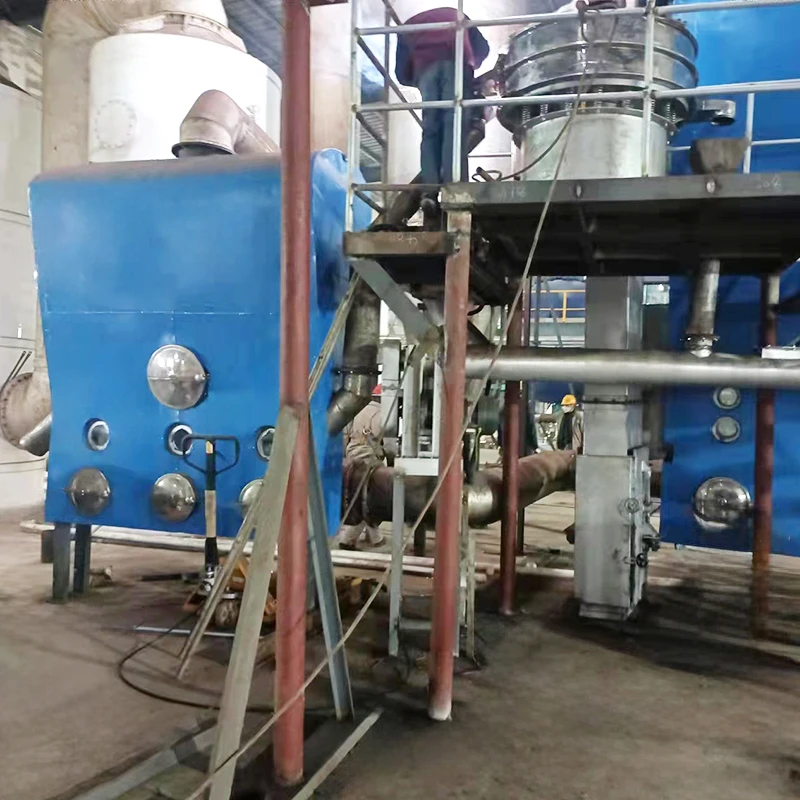
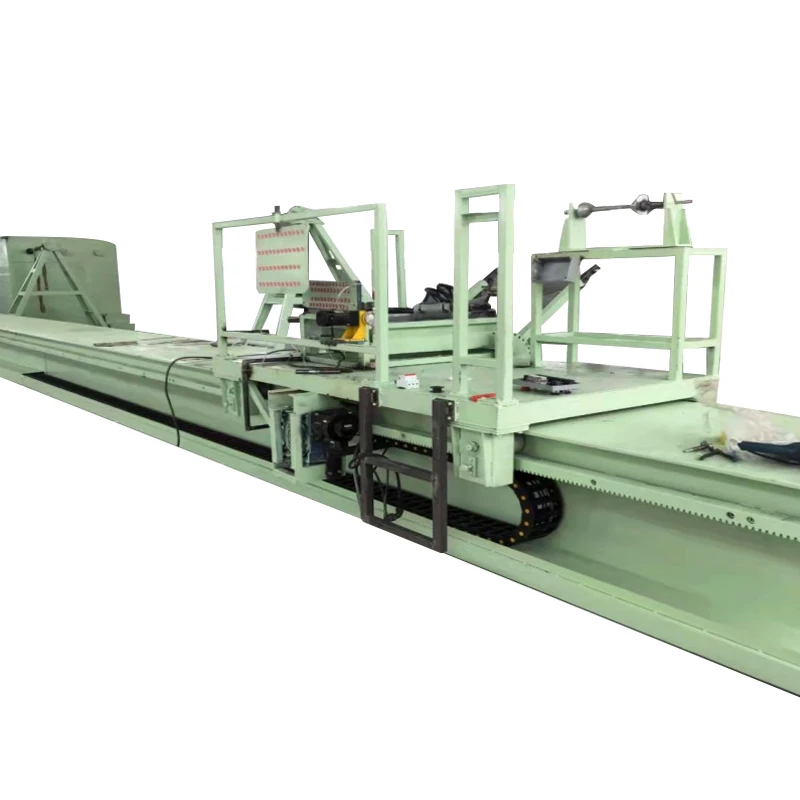
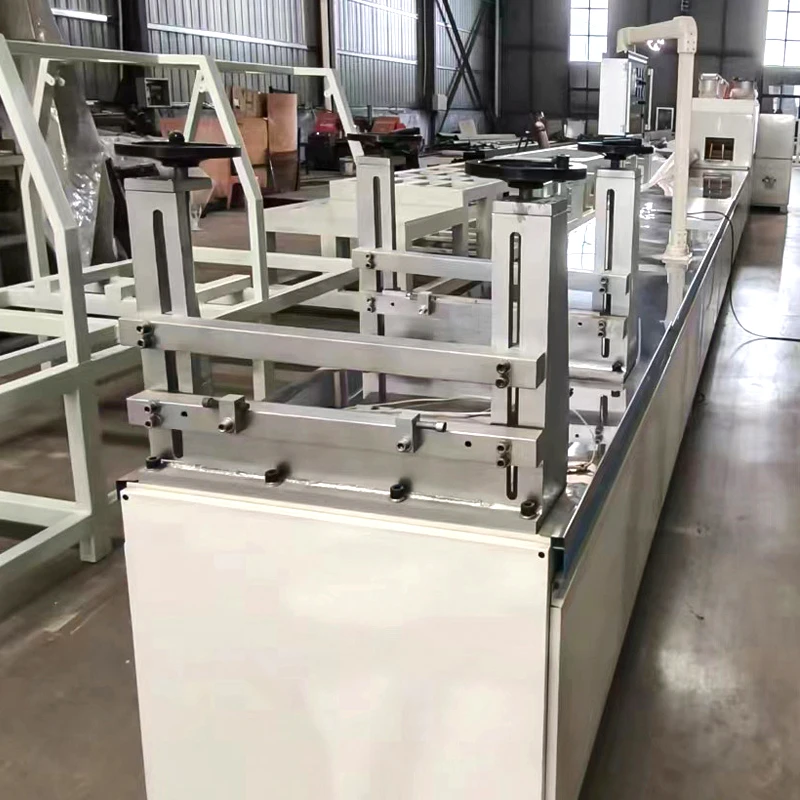
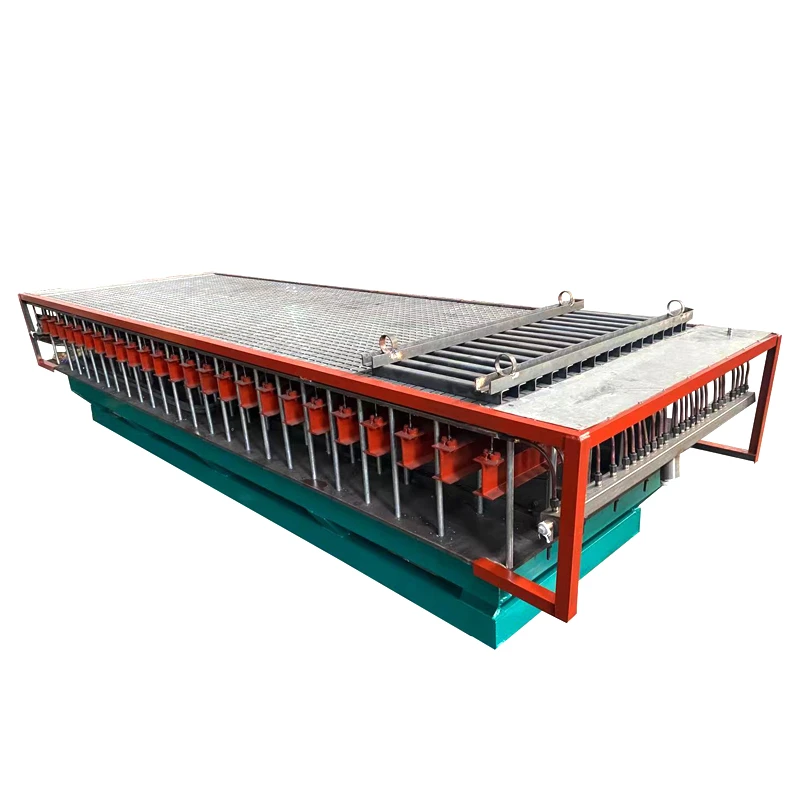
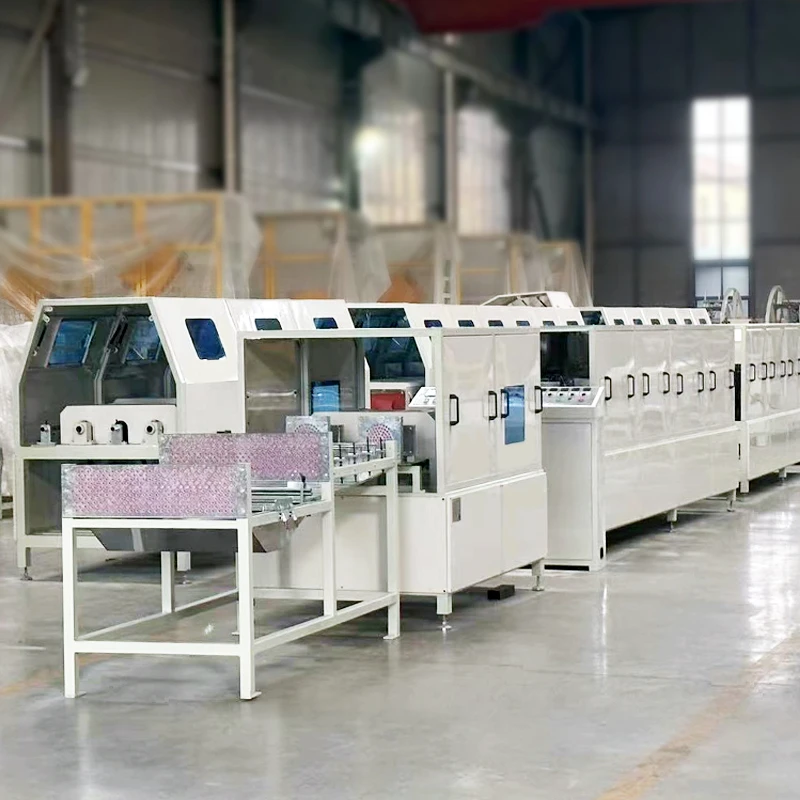
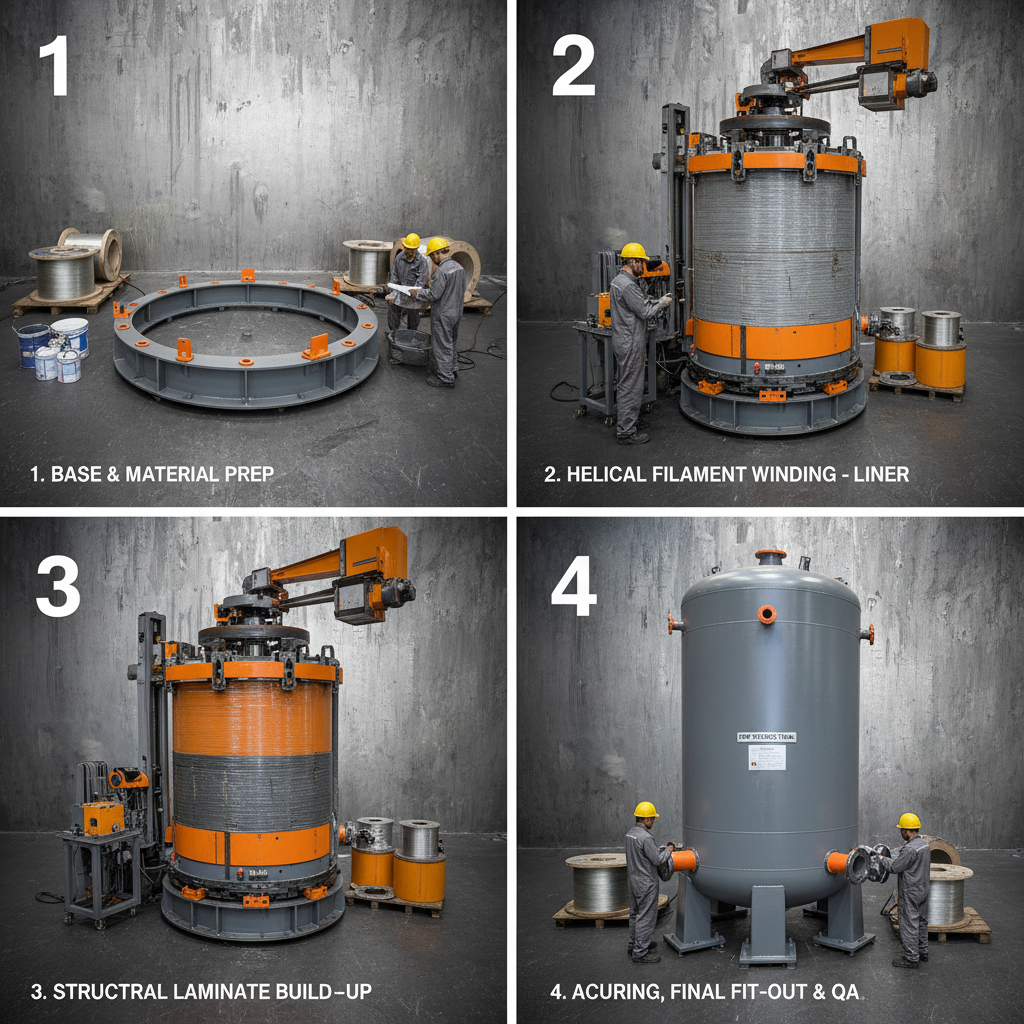
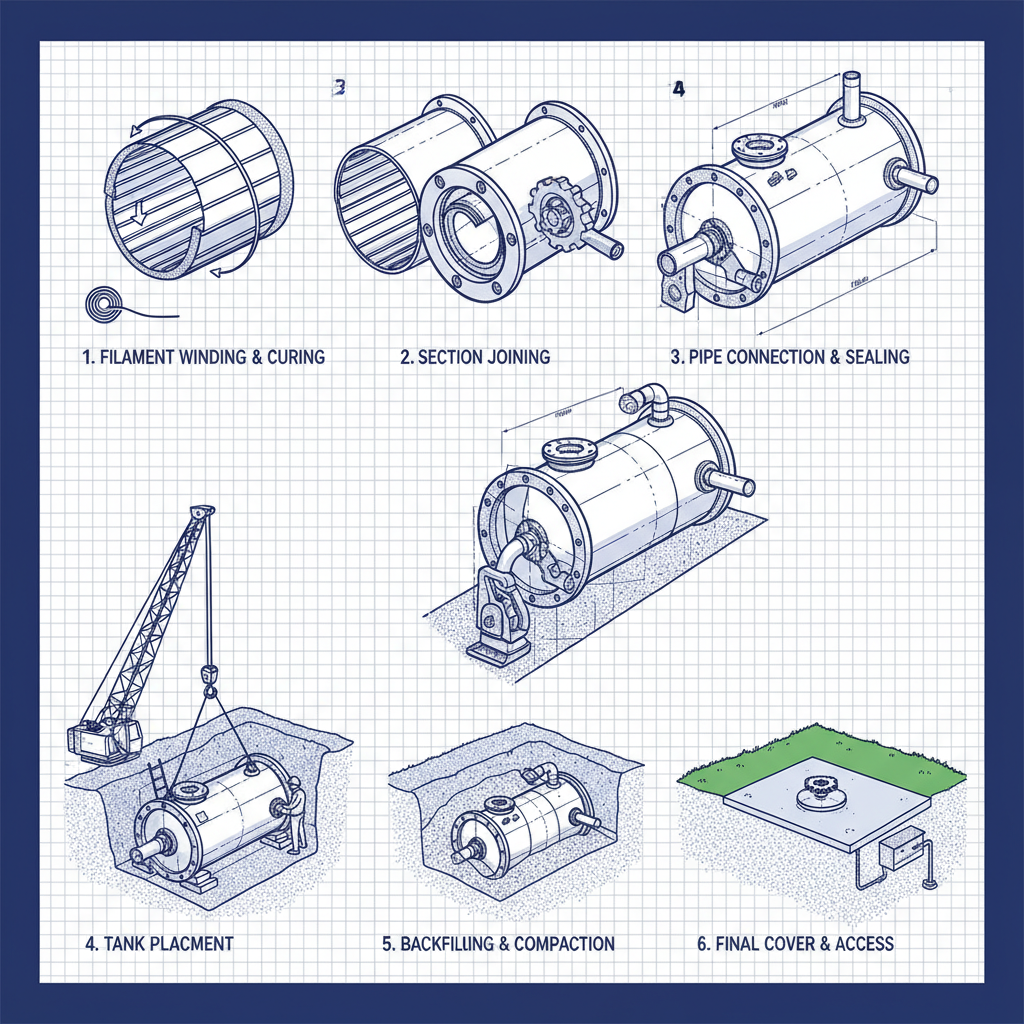
Several manufacturing processes are used to create PP FRP tanks, each with its advantages and disadvantages. These include: hand lay-up, filament winding, spray-up, and resin transfer molding. The hand lay-up method is the simplest and most cost-effective, ideal for small production runs. Filament winding creates tanks with exceptional strength-to-weight ratios. Spray-up is a faster process suitable for larger tanks. Resin transfer molding produces high-quality, consistent tanks with complex geometries. Learn more about our manufacturing capabilities and the process we utilize to ensure superior quality.
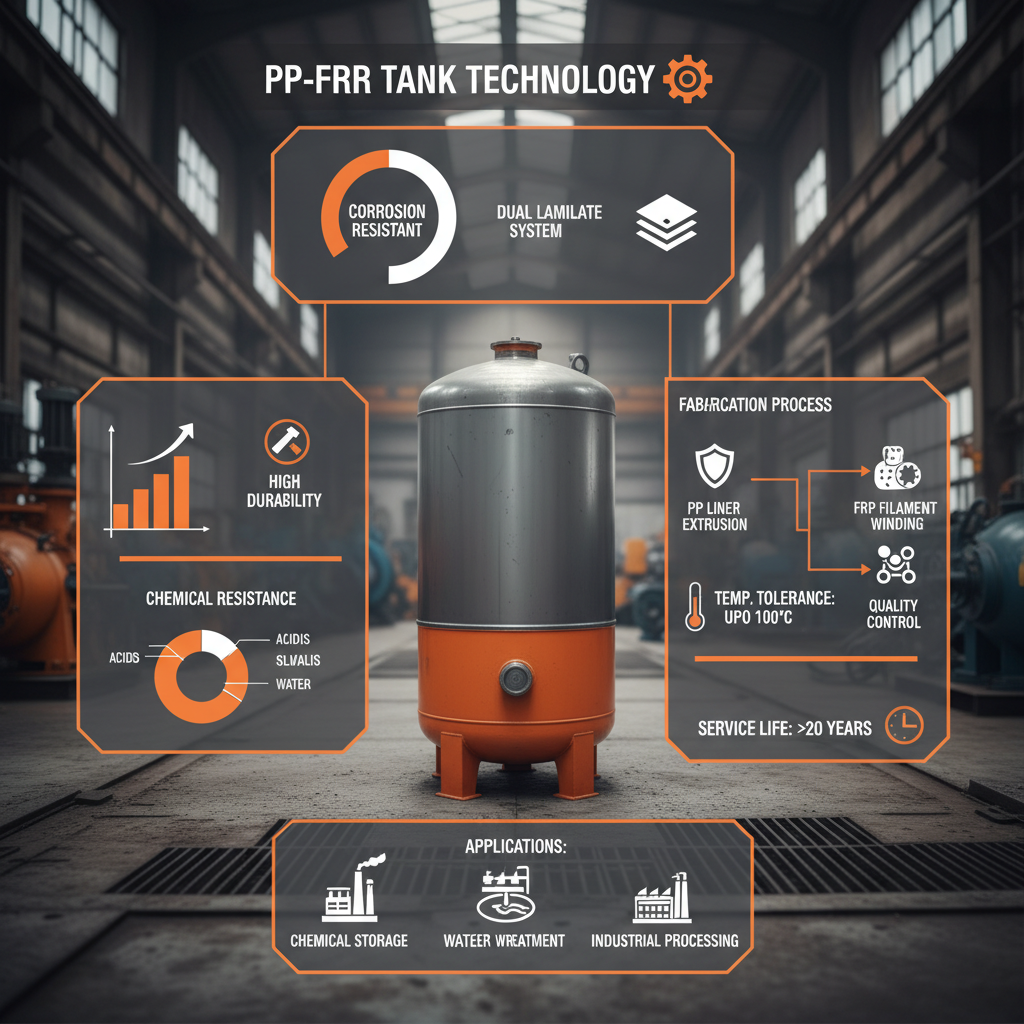
Selecting the Right PP FRP Tank: Key Considerations
Choosing the right PP FRP tank requires careful consideration of several factors. These include: the chemical compatibility of the tank material with the stored substance, the required tank volume, the operating temperature and pressure, and any specific regulatory requirements. It's crucial to consult with a qualified engineer or tank manufacturer to ensure that the selected tank meets your application's specific needs. Factors like UV exposure and potential physical stresses should also be taken into account. Proper selection is crucial for safety, efficiency, and long-term cost savings.
Conclusion: Investing in Reliability with PP FRP Tanks
PP FRP tanks offer a robust, cost-effective, and reliable solution for storing corrosive substances across various industries. Their exceptional chemical resistance, durability, and lightweight nature make them a superior alternative to traditional materials. By carefully considering your application's specific needs and consulting with experts, you can ensure that you choose the right PP FRP tank for optimal performance and long-term value.
Frequently Asked Questions (FAQs)
What chemicals are PP FRP tanks compatible with?
PP FRP tanks offer excellent resistance to a wide range of chemicals, including acids (hydrochloric, sulfuric, nitric), bases (sodium hydroxide, potassium hydroxide), salts, and solvents. However, it's crucial to verify the specific chemical compatibility of the polypropylene resin with the intended substance. Some highly concentrated or oxidizing chemicals may require specialized resins or coatings. A chemical compatibility chart should always be consulted before using a PP FRP tank for a specific application. Contacting a material specialist at FRPGRPMACHINE can provide you with specific guidance for your chemical storage needs.
What is the typical lifespan of a PP FRP tank?
With proper installation and maintenance, a PP FRP tank can have a lifespan of 20-30 years or even longer. The actual lifespan depends on factors such as the chemical concentration being stored, temperature fluctuations, UV exposure, and the frequency of physical impacts. Regular inspections and preventative maintenance, such as cleaning and coating repairs, can significantly extend the tank's service life. It's recommended to establish a routine inspection schedule and address any issues promptly.
Are PP FRP tanks suitable for outdoor use?
Yes, PP FRP tanks can be used outdoors, but certain precautions should be taken. The polypropylene resin is inherently UV resistant, but prolonged exposure to sunlight can still cause some degradation over time. Applying a UV-resistant coating or using a tank with a UV-stabilized resin can help mitigate this issue. Additionally, the tank should be properly supported and anchored to withstand wind loads and other environmental factors.
What sizes do PP FRP tanks come in?
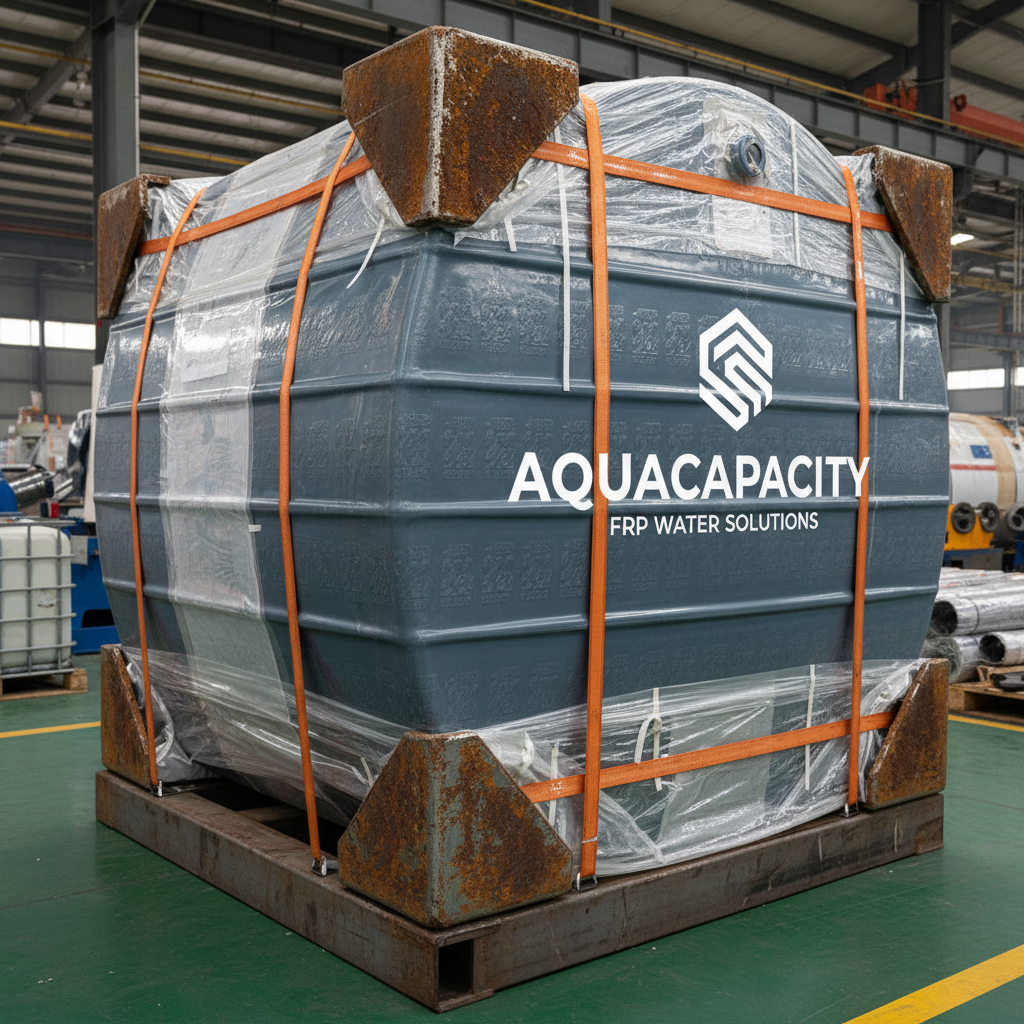
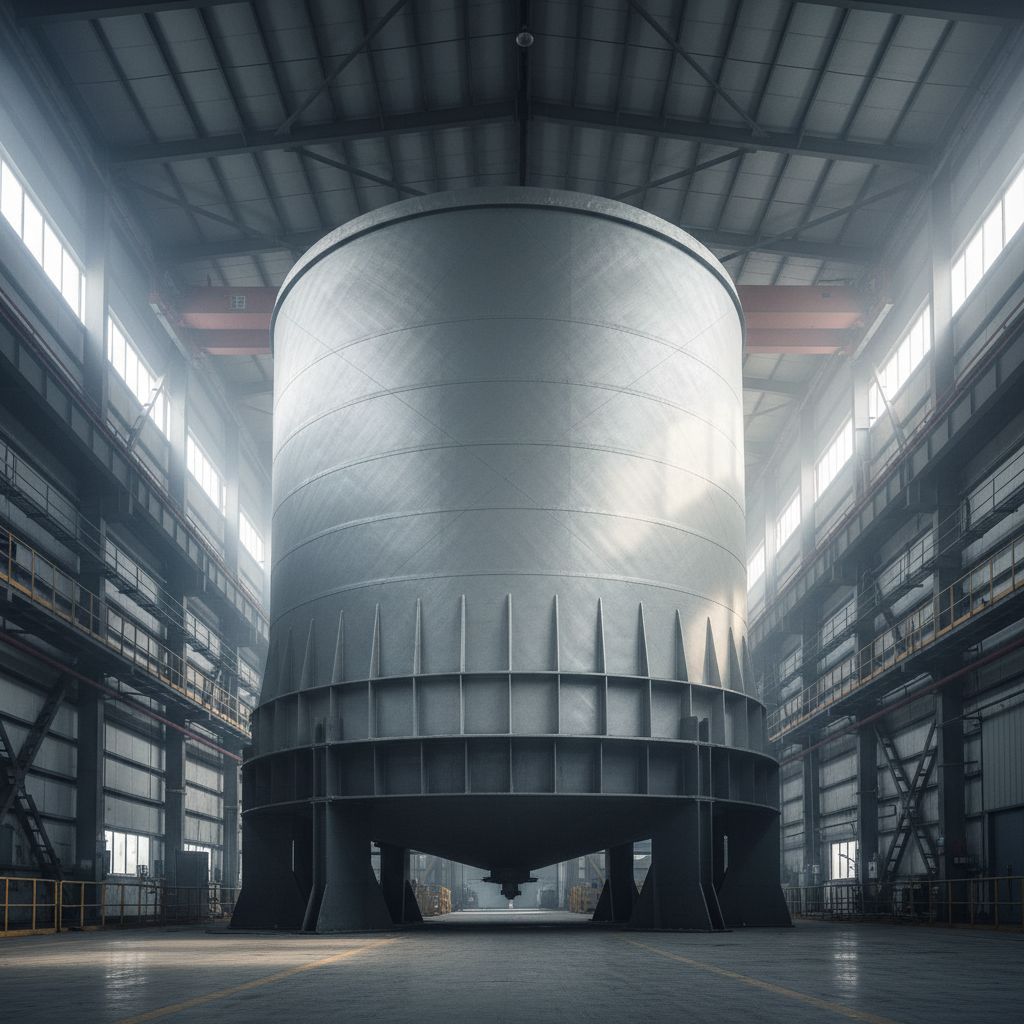
PP FRP tanks are available in a wide range of sizes, from small tanks holding a few gallons to large tanks with capacities of thousands of gallons. Custom sizes and configurations are often available to meet specific application requirements. FRPGRPMACHINE specializes in both standard and custom-designed PP FRP tanks to address diverse storage needs. Contact us for a quote tailored to your specific volume and dimension requirements.