Nov 15,2025

Durable Fiberglass Media Tanks for Advanced Filtration Solutions | Reliable Water Treatment Vessels

Fiberglass Media Tanks: The Unsung Heroes of Water Treatment

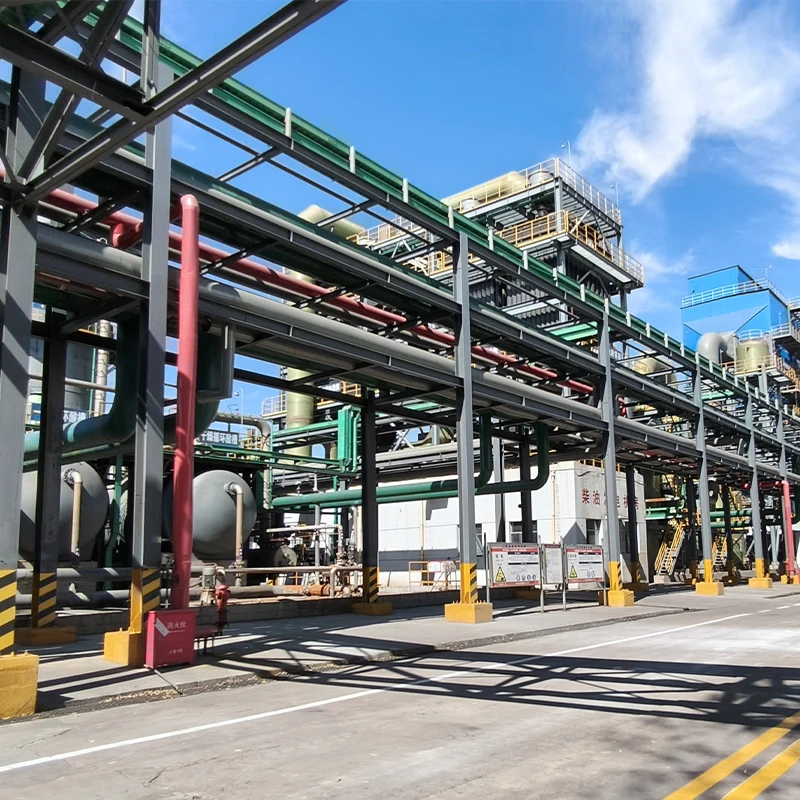
If you’ve ever paused for a moment at a water treatment plant or glanced curiously at industrial filtration setups, you might have spotted large cylindrical vessels that look somewhat imposing yet oddly futuristic. Those are fiberglass media tanks—integral, yet often overlooked components that keep the wheels of clean water and fluid filtration turning worldwide.

Why bring up fiberglass media tanks at all? Simply put: as global demands on water and chemical industries surge, the need for reliable, durable, and cost-effective filtration solutions becomes more pressing. From rapidly growing urban centers to remote off-grid industrial sites, these tanks help tackle challenges related to water purity, sustainability, and operational reliability. And understanding their strengths can open doors for smarter infrastructure investments that really last.

Setting the Stage: Why Fiberglass Media Tanks Matter Globally

The world is facing a growing water treatment challenge, with the United Nations estimating that nearly 2.2 billion people lack access to safely managed drinking water services globally (UN-Water, 2023). Meanwhile, industrial growth, agriculture, and urban expansion continually push water demand and pollution levels higher.

Fiberglass media tanks emerge as vital fixes here. Thanks to their corrosion-resistant properties and long service life, they’re a popular choice in sectors ranging from municipal water treatment to chemical processing and food & beverage manufacturing. Frankly, without these tanks, many water systems would face higher maintenance costs, contamination risks, and downtime.

Oddly enough, despite their importance, many newer engineers or facility managers might not fully appreciate the specs and design nuances that make these tanks thrive under real-world conditions. So here’s a quick primer.

What Exactly Are Fiberglass Media Tanks?

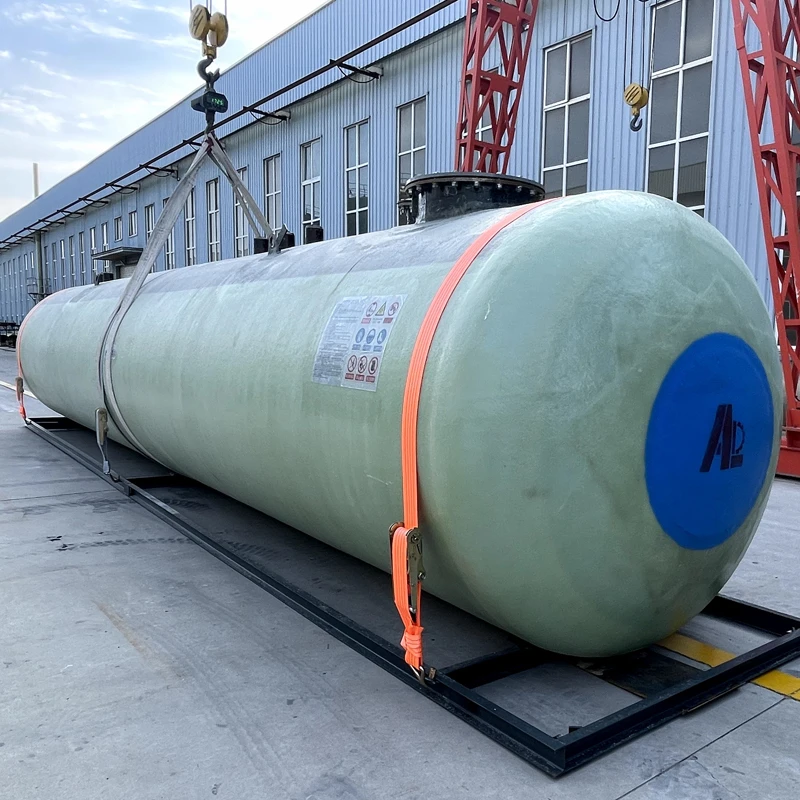
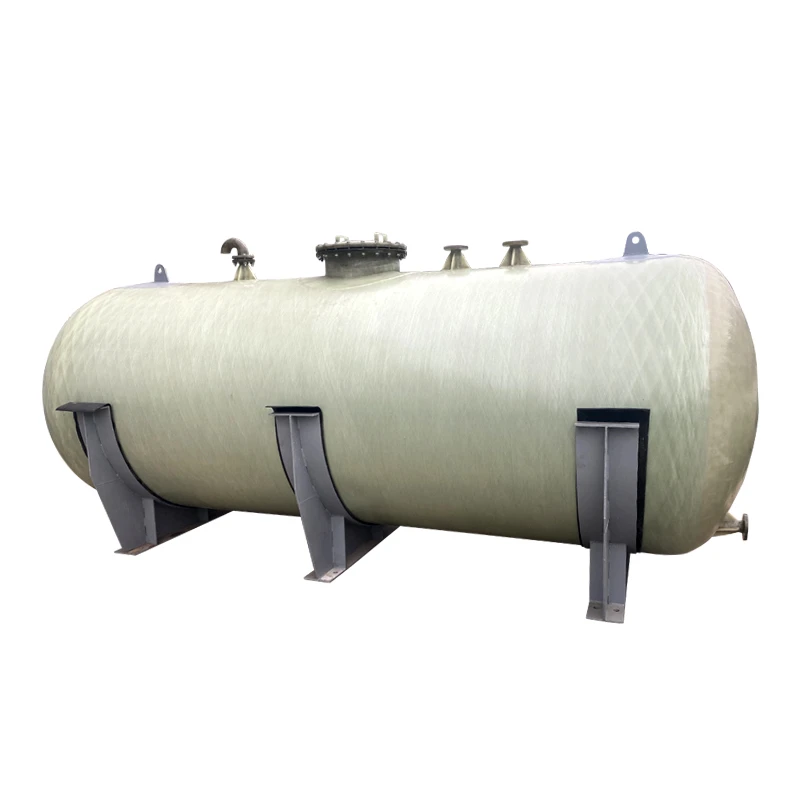
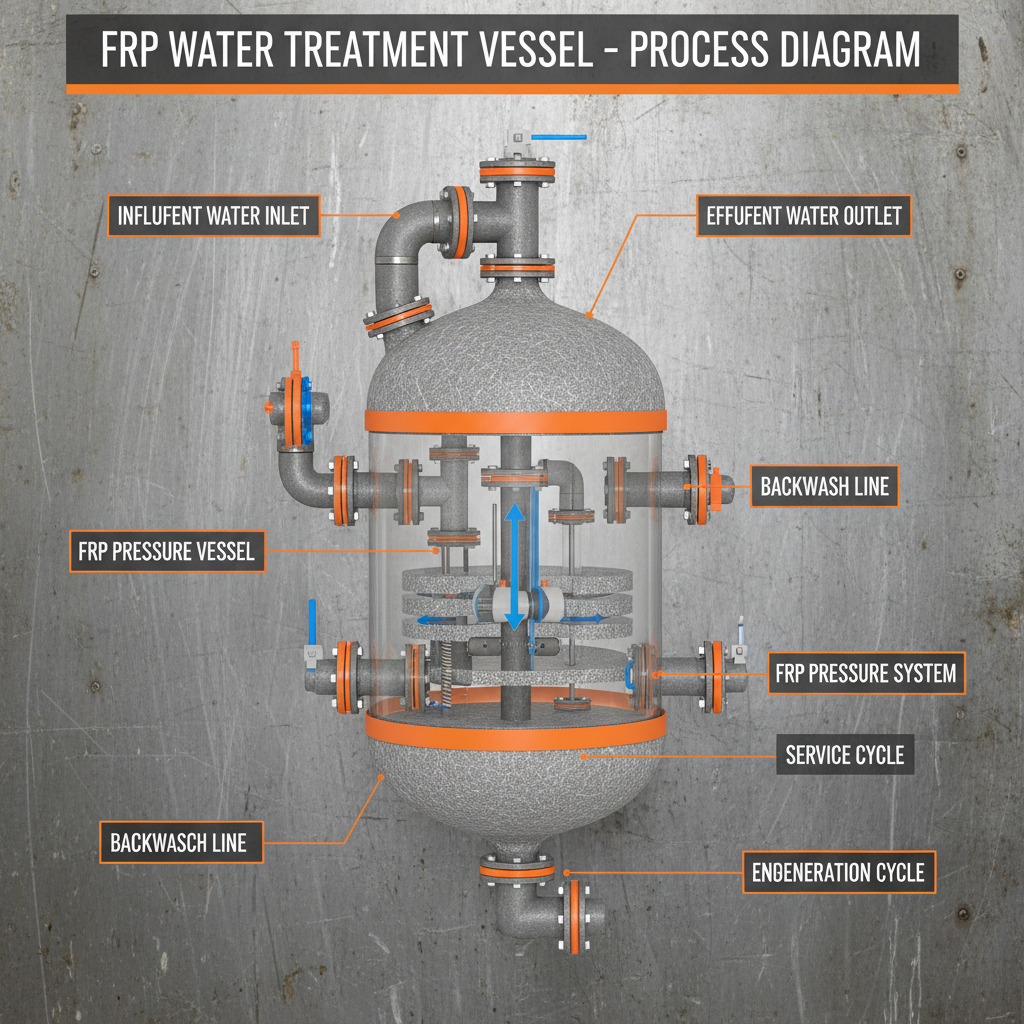
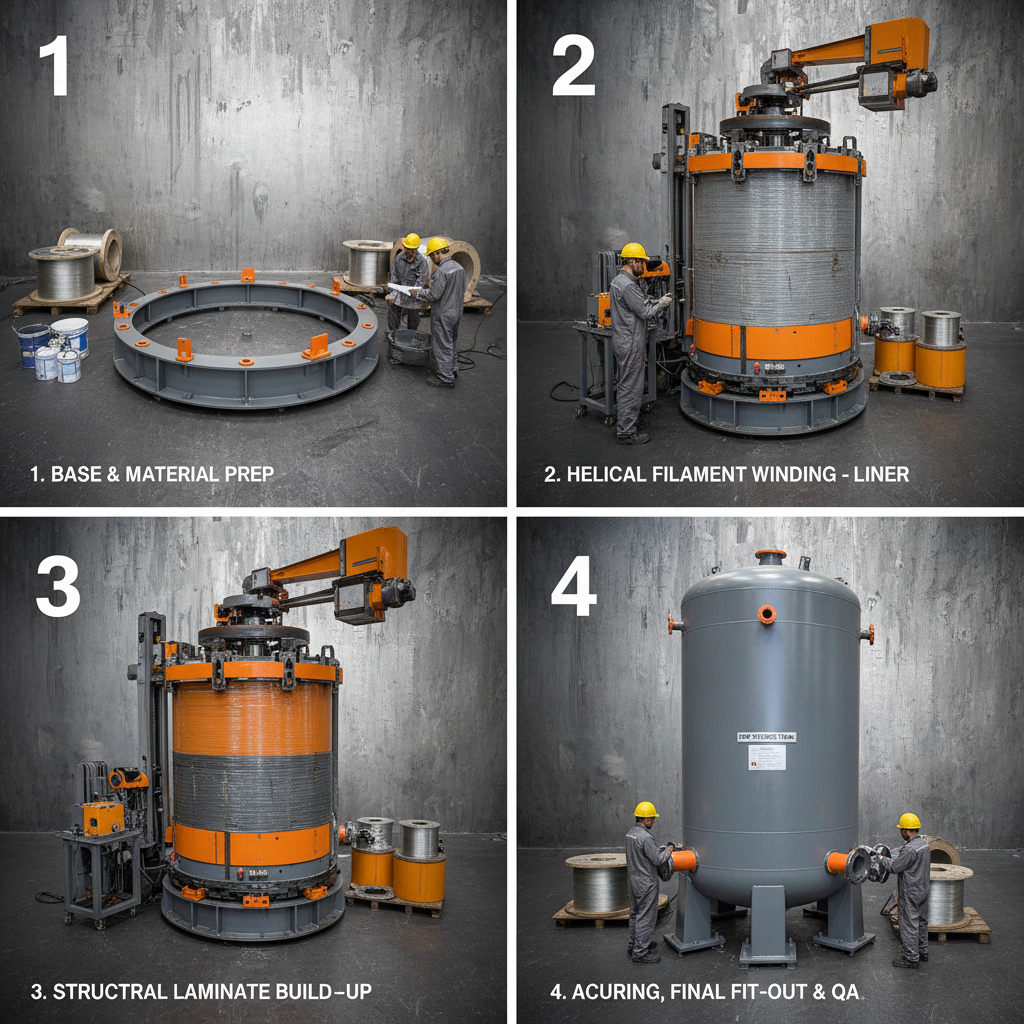
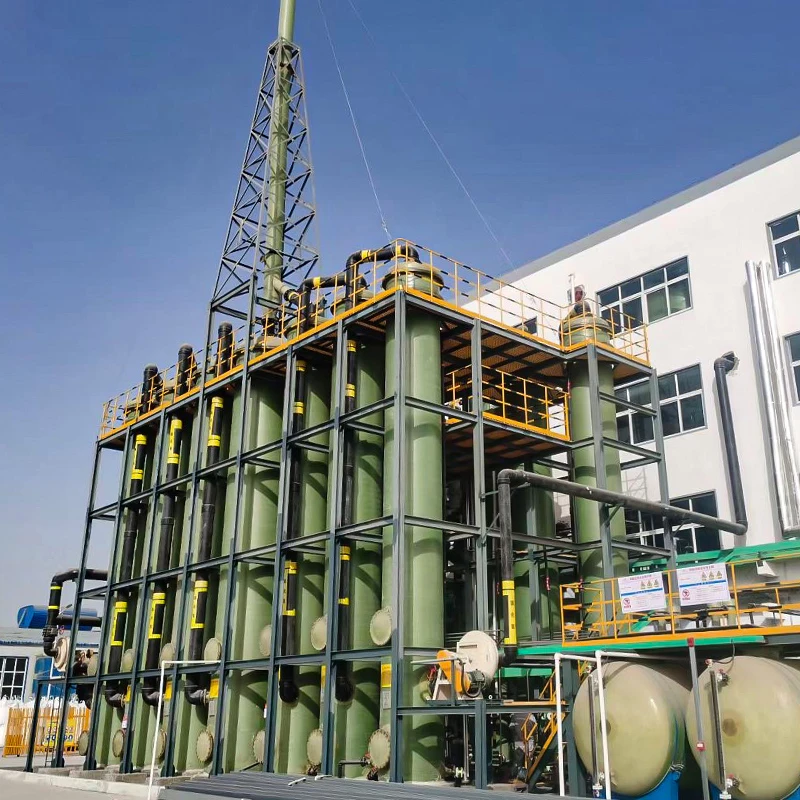
Simply put, fiberglass media tanks are robust vessels constructed from fiberglass-reinforced polyester (FRP) that house filtration media—think sand, activated carbon, or specialized resins. They’re the vessels where water or fluids pass through multi-layer filtration materials to remove impurities, chemicals, or sediments.

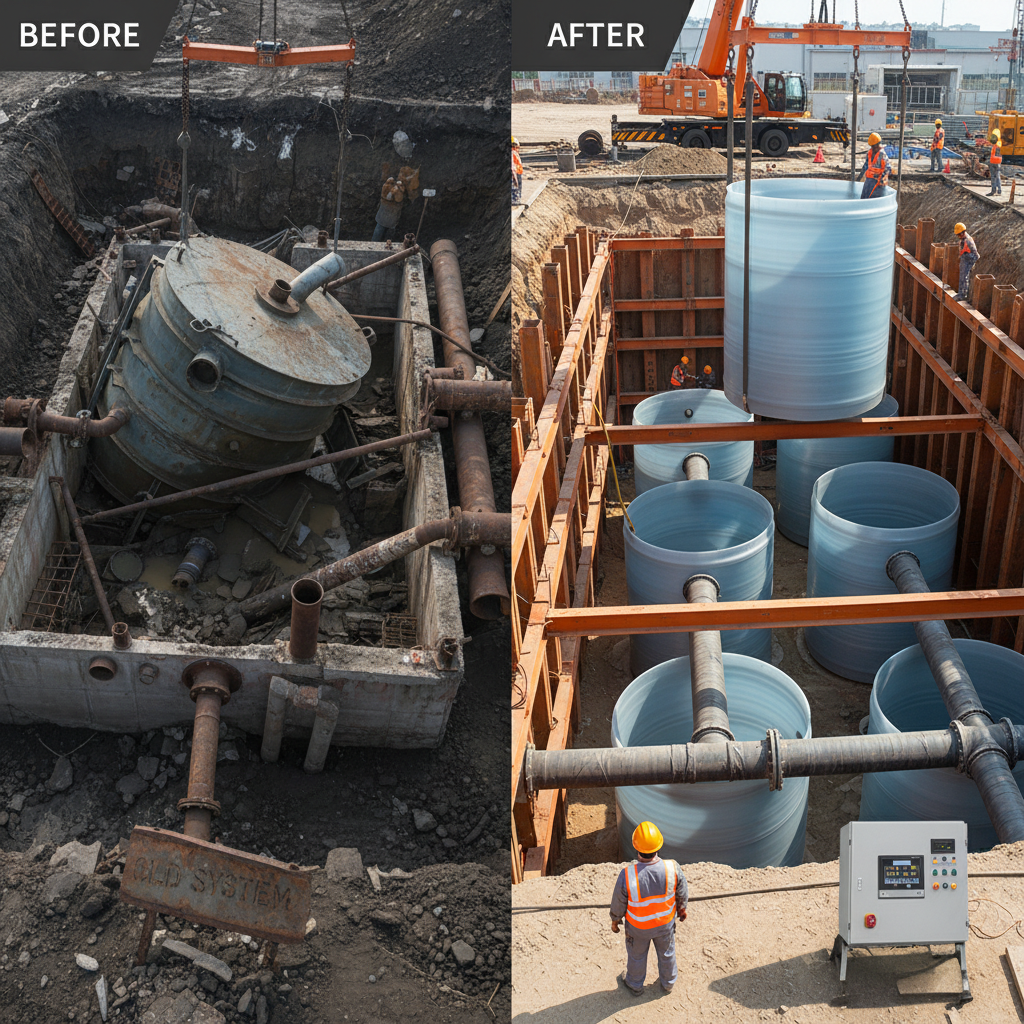
Compared to traditional steel or concrete tanks, FRP media tanks weigh less, resist corrosion without extra coatings, and offer a versatile design that fits everything from small-scale filter beds to massive industrial clarifiers.

Four Key Features That Define Their Value

1. Durability

Fiberglass material doesn’t rust, which means it withstands harsher chemicals and varying pH levels that would corrode metal tanks in a year or two. This longevity translates to fewer replacements and massive cost savings.

2. Scalability and Design Flexibility

From compact filtration units on site to large-scale modular setups, fiberglass tanks can be tailored in diameter, height, and layer composition. This adaptability means they fit both niche and broad applications with ease.

3. Cost Efficiency

One engineer I spoke with noted how, despite a slightly higher upfront cost than some metal tanks, fiberglass media tanks reduce total ownership expenses due to minimal maintenance and longer intervals between downtime.

4. Safety and Compliance

Meeting ISO 9001 and NSF/ANSI standards, many fiberglass media tanks are certified safe for potable water systems—a must for municipal applications and public health.

Global Applications — From Coastal Cities to Remote Mines

Fiberglass media tanks find homes in some unexpected places:

  • Municipal Water Treatment: Cities in Asia and Africa increasingly turn to FRP tanks for their resilience against saline corrosion and low maintenance, especially where budgets are tight but water quality can’t be compromised.
  • Mining Operations: Mines use them for heavy metal filtration and tailing pond management—tough environments call for tanks that don’t crack under pressure or chemical attack.
  • Disaster Relief and Emergency Water: NGOs deploy portable fiberglass tanks in flood-affected regions to rapidly set up filtration points, aiding clean water access in man-made or climate disasters.
  • Food & Beverage Industry: Here, tanks ensure filtered water meets hygiene standards with zero chemical leaching—crucial for consumer safety.

If you want to explore specific models, I’d recommend checking out our range of fiberglass media tanks, tailored for different capacities and filtration needs.

Advantages That Last Long After Installation

Aside from the practical, the tanks contribute emotionally and socially—communities can trust their water systems will function reliably, and industries rely on consistent output without expensive downtime. Innovation in materials means less environmental impact (no rust, no paint stripping, no hazardous waste). Here’s a quick rundown:

  • Economic Savings: Lower lifetime maintenance
  • Environmental Impact: Lightweight reduces transport emissions, recyclable composites under emerging schemes
  • Safety: Proven chemical resistance, eliminating contamination risk
  • Social Impact: Improved water quality fosters better public health

Product Specification Overview

Specification Typical Value Notes
Material Fiberglass Reinforced Polyester (FRP) High corrosion resistance
Diameter Range 0.6 – 3.5 meters Custom sizes available
Operating Pressure 1.5 – 3.0 bar (standard) Higher pressure options on request
Operating Temperature -10°C to 70°C Suitable for most water treatment plants
Certifications ISO 9001, NSF/ANSI 61 Ensures potable water safety

Comparing Top Vendors in Fiberglass Media Tanks

Vendor Range of Sizes Materials & Certification Typical Delivery Time Price Range
FRP Solutions Inc. 0.5m to 3.0m diameter ISO 9001, NSF 61 4-6 weeks $$$ (mid-range)
Global Tank Manufacturing 0.6m to 3.5m diameter ISO 9001 certified only 6-9 weeks $$ (budget-friendly)
NextGen Fiberglass Ltd. 0.8m to 2.5m diameter NSF/ANSI 61 Certified 3-5 weeks $$$$ (premium)

Where Are Fiberglass Media Tanks Headed? Future Trends

We’re not living in the 80s anymore—fiberglass tanks are evolving. New resin formulations improve UV resistance and reduce surface discoloration. Meanwhile, automation integration allows real-time monitoring of filter media conditions, meaning maintenance becomes predictive rather than reactive.

Green energy trends play a role too. As more treatment plants adopt solar-powered pumping systems, using lightweight fiberglass tanks reduces the energy needed for installation and transport—small wins that add up to huge carbon footprint reductions.

Plus, circular economy principles are prompting research into recyclable or bio-based composite reinforcements, giving the tanks a second life after decades of service.

Challenges and Their Clever Fixes

Of course, no system is perfect. Potential challenges include:

  • UV Degradation: Continuous exposure to sunlight can weaken tanks over years. Manufacturers now offer UV-resistant gel coats and covers as standard.
  • Pressure Limitations: While excellent for low-to-mid pressures, very high-pressure applications still lean on metals or steel. Hybrid systems that combine FRP shells with metal reinforcements are gaining ground.
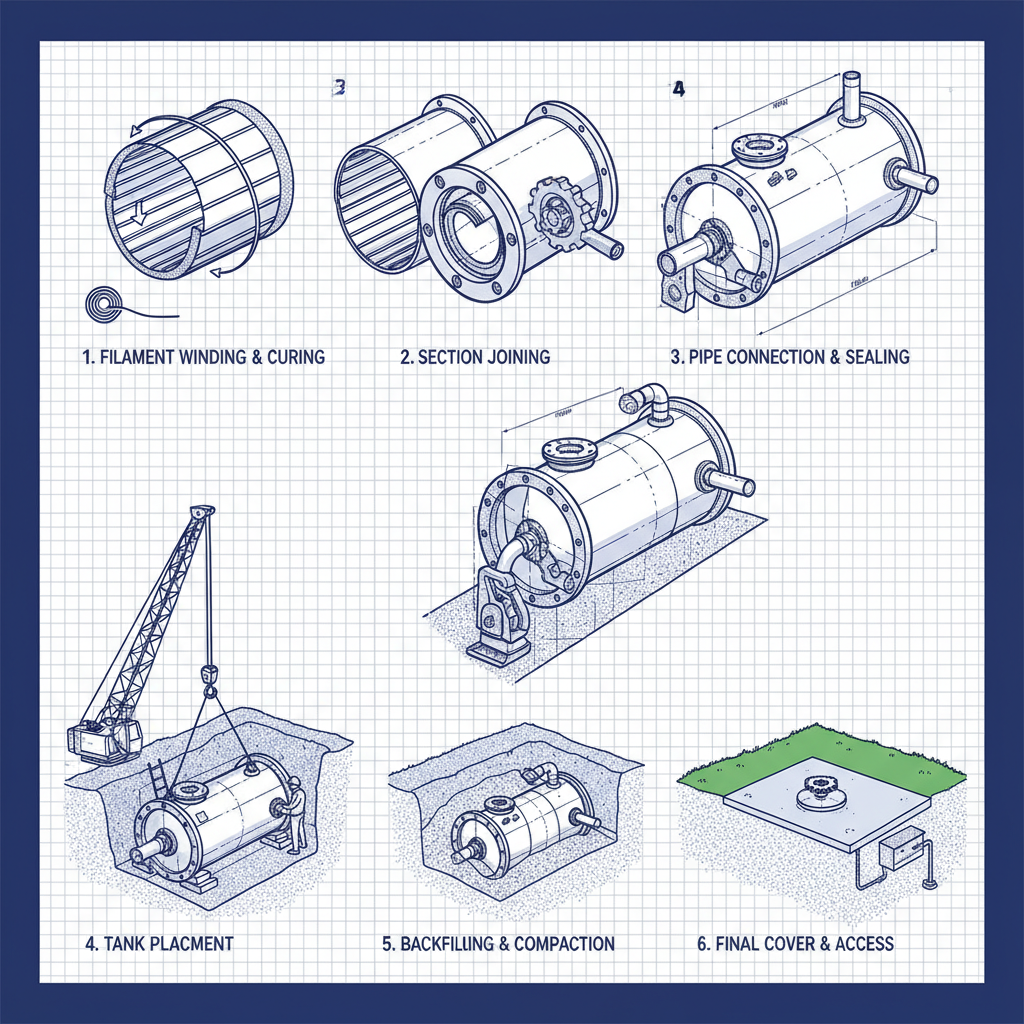
  • Installation Sensitivity: Fiberglass tanks require proper handling and trained installers to avoid cracking or damage—something often overlooked in remote deployments.

Addressing these involves innovation, education, and improving supply chain coordination to deliver tanks pre-fitted with protective packaging and clear installation manuals.

FAQs About Fiberglass Media Tanks

  • Q: How long do fiberglass media tanks typically last?
    A: With proper maintenance, these tanks can last 20-30 years. Their corrosion-resistant nature largely prevents common failures seen in metal tanks.
  • Q: Can fiberglass media tanks handle aggressive chemicals?
    A: Fiberglass tanks resist many corrosive chemicals. However, depending on the chemical composition and concentration, specialized resin formulations might be required to ensure durability.
  • Q: Are fiberglass media tanks suitable for potable (drinking) water filtration?
    A: Absolutely. Many tanks meet NSF/ANSI 61 certification, ensuring they don’t leach harmful substances and are safe for drinking water treatment.
  • Q: What maintenance do these tanks require?
    A: Routine inspections, media replacement, and verifying seals and valves suffice. No painting or anti-rust treatment is necessary, which is a big cost saver.
  • Q: How soon can I get a custom fiberglass media tank?
    A: Typical lead times range from 3-8 weeks depending on size and customization. Some vendors offer expedited production for urgent projects.

Conclusion: Why Fiberglass Media Tanks Are Worth Your Attention

In a world racing to address water scarcity, pollution, and industrial safety, fiberglass media tanks represent a quietly powerful solution. Their blend of durability, flexibility, and cost-effectiveness means they’ll keep filtering water, chemicals, and trust for decades to come.

Curious to explore models and find the right fit for your project? Visit our website — they might just surprise you with what a fiberglass media tank can do.

Thanks for sticking with me on this dive into what feels like the underappreciated backbone of modern filtration!

Mini Takeaways:

  • Fiberglass media tanks are vital corrosion-resistant vessels used worldwide in water and industrial filtration.
  • Their durability, scalability, and certifications make them ideal for municipal, industrial, and emergency applications.
  • Advances in materials and automation promise even smarter, greener filtration solutions ahead.
References

  1. UN-Water: Global Water Report, 2023
  2. Wikipedia: Fiberglass Reinforced Plastic
  3. ISO 9001 Quality Management
Upsell Products
Upsell News
Guide to Fiber Water Tank Price and FRP Storage Costs
Jul 01,2026
Guide to Fiber Water Tank Price and FRP Storage Costs
Understanding Fiber Water Tank Price: A Comprehensive Investment Guide When searching for a reliable liquid storage solution, understanding the factors that influence fiber water tank price is essential for optimizing your operational budget. Fiber-Reinforced Plastic FRP tanks have become the industry standard for water and chemical storage due to their exceptional corrosion resistance and structural integrity. Whether you are managing a municipal water project or an industrial chemical plant, selecting the right tank requires a balance between initial cost and long-term durability. In this guide, we will explore the variables that drive pricing and why FRP remains the most cost-effective choice
Guide to Fibreglass Water Tank Prices and FRP Investment
Jun 29,2026
Guide to Fibreglass Water Tank Prices and FRP Investment
Understanding Fibreglass Water Tank Prices: A Comprehensive Investment Guide When planning water storage for industrial or commercial applications, understanding the factors that influence fibreglass water tank prices is essential for optimizing your budget. Fibreglass Reinforced Plastic FRP tanks offer a superior alternative to steel or concrete due to their corrosion resistance and lightweight nature. Whether you are in the petroleum, chemical, or drainage industry, selecting a tank that balances cost with long-term durability is key. In this guide, we will explore the pricing drivers, technical advantages, and specifications of high-quality FRP storage solutions to help you make an informed purchasing decision.
Industrial Fiberglass Water Tank Price and Buyers Guide
Jun 27,2026
Industrial Fiberglass Water Tank Price and Buyers Guide
Analyzing Fiberglass Water Tank Price: A Comprehensive Buyers Guide When investing in industrial water storage, understanding the fiberglass water tank price is essential for effective budget planning and operational efficiency. Fiberglass Reinforced Plastic FRP tanks have become the gold standard in water quality pollution prevention and chemical storage due to their exceptional corrosion resistance and durability. Whether you are managing a municipal water system or a specialized manufacturing plant, choosing the right tank involves balancing initial costs with long-term lifecycle value. In this guide, we will break down the factors that influence pricing and why FRP is often the most cost-effective choice
Comprehensive Guide to GRP Sectional Water Tanks Prices and Quality
Jun 26,2026
Comprehensive Guide to GRP Sectional Water Tanks Prices and Quality
Selecting the right water storage solution is critical for industrial, commercial, and residential infrastructure. When evaluating grp sectional water tanks prices, it is essential to look beyond the initial sticker price and consider the total cost of ownership, including durability, installation ease, and maintenance. Glass Reinforced Plastic GRP tanks offer a superior alternative to traditional steel or concrete, providing exceptional corrosion resistance and modular flexibility. In this guide, we will explore the factors that influence pricing and why GRP remains the gold standard for modern water management.
Guide to Understanding FRP Tank Cost and Investment Value
Jun 25,2026
Guide to Understanding FRP Tank Cost and Investment Value
Understanding FRP Tank Cost: A Comprehensive Guide to Investment and Value When investing in industrial storage solutions, understanding the frp tank cost is essential for accurate budgeting and long-term operational planning. Fiber Reinforced Plastic FRP tanks offer an exceptional balance of corrosion resistance, structural strength, and longevity, making them the preferred choice for chemical, petroleum, and water treatment industries. While initial pricing can vary based on specifications, the total cost of ownership is often significantly lower than traditional steel tanks due to reduced maintenance. In this guide, we will explore the factors influencing pricing and the advanced machinery used to produce these high-performance vessels.
Best Industrial 500 gallon chemical tank for Storage and Safety
Jun 23,2026
Best Industrial 500 gallon chemical tank for Storage and Safety
Choosing the Best 500 Gallon Chemical Tank for Industrial Storage When managing hazardous materials or industrial fluids, the integrity of your storage system is non-negotiable. A high-quality 500 gallon chemical tank provides the perfect balance between capacity and footprint, making it an ideal choice for mid-sized operations, water treatment facilities, and chemical processing plants. Selecting the right material and design ensures not only the safety of your personnel but also the longevity of your assets. In this guide, we will explore the critical factors you need to consider to optimize your chemical storage efficiency and compliance.
Safe and Efficient Industrial Chemical Storage Tanks Guide
Jun 21,2026
Safe and Efficient Industrial Chemical Storage Tanks Guide
Maximizing Safety and Efficiency with Industrial Chemical Storage Tanks In the modern industrial landscape, the secure management of hazardous materials is not just a regulatory requirement but a critical safety priority. Selecting the right industrial chemical storage tanks is essential for preventing leaks, reducing environmental impact, and ensuring the longevity of your infrastructure. Whether you are dealing with highly corrosive acids or volatile solvents, the material composition and design of your storage system determine your operational risk. This guide explores the technical nuances of chemical storage to help you make an informed investment for your facility.
Best Guide to Choosing a Durable 200 Gallon Chemical Tank
Jun 20,2026
Best Guide to Choosing a Durable 200 Gallon Chemical Tank
The Ultimate Guide to Choosing a 200 Gallon Chemical Tank Finding the right storage solution for hazardous or corrosive substances is critical for industrial safety and operational efficiency. A 200 gallon chemical tank offers a versatile mid-size capacity, ideal for businesses that need a balance between space-saving design and sufficient volume for chemical processing. Whether you are dealing with acids, bases, or specialty solvents, the material composition of your tank determines its lifespan and your facilitys safety. In this guide, we will explore the technical specifications, material options, and best practices for maintaining these essential industrial assets.
Industrial Fiberglass Water Storage Tanks Guide for Efficiency
Jun 18,2026
Industrial Fiberglass Water Storage Tanks Guide for Efficiency
The Ultimate Guide to Fiberglass Water Storage Tanks for Industrial Use Selecting the right containment system is critical for maintaining water purity and operational efficiency. fiberglass water storage tanks have emerged as a superior alternative to traditional steel or concrete reservoirs. Combining high strength-to-weight ratios with exceptional corrosion resistance, these tanks are designed to withstand the harshest environmental conditions while ensuring the longevity of your infrastructure. Whether you are managing a municipal water system or an industrial chemical process, understanding the advantages of FRP Fiber Reinforced Plastic technology is the first step toward a sustainable storage solution.
Industrial Storage Guide for Modular Sectional Water Tanks
Jun 13,2026
Industrial Storage Guide for Modular Sectional Water Tanks
When managing large-scale water storage, efficiency and scalability are non-negotiable. Sectional water tanks offer a versatile and robust solution for industries requiring customized capacities and easy installation in restricted spaces. Unlike monolithic tanks, these systems are engineered from modular panels, allowing for precise sizing and seamless transport to remote sites. Whether it is for fire protection, potable water, or industrial processing, choosing the right tank configuration can significantly impact the longevity and reliability of your water infrastructure. In this guide, we explore why these modular systems are the preferred choice for modern engineering projects worldwide.
Industrial Safety Guide for Double Wall Chemical Tanks
Jun 11,2026
Industrial Safety Guide for Double Wall Chemical Tanks
In the world of industrial chemical storage, containment is not just a preferenceit is a critical safety requirement. double wall chemical tanks provide a sophisticated layer of security, ensuring that hazardous materials are contained even if the primary vessel fails. By utilizing a tank-within-a-tank design, these systems prevent catastrophic leaks, protect the surrounding environment, and ensure compliance with strict regulatory standards. Whether you are managing a water treatment plant or a chemical manufacturing facility, understanding the nuances of secondary containment is essential for operational longevity and risk mitigation.
High Efficiency and Durability of Fiberglass Storage Tanks
Jun 09,2026
High Efficiency and Durability of Fiberglass Storage Tanks
In the world of industrial liquid containment, choosing the right material is critical for safety, longevity, and cost-effectiveness. fiberglass storage tanks , also known as FRP Fiber Reinforced Plastic tanks, have emerged as the gold standard for storing corrosive chemicals, water, and hazardous materials. Unlike traditional metal tanks, fiberglass offers an unparalleled combination of strength and chemical inertness. Whether you are managing a municipal water system or a complex chemical processing plant, understanding the advantages of these advanced composite structures is essential for optimizing your infrastructure and reducing long-term maintenance costs.
Durable FRP Vessel for Water Treatment and Industrial Filtration
Apr 16,2026
Durable FRP Vessel for Water Treatment and Industrial Filtration
In the modern era of industrial and residential water purification, the choice of containment materials is critical for efficiency and longevity. An frp vessel for water treatment has emerged as the gold standard, replacing traditional steel tanks due to its superior corrosion resistance and lightweight properties. Whether you are dealing with desalination, softening, or filtration, using Fiber Reinforced Plastic (FRP) ensures that your system remains leak-proof and durable against aggressive chemicals. In this comprehensive guide, we will explore why FRP is the preferred choice for water treatment professionals worldwide and how to select the right vessel for your specific application.
Industrial Guide for Choosing the Right FRP Vertical Tank
Apr 09,2026
Industrial Guide for Choosing the Right FRP Vertical Tank
In today's industrial landscape, the storage of corrosive chemicals and aggressive liquids requires materials that can withstand extreme conditions without degrading. The frp vertical tank has emerged as a premier solution, offering an exceptional balance of strength, lightweight properties, and unmatched chemical resistance. Whether you are managing a water treatment plant or a chemical processing facility, understanding the nuances of Fiber Reinforced Plastic (FRP) is essential for ensuring operational safety and longevity. In this comprehensive guide, we will explore why vertical configurations are preferred and how these tanks outperform traditional metal alternatives.
Comprehensive Guide to FRP Underground Water Tank Solutions and Applications
Apr 07,2026
Comprehensive Guide to FRP Underground Water Tank Solutions and Applications
Fiberglass Reinforced Polymer (FRP) underground water tanks are becoming increasingly popular for a wide range of applications, from potable water storage to industrial wastewater containment. Their superior corrosion resistance, lightweight nature, and design flexibility make them an excellent alternative to traditional materials like concrete or steel. This article will delve into the benefits, applications, construction, and considerations for implementing FRP underground water tanks, providing a comprehensive overview for engineers, contractors, and project managers.
Comprehensive Guide to Frp Underground Water Storage Tanks and Their Applications
Apr 04,2026
Comprehensive Guide to Frp Underground Water Storage Tanks and Their Applications
When considering water storage solutions, particularly for industrial, agricultural, or municipal applications, frp underground water storage tanks stand out as a durable, cost-effective, and environmentally friendly option. These tanks are increasingly favored over traditional materials like concrete or steel due to their superior corrosion resistance, lighter weight, and ease of installation. This article delves into the benefits, applications, construction, and considerations when choosing an FRP tank, providing a detailed overview for potential buyers and project planners.
For More Details Pls Contact Us
Thank you for your interest in our gloves! We offer high-quality, durable, and comfortable gloves with fast delivery and competitive prices. For any questions or customization, feel free to contact us. We look forward to working with you!

If you are interested in our products, you can choose to leave your information here, and we will be in touch with you shortly.