Nov 17,2025

Durable and Sustainable FRP Storage Tanks for Industrial and Humanitarian Use

The Quiet Revolution of FRP Storage Tanks: Why It Matters Worldwide

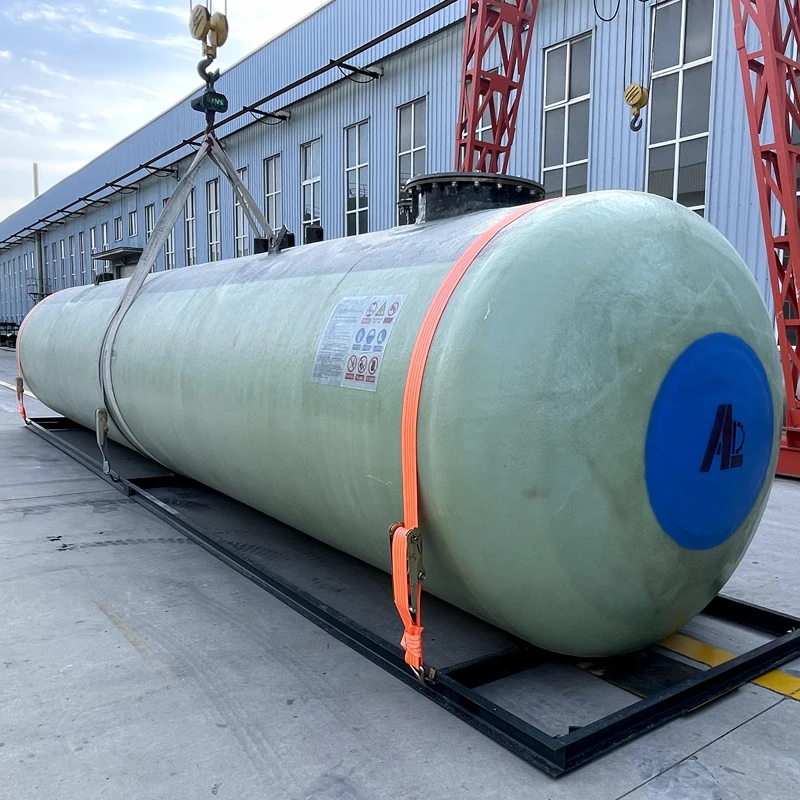
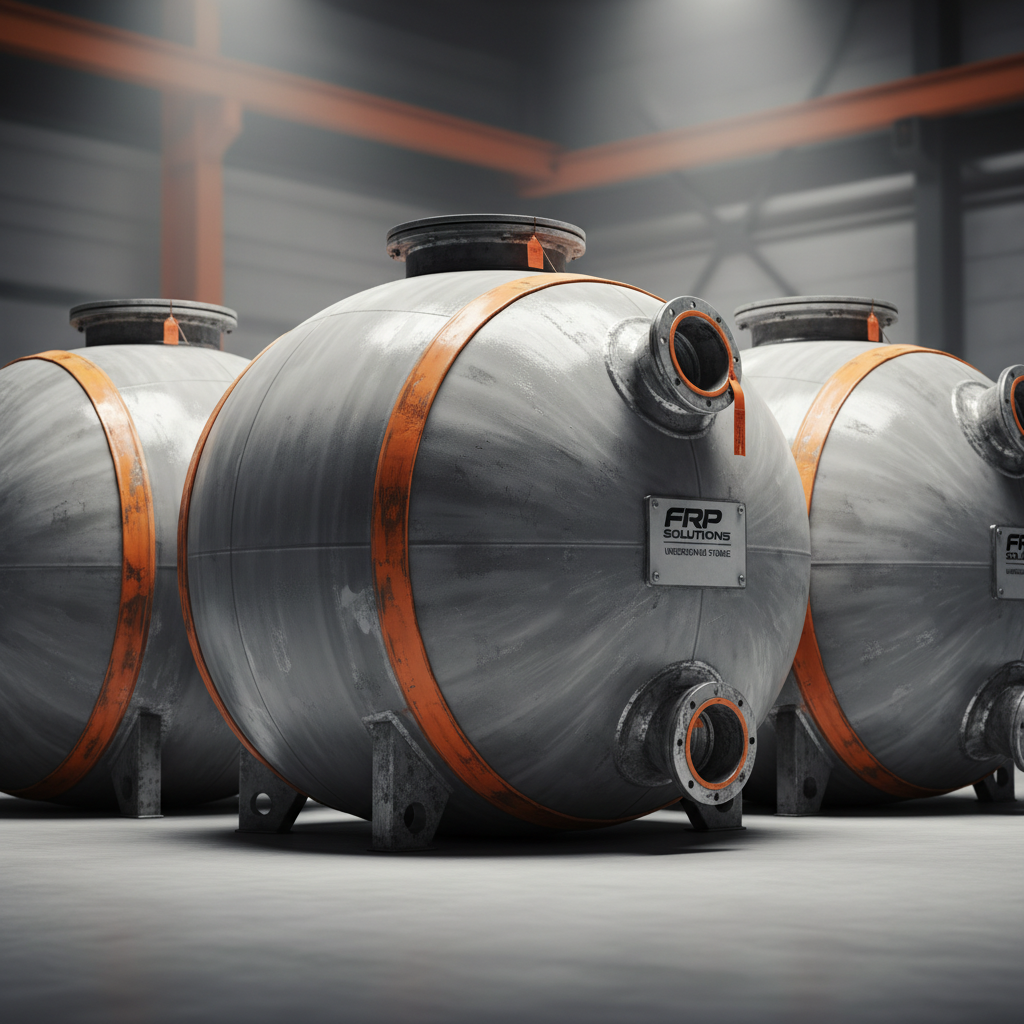
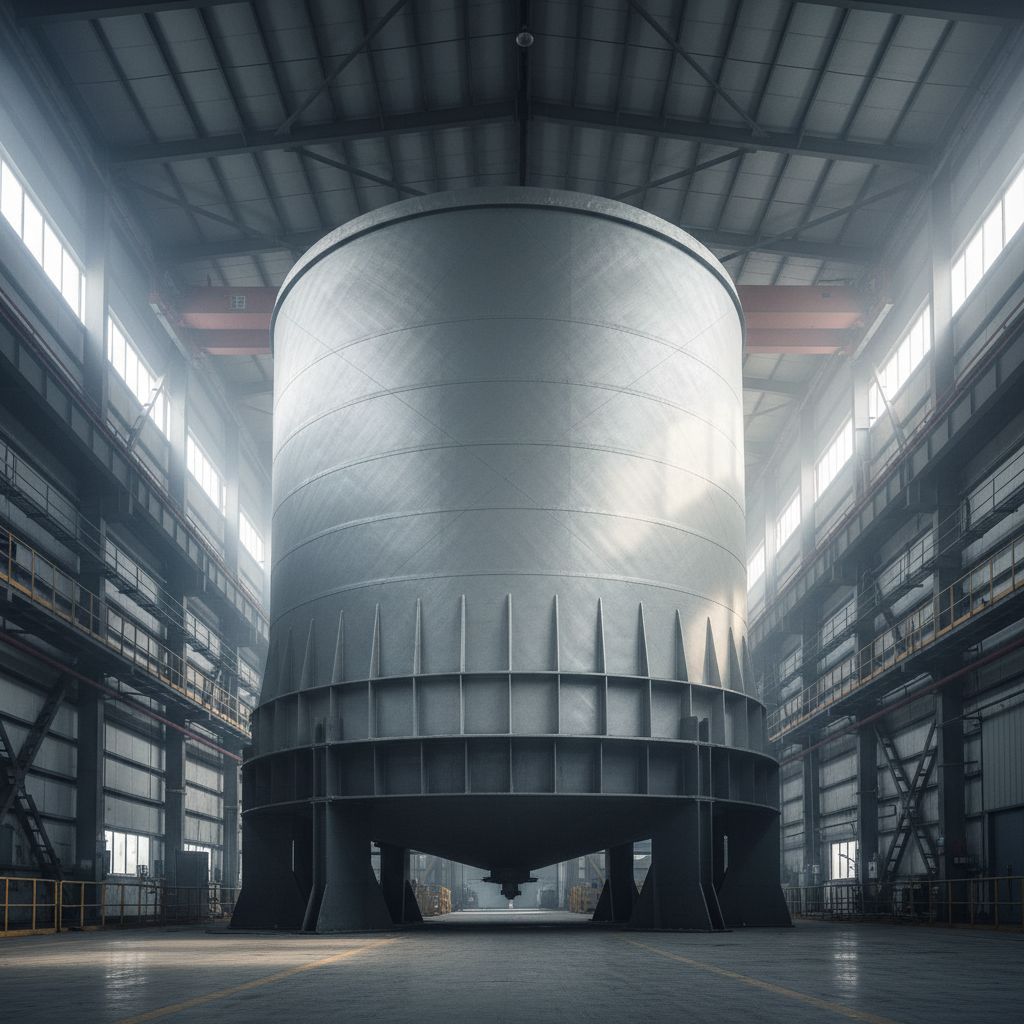
If you hadn’t come across the term FRP storage tanks before, don’t worry — they’re one of those unsung heroes quietly making big differences across industries and environments around the globe. FRP, or fiber-reinforced plastic, tanks store liquids ranging from water and chemicals to industrial fluids, with remarkable strength and durability. But here’s the kicker: these tanks are not just resilient containers; they play a vital role in sustainability, safety, and humanitarian efforts worldwide.

Globally, demand for environmentally compatible, cost-effective, and reliable storage solutions is surging. As climate concerns intensify and the need for efficient water management grows, understanding how FRP storage tanks can fit into these puzzles is not just smart — it’s essential.

Global Context: Why FRP Storage Tanks Are Shaping The Future

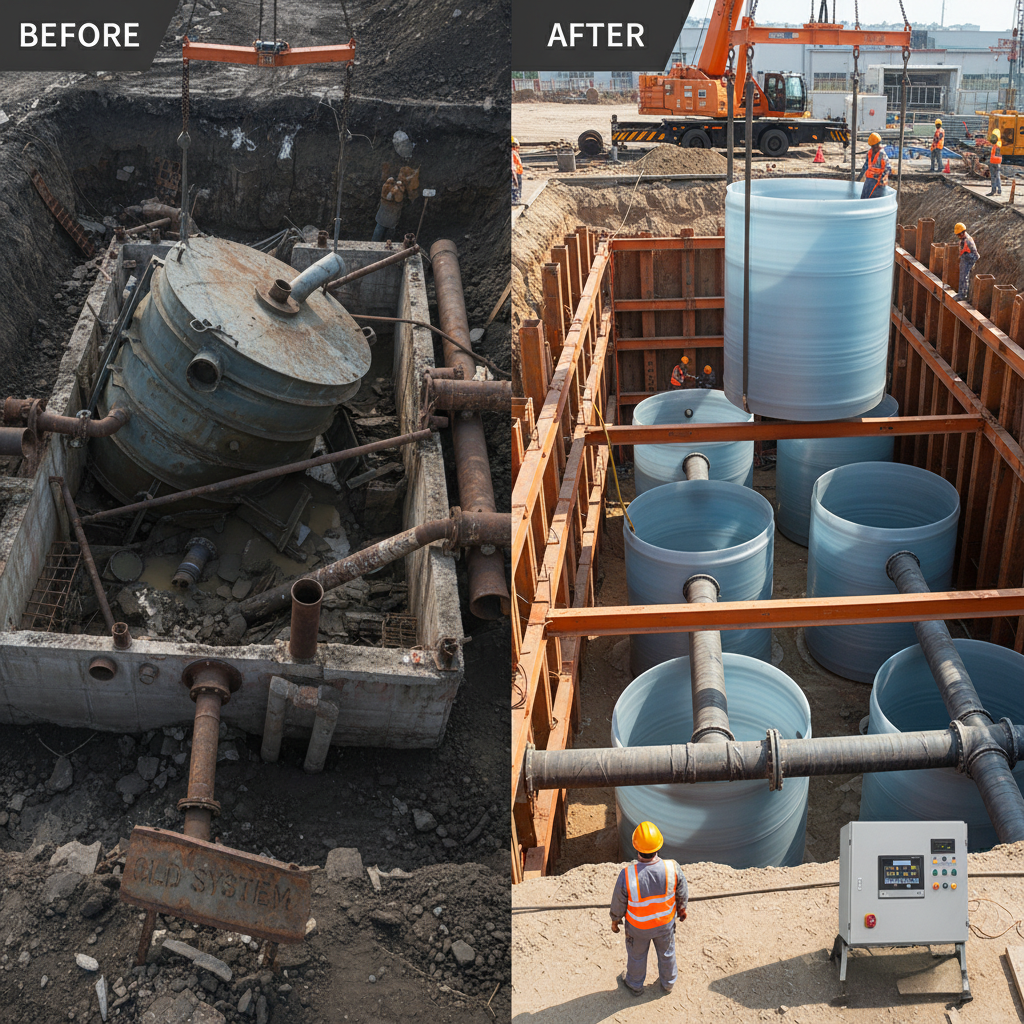
According to recent data from the United Nations and ISO standards, almost 2 billion people lack safely managed drinking water services. These numbers inevitably push industries and governments to rethink storage methods — including the containers holding that precious water or industrial liquids. Conventional steel and concrete tanks have been the go-to for decades, but they come with their fair share of drawbacks: corrosion, heavy maintenance, and sometimes hefty price tags.

FRP storage tanks elegantly fill this gap. Not only do they address durability and cost concerns, but they help reduce environmental impact with recyclable components and require less energy to manufacture and transport than traditional alternatives.

What Exactly Are FRP Storage Tanks?

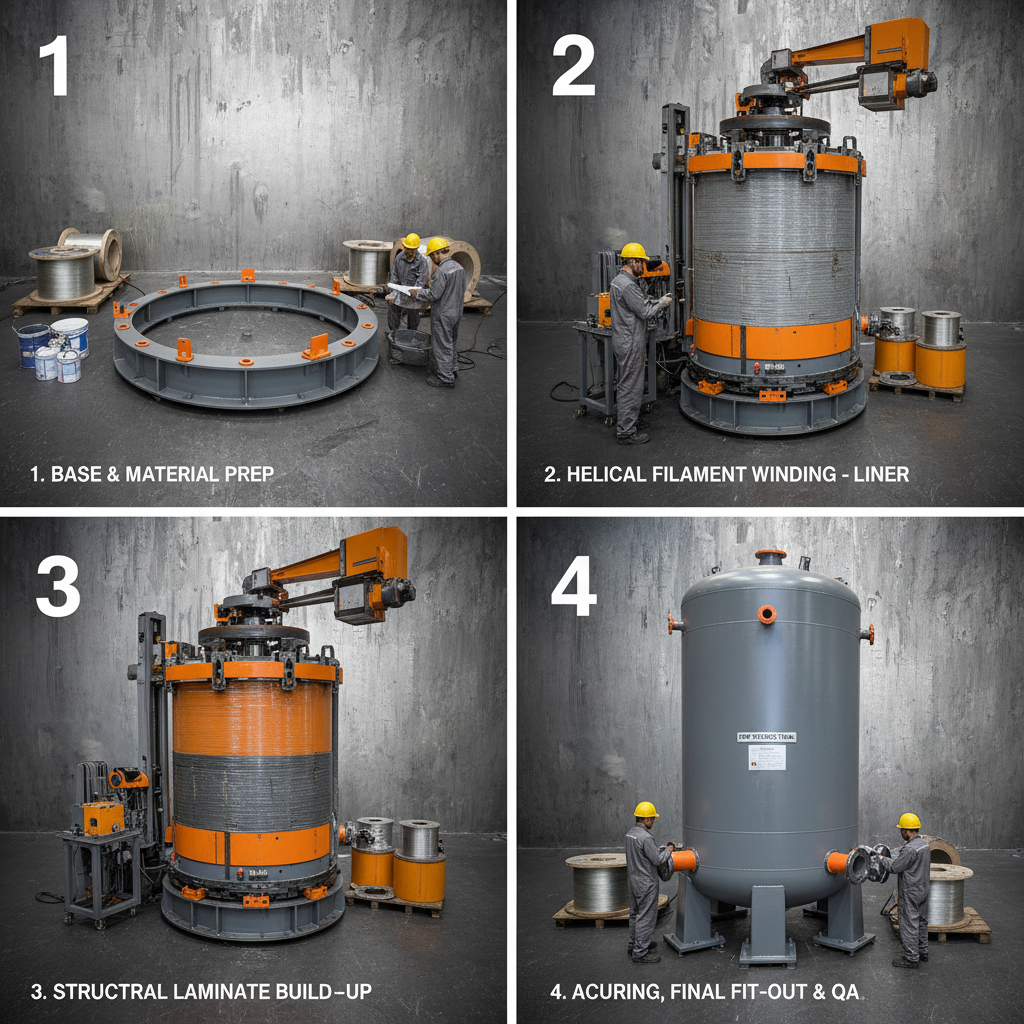
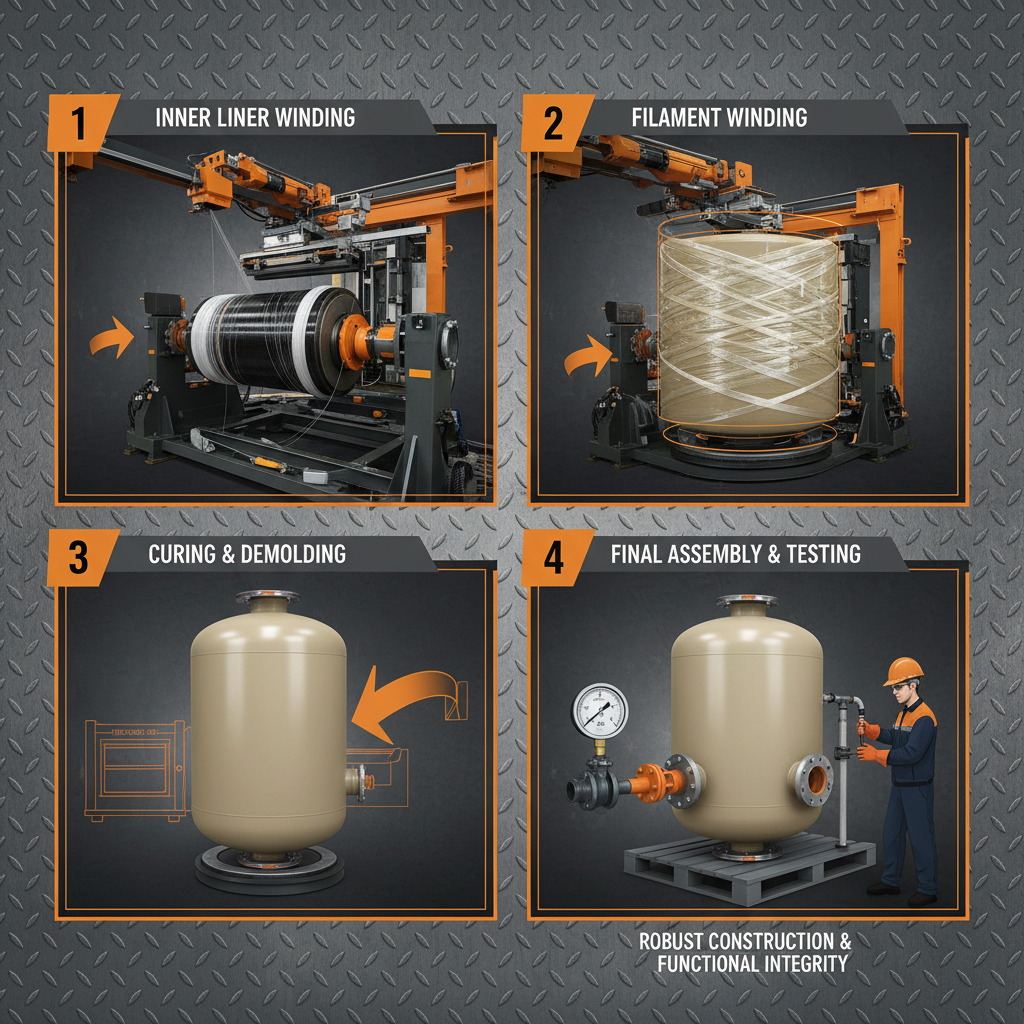
Put simply, FRP storage tanks are containers made from a matrix of plastic reinforced with fibers — usually glass fibers. This combo gives the tanks their well-known strength-to-weight ratio. In practical terms, it means you get tanks that are strong yet lightweight, corrosion-resistant, and easy to handle. They’re widely used in industries from chemical processing and water treatment to agriculture and even emergency humanitarian relief efforts.

What makes them interesting beyond their materials is their adaptability. They can be custom-formed, lined with special resins for added protection against harsh chemicals, and designed for portability.

Key Factors That Set FRP Storage Tanks Apart

1. Durability

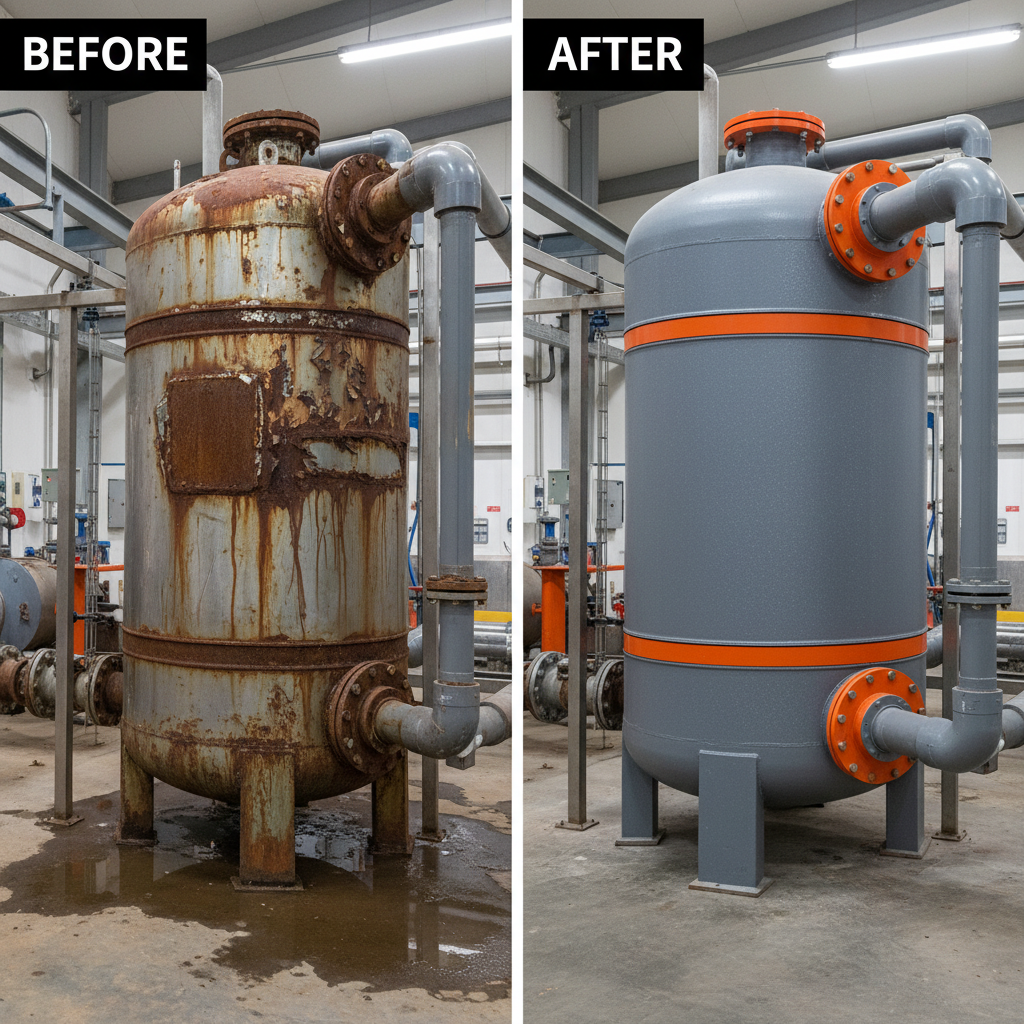
FRP tanks are built to brave harsh environments — from salty coastal zones to chemical plants where corrosion gobbles up metals. Their inherent resistance to rust means less degradation over time, lowering maintenance costs and downtime.

2. Lightweight & Ease of Installation

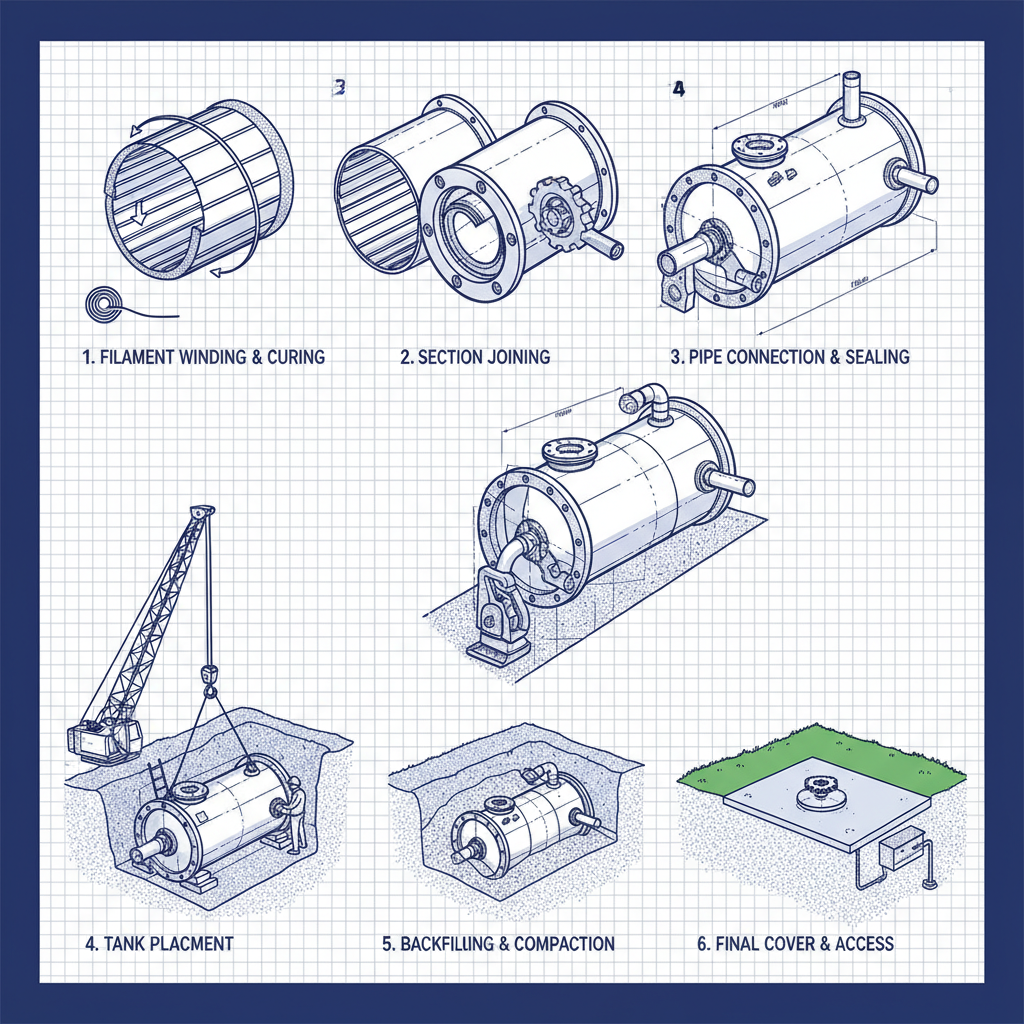
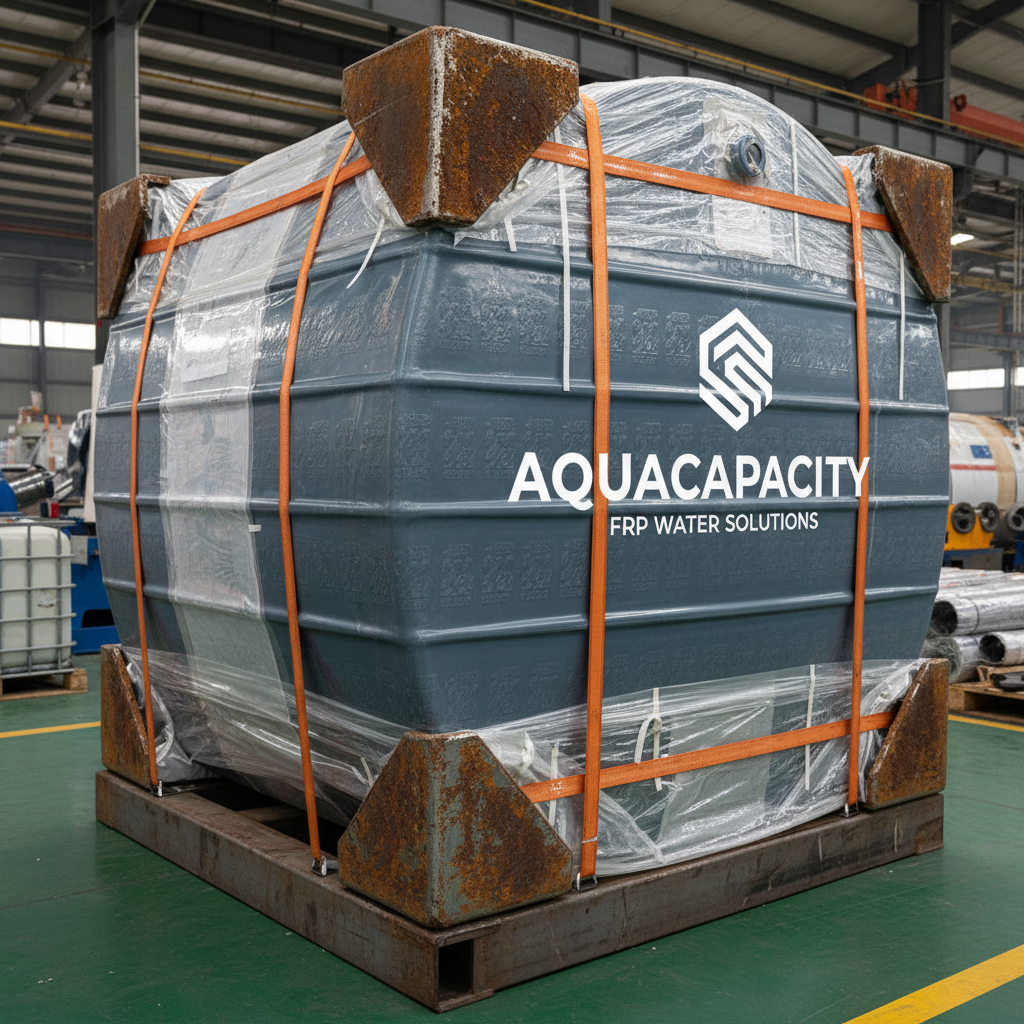
Compared to steel, these tanks weigh a fraction, making transport and installation quicker, safer, and less expensive. Often, you can have a fully operational tank set up in remote areas in days rather than weeks.

3. Scalability & Customization

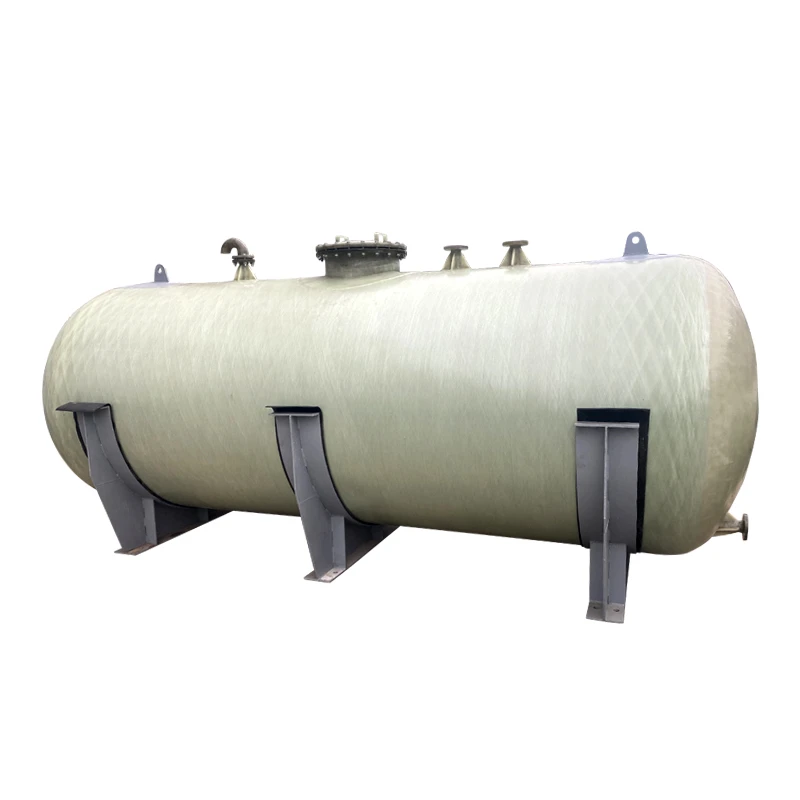
Depending on the need, FRP tanks come in various sizes and shapes — vertical, horizontal, and even modular systems that can be connected to increase capacity. Resins and fiber types can be tailored to suit specific chemical or temperature requirements.

4. Cost Efficiency

Although upfront costs might seem comparable to metals, the reduced maintenance, longer lifespan, and lower installation expenses tip the balance strongly in favor of FRP tanks.

5. Environmental Impact

Many manufacturers emphasize recyclable materials and eco-friendly resin systems. Additionally, the lightweight nature reduces fuel consumption during transport — a subtle but important step toward greener supply chains.

FRP Storage Tanks in Action: Across Continents and Industries

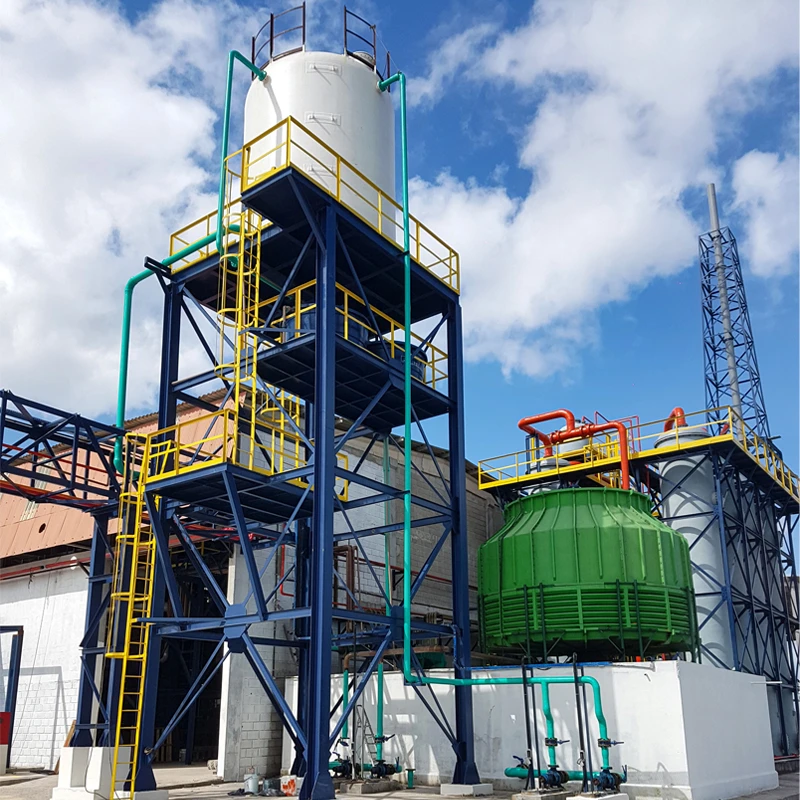
One of the more interesting things about FRP storage tanks is how widespread their applications are. In Africa, particularly in drought-prone regions, they serve as essential water reservoirs for communities and agriculture.

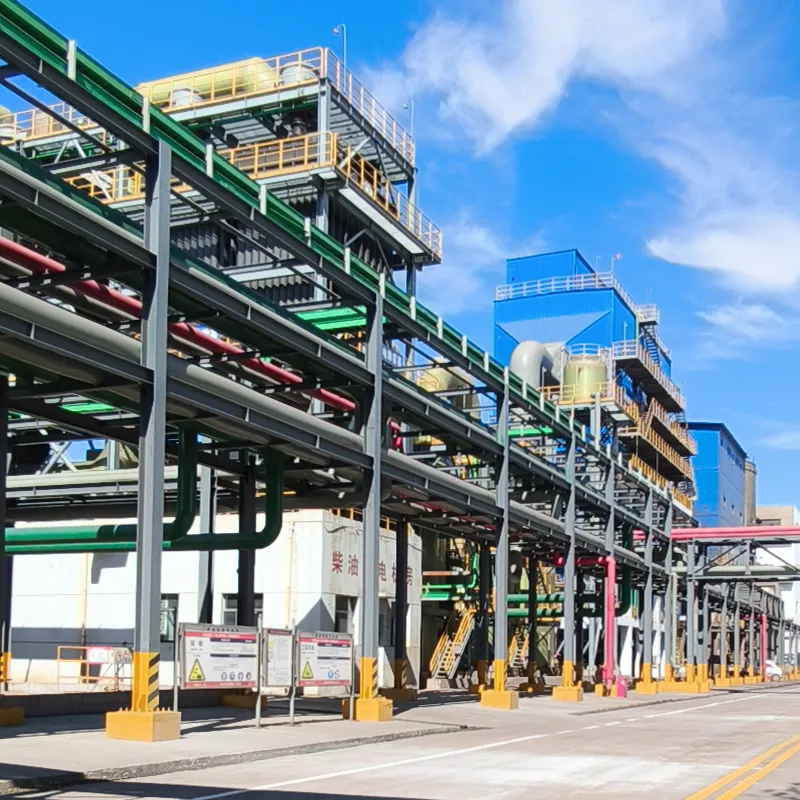
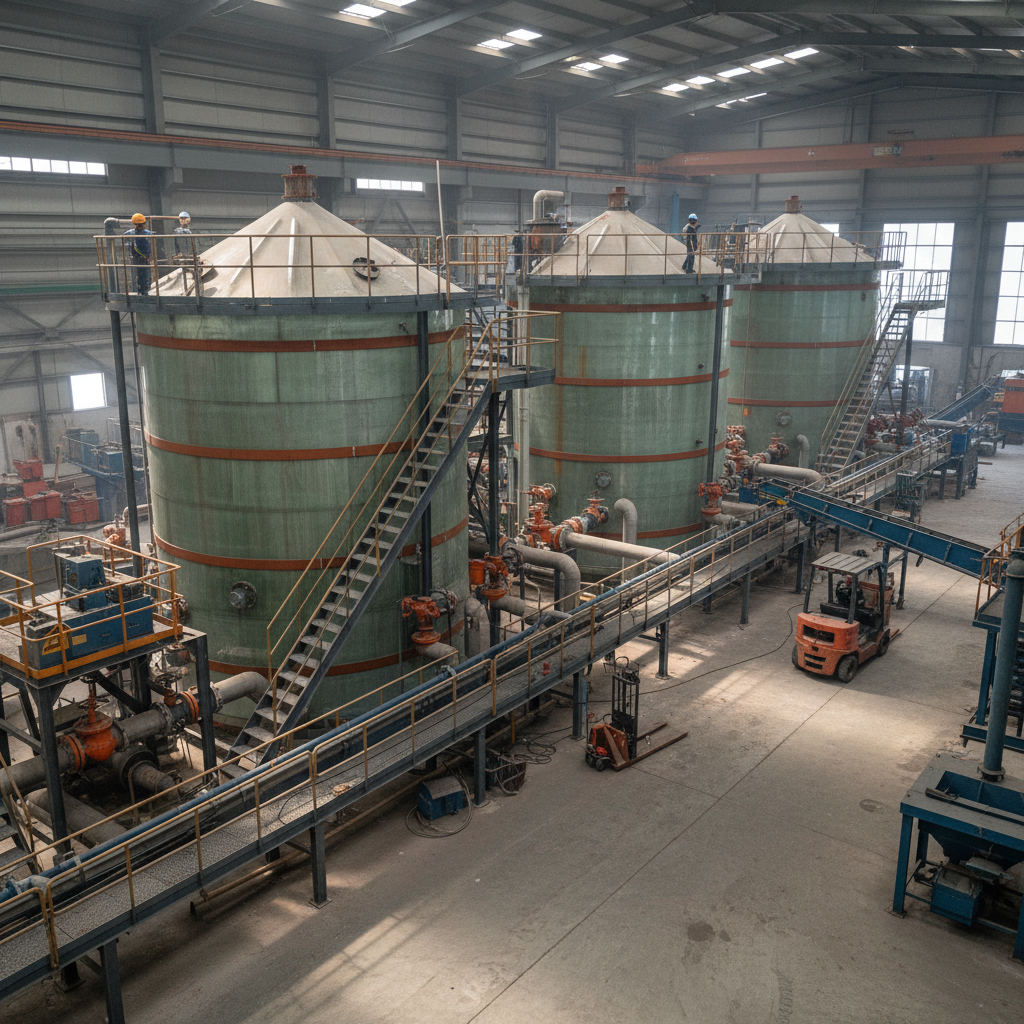
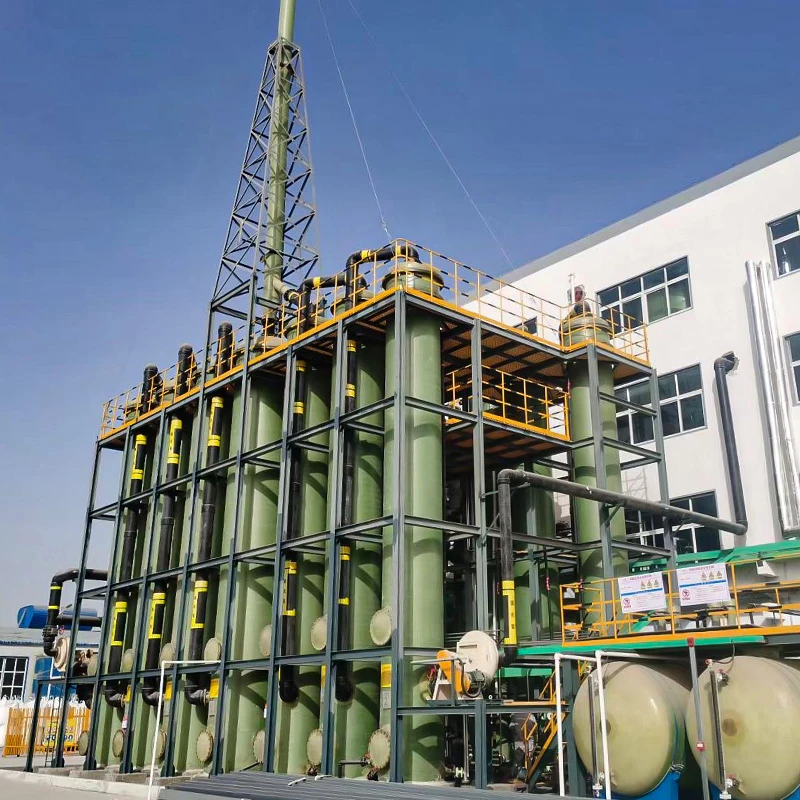
Meanwhile, heavy industries in Southeast Asia favor FRP tanks for storing aggressive chemicals, thanks to their corrosion resistance. The US and Europe often use FRP tanks in wastewater plants and chemical processing facilities where regulatory demands on safety and environmental impact are strict.

Perhaps most heartening is their role in disaster-relief operations — these tanks provide rapid, reliable water storage after floods or earthquakes when infrastructure is damaged and clean water becomes critical.

(If you’re interested in how these tanks support clean water initiatives, check out frp storage tanks solutions.)

Advantages That Last: Why FRP Tanks Are More Than Just Containers

  • Sustainability: By resisting corrosion and requiring less maintenance, FRP tanks reduce waste and environmental strain.
  • Safety: Their chemical resistance helps prevent leaks and contamination, protecting workers and ecosystems.
  • Reliability: Designs customized to client needs mean fewer unexpected failures, helping maintain operational continuity.
  • Economic Value: Lower lifecycle costs make them appealing to budget-conscious companies and public projects alike.

Product Specification Table

Specification Typical Value Notes
Material Glass Fiber Reinforced Polyester Standard resin system
Tank Volume 1,000 - 50,000 liters Custom sizes on request
Operating Temperature -40°C to +80°C Varies by resin
Chemical Compatibility Acids, alkalis, salts Custom liners available
Weight ~1/6 of steel equivalent Facilitates easier handling

Leading Vendors Comparison

Vendor Primary Markets USP Custom Options
FRP Solutions Inc. Chemical, Water Treatment High chemical resistance Custom linings, modular tanks
GreenTank Corp Agriculture, Industrial Eco-friendly resins Sizes from 500L–50,000L
AquaSafe Systems Disaster Relief, NGO Rapid deployment tanks Portable, modular, lightweight

The Road Ahead: Trends & Innovations in FRP Storage Tanks

The future feels bright and even a bit digital for FRP tanks. Emerging smart sensors embedded within tanks monitor liquid levels, detect leaks, and report data remotely. That’s a game-changer for maintenance and safety, especially in hazardous chemical storage.

On the materials side, bio-based resins and recyclable fibers are gaining traction, aligning with global sustainability targets. Automation in production improves quality consistency, while modular tank designs make scaling up or down faster and more cost-effective.

Common Challenges and Expert Tips to Overcome Them

No solution is perfect, and FRP storage tanks have their quirks. Issues like UV degradation over prolonged exposure and vulnerability to impact damage can limit lifespan. The good news? Manufacturers now incorporate UV inhibitors into resin systems and design tanks with protective coatings or shells.

Another challenge is perception — some users still hesitate over upfront costs or unfamiliar materials. Sharing field-proven case studies and lifecycle cost analyses helps break down this barrier and builds trust.

FAQ: Your Questions About FRP Storage Tanks, Answered

How long do FRP storage tanks typically last?
With proper maintenance and suitable resin selection, FRP tanks can last 20–30 years, sometimes longer, especially when protected from harsh environmental elements like intense UV radiation.
Are FRP tanks safe for storing drinking water?
Yes, when made with FDA-approved resins or coatings, FRP tanks are widely used for potable water storage. However, it's essential to verify the tank’s certification and resin type before use.
Can FRP tanks be repaired if damaged?
Absolutely. One of FRP’s advantages is that damaged sections can be patched or relined with compatible resin systems, often on-site, minimizing downtime and costs.
What sizes do FRP storage tanks come in?
They’re highly customizable. Standard ranges span from a few hundred liters to over 50,000 liters, with modular designs allowing for even greater customization.
How do FRP tanks compare cost-wise to steel tanks?
While upfront prices might be similar or slightly higher, FRP tanks generally offer lower lifecycle costs due to reduced maintenance and longer durability, making them a sound long-term investment.

Wrapping It Up: The Lasting Value of FRP Storage Tanks

It’s clear that FRP storage tanks are much more than containers — they’re a smart, sustainable choice shaping how industries and communities worldwide store and protect vital liquids. Whether it’s in a chemical plant in Asia or a water project in sub-Saharan Africa, these tanks deliver durability, cost-effectiveness, and environmental benefits that traditional tanks struggle to match.

Why not explore more on how the latest innovations in frp storage tanks could boost your operations or projects? The future’s already being molded in fiberglass, and it feels promising.


Mini takeaway: FRP storage tanks tick a unique box of resilience, sustainability, and adaptability, making them a reliable choice for modern industries and humanitarian efforts alike.
References

  1. United Nations: Water Scarcity Facts
  2. ISO 14692 - Glass-reinforced plastics (GRP) piping
  3. Wikipedia: Fiber-reinforced plastic

Upsell Products
Upsell News
Durable FRP Vessel for Water Treatment and Industrial Filtration
Apr 16,2026
Durable FRP Vessel for Water Treatment and Industrial Filtration
In the modern era of industrial and residential water purification, the choice of containment materials is critical for efficiency and longevity. An frp vessel for water treatment has emerged as the gold standard, replacing traditional steel tanks due to its superior corrosion resistance and lightweight properties. Whether you are dealing with desalination, softening, or filtration, using Fiber Reinforced Plastic (FRP) ensures that your system remains leak-proof and durable against aggressive chemicals. In this comprehensive guide, we will explore why FRP is the preferred choice for water treatment professionals worldwide and how to select the right vessel for your specific application.
Industrial Guide for Choosing the Right FRP Vertical Tank
Apr 09,2026
Industrial Guide for Choosing the Right FRP Vertical Tank
In today's industrial landscape, the storage of corrosive chemicals and aggressive liquids requires materials that can withstand extreme conditions without degrading. The frp vertical tank has emerged as a premier solution, offering an exceptional balance of strength, lightweight properties, and unmatched chemical resistance. Whether you are managing a water treatment plant or a chemical processing facility, understanding the nuances of Fiber Reinforced Plastic (FRP) is essential for ensuring operational safety and longevity. In this comprehensive guide, we will explore why vertical configurations are preferred and how these tanks outperform traditional metal alternatives.
Comprehensive Guide to FRP Underground Water Tank Solutions and Applications
Apr 07,2026
Comprehensive Guide to FRP Underground Water Tank Solutions and Applications
Fiberglass Reinforced Polymer (FRP) underground water tanks are becoming increasingly popular for a wide range of applications, from potable water storage to industrial wastewater containment. Their superior corrosion resistance, lightweight nature, and design flexibility make them an excellent alternative to traditional materials like concrete or steel. This article will delve into the benefits, applications, construction, and considerations for implementing FRP underground water tanks, providing a comprehensive overview for engineers, contractors, and project managers.
Comprehensive Guide to Frp Underground Water Storage Tanks and Their Applications
Apr 04,2026
Comprehensive Guide to Frp Underground Water Storage Tanks and Their Applications
When considering water storage solutions, particularly for industrial, agricultural, or municipal applications, frp underground water storage tanks stand out as a durable, cost-effective, and environmentally friendly option. These tanks are increasingly favored over traditional materials like concrete or steel due to their superior corrosion resistance, lighter weight, and ease of installation. This article delves into the benefits, applications, construction, and considerations when choosing an FRP tank, providing a detailed overview for potential buyers and project planners.
Sulfuric Acid Production Line - Hebei Aoliande|Efficient H2SO4 Plant Technology
Apr 01,2026
Sulfuric Acid Production Line - Hebei Aoliande|Efficient H2SO4 Plant Technology
Discover efficient H2SO4 plant technology and advanced sulfuric acid production solutions. Hebei Aoliande combines energy-saving furnace design and eco-friendly HCl recovery systems for sustainable industrial applications. Explore now: https://www.frpgrpmachine.com/sulfuric-acid-production-line-for-h2so4-plant.html
Sulfuric Acid Production Line - Hebei Aoliande|Efficient H2SO4 Plant Technology
Apr 01,2026
Sulfuric Acid Production Line - Hebei Aoliande|Efficient H2SO4 Plant Technology
Discover efficient H2SO4 plant technology and advanced sulfuric acid production solutions. Hebei Aoliande combines energy-saving furnace design and eco-friendly HCl recovery systems for sustainable industrial applications. Explore now: https://www.frpgrpmachine.com/sulfuric-acid-production-line-for-h2so4-plant.html
Sulfuric Acid Production Line - Hebei Aoliande|Efficient H2SO4 Plant Technology
Apr 01,2026
Sulfuric Acid Production Line - Hebei Aoliande|Efficient H2SO4 Plant Technology
Discover efficient H2SO4 plant technology and advanced sulfuric acid production solutions. Hebei Aoliande combines energy-saving furnace design and eco-friendly HCl recovery systems for sustainable industrial applications. Explore now: https://www.frpgrpmachine.com/sulfuric-acid-production-line-for-h2so4-plant.html
Sulfuric Acid Production Line - Hebei Aoliande|Efficient H2SO4 Plant Technology
Apr 01,2026
Sulfuric Acid Production Line - Hebei Aoliande|Efficient H2SO4 Plant Technology
Discover efficient H2SO4 plant technology and advanced sulfuric acid production solutions. Hebei Aoliande combines energy-saving furnace design and eco-friendly HCl recovery systems for sustainable industrial applications. Explore now: https://www.frpgrpmachine.com/sulfuric-acid-production-line-for-h2so4-plant.html
Sulfuric Acid Production Line - Hebei Aoliande|Efficient H2SO4 Plant Technology
Apr 01,2026
Sulfuric Acid Production Line - Hebei Aoliande|Efficient H2SO4 Plant Technology
Discover efficient H2SO4 plant technology and advanced sulfuric acid production solutions. Hebei Aoliande combines energy-saving furnace design and eco-friendly HCl recovery systems for sustainable industrial applications. Explore now: https://www.frpgrpmachine.com/sulfuric-acid-production-line-for-h2so4-plant.html
Sulfuric Acid Production Line - Hebei Aoliande|Efficient H2SO4 Plant Technology
Apr 01,2026
Sulfuric Acid Production Line - Hebei Aoliande|Efficient H2SO4 Plant Technology
Discover efficient H2SO4 plant technology and advanced sulfuric acid production solutions. Hebei Aoliande combines energy-saving furnace design and eco-friendly HCl recovery systems for sustainable industrial applications. Explore now: https://www.frpgrpmachine.com/sulfuric-acid-production-line-for-h2so4-plant.html
Comprehensive Guide to Frp Underground Storage Tanks for Reliable Storage Solutions
Mar 31,2026
Comprehensive Guide to Frp Underground Storage Tanks for Reliable Storage Solutions
Fiberglass Reinforced Polymer (FRP) underground storage tanks are becoming increasingly popular for a wide range of applications, from fuel storage to wastewater management. Their corrosion resistance, lightweight nature, and durability offer significant advantages over traditional materials like steel. This article will provide an in-depth look at FRP underground storage tanks, covering their benefits, applications, installation, and maintenance. Understanding these aspects is crucial for making informed decisions about long-term storage solutions.
Comprehensive Guide to Selecting the Ideal FRP Tank for Water Storage Solutions
Mar 28,2026
Comprehensive Guide to Selecting the Ideal FRP Tank for Water Storage Solutions
When it comes to reliable and durable water storage, FRP tanks for water are increasingly becoming the preferred solution for a wide range of applications. These tanks, constructed from Fiber Reinforced Polymer (FRP) materials, offer significant advantages over traditional storage options like steel or concrete. This article delves into the benefits, applications, and considerations when selecting an FRP tank for your water storage needs, providing a detailed overview for businesses and individuals alike.
Comprehensive Guide to Frp Tank and Vessel Applications and Manufacturing
Mar 26,2026
Comprehensive Guide to Frp Tank and Vessel Applications and Manufacturing
Fiber Reinforced Polymer (FRP) tanks and vessels are increasingly becoming the preferred choice for storage and processing across a multitude of industries. Their lightweight nature, corrosion resistance, and design flexibility offer significant advantages over traditional materials like steel. This article will delve into the intricacies of FRP tanks and vessels, exploring their applications, manufacturing processes, benefits, and considerations for selecting the right solution for your specific needs. We’ll also highlight why FRP tanks are a cost-effective and reliable long-term investment. FRP tanks and vessels are constructed from a combination of reinforcing fibers (such as fiberglass, carbon fiber, or aramid fiber) embedded in a polymer matrix (typically polyester, vinyl ester, or epoxy resin). This combination creates a composite material that boasts high strength-to-weight ratio, exceptional corrosion resistance, and the ability to be molded into complex shapes. They’re designed to safely contain a wide variety of liquids and gases, ranging from corrosive chemicals and water to food products and pharmaceuticals.
Optimizing Water Filtration with Durable FRP Sand Filter Vessels
Mar 24,2026
Optimizing Water Filtration with Durable FRP Sand Filter Vessels
In water treatment and filtration systems, the choice of filter vessel material is paramount. Fiber Reinforced Plastic (FRP), also known as Glass Reinforced Polymer (GRP), sand filter vessels are increasingly popular due to their superior corrosion resistance, lightweight nature, and cost-effectiveness. This article delves into the benefits, applications, design considerations, and factors to consider when selecting an FRP sand filter vessel. Whether you are involved in municipal water treatment, industrial wastewater management, or recreational water filtration, understanding FRP technology is essential for optimizing your filtration process. An FRP sand filter vessel is a containment unit designed to house filtration media, typically sand, gravel, and anthracite. These vessels are integral components in sand filtration systems used for removing suspended solids, turbidity, and other particulate matter from water. FRP construction involves layering glass fibers within a resin matrix (typically polyester or vinyl ester) to create a strong, durable, and chemically resistant shell. The strength and rigidity of the vessel are crucial for withstanding the pressure from the filtration media and the water flow.
Comprehensive Guide to FRP Round Tanks Applications and Benefits
Mar 21,2026
Comprehensive Guide to FRP Round Tanks Applications and Benefits
Fiber Reinforced Polymer (FRP) round tanks are increasingly becoming the preferred choice for storage solutions across a variety of industries. Their lightweight nature, corrosion resistance, and design flexibility offer significant advantages over traditional materials like steel. This article provides an in-depth look at FRP round tanks, exploring their applications, benefits, manufacturing processes, and key considerations when choosing the right tank for your needs. Whether you're in chemical processing, water treatment, or agriculture, understanding FRP round tanks is crucial for optimizing your storage infrastructure. FRP round tanks are constructed from a combination of reinforcing fibers (typically fiberglass, carbon fiber, or a blend) embedded in a polymer matrix (often polyester, vinyl ester, or epoxy resin). The round shape inherently provides excellent structural strength, distributing pressure evenly across the tank’s surface.
Comprehensive Guide to FRP Pressure Tanks Benefits and Applications
Mar 19,2026
Comprehensive Guide to FRP Pressure Tanks Benefits and Applications
Fiber Reinforced Polymer (FRP) pressure tanks are becoming increasingly popular in a wide range of industrial applications, offering a compelling alternative to traditional steel tanks. Known for their lightweight nature, corrosion resistance, and high strength-to-weight ratio, FRP tanks provide efficient and durable solutions for storing liquids and gases under pressure. This article will delve into the benefits, applications, construction, and key considerations when selecting an FRP pressure tank, helping you make an informed decision for your specific needs. Understanding the advantages of FRP technology can lead to significant cost savings and improved operational efficiency. Compared to steel, FRP pressure tanks offer several key advantages. The most significant is their superior corrosion resistance. Unlike steel, which is susceptible to rust and corrosion when exposed to various chemicals, FRP materials are inherently resistant to a wide range of corrosive substances. This translates to a longer lifespan, reduced maintenance costs, and increased safety. Furthermore, FRP is significantly lighter than steel, making installation easier and reducing transportation costs.
For More Details Pls Contact Us
Thank you for your interest in our gloves! We offer high-quality, durable, and comfortable gloves with fast delivery and competitive prices. For any questions or customization, feel free to contact us. We look forward to working with you!

If you are interested in our products, you can choose to leave your information here, and we will be in touch with you shortly.