The global shift toward high-performance composite materials has placed a spotlight on the cost-efficiency of production lines, particularly when evaluating the pultrusion machine price against long-term structural benefits. In the water pollution prevention and control equipment sector, the demand for corrosion-resistant profiles has transformed pultrusion from a niche process into a critical industrial standard for sustainable infrastructure.
The complexity of pricing in this sector is rarely about the hardware alone; it involves the integration of precision control systems and material throughput capabilities. For engineering firms, the technical trade-off between initial capital expenditure and the operational reliability of the machinery often determines the viability of large-scale FRP (Fiberglass Reinforced Polymer) projects.
This analysis explores the technical drivers behind equipment costs, the engineering specifications that influence ROI, and how to evaluate a pultrusion machine price based on actual production requirements rather than baseline quotes.


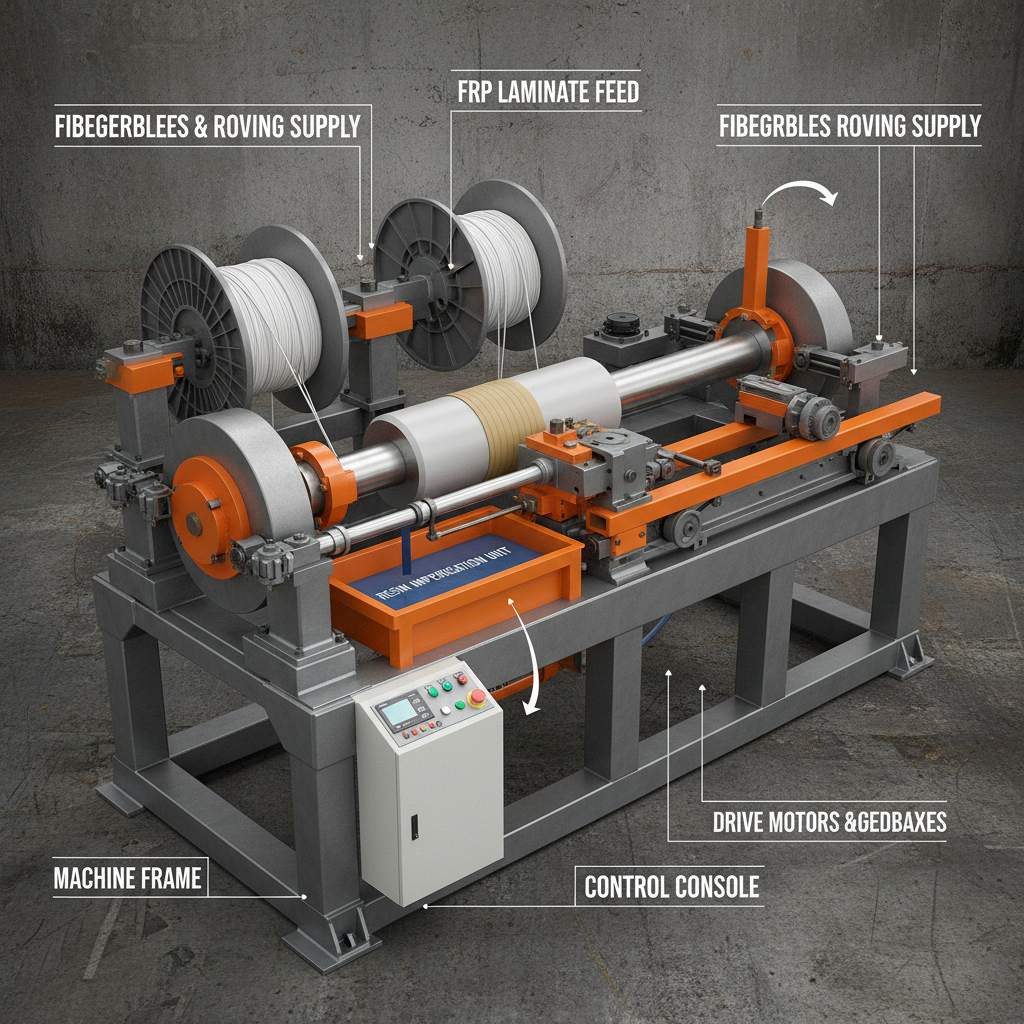
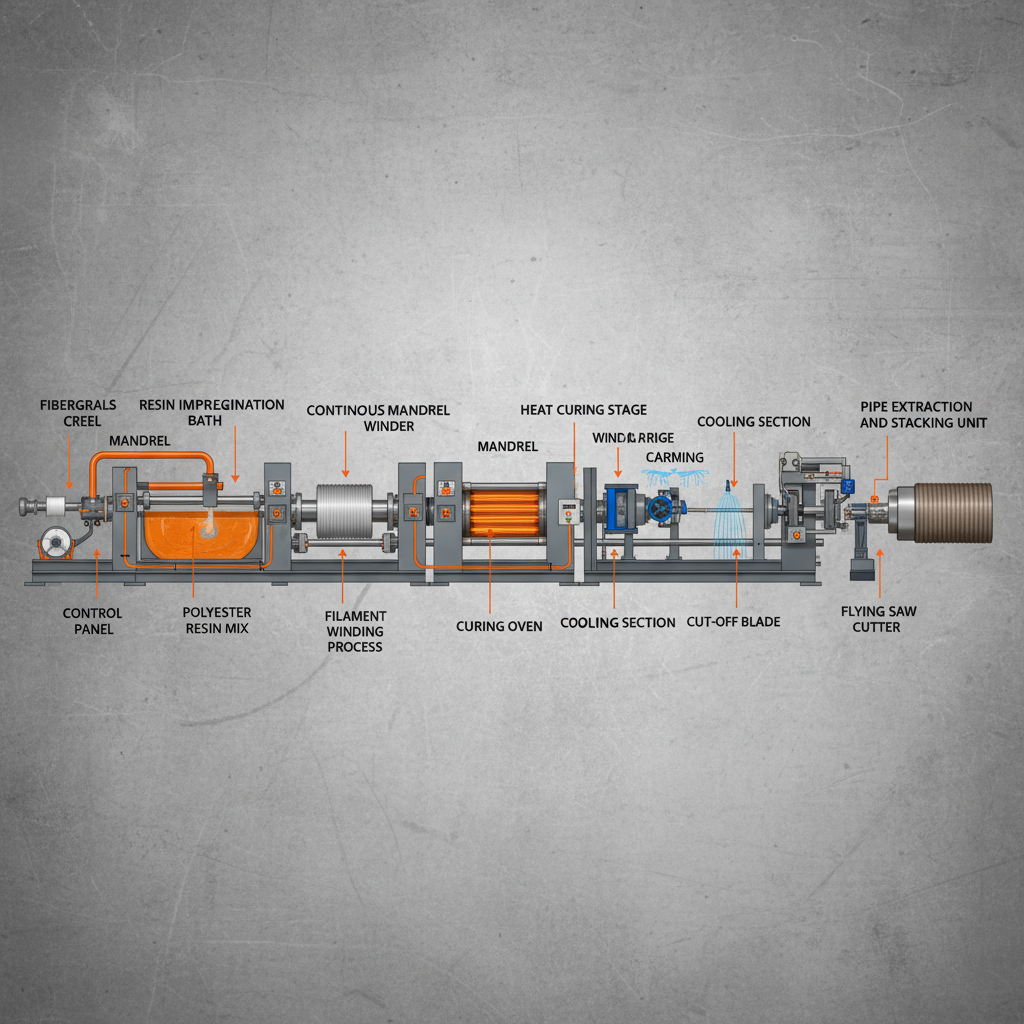
Modern FRP production relies on the synergy between fiber reinforcement and resin matrix delivery. While pultrusion focuses on constant cross-section profiles, it often shares a technical ecosystem with filament winding. Both processes require rigorous tension control and precise thermal curing to ensure structural integrity.
The architecture of these systems typically involves a creel for fiber supply, a resin bath for impregnation, a heated die for shaping, and a pulling system. The quality of these components directly correlates to the final product's tensile strength and chemical resistance.
When analyzing the pultrusion machine price, the most significant cost driver is the precision of the pulling mechanism and the sophistication of the heating zones. High-end machines utilize multi-zone PID temperature controllers to ensure the resin cures uniformly, preventing internal stresses that could lead to profile warping or cracking.
Another critical factor is the material of the dies. Tungsten carbide or specialized chrome-plated steels are used to reduce friction and extend tool life. The ability to handle a wider variety of roving widths and resin types—ranging from polyester to high-performance epoxy—increases the versatility and, consequently, the cost of the equipment.
Finally, the integration of industrial automation, such as Siemens servo systems and high-resolution encoders, allows for tighter tolerances in pulling speed. This synchronization is essential for maintaining a consistent fiber-to-resin ratio, which is the primary determinant of the final part's mechanical properties.
Operational efficiency in composite manufacturing is measured by the balance between pulling speed and curing depth. If the speed is too high, the core of the profile remains uncured; if too low, the production cycle becomes economically unviable.
For large-scale projects, such as the production of oversized FRP tanks, site-winding technology is often integrated. This involves dismountable structures that can be transported and assembled on-site, overcoming the transport limitations of diameters exceeding 4000mm.
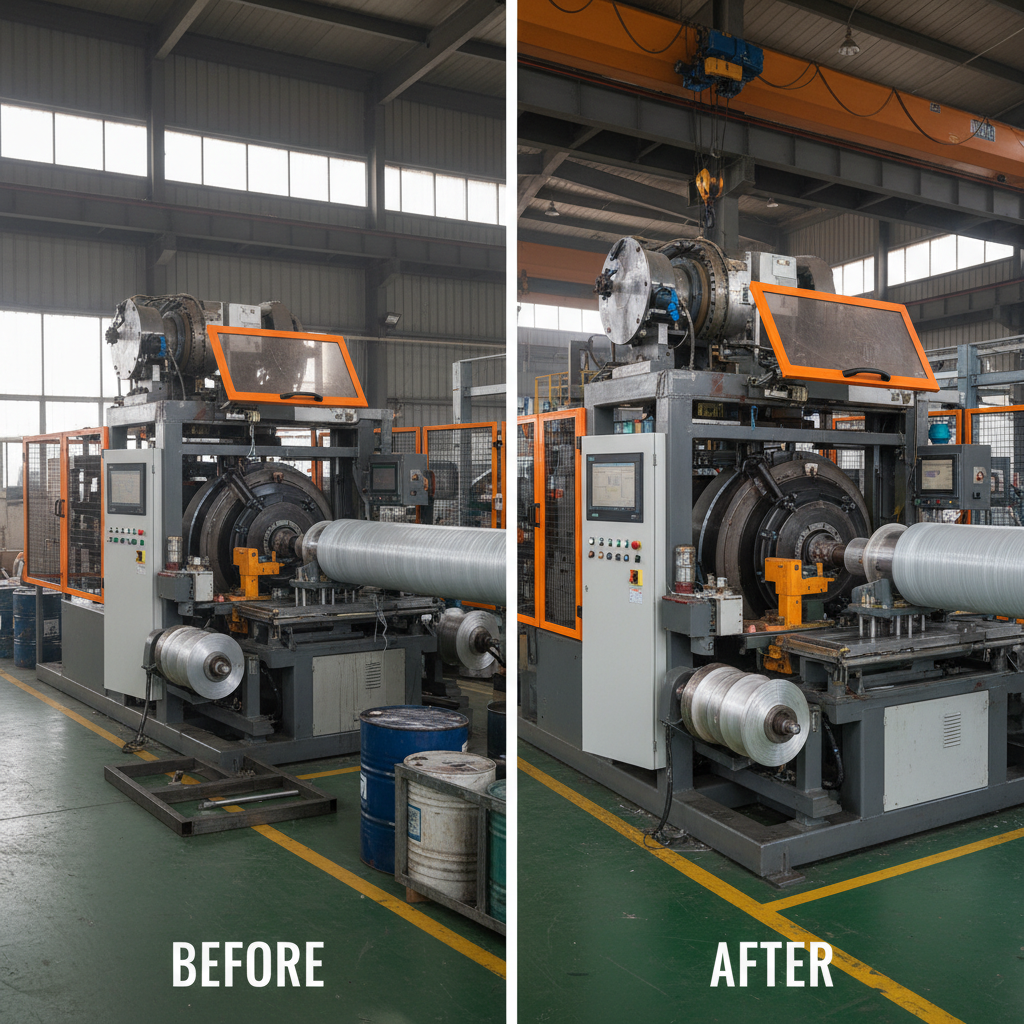
Different configurations of FRP production equipment yield varying results in terms of productivity and precision. A standard setup may suffice for simple architectural profiles, but chemical-grade equipment requires higher torque and more robust servo-control to handle dense fiber reinforcements.
The following data represents a normalized engineering assessment of different machine profiles across key performance metrics, illustrating the trade-off between cost-entry levels and industrial output.
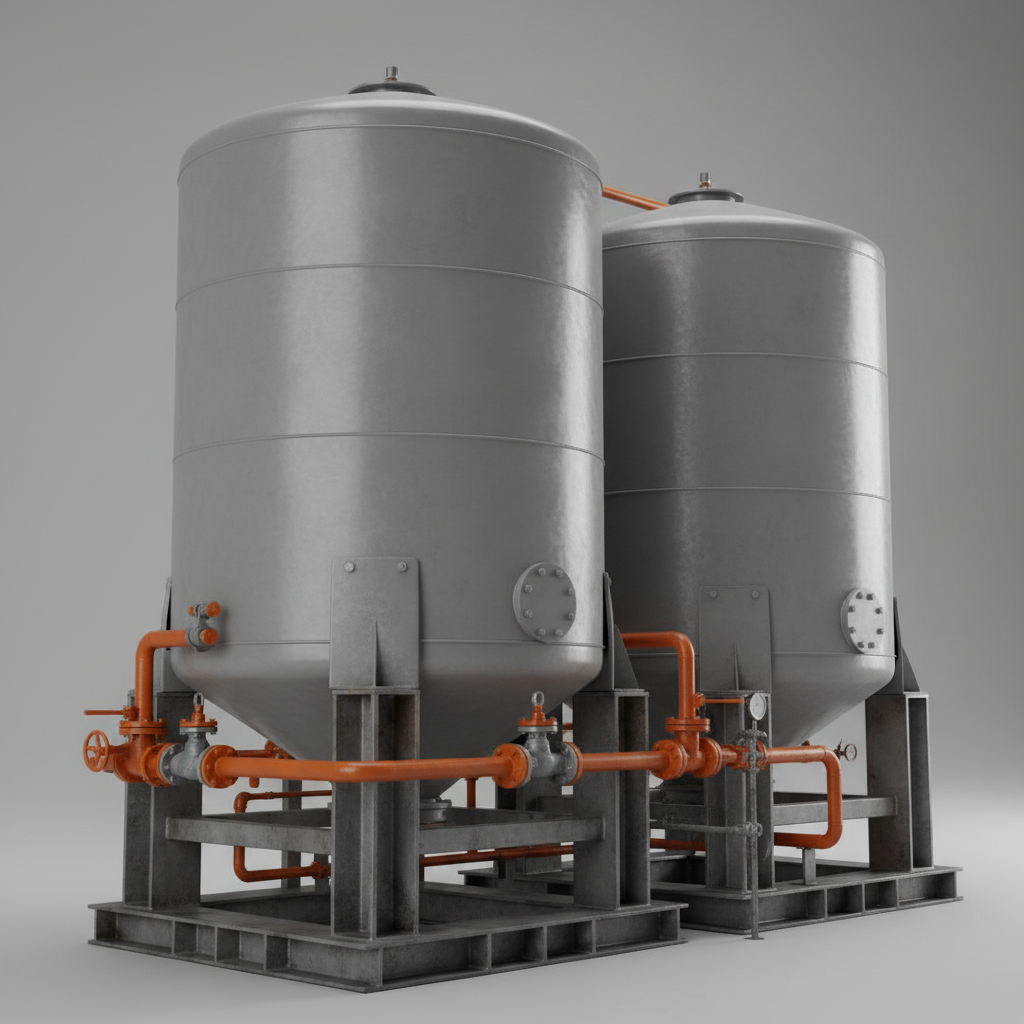
In water pollution prevention, the use of FRP profiles and tanks is essential due to the corrosive nature of treated wastewater. Equipment like the FW-4000 allows for the production of tanks with diameters from 600mm to 4000mm, providing a versatile solution for municipal and industrial wastewater plants.
For larger requirements, vertical site-winding machines (such as the VFW-25000) can produce tanks up to 25 meters in diameter. This capability allows engineers to build massive storage solutions directly at the foundation site, significantly reducing logistics costs and risks associated with transporting oversized composite structures.
The industry is moving toward "Smart Pultrusion," where real-time sensors monitor the internal cure state of the composite using ultrasonic or dielectric analysis. This will allow machines to dynamically adjust pulling speeds based on the actual material response rather than relying on static presets.
Furthermore, the integration of carbon fiber and hybrid reinforcements is pushing the boundaries of what pultrusion can achieve. These materials require even higher precision in tensioning and specialized resin chemistry to ensure proper bonding, which will likely shift the pultrusion machine price toward higher-end, specialized controllers.
Sustainability is also driving a move toward bio-resins and recyclable composites. Future machinery will need to be compatible with a wider range of viscosities and curing temperatures to accommodate these green alternatives without sacrificing structural performance.
Selecting the right equipment requires a deep understanding of the intended application. A buyer focusing on lightweight architectural beams has different requirements than one producing chemical-resistant pipes for an acid storage facility.
Evaluating the total cost of ownership (TCO) is more critical than the initial quote. Factors such as energy consumption of the heating zones, the lifespan of the dies, and the ease of software updates for new profiles significantly impact long-term profitability.
The following matrix provides a comparative framework for different equipment configurations based on industrial needs.
| Configuration Type | Primary Specification | Operating Factor | Recommended Use Case |
|---|---|---|---|
| Basic Configuration | Manual Control / Standard Die | Low Throughput | Architectural Trim |
| Standard Configuration | PLC Control / PID Heating | Moderate Speed | Industrial Gratings |
| High-Duty Configuration | Servo Drive / High Torque | High Load Capacity | Chemical Piping |
| Precision Configuration | Siemens Encoder / Auto-Linearity | Tight Tolerance | Aerospace Components |
| Automated Configuration | Integrated CNC / Auto-Cut | Maximized ROI | Mass Production |
| Site-Winding Profile | Dismountable / Large Diameter | On-site Assembly | Oversized Storage Tanks |
The price is primarily driven by the level of automation, the quality of the control systems (e.g., Siemens components), and the specifications of the pulling system. Machines capable of handling larger profiles or those requiring high-precision servo-synchronization for specialized resins will command a higher price. Additionally, the durability and material of the heating dies and the inclusion of advanced industrial computers for automatic linearity design contribute to the overall cost.
Pulling speed is the critical variable in the curing process. If the speed is too high, the resin may not fully polymerize in the center of the profile, leading to structural weaknesses or "under-cure." Conversely, excessive slow speeds can lead to overheating or degradation of the resin. High-precision machines use synchronized servo systems to maintain a constant velocity, ensuring consistent mechanical properties and surface finish across the entire length of the profile.
Yes, customization occurs primarily at the die and resin-bath levels. To achieve specific chemical resistance, the machine must be configured to handle specialized resins (like vinyl ester or epoxy) and reinforced with the appropriate glass or carbon rovings. The heating zones must also be adjustable to accommodate the different curing temperatures of these specialty resins, which often requires more advanced PID controllers and thermal sensors.
The primary advantage is the elimination of transportation constraints. Tanks with diameters exceeding 4000mm are often impossible or prohibitively expensive to ship. Site-winding machines, such as the VFW-25000, can be disassembled, transported to the customer's site, and reassembled next to the foundation. This allows for the creation of super-large caliber FRP tanks (up to 25m) while maintaining the same structural precision as factory-made products.
ROI should be calculated by comparing the increase in throughput and reduction in scrap rates against the higher initial capital expenditure. High-end systems reduce material waste through better tension control and increase uptime via more reliable Siemens-based electronics. When producing high-value chemical-grade profiles, the reduction in reject rates typically offsets the higher pultrusion machine price within the first 18-24 months of operation.
Regular maintenance focuses on die cleaning to prevent resin build-up, which can cause surface defects. Servo-motors and encoders require periodic calibration to ensure pulling synchronization remains accurate. Additionally, the resin bath filtration system must be maintained to prevent contaminants from entering the die, as any impurity can create a structural void in the composite profile, compromising its pressure rating.
The determination of the optimal pultrusion machine price is not a search for the lowest cost, but for the highest alignment between technical capability and application demands. In the specialized field of water pollution control and chemical storage, the reliability of the servo system and the precision of the curing process are the only true metrics of value.
By prioritizing integrated control systems and scalable architectures, manufacturers can ensure their production lines remain viable as material science evolves. For those seeking comprehensive industrial solutions, exploring a pultrusion machine price in the context of a complete FRP production line is the most effective way to secure long-term operational success.