Potassium Sulfate Production: SOP Plant & Rake Teeth
Unveiling the Sophistication of Potassium Sulfate Production Lines
In the realm of advanced chemical manufacturing, the efficient and environmentally responsible production of potassium sulfate (K₂SO₄), commonly known as Sulfate of Potash (SOP), stands as a cornerstone for various critical industries. Primarily recognized for its indispensable role as a premium fertilizer, SOP offers a low-chloride alternative crucial for chloride-sensitive crops and regions with high soil salinity, thus contributing significantly to global food security and agricultural productivity. Beyond agriculture, K₂SO₄ finds specialized applications in the production of high-grade glass, pharmaceuticals, and various industrial chemicals, underscoring its versatility and economic importance. The intricate process of potassium sulfate production involves complex chemical engineering, robust equipment design, and stringent quality control measures to ensure the purity and consistency of the final product. A state-of-the-art SOP production line is not merely an assembly of machinery; it represents a highly integrated system engineered for optimal performance, energy efficiency, and minimized environmental footprint. Our focus here delves deep into the technological intricacies of these production lines, highlighting their operational mechanisms, the sophisticated components that drive them, and their profound impact across diverse industrial landscapes. We will explore the leading manufacturing methodologies, the crucial technical parameters that define efficiency and product quality, the broad spectrum of application scenarios where SOP is indispensable, and the distinctive advantages offered by advanced production technologies. Furthermore, we will present a detailed comparative analysis of key components, discuss the benefits of bespoke customization options, and illustrate real-world application examples to provide a comprehensive understanding for B2B decision-makers and technical specialists navigating the complexities of the chemical processing industry. This comprehensive overview aims to equip stakeholders with the knowledge necessary to make informed investment and operational choices, reinforcing the value proposition of modern potassium sulfate manufacturing.
In-Depth Analysis of the Mannheim Process for Potassium Sulfate Production
The Core Chemical Reaction and Its Engineering Implications
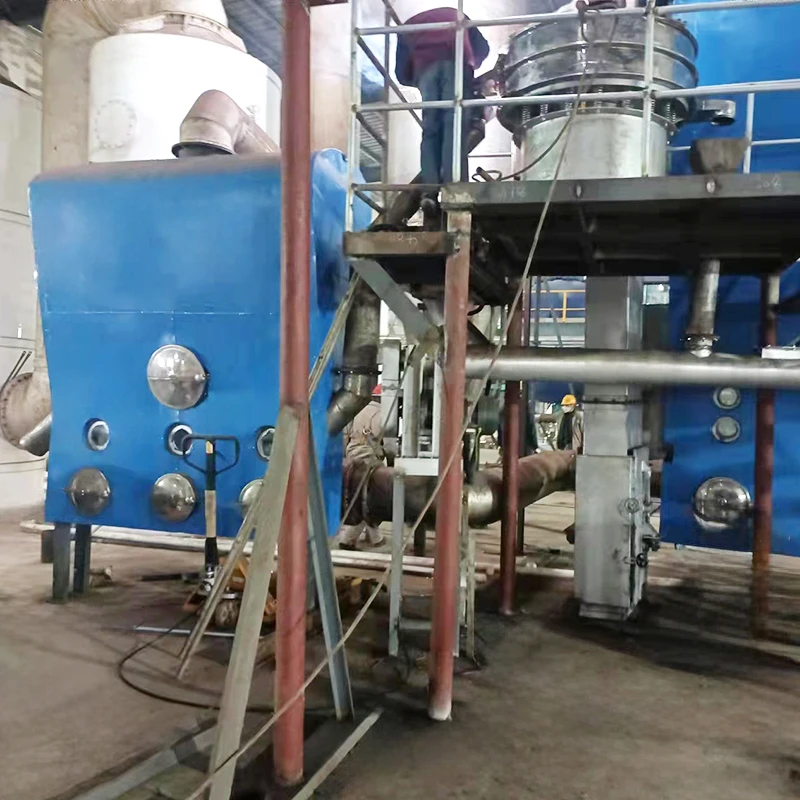
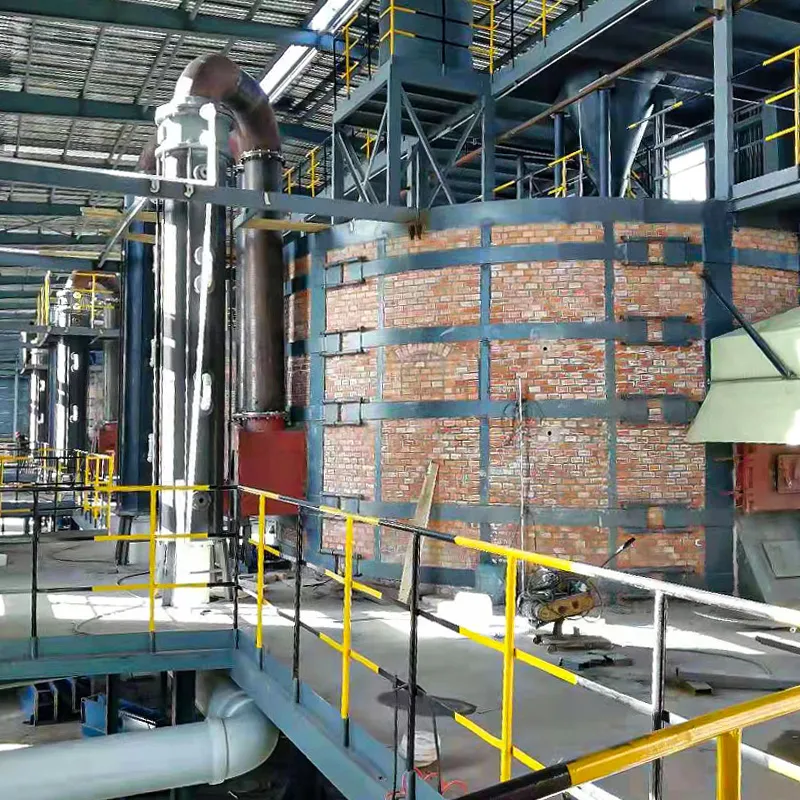
At the heart of modern potassium sulfate production lies the Mannheim Process, a well-established and industrially proven method that involves the high-temperature reaction between potassium chloride (KCl) and sulfuric acid (H₂SO₄). This exothermic reaction, typically carried out at temperatures ranging from 500°C to 700°C, yields potassium sulfate and hydrogen chloride gas (HCl) as by-products. The chemical stoichiometry is elegantly simple: 2KCl + H₂SO₄ → K₂SO₄ + 2HCl. However, the engineering complexity lies in effectively managing the highly corrosive nature of the reactants and products, particularly at elevated temperatures. The process is primarily conducted in a specialized Mannheim furnace, which is a continuously operating, indirectly heated rotary or stationary muffle furnace. The design of this reactor is paramount; it must withstand extreme thermal and chemical stresses while ensuring efficient heat transfer and thorough mixing of the reactants. Material selection for the reactor lining and internal components is critical, often involving refractory bricks, high-nickel alloys, or specialized ceramics to resist acid corrosion and high temperatures. Continuous feeding of potassium chloride and sulfuric acid is meticulously controlled, with molten K₂SO₄ and gaseous HCl exiting the reactor. The quality of raw materials significantly influences the overall efficiency and purity of the final product. Potassium chloride typically needs to be of high purity (95-99%), and sulfuric acid usually concentrated (98%) to ensure optimal reaction kinetics and minimize side reactions.
Key Stages and Equipment in a Sophisticated SOP Plant
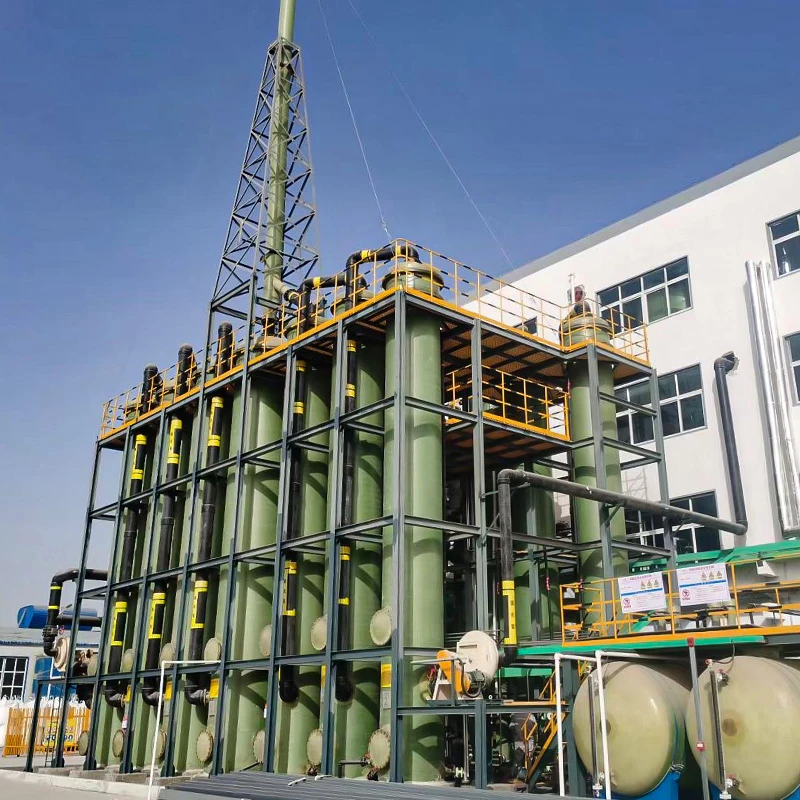
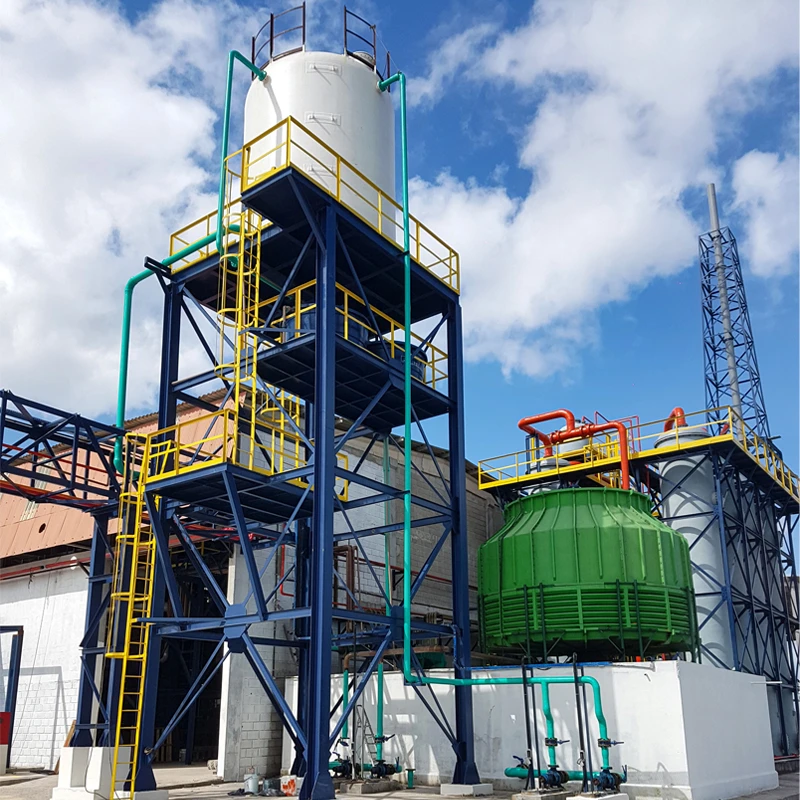
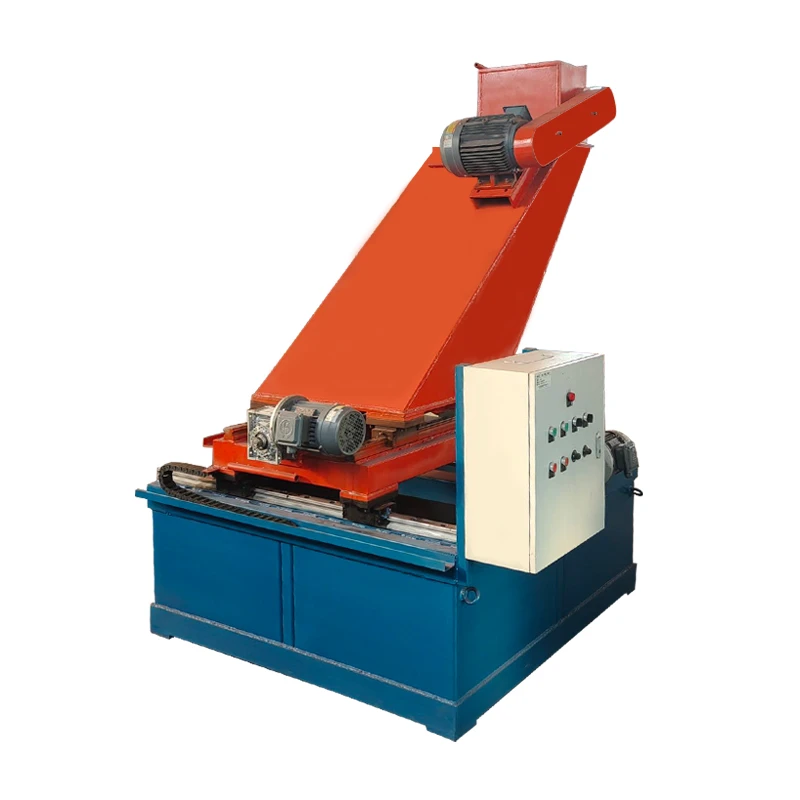
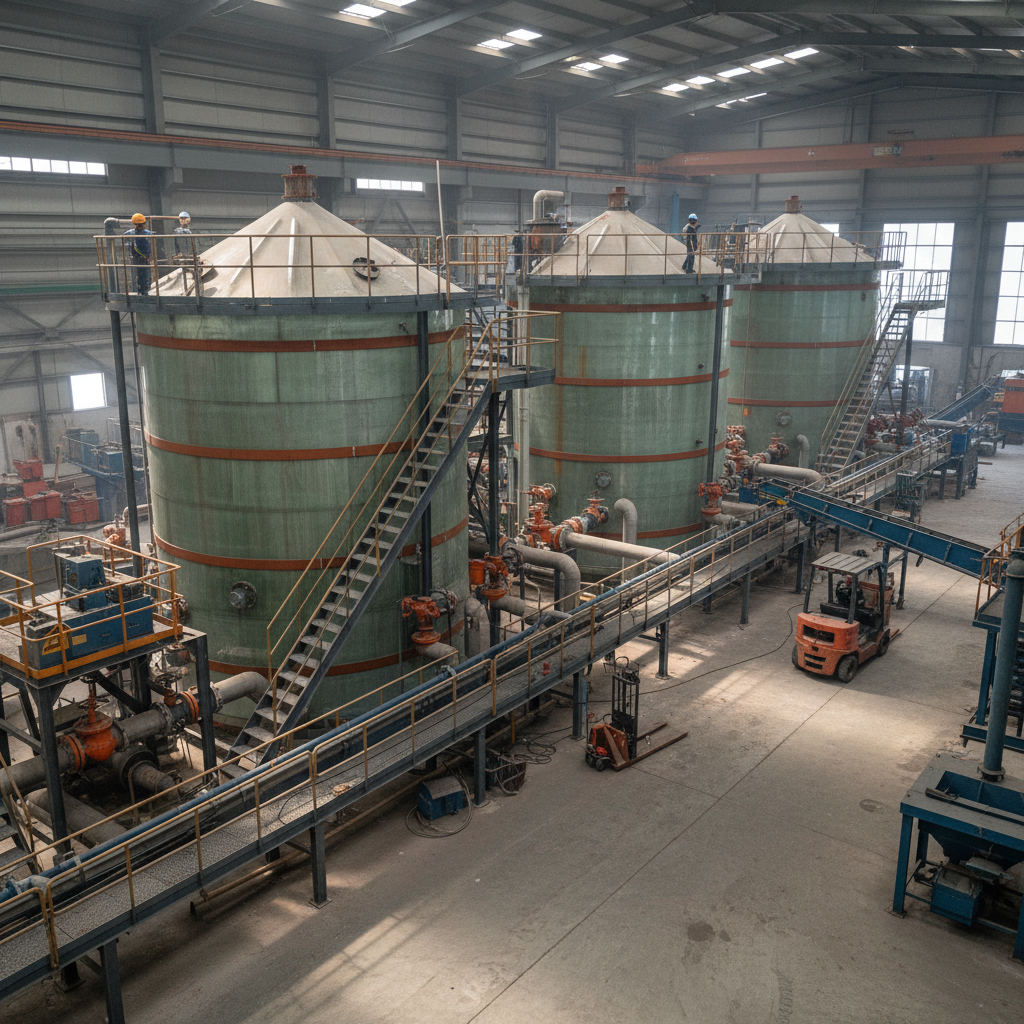
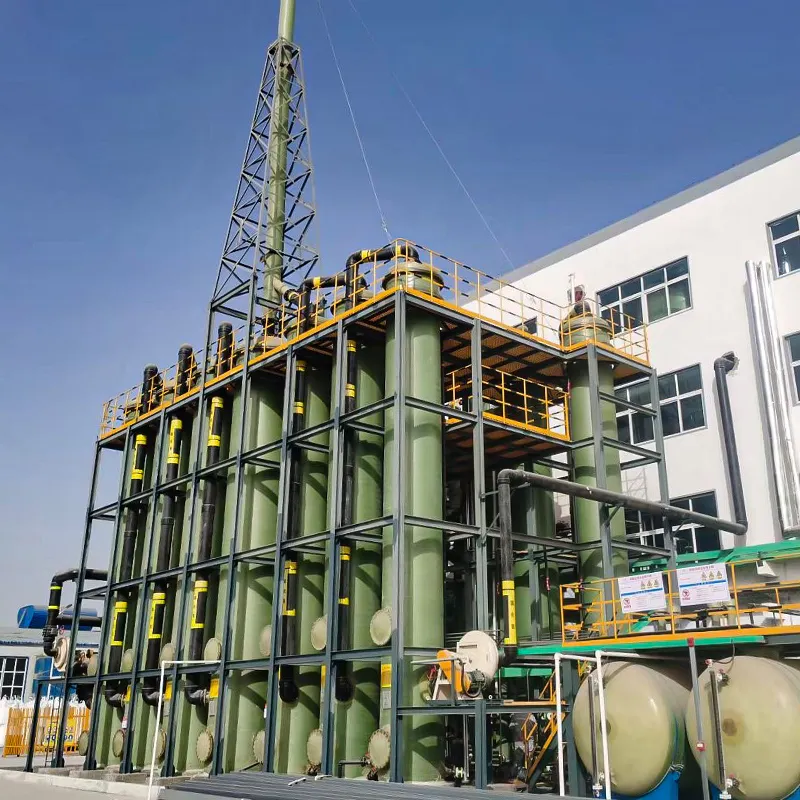
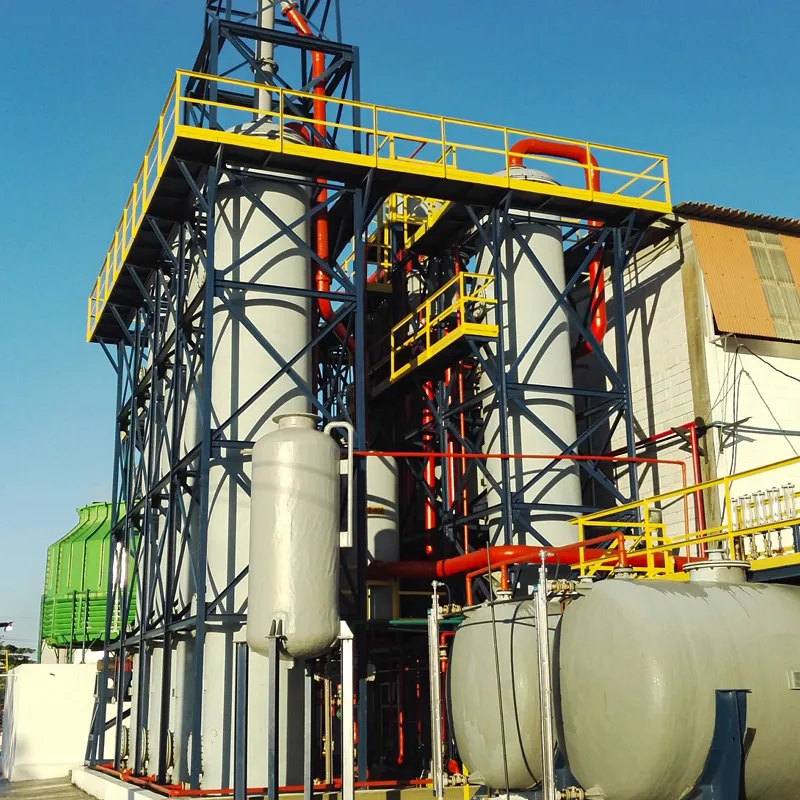
A complete sop plant utilizing the Mannheim process integrates several critical stages, each equipped with specialized machinery designed for maximum efficiency and safety. The initial stage involves the precise feeding and mixing of raw materials into the Mannheim furnace. Advanced dosing systems, often utilizing gravimetric feeders, ensure accurate proportions of KCl and H₂SO₄, which is vital for maintaining optimal reaction conditions and minimizing unreacted raw materials. Within the furnace, the reaction takes place, facilitated by robust internal components like rake teeth or agitators, designed to constantly stir the reaction mass, ensuring uniform temperature distribution and efficient contact between reactants. These components are subjected to immense stress and require superior material properties. Following the reaction, the hot potassium sulfate melt is discharged and cooled, typically through a specialized cooling conveyer or rotary cooler. Simultaneously, the gaseous hydrogen chloride by-product is directed to an absorption tower. Here, it is cooled and absorbed into water to produce hydrochloric acid (HCl), a valuable co-product that can be sold for industrial use or further processed. This absorption stage is crucial for environmental compliance and economic viability. The resulting K₂SO₄ product then undergoes further processing steps, including crushing, grinding, screening, and potentially granulation, to achieve the desired particle size and physical properties for agricultural or industrial applications. Each stage is meticulously designed with safety protocols, emission controls, and process monitoring systems to ensure continuous, efficient, and compliant operation. Modern control systems, often utilizing Distributed Control Systems (DCS), allow for real-time monitoring and adjustment of process parameters, optimizing yield and minimizing energy consumption.
Quality Control, Lifespan, and Industry Standards
Ensuring the quality and consistency of the final potassium sulfate product is paramount. Production lines are equipped with advanced analytical instruments for in-line and off-line testing, monitoring parameters such as K₂SO₄ purity, moisture content, chloride levels, and particle size distribution. Adherence to international standards like ISO (International Organization for Standardization) for quality management systems (e.g., ISO 9001) and environmental management (e.g., ISO 14001) is standard practice. For specific components and pressure vessels, ANSI (American National Standards Institute) or relevant European (EN) standards are rigorously followed to ensure structural integrity and operational safety. The expected service life of a well-maintained potassium sulfate production line, particularly its critical components like the Mannheim reactor, can exceed 20-30 years, provided regular maintenance, timely replacement of wear parts, and adherence to operational guidelines. Given the corrosive environment, components designed for long service life are often constructed from specialized materials resistant to acids and high temperatures. Typical applications for robust components within the K₂SO₄ production line include the petrochemical sector, which demands high corrosion resistance and high-temperature tolerance for heat exchangers and pipework; the metallurgy industry, where resistant alloys are crucial for furnace components; and general chemical processing, where safety and material integrity are non-negotiable. The advantages of a meticulously designed and operated production line are numerous, including significant energy savings through efficient heat recovery systems, superior corrosion resistance leading to extended equipment lifespan and reduced maintenance costs, and minimized environmental impact through effective HCl absorption and waste heat utilization. This comprehensive approach to design, operation, and maintenance ensures a sustainable and economically viable K₂SO₄ production facility.
Technical Parameters and Performance Benchmarks for Potassium Sulfate Production
Understanding the critical technical parameters is essential for evaluating the efficiency, output, and overall performance of a potassium sulfate production facility. These parameters directly influence operational costs, product quality, and return on investment. Key metrics include the production capacity, typically measured in metric tons per year (TPA) of K₂SO₄; the purity of the final product, which is often above 98% for agricultural grade and higher for industrial applications; and the energy consumption, quantified in kilowatt-hours per ton (kWh/ton) or Gigajoules per ton (GJ/ton) of K₂SO₄, encompassing thermal and electrical energy. Equally important are the conversion rate of raw materials (KCl and H₂SO₄), ensuring minimal waste, and the acid absorption efficiency for HCl, which impacts both co-product recovery and environmental emissions. The design temperature and pressure of the Mannheim reactor are vital, directly correlating with the specific reaction kinetics and material requirements. Furthermore, emission levels of SOx, NOx, and particulate matter are stringently regulated and monitored to ensure environmental compliance.
Key Performance Indicators (KPIs) for K₂SO₄ Production Lines
| Parameter | Typical Range for Modern Plant | Significance |
|---|---|---|
| Production Capacity | 30,000 - 300,000 TPA (Tons Per Annum) | Determines market supply capability and scale of investment. |
| K₂SO₄ Purity | ≥ 98.0% (Agricultural Grade); ≥ 99.5% (Industrial Grade) | Crucial for application effectiveness, especially in agriculture. |
| Chloride Content (as Cl) | ≤ 1.5% (Agricultural Grade); ≤ 0.1% (Industrial Grade) | Lower content critical for chloride-sensitive crops and specialty uses. |
| Energy Consumption (Thermal) | 2.5 - 3.5 GJ/ton K₂SO₄ | Directly impacts operational costs and environmental footprint. |
| Energy Consumption (Electrical) | 80 - 120 kWh/ton K₂SO₄ | Powers motors, pumps, control systems. |
| HCl Absorption Efficiency | ≥ 99.5% | Ensures environmental compliance and maximizes HCl co-product recovery. |
| Reactor Operating Temperature | 500°C - 700°C | Defines reaction kinetics and material requirements for furnace. |
| Raw Material Conversion Rate | ≥ 98.5% | Indicates efficiency of KCl and H₂SO₄ utilization, minimizing waste. |
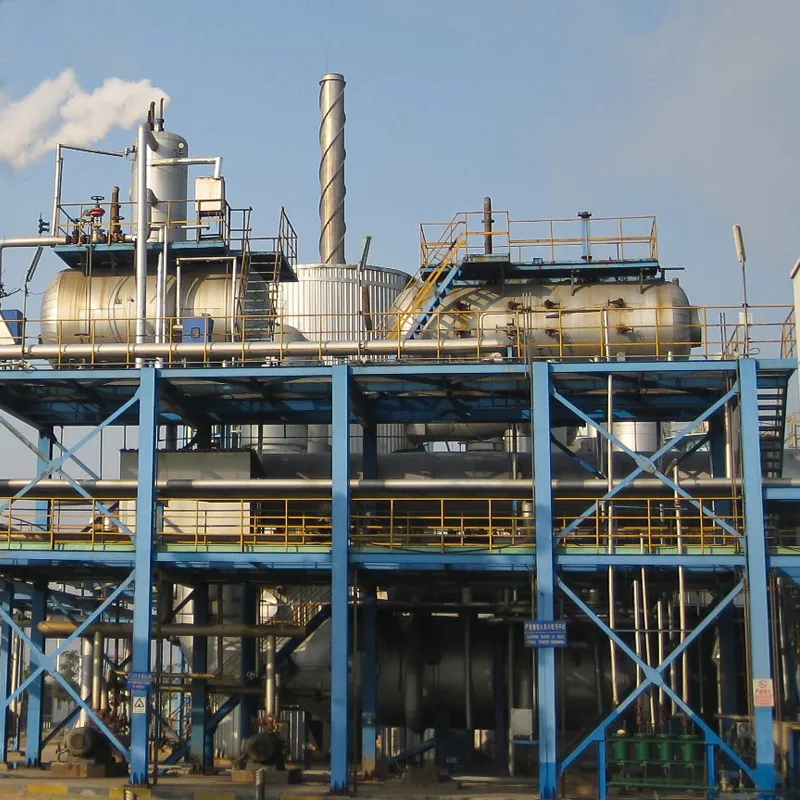
These parameters are dynamically interlinked; for instance, higher conversion rates can lead to lower energy consumption per ton of product, and advanced reactor designs contribute to both higher purity and reduced environmental emissions. Furthermore, the material selection for crucial components plays a significant role in achieving these benchmarks. For example, the specialized alloys used in heat exchangers affect thermal efficiency, while the refractory linings of the Mannheim furnace directly impact its operating temperature limits and lifespan. Advanced process control systems continuously optimize these parameters, adapting to variations in raw material quality and maintaining stable operating conditions, thereby ensuring consistent product output and maximized profitability. Regular calibration of sensors and precise control of reactant feed rates are fundamental to achieving and sustaining these high performance benchmarks.
Advanced Manufacturing and Critical Component Design for Potassium Sulfate Production
The Crucial Role of Rake Teeth in Mannheim Furnaces
Within the heart of the Mannheim furnace, where the high-temperature reaction takes place, certain components endure extreme conditions. Among these, the rake teeth or rake tines are indispensable. These components are typically mounted on a rotating or oscillating mechanism within the muffle furnace, serving to continuously agitate and move the solid and semi-molten reactants (potassium chloride and sulfuric acid) and the product (potassium sulfate). Their primary function is to prevent caking, ensure uniform heat distribution, and facilitate efficient mass transfer, thereby maximizing the reaction rate and achieving high conversion efficiency. Given the operating temperatures (up to 700°C) and the presence of highly corrosive gaseous HCl and molten salts, the material selection for these rake teeth is of paramount importance. Conventional steels would rapidly corrode and deform. Therefore, specialized high-nickel alloys, such as Inconel or Hastelloy variants, or advanced ceramic composites are often employed. These materials are chosen for their exceptional resistance to both high-temperature oxidation and acid corrosion, as well as their mechanical strength at elevated temperatures. The design of the rake tines for sale is also critical, considering factors such as their geometry, spacing, and angle of attack, which directly influence mixing efficiency and material flow within the reactor. Proper design minimizes wear and tear, extends service life, and reduces maintenance downtime, directly impacting the overall profitability of the potassium sulfate production line.
Precision Manufacturing Processes: Casting, Forging, and CNC Machining
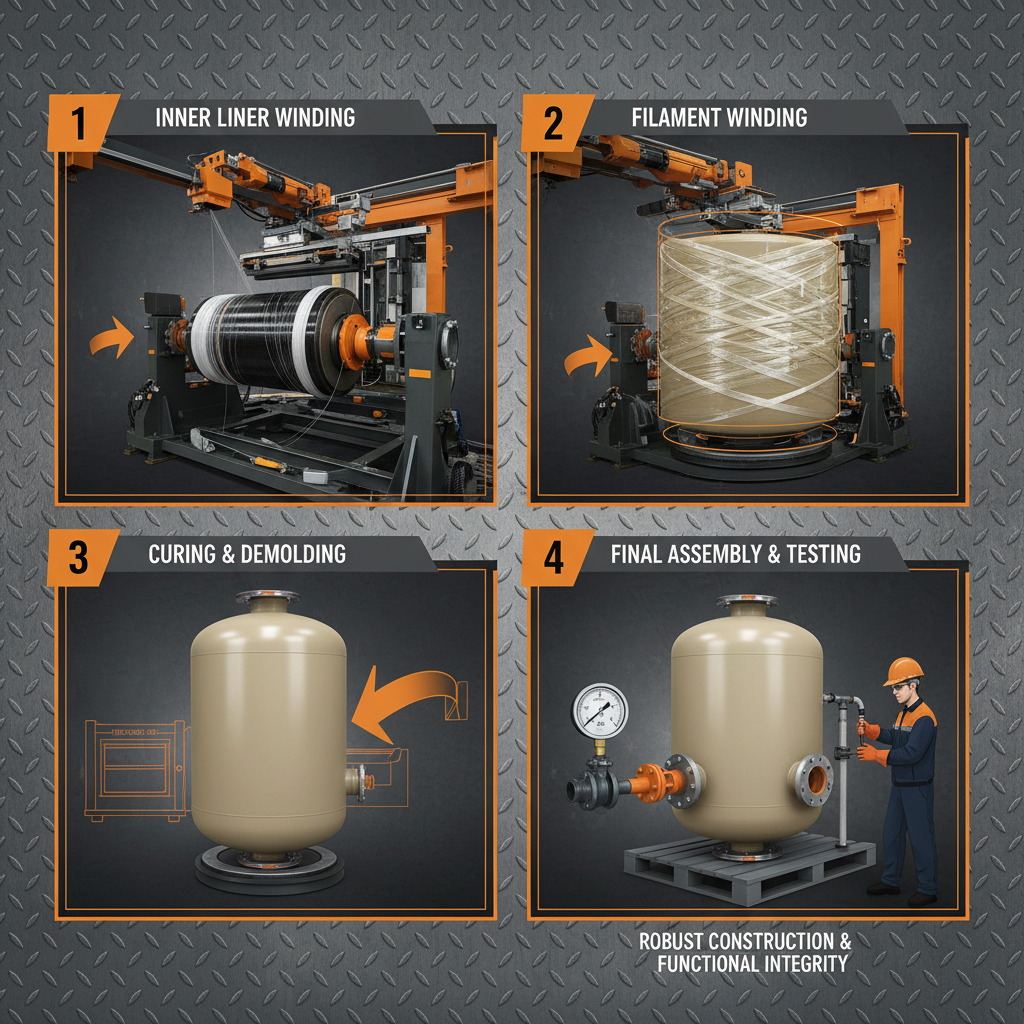
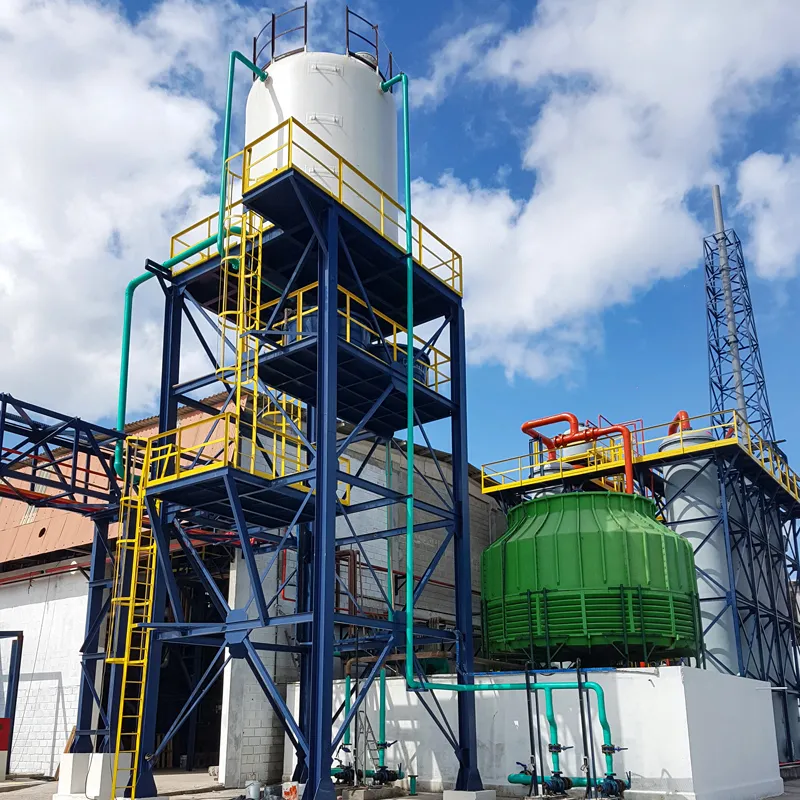
The durability and performance of a potassium sulfate production line's critical components are directly attributable to advanced manufacturing techniques. For components like reaction vessel bodies, heavy-duty shafts, and large structural elements, casting is a common process, allowing for the creation of complex geometries from specialized alloys. This method ensures material integrity and homogeneity for large parts that must withstand significant mechanical and thermal stresses. Following casting, or for components requiring superior strength and fatigue resistance, forging is employed. Forged parts, such as connecting rods for agitators or specific support structures, exhibit enhanced grain structure and mechanical properties, making them exceptionally resilient in demanding operational environments. The forging process compacts the material, eliminating internal voids and refining the grain structure, which leads to superior strength and toughness compared to cast components of the same material. For parts requiring extremely tight tolerances, intricate details, and precise fitment, CNC machining (Computer Numerical Control) is indispensable. Components like specialized nozzles, precise valve bodies, and the exact profiles of international rake teeth are manufactured using CNC milling, turning, and grinding. This precision ensures optimal operational efficiency, minimizes leakage points, and facilitates easier maintenance and replacement of parts. The combination of these manufacturing techniques, coupled with rigorous non-destructive testing (NDT) such as ultrasonic testing, X-ray inspection, and dye penetrant testing, guarantees the highest quality and reliability of every component used in our sop plant solutions. This multi-faceted approach to manufacturing ensures that every part, from the smallest bolt to the largest reactor vessel, meets or exceeds the most stringent industry standards, contributing to the overall longevity and high performance of the entire K₂SO₄ production line.
Application Scenarios and Industry Impact of Potassium Sulfate Production
The utility of potassium sulfate extends far beyond its primary recognition as an agricultural fertilizer, permeating various industrial sectors due to its unique chemical and physical properties. Understanding these diverse application scenarios is crucial for stakeholders in the potassium sulfate production industry, as it highlights the broad market demand and the strategic importance of efficient manufacturing processes. The versatility of SOP, particularly its low chloride content, makes it an invaluable raw material in specialized applications where traditional potassium chloride is unsuitable.
Agriculture: The Dominant Application
The most significant and globally impactful application of potassium sulfate is its use as a premium fertilizer. As a source of both potassium (K) and sulfur (S), two macronutrients essential for plant growth, SOP is particularly favored for chloride-sensitive crops such as tobacco, potatoes, fruits (e.g., citrus, grapes, strawberries), vegetables (e.g., tomatoes, peppers), and specialty crops. High chloride levels can be detrimental to these plants, leading to reduced yield, quality degradation, and even plant death in some cases. In regions with saline soils or where irrigation water has high chloride content, using SOP becomes a necessity to maintain soil health and crop productivity. Furthermore, the sulfur component in SOP contributes to protein synthesis, enzyme activation, and vitamin formation in plants, which are critical for overall plant health and nutrient uptake efficiency. The granular or prilled forms of SOP produced by modern potassium sulfate production lines ensure ease of application, whether through broadcasting, fertigation (irrigation with dissolved fertilizers), or foliar sprays. The precise control over particle size and dissolution rates offered by advanced production technologies optimizes nutrient delivery, leading to improved crop quality, enhanced disease resistance, and higher yields, directly addressing global food security challenges.
Industrial and Specialty Applications
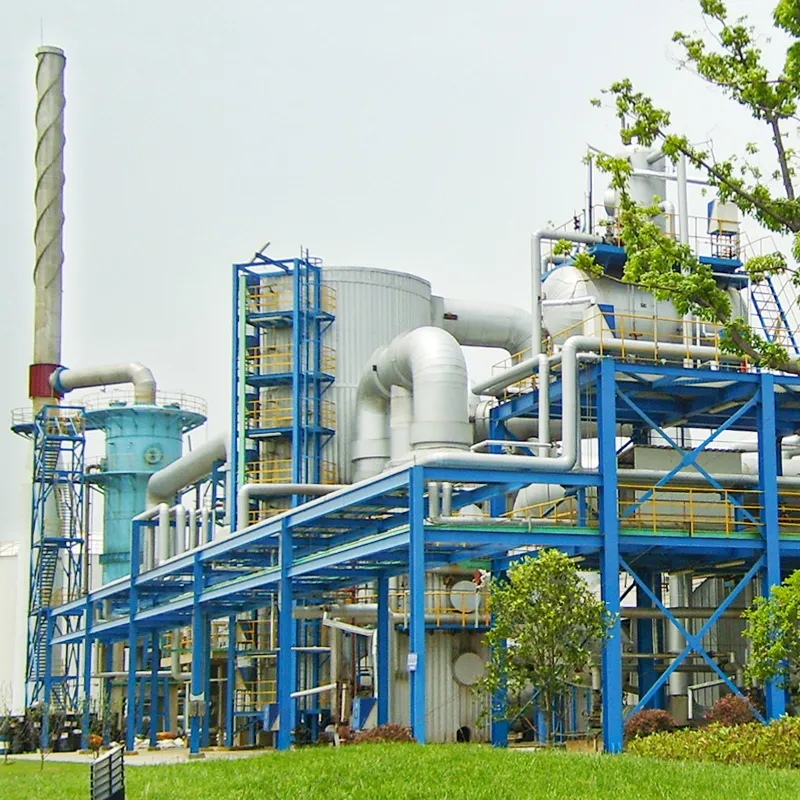
Beyond agriculture, potassium sulfate production caters to a range of specialized industrial needs. In the glass manufacturing industry, SOP is used as a fining agent, helping to remove bubbles from molten glass, leading to clearer and higher-quality products. Its thermal stability and purity make it an ideal additive for specialized glass formulations, including optical glass and flat panel displays. The pharmaceutical industry utilizes high-purity potassium sulfate as an excipient in some medications and as a raw material for producing other potassium-containing compounds. Its chemical inertness and consistent composition are critical in this sector. In the chemical industry, SOP serves as a raw material for the production of various potassium salts, such as potassium persulfate and potassium aluminum sulfate. It also finds use in the formulation of detergents, cleaning agents, and some types of fire retardants. Furthermore, in certain mining and metallurgical processes, potassium sulfate can be used as a fluxing agent or as an electrolyte component. The continuous innovation in potassium sulfate production technologies, focusing on higher purity, controlled particle size, and reduced impurities, directly supports these high-value industrial applications. The ability of a modern sop plant to deliver consistent quality product tailored to specific industrial requirements, such as extremely low chloride content for sensitive applications, is a key competitive advantage. These diverse applications underscore the robust and growing demand for high-quality potassium sulfate, making investment in advanced production lines a strategic imperative for chemical manufacturers.
Technical Advantages and Innovation in Potassium Sulfate Production
Modern potassium sulfate production lines are distinguished by significant technical advancements that enhance efficiency, reduce environmental impact, and improve overall profitability. These innovations are critical for remaining competitive in a global market increasingly focused on sustainability and cost-effectiveness. The evolution of the Mannheim process and associated technologies has led to systems that are not only more productive but also significantly more resource-efficient and environmentally compliant.
Energy Efficiency and Heat Recovery Systems
One of the primary focuses in optimizing potassium sulfate production is minimizing energy consumption. The Mannheim process is inherently energy-intensive due to the high operating temperatures required for the reaction. However, advanced designs incorporate sophisticated heat recovery systems that capture and reuse the significant amount of heat generated during the exothermic reaction and from the hot product stream. This includes utilizing waste heat from the Mannheim furnace to preheat incoming raw materials, generate steam for other processes, or even power auxiliary equipment. For example, shell-and-tube heat exchangers, designed with corrosion-resistant materials, are strategically integrated into the gas purification and cooling sections to recover heat from the hot HCl gas. This recovered energy substantially reduces the demand for external fuel sources, leading to considerable operational cost savings and a reduced carbon footprint. Furthermore, modern furnaces are designed with improved insulation and optimized burner technologies to ensure maximum thermal efficiency, minimizing heat loss to the surroundings. The intelligent integration of these systems can reduce the overall thermal energy consumption per ton of K₂SO₄ by 15-25% compared to older generation plants, making the production process more economically viable and environmentally sound.
Corrosion Resistance and Material Innovation
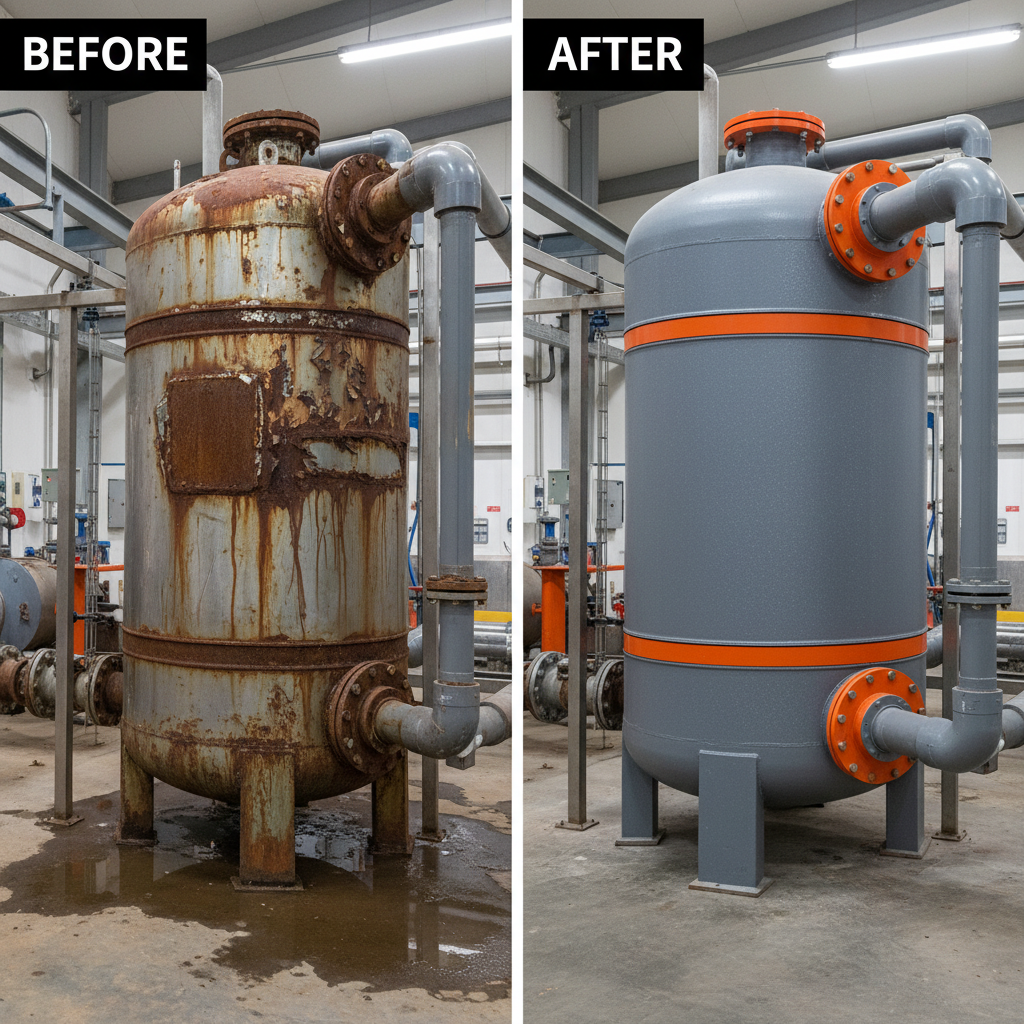
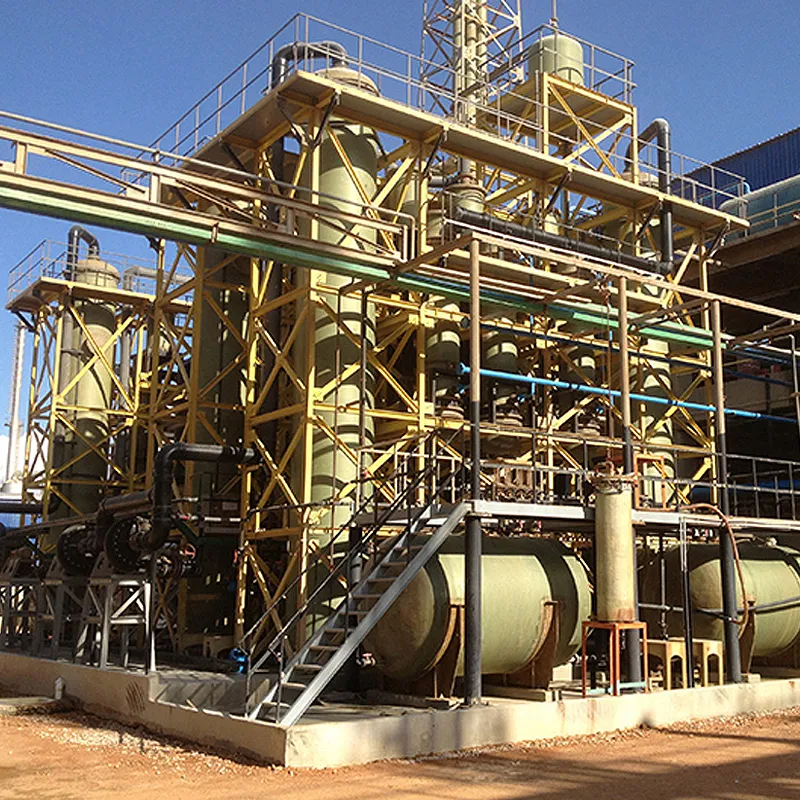
The highly corrosive environment within a sop plant, particularly in the Mannheim furnace and HCl absorption sections, necessitates the use of advanced corrosion-resistant materials. Innovations in metallurgy and material science have led to the development of specialized alloys and non-metallic composites that can withstand extreme acidic conditions and high temperatures. For the Mannheim reactor, inner linings of high-quality refractory bricks or acid-resistant ceramic tiles are common, designed to protect the steel shell from chemical attack and thermal shock. For gas ducts, scrubbers, and heat exchangers handling hot HCl, materials like graphite, fluoropolymers (e.g., PTFE, PFA), or high-nickel alloys (e.g., C-276, C-2000) are extensively used. These materials are chosen not only for their chemical inertness but also for their mechanical strength and durability. The strategic selection and meticulous fabrication of these components significantly extend the service life of the equipment, reduce the frequency of maintenance, and minimize costly unscheduled downtime. This focus on superior material engineering translates directly into lower lifecycle costs and higher operational reliability for the entire potassium sulfate production line, ensuring a robust and resilient manufacturing capability that can withstand the rigors of continuous chemical processing.
Environmental Compliance and Automation Systems
Modern potassium sulfate production facilities are designed with stringent environmental regulations in mind. A key advantage is the highly efficient capture and conversion of the HCl by-product into commercial-grade hydrochloric acid, which not only generates additional revenue but also eliminates a significant atmospheric emission. Multi-stage scrubbing systems and advanced absorption towers ensure that HCl emissions are well below regulatory limits. Furthermore, air pollution control technologies, such as bag filters or electrostatic precipitators, are integrated to manage particulate emissions from the K₂SO₄ drying and granulation stages. Wastewater treatment facilities ensure that any process water discharge meets environmental standards. The integration of advanced automation and control systems, typically via a Distributed Control System (DCS) or PLC-based architecture, plays a pivotal role in optimizing process parameters, enhancing safety, and ensuring environmental compliance. These systems provide real-time data acquisition, automated feedback loops for temperature and flow control, predictive maintenance alerts, and comprehensive alarm management. This level of automation reduces reliance on manual intervention, minimizes human error, and ensures consistent product quality and operational stability, thereby enhancing both the economic and ecological performance of the sop plant.
Manufacturer Comparison and Customization in Potassium Sulfate Production
Selecting the right partner for a potassium sulfate production line is a critical strategic decision for any chemical manufacturer. The market offers a range of suppliers, each with distinct strengths in terms of technology, experience, and service offerings. A thorough comparison requires evaluating not only technical specifications but also the depth of engineering expertise, after-sales support, and the capacity for delivering tailored solutions. Our commitment is to provide an unparalleled combination of innovative technology, robust engineering, and comprehensive support, ensuring our clients achieve optimal operational efficiency and return on investment.
Key Differentiators Among Potassium Sulfate Production Line Manufacturers
| Feature/Service | Our Offering (Example) | Typical Competitor Offering (General) | Advantage for Client |
|---|---|---|---|
| Technology & Design | Proprietary Mannheim Reactor Design (optimized heat transfer, material resilience) | Standard Mannheim Furnace design (less material specific) | Higher energy efficiency, extended equipment lifespan, reduced downtime. |
| Customization & Flexibility | Full-scale custom engineering, capacity scaling from 30k to 300k TPA, raw material flexibility. | Limited standard models, less adaptable to specific site or raw material nuances. | Tailored solutions for unique business needs, better integration with existing infrastructure. |
| Material Selection & Durability | Exclusive use of certified high-nickel alloys and advanced ceramics for critical components (e.g., rake teeth). | Standard refractory materials or lower-grade alloys. | Superior resistance to corrosion and high temperatures, significantly longer service life, lower maintenance. |
| Environmental Performance | Integrated multi-stage HCl absorption (>99.5%), advanced air purification, minimal solid waste. | Basic HCl recovery, less emphasis on comprehensive emission controls. | Ensured regulatory compliance, enhanced corporate social responsibility, potential for carbon credits. |
| Automation & Control | State-of-the-art DCS/PLC systems, remote monitoring, AI-driven predictive maintenance. | Basic PLC control, less integrated monitoring. | Optimized process control, reduced operational errors, higher product consistency, proactive issue resolution. |
| After-Sales Support | 24/7 technical support, global spare parts network, regular preventative maintenance programs, extensive operator training. | Limited support hours, regional spare parts, basic training. | Maximized uptime, minimized operational risks, rapid issue resolution, enhanced operator competency. |
Tailored Solutions and Bespoke Engineering
Recognizing that no two industrial sites are identical, our approach to potassium sulfate production lines emphasizes highly customized engineering solutions. We work closely with clients to assess their specific needs, which may include unique raw material compositions, desired product purities, site-specific space constraints, energy source availability, and existing infrastructure integration. Our engineering team leverages extensive experience in chemical process design to develop bespoke solutions, optimizing every aspect from reactor sizing and material handling to acid absorption and waste heat recovery. Whether a client requires a compact modular design for a smaller footprint or a large-scale, high-capacity sop plant integrated into an existing chemical complex, our capabilities extend to delivering tailored turnkey projects. This includes specialized designs for handling diverse raw materials, such as varying grades of potassium chloride or different concentrations of sulfuric acid, ensuring optimal reaction efficiency and product quality regardless of the feedstock. Our commitment to customization ensures that the final production line is perfectly aligned with the client's strategic objectives, maximizing operational efficiency, minimizing capital expenditure through smart design, and ensuring long-term sustainability. This adaptive approach distinguishes our offerings in the market, providing genuine value and long-term partnership rather than off-the-shelf solutions.
Client Success Stories and Trustworthiness in Potassium Sulfate Production
Our proven track record in delivering high-performance potassium sulfate production lines is built on a foundation of technical excellence, comprehensive support, and unwavering client satisfaction. We understand that investing in a chemical production facility is a significant undertaking, and trustworthiness, transparency, and reliable post-delivery support are paramount. Our commitment to quality is underscored by various certifications and a structured approach to project execution and client engagement.
Illustrative Application Cases and Client Feedback
Over the years, we have successfully partnered with numerous global leaders in the chemical and agricultural sectors, commissioning state-of-the-art potassium sulfate production lines that consistently exceed performance expectations. For instance, a major agricultural conglomerate in Southeast Asia approached us with a requirement for a high-capacity sop plant capable of producing 150,000 TPA of granular SOP with less than 1% chloride, primarily for their expanding palm oil plantations. Facing challenges with existing chloride-sensitive crops and increasing soil salinity, their objective was to secure a reliable, high-purity SOP supply while managing the environmental impact of HCl by-product. We engineered a complete Mannheim process line, integrating our proprietary energy recovery system and a highly efficient multi-stage HCl absorption unit. The project was delivered within the stipulated timeframe, and commissioning was completed seamlessly. Post-startup, the plant achieved and consistently maintained a K₂SO₄ purity of 98.5% with chloride content below 0.8%, significantly improving their crop yields and quality. The client reported a 20% reduction in specific energy consumption compared to their previous benchmarks and a 99.8% HCl recovery rate, which not only minimized environmental discharge but also generated substantial revenue from the sale of hydrochloric acid. Their feedback highlighted our meticulous project management, the robust performance of the Mannheim furnace and specialized rake teeth, and the exceptional post-installation support. Another notable case involved a specialty chemical producer in Europe who needed a smaller-scale, highly purified K₂SO₄ supply for pharmaceutical intermediates. Their critical requirement was extremely low heavy metal and chloride contamination. We provided a custom-designed line with enhanced purification stages and specialized material handling systems to prevent cross-contamination. This line consistently produced K₂SO₄ with over 99.9% purity and negligible trace impurities, enabling their high-value pharmaceutical production. These examples demonstrate our capability to adapt and innovate, addressing diverse client needs across different industries and scales, while consistently delivering high-quality, reliable, and sustainable solutions.
FAQ: Addressing Common Concerns about Potassium Sulfate Production Lines
Q1: What are the primary raw materials required for the Mannheim process, and what quality specifications are critical?
A1: The primary raw materials are potassium chloride (KCl) and sulfuric acid (H₂SO₄). Critical quality specifications include high purity for KCl (typically >95%) to minimize impurities in the final SOP, and concentrated sulfuric acid (>98%) for optimal reaction efficiency and to minimize water content in the reactor, which can affect energy consumption and material corrosion. Impurities in raw materials can lead to lower product purity, increased waste, and accelerated equipment wear.
Q2: What is the typical lead time from order placement to operational readiness for a new K₂SO₄ production line?
A2: The delivery and commissioning timeline for a potassium sulfate production line varies based on its capacity, complexity, and customization requirements. Generally, for a standard medium-sized plant (e.g., 100,000 TPA), the entire process from detailed engineering design, equipment fabrication, logistics, civil construction guidance, installation, to commissioning, typically ranges from 18 to 24 months. Smaller or highly standardized lines might be shorter, while larger, highly customized projects could extend beyond 24 months. We provide a detailed project schedule at the proposal stage.
Q3: What kind of warranty and after-sales support do you provide for your sop plant solutions?
A3: We offer a comprehensive warranty for all our equipment, typically covering 12-18 months from commissioning or 24 months from delivery, whichever comes first, against manufacturing defects. Our after-sales support is robust, including 24/7 technical assistance, remote diagnostics, a global network for rapid spare parts supply (including specialized components like rake tines for sale and other Mannheim furnace parts), on-site preventative maintenance programs, and extensive operator training. We prioritize long-term partnerships and ensure maximum operational uptime for our clients.
Q4: How does your potassium sulfate production technology address environmental concerns, particularly regarding HCl emissions?
A4: Environmental stewardship is a core design principle. Our lines incorporate advanced multi-stage HCl absorption systems, ensuring highly efficient capture (typically >99.5%) of the gaseous HCl by-product, which is then processed into valuable commercial-grade hydrochloric acid. This not only prevents atmospheric emissions but also generates additional revenue. We also integrate state-of-the-art air pollution control devices for particulate matter and have optimized waste heat recovery systems to reduce overall energy consumption and carbon footprint, aligning with stringent international environmental regulations.
Our Commitment: Quality, Certifications, and Long-term Partnership
Our dedication to quality and reliability in potassium sulfate production is substantiated by adherence to internationally recognized standards. We hold ISO 9001 certification for our quality management systems, ensuring consistent processes from design to delivery and after-sales service. Our manufacturing facilities comply with stringent safety and environmental regulations, reflecting our commitment to responsible industrial practices. We also ensure that all pressure vessels and critical components meet relevant ASME, ANSI, or EN standards, guaranteeing their structural integrity and operational safety. Our service philosophy extends beyond mere equipment supply; we aim to establish long-term partnerships with our clients, providing continuous technical support, performance optimization consultations, and access to the latest technological upgrades. This holistic approach ensures that our clients’ investments in sop plant technologies remain productive and profitable for decades, adapting to evolving market demands and regulatory landscapes.
Conclusion and Further Industry Insights
The landscape of potassium sulfate production is continuously evolving, driven by advancements in chemical engineering, material science, and automation. As global demand for high-quality, low-chloride fertilizers continues to rise, alongside niche industrial applications, the efficiency, sustainability, and reliability of SOP production lines become increasingly vital. Investing in a state-of-the-art Mannheim process facility is a strategic move for manufacturers looking to secure a competitive edge, reduce operational costs, and align with global environmental standards. Our expertise in designing, manufacturing, and commissioning advanced sop plant solutions ensures that our partners benefit from cutting-edge technology, unparalleled operational performance, and comprehensive lifetime support. From the precision engineering of critical components like robust rake teeth to the seamless integration of advanced process controls and energy recovery systems, every aspect of our offerings is geared towards maximizing client success. The future of K₂SO₄ production lies in innovation that balances high output with reduced environmental footprint and enhanced energy efficiency.
Further Reading and Industry References
For those seeking deeper technical insights and current industry trends, the following resources are recommended:
- Industrial & Engineering Chemistry Research: Provides peer-reviewed articles on chemical process development and optimization. [Link to Journal]
- Fertilizer International (Argus Media): A leading publication for market analysis, technological trends, and policy updates in the global fertilizer industry. [Link to Publication]
- Chemical Engineering Journal: Offers advanced research on chemical reaction engineering, process intensification, and environmental chemical engineering. [Link to Journal]
- Potash & Phosphate Institute (PPI) / International Plant Nutrition Institute (IPNI) Archives: Rich source of information on potassium fertilizers and their agricultural impact. [Link to Archives - Note: IPNI dissolved, but archives are valuable]