Jun 08,2025

Premium Solid Fiberglass Rods Strong & Corrosion-Resistant

  • Understanding the Core Properties of Solid Fiberglass Rods
  • Unparalleled Technical Advantages Over Traditional Materials
  • Manufacturer Comparison: Quality and Performance Metrics
  • Customization Options for Specialized Project Needs
  • Real-World Applications Across Critical Industries
  • Proper Handling and Maintenance Protocols
  • Future Market Position of Solid Fiberglass Rods

solid fiberglass rods

(solid fiberglass rods)


Revolutionizing Structural Solutions with Solid Fiberglass Rods

Solid fiberglass rods have emerged as superior reinforcement components across engineering sectors. Unlike conventional steel alternatives, these composite rods consist of continuous glass fibers embedded in thermosetting resin, creating a homogenous cross-section. Their non-corrosive nature resolves persistent deterioration problems in concrete structures—with infrastructure projects reporting 75% lower maintenance costs when switching to fiberglass rebar systems. Industrial buyers increasingly search for fiberglass rods for sale to leverage their 3:1 strength-to-weight advantage over steel while eliminating galvanic corrosion risks. Global demand is projected to grow at 8.7% CAGR through 2029, driven by construction and renewable energy sectors needing durable, lightweight materials.

Technical Performance Metrics of Composite Rods

Engineering specifications reveal why solid fiberglass rods
outperform metal alternatives. Typical tensile strength ranges from 800-1,200 MPa, exceeding structural steel's 550 MPa capacity while weighing only 25% as much. This creates unprecedented load-efficiency ratios ideal for dynamic-load applications like aerospace components. Electrically non-conductive properties (<0.05 Siemens/meter) make them essential for utility infrastructure near high-voltage zones. Thermal stability maintains integrity between -60°C to +180°C, crucial for industrial settings. Crucially, accelerated aging tests show less than 5% degradation after 50 years in saline environments, whereas steel reinforcements fail within 15-20 years under similar conditions.

Manufacturer Specifications Comparison

Manufacturer Tensile Strength (MPa) Diameter Range (mm) Max Temp Rating (°C) Certifications
Fibergrate 1,050 3-50 175 ISO 9001, ASME
Pultronix 1,200 2-100 180 ISO 14001, DNV-GL
Bedford 980 4-75 165 ASTM D3916
Strongwell 1,100 5-80 200 UL Certified

Leading manufacturers employ distinct pultrusion processes affecting surface finish and dimensional precision. Fibergrate's proprietary resin systems yield smoother surfaces (≤0.8μm Ra) for reduced friction in mechanical systems, while Bedford's textured profiles enhance concrete bonding by 30%. Marine-grade options feature UV-inhibited vinyl ester resin with 99.8% corrosion resistance in ASTM B117 salt spray testing.

Custom Engineering Configurations

Specialized applications demand tailored solid fiberglass rods with modified properties. For electrical insulation, manufacturers incorporate mica particles achieving >100kV dielectric strength. Chemical processing plants specify brominated additives that boost acid resistance against pH 1-14 solutions. Pultrusion techniques enable:

  • Precision diameters (±0.05mm tolerance)
  • Custom color coding with pigment-infused resin
  • Sand-coated or ribbed surfaces for concrete adhesion
  • Conductive variants with carbon fiber cores (<5 ohm/cm)

Wind turbine manufacturers typically order fiberglass dowel rods with 65% glass content and polyurethane coatings for blade reinforcement, reducing component weight by 40% versus aluminum while maintaining equivalent stiffness (≥75 GPa modulus).

Industry-Specific Implementation Cases

Bridge Deck Rehabilitation: Missouri DOT utilized Ø20mm rods with basalt fiber hybrid cores in 37 bridge projects, extending service life projections by 50 years while reducing deck thickness 15%. The non-conductive nature prevented stray-current corrosion from light rail systems.

Marine Engineering: Shipbuilders substitute stainless steel fasteners with tapered fiberglass dowel rods in hull assemblies. This eliminated 12 tons of metallic components from icebreaker vessels, minimizing magnetic signatures and preventing electrolytic degradation from saltwater exposure.

Industrial Automation: Food processing plants implement FDA-compliant rods in conveyor systems where metal-free requirements exist. The self-lubricating properties decreased bearing wear rates by 80% in high-moisture environments compared to nylon alternatives.

Handling Protocols and Installation Considerations

Proper machining preserves structural integrity when fabricating solid fiberglass rods. Water-cooled diamond-tipped saws prevent delamination during cutting, while standard threading requires 55-60% thread depth to maintain shear strength. Storage recommendations include:

  • Horizontal stacking with 8-point support for rods >3m length
  • UV-protective wrapping during outdoor storage
  • Climate-controlled environments below 40% humidity

Installation torque specifications depend on resin matrix—vinyl ester rods withstand 30% higher tightening forces than polyester variants. Epoxy-based anchoring systems achieve optimal bonding after surface abrasion with 60-grit alumina media, creating mechanical interlocks that triple pull-out resistance versus smooth surfaces.

Securing Long-Term Advantages with Solid Fiberglass Rods

Forward-looking industries recognize fiberglass rods for sale represent not merely material substitution but fundamental engineering enhancements. The lifecycle cost analysis consistently favors composites—aviation maintenance logs show 90% reduction in corrosion-related replacements. Manufacturing innovations are pushing performance boundaries; Siemens recently patented microwave-cured rods with carbon nanotube reinforcement achieving 180 GPa modulus. As infrastructure renewal accelerates globally, architects increasingly specify fiberglass dowel rods in seismic retrofit designs due to their vibration damping characteristics. These composite solutions will dominate next-generation structural applications demanding corrosion immunity, weight efficiency, and tailored mechanical properties.

solid fiberglass rods

(solid fiberglass rods)


FAQS on solid fiberglass rods

Q: What are solid fiberglass rods typically used for?

A: Solid fiberglass rods are used for electrical insulation, structural support in construction, and craft projects. Their non-conductive nature makes them ideal for electrical applications. They also serve as durable dowels in industrial settings.

Q: Where can I find fiberglass rods for sale?

A: Fiberglass rods for sale are available through industrial suppliers, hardware retailers, and specialized online stores. Many manufacturers offer custom sizing and bulk purchasing options. Always verify load ratings and certifications before buying.

Q: How do fiberglass dowel rods compare to wooden dowels?

A: Fiberglass dowel rods outperform wooden dowels in moisture resistance and structural strength. They won't rot, warp, or splinter like wood. These properties make them preferable for outdoor, marine, or high-stress applications.

Q: Are solid fiberglass rods resistant to chemicals?

A: Yes, most solid fiberglass rods resist acids, solvents, and corrosive substances. Their composite construction provides inherent chemical stability. Always confirm chemical compatibility with the manufacturer for specific industrial use cases.

Q: Can solid fiberglass rods be cut or machined?

A: Absolutely. Solid fiberglass rods can be cleanly cut with standard saws or specialized fiberglass blades. Machining like drilling or threading is possible but requires carbide tools and proper dust control. Always wear protective gear during modification.
Upsell Products
Upsell News
Durable FRP Vessel for Water Treatment and Industrial Filtration
Apr 16,2026
Durable FRP Vessel for Water Treatment and Industrial Filtration
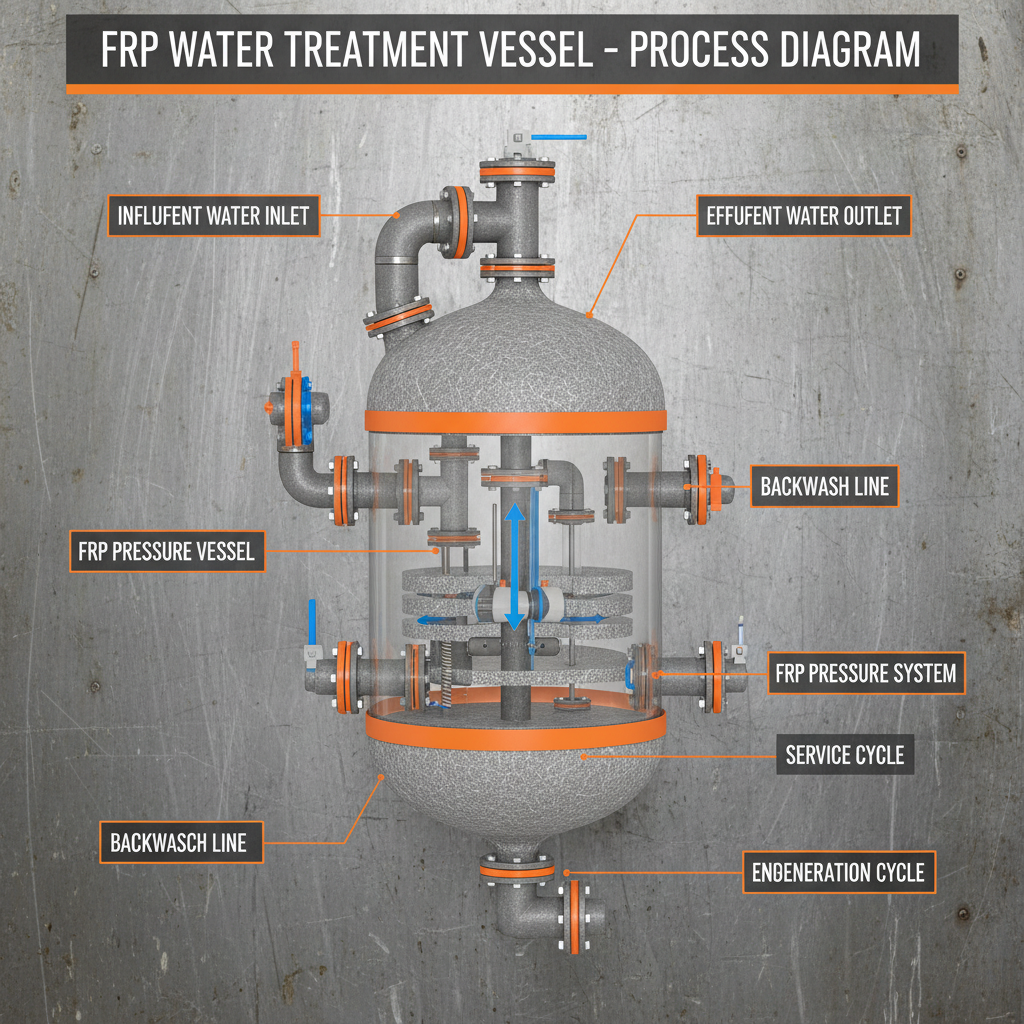
In the modern era of industrial and residential water purification, the choice of containment materials is critical for efficiency and longevity. An frp vessel for water treatment has emerged as the gold standard, replacing traditional steel tanks due to its superior corrosion resistance and lightweight properties. Whether you are dealing with desalination, softening, or filtration, using Fiber Reinforced Plastic (FRP) ensures that your system remains leak-proof and durable against aggressive chemicals. In this comprehensive guide, we will explore why FRP is the preferred choice for water treatment professionals worldwide and how to select the right vessel for your specific application.
Industrial Guide for Choosing the Right FRP Vertical Tank
Apr 09,2026
Industrial Guide for Choosing the Right FRP Vertical Tank
In today's industrial landscape, the storage of corrosive chemicals and aggressive liquids requires materials that can withstand extreme conditions without degrading. The frp vertical tank has emerged as a premier solution, offering an exceptional balance of strength, lightweight properties, and unmatched chemical resistance. Whether you are managing a water treatment plant or a chemical processing facility, understanding the nuances of Fiber Reinforced Plastic (FRP) is essential for ensuring operational safety and longevity. In this comprehensive guide, we will explore why vertical configurations are preferred and how these tanks outperform traditional metal alternatives.
Comprehensive Guide to FRP Underground Water Tank Solutions and Applications
Apr 07,2026
Comprehensive Guide to FRP Underground Water Tank Solutions and Applications
Fiberglass Reinforced Polymer (FRP) underground water tanks are becoming increasingly popular for a wide range of applications, from potable water storage to industrial wastewater containment. Their superior corrosion resistance, lightweight nature, and design flexibility make them an excellent alternative to traditional materials like concrete or steel. This article will delve into the benefits, applications, construction, and considerations for implementing FRP underground water tanks, providing a comprehensive overview for engineers, contractors, and project managers.
Comprehensive Guide to Frp Underground Water Storage Tanks and Their Applications
Apr 04,2026
Comprehensive Guide to Frp Underground Water Storage Tanks and Their Applications
When considering water storage solutions, particularly for industrial, agricultural, or municipal applications, frp underground water storage tanks stand out as a durable, cost-effective, and environmentally friendly option. These tanks are increasingly favored over traditional materials like concrete or steel due to their superior corrosion resistance, lighter weight, and ease of installation. This article delves into the benefits, applications, construction, and considerations when choosing an FRP tank, providing a detailed overview for potential buyers and project planners.
Comprehensive Guide to Frp Underground Storage Tanks for Reliable Storage Solutions
Mar 31,2026
Comprehensive Guide to Frp Underground Storage Tanks for Reliable Storage Solutions
Fiberglass Reinforced Polymer (FRP) underground storage tanks are becoming increasingly popular for a wide range of applications, from fuel storage to wastewater management. Their corrosion resistance, lightweight nature, and durability offer significant advantages over traditional materials like steel. This article will provide an in-depth look at FRP underground storage tanks, covering their benefits, applications, installation, and maintenance. Understanding these aspects is crucial for making informed decisions about long-term storage solutions.
Comprehensive Guide to Selecting the Ideal FRP Tank for Water Storage Solutions
Mar 28,2026
Comprehensive Guide to Selecting the Ideal FRP Tank for Water Storage Solutions
When it comes to reliable and durable water storage, FRP tanks for water are increasingly becoming the preferred solution for a wide range of applications. These tanks, constructed from Fiber Reinforced Polymer (FRP) materials, offer significant advantages over traditional storage options like steel or concrete. This article delves into the benefits, applications, and considerations when selecting an FRP tank for your water storage needs, providing a detailed overview for businesses and individuals alike.
Comprehensive Guide to Frp Tank and Vessel Applications and Manufacturing
Mar 26,2026
Comprehensive Guide to Frp Tank and Vessel Applications and Manufacturing
Fiber Reinforced Polymer (FRP) tanks and vessels are increasingly becoming the preferred choice for storage and processing across a multitude of industries. Their lightweight nature, corrosion resistance, and design flexibility offer significant advantages over traditional materials like steel. This article will delve into the intricacies of FRP tanks and vessels, exploring their applications, manufacturing processes, benefits, and considerations for selecting the right solution for your specific needs. We’ll also highlight why FRP tanks are a cost-effective and reliable long-term investment. FRP tanks and vessels are constructed from a combination of reinforcing fibers (such as fiberglass, carbon fiber, or aramid fiber) embedded in a polymer matrix (typically polyester, vinyl ester, or epoxy resin). This combination creates a composite material that boasts high strength-to-weight ratio, exceptional corrosion resistance, and the ability to be molded into complex shapes. They’re designed to safely contain a wide variety of liquids and gases, ranging from corrosive chemicals and water to food products and pharmaceuticals.
Optimizing Water Filtration with Durable FRP Sand Filter Vessels
Mar 24,2026
Optimizing Water Filtration with Durable FRP Sand Filter Vessels
In water treatment and filtration systems, the choice of filter vessel material is paramount. Fiber Reinforced Plastic (FRP), also known as Glass Reinforced Polymer (GRP), sand filter vessels are increasingly popular due to their superior corrosion resistance, lightweight nature, and cost-effectiveness. This article delves into the benefits, applications, design considerations, and factors to consider when selecting an FRP sand filter vessel. Whether you are involved in municipal water treatment, industrial wastewater management, or recreational water filtration, understanding FRP technology is essential for optimizing your filtration process. An FRP sand filter vessel is a containment unit designed to house filtration media, typically sand, gravel, and anthracite. These vessels are integral components in sand filtration systems used for removing suspended solids, turbidity, and other particulate matter from water. FRP construction involves layering glass fibers within a resin matrix (typically polyester or vinyl ester) to create a strong, durable, and chemically resistant shell. The strength and rigidity of the vessel are crucial for withstanding the pressure from the filtration media and the water flow.
Comprehensive Guide to FRP Round Tanks Applications and Benefits
Mar 21,2026
Comprehensive Guide to FRP Round Tanks Applications and Benefits
Fiber Reinforced Polymer (FRP) round tanks are increasingly becoming the preferred choice for storage solutions across a variety of industries. Their lightweight nature, corrosion resistance, and design flexibility offer significant advantages over traditional materials like steel. This article provides an in-depth look at FRP round tanks, exploring their applications, benefits, manufacturing processes, and key considerations when choosing the right tank for your needs. Whether you're in chemical processing, water treatment, or agriculture, understanding FRP round tanks is crucial for optimizing your storage infrastructure. FRP round tanks are constructed from a combination of reinforcing fibers (typically fiberglass, carbon fiber, or a blend) embedded in a polymer matrix (often polyester, vinyl ester, or epoxy resin). The round shape inherently provides excellent structural strength, distributing pressure evenly across the tank’s surface.
Comprehensive Guide to FRP Pressure Tanks Benefits and Applications
Mar 19,2026
Comprehensive Guide to FRP Pressure Tanks Benefits and Applications
Fiber Reinforced Polymer (FRP) pressure tanks are becoming increasingly popular in a wide range of industrial applications, offering a compelling alternative to traditional steel tanks. Known for their lightweight nature, corrosion resistance, and high strength-to-weight ratio, FRP tanks provide efficient and durable solutions for storing liquids and gases under pressure. This article will delve into the benefits, applications, construction, and key considerations when selecting an FRP pressure tank, helping you make an informed decision for your specific needs. Understanding the advantages of FRP technology can lead to significant cost savings and improved operational efficiency. Compared to steel, FRP pressure tanks offer several key advantages. The most significant is their superior corrosion resistance. Unlike steel, which is susceptible to rust and corrosion when exposed to various chemicals, FRP materials are inherently resistant to a wide range of corrosive substances. This translates to a longer lifespan, reduced maintenance costs, and increased safety. Furthermore, FRP is significantly lighter than steel, making installation easier and reducing transportation costs.
Comprehensive Guide to FRP Modular Tanks for Superior Storage Solutions
Mar 17,2026
Comprehensive Guide to FRP Modular Tanks for Superior Storage Solutions
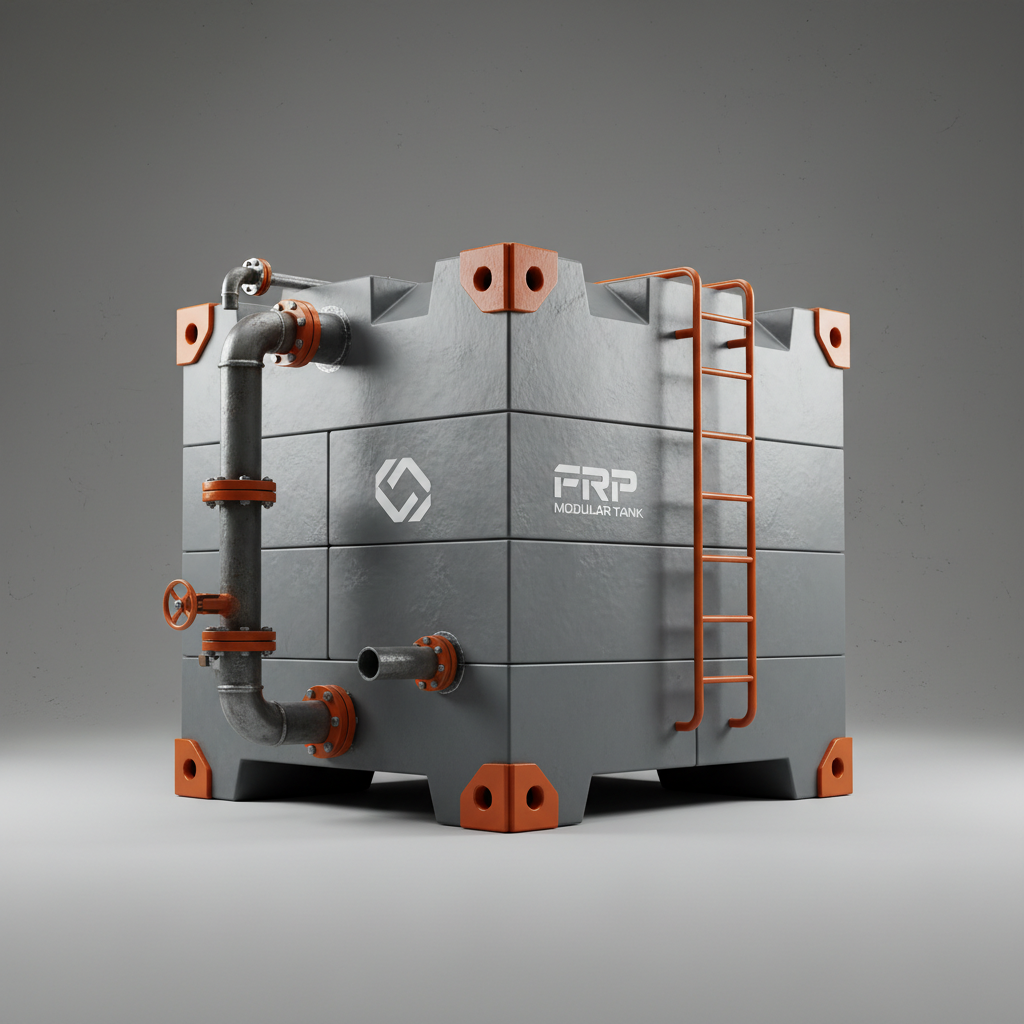
Fiber Reinforced Polymer (FRP) modular tanks are revolutionizing storage solutions across various industries. These tanks offer a compelling alternative to traditional materials like steel and concrete, providing superior corrosion resistance, lighter weight, and design flexibility. This article will delve into the benefits, applications, construction, and considerations when choosing an FRP modular tank. We will explore why they are becoming the preferred choice for chemical storage, water treatment, and more. FRP modular tanks are constructed from pre-fabricated, interlocking sections made of fiber-reinforced polymer materials. These sections are typically composed of glass fiber, vinyl ester, or epoxy resins. The modular design allows for easy assembly and customization to meet specific volume and configuration requirements. Unlike monolithic tanks, modular tanks can be easily expanded or relocated, offering a significant advantage in dynamic operational environments.
Exploring the Benefits and Applications of FRP Horizontal Tanks for Storage Solutions
Mar 14,2026
Exploring the Benefits and Applications of FRP Horizontal Tanks for Storage Solutions
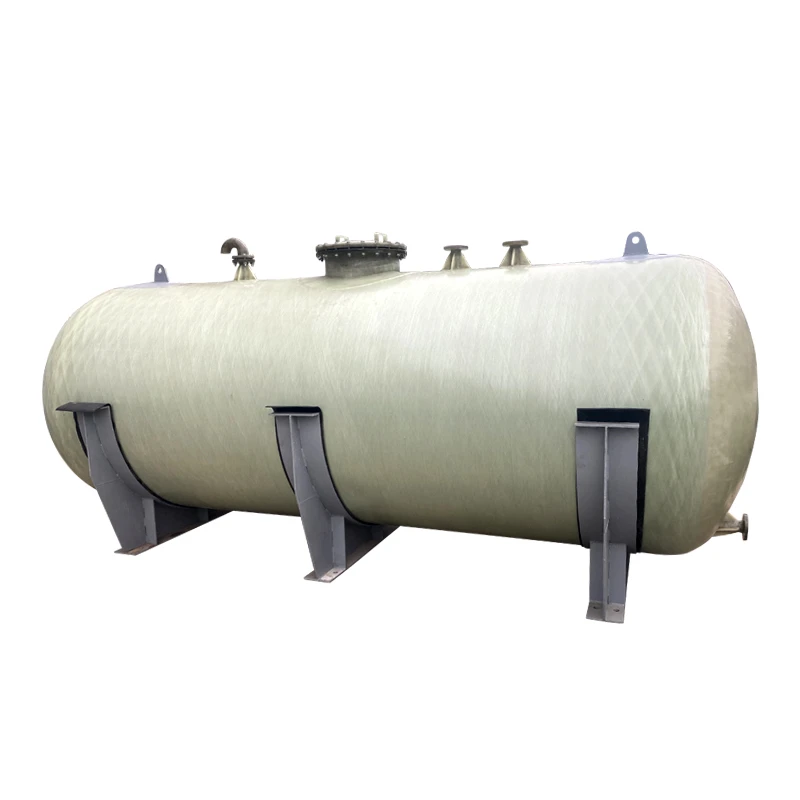
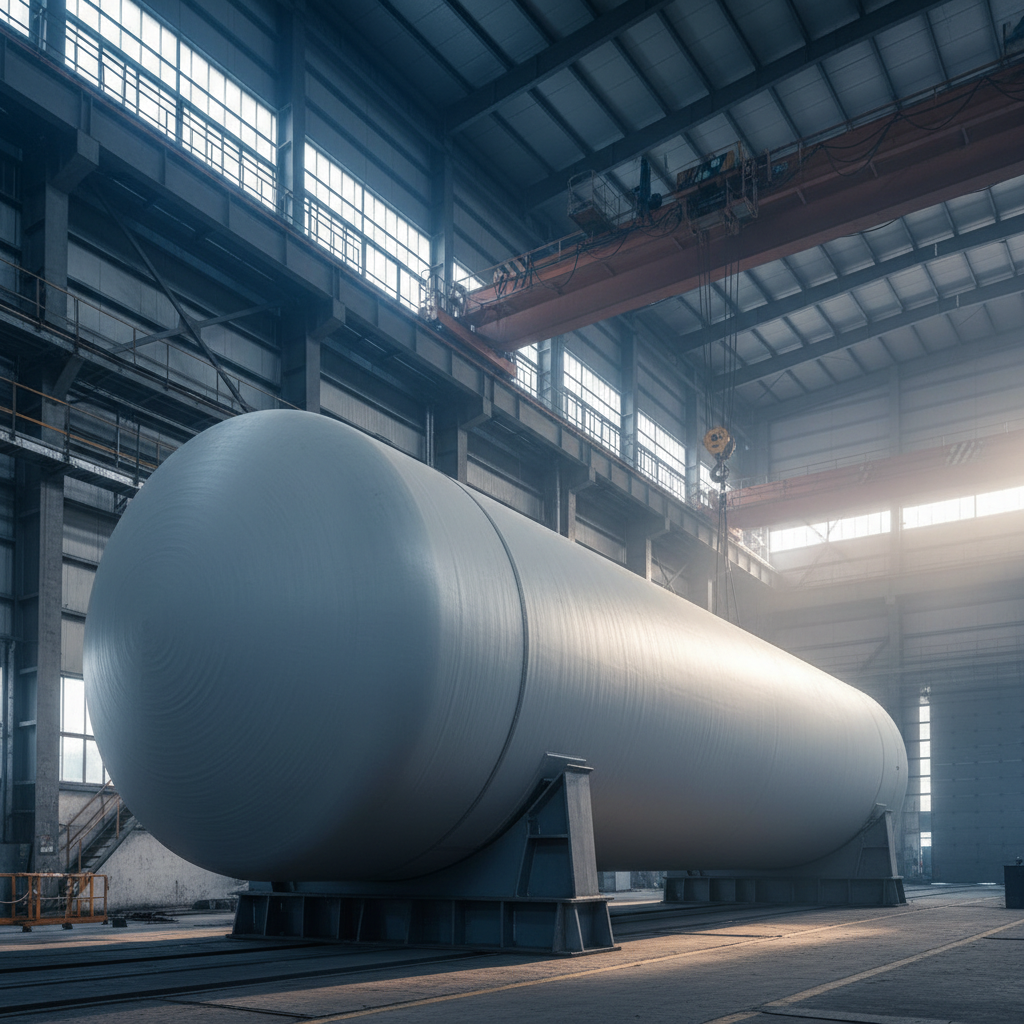
Fiber Reinforced Plastic (FRP) horizontal tanks are increasingly becoming the preferred choice for storage solutions across numerous industries. Known for their durability, corrosion resistance, and lightweight nature, these tanks offer a compelling alternative to traditional materials like steel. This article will delve into the intricacies of FRP horizontal tanks, exploring their applications, benefits, manufacturing processes, and key considerations for selecting the right tank for your needs. We’ll also discuss why choosing a reputable supplier like FRPGRPMachine ensures quality and reliability. FRP horizontal tanks are constructed using a combination of reinforcing fibers (such as fiberglass, carbon fiber, or aramid fiber) embedded in a polymer matrix (typically polyester, vinyl ester, or epoxy resin). The horizontal design allows for efficient use of space and facilitates easier installation and maintenance. The unique properties of FRP materials impart exceptional resistance to corrosion, chemicals, and UV radiation, making these tanks ideal for storing a wide variety of substances. They are manufactured through processes like filament winding, hand lay-up, and resin transfer molding, ensuring structural integrity and long-term performance.
Comprehensive Guide to FRP Fuel Tanks Benefits and Applications
Mar 12,2026
Comprehensive Guide to FRP Fuel Tanks Benefits and Applications
Fiber Reinforced Polymer (FRP) fuel tanks are rapidly gaining prominence as a robust and reliable alternative to traditional steel tanks. Offering significant advantages in terms of corrosion resistance, weight reduction, and design flexibility, they are becoming a go-to solution for a wide range of applications, from fuel storage at service stations to large-scale industrial facilities. This article delves into the benefits, applications, construction, and considerations when choosing an FRP fuel tank, providing a comprehensive overview for businesses and engineers. Investing in the right fuel storage solution is crucial for safety, compliance, and long-term cost efficiency. FRP fuel tanks offer a compelling set of advantages over traditional materials like steel. Their inherent resistance to corrosion is a primary benefit, significantly reducing maintenance costs and extending the tank's lifespan. Unlike steel, FRP won’t rust or corrode when exposed to fuels, water, or harsh environmental conditions. Furthermore, FRP is significantly lighter than steel – often by up to 60% – leading to easier installation, reduced transportation costs, and lower structural support requirements.
Comprehensive Guide to Durable Fibre Reinforced Plastic Tanks and Vessels
Mar 11,2026
Comprehensive Guide to Durable Fibre Reinforced Plastic Tanks and Vessels
In industries demanding robust, corrosion-resistant storage solutions, fibre reinforced plastic (FRP) tanks and vessels are increasingly becoming the material of choice. These tanks, crafted from materials like glass fibre reinforced polymer (GRP), offer superior performance compared to traditional materials like steel or concrete. This article delves into the benefits, applications, manufacturing processes, and considerations when choosing FRP tanks and vessels. We'll explore why they are a smart investment for various industrial needs. FRP is a composite material made by combining a polymer matrix (resin) with reinforcing fibres, typically glass, carbon, or aramid. This combination results in a material that is lightweight, incredibly strong, and highly resistant to corrosion. GRP, a common type of FRP using glass fibres, is particularly popular due to its cost-effectiveness and excellent chemical resistance. The properties of FRP can be tailored during manufacturing to meet specific application requirements.
Comprehensive Guide to Durable Double Wall FRP Tank Solutions for Industries
Mar 10,2026
Comprehensive Guide to Durable Double Wall FRP Tank Solutions for Industries
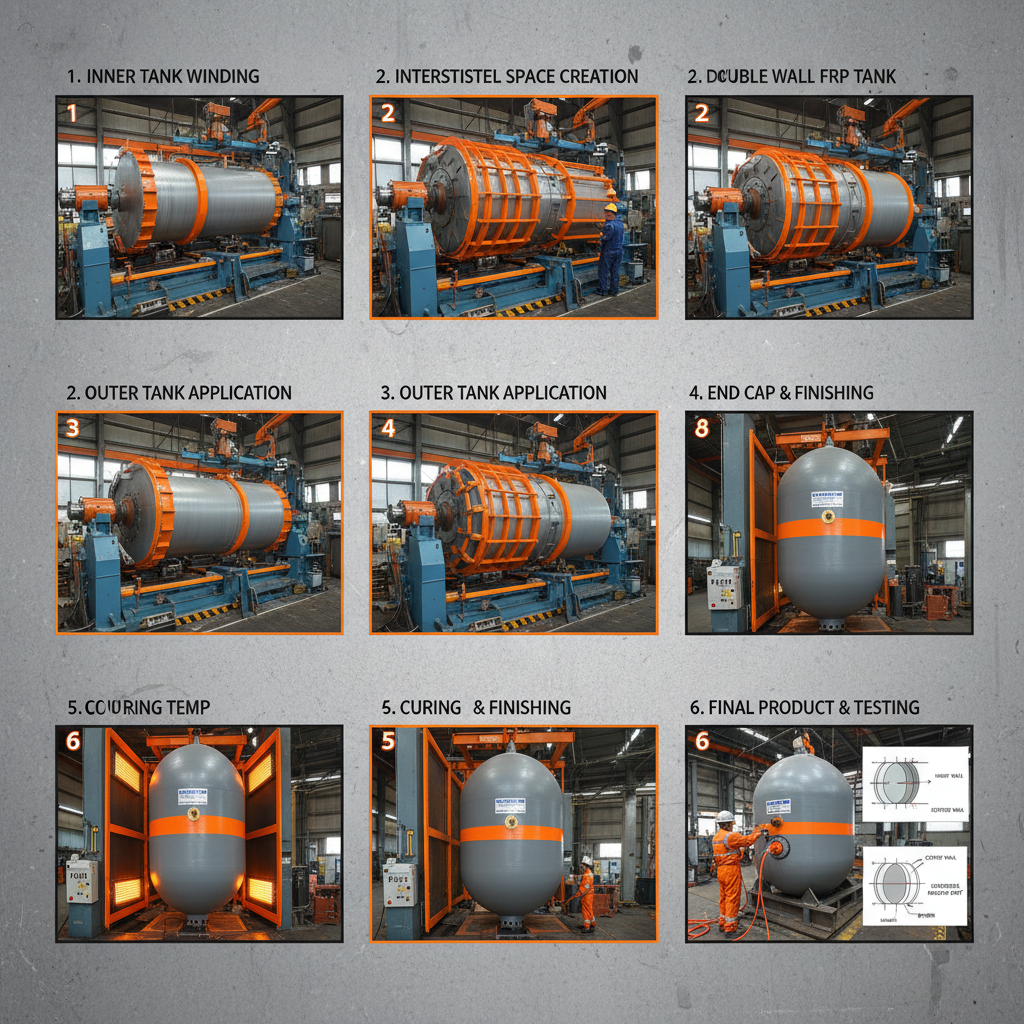
Double wall Fiber Reinforced Polymer (FRP) tanks are increasingly becoming the preferred choice for storing a wide range of chemicals and liquids across diverse industries. Offering superior corrosion resistance, durability, and safety compared to traditional materials like steel, these tanks are a valuable asset for any business dealing with potentially hazardous substances. This article will delve into the key features, benefits, applications, and considerations when choosing a double wall FRP tank, providing you with the information needed to make an informed decision. Investing in a reliable storage solution is crucial for operational efficiency and environmental responsibility. A double wall FRP tank consists of two layers of FRP material separated by a space. This design provides a critical layer of containment in the event of a leak or failure in the inner tank. The space between the walls can be monitored for leaks, allowing for early detection and preventing environmental contamination. The construction typically involves a resin matrix reinforced with fiberglass, offering excellent chemical resistance, and the ability to be customized for specific application requirements. These tanks offer a significantly enhanced safety profile compared to single-wall tanks.
Comprehensive Guide to FRP Water Storage Tank Solutions and Applications
Mar 09,2026
Comprehensive Guide to FRP Water Storage Tank Solutions and Applications
Fiber Reinforced Polymer (FRP) water storage tanks are increasingly becoming the preferred choice for a wide range of applications, from potable water storage to industrial chemical containment. Their lightweight nature, corrosion resistance, and durability offer significant advantages over traditional materials like steel and concrete. This article will explore the benefits, applications, and key considerations when choosing an FRP water storage tank, providing insights for engineers, project managers, and anyone involved in water management. Selecting the right tank is critical for ensuring long-term reliability and water quality. FRP tanks offer a compelling set of advantages. Their corrosion resistance is paramount, eliminating the need for costly linings and repairs often required with steel tanks. The lightweight nature of FRP significantly reduces installation costs, as less heavy machinery is needed.
For More Details Pls Contact Us
Thank you for your interest in our gloves! We offer high-quality, durable, and comfortable gloves with fast delivery and competitive prices. For any questions or customization, feel free to contact us. We look forward to working with you!

If you are interested in our products, you can choose to leave your information here, and we will be in touch with you shortly.