Jun 08,2025

Types of Electrolytic Cells Overview, Key Types & Applications
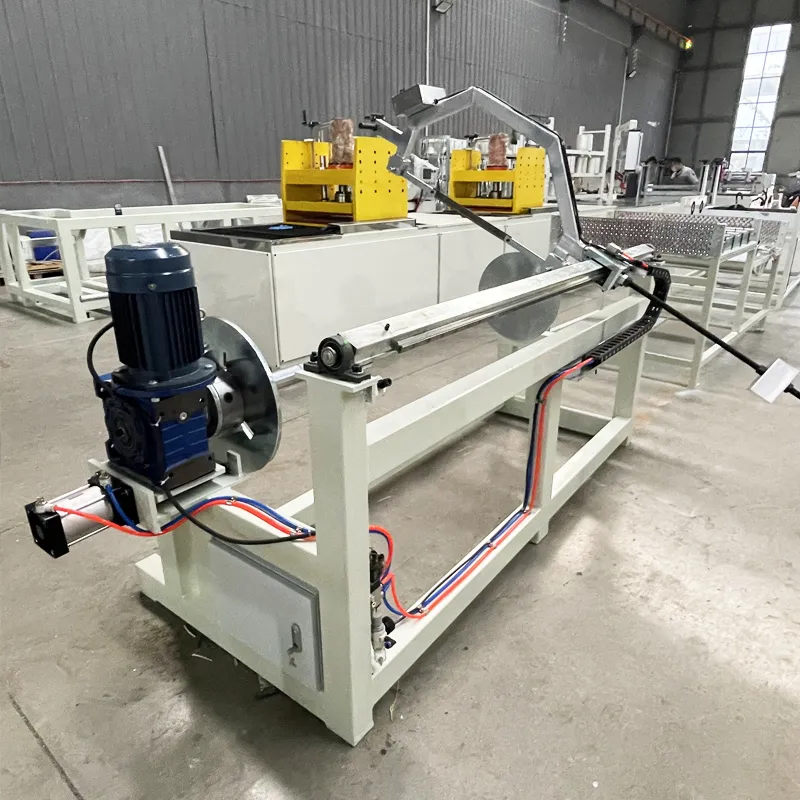

types of electrolytic cells

(types of electrolytic cells)


Understanding Types of Electrolytic Cells and Their Industrial Significance

This comprehensive analysis explores the diverse landscape of industrial electrolytic systems through these key aspects:

  • Fundamental principles and operational mechanics of electrolytic cells
  • Technical advantages and economic impact metrics across industries
  • Comparative analysis of leading manufacturers and their technologies
  • Custom engineering approaches for specialized applications
  • Industry-specific implementation case studies with quantifiable results
  • Emerging technological advancements in cell design
  • Strategic selection criteria for different operational environments

Electrochemical Fundamentals and Operational Principles

Modern industrial processes leverage distinct categories of electrolytic cells based on their electrochemical architectures. Membrane cells utilize selective ion-exchange barriers to separate anode and cathode compartments, achieving 92-95% current efficiency in chlorine production. In contrast, diaphragm cells employ porous separators requiring periodic replacement every 12-18 months, while mercury cells have largely been phased out due to environmental regulations. Each configuration demonstrates specific electrolysis mechanisms:

  1. Aqueous Electrolyzers: Utilize liquid electrolyte solutions with ionic conduction, representing 68% of industrial installations
  2. Molten Salt Cells: Operate at 700-900°C for reactive metal extraction, consuming 12-18kWh per kilogram of aluminum produced
  3. Polymer Electrolyte Membrane (PEM): Solid polymer electrolytes enable rapid startups and dynamic operation, preferred for hydrogen generation

These systems fundamentally transform electrical energy into chemical energy through redox reactions, with efficiency determined by electrode overpotential, electrolyte conductivity, and thermodynamic limitations.

Technical Advantages and Operational Economics

Advanced electrolytic cell designs deliver substantial operational benefits. Modern membrane chlor-alkali cells achieve energy consumption as low as 2,150 kWh per ton of chlorine, representing a 40% reduction compared to legacy systems. Metallurgical applications using molten salt electrolysis maintain production costs below $1,800 per tonne for primary aluminum when energy prices remain under $0.04/kWh. Three critical performance vectors distinguish contemporary systems:

  • Efficiency Metrics: Cutting-edge alkaline water electrolysers now reach 74-78% efficiency at current densities of 0.4 A/cm²
  • Lifespan Considerations: PEM electrolyzer stacks demonstrate 65,000+ hours operational durability with proper maintenance protocols
  • Footprint Optimization: Containerized electrolysis units deliver 500 Nm³/h hydrogen production in just 12m² footprint

The global electrolyzer market has experienced 12.4% compound annual growth since 2018, projected to reach $10.7 billion by 2027 as industries accelerate decarbonization initiatives.

Manufacturer Comparison and Technology Offerings

Manufacturer Primary Technology Max Capacity Power Density Efficiency (%) Key Innovations
Thyssenkrupp Nucera Alkaline Water Electrolysis 700 MW Modular 0.45 A/cm² 78-82% Scaffolded Electrodes
Cummins (Hydrogenics) PEM 25 MW Single Unit 3.0 A/cm² 67-72% HyStat® Thermal Integration
Nel Hydrogen Atmospheric Alkaline 300 Nm³/h 0.3 A/cm² 70-75% Zero-Gap Cell Geometry
Bloom Energy Solid Oxide Electrolysis 100+ MW - 85-90% High-T Steam Electrolysis

Recent performance data indicates alkaline systems maintain cost advantages at scale ($900/kW), while PEM technologies demonstrate superior dynamic response characteristics essential for renewable power integration.

Customized Solutions for Industry-Specific Applications

Specialized configurations address unique process requirements across sectors. For precious metal recovery, pulsating current electrolysis achieves 99.97% purity through optimized waveform control. Chlor-alkali facilities now implement advanced membrane technologies reducing power consumption to 2,200 kWh per tonne while eliminating mercury contamination risks. Hybridized systems are increasingly prevalent:

  1. Metallurgical Processing: Multi-polar reduction cells for zinc electrowinning generate 99.995% pure metal at 3,100 kWh/tonne
  2. Water Treatment: Electrocoagulation units combine electrolytic oxidation with flocculation for >95% contaminant removal
  3. Chemical Synthesis: Gas diffusion electrode cells enable direct peroxide production, reducing energy intensity by 37% versus traditional routes

Such application-specific optimizations demonstrate tangible improvements: semiconductor facilities using custom electrolytic purification report 14-month ROI through reduced ultrapure water costs.

Industrial Implementation Case Studies

Quantifiable outcomes validate electrolytic cell selection criteria across sectors. A European chemical plant retrofitted membrane chlor-alkali cells achieving:

  • 23% reduction in specific energy consumption (from 2,950 to 2,270 kWh/tonne NaOH)
  • Caustic concentration increase from 32% to 33% with no additional evaporation energy
  • $1.8 million annual savings despite $3.2 million capital investment

For hydrogen production, an offshore wind installation integrated pressurized PEM electrolyzers demonstrating:

  • 84% capacity utilization leveraging variable renewable power profiles
  • Production cost stabilization at $4.20/kg despite intermittent operation
  • Seawater feedstock consumption reduced by 43% through closed-loop coolant systems

Aluminum smelters implementing next-generation inert anodes project 15-20% energy reduction equivalent to 3.5 TWh annual savings per 300,000 tonne facility.

Future Trajectories and System Evolution

Electrolytic cell innovation focuses predominantly on electrode architectures and separator technologies. Novel catalytic coatings incorporating iridium-ruthenium oxides have demonstrated 0.05 V overpotential reduction at 2 A/cm², potentially lowering PEM stack costs by 19%. Three key developmental vectors are emerging:

  1. Anion exchange membranes approaching 2.0 S/cm conductivity at reduced catalyst loading requirements
  2. Advanced computational fluid dynamics optimizing flow field designs, reducing pumping energy by 27%
  3. Machine learning implementations predicting electrode degradation with 95% accuracy

R&D pipeline analysis indicates emerging technologies will reach 85% system efficiency thresholds by 2030 while halving current capital expenditure requirements per installed capacity.

Selecting Appropriate Types of Electrolytic Cells for Operational Needs

Optimal electrolytic cell selection requires multidimensional analysis across four primary parameters:

  • Economic Factors: PEM systems offer superior dynamic response but incur 2.5× higher stack replacement costs than alkaline
  • Operational Environment: Molten salt cells remain unmatched for reactive metal production despite 18% efficiency limitations
  • Scalability Requirements: Containerized alkaline systems deliver faster deployment while central SOEC installations achieve superior efficiency at scale
  • Sustainability Mandates: Membrane chlor-alkali technologies have reduced mercury pollution by 97% since 1990

Industry benchmarking reveals properly maintained electrolytic installations operate profitably for 15+ years, with electrochemical processes now representing 36% of industrial hydrogen production and 100% of global primary aluminum manufacturing.
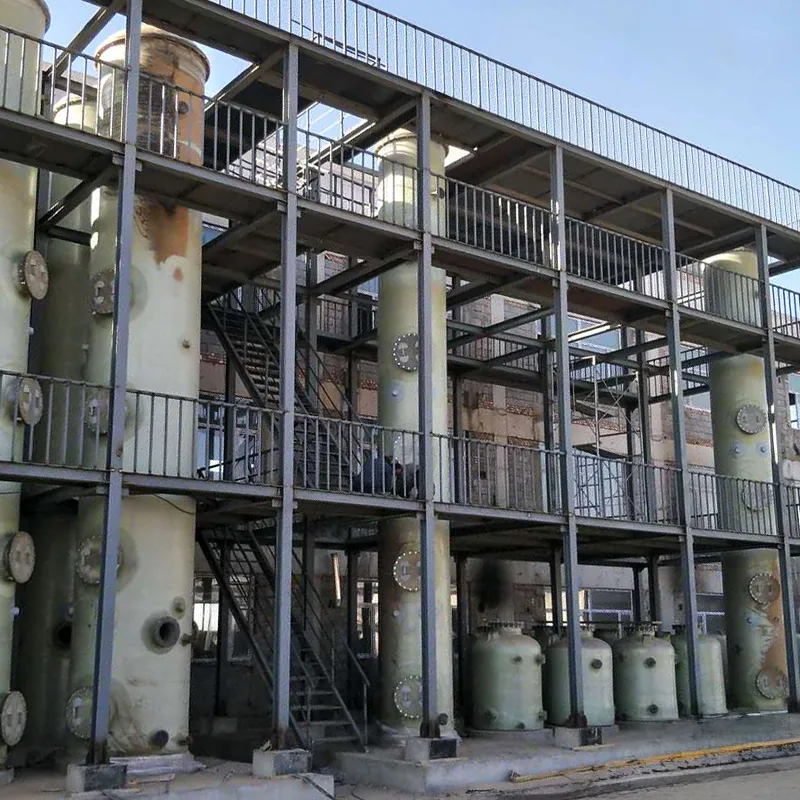

types of electrolytic cells

(types of electrolytic cells)


FAQS on types of electrolytic cells

FAQ: Types of Electrolytic Cells

Q: What are the different types of electrolytic cells?

A: The main types include aqueous electrolytic cells, molten (fused) salt electrolytic cells, and diaphragm-based cells. Aqueous cells use water-based electrolytes for processes like metal refining, while molten salt cells operate with high-temperature salts to extract reactive metals like aluminum. Diaphragm cells separate electrodes to manage chemical reactions, such as in chlor-alkali production.

Q: How do the different types of electrolytic cells function?

A: Each type works by passing electric current through electrolytes to drive non-spontaneous redox reactions. For instance, molten salt cells decompose compounds like alumina into pure metals, while diaphragm cells use permeable barriers to isolate products like chlorine gas and sodium hydroxide. The electrolyte state (aqueous, molten, or separated) dictates the specific reaction pathway.

Q: What industries rely on various types of electrolytic cells?

A: Molten salt cells are vital in aluminum smelting, aqueous cells enable electroplating and refining of copper or zinc, and diaphragm cells produce industrial chemicals like chlorine. Clean energy sectors also use specialized electrolytic cells for hydrogen generation via water splitting.

Q: What distinguishes a diaphragm electrolytic cell from other types?

A: Diaphragm cells feature a physical barrier (e.g., asbestos or polymer membranes) separating anode and cathode compartments to prevent product mixing, unlike aqueous or molten salt cells that rely purely on electrolyte composition. This design is crucial for processes like sodium hydroxide synthesis, where chlorine gas must not contact the cathode products.

Q: Why are multiple types of electrolytic cells necessary?

A: Different electrolytic cells optimize conditions for target reactions—molten salts handle high-temperature metal extraction, aqueous solutions suit ion reduction in electroplating, and diaphragm setups ensure safe product separation. No single cell type can efficiently perform all electrolytic processes.
Upsell Products
Upsell News
Durable FRP Vessel for Water Treatment and Industrial Filtration
Apr 16,2026
Durable FRP Vessel for Water Treatment and Industrial Filtration
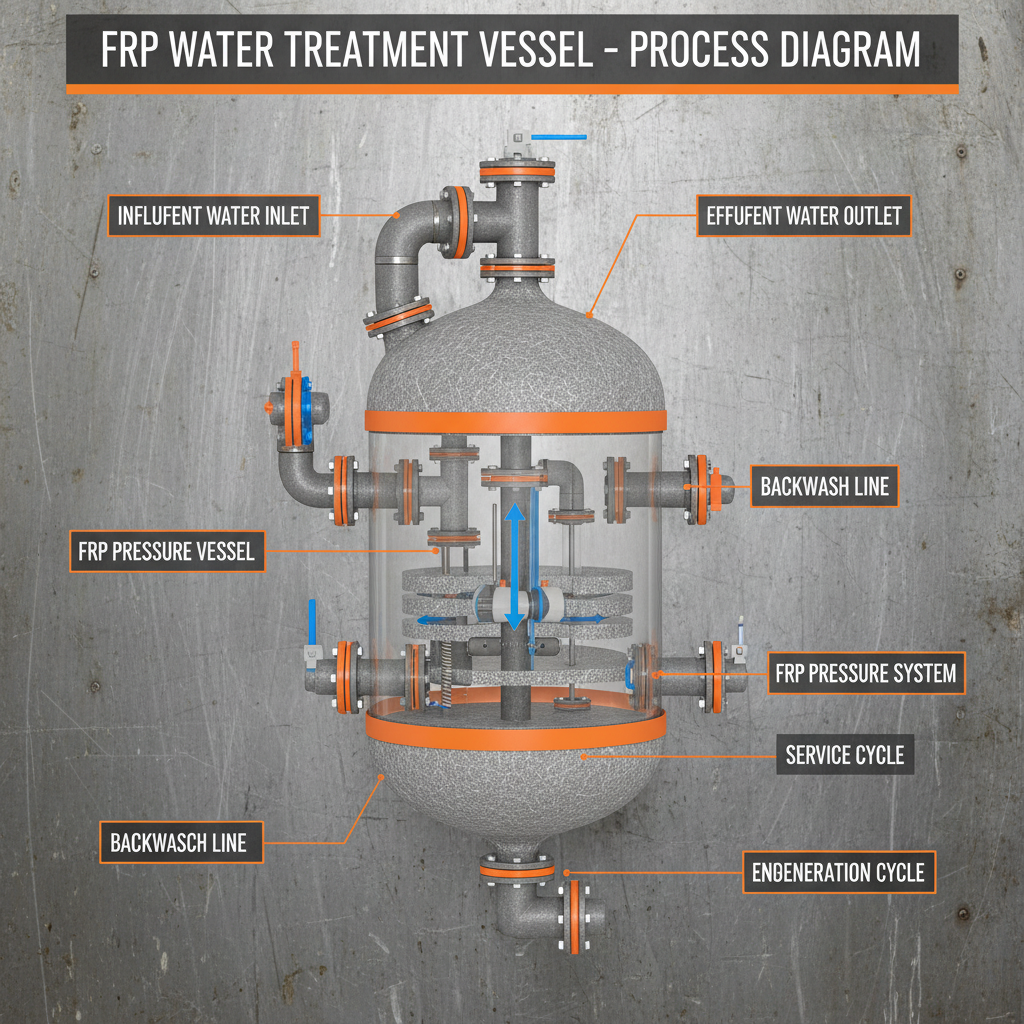
In the modern era of industrial and residential water purification, the choice of containment materials is critical for efficiency and longevity. An frp vessel for water treatment has emerged as the gold standard, replacing traditional steel tanks due to its superior corrosion resistance and lightweight properties. Whether you are dealing with desalination, softening, or filtration, using Fiber Reinforced Plastic (FRP) ensures that your system remains leak-proof and durable against aggressive chemicals. In this comprehensive guide, we will explore why FRP is the preferred choice for water treatment professionals worldwide and how to select the right vessel for your specific application.
Industrial Guide for Choosing the Right FRP Vertical Tank
Apr 09,2026
Industrial Guide for Choosing the Right FRP Vertical Tank
In today's industrial landscape, the storage of corrosive chemicals and aggressive liquids requires materials that can withstand extreme conditions without degrading. The frp vertical tank has emerged as a premier solution, offering an exceptional balance of strength, lightweight properties, and unmatched chemical resistance. Whether you are managing a water treatment plant or a chemical processing facility, understanding the nuances of Fiber Reinforced Plastic (FRP) is essential for ensuring operational safety and longevity. In this comprehensive guide, we will explore why vertical configurations are preferred and how these tanks outperform traditional metal alternatives.
Comprehensive Guide to FRP Underground Water Tank Solutions and Applications
Apr 07,2026
Comprehensive Guide to FRP Underground Water Tank Solutions and Applications
Fiberglass Reinforced Polymer (FRP) underground water tanks are becoming increasingly popular for a wide range of applications, from potable water storage to industrial wastewater containment. Their superior corrosion resistance, lightweight nature, and design flexibility make them an excellent alternative to traditional materials like concrete or steel. This article will delve into the benefits, applications, construction, and considerations for implementing FRP underground water tanks, providing a comprehensive overview for engineers, contractors, and project managers.
Comprehensive Guide to Frp Underground Water Storage Tanks and Their Applications
Apr 04,2026
Comprehensive Guide to Frp Underground Water Storage Tanks and Their Applications
When considering water storage solutions, particularly for industrial, agricultural, or municipal applications, frp underground water storage tanks stand out as a durable, cost-effective, and environmentally friendly option. These tanks are increasingly favored over traditional materials like concrete or steel due to their superior corrosion resistance, lighter weight, and ease of installation. This article delves into the benefits, applications, construction, and considerations when choosing an FRP tank, providing a detailed overview for potential buyers and project planners.
Comprehensive Guide to Frp Underground Storage Tanks for Reliable Storage Solutions
Mar 31,2026
Comprehensive Guide to Frp Underground Storage Tanks for Reliable Storage Solutions
Fiberglass Reinforced Polymer (FRP) underground storage tanks are becoming increasingly popular for a wide range of applications, from fuel storage to wastewater management. Their corrosion resistance, lightweight nature, and durability offer significant advantages over traditional materials like steel. This article will provide an in-depth look at FRP underground storage tanks, covering their benefits, applications, installation, and maintenance. Understanding these aspects is crucial for making informed decisions about long-term storage solutions.
Comprehensive Guide to Selecting the Ideal FRP Tank for Water Storage Solutions
Mar 28,2026
Comprehensive Guide to Selecting the Ideal FRP Tank for Water Storage Solutions
When it comes to reliable and durable water storage, FRP tanks for water are increasingly becoming the preferred solution for a wide range of applications. These tanks, constructed from Fiber Reinforced Polymer (FRP) materials, offer significant advantages over traditional storage options like steel or concrete. This article delves into the benefits, applications, and considerations when selecting an FRP tank for your water storage needs, providing a detailed overview for businesses and individuals alike.
Comprehensive Guide to Frp Tank and Vessel Applications and Manufacturing
Mar 26,2026
Comprehensive Guide to Frp Tank and Vessel Applications and Manufacturing
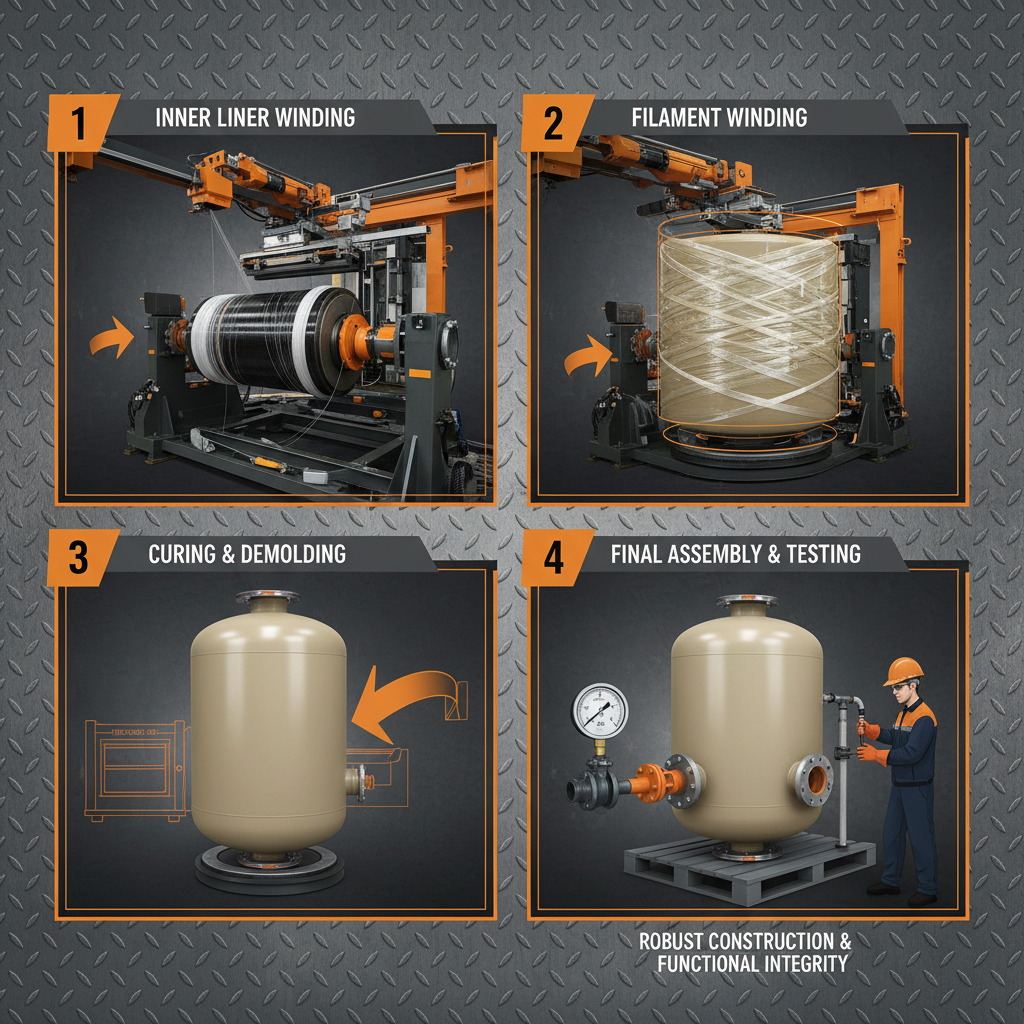
Fiber Reinforced Polymer (FRP) tanks and vessels are increasingly becoming the preferred choice for storage and processing across a multitude of industries. Their lightweight nature, corrosion resistance, and design flexibility offer significant advantages over traditional materials like steel. This article will delve into the intricacies of FRP tanks and vessels, exploring their applications, manufacturing processes, benefits, and considerations for selecting the right solution for your specific needs. We’ll also highlight why FRP tanks are a cost-effective and reliable long-term investment. FRP tanks and vessels are constructed from a combination of reinforcing fibers (such as fiberglass, carbon fiber, or aramid fiber) embedded in a polymer matrix (typically polyester, vinyl ester, or epoxy resin). This combination creates a composite material that boasts high strength-to-weight ratio, exceptional corrosion resistance, and the ability to be molded into complex shapes. They’re designed to safely contain a wide variety of liquids and gases, ranging from corrosive chemicals and water to food products and pharmaceuticals.
Optimizing Water Filtration with Durable FRP Sand Filter Vessels
Mar 24,2026
Optimizing Water Filtration with Durable FRP Sand Filter Vessels
In water treatment and filtration systems, the choice of filter vessel material is paramount. Fiber Reinforced Plastic (FRP), also known as Glass Reinforced Polymer (GRP), sand filter vessels are increasingly popular due to their superior corrosion resistance, lightweight nature, and cost-effectiveness. This article delves into the benefits, applications, design considerations, and factors to consider when selecting an FRP sand filter vessel. Whether you are involved in municipal water treatment, industrial wastewater management, or recreational water filtration, understanding FRP technology is essential for optimizing your filtration process. An FRP sand filter vessel is a containment unit designed to house filtration media, typically sand, gravel, and anthracite. These vessels are integral components in sand filtration systems used for removing suspended solids, turbidity, and other particulate matter from water. FRP construction involves layering glass fibers within a resin matrix (typically polyester or vinyl ester) to create a strong, durable, and chemically resistant shell. The strength and rigidity of the vessel are crucial for withstanding the pressure from the filtration media and the water flow.
Comprehensive Guide to FRP Round Tanks Applications and Benefits
Mar 21,2026
Comprehensive Guide to FRP Round Tanks Applications and Benefits
Fiber Reinforced Polymer (FRP) round tanks are increasingly becoming the preferred choice for storage solutions across a variety of industries. Their lightweight nature, corrosion resistance, and design flexibility offer significant advantages over traditional materials like steel. This article provides an in-depth look at FRP round tanks, exploring their applications, benefits, manufacturing processes, and key considerations when choosing the right tank for your needs. Whether you're in chemical processing, water treatment, or agriculture, understanding FRP round tanks is crucial for optimizing your storage infrastructure. FRP round tanks are constructed from a combination of reinforcing fibers (typically fiberglass, carbon fiber, or a blend) embedded in a polymer matrix (often polyester, vinyl ester, or epoxy resin). The round shape inherently provides excellent structural strength, distributing pressure evenly across the tank’s surface.
Comprehensive Guide to FRP Pressure Tanks Benefits and Applications
Mar 19,2026
Comprehensive Guide to FRP Pressure Tanks Benefits and Applications
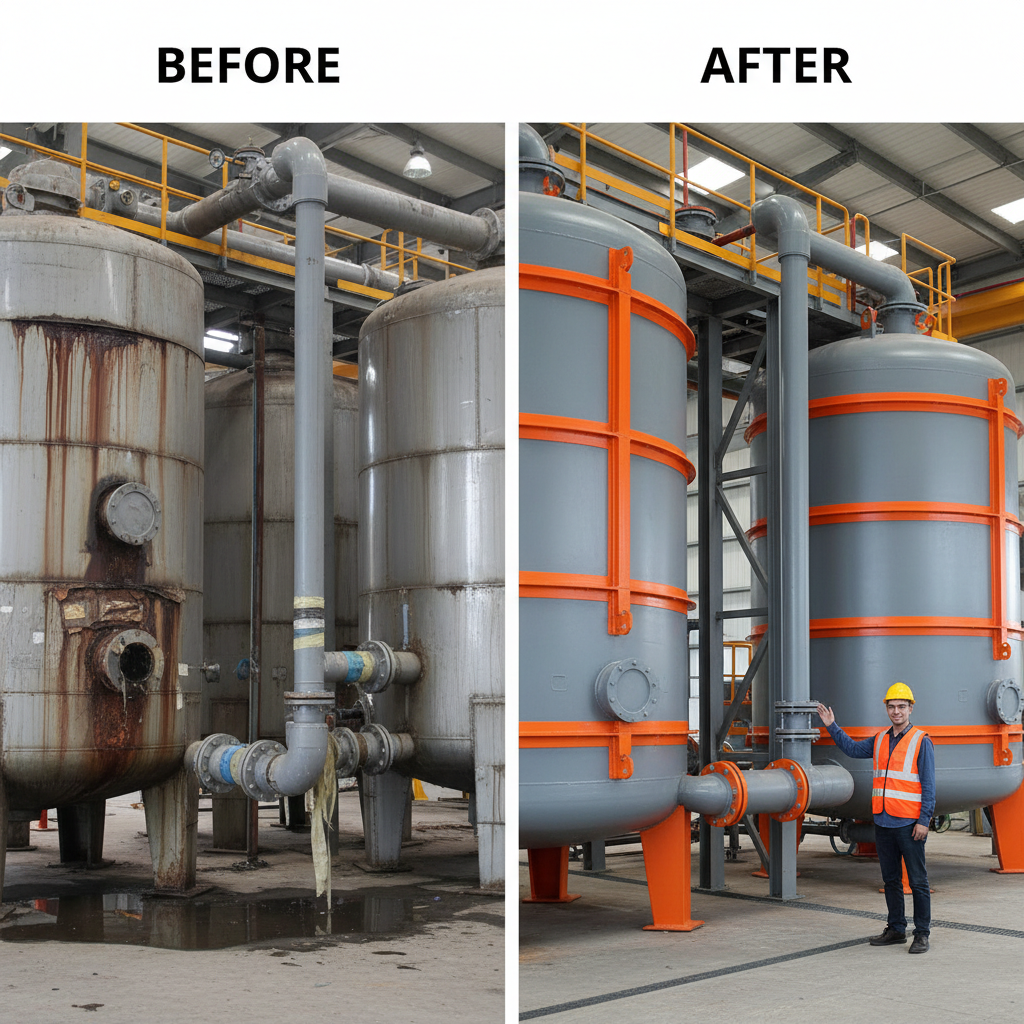
Fiber Reinforced Polymer (FRP) pressure tanks are becoming increasingly popular in a wide range of industrial applications, offering a compelling alternative to traditional steel tanks. Known for their lightweight nature, corrosion resistance, and high strength-to-weight ratio, FRP tanks provide efficient and durable solutions for storing liquids and gases under pressure. This article will delve into the benefits, applications, construction, and key considerations when selecting an FRP pressure tank, helping you make an informed decision for your specific needs. Understanding the advantages of FRP technology can lead to significant cost savings and improved operational efficiency. Compared to steel, FRP pressure tanks offer several key advantages. The most significant is their superior corrosion resistance. Unlike steel, which is susceptible to rust and corrosion when exposed to various chemicals, FRP materials are inherently resistant to a wide range of corrosive substances. This translates to a longer lifespan, reduced maintenance costs, and increased safety. Furthermore, FRP is significantly lighter than steel, making installation easier and reducing transportation costs.
Comprehensive Guide to FRP Modular Tanks for Superior Storage Solutions
Mar 17,2026
Comprehensive Guide to FRP Modular Tanks for Superior Storage Solutions
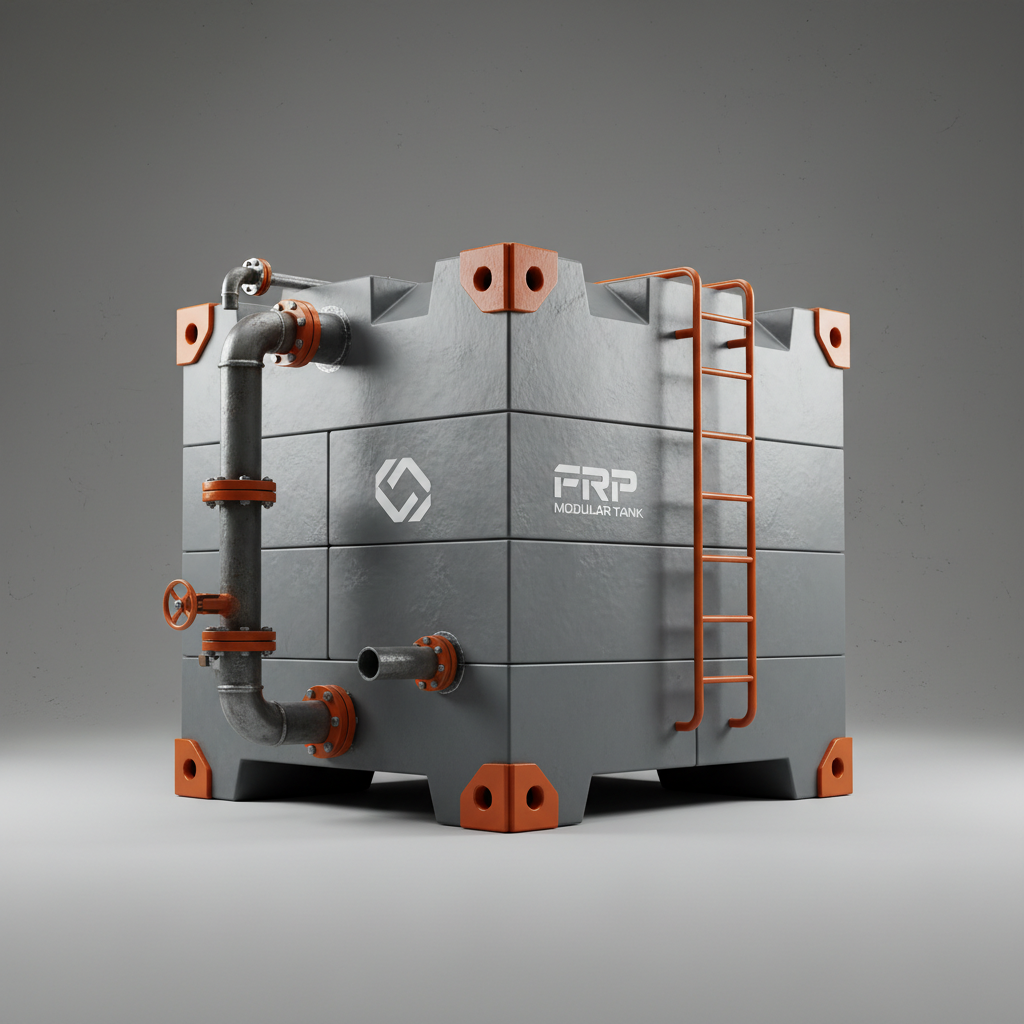
Fiber Reinforced Polymer (FRP) modular tanks are revolutionizing storage solutions across various industries. These tanks offer a compelling alternative to traditional materials like steel and concrete, providing superior corrosion resistance, lighter weight, and design flexibility. This article will delve into the benefits, applications, construction, and considerations when choosing an FRP modular tank. We will explore why they are becoming the preferred choice for chemical storage, water treatment, and more. FRP modular tanks are constructed from pre-fabricated, interlocking sections made of fiber-reinforced polymer materials. These sections are typically composed of glass fiber, vinyl ester, or epoxy resins. The modular design allows for easy assembly and customization to meet specific volume and configuration requirements. Unlike monolithic tanks, modular tanks can be easily expanded or relocated, offering a significant advantage in dynamic operational environments.
Exploring the Benefits and Applications of FRP Horizontal Tanks for Storage Solutions
Mar 14,2026
Exploring the Benefits and Applications of FRP Horizontal Tanks for Storage Solutions
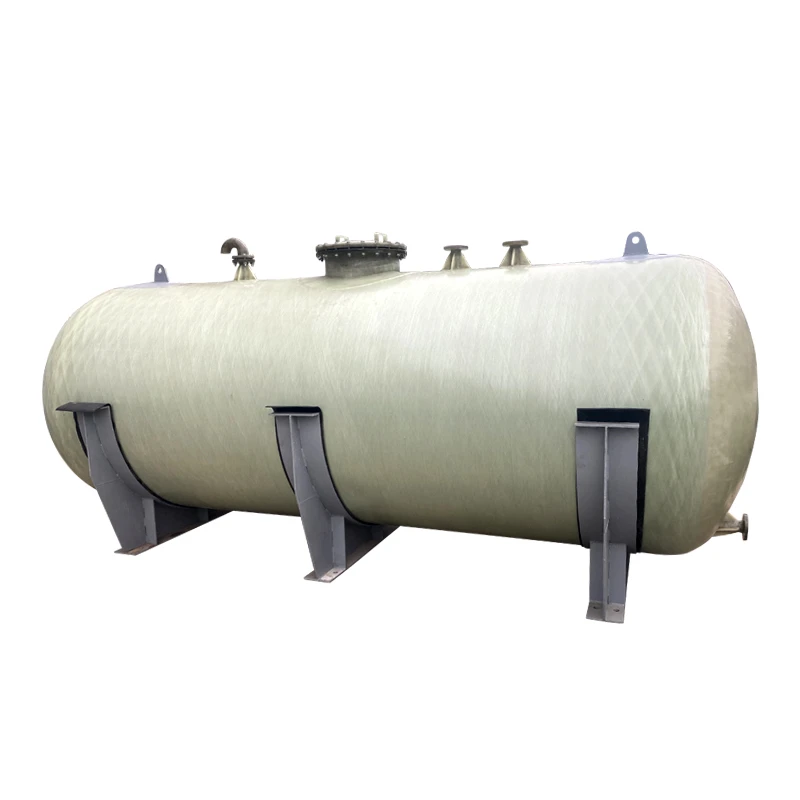
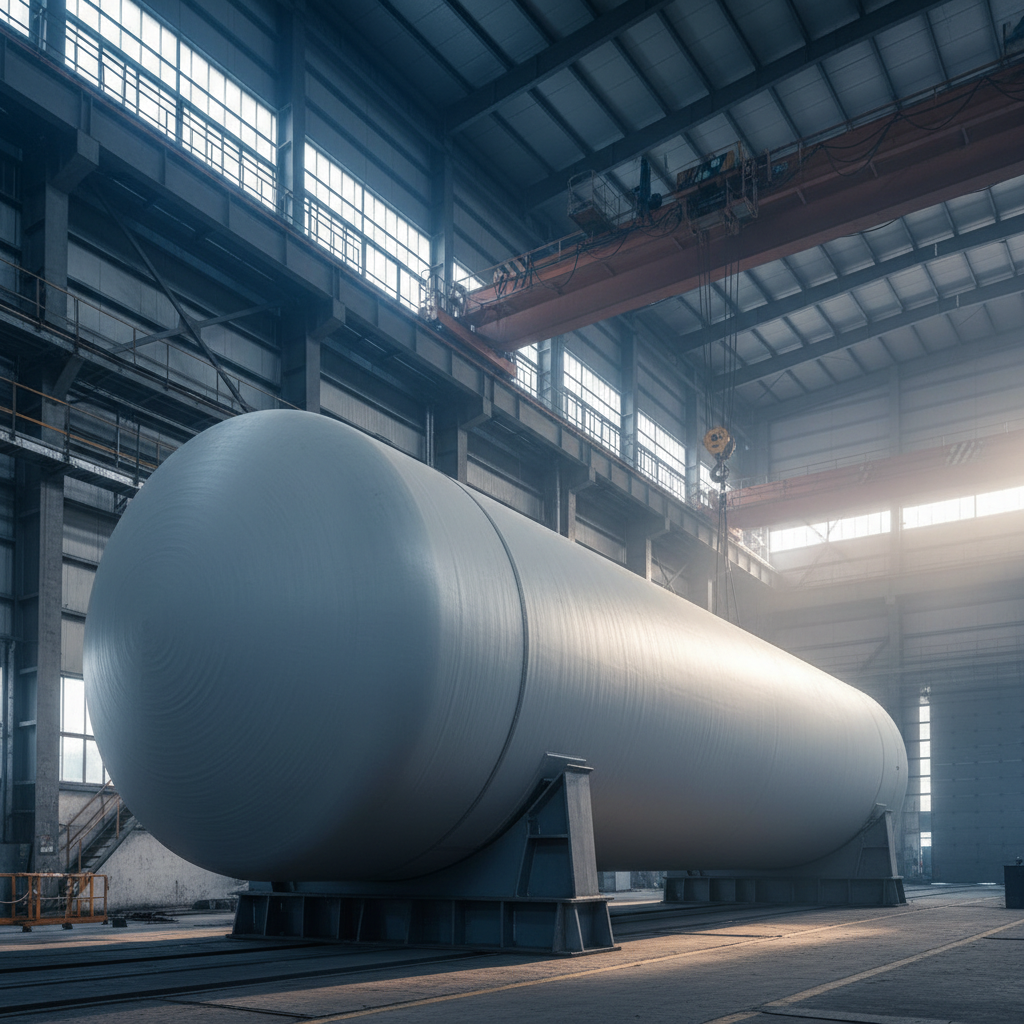
Fiber Reinforced Plastic (FRP) horizontal tanks are increasingly becoming the preferred choice for storage solutions across numerous industries. Known for their durability, corrosion resistance, and lightweight nature, these tanks offer a compelling alternative to traditional materials like steel. This article will delve into the intricacies of FRP horizontal tanks, exploring their applications, benefits, manufacturing processes, and key considerations for selecting the right tank for your needs. We’ll also discuss why choosing a reputable supplier like FRPGRPMachine ensures quality and reliability. FRP horizontal tanks are constructed using a combination of reinforcing fibers (such as fiberglass, carbon fiber, or aramid fiber) embedded in a polymer matrix (typically polyester, vinyl ester, or epoxy resin). The horizontal design allows for efficient use of space and facilitates easier installation and maintenance. The unique properties of FRP materials impart exceptional resistance to corrosion, chemicals, and UV radiation, making these tanks ideal for storing a wide variety of substances. They are manufactured through processes like filament winding, hand lay-up, and resin transfer molding, ensuring structural integrity and long-term performance.
Comprehensive Guide to FRP Fuel Tanks Benefits and Applications
Mar 12,2026
Comprehensive Guide to FRP Fuel Tanks Benefits and Applications
Fiber Reinforced Polymer (FRP) fuel tanks are rapidly gaining prominence as a robust and reliable alternative to traditional steel tanks. Offering significant advantages in terms of corrosion resistance, weight reduction, and design flexibility, they are becoming a go-to solution for a wide range of applications, from fuel storage at service stations to large-scale industrial facilities. This article delves into the benefits, applications, construction, and considerations when choosing an FRP fuel tank, providing a comprehensive overview for businesses and engineers. Investing in the right fuel storage solution is crucial for safety, compliance, and long-term cost efficiency. FRP fuel tanks offer a compelling set of advantages over traditional materials like steel. Their inherent resistance to corrosion is a primary benefit, significantly reducing maintenance costs and extending the tank's lifespan. Unlike steel, FRP won’t rust or corrode when exposed to fuels, water, or harsh environmental conditions. Furthermore, FRP is significantly lighter than steel – often by up to 60% – leading to easier installation, reduced transportation costs, and lower structural support requirements.
Comprehensive Guide to Durable Fibre Reinforced Plastic Tanks and Vessels
Mar 11,2026
Comprehensive Guide to Durable Fibre Reinforced Plastic Tanks and Vessels
In industries demanding robust, corrosion-resistant storage solutions, fibre reinforced plastic (FRP) tanks and vessels are increasingly becoming the material of choice. These tanks, crafted from materials like glass fibre reinforced polymer (GRP), offer superior performance compared to traditional materials like steel or concrete. This article delves into the benefits, applications, manufacturing processes, and considerations when choosing FRP tanks and vessels. We'll explore why they are a smart investment for various industrial needs. FRP is a composite material made by combining a polymer matrix (resin) with reinforcing fibres, typically glass, carbon, or aramid. This combination results in a material that is lightweight, incredibly strong, and highly resistant to corrosion. GRP, a common type of FRP using glass fibres, is particularly popular due to its cost-effectiveness and excellent chemical resistance. The properties of FRP can be tailored during manufacturing to meet specific application requirements.
Comprehensive Guide to Durable Double Wall FRP Tank Solutions for Industries
Mar 10,2026
Comprehensive Guide to Durable Double Wall FRP Tank Solutions for Industries
Double wall Fiber Reinforced Polymer (FRP) tanks are increasingly becoming the preferred choice for storing a wide range of chemicals and liquids across diverse industries. Offering superior corrosion resistance, durability, and safety compared to traditional materials like steel, these tanks are a valuable asset for any business dealing with potentially hazardous substances. This article will delve into the key features, benefits, applications, and considerations when choosing a double wall FRP tank, providing you with the information needed to make an informed decision. Investing in a reliable storage solution is crucial for operational efficiency and environmental responsibility. A double wall FRP tank consists of two layers of FRP material separated by a space. This design provides a critical layer of containment in the event of a leak or failure in the inner tank. The space between the walls can be monitored for leaks, allowing for early detection and preventing environmental contamination. The construction typically involves a resin matrix reinforced with fiberglass, offering excellent chemical resistance, and the ability to be customized for specific application requirements. These tanks offer a significantly enhanced safety profile compared to single-wall tanks.
Comprehensive Guide to FRP Water Storage Tank Solutions and Applications
Mar 09,2026
Comprehensive Guide to FRP Water Storage Tank Solutions and Applications
Fiber Reinforced Polymer (FRP) water storage tanks are increasingly becoming the preferred choice for a wide range of applications, from potable water storage to industrial chemical containment. Their lightweight nature, corrosion resistance, and durability offer significant advantages over traditional materials like steel and concrete. This article will explore the benefits, applications, and key considerations when choosing an FRP water storage tank, providing insights for engineers, project managers, and anyone involved in water management. Selecting the right tank is critical for ensuring long-term reliability and water quality. FRP tanks offer a compelling set of advantages. Their corrosion resistance is paramount, eliminating the need for costly linings and repairs often required with steel tanks. The lightweight nature of FRP significantly reduces installation costs, as less heavy machinery is needed.
For More Details Pls Contact Us
Thank you for your interest in our gloves! We offer high-quality, durable, and comfortable gloves with fast delivery and competitive prices. For any questions or customization, feel free to contact us. We look forward to working with you!

If you are interested in our products, you can choose to leave your information here, and we will be in touch with you shortly.