Nov 25,2025

Exploring the Benefits and Uses of 300 Gallon Fiberglass Tanks for Industrial and Humanitarian Needs

A Closer Look at the 300 Gallon Fiberglass Tank: Why It Matters Worldwide

If you’ve ever dealt with industrial liquid storage, water management, or even emergency water supply, chances are you’ve encountered—or at least heard of—a fiberglass tank. But what’s so special about the 300 gallon fiberglass tank? It turns out, this seemingly modest-sized storage unit plays a surprisingly outsized role globally, from remote villages relying on clean water to sprawling industrial setups in the heart of cities. Understanding this product’s benefits isn’t just for tank suppliers or engineers; it’s crucial for anyone interested in durable, sustainable liquid storage. Globally, as the demand for reliable, lightweight, and corrosion-resistant water and chemical storage rises, the 300 gallon fiberglass tank fits neatly into this narrative. According to the World Bank, over two billion people worldwide lack safely managed water services—a huge challenge that technologies like fiberglass tanks can help address. They’re portable, robust, and often affordable, making them staples in emergency relief, agriculture, manufacturing, and beyond.

Global Relevance: The Role of Fiberglass Tanks in Modern Industry and Aid

Fiberglass tanks, especially the 300 gallon size/faction, punch above their weight on the international stage. ISO standards for composite materials have driven innovation and safety improvements leading to widespread adoption—from municipal water treatment plants in Asia to mining operations in Australia. The choice of a 300 gallon fiberglass tank, in particular, comes down to a sweet spot: big enough for industrial and agricultural needs, yet small enough to transport and deploy rapidly. One problem they help solve is corrosion in metal tanks—a global headache that increases maintenance costs and risks contamination, especially in chemically sensitive industries like food processing or wastewater treatment. Moreover, in disaster zones, the light weight and modular nature of such tanks make them invaluable for quick installation of clean water supply systems. Mini takeaway: The 300 gallon fiberglass tank is more than just a container; it’s a practical answer to storage challenges spanning pollution control, agricultural irrigation, and humanitarian logistics around the world.

What Exactly is a 300 Gallon Fiberglass Tank?

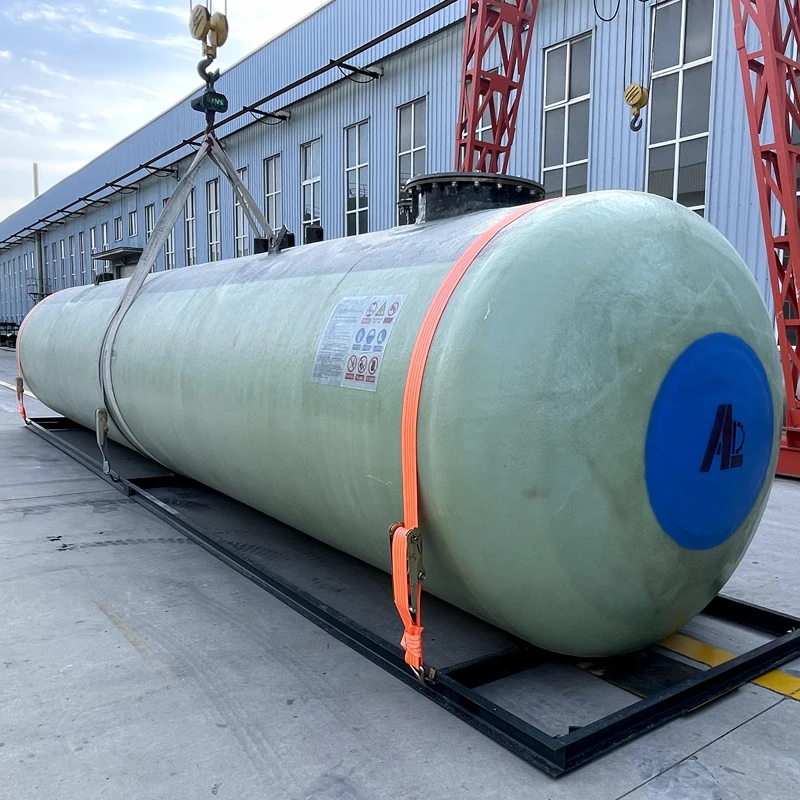
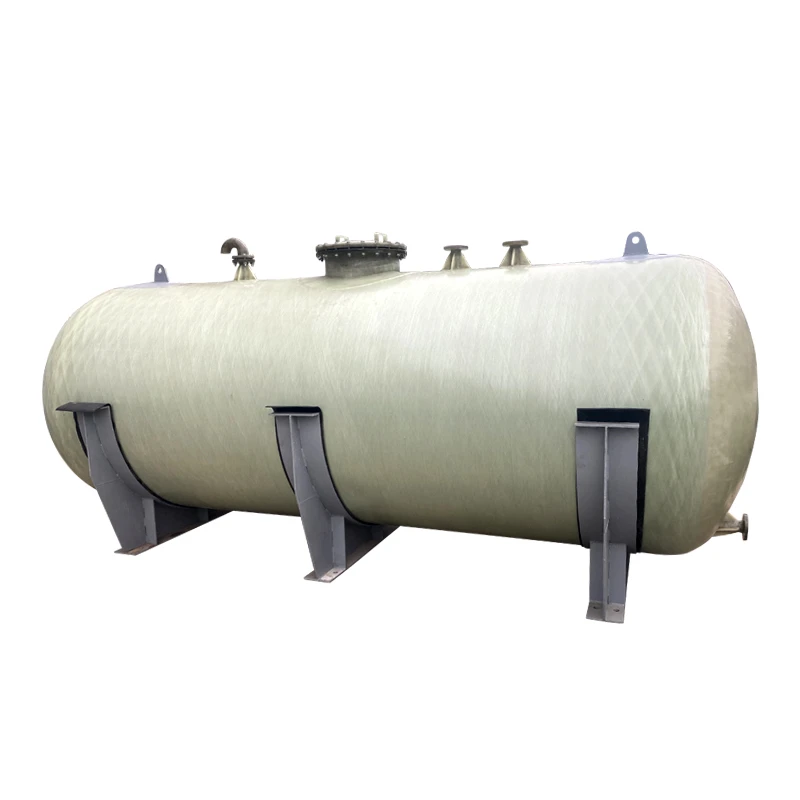
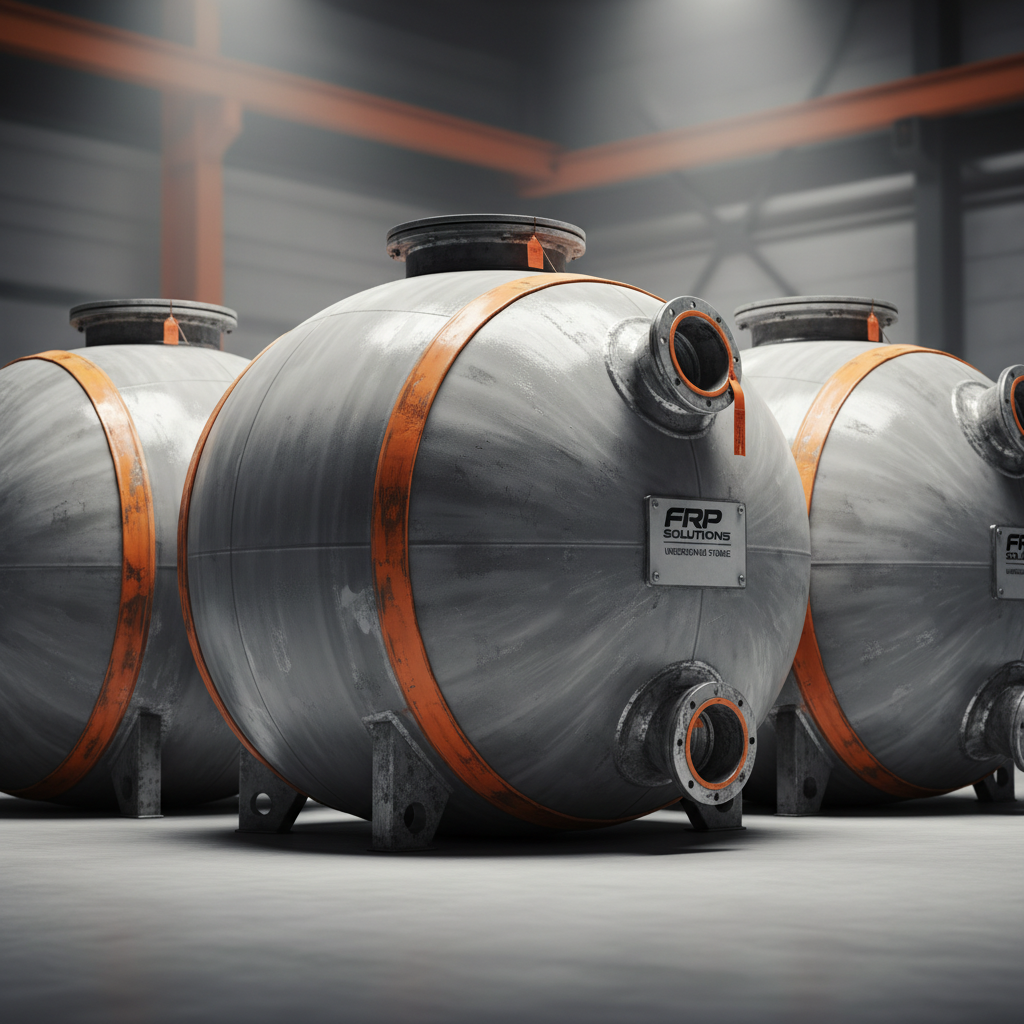
Put simply, a 300 gallon fiberglass tank is a liquid storage vessel made from fiberglass reinforced plastic (FRP). Think of it as a large, specially engineered basin designed to hold approximately 300 gallons (roughly 1,135 liters) of liquid—be it water, chemicals, or other industrial fluids. Fiberglass materials combine glass fibers with resin, producing a tank that’s not just tough but also lightweight and resistant to rust and corrosion. These tanks are common in modern industries because they resist chemical degradation better than steel or concrete alternatives, which means less down-time and longer service life. On a humanitarian level, they’re favored in water-scarce or disaster-stricken regions for storing potable water safely without risk of contamination. Mini takeaway: The 300 gallon fiberglass tank blends smart material science with practical need, balancing durability and transportability in liquid containment.

Key Characteristics of the 300 Gallon Fiberglass Tank

1. Durability and Chemical Resistance

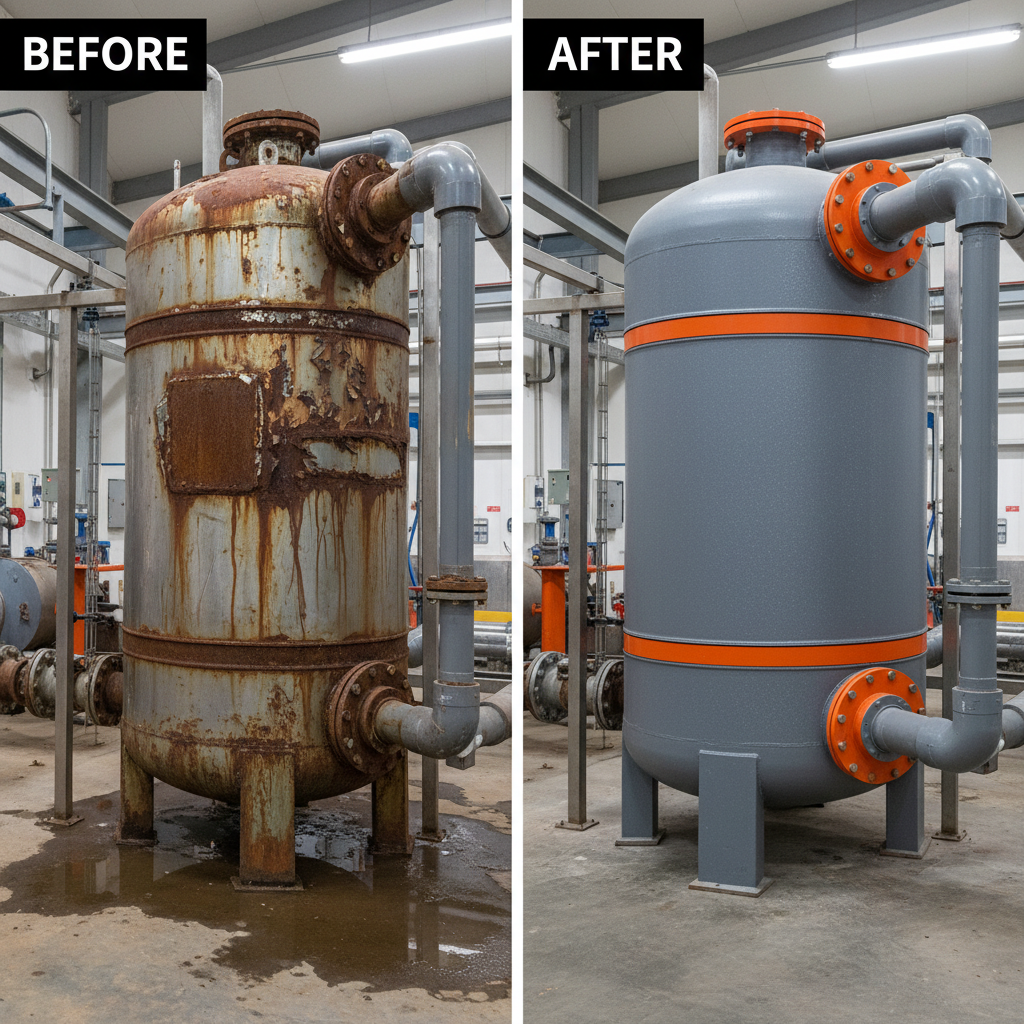
Fiberglass tanks resist rust, corrosion, and UV degradation far better than steel or even polyethylene. This makes them ideal when storing aggressive chemicals or exposed to harsh outdoor environments for years without heavy maintenance.

2. Portability and Ease of Installation

Weighing a fraction of similar-capacity steel tanks, these fibroglass units are easier to deliver and install—even in remote areas. Their size means you can comfortably transport them on flatbeds or in containers, making logistics smoother.

3. Cost Efficiency Over Life Cycle

Though initial costs might be slightly higher than plastic alternatives, their low maintenance, resistance to leaks, and long service life make 300 gallon fiberglass tanks surprisingly economical in the long run.

4. Versatility and Customization

Manufacturers often provide customization options—like special coatings, reinforced designs, or added fittings—that expand the tank’s use cases from water and chemicals to fuel storage or even rainwater harvesting.

5. Environmental Safety

Fiberglass tanks do not leach harmful substances and can handle potable water storage with ease. On top of that, they contribute less carbon footprint in production compared to steel given lightweight transport. Mini takeaway: These core properties collectively explain why so many sectors rely on the 300 gallon fiberglass tank for dependable liquid storage.

Where Do 300 Gallon Fiberglass Tanks Make a Real Impact?

The versatility of these tanks means they pop up in some interesting places:
  • Disaster Relief Operations: NGOs and government agencies deploy these tanks rapidly to provide clean water storage during floods, earthquakes, or droughts.
  • Agriculture: Farmers in arid regions store irrigation water or liquid fertilizers reliably without worrying about tank corrosion or soil contamination.
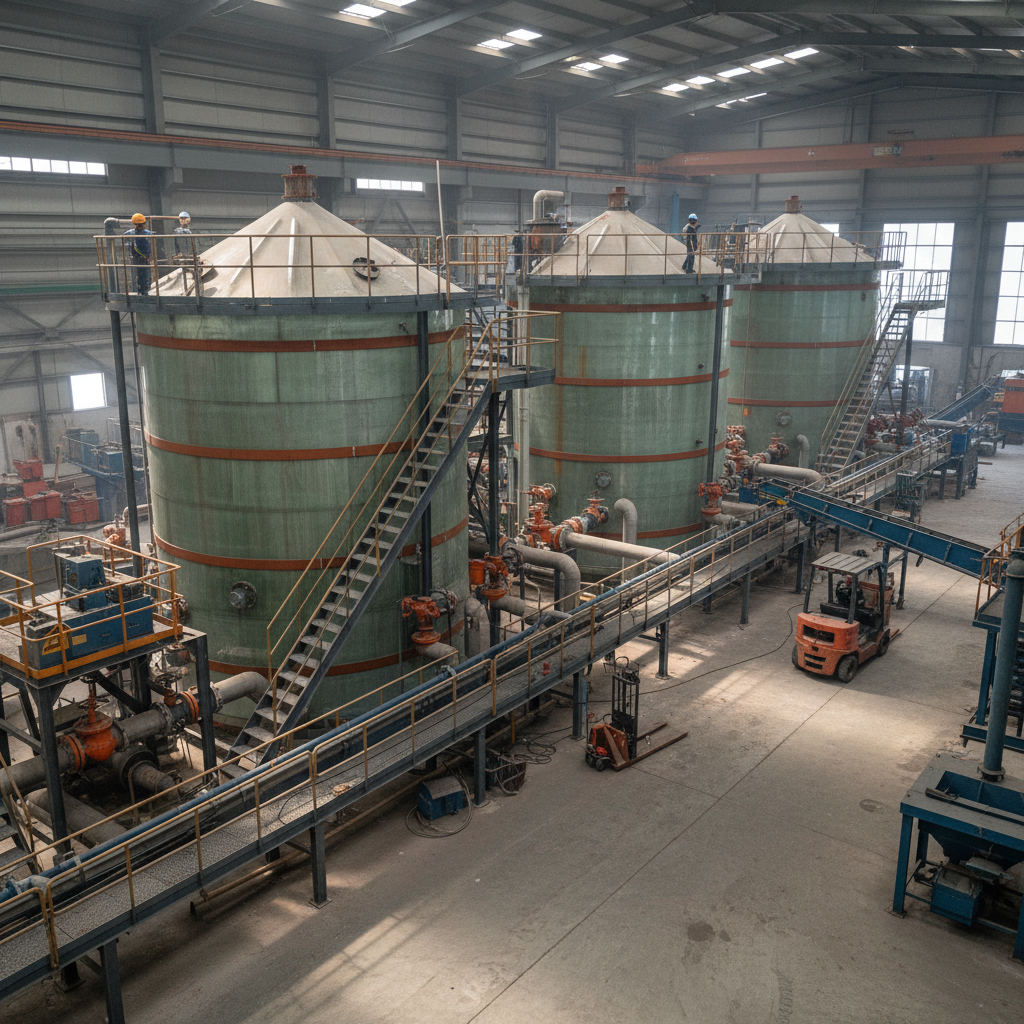
  • Industrial Plants: Chemical and food processing industries use these tanks where chemical resistance and hygiene standards are critical.
  • Remote Mining Sites: Sites far from infrastructure benefit from the tanks’ portability and ruggedness to manage fuel and water needs.
  • Municipal Water Systems: Smaller municipal setups use these fiberglass tanks for groundwater storage and emergency water reserves.
For instance, following the 2015 Nepal earthquake, relief groups utilized scalable groups of 300 gallon fiberglass tanks to quickly establish potable water points in hard-to-reach villages—saving countless lives. Mini takeaway: The flexible applications of these tanks make them quietly essential in many vital sectors around the world.

Advantages & Long-Term Value of 300 Gallon Fiberglass Tanks

These tanks offer: - Reliability: No unexpected rust pits or leaks disrupting operations. - Cost Savings: Reduced maintenance and longer replacement cycles. - Sustainability: Long-life design reduces resource waste. - Safety and Trust: Assures clean water storage and better chemical containment. - Innovation: Materials and coatings keep improving—manufacturers keep tweaking to make tanks even lighter and stronger. On an emotional level, customers often talk about peace of mind—knowing their storage solution won’t fail when it matters most, whether in a fraught industrial environment or fragile humanitarian setting. It’s a rare combo of performance and empathy. Mini takeaway: The 300 gallon fiberglass tank feels like an investment in both technology and social good.

Emerging Trends & Innovations in Fiberglass Tank Technology

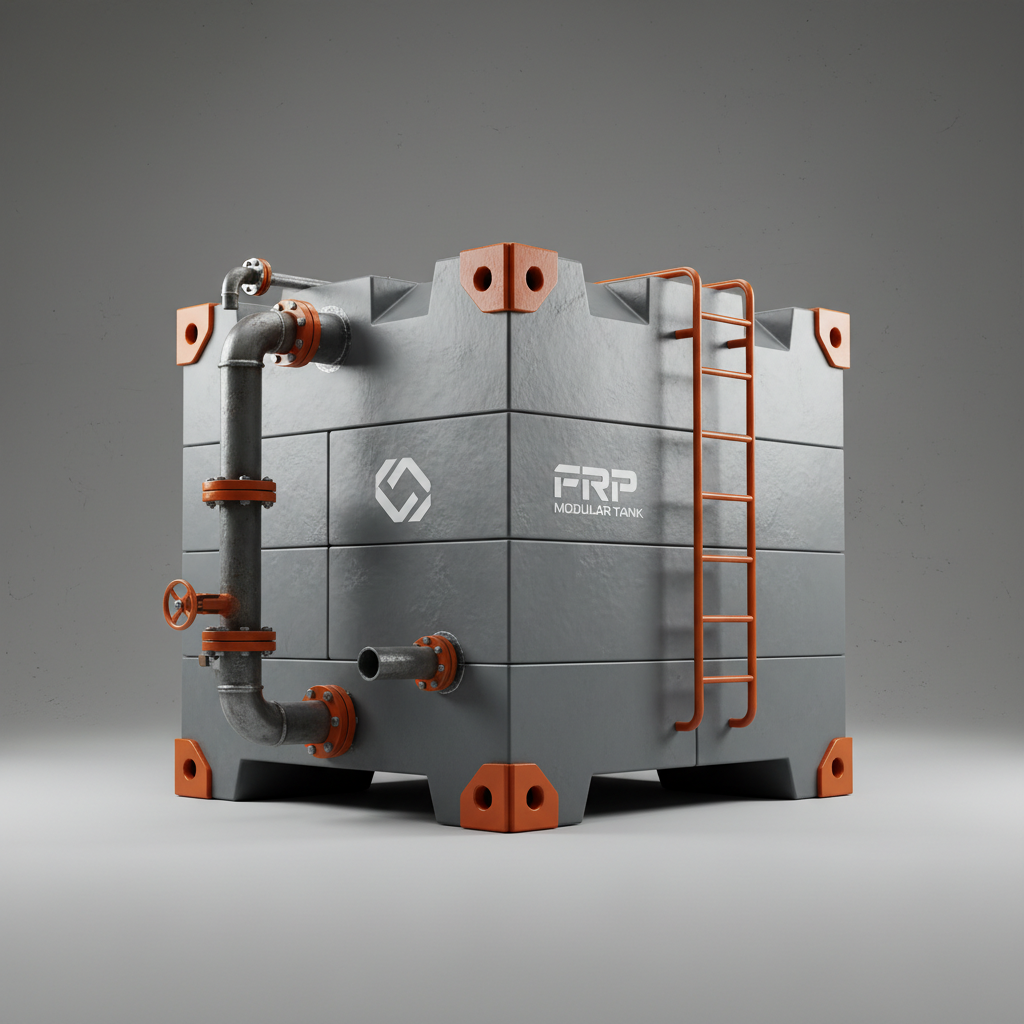
Looking forward, we see exciting developments: - Green Resins: Biobased resins replacing petroleum derivatives reduce environmental impact. - Digital Monitoring: Embedded smart sensors allow real-time level and integrity monitoring. - Automation-Ready Designs: Tanks designed to integrate with automated filling and control systems. - Enhanced UV Protection: Coatings prolong lifespan under intense sunlight exposure. - Modular Expansion: Interlocking tank systems allow scalable capacity growth without major overhauls. Manufacturers and research bodies (like those aligned with ISO standards for composite materials) are pushing boundaries so tanks don’t just store liquids—they help optimize entire supply chains. Mini takeaway: It’s not just about holding water anymore—future fiberglass tanks will be smarter, greener, and better integrated.

Challenges and Practical Solutions for Fiberglass Tanks

Despite all these benefits, some challenges linger: - Initial Cost Barrier: Fiberglass tanks can be pricier than simple plastic units upfront. - Repair Complexity: Repairing damage requires specific materials and expertise not always readily available. - UV and Abrasion Sensitivity: Without proper coatings, tanks exposed to harsh environments can degrade faster. - Regulatory Compliance: Different countries have varying safety and environmental standards complicating international sales. To address these, suppliers offer warranties, modular design features to simplify replacement, and training partnerships. Using local installers for maintenance also helps overcome skill gaps. Mini takeaway: Like any solution, the 300 gallon fiberglass tank comes with learning curves—but smart approaches make them manageable.

Practical FAQs About 300 Gallon Fiberglass Tanks

How long does a typical 300 gallon fiberglass tank last?
With proper care and installation, these tanks often last 20 years or more, especially if shielded from extreme UV and mechanical damage.
Can fiberglass tanks store potable water safely?
Absolutely. Fiberglass tanks for potable water use special resins and coatings ensuring zero contamination or taste changes over time.
Are these tanks easy to transport to remote areas?
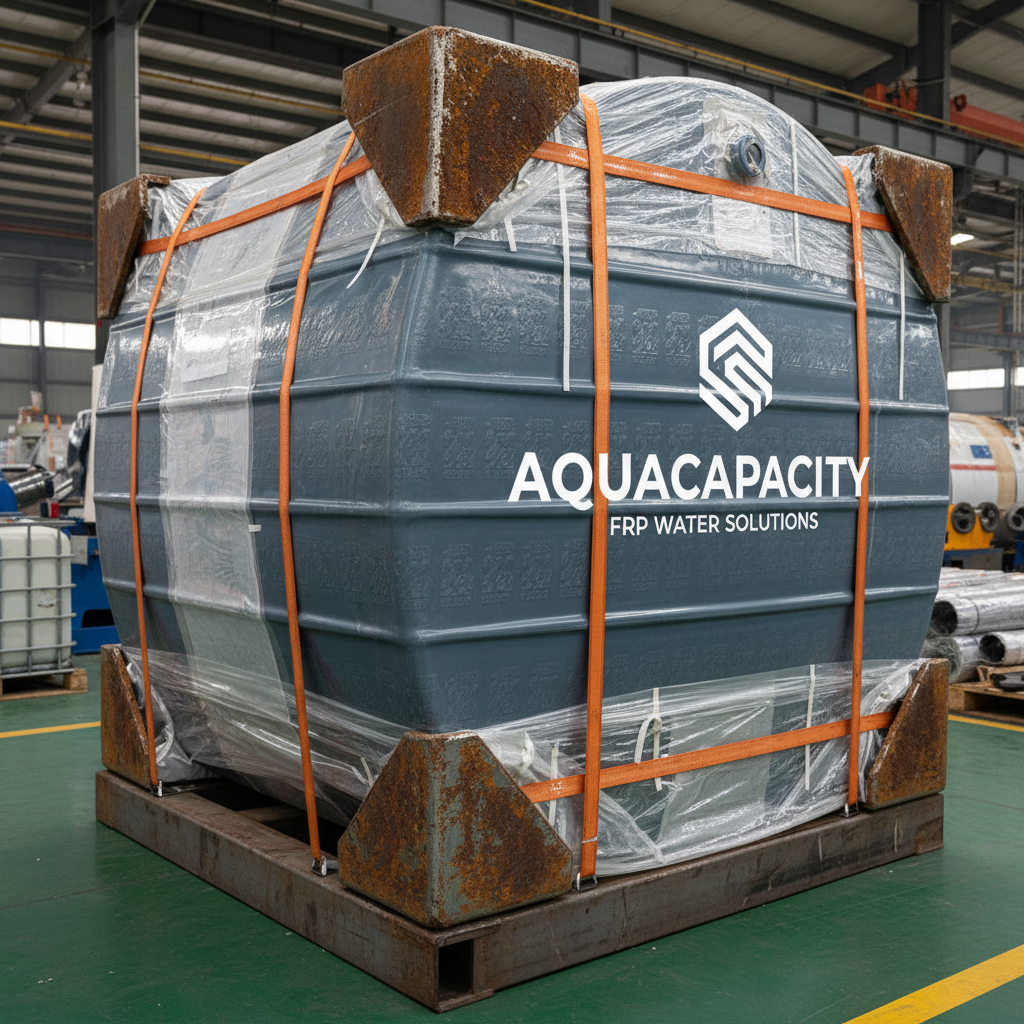
Thanks to their lightweight design and manageable size, 300 gallon fiberglass tanks can be shipped via flatbed trucks or even airlifted in emergencies.
What maintenance do these tanks require?
Routine visual inspections, cleaning, and annual checks for resin damage or leaks keep them performing well.
How customizable are fiberglass tanks?
Very customizable — from color, fittings, internal linings, to special shapes or reinforcement based on specific industrial needs.

Product Specifications for a Typical 300 Gallon Fiberglass Tank

Feature Specification
Capacity 300 gallons (1,135 liters)
Material Fiberglass Reinforced Plastic (FRP)
Weight (empty) Approx. 75-90 lbs (34-41 kg)
Dimensions (LxWxH) Approximately 48" x 30" x 42"
Maximum Operating Temp. 140°F (60°C)
Resistance Corrosion, UV, Chemical

Comparing Leading 300 Gallon Fiberglass Tank Vendors

Vendor Price Range (USD) Lead Time Customization Options Warranty
ClearWater Tanks Inc. $950 - $1,150 2-3 weeks Color, fittings, liners 5 years
FibroStor Solutions $1,100 - $1,300 3-4 weeks Custom diameters, automation ready 7 years
Global Fiberglass Systems $920 - $1,000 1-2 weeks Standard sizes only 3 years

Wrap Up: Why Choosing the Right Fiberglass Tank Matters

To sum it all up, the 300 gallon fiberglass tank isn’t just a box to hold fluids—it’s a practical solution with a global footprint touching agriculture, industry, humanitarian aid, and municipal water management. It offers durability, portability, and customization wrapped in efficient, sustainable design. For many businesses and aid groups, it represents trust in infrastructure that must never fail. If you want to explore a dependable fiberglass tank that fits your scale and purpose, consider looking deeper or visiting trusted suppliers — like the 300 gallon fiberglass tank providers you’ll find online. It’s worth the investment for peace of mind and operational resilience. Mini takeaway: Durable, versatile, and affordable—fiberglass tanks are quietly shaping global liquid storage solutions.
References:
1. World Bank - Water Scarcity
2. Wikipedia - Fiberglass
3. ISO Composite Materials Standards
Upsell Products
Upsell News
Guide to Fiber Water Tank Price and FRP Storage Costs
Jul 01,2026
Guide to Fiber Water Tank Price and FRP Storage Costs
Understanding Fiber Water Tank Price: A Comprehensive Investment Guide When searching for a reliable liquid storage solution, understanding the factors that influence fiber water tank price is essential for optimizing your operational budget. Fiber-Reinforced Plastic FRP tanks have become the industry standard for water and chemical storage due to their exceptional corrosion resistance and structural integrity. Whether you are managing a municipal water project or an industrial chemical plant, selecting the right tank requires a balance between initial cost and long-term durability. In this guide, we will explore the variables that drive pricing and why FRP remains the most cost-effective choice
Guide to Fibreglass Water Tank Prices and FRP Investment
Jun 29,2026
Guide to Fibreglass Water Tank Prices and FRP Investment
Understanding Fibreglass Water Tank Prices: A Comprehensive Investment Guide When planning water storage for industrial or commercial applications, understanding the factors that influence fibreglass water tank prices is essential for optimizing your budget. Fibreglass Reinforced Plastic FRP tanks offer a superior alternative to steel or concrete due to their corrosion resistance and lightweight nature. Whether you are in the petroleum, chemical, or drainage industry, selecting a tank that balances cost with long-term durability is key. In this guide, we will explore the pricing drivers, technical advantages, and specifications of high-quality FRP storage solutions to help you make an informed purchasing decision.
Industrial Fiberglass Water Tank Price and Buyers Guide
Jun 27,2026
Industrial Fiberglass Water Tank Price and Buyers Guide
Analyzing Fiberglass Water Tank Price: A Comprehensive Buyers Guide When investing in industrial water storage, understanding the fiberglass water tank price is essential for effective budget planning and operational efficiency. Fiberglass Reinforced Plastic FRP tanks have become the gold standard in water quality pollution prevention and chemical storage due to their exceptional corrosion resistance and durability. Whether you are managing a municipal water system or a specialized manufacturing plant, choosing the right tank involves balancing initial costs with long-term lifecycle value. In this guide, we will break down the factors that influence pricing and why FRP is often the most cost-effective choice
Comprehensive Guide to GRP Sectional Water Tanks Prices and Quality
Jun 26,2026
Comprehensive Guide to GRP Sectional Water Tanks Prices and Quality
Selecting the right water storage solution is critical for industrial, commercial, and residential infrastructure. When evaluating grp sectional water tanks prices, it is essential to look beyond the initial sticker price and consider the total cost of ownership, including durability, installation ease, and maintenance. Glass Reinforced Plastic GRP tanks offer a superior alternative to traditional steel or concrete, providing exceptional corrosion resistance and modular flexibility. In this guide, we will explore the factors that influence pricing and why GRP remains the gold standard for modern water management.
Guide to Understanding FRP Tank Cost and Investment Value
Jun 25,2026
Guide to Understanding FRP Tank Cost and Investment Value
Understanding FRP Tank Cost: A Comprehensive Guide to Investment and Value When investing in industrial storage solutions, understanding the frp tank cost is essential for accurate budgeting and long-term operational planning. Fiber Reinforced Plastic FRP tanks offer an exceptional balance of corrosion resistance, structural strength, and longevity, making them the preferred choice for chemical, petroleum, and water treatment industries. While initial pricing can vary based on specifications, the total cost of ownership is often significantly lower than traditional steel tanks due to reduced maintenance. In this guide, we will explore the factors influencing pricing and the advanced machinery used to produce these high-performance vessels.
Best Industrial 500 gallon chemical tank for Storage and Safety
Jun 23,2026
Best Industrial 500 gallon chemical tank for Storage and Safety
Choosing the Best 500 Gallon Chemical Tank for Industrial Storage When managing hazardous materials or industrial fluids, the integrity of your storage system is non-negotiable. A high-quality 500 gallon chemical tank provides the perfect balance between capacity and footprint, making it an ideal choice for mid-sized operations, water treatment facilities, and chemical processing plants. Selecting the right material and design ensures not only the safety of your personnel but also the longevity of your assets. In this guide, we will explore the critical factors you need to consider to optimize your chemical storage efficiency and compliance.
Safe and Efficient Industrial Chemical Storage Tanks Guide
Jun 21,2026
Safe and Efficient Industrial Chemical Storage Tanks Guide
Maximizing Safety and Efficiency with Industrial Chemical Storage Tanks In the modern industrial landscape, the secure management of hazardous materials is not just a regulatory requirement but a critical safety priority. Selecting the right industrial chemical storage tanks is essential for preventing leaks, reducing environmental impact, and ensuring the longevity of your infrastructure. Whether you are dealing with highly corrosive acids or volatile solvents, the material composition and design of your storage system determine your operational risk. This guide explores the technical nuances of chemical storage to help you make an informed investment for your facility.
Best Guide to Choosing a Durable 200 Gallon Chemical Tank
Jun 20,2026
Best Guide to Choosing a Durable 200 Gallon Chemical Tank
The Ultimate Guide to Choosing a 200 Gallon Chemical Tank Finding the right storage solution for hazardous or corrosive substances is critical for industrial safety and operational efficiency. A 200 gallon chemical tank offers a versatile mid-size capacity, ideal for businesses that need a balance between space-saving design and sufficient volume for chemical processing. Whether you are dealing with acids, bases, or specialty solvents, the material composition of your tank determines its lifespan and your facilitys safety. In this guide, we will explore the technical specifications, material options, and best practices for maintaining these essential industrial assets.
Industrial Fiberglass Water Storage Tanks Guide for Efficiency
Jun 18,2026
Industrial Fiberglass Water Storage Tanks Guide for Efficiency
The Ultimate Guide to Fiberglass Water Storage Tanks for Industrial Use Selecting the right containment system is critical for maintaining water purity and operational efficiency. fiberglass water storage tanks have emerged as a superior alternative to traditional steel or concrete reservoirs. Combining high strength-to-weight ratios with exceptional corrosion resistance, these tanks are designed to withstand the harshest environmental conditions while ensuring the longevity of your infrastructure. Whether you are managing a municipal water system or an industrial chemical process, understanding the advantages of FRP Fiber Reinforced Plastic technology is the first step toward a sustainable storage solution.
Industrial Storage Guide for Modular Sectional Water Tanks
Jun 13,2026
Industrial Storage Guide for Modular Sectional Water Tanks
When managing large-scale water storage, efficiency and scalability are non-negotiable. Sectional water tanks offer a versatile and robust solution for industries requiring customized capacities and easy installation in restricted spaces. Unlike monolithic tanks, these systems are engineered from modular panels, allowing for precise sizing and seamless transport to remote sites. Whether it is for fire protection, potable water, or industrial processing, choosing the right tank configuration can significantly impact the longevity and reliability of your water infrastructure. In this guide, we explore why these modular systems are the preferred choice for modern engineering projects worldwide.
Industrial Safety Guide for Double Wall Chemical Tanks
Jun 11,2026
Industrial Safety Guide for Double Wall Chemical Tanks
In the world of industrial chemical storage, containment is not just a preferenceit is a critical safety requirement. double wall chemical tanks provide a sophisticated layer of security, ensuring that hazardous materials are contained even if the primary vessel fails. By utilizing a tank-within-a-tank design, these systems prevent catastrophic leaks, protect the surrounding environment, and ensure compliance with strict regulatory standards. Whether you are managing a water treatment plant or a chemical manufacturing facility, understanding the nuances of secondary containment is essential for operational longevity and risk mitigation.
High Efficiency and Durability of Fiberglass Storage Tanks
Jun 09,2026
High Efficiency and Durability of Fiberglass Storage Tanks
In the world of industrial liquid containment, choosing the right material is critical for safety, longevity, and cost-effectiveness. fiberglass storage tanks , also known as FRP Fiber Reinforced Plastic tanks, have emerged as the gold standard for storing corrosive chemicals, water, and hazardous materials. Unlike traditional metal tanks, fiberglass offers an unparalleled combination of strength and chemical inertness. Whether you are managing a municipal water system or a complex chemical processing plant, understanding the advantages of these advanced composite structures is essential for optimizing your infrastructure and reducing long-term maintenance costs.
Durable FRP Vessel for Water Treatment and Industrial Filtration
Apr 16,2026
Durable FRP Vessel for Water Treatment and Industrial Filtration
In the modern era of industrial and residential water purification, the choice of containment materials is critical for efficiency and longevity. An frp vessel for water treatment has emerged as the gold standard, replacing traditional steel tanks due to its superior corrosion resistance and lightweight properties. Whether you are dealing with desalination, softening, or filtration, using Fiber Reinforced Plastic (FRP) ensures that your system remains leak-proof and durable against aggressive chemicals. In this comprehensive guide, we will explore why FRP is the preferred choice for water treatment professionals worldwide and how to select the right vessel for your specific application.
Industrial Guide for Choosing the Right FRP Vertical Tank
Apr 09,2026
Industrial Guide for Choosing the Right FRP Vertical Tank
In today's industrial landscape, the storage of corrosive chemicals and aggressive liquids requires materials that can withstand extreme conditions without degrading. The frp vertical tank has emerged as a premier solution, offering an exceptional balance of strength, lightweight properties, and unmatched chemical resistance. Whether you are managing a water treatment plant or a chemical processing facility, understanding the nuances of Fiber Reinforced Plastic (FRP) is essential for ensuring operational safety and longevity. In this comprehensive guide, we will explore why vertical configurations are preferred and how these tanks outperform traditional metal alternatives.
Comprehensive Guide to FRP Underground Water Tank Solutions and Applications
Apr 07,2026
Comprehensive Guide to FRP Underground Water Tank Solutions and Applications
Fiberglass Reinforced Polymer (FRP) underground water tanks are becoming increasingly popular for a wide range of applications, from potable water storage to industrial wastewater containment. Their superior corrosion resistance, lightweight nature, and design flexibility make them an excellent alternative to traditional materials like concrete or steel. This article will delve into the benefits, applications, construction, and considerations for implementing FRP underground water tanks, providing a comprehensive overview for engineers, contractors, and project managers.
Comprehensive Guide to Frp Underground Water Storage Tanks and Their Applications
Apr 04,2026
Comprehensive Guide to Frp Underground Water Storage Tanks and Their Applications
When considering water storage solutions, particularly for industrial, agricultural, or municipal applications, frp underground water storage tanks stand out as a durable, cost-effective, and environmentally friendly option. These tanks are increasingly favored over traditional materials like concrete or steel due to their superior corrosion resistance, lighter weight, and ease of installation. This article delves into the benefits, applications, construction, and considerations when choosing an FRP tank, providing a detailed overview for potential buyers and project planners.
For More Details Pls Contact Us
Thank you for your interest in our gloves! We offer high-quality, durable, and comfortable gloves with fast delivery and competitive prices. For any questions or customization, feel free to contact us. We look forward to working with you!

If you are interested in our products, you can choose to leave your information here, and we will be in touch with you shortly.